
Kyung Woo Park MD Ph D MBA Seoul
협심증 (狹心症) Kyung Woo Park, MD, Ph. D, MBA Seoul National University Hospital Cardiovascular Center

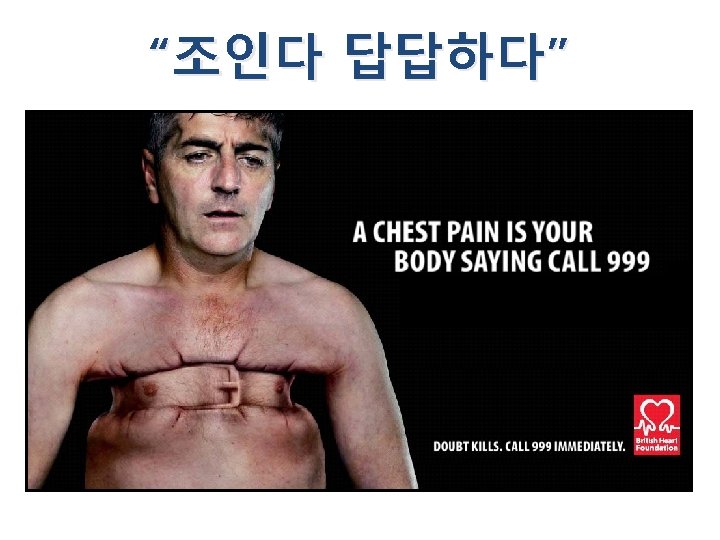

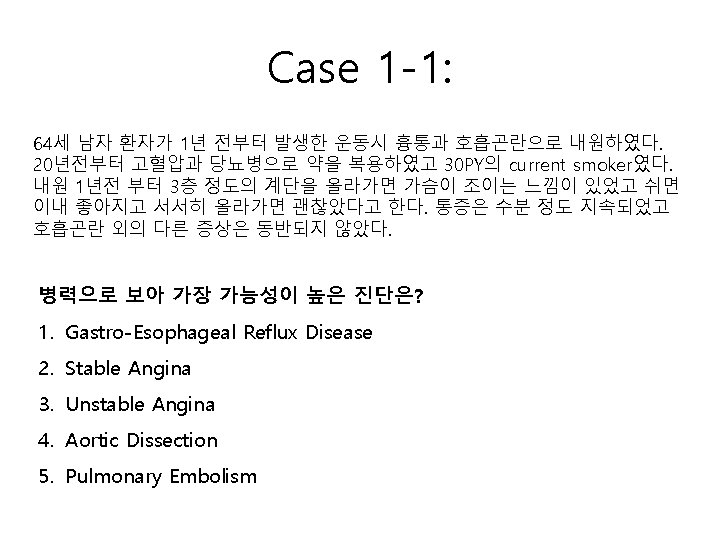
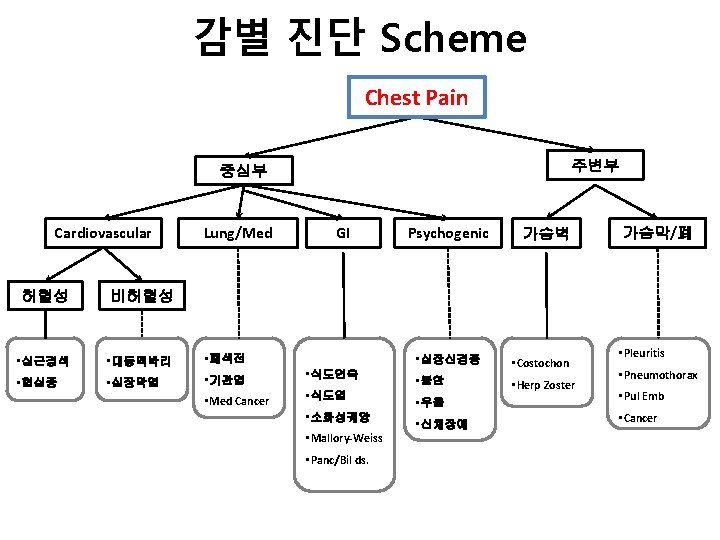
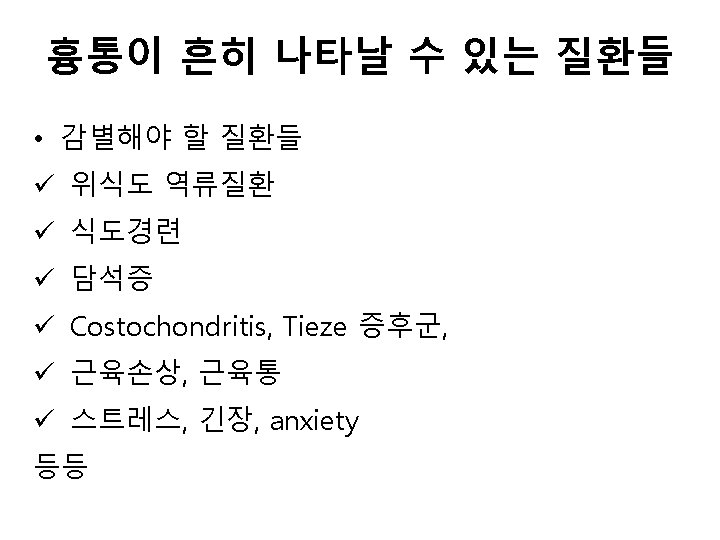
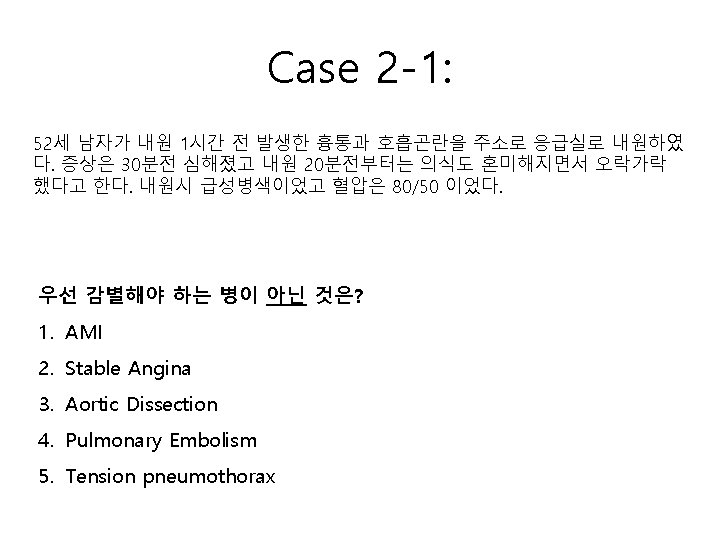
Potentially Life-threatening Conditions 1. Acute myocardial infarction 2. Acute aortic dissection 3. Acute massive pulmonary embolism 4. Tension pneumothorax 5. Esophageal Rupture 6. Pericarditis with Cardiac Tamponade
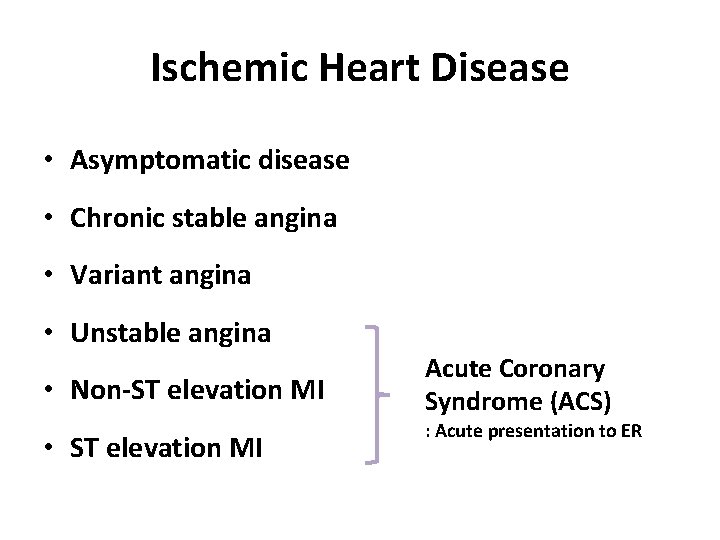
Ischemic Heart Disease • Asymptomatic disease • Chronic stable angina • Variant angina • Unstable angina • Non-ST elevation MI • ST elevation MI Acute Coronary Syndrome (ACS) : Acute presentation to ER
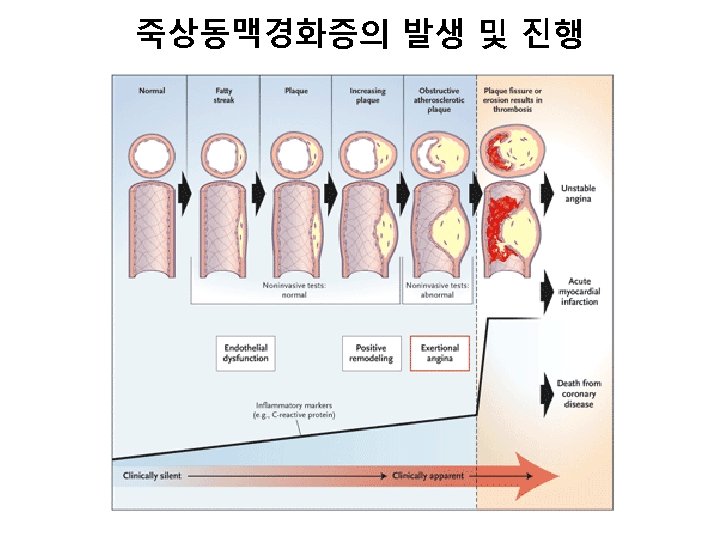
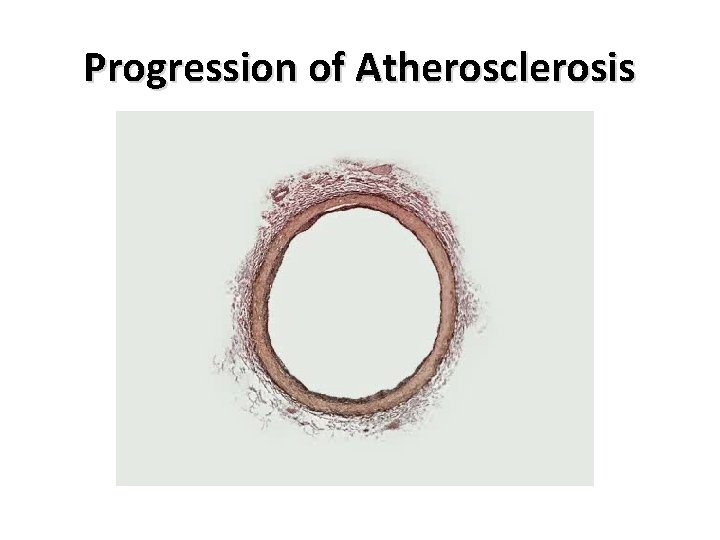
Progression of Atherosclerosis
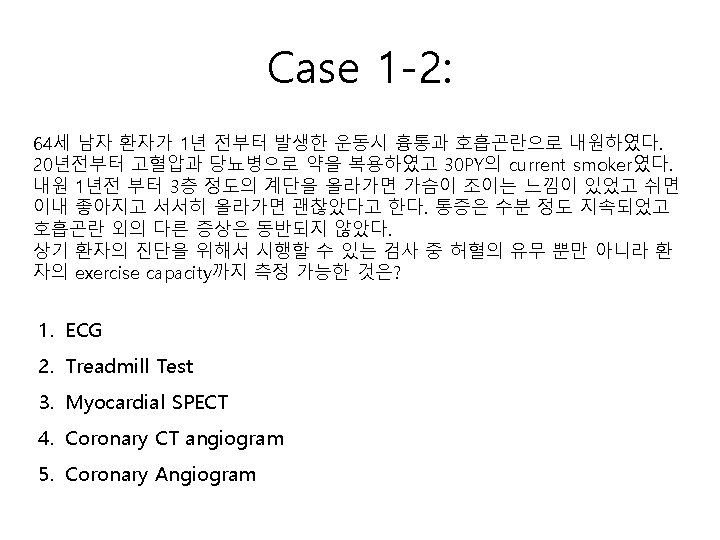

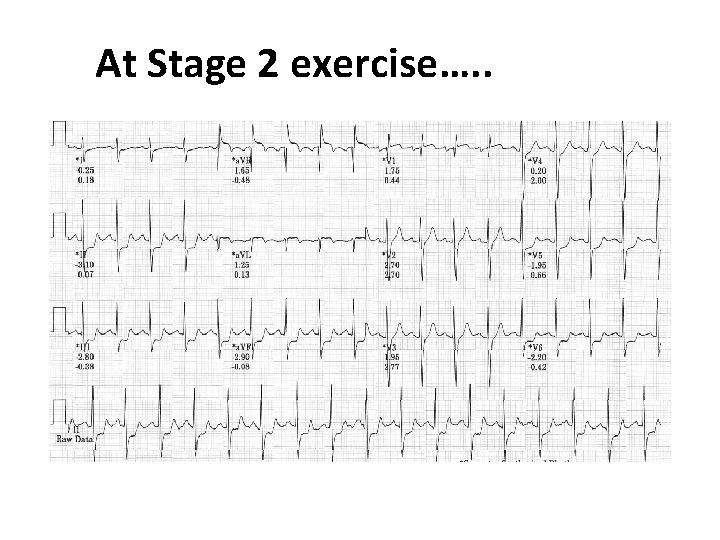
At Stage 2 exercise…. .
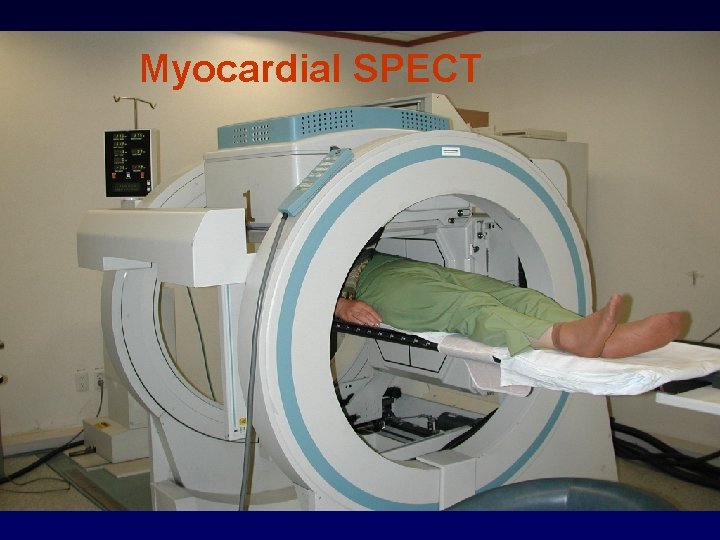
Myocardial SPECT
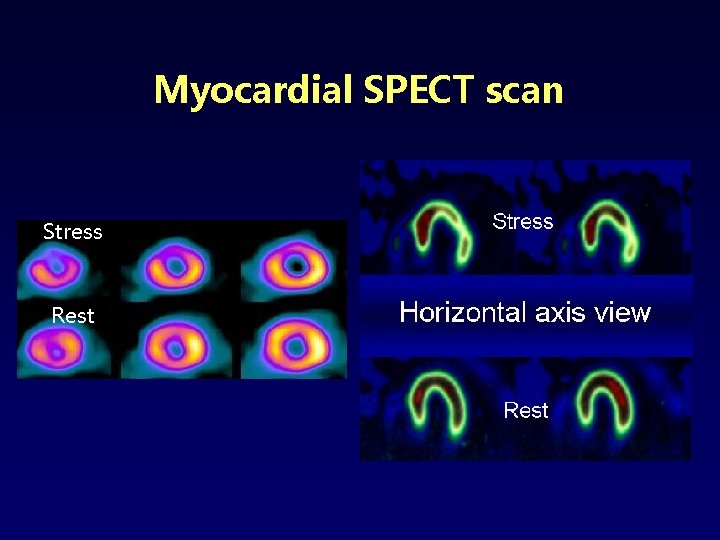
Myocardial SPECT scan Stress Rest
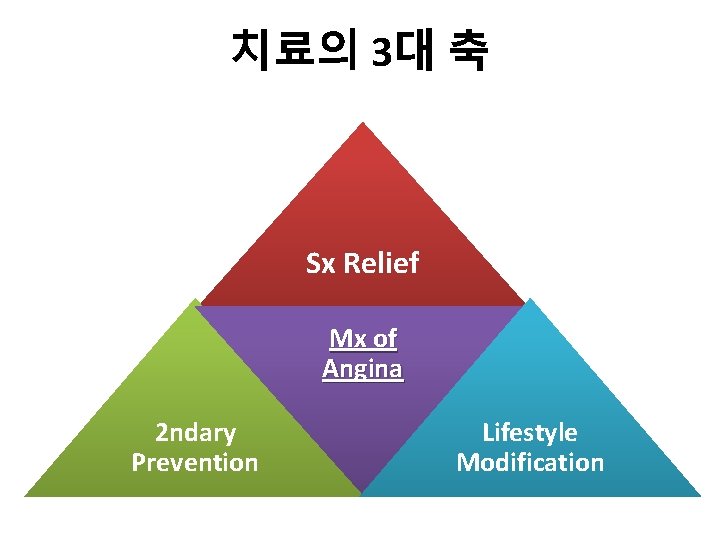
치료의 3대 축 Sx Relief Mx of Angina 2 ndary Prevention Lifestyle Modification
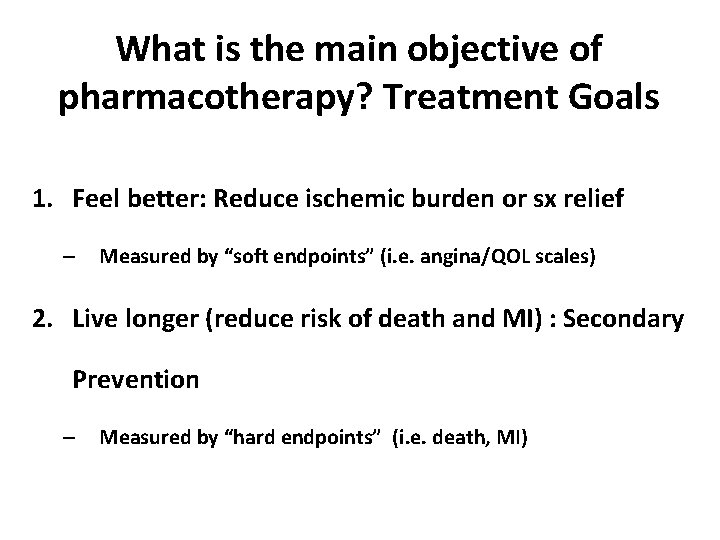
What is the main objective of pharmacotherapy? Treatment Goals 1. Feel better: Reduce ischemic burden or sx relief – Measured by “soft endpoints” (i. e. angina/QOL scales) 2. Live longer (reduce risk of death and MI) : Secondary Prevention – Measured by “hard endpoints” (i. e. death, MI)
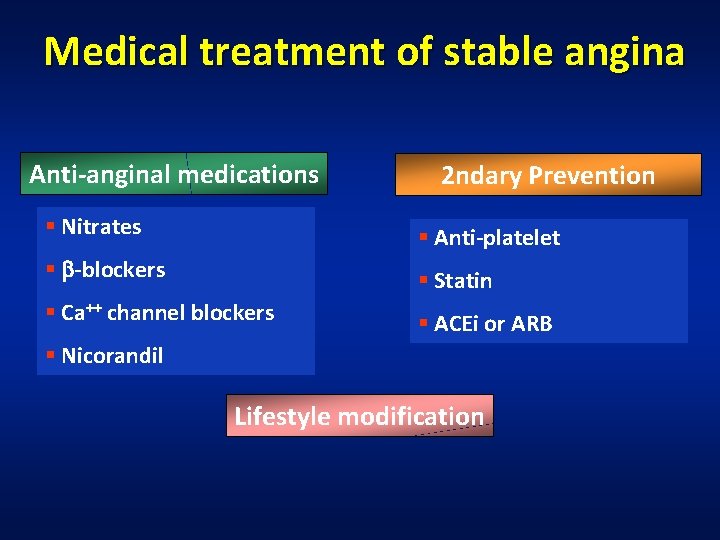
Medical treatment of stable angina Anti-anginal medications § Nitrates 2 ndary Prevention § Anti-platelet § -blockers § Statin § Ca++ channel blockers § ACEi or ARB § Nicorandil Lifestyle modification
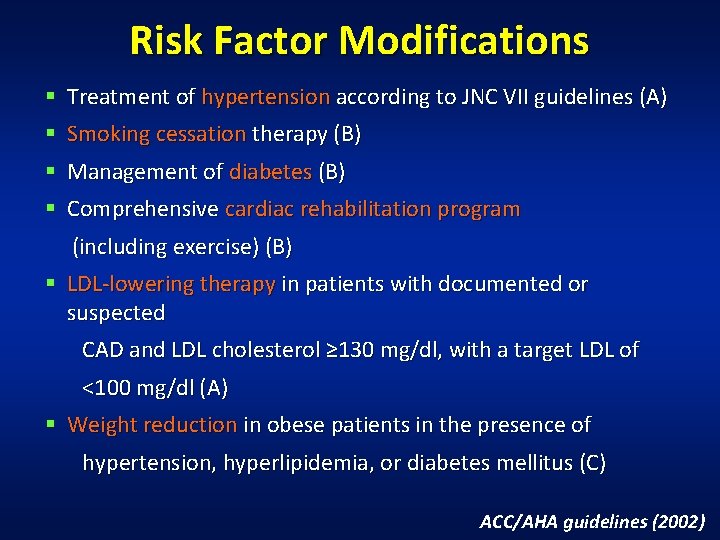
Risk Factor Modifications § Treatment of hypertension according to JNC VII guidelines (A) § Smoking cessation therapy (B) § Management of diabetes (B) § Comprehensive cardiac rehabilitation program (including exercise) (B) § LDL-lowering therapy in patients with documented or suspected CAD and LDL cholesterol ≥ 130 mg/dl, with a target LDL of <100 mg/dl (A) § Weight reduction in obese patients in the presence of hypertension, hyperlipidemia, or diabetes mellitus (C) ACC/AHA guidelines (2002)
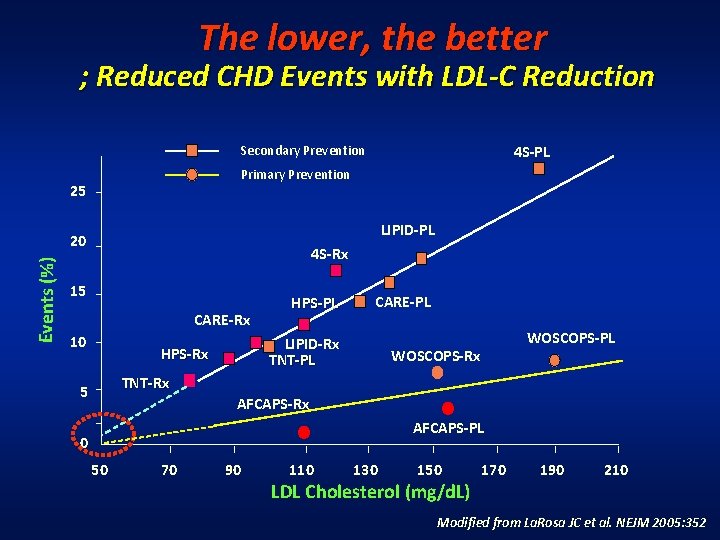
The lower, the better ; Reduced CHD Events with LDL-C Reduction 4 S-PL Secondary Prevention Primary Prevention 25 LIPID-PL Events (%) 20 4 S-Rx 15 CARE-Rx 10 HPS-PL CARE-PL LIPID-Rx TNT-PL HPS-Rx WOSCOPS-PL WOSCOPS-Rx TNT-Rx 5 AFCAPS-Rx AFCAPS-PL 0 50 70 90 110 130 150 LDL Cholesterol (mg/d. L) 170 190 210 Modified from La. Rosa JC et al. NEJM 2005: 352
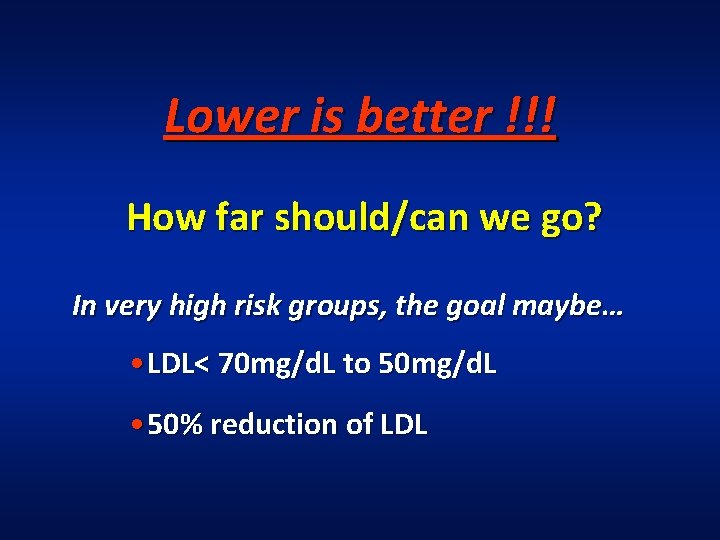
Lower is better !!! How far should/can we go? In very high risk groups, the goal maybe… • LDL< 70 mg/d. L to 50 mg/d. L • 50% reduction of LDL
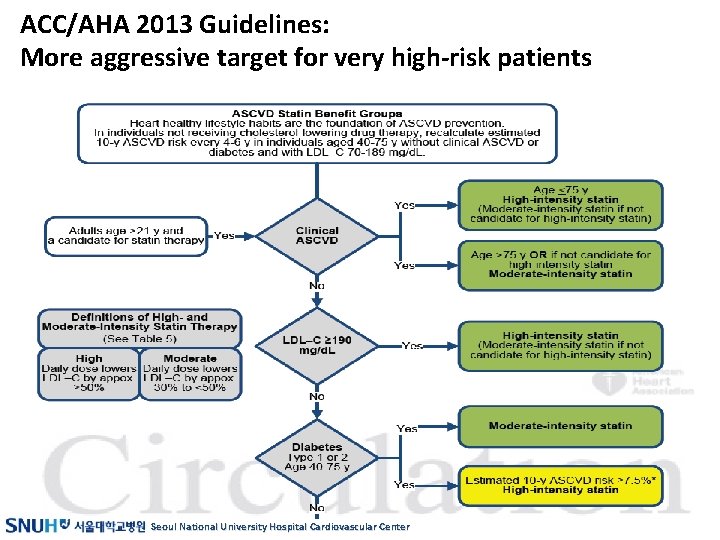
ACC/AHA 2013 Guidelines: More aggressive target for very high-risk patients Seoul National University Hospital Cardiovascular Center
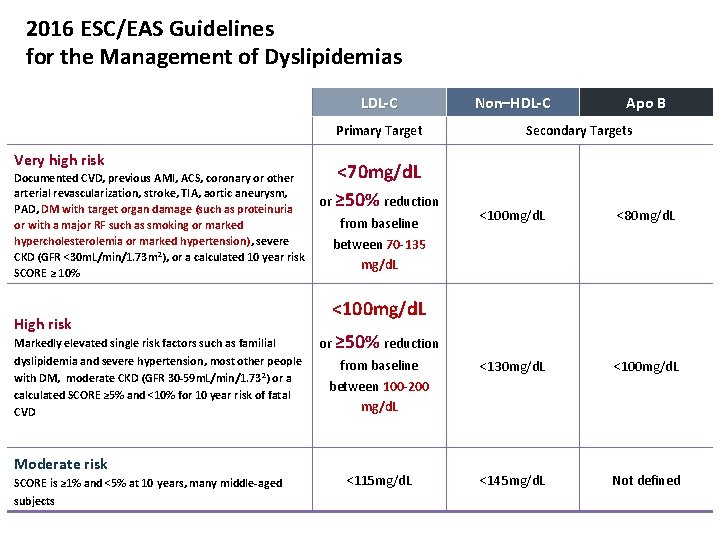
2016 ESC/EAS Guidelines for the Management of Dyslipidemias LDL-C Primary Target Very high risk Documented CVD, previous AMI, ACS, coronary or other arterial revascularization, stroke, TIA, aortic aneurysm, PAD, DM with target organ damage (such as proteinuria or with a major RF such as smoking or marked hypercholesterolemia or marked hypertension), severe CKD (GFR <30 m. L/min/1. 73 m 2), or a calculated 10 year risk SCORE ≥ 10% High risk Markedly elevated single risk factors such as familial dyslipidemia and severe hypertension, most other people with DM, moderate CKD (GFR 30 -59 m. L/min/1. 73 2) or a calculated SCORE ≥ 5% and <10% for 10 year risk of fatal CVD Moderate risk SCORE is ≥ 1% and <5% at 10 years, many middle-aged subjects <70 mg/d. L or ≥ 50% reduction Non–HDL-C Apo B Secondary Targets <100 mg/d. L <80 mg/d. L from baseline between 100 -200 mg/d. L <130 mg/d. L <100 mg/d. L <115 mg/d. L <145 mg/d. L Not defined from baseline between 70 -135 mg/d. L <100 mg/d. L or ≥ 50% reduction
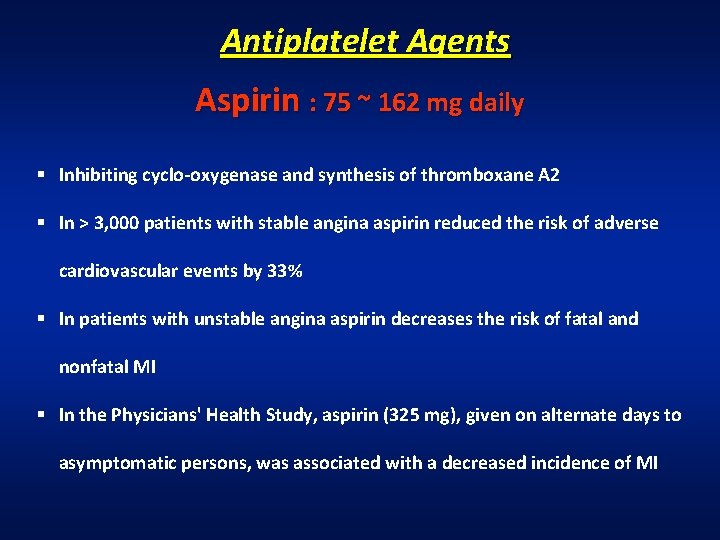
Antiplatelet Agents Aspirin : 75 ~ 162 mg daily § Inhibiting cyclo-oxygenase and synthesis of thromboxane A 2 § In > 3, 000 patients with stable angina aspirin reduced the risk of adverse cardiovascular events by 33% § In patients with unstable angina aspirin decreases the risk of fatal and nonfatal MI § In the Physicians' Health Study, aspirin (325 mg), given on alternate days to asymptomatic persons, was associated with a decreased incidence of MI
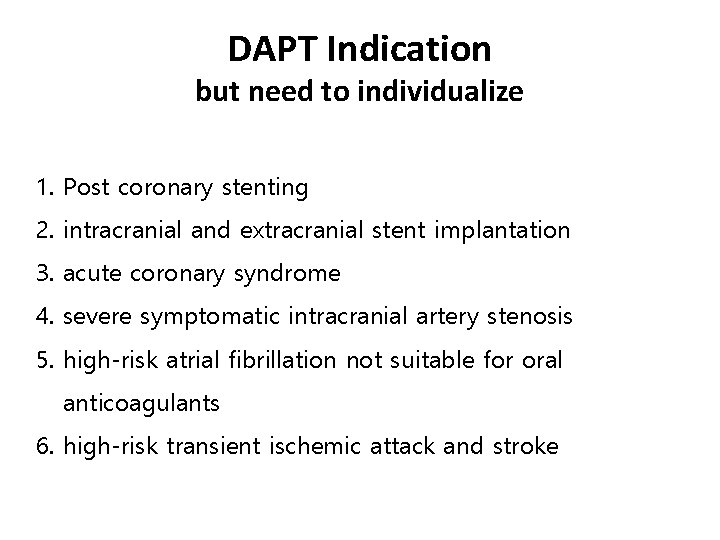
DAPT Indication but need to individualize 1. Post coronary stenting 2. intracranial and extracranial stent implantation 3. acute coronary syndrome 4. severe symptomatic intracranial artery stenosis 5. high-risk atrial fibrillation not suitable for oral anticoagulants 6. high-risk transient ischemic attack and stroke
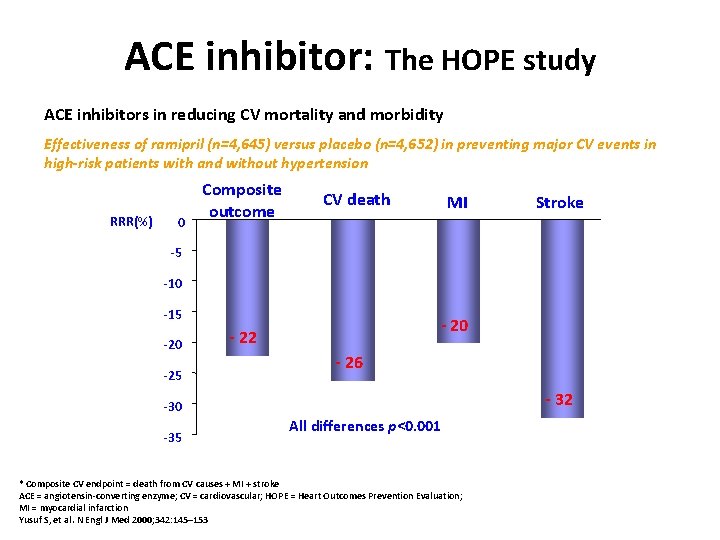
ACE inhibitor: The HOPE study ACE inhibitors in reducing CV mortality and morbidity Effectiveness of ramipril (n=4, 645) versus placebo (n=4, 652) in preventing major CV events in high-risk patients with and without hypertension RRR(%) 0 Composite outcome CV death MI Stroke -5 -10 -15 -20 -25 - 20 - 22 - 26 - 32 -30 -35 All differences p<0. 001 * Composite CV endpoint = death from CV causes + MI + stroke ACE = angiotensin-converting enzyme; CV = cardiovascular; HOPE = Heart Outcomes Prevention Evaluation; MI = myocardial infarction Yusuf S, et al. N Engl J Med 2000; 342: 145– 153
History of Antianginal Drugs • Amyl nitrate and nitroglycerin were found to provide transient relief of angina in the mid-to late 1800 s • Subsequently other vasodilators were introduced for the treatment of angina, but double-blinded clinical trials showed many were no better than placebo • Beta-adrenergic blockers and calcium channel blockers were developed during the early 1960’s and are now also widely used in the prophylactic therapy of angina
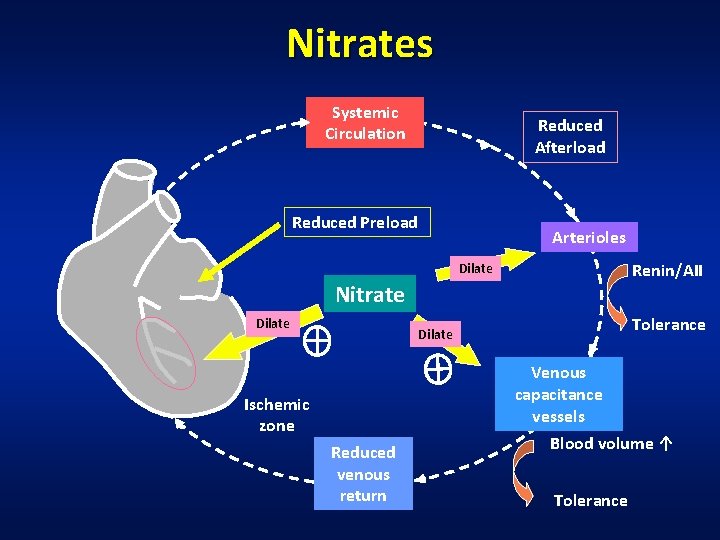
Nitrates Systemic Circulation Reduced Afterload Reduced Preload Arterioles Renin/AII Dilate Nitrate Dilate Tolerance Dilate Venous capacitance vessels Ischemic zone Reduced venous return Blood volume ↑ Tolerance
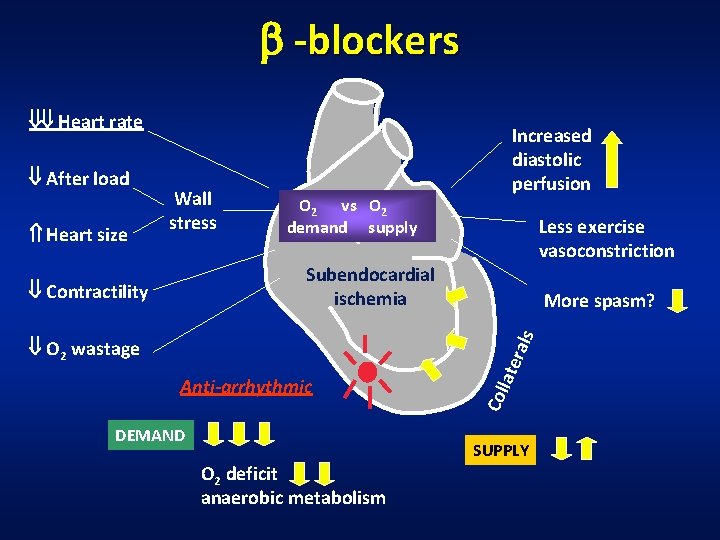
-blockers Heart rate O 2 vs O 2 demand supply Less exercise vasoconstriction Subendocardial ischemia More spasm? rals Contractility O 2 wastage Anti-arrhythmic DEMAND late Heart size Wall stress Col After load Increased diastolic perfusion SUPPLY O 2 deficit anaerobic metabolism
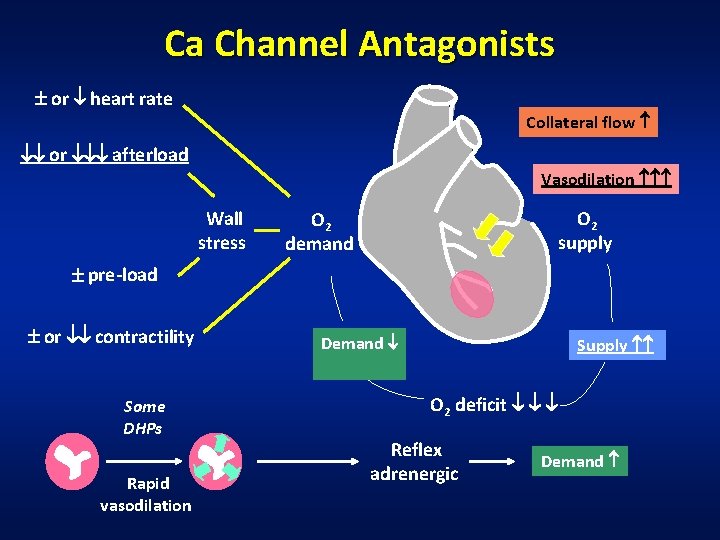
Ca Channel Antagonists or heart rate Collateral flow or afterload Vasodilation Wall stress O 2 supply O 2 demand pre-load or contractility Some DHPs Rapid vasodilation Demand Supply O 2 deficit Reflex adrenergic Demand
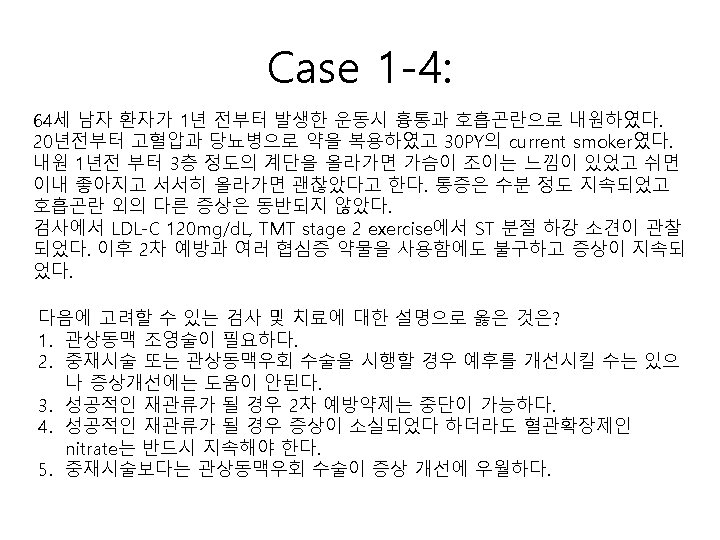
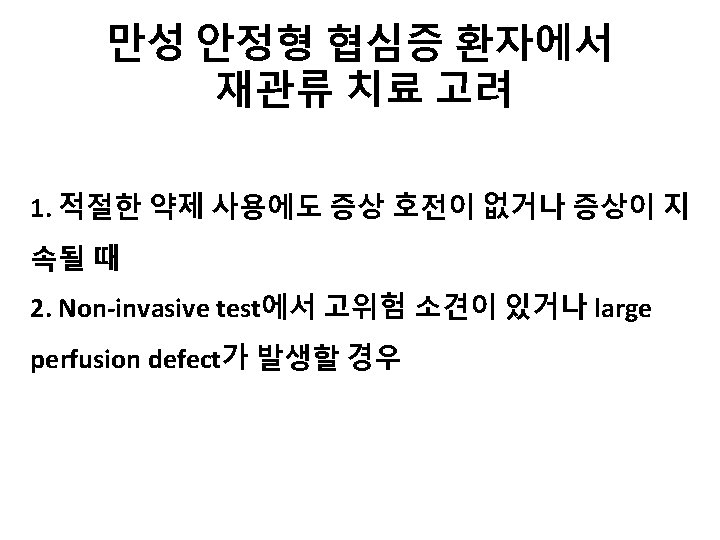
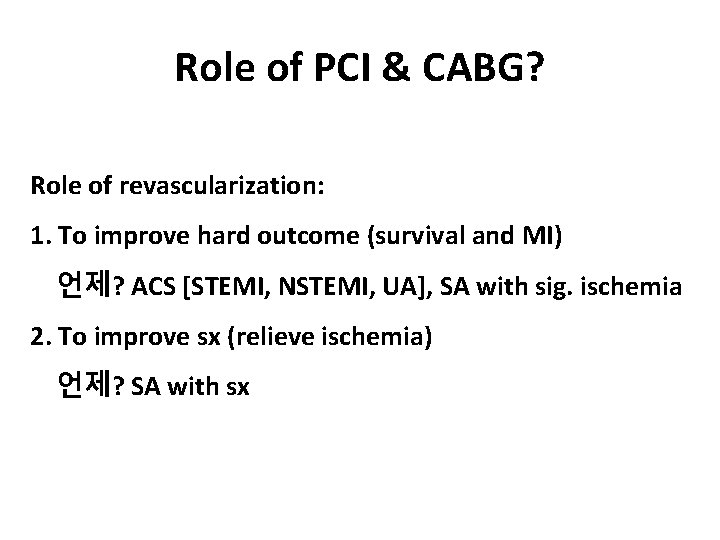
Role of PCI & CABG? Role of revascularization: 1. To improve hard outcome (survival and MI) 언제? ACS [STEMI, NSTEMI, UA], SA with sig. ischemia 2. To improve sx (relieve ischemia) 언제? SA with sx
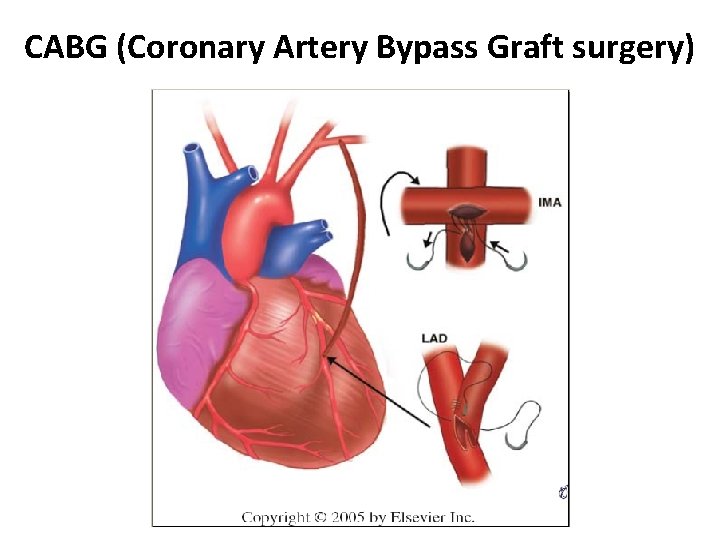
CABG (Coronary Artery Bypass Graft surgery)
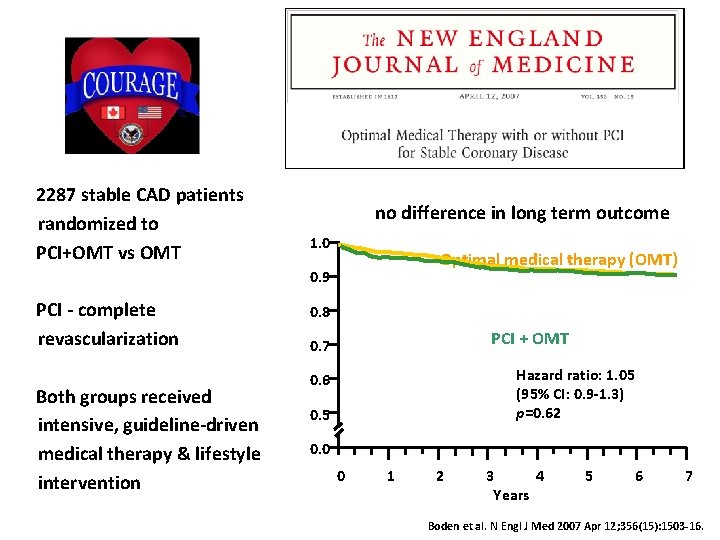
2287 stable CAD patients randomized to PCI+OMT vs OMT no difference in long term outcome 1. 0 Optimal medical therapy (OMT) 0. 9 PCI - complete revascularization Both groups received intensive, guideline-driven medical therapy & lifestyle intervention 0. 8 PCI + OMT 0. 7 Hazard ratio: 1. 05 (95% CI: 0. 9 -1. 3) p=0. 62 0. 6 0. 5 0. 0 0 1 2 3 4 Years 5 6 7 Boden et al. N Engl J Med 2007 Apr 12; 356(15): 1503 -16.
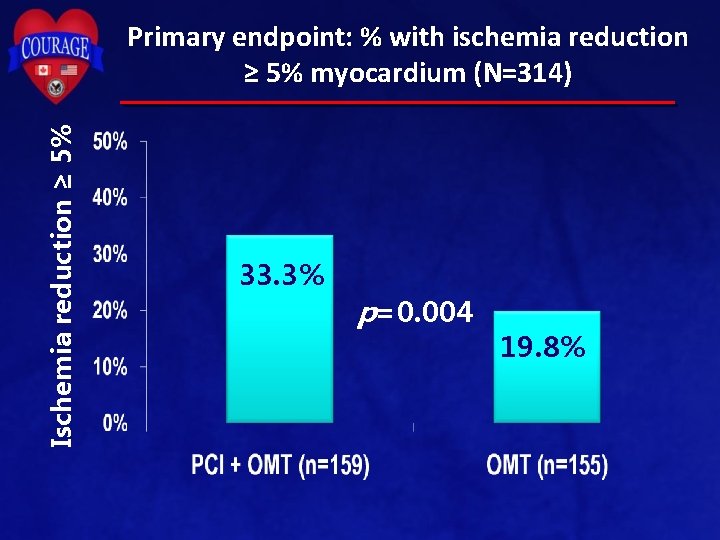
Ischemia reduction ≥ 5% Primary endpoint: % with ischemia reduction ≥ 5% myocardium (N=314) 33. 3% p=0. 004 19. 8%
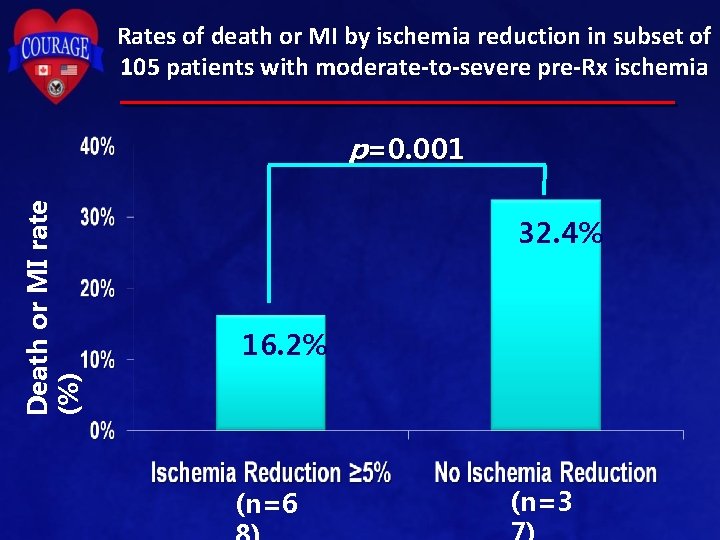
Rates of death or MI by ischemia reduction in subset of 105 patients with moderate-to-severe pre-Rx ischemia Death or MI rate (%) p=0. 001 32. 4% 16. 2% (n=6 (n=3

Back to the ER case …
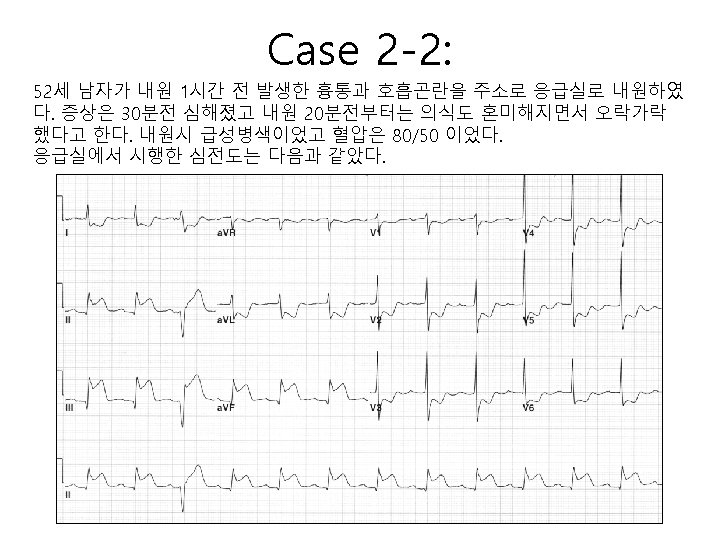
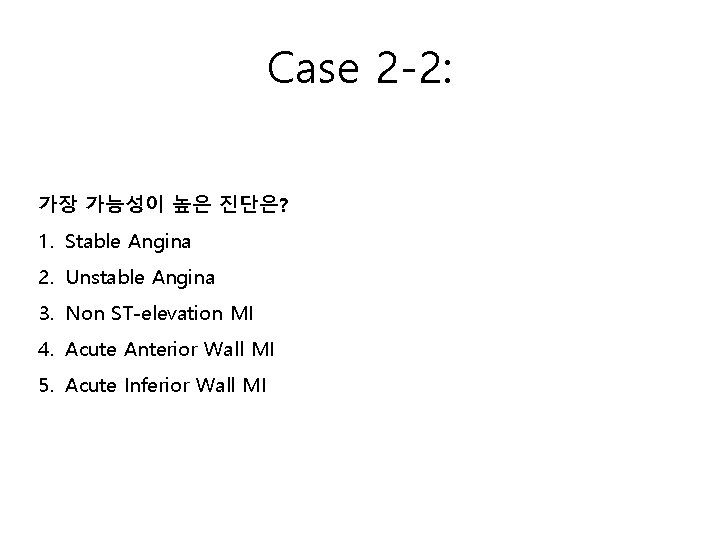
Case 2 -2: 가장 가능성이 높은 진단은? 1. Stable Angina 2. Unstable Angina 3. Non ST-elevation MI 4. Acute Anterior Wall MI 5. Acute Inferior Wall MI
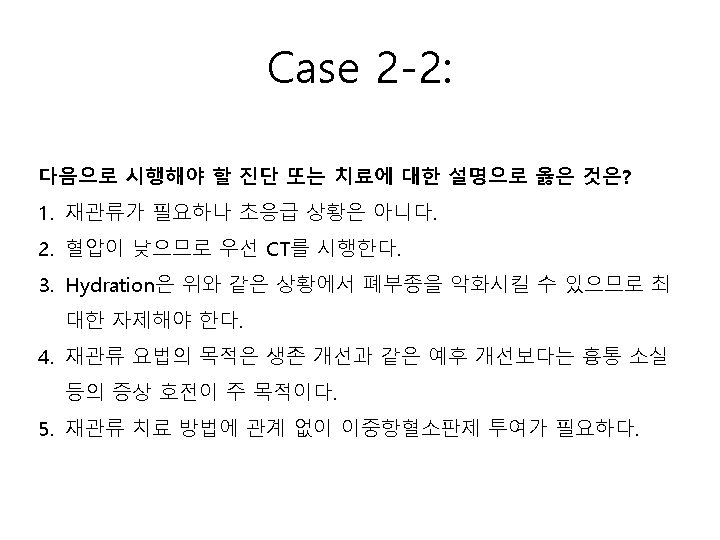
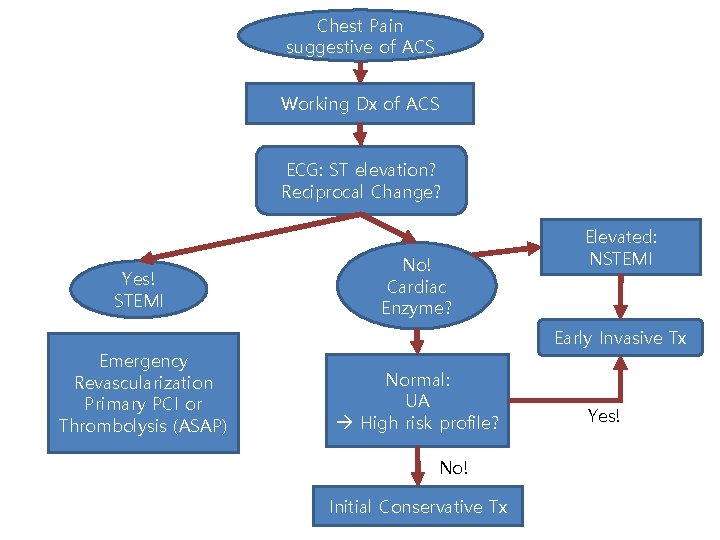
Chest Pain suggestive of ACS Working Dx of ACS ECG: ST elevation? Reciprocal Change? Yes! STEMI Emergency Revascularization Primary PCI or Thrombolysis (ASAP) No! Cardiac Enzyme? Elevated: NSTEMI Early Invasive Tx Normal: UA High risk profile? No! Initial Conservative Tx Yes!

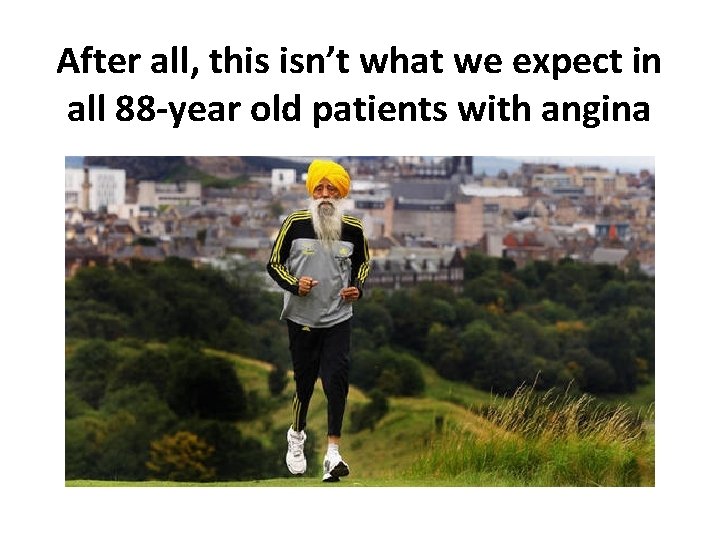
After all, this isn’t what we expect in all 88 -year old patients with angina

- Slides: 52