
KS 2 MULTIPLICATION DIVISION Wednesday 8 th May

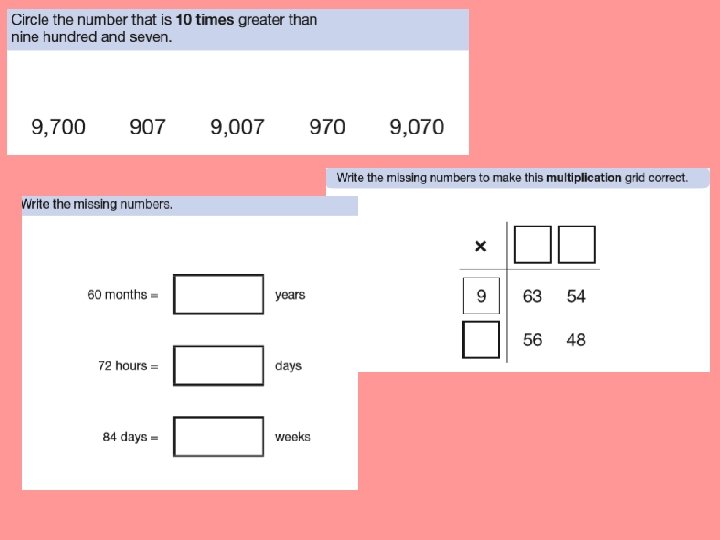
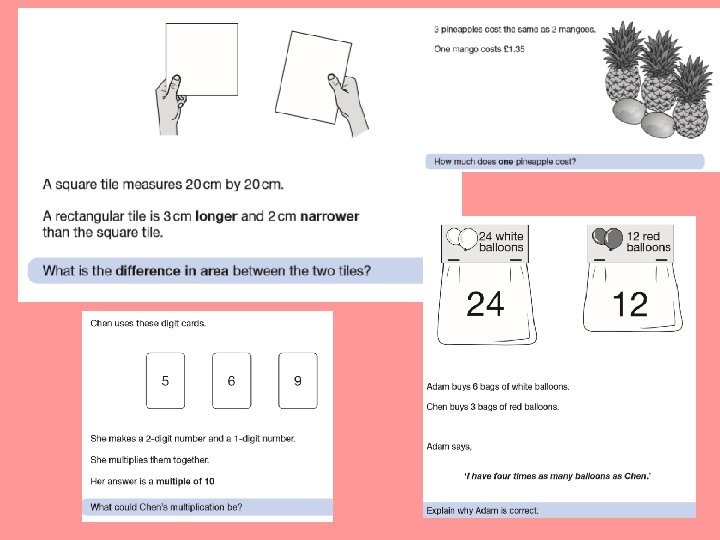
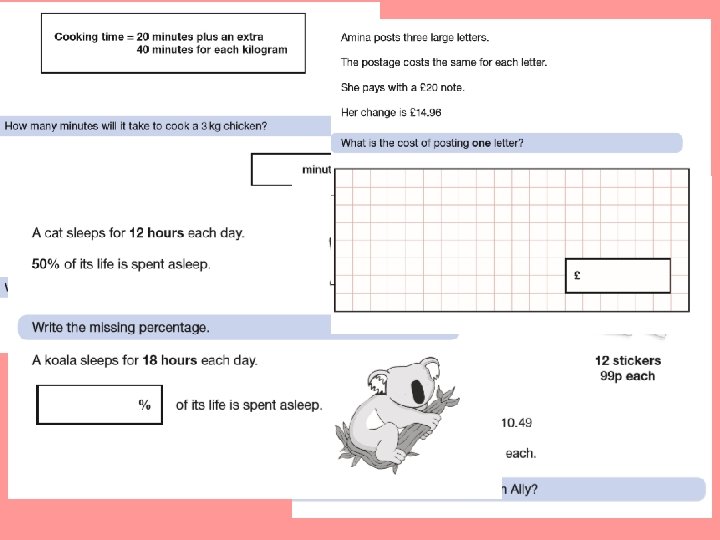

- Slides: 29
KS 2 MULTIPLICATION & DIVISION Wednesday 8 th May
Aims of the session • • • Key Learning Points from KS 1 Structures of Multiplication Where do they come from? The root of it all…the importance of mental recall Written methods we have chosen for Hayward’s Where do they finish?
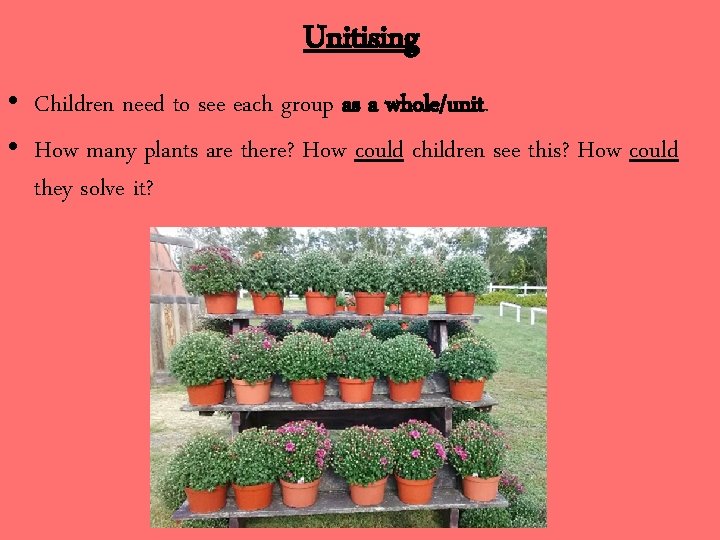
Unitising • Children need to see each group as a whole/unit. • How many plants are there? How could children see this? How could they solve it?
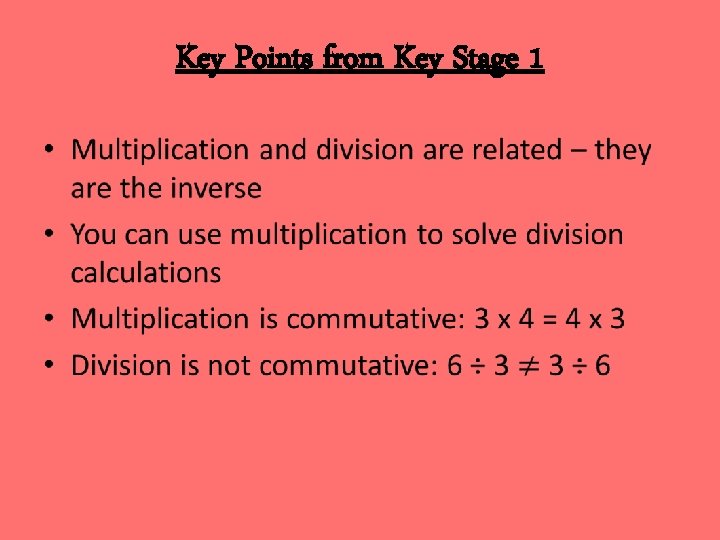
Key Points from Key Stage 1 •
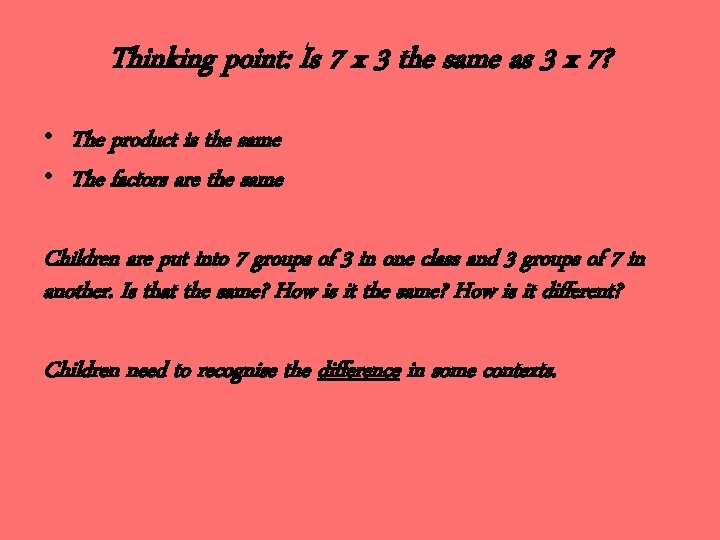
Thinking point: Is 7 x 3 the same as 3 x 7? • The product is the same • The factors are the same Children are put into 7 groups of 3 in one class and 3 groups of 7 in another. Is that the same? How is it different? Children need to recognise the difference in some contexts.
Aims of the session • • • Key Learning Points from KS 1 Structures of Multiplication Where do they come from? The root of it all…the importance of mental recall Written methods we have chosen for Hayward’s Where do they finish?
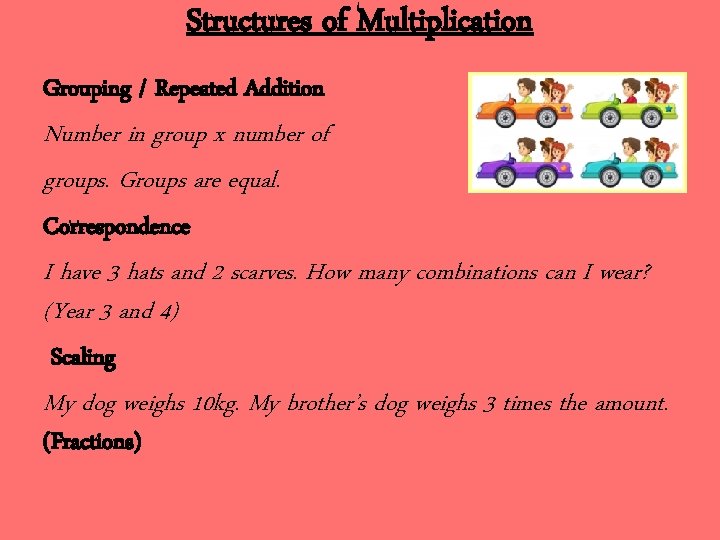
Structures of Multiplication Grouping / Repeated Addition Number in group x number of groups. Groups are equal. Correspondence I have 3 hats and 2 scarves. How many combinations can I wear? (Year 3 and 4) Scaling My dog weighs 10 kg. My brother’s dog weighs 3 times the amount. (Fractions)
Aims of the session • • • Key Learning Points from KS 1 Structures of Multiplication Where do they come from? The root of it all…the importance of mental recall Written methods we have chosen for Hayward’s Where do they finish?
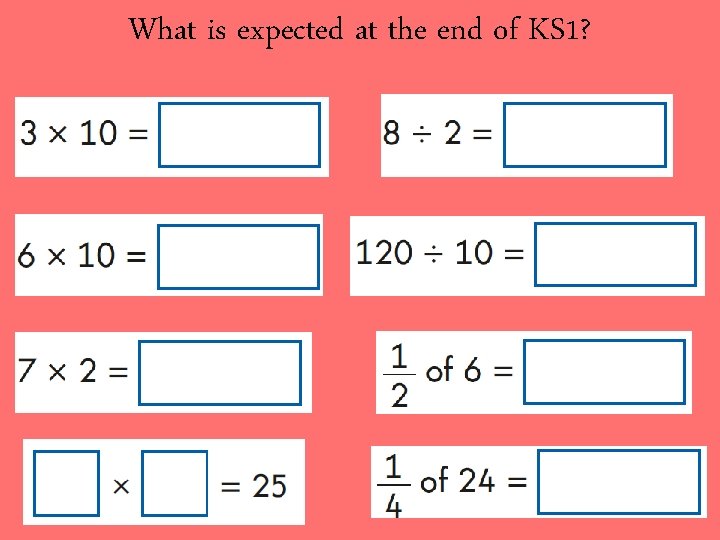
What is expected at the end of KS 1?
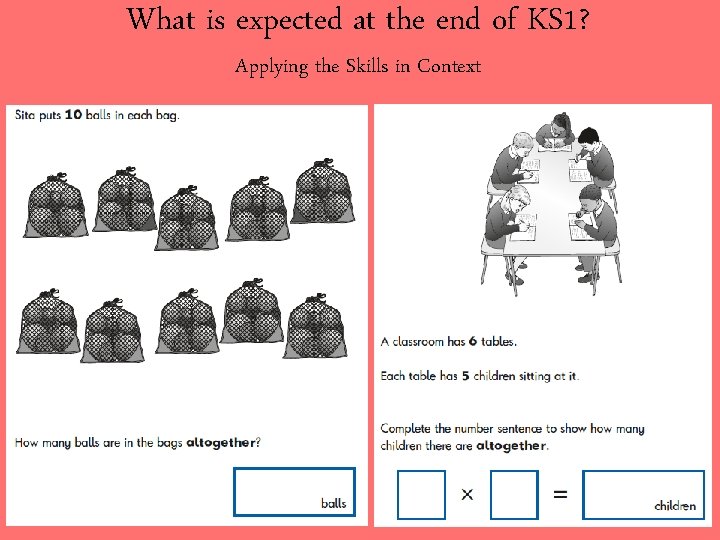
What is expected at the end of KS 1? Applying the Skills in Context
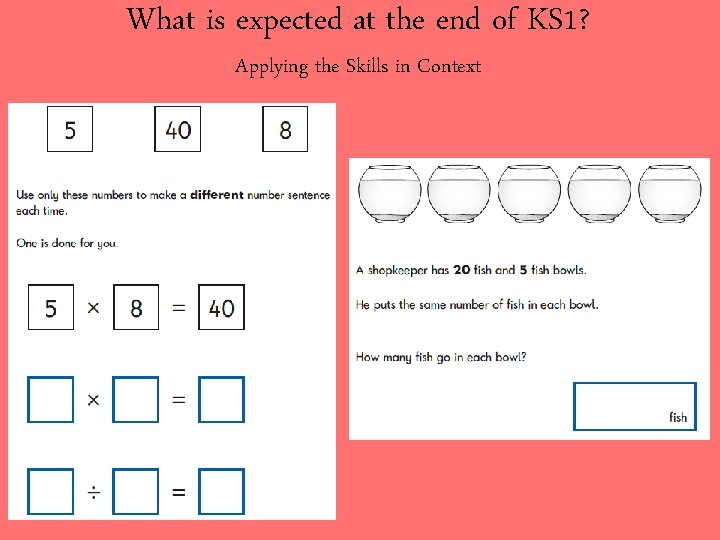
What is expected at the end of KS 1? Applying the Skills in Context
Aims of the session • • • Key Learning Points from KS 1 Structures of Multiplication Where do they come from? The root of it all: the importance of mental recall Written methods we have chosen for Hayward’s Where do they finish?
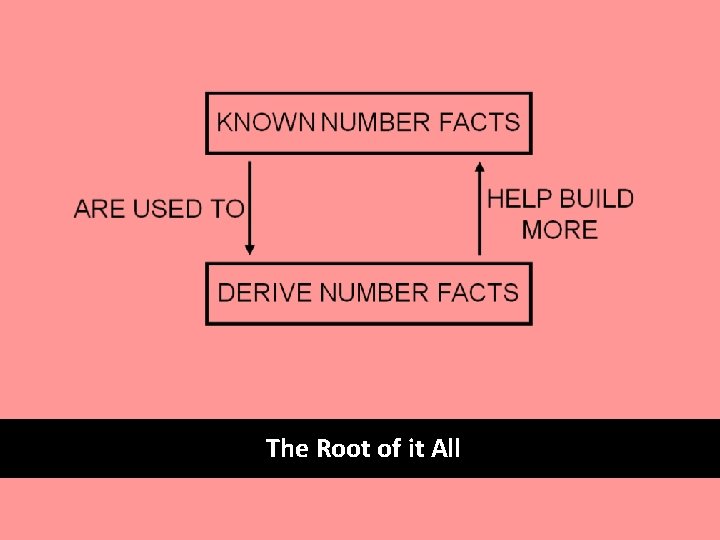
The Root of it All
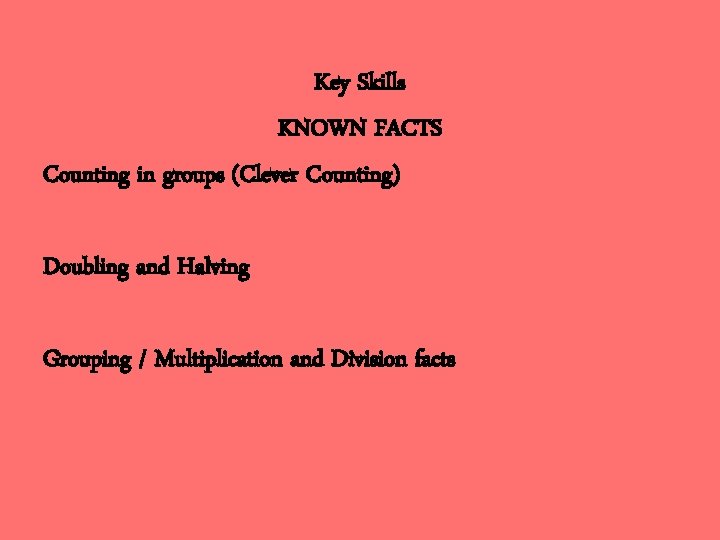
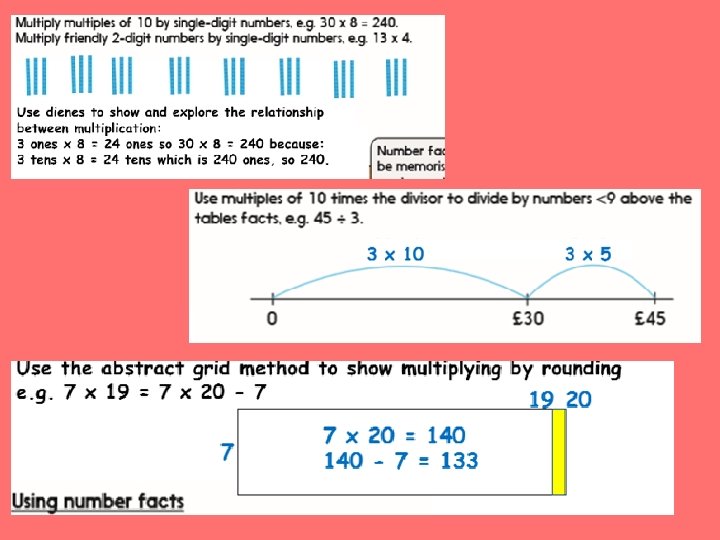
Key Skills KNOWN FACTS Counting in groups (Clever Counting) Doubling and Halving Grouping / Multiplication and Division facts
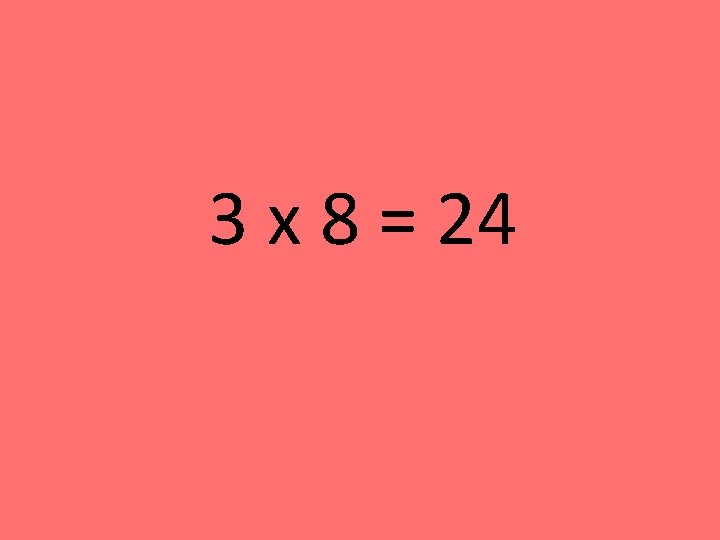
3 x 8 = 24
Raises confidence Develops knowledge Knowledge builds understanding Breaks down barriers
Aims of the session • • • Key Learning Points from KS 1 Structures of Multiplication Where do they come from? The root of it all: the importance of mental recall Written methods we have chosen for Hayward’s Where do they finish?
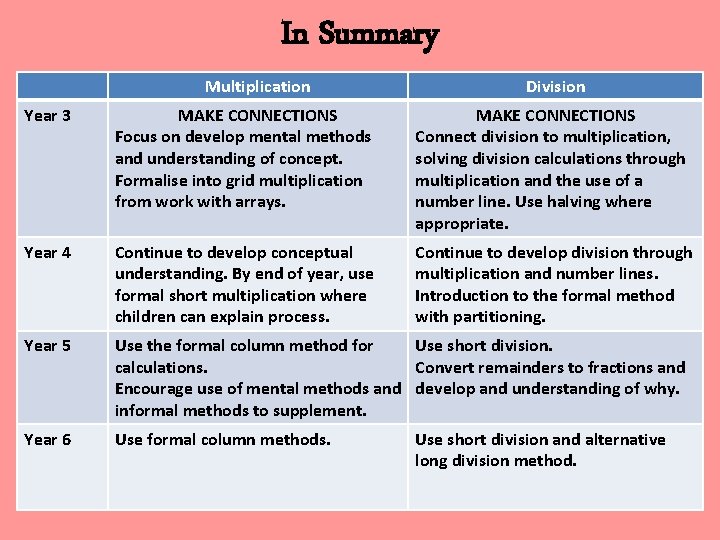
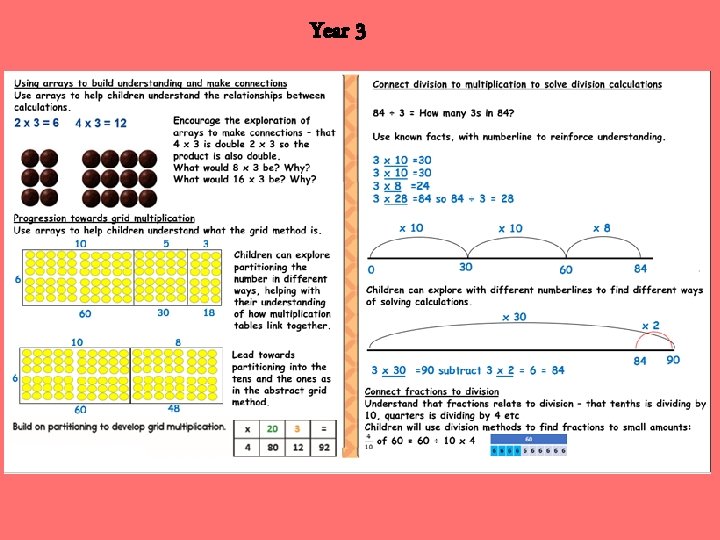
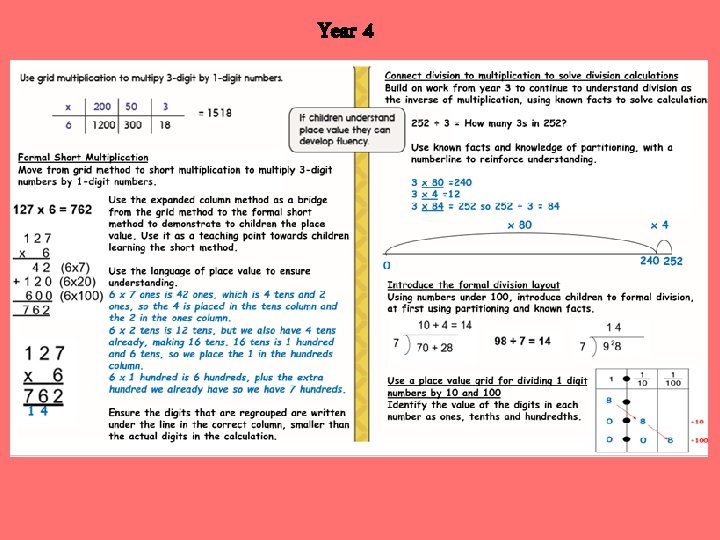
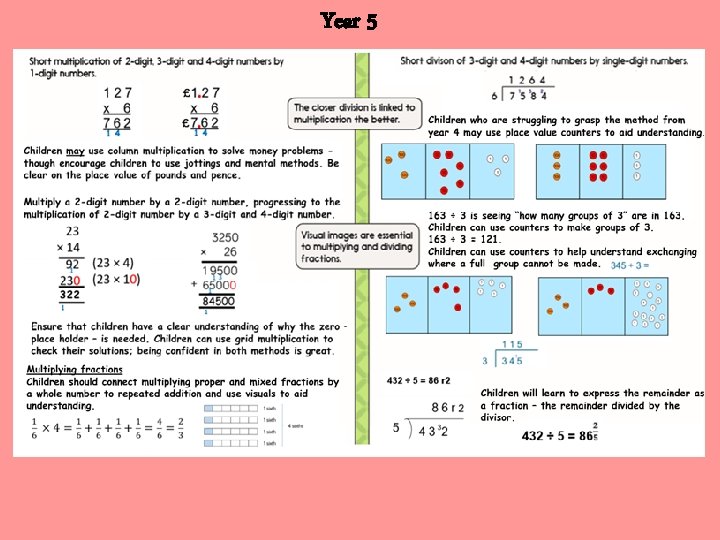
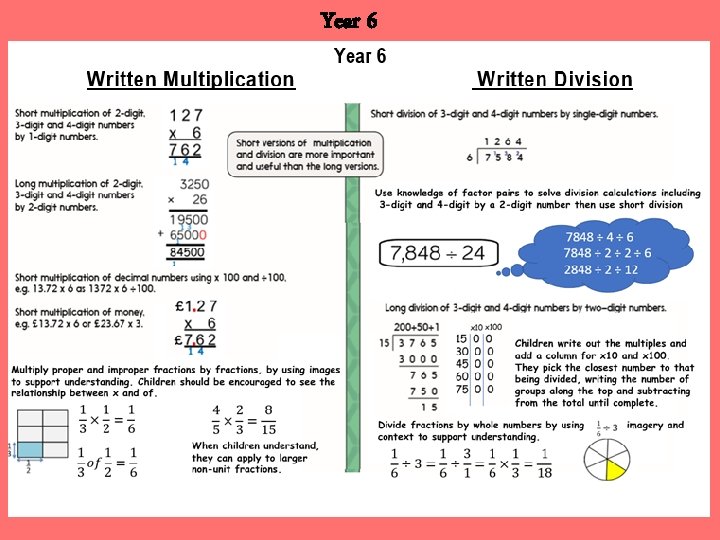
In Summary Multiplication Division Year 3 MAKE CONNECTIONS Focus on develop mental methods and understanding of concept. Formalise into grid multiplication from work with arrays. MAKE CONNECTIONS Connect division to multiplication, solving division calculations through multiplication and the use of a number line. Use halving where appropriate. Year 4 Continue to develop conceptual understanding. By end of year, use formal short multiplication where children can explain process. Continue to develop division through multiplication and number lines. Introduction to the formal method with partitioning. Year 5 Use the formal column method for Use short division. calculations. Convert remainders to fractions and Encourage use of mental methods and develop and understanding of why. informal methods to supplement. Year 6 Use formal column methods. Use short division and alternative long division method.
Year 3
Year 4
Year 5
Year 6
Aims of the session • • • Key Learning Points from KS 1 Structures of Multiplication Where do they come from? The root of it all: the importance of mental recall Written methods we have chosen for Hayward’s Where do they finish?
Thank you for coming!