
Known Causes of Breast Cancer for Women Rock
Known Causes of Breast Cancer for Women Rock! Crispin H Pierce, Ph. D. Environmental Public Health Program University of Wisconsin-Eau Claire
What is Cancer? • An uncontrolled growth of mutated cells. • Metastasis is the spread of cancer cells from the site of origin to different parts of the body.
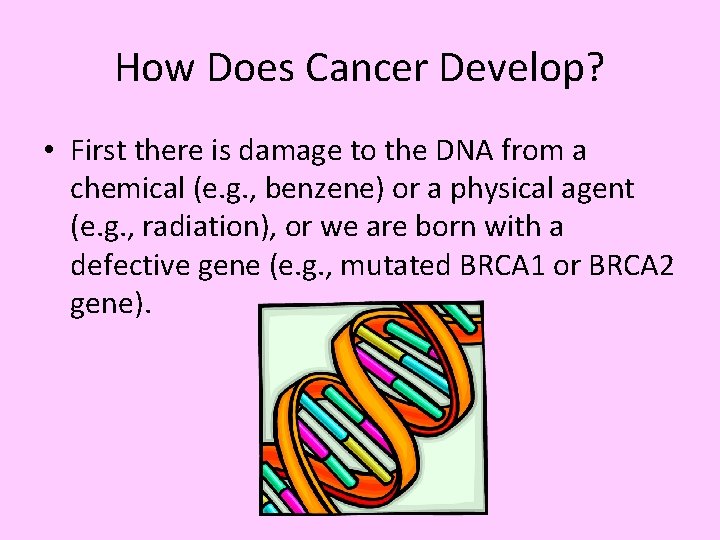
How Does Cancer Develop? • First there is damage to the DNA from a chemical (e. g. , benzene) or a physical agent (e. g. , radiation), or we are born with a defective gene (e. g. , mutated BRCA 1 or BRCA 2 gene).
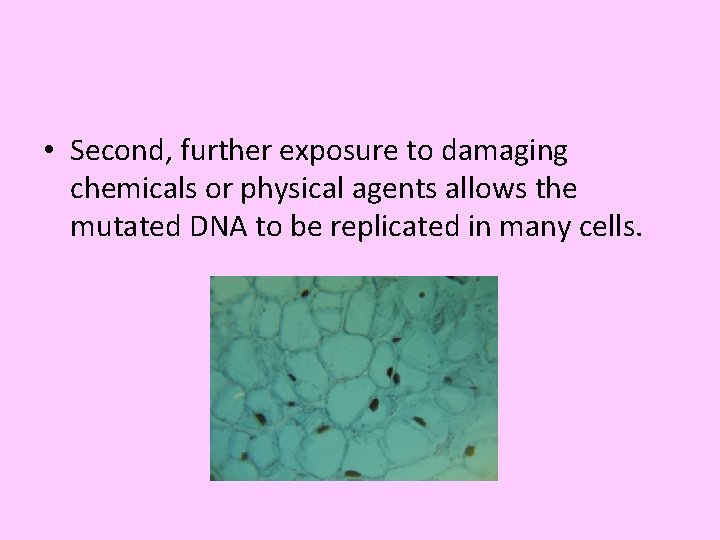
• Second, further exposure to damaging chemicals or physical agents allows the mutated DNA to be replicated in many cells.
• Third, the mutated cells grow without control, forming a tumor.
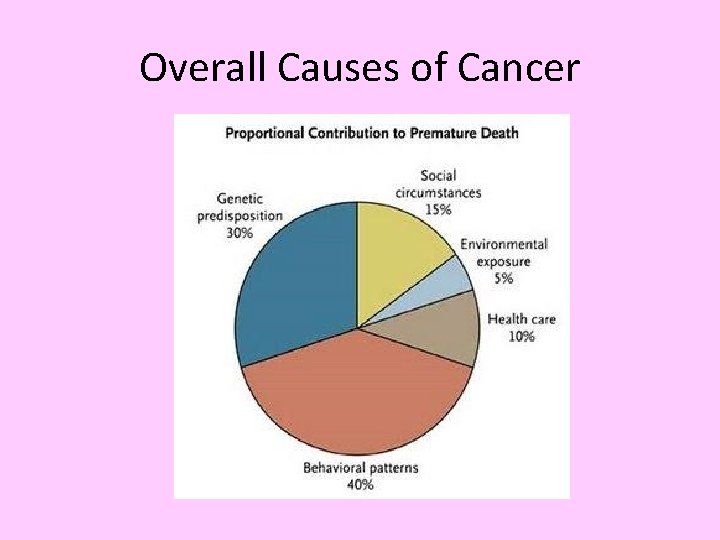
Overall Causes of Cancer
What are the Known Risk Factors for Breast Cancer? • Family history of breast cancer. Having a mother, sister, or daughter with breast cancer doubles a woman's risk. • However, 70 -80% of women who develop breast cancer have no family history of this disease.
• Mutations of the BRCA 1 and BRCA 2 genes. • 5 -10% of breast cancer cases are related to mutations of the BRCA 1 and BRCA 2 genes.
• Exposure to estrogenic compounds: early start to menarche (<12), late menopause (>65).
What are the Known Causes of Breast Cancer? • Early exposure to radiation. • Exposure to radiation treatment in the chest area raises the risk. Regular X-rays do not raise risk of breast cancer.
• Alcohol use. • One drink per day raises risk slightly, 2 -5 drinks per day raised the risk to 150% of nondrinkers.
• Being overweight or obese. • Weight gain during adulthood, waist fat, and being overweight after menopause are associated with greater breast cancer rates.
• Exposure to estrogenic compounds: recent use of birth control pills, not having children or having children after 30, hormone replacement therapy, not breast feeding.
• Lack of exercise. • As little as 1. 25 hours per week of brisk walking reduces risk.
• Maternal use of diethylstilbestrol (DES). • Pollution: exposure to some chlorinated organics, polycyclic aromatic hydrocarbons (PAHs), and triazine herbicides. • Night work? • High fat diet? • Infectious agents?
How Can We Reduce Risk? • Maintain a diet focused on fruits, vegetables and whole grains.
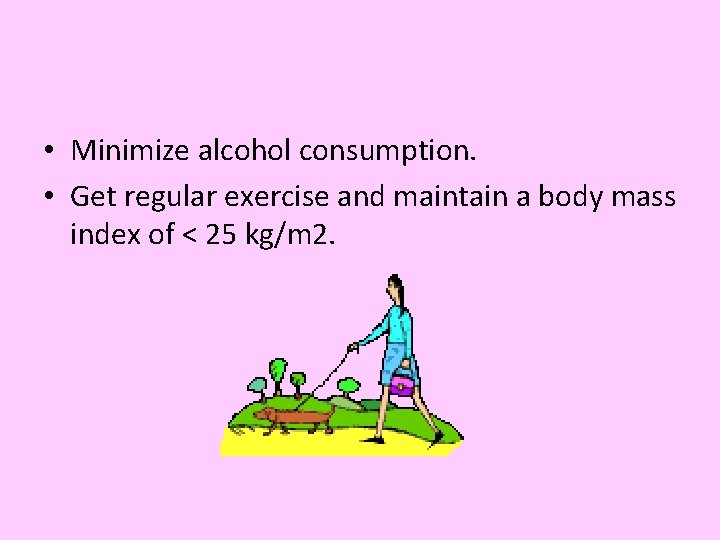
• Minimize alcohol consumption. • Get regular exercise and maintain a body mass index of < 25 kg/m 2.
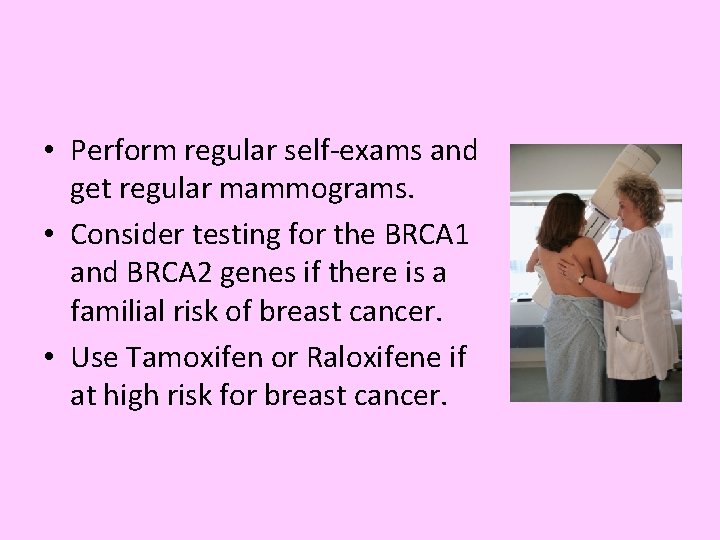
• Perform regular self-exams and get regular mammograms. • Consider testing for the BRCA 1 and BRCA 2 genes if there is a familial risk of breast cancer. • Use Tamoxifen or Raloxifene if at high risk for breast cancer.
Contact Information • Crispin H Pierce, Ph. D • piercech@uwec. edu • 715 -836 -5589

This is Why I Care
- Slides: 20