
Knowledge Representation z Representational adequacy ydeclarative procedural z
- Slides: 31
Knowledge Representation z. Representational adequacy ydeclarative, procedural z. Inferential adequacy ymanipulate knowledge yincorporate new knowledge
Types of Knowledge z. Simple facts z. Complex organized knowledge zprocedure - how to knowledge zmeta-knowledge
Semantic Data Models z. High level model of conceptual model z. Not tied to implementation concerns z. Focus on yexpressiveness ysimplicity yconcise yformality
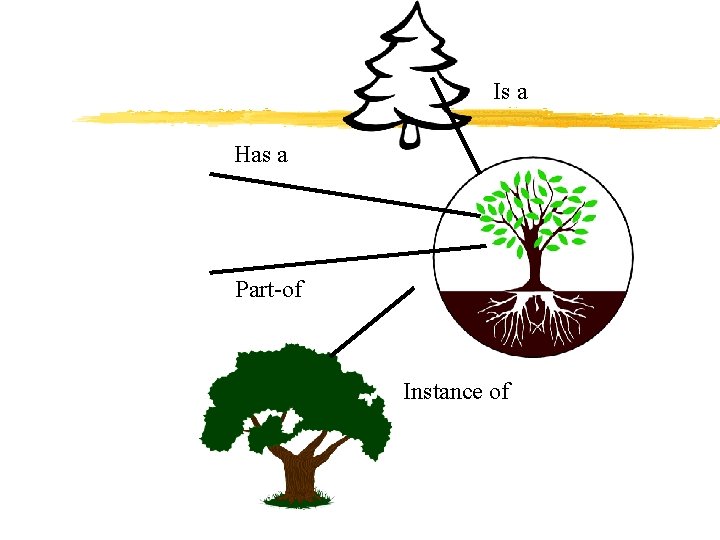
Semantic Nets z. Nodes represent Objects z. Links or Arcs represent Relationships y“instance of” - set membership y“is a” - inheritance y“ has a” - attribute descriptors y“part of” - aggregation
Is a Has a Part-of Instance of
Semantic Nets Advantages Disadvantages z Flexible z easy to understand z support inheritance z “natural” way to represent knowledge z Hard to deal with exceptions z procedural knowledge difficult to represent z no standards for defining nodes or relationships
Classes, Objects, Attributes, Values - Object Orientation z. Classes describe common properties of objects z. Objects may be physical or conceptual z. Attributes are characteristics of objects z. Values are specific measures of Attributes for specific instances
Classes z. Specify common properties of instances zsupport hierarchical classification zsuperclass / subclass ysubclass may be more refined version yeach subclass inherits operations and attributes of its ancestors ysubclass may have its own operations and attributes
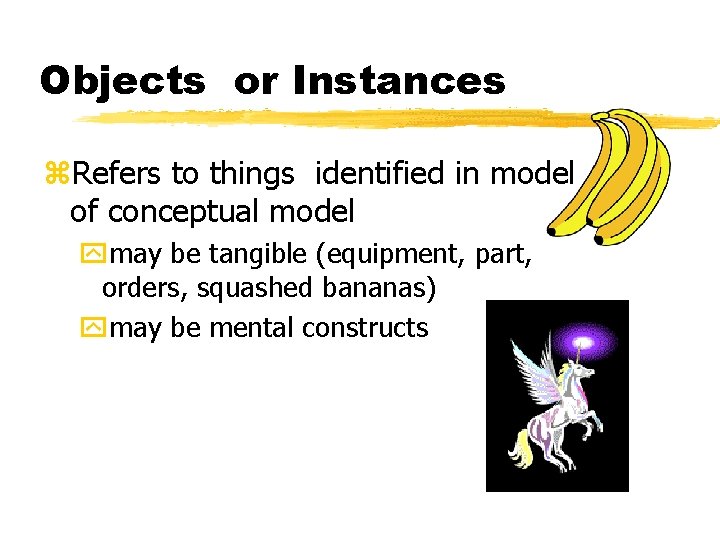
Objects or Instances z. Refers to things identified in model of conceptual model ymay be tangible (equipment, part, orders, squashed bananas) ymay be mental constructs
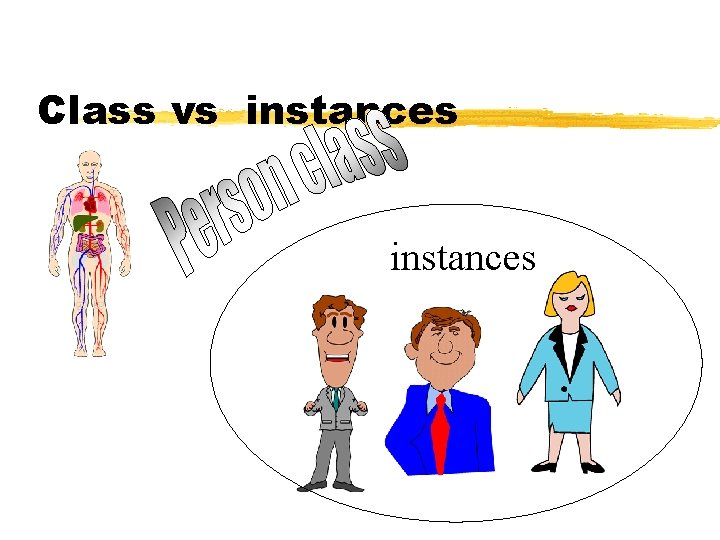
Class vs instances
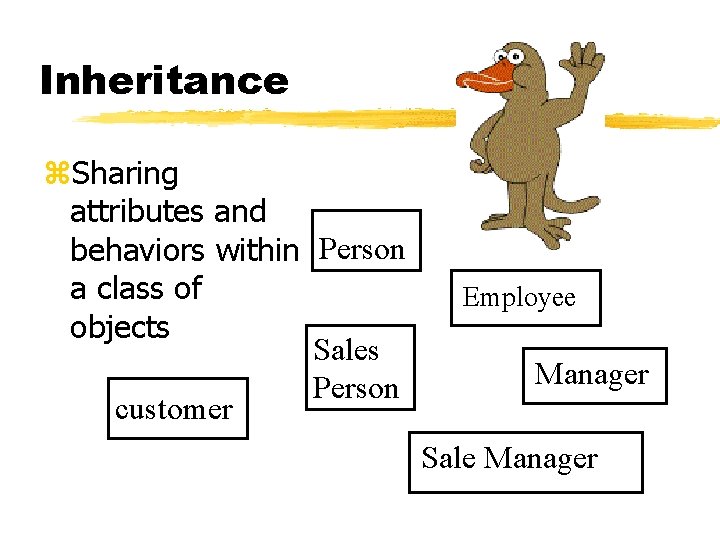
Inheritance z. Sharing attributes and behaviors within Person a class of objects Sales Person customer Employee Manager Sale Manager
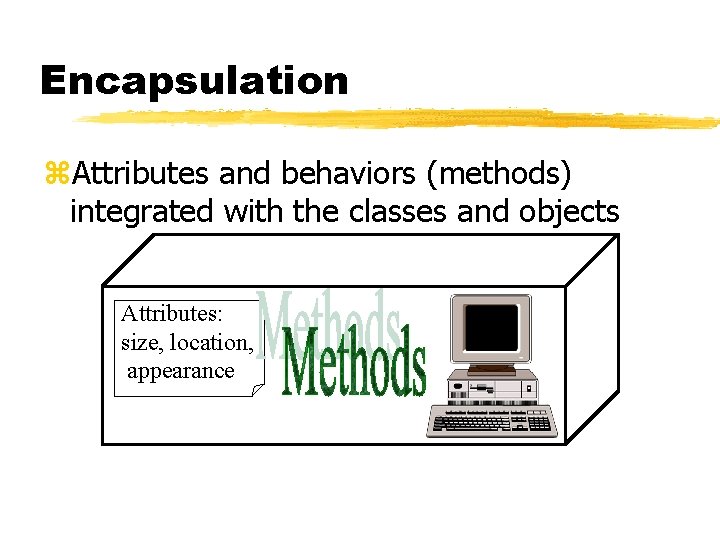
Encapsulation z. Attributes and behaviors (methods) integrated with the classes and objects Attributes: size, location, appearance
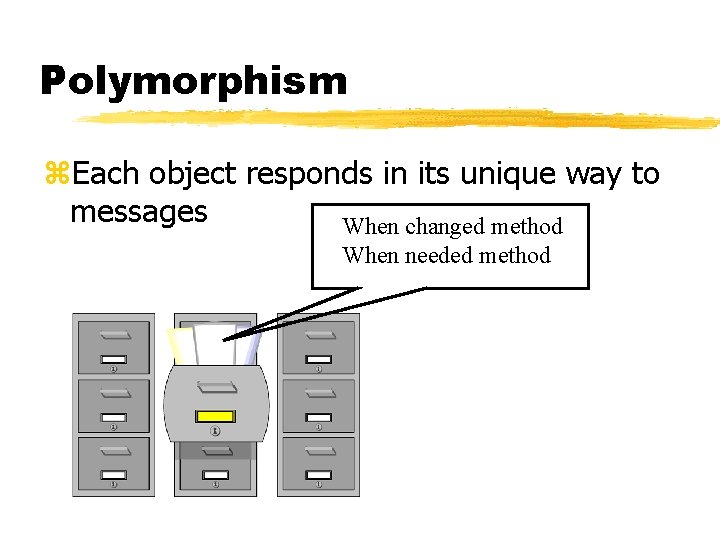
Polymorphism z. Each object responds in its unique way to messages When changed method When needed method
Object-Orientation z. Tool for managing complexity zemphasis on object structure zspecify “what is” zmapped directly from semantic net
Rule Representations z. Rules are called productions z. Rule have two parts ycondition part, premise -> IF yaction part , conclusion-> THEN z. The action can add a fact to the knowledge base, start a procedure or display a screen
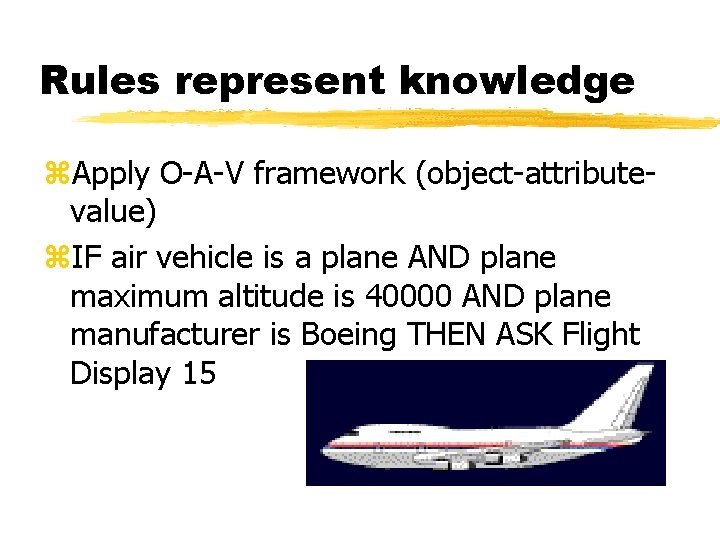
Rules represent knowledge z. Apply O-A-V framework (object-attributevalue) z. IF air vehicle is a plane AND plane maximum altitude is 40000 AND plane manufacturer is Boeing THEN ASK Flight Display 15
Representing knowledge z. Abstracting with rules ytranslate quantitative to qualitative ydefine technical terms ysupport generalized reasoning zmake rules for user yeasy to understand yhelp user follow decision logic
Rule for understanding z. Quantitative to Qualitative yqualitative language is easier to understand yinterpretation of numerical data ymake user feel comfortable with decision logic z. If temperature > 200 and humidity is 85% then machine is slightly overheated
Definitional Rules z. Help communicate and train users z. Help user understand vocabulary z. Promotes common agreement on terms for expert, user and knowledge engineer z. IF you want more than one source file of classes THEN use package keyword
Rules support Generalizations z. Allow reasoning with from specialization to generalizations z. Support classification of objects at higher levels z. Support refinements
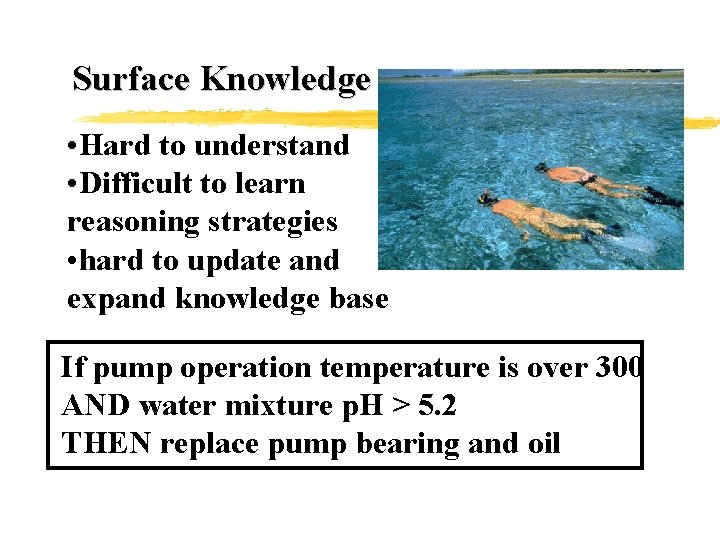
Surface Knowledge • Hard to understand • Difficult to learn reasoning strategies • hard to update and expand knowledge base If pump operation temperature is over 300 AND water mixture p. H > 5. 2 THEN replace pump bearing and oil
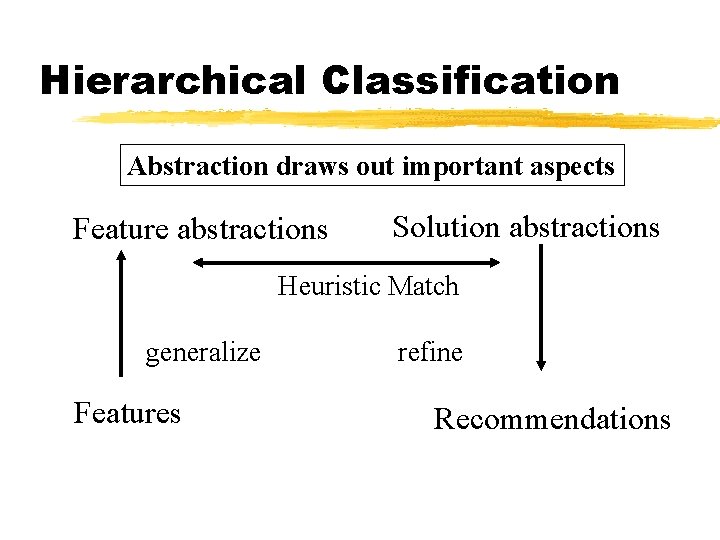
Hierarchical Classification Abstraction draws out important aspects Feature abstractions Solution abstractions Heuristic Match generalize Features refine Recommendations
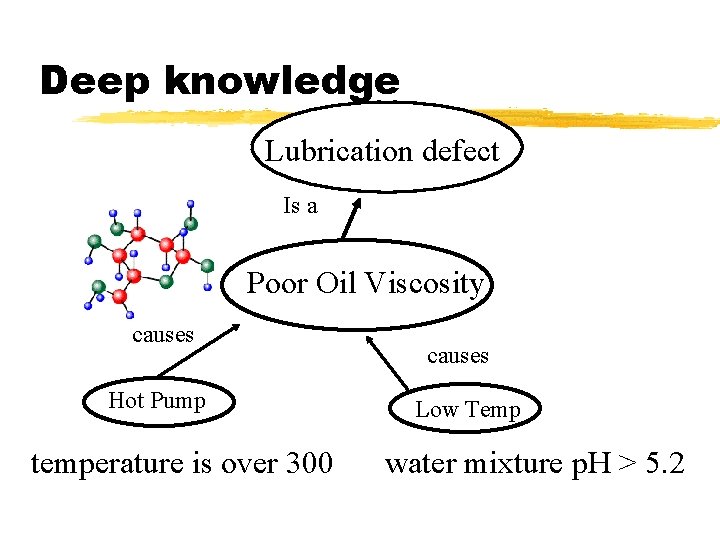
Deep knowledge Lubrication defect Is a Poor Oil Viscosity causes Hot Pump temperature is over 300 causes Low Temp water mixture p. H > 5. 2
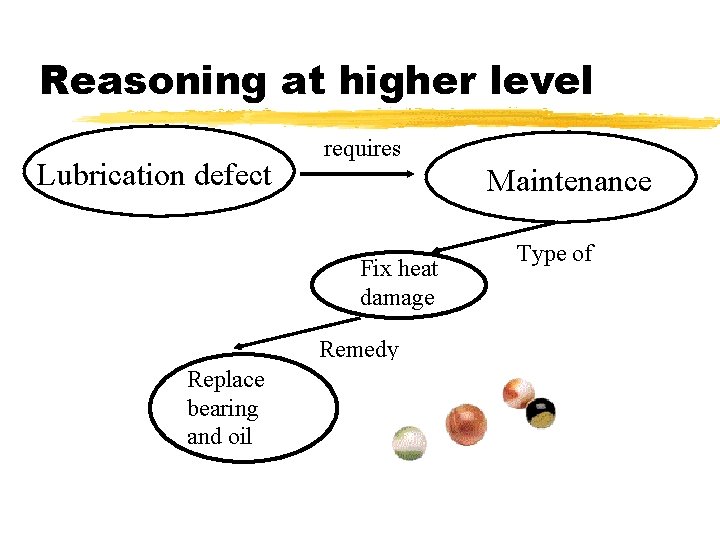
Reasoning at higher level Lubrication defect requires Maintenance Fix heat damage Remedy Replace bearing and oil Type of
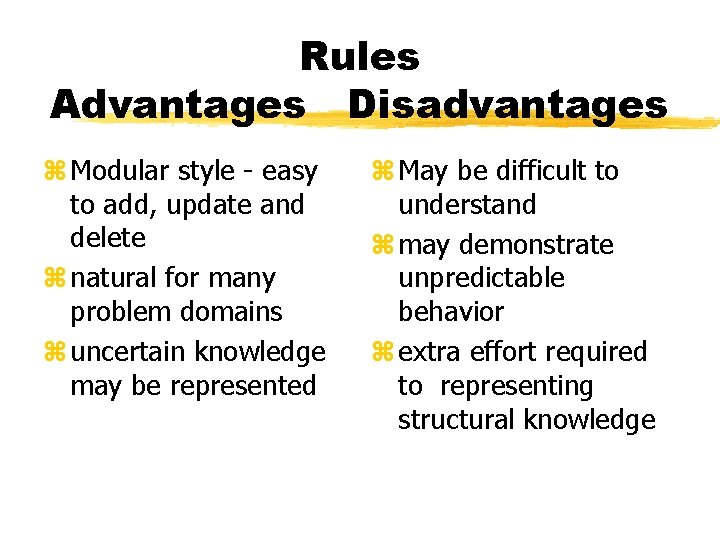
Rules Advantages Disadvantages z Modular style - easy to add, update and delete z natural for many problem domains z uncertain knowledge may be represented z May be difficult to understand z may demonstrate unpredictable behavior z extra effort required to representing structural knowledge
Predicate Logic z. Programming by description zdescribe the problem’s facts zbuilt in inference engine combines and uses facts and rules to make inferences
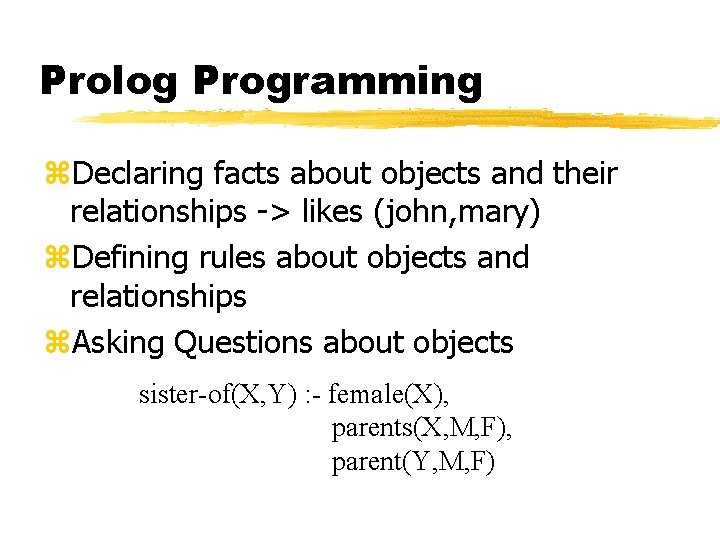
Prolog Programming z. Declaring facts about objects and their relationships -> likes (john, mary) z. Defining rules about objects and relationships z. Asking Questions about objects sister-of(X, Y) : - female(X), parents(X, M, F), parent(Y, M, F)
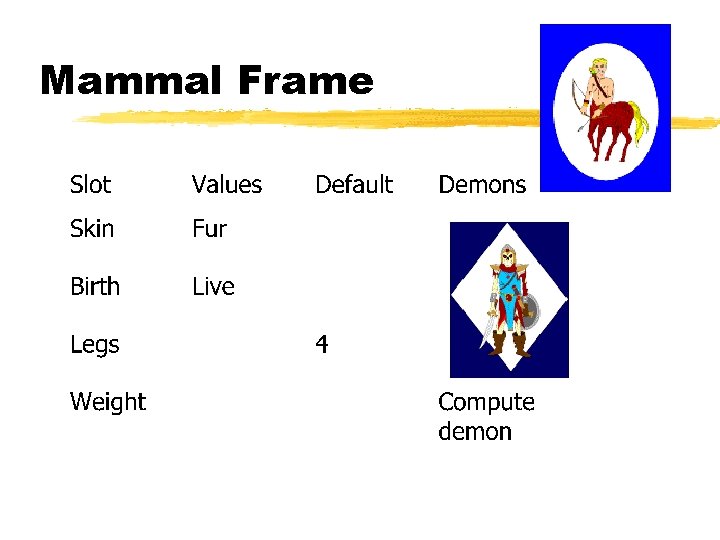
Frames z. Similar to objects zhelps organize entities zpackages operations (demons) zeasy to modify zextensible through inheritance
Mammal Frame
Frame - natural representation z. Can accommodate a taxonomy of knowledge zcontains defaults expectations zrepresent procedural and declarative knowledge
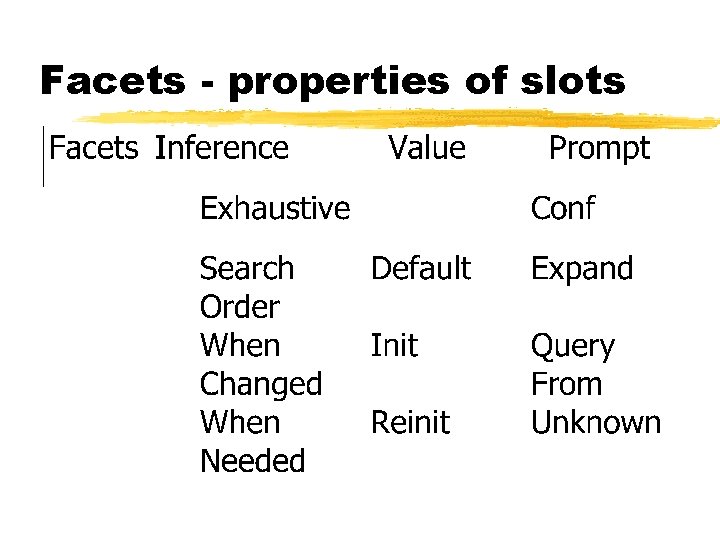
Facets - properties of slots