
Knowledge Management Klaus North Gita Kumta ISBN 9783319036977
Knowledge Management Klaus North & Gita Kumta ISBN: 9783319036977
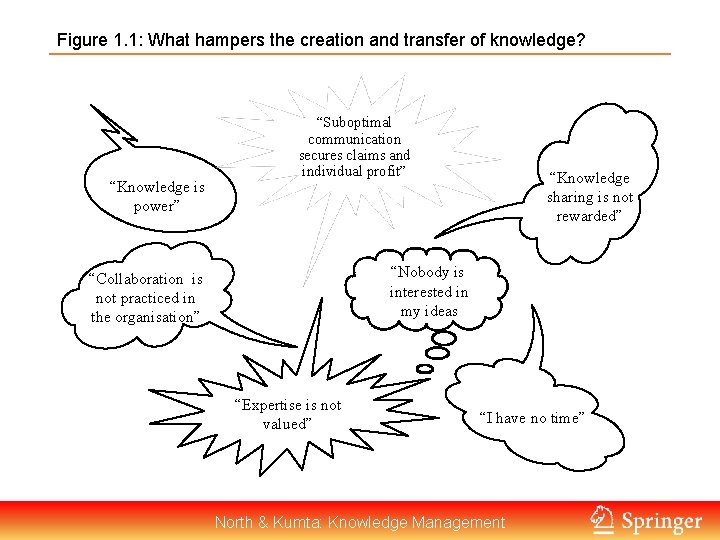
Figure 1. 1: What hampers the creation and transfer of knowledge? “Knowledge is power” “Suboptimal communication secures claims and individual profit” “Knowledge sharing is not rewarded” “Nobody is interested in my ideas “Collaboration is not practiced in the organisation” “Expertise is not valued” “I have no time” North & Kumta: Knowledge Management
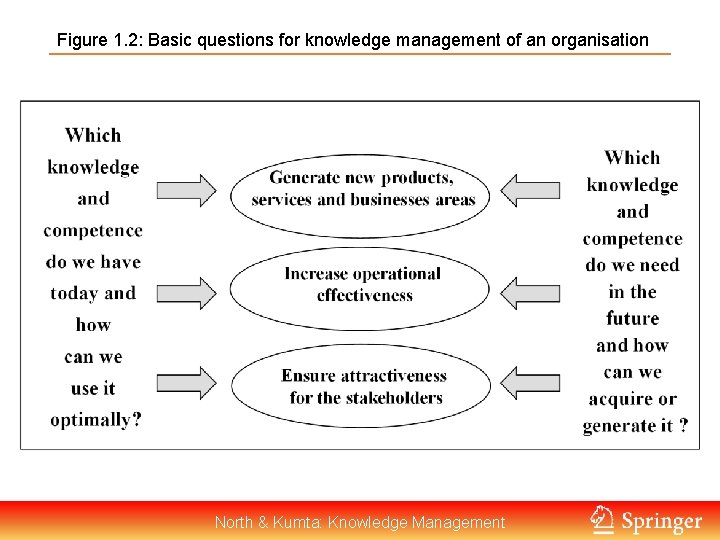
Figure 1. 2: Basic questions for knowledge management of an organisation North & Kumta: Knowledge Management
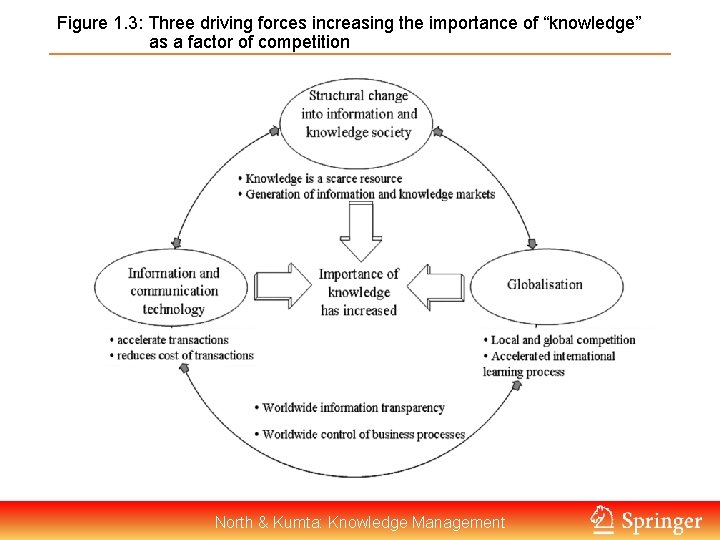
Figure 1. 3: Three driving forces increasing the importance of “knowledge” as a factor of competition North & Kumta: Knowledge Management
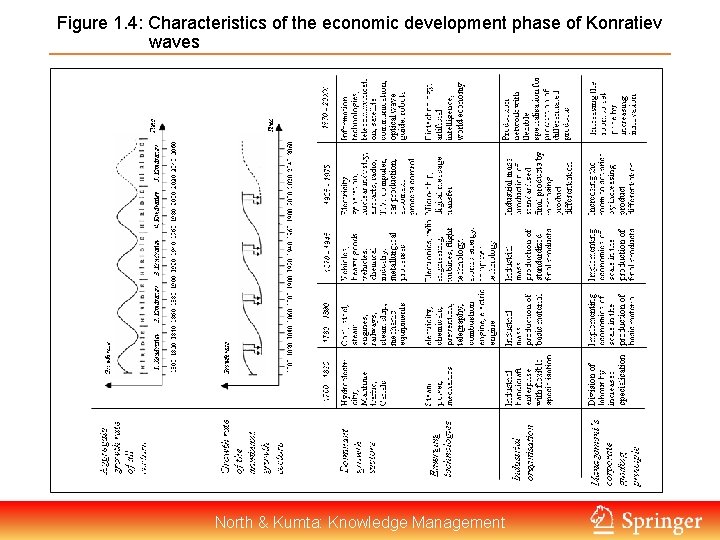
Figure 1. 4: Characteristics of the economic development phase of Konratiev waves North & Kumta: Knowledge Management
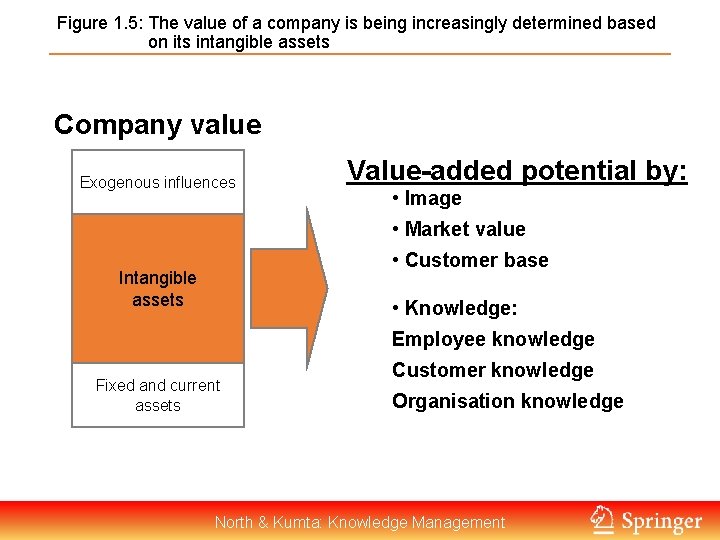
Figure 1. 5: The value of a company is being increasingly determined based on its intangible assets Company value Exogenous influences Value-added potential by: • Image • Market value • Customer base Intangible assets • Knowledge: Employee knowledge Fixed and current assets Customer knowledge Organisation knowledge North & Kumta: Knowledge Management
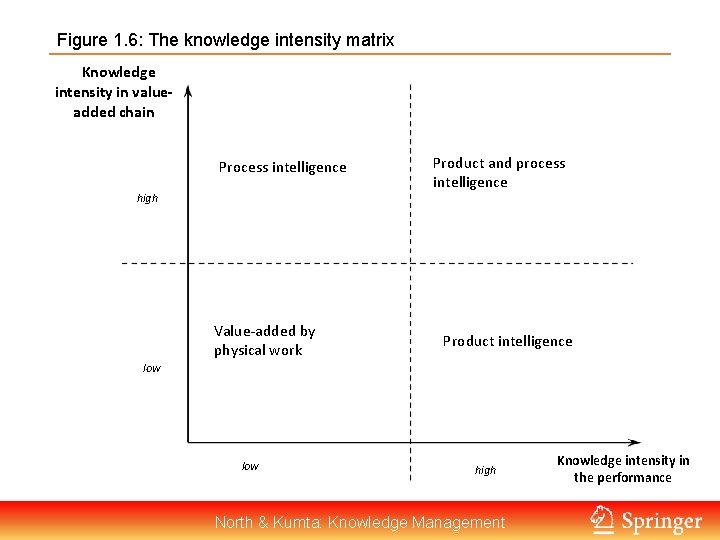
Figure 1. 6: The knowledge intensity matrix Knowledge intensity in valueadded chain Process intelligence high Value-added by physical work Product and process intelligence Product intelligence low high North & Kumta: Knowledge Management Knowledge intensity in the performance
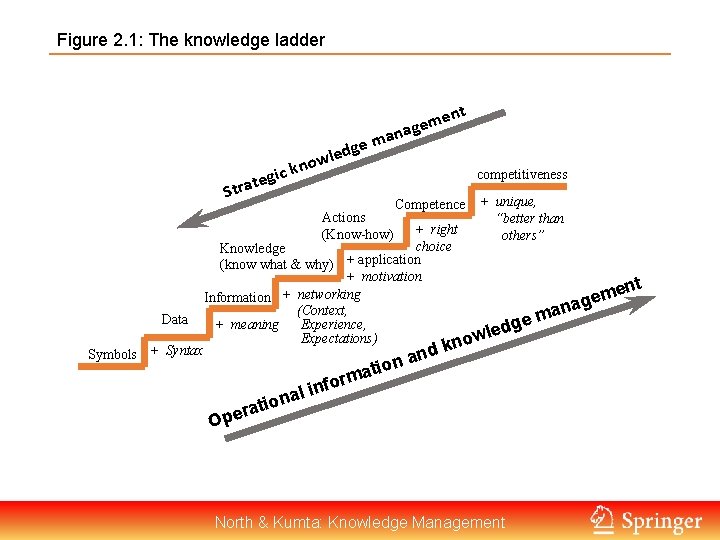
Figure 2. 1: The knowledge ladder ent m e nag a m e g d le ow kn egic t Stra competitiveness Actions (Know-how) Data Symbols + Syntax Competence + unique, “better than others” + right choice Knowledge (know what & why) + application + motivation Information + networking (Context, Experience, + meaning ge d e l Expectations) now nd a n o k i at m r o l inf na tio pera O North & Kumta: Knowledge Management man nt e m age
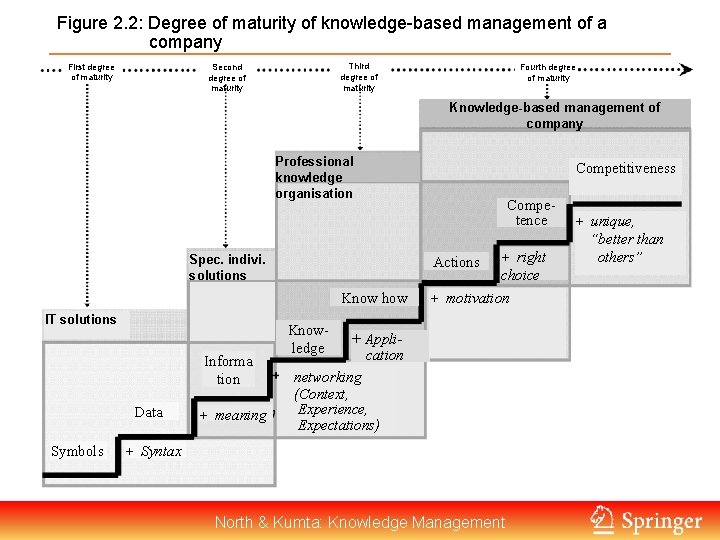
Figure 2. 2: Degree of maturity of knowledge-based management of a company First degree of maturity Third degree of maturity Second degree of maturity Fourth degree of maturity Knowledge-based management of company Professional knowledge organisation Spec. indivi. solutions Informa tion Data Symbols + meaning Competence Actions Know how IT solutions Competitiveness Knowledge + right choice + motivation + Application networking (Context, Experience, Expectations) + Syntax North & Kumta: Knowledge Management + unique, “better than others”
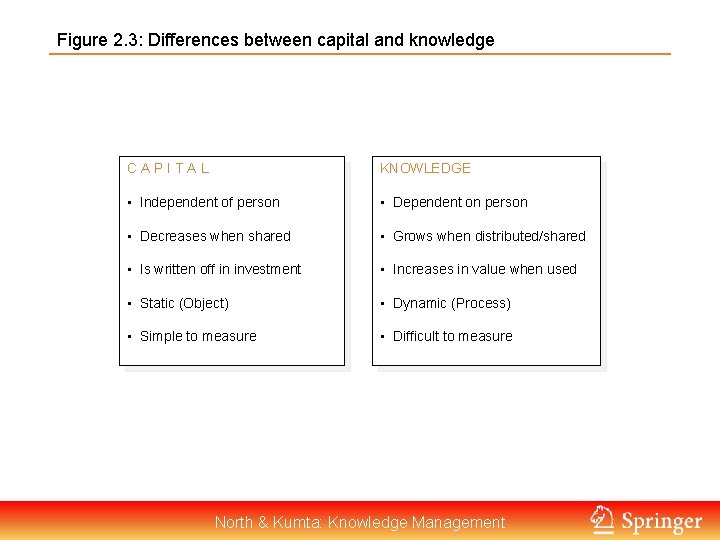
Figure 2. 3: Differences between capital and knowledge CAPITAL KNOWLEDGE • Independent of person • Dependent on person • Decreases when shared • Grows when distributed/shared • Is written off in investment • Increases in value when used • Static (Object) • Dynamic (Process) • Simple to measure • Difficult to measure North & Kumta: Knowledge Management
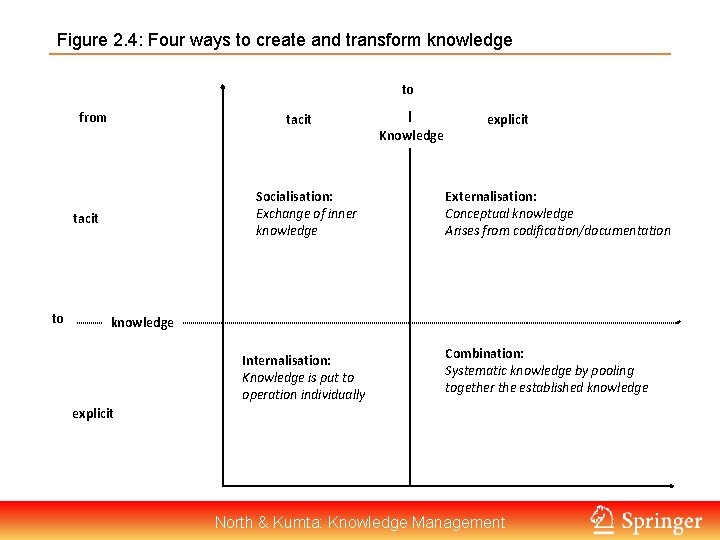
Figure 2. 4: Four ways to create and transform knowledge to from tacit Socialisation: Exchange of inner knowledge tacit to Knowledge explicit Externalisation: Conceptual knowledge Arises from codification/documentation knowledge Internalisation: Knowledge is put to operation individually Combination: Systematic knowledge by pooling together the established knowledge explicit North & Kumta: Knowledge Management
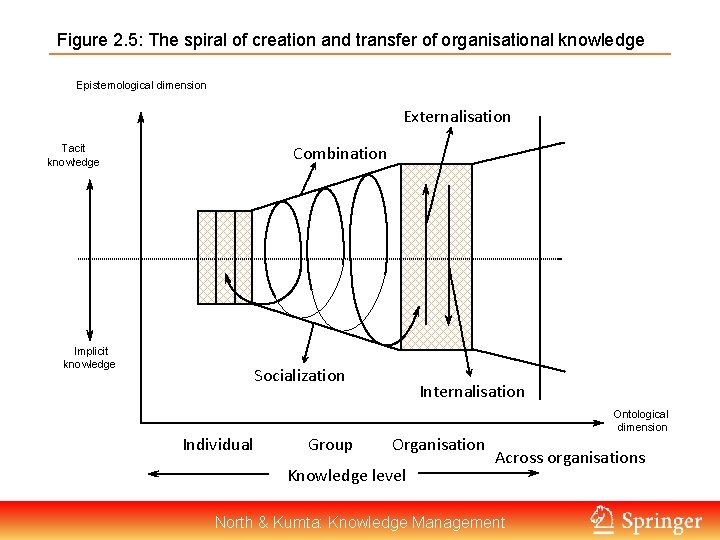
Figure 2. 5: The spiral of creation and transfer of organisational knowledge Epistemological dimension Externalisation Combination Tacit knowledge Implicit knowledge Socialization Individual Group Internalisation Organisation Knowledge level Ontological dimension Across organisations North & Kumta: Knowledge Management
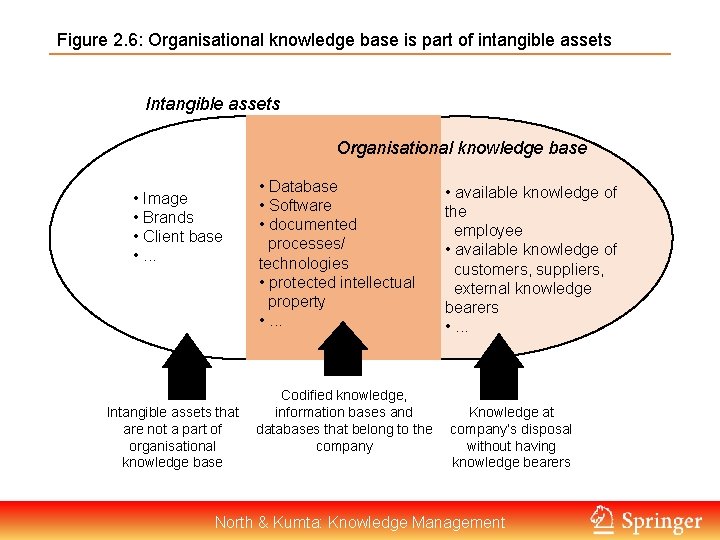
Figure 2. 6: Organisational knowledge base is part of intangible assets Intangible assets Organisational knowledge base • Image • Brands • Client base • . . . Intangible assets that are not a part of organisational knowledge base • Database • Software • documented processes/ technologies • protected intellectual property • . . . Codified knowledge, information bases and databases that belong to the company • available knowledge of the employee • available knowledge of customers, suppliers, external knowledge bearers • . . . Knowledge at company’s disposal without having knowledge bearers North & Kumta: Knowledge Management
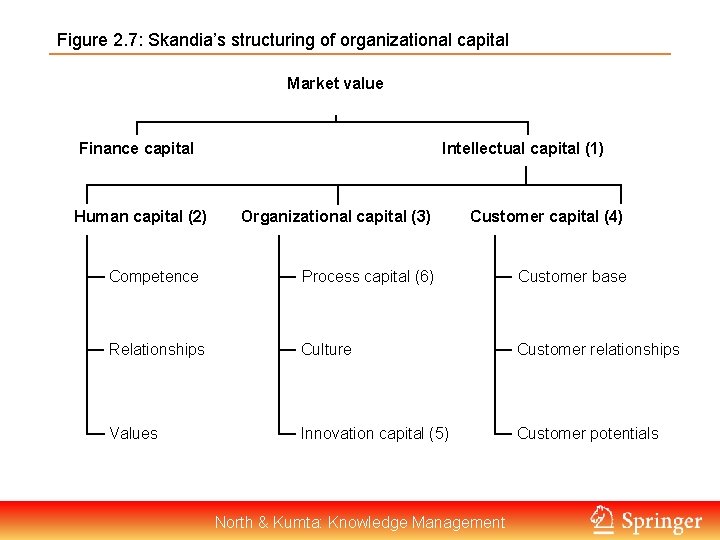
Figure 2. 7: Skandia’s structuring of organizational capital Market value Finance capital Human capital (2) Intellectual capital (1) Organizational capital (3) Customer capital (4) Competence Process capital (6) Customer base Relationships Culture Customer relationships Values Innovation capital (5) Customer potentials North & Kumta: Knowledge Management
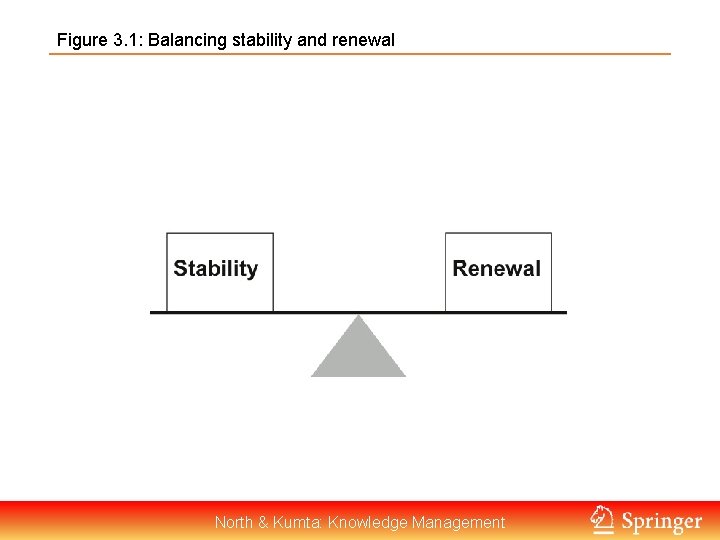
Figure 3. 1: Balancing stability and renewal North & Kumta: Knowledge Management
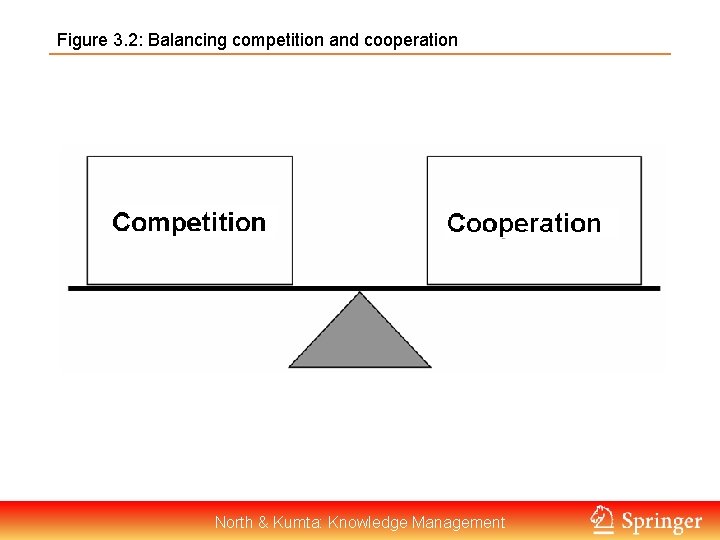
Figure 3. 2: Balancing competition and cooperation North & Kumta: Knowledge Management
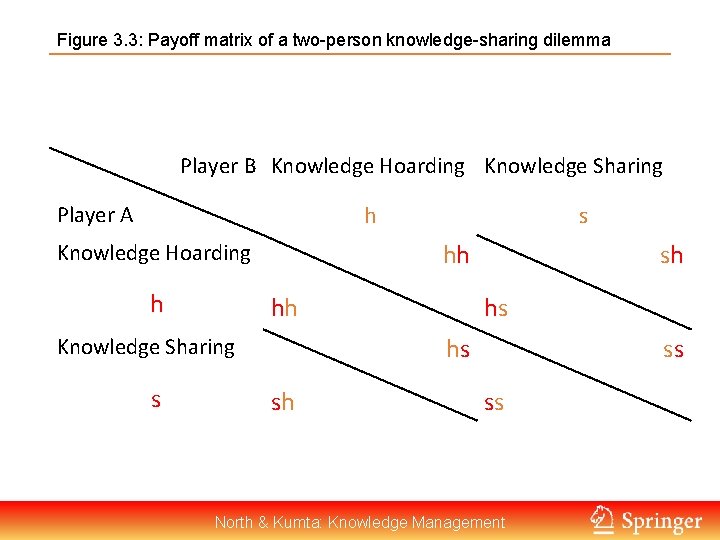
Figure 3. 3: Payoff matrix of a two-person knowledge-sharing dilemma Player B Knowledge Hoarding Knowledge Sharing h Player A hh Knowledge Hoarding h hh sh hs hs Knowledge Sharing s s sh ss ss North & Kumta: Knowledge Management
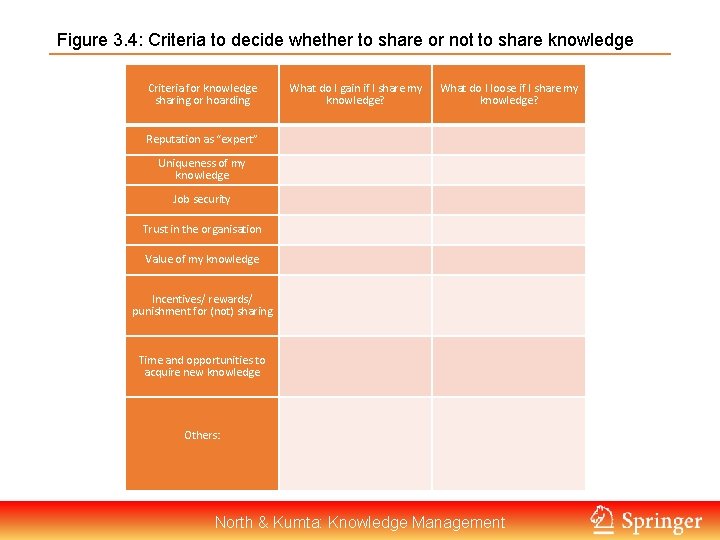
Figure 3. 4: Criteria to decide whether to share or not to share knowledge Criteria for knowledge sharing or hoarding What do I gain if I share my knowledge? What do I loose if I share my knowledge? Reputation as “expert” Uniqueness of my knowledge Job security Trust in the organisation Value of my knowledge Incentives/ rewards/ punishment for (not) sharing Time and opportunities to acquire new knowledge Others: North & Kumta: Knowledge Management
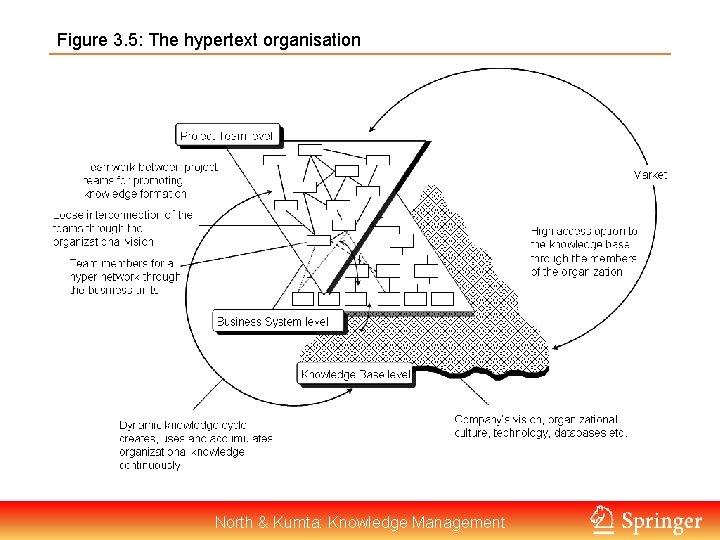
Figure 3. 5: The hypertext organisation North & Kumta: Knowledge Management
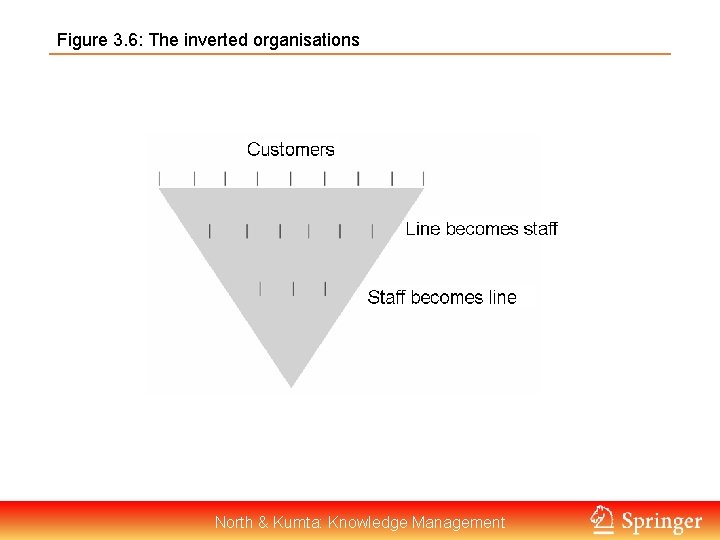
Figure 3. 6: The inverted organisations North & Kumta: Knowledge Management
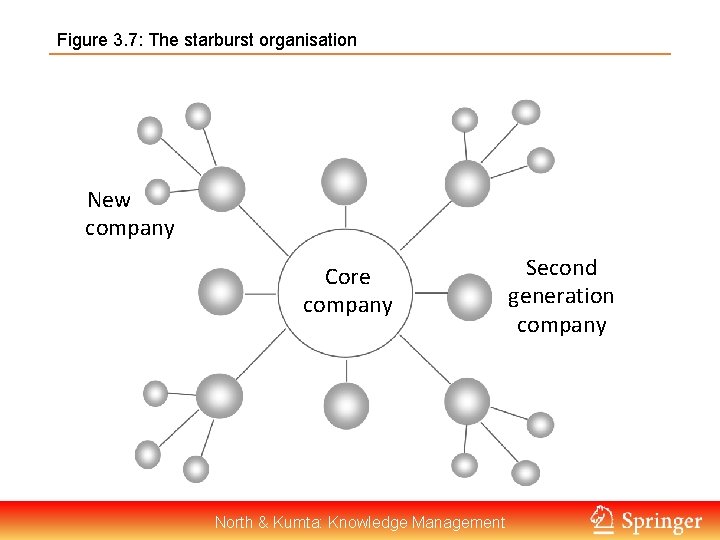
Figure 3. 7: The starburst organisation New company Core company North & Kumta: Knowledge Management Second generation company
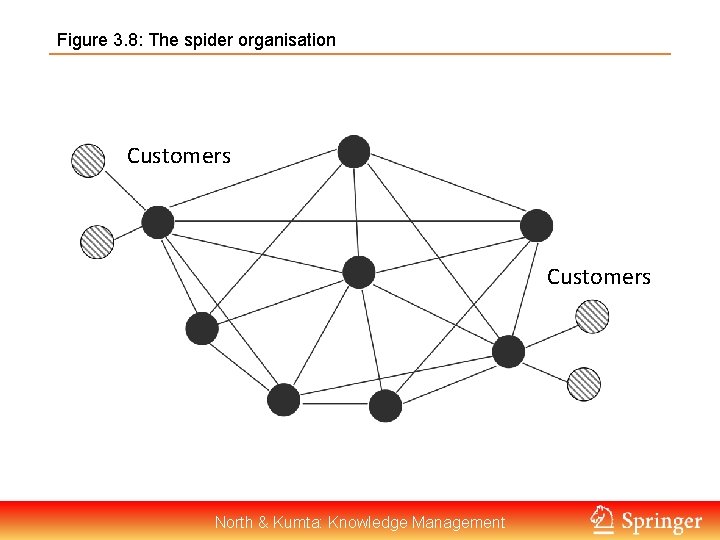
Figure 3. 8: The spider organisation Customers North & Kumta: Knowledge Management
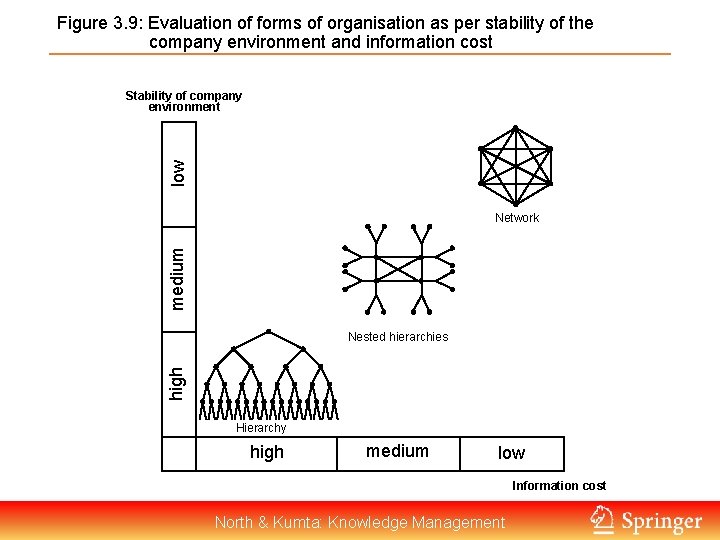
Figure 3. 9: Evaluation of forms of organisation as per stability of the company environment and information cost low Stability of company environment medium Network high Nested hierarchies Hierarchy high medium low Information cost North & Kumta: Knowledge Management
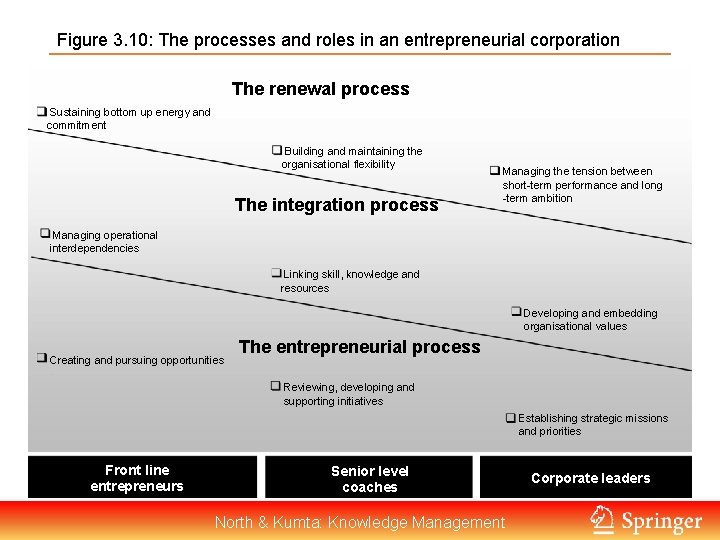
Figure 3. 10: The processes and roles in an entrepreneurial corporation The renewal process Sustaining bottom up energy and commitment Building and maintaining the organisational flexibility The integration process Managing the tension between short-term performance and long -term ambition Managing operational interdependencies Linking skill, knowledge and resources Developing and embedding organisational values Creating and pursuing opportunities The entrepreneurial process Reviewing, developing and supporting initiatives Establishing strategic missions and priorities Front line entrepreneurs Senior level coaches North & Kumta: Knowledge Management Corporate leaders
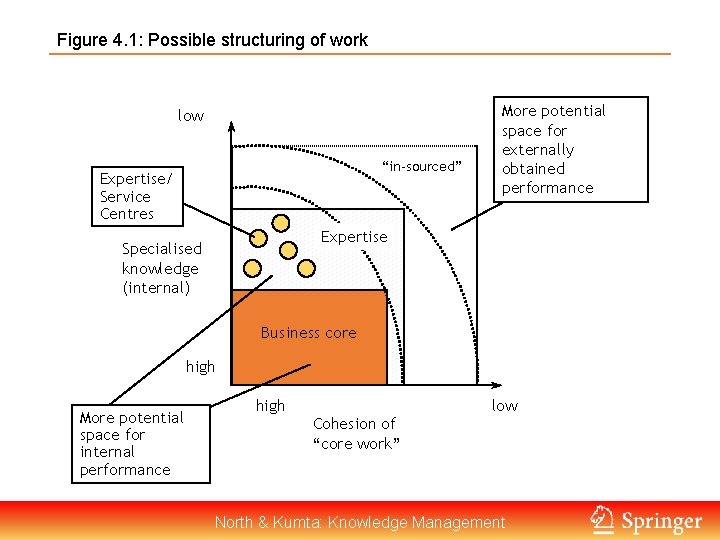
Figure 4. 1: Possible structuring of work low “in-sourced” Expertise/ Service Centres More potential space for externally obtained performance Expertise Specialised knowledge (internal) Business core high More potential space for internal performance high Cohesion of “core work” low North & Kumta: Knowledge Management
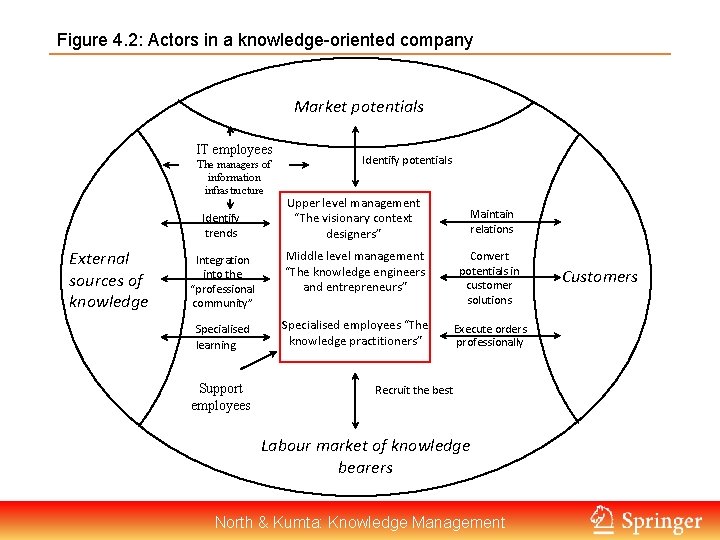
Figure 4. 2: Actors in a knowledge-oriented company Market potentials IT employees The managers of information infrastructure Identify trends External sources of knowledge Identify potentials Upper level management “The visionary context designers” Maintain relations Integration into the “professional community” Middle level management “The knowledge engineers and entrepreneurs” Convert potentials in customer solutions Specialised learning Specialised employees “The knowledge practitioners” Execute orders professionally Support employees Recruit the best Labour market of knowledge bearers North & Kumta: Knowledge Management Customers
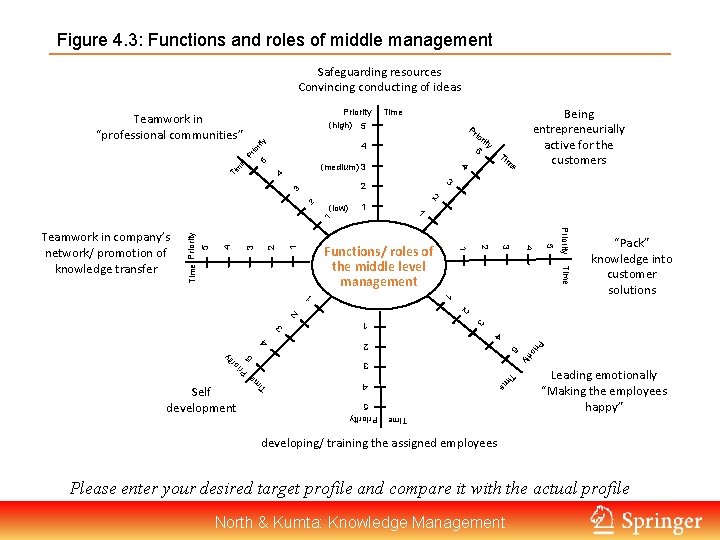
Figure 4. 3: Functions and roles of middle management Safeguarding resources Convincing conducting of ideas Priority (high) 5 (medium) 3 Pr io 5 3 y Ti m e 3 2 1 1 1 2 3 4 Priority 5 4 3 2 Functions/ roles of the middle level management 1 Time Teamwork in company’s network/ promotion of knowledge transfer Time Priority 5 1 2 rit 4 2 (low) Being entrepreneurially active for the customers Time 4 Ti m e Pr io y rit 4 5 Teamwork in “professional communities” 1 “Pack” knowledge into customer solutions 1 2 3 1 4 2 2 3 4 5 y rit io Pr 5 3 m e Ti 4 Time e m Ti Priority 5 rit y Pr io Self development Leading emotionally “Making the employees happy” developing/ training the assigned employees Please enter your desired target profile and compare it with the actual profile North & Kumta: Knowledge Management
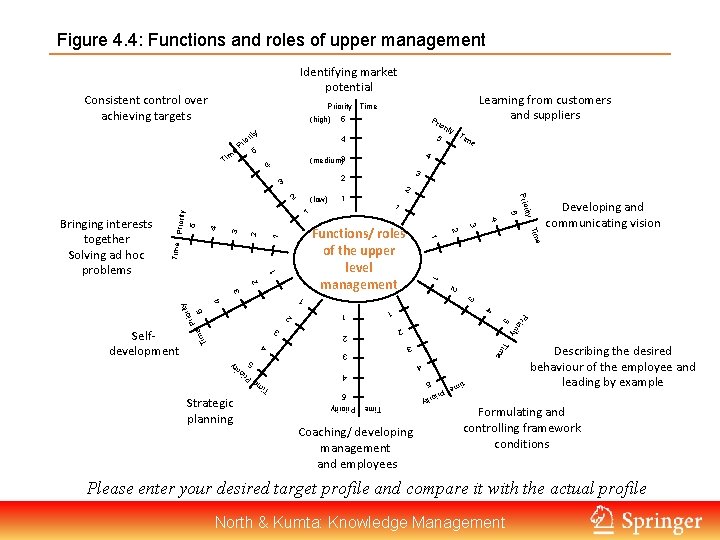
Figure 4. 4: Functions and roles of upper management Identifying market potential Consistent control over achieving targets (high) ity ior Pr 5 e m Ti Pri 4 5 ori ty Tim e 4 3 2 2 (low) 1 1 5 1 3 1 2 3 4 2 1 4 1 2 ity Pr ior 5 Tim 2 3 e 3 ty ori Pri e 5 Tim Developing and communicating vision 1 2 3 4 4 rity rio e P 5 5 4 tim 5 Time Priority Ti e m y Pr ior it Strategic planning 1 4 Time 1 Selfdevelopment Time 5 4 3 2 Functions/ roles of the upper level management rity Prio 2 Priority 5 (medium)3 4 3 Bringing interests together Solving ad hoc problems Learning from customers and suppliers Priority Time Coaching/ developing management and employees Describing the desired behaviour of the employee and leading by example Formulating and controlling framework conditions Please enter your desired target profile and compare it with the actual profile North & Kumta: Knowledge Management
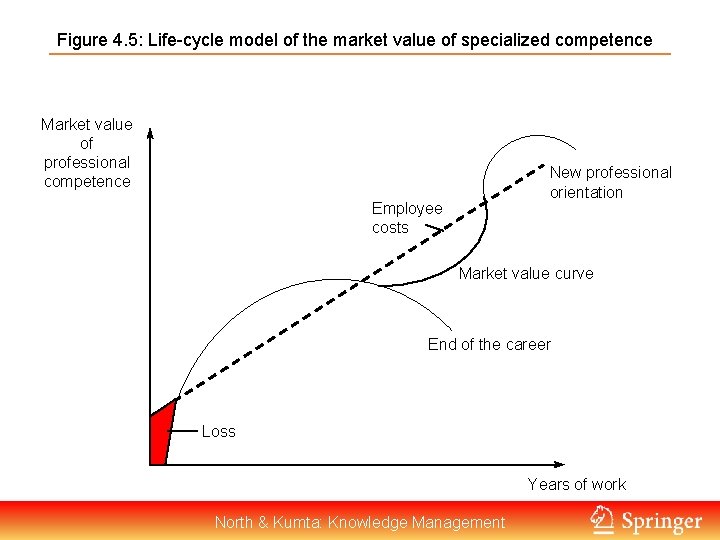
Figure 4. 5: Life-cycle model of the market value of specialized competence Market value of professional competence New professional orientation Employee costs Market value curve End of the career Loss Years of work North & Kumta: Knowledge Management
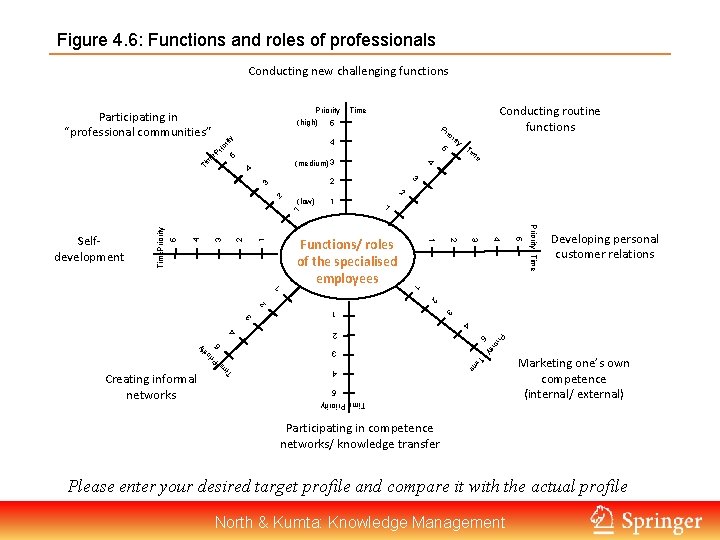
Figure 4. 6: Functions and roles of professionals Conducting new challenging functions Priority Participating in “professional communities” (high) y rit 5 e Pr io 4 Ti m 3 1 2 3 2 2 1 Developing personal customer relations 1 Functions/ roles of the specialised employees 1 e 5 2 m Priority Time 3 Ti 4 4 y 4 (medium) 3 1 rit 3 5 5 2 Time. Priority io 1 Selfdevelopment Pr 4 (low) Conducting routine functions Time 5 1 2 3 1 4 Pr 2 5 2 3 4 rit io y e 5 3 4 Ti m 5 Time Priority y rit e. P rio m Ti Creating informal networks Marketing one’s own competence (internal/ external) Participating in competence networks/ knowledge transfer Please enter your desired target profile and compare it with the actual profile North & Kumta: Knowledge Management
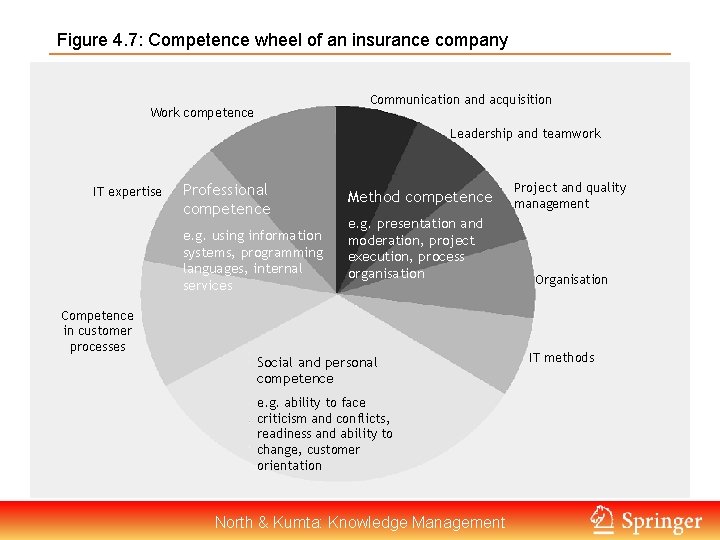
Figure 4. 7: Competence wheel of an insurance company Communication and acquisition Work competence Leadership and teamwork IT expertise Professional competence e. g. using information systems, programming languages, internal services Competence in customer processes Method competence e. g. presentation and moderation, project execution, process organisation Social and personal competence e. g. ability to face criticism and conflicts, readiness and ability to change, customer orientation North & Kumta: Knowledge Management Project and quality management Organisation IT methods
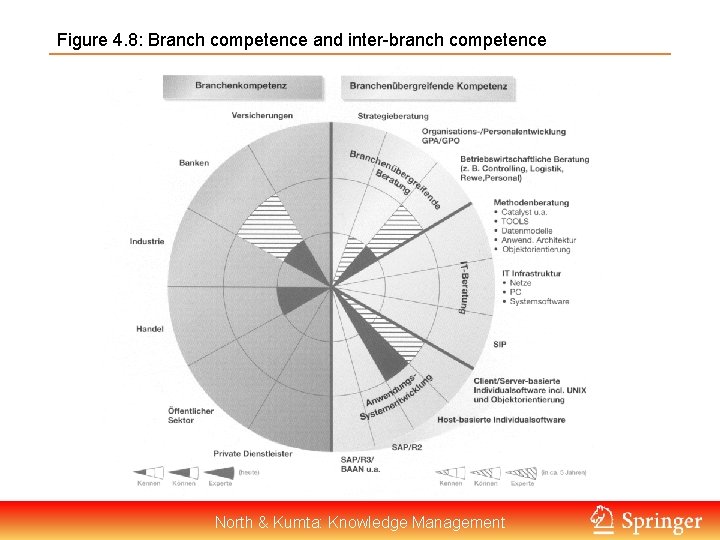
Figure 4. 8: Branch competence and inter-branch competence North & Kumta: Knowledge Management
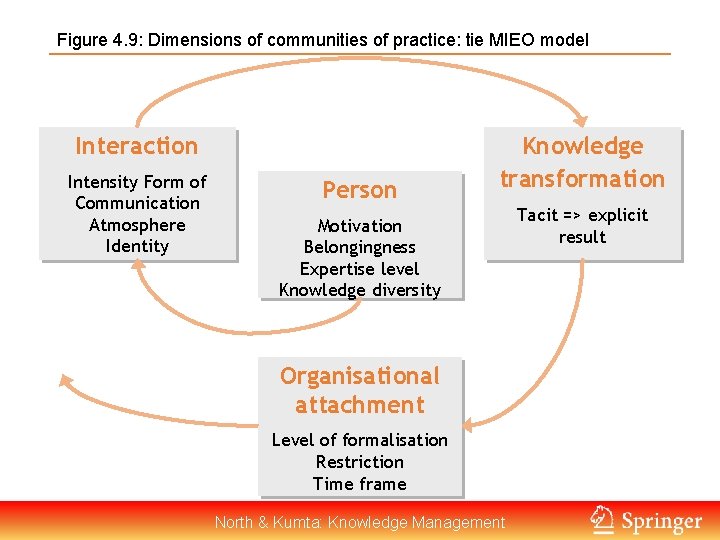
Figure 4. 9: Dimensions of communities of practice: tie MIEO model Interaction Intensity Form of Communication Atmosphere Identity Person Knowledge transformation Motivation Belongingness Expertise level Knowledge diversity Organisational attachment Level of formalisation Restriction Time frame North & Kumta: Knowledge Management Tacit => explicit result
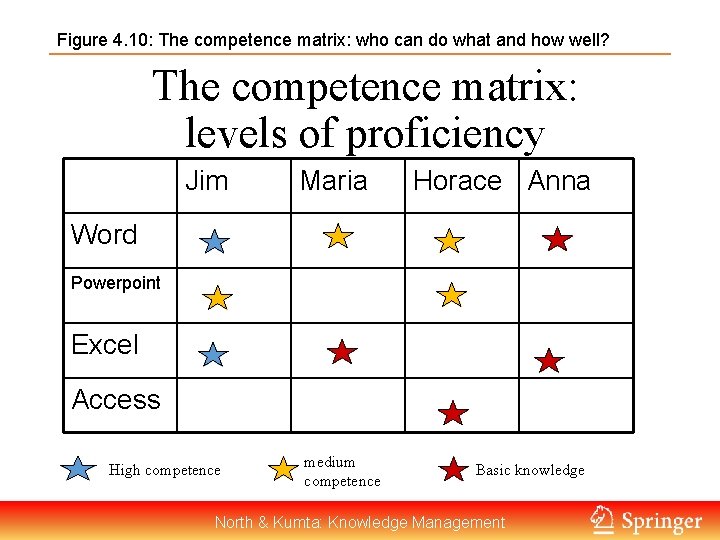
Figure 4. 10: The competence matrix: who can do what and how well? The competence matrix: levels of proficiency Jim Maria Horace Anna Word Powerpoint Excel Access High competence medium competence Basic knowledge North & Kumta: Knowledge Management
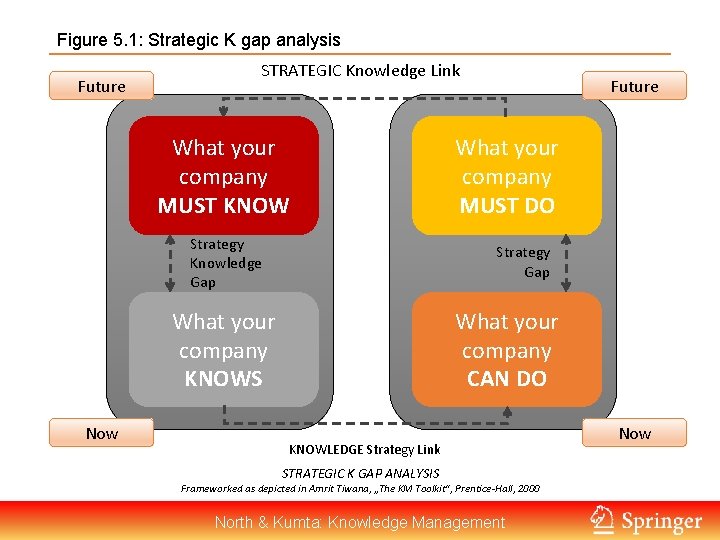
Figure 5. 1: Strategic K gap analysis Future STRATEGIC Knowledge Link What your company MUST KNOW Strategy Knowledge Gap What your company MUST DO Strategy Gap What your company KNOWS Now Future What your company CAN DO KNOWLEDGE Strategy Link STRATEGIC K GAP ANALYSIS Frameworked as depicted in Amrit Tiwana, „The KM Toolkit“, Prentice-Hall, 2000 North & Kumta: Knowledge Management Now
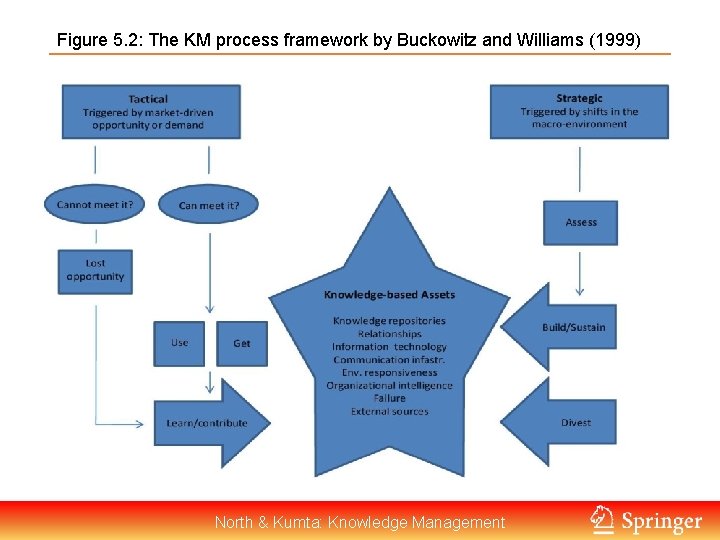
Figure 5. 2: The KM process framework by Buckowitz and Williams (1999) North & Kumta: Knowledge Management
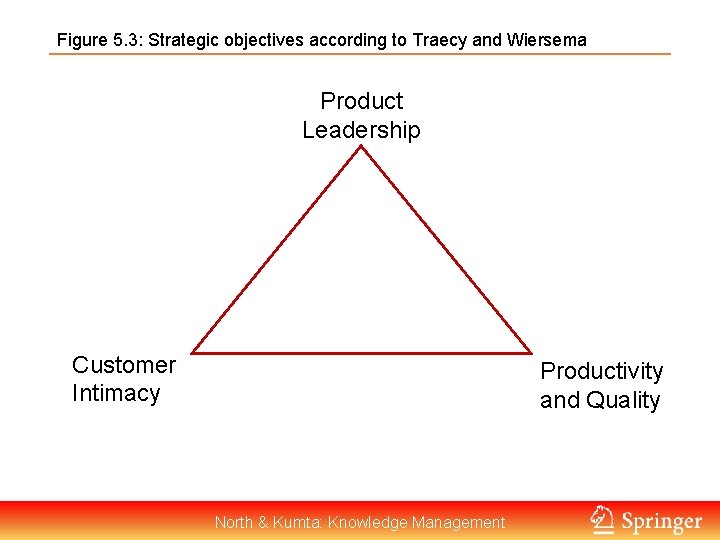
Figure 5. 3: Strategic objectives according to Traecy and Wiersema Product Leadership Customer Intimacy Productivity and Quality North & Kumta: Knowledge Management
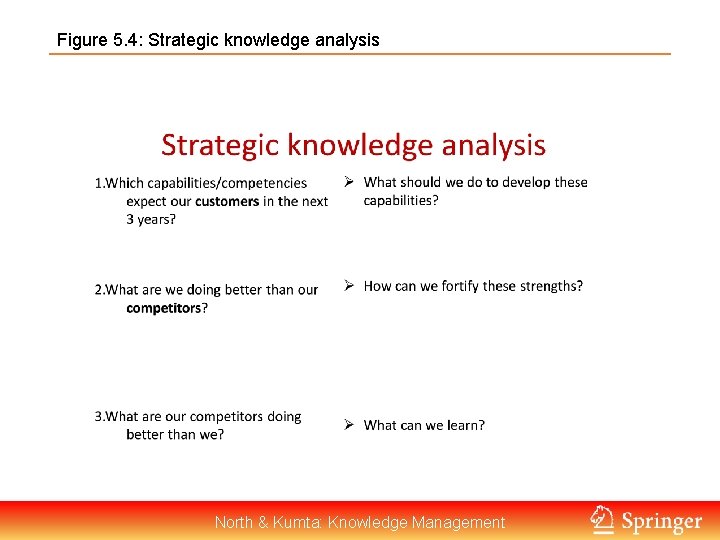
Figure 5. 4: Strategic knowledge analysis North & Kumta: Knowledge Management
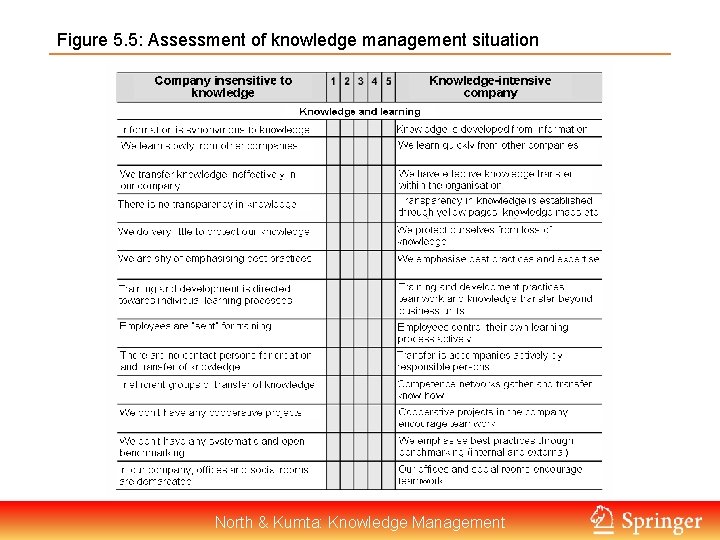
Figure 5. 5: Assessment of knowledge management situation North & Kumta: Knowledge Management
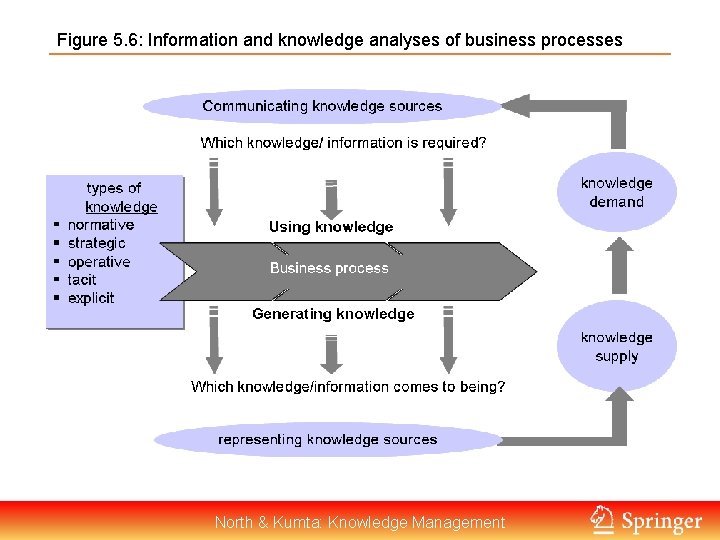
Figure 5. 6: Information and knowledge analyses of business processes North & Kumta: Knowledge Management
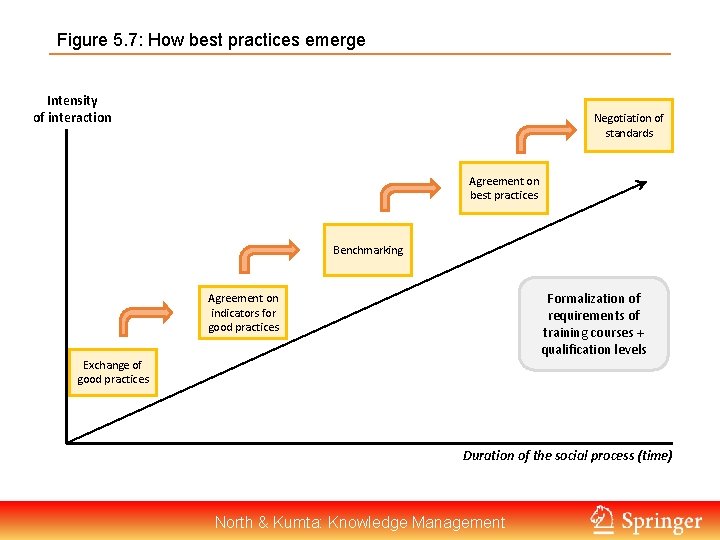
Figure 5. 7: How best practices emerge Intensity of interaction Negotiation of standards Agreement on best practices Benchmarking Formalization of requirements of training courses + qualification levels Agreement on indicators for good practices Exchange of good practices Duration of the social process (time) North & Kumta: Knowledge Management
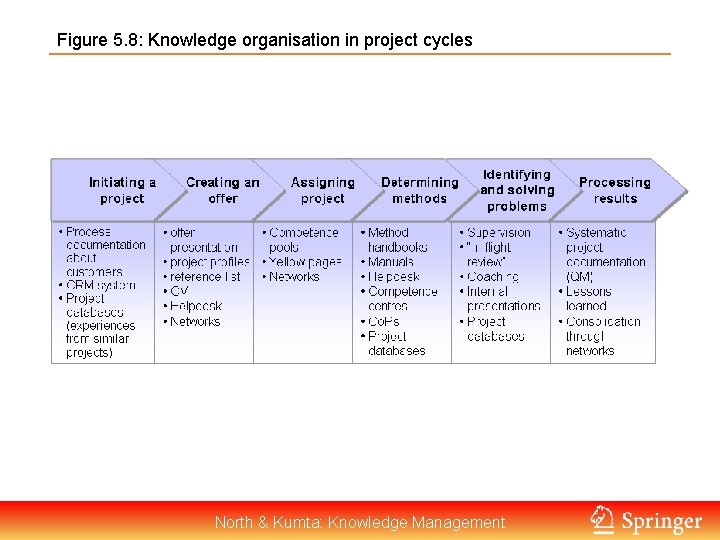
Figure 5. 8: Knowledge organisation in project cycles North & Kumta: Knowledge Management
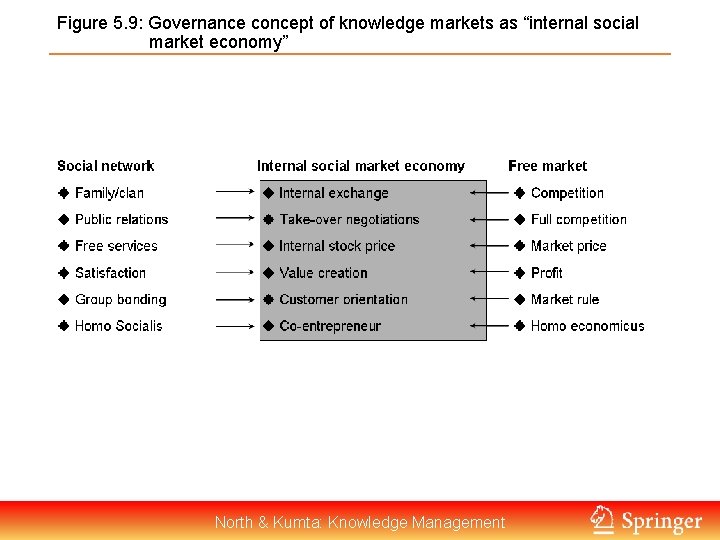
Figure 5. 9: Governance concept of knowledge markets as “internal social market economy” North & Kumta: Knowledge Management
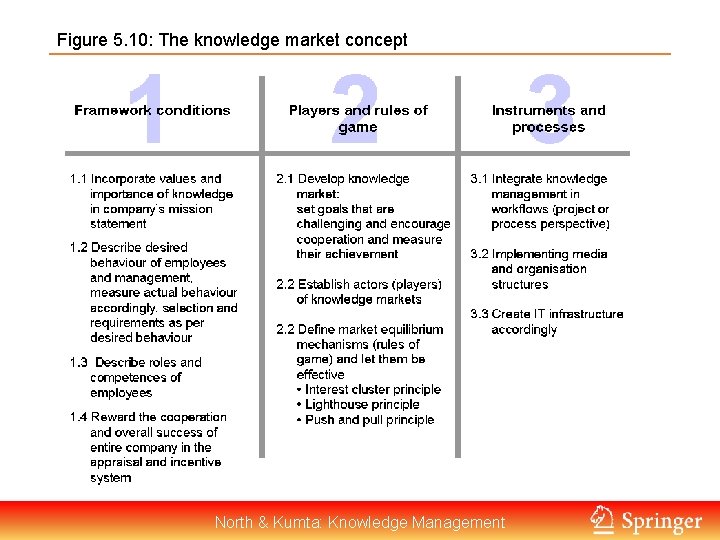
Figure 5. 10: The knowledge market concept North & Kumta: Knowledge Management
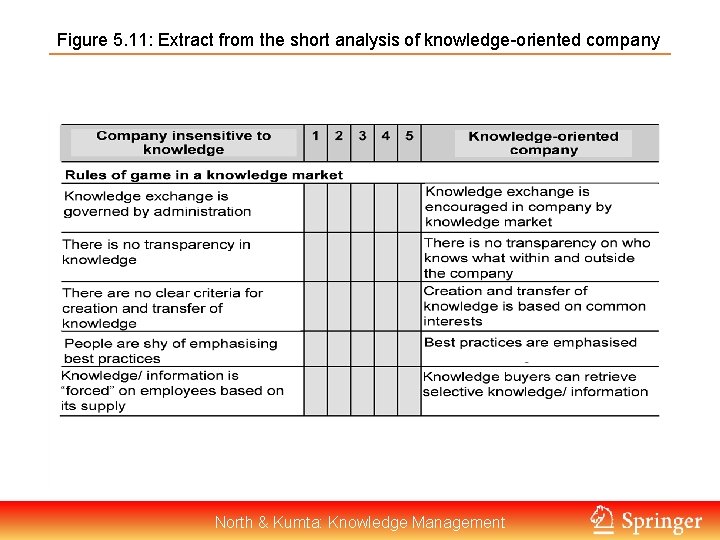
Figure 5. 11: Extract from the short analysis of knowledge-oriented company North & Kumta: Knowledge Management
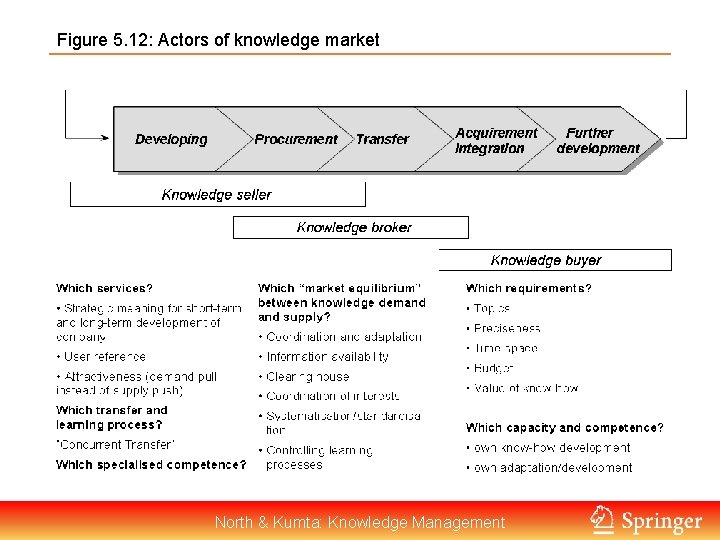
Figure 5. 12: Actors of knowledge market North & Kumta: Knowledge Management
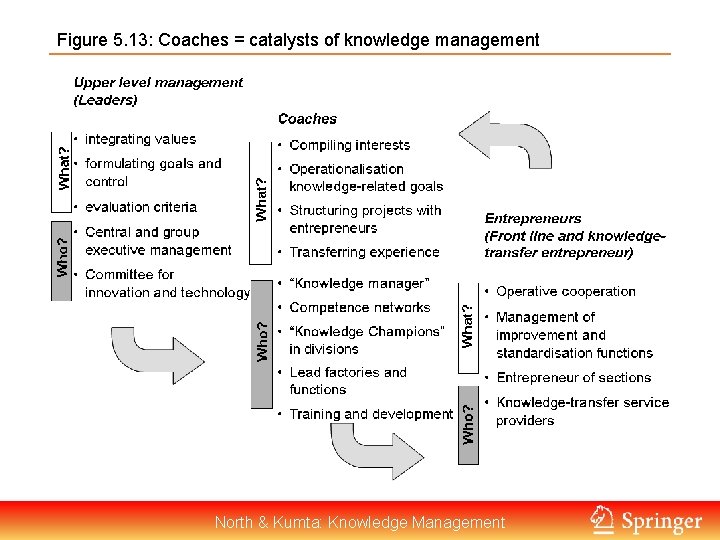
Figure 5. 13: Coaches = catalysts of knowledge management North & Kumta: Knowledge Management
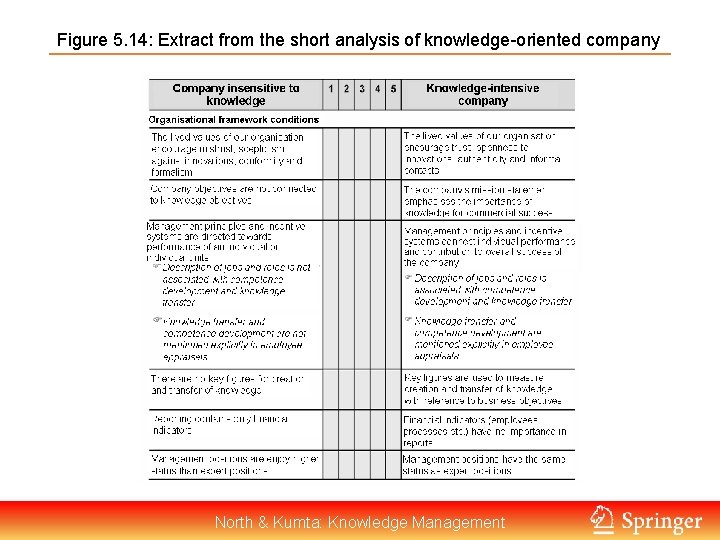
Figure 5. 14: Extract from the short analysis of knowledge-oriented company North & Kumta: Knowledge Management
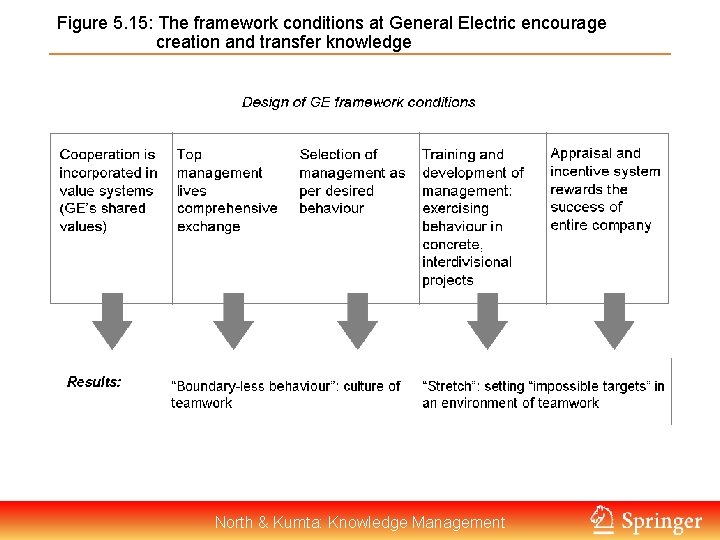
Figure 5. 15: The framework conditions at General Electric encourage creation and transfer knowledge North & Kumta: Knowledge Management
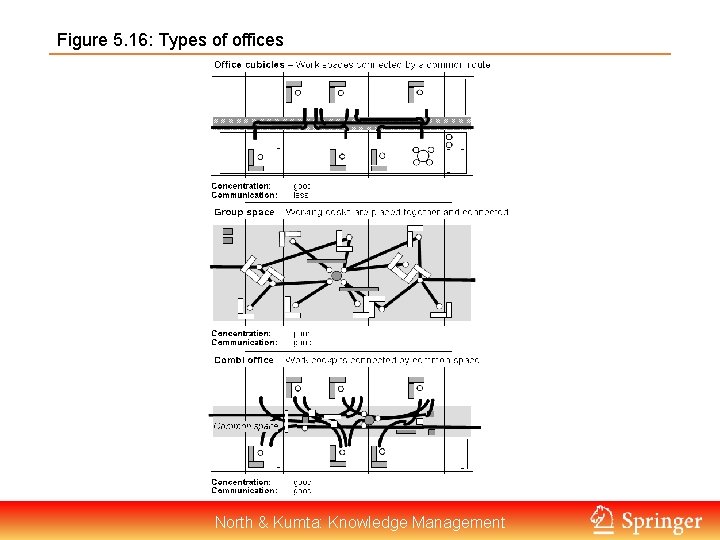
Figure 5. 16: Types of offices North & Kumta: Knowledge Management
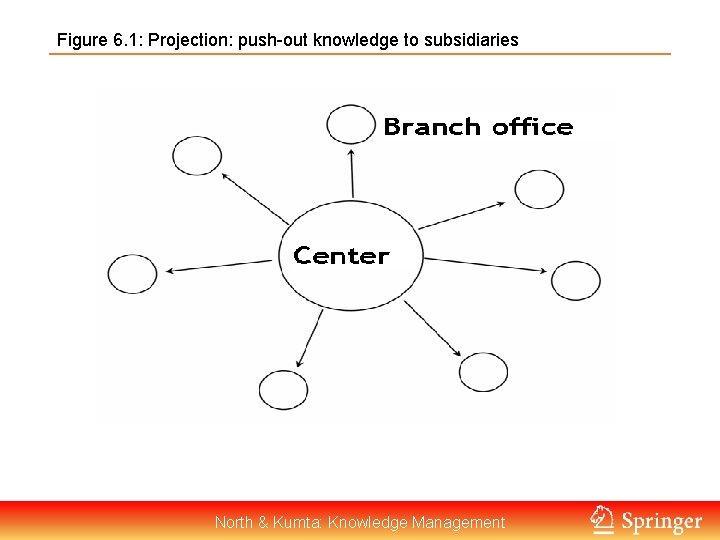
Figure 6. 1: Projection: push-out knowledge to subsidiaries North & Kumta: Knowledge Management
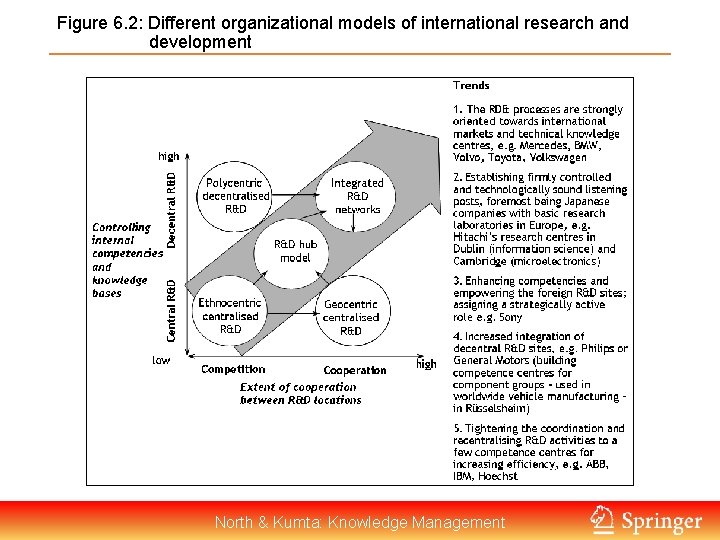
Figure 6. 2: Different organizational models of international research and development North & Kumta: Knowledge Management
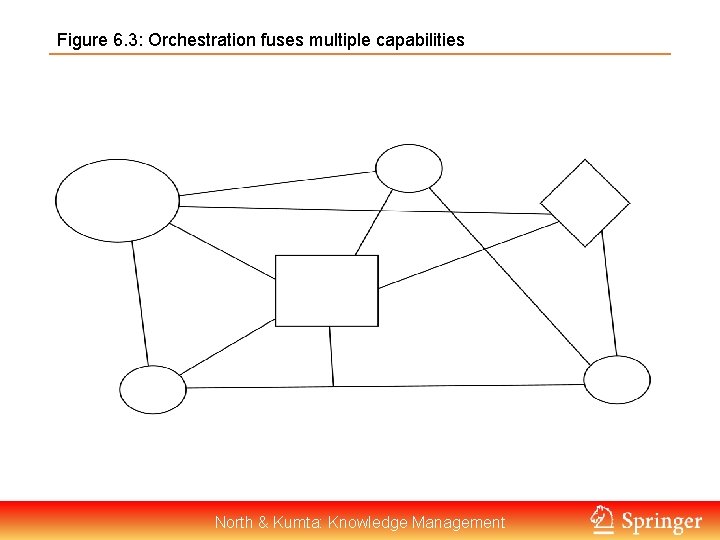
Figure 6. 3: Orchestration fuses multiple capabilities North & Kumta: Knowledge Management
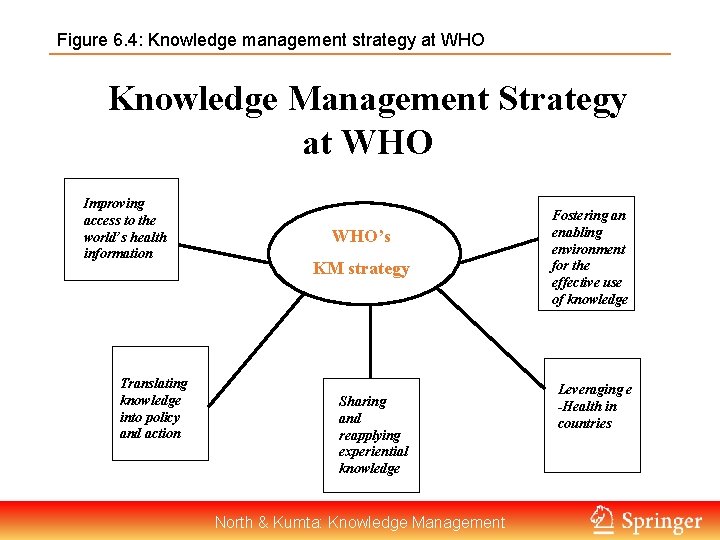
Figure 6. 4: Knowledge management strategy at WHO Knowledge Management Strategy at WHO Improving access to the world’s health information Translating knowledge into policy and action WHO’s KM strategy Sharing and reapplying experiential knowledge North & Kumta: Knowledge Management Fostering an enabling environment for the effective use of knowledge Leveraging e -Health in countries
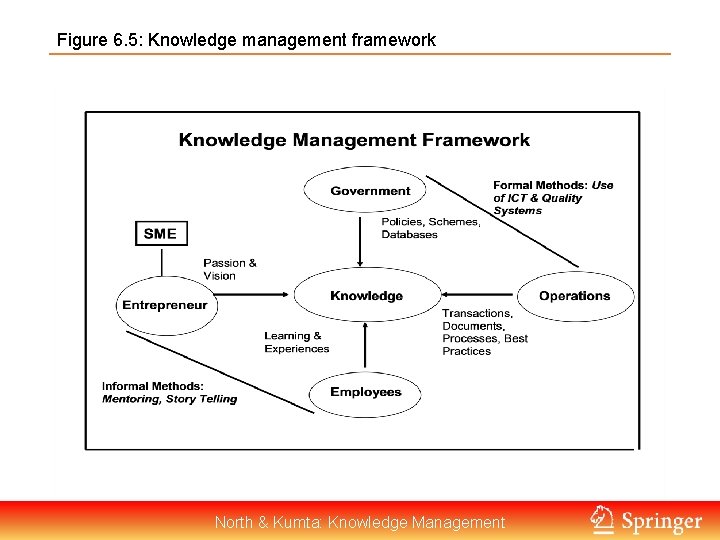
Figure 6. 5: Knowledge management framework North & Kumta: Knowledge Management
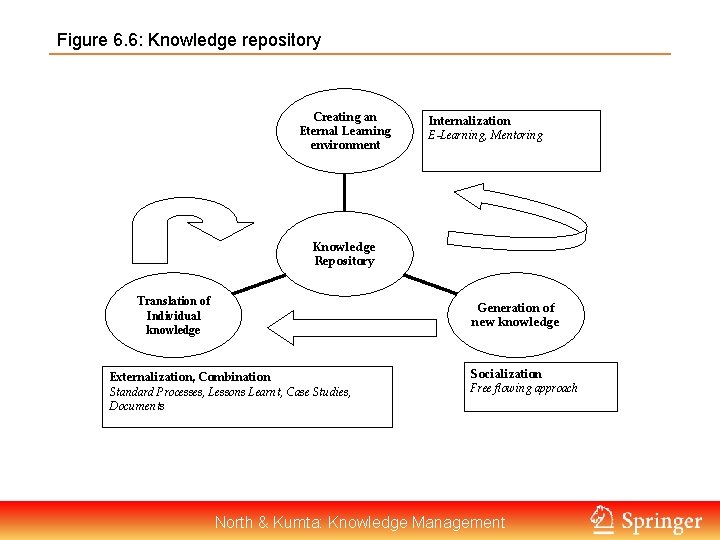
Figure 6. 6: Knowledge repository Creating an Eternal Learning environment Internalization E-Learning, Mentoring Knowledge Repository Translation of Individual knowledge Generation of new knowledge Externalization, Combination Standard Processes, Lessons Learnt, Case Studies, Documents Socialization Free flowing approach North & Kumta: Knowledge Management
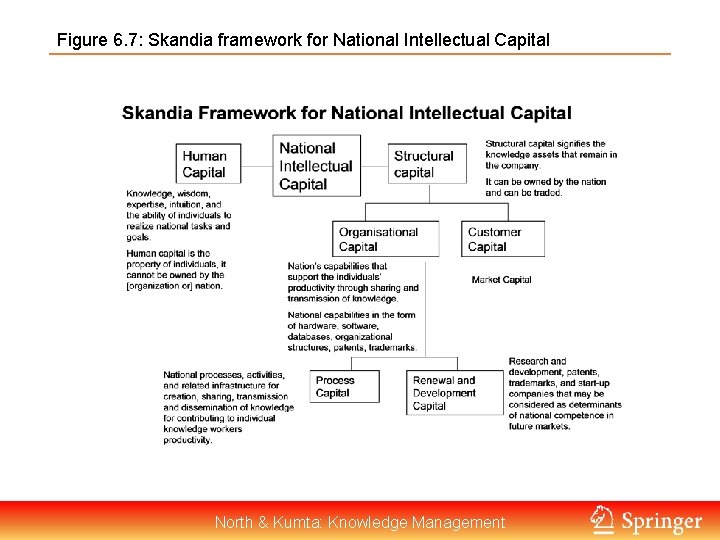
Figure 6. 7: Skandia framework for National Intellectual Capital North & Kumta: Knowledge Management
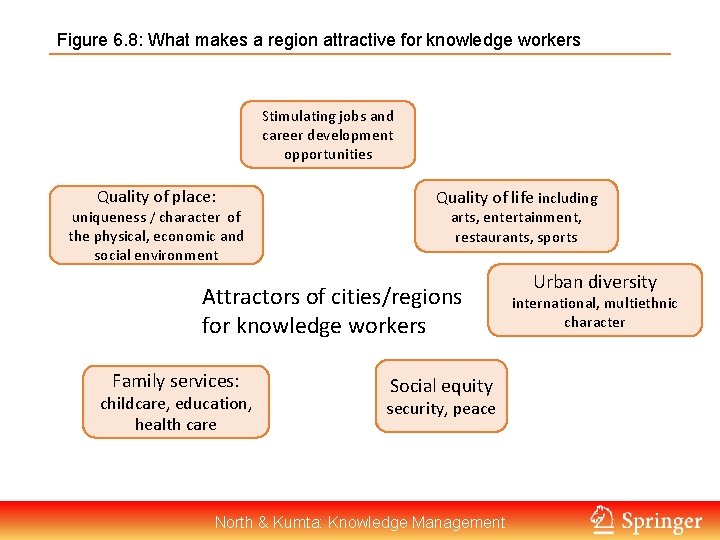
Figure 6. 8: What makes a region attractive for knowledge workers Stimulating jobs and career development opportunities Quality of place: uniqueness / character of the physical, economic and social environment Quality of life including arts, entertainment, restaurants, sports Attractors of cities/regions for knowledge workers Family services: childcare, education, health care Social equity security, peace North & Kumta: Knowledge Management Urban diversity international, multiethnic character
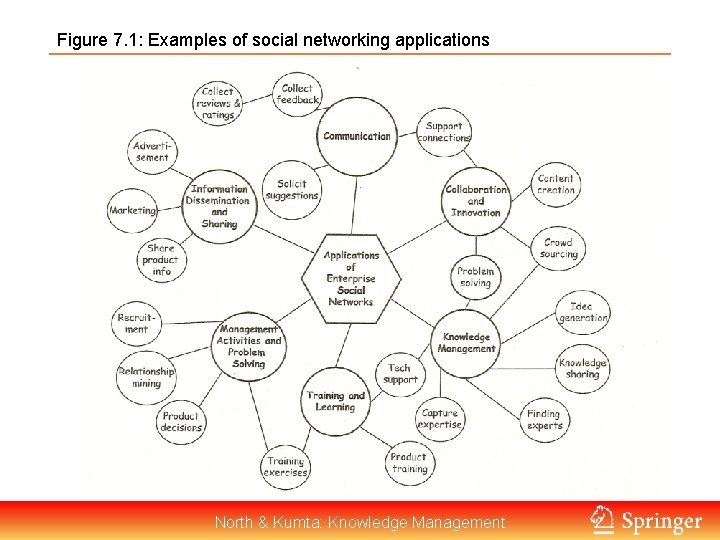
Figure 7. 1: Examples of social networking applications North & Kumta: Knowledge Management
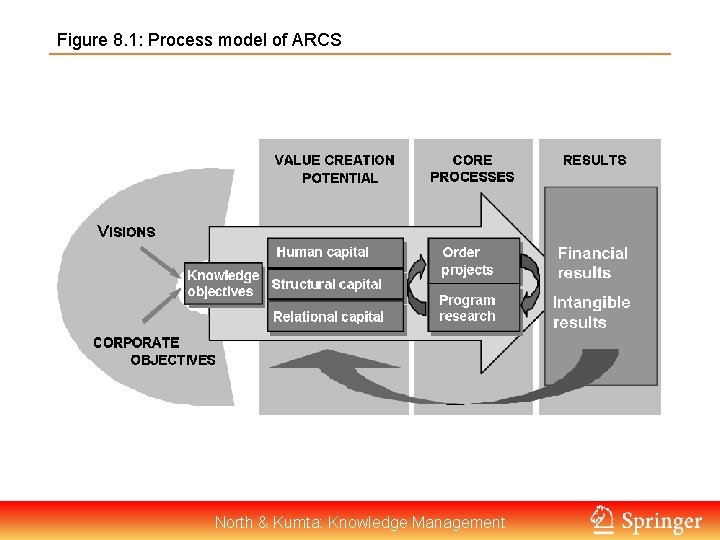
Figure 8. 1: Process model of ARCS North & Kumta: Knowledge Management
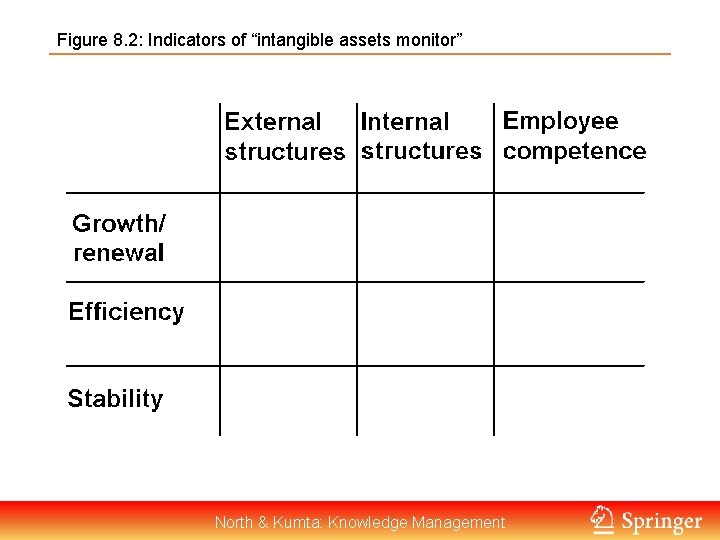
Figure 8. 2: Indicators of “intangible assets monitor” North & Kumta: Knowledge Management
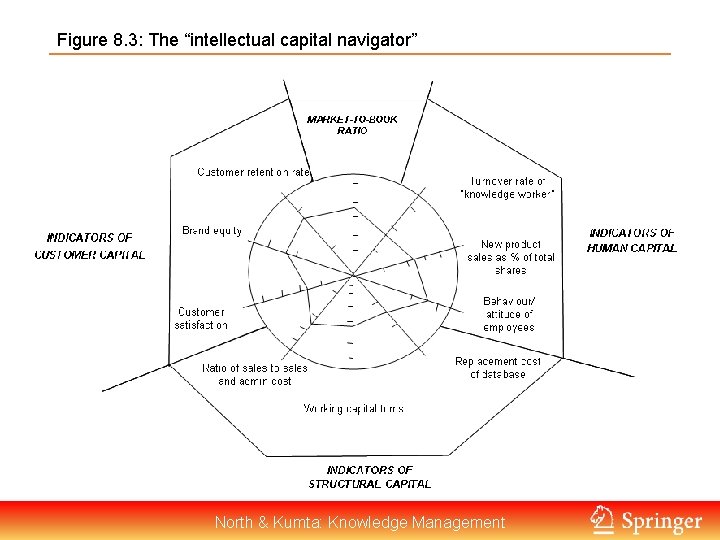
Figure 8. 3: The “intellectual capital navigator” North & Kumta: Knowledge Management
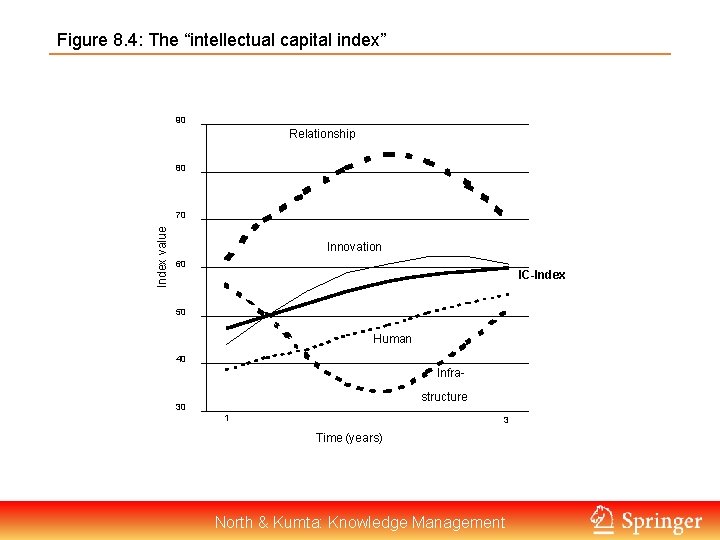
Figure 8. 4: The “intellectual capital index” 90 Relationship 80 Index value 70 Innovation 60 IC-Index 50 Human 40 Infrastructure 30 1 3 Time (years) North & Kumta: Knowledge Management
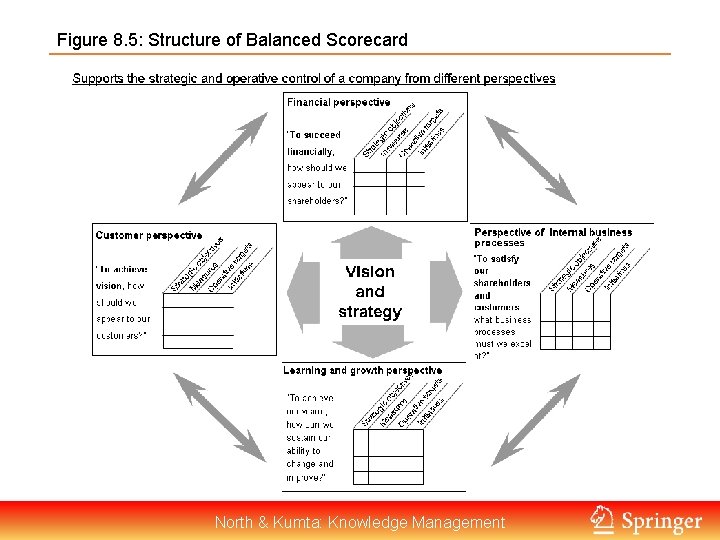
Figure 8. 5: Structure of Balanced Scorecard North & Kumta: Knowledge Management
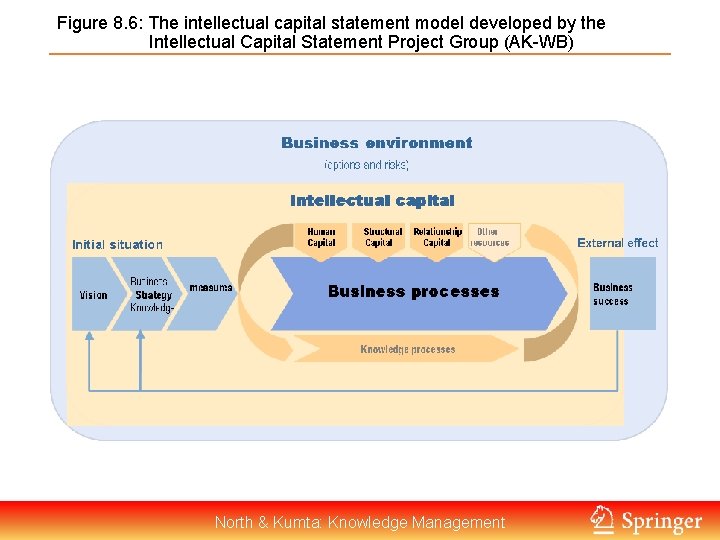
Figure 8. 6: The intellectual capital statement model developed by the Intellectual Capital Statement Project Group (AK-WB) North & Kumta: Knowledge Management
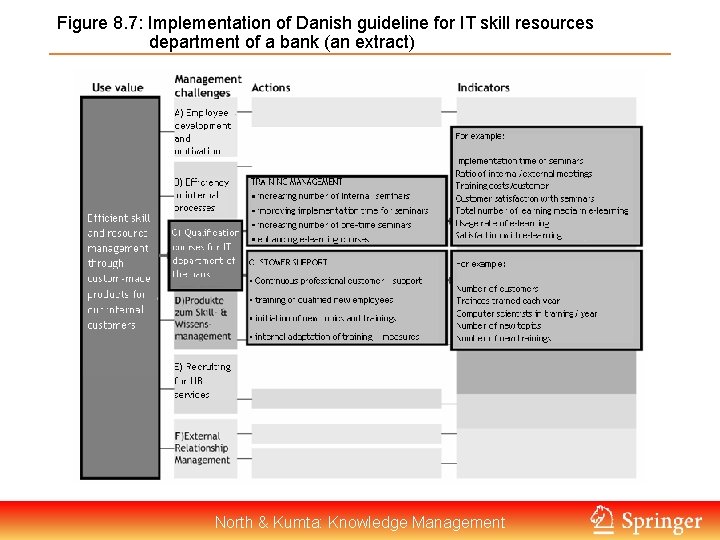
Figure 8. 7: Implementation of Danish guideline for IT skill resources department of a bank (an extract) North & Kumta: Knowledge Management
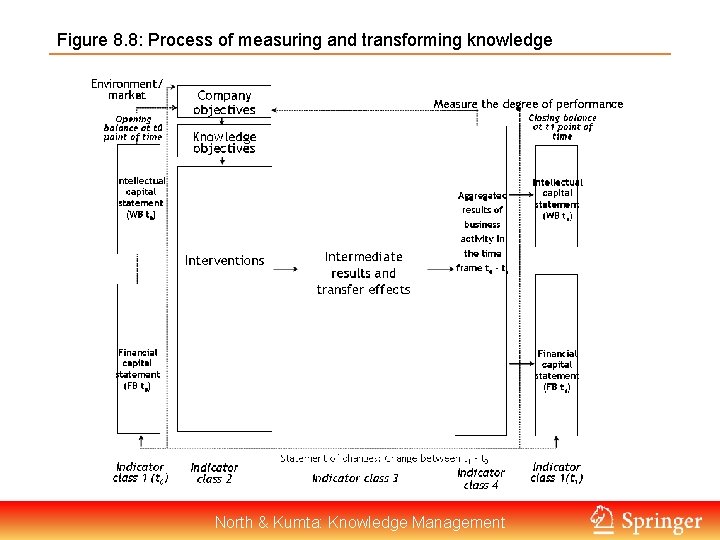
Figure 8. 8: Process of measuring and transforming knowledge North & Kumta: Knowledge Management
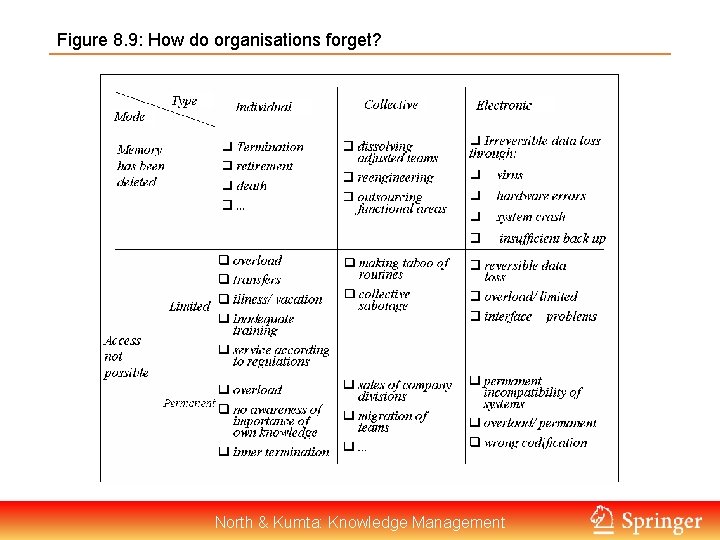
Figure 8. 9: How do organisations forget? North & Kumta: Knowledge Management
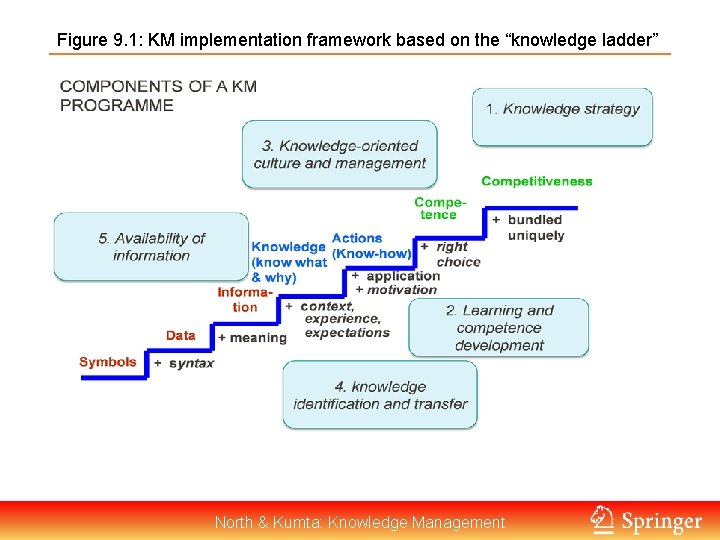
Figure 9. 1: KM implementation framework based on the “knowledge ladder” North & Kumta: Knowledge Management
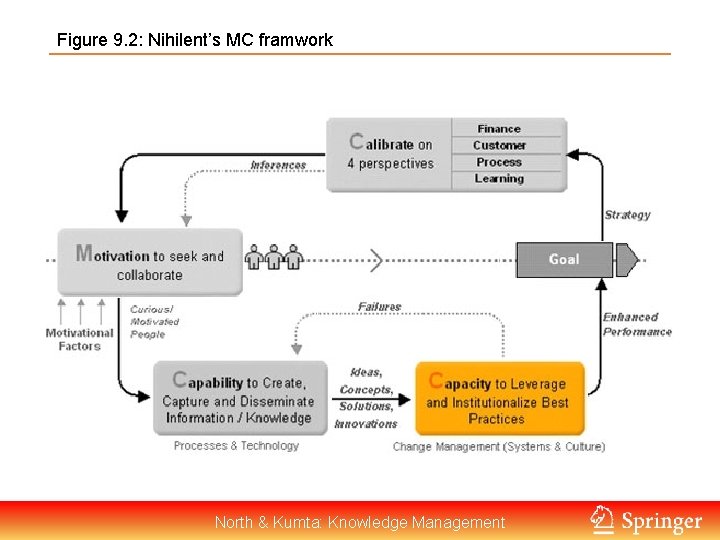
Figure 9. 2: Nihilent’s MC framwork North & Kumta: Knowledge Management
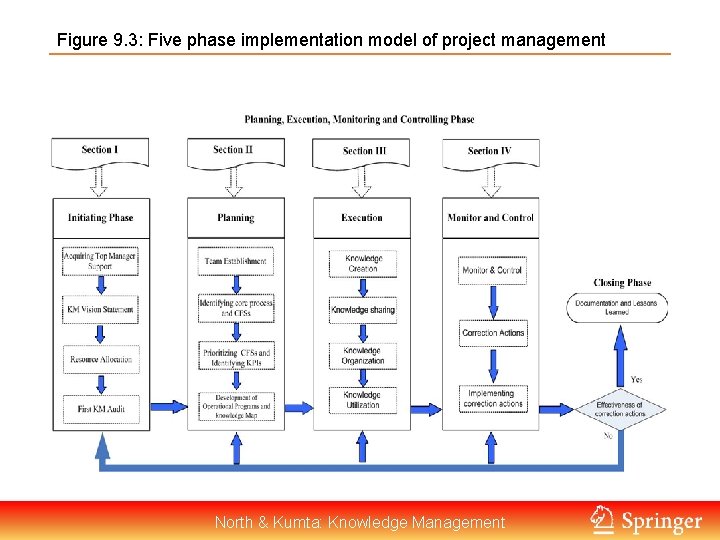
Figure 9. 3: Five phase implementation model of project management North & Kumta: Knowledge Management
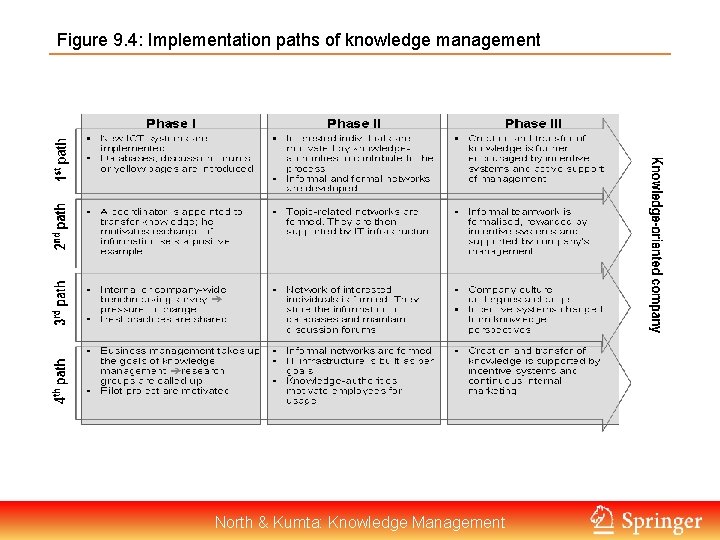
Figure 9. 4: Implementation paths of knowledge management North & Kumta: Knowledge Management
- Slides: 72