
KLAIPEDA PUBLIC TRANSPORT AUTHORITY KKT DEVELOPMENT IN 2003
KLAIPEDA PUBLIC TRANSPORT AUTHORITY (KKT) DEVELOPMENT IN 2003 -2014
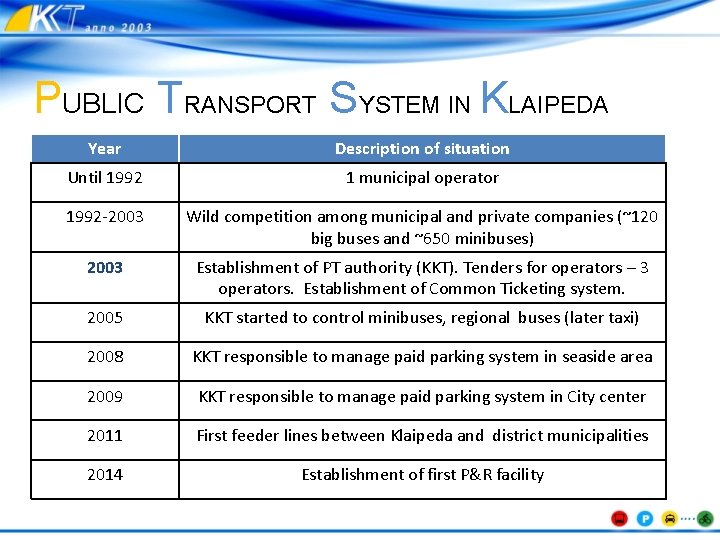
PUBLIC TRANSPORT SYSTEM IN KLAIPEDA Year Description of situation Until 1992 1 municipal operator 1992 -2003 Wild competition among municipal and private companies (~120 big buses and ~650 minibuses) 2003 Establishment of PT authority (KKT). Tenders for operators – 3 operators. Establishment of Common Ticketing system. 2005 KKT started to control minibuses, regional buses (later taxi) 2008 KKT responsible to manage paid parking system in seaside area 2009 KKT responsible to manage paid parking system in City center 2011 First feeder lines between Klaipeda and district municipalities 2014 Establishment of first P&R facility
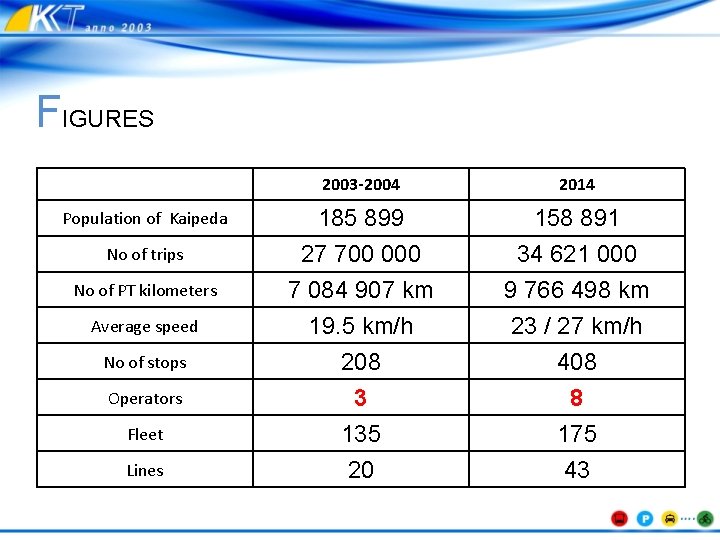
FIGURES Population of Kaipeda No of trips No of PT kilometers Average speed No of stops Operators Fleet Lines 2003 -2004 2014 185 899 27 700 000 7 084 907 km 19. 5 km/h 208 3 135 20 158 891 34 621 000 9 766 498 km 23 / 27 km/h 408 8 175 43
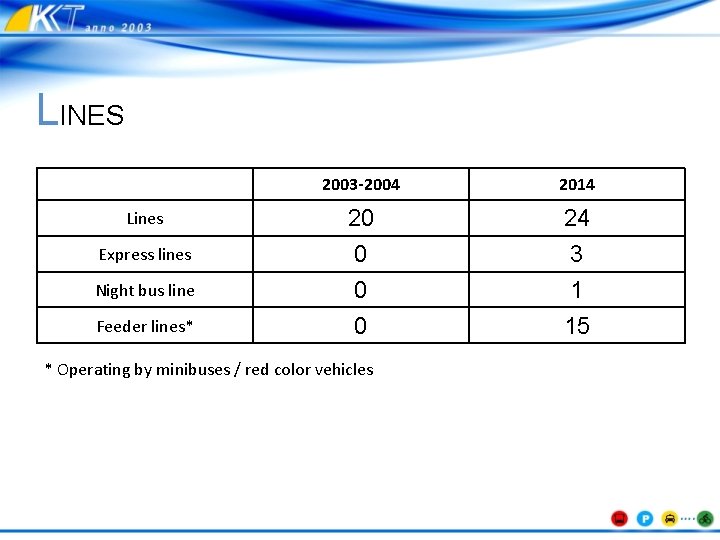
LINES Lines Express lines Night bus line Feeder lines* 2003 -2004 2014 20 0 24 3 1 15 * Operating by minibuses / red color vehicles
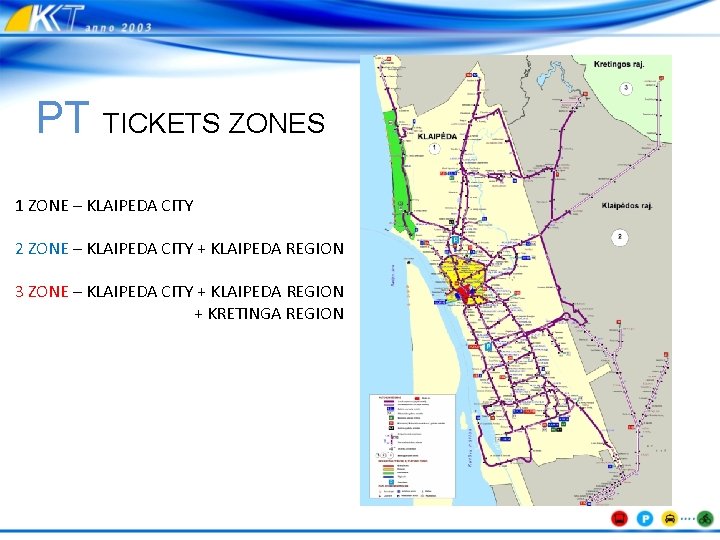
PT TICKETS ZONES 1 ZONE – KLAIPEDA CITY 2 ZONE – KLAIPEDA CITY + KLAIPEDA REGION 3 ZONE – KLAIPEDA CITY + KLAIPEDA REGION + KRETINGA REGION
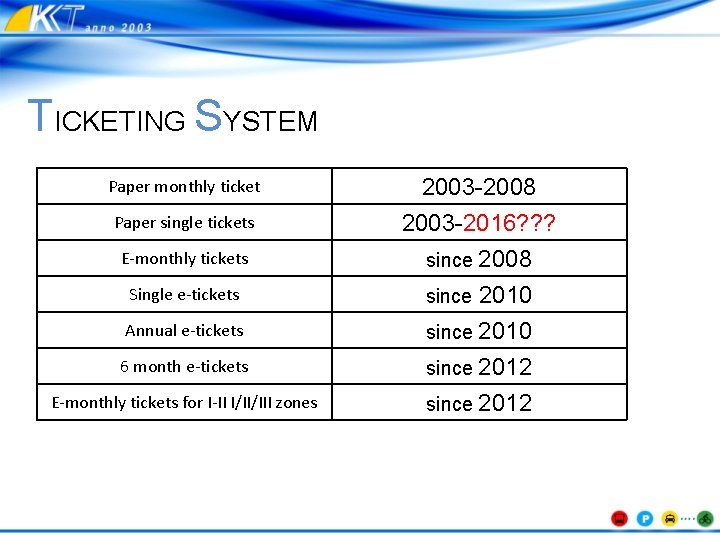
TICKETING SYSTEM Paper monthly ticket Paper single tickets E-monthly tickets Single e-tickets Annual e-tickets 6 month e-tickets E-monthly tickets for I-II I/II/III zones 2003 -2008 2003 -2016? ? ? since 2008 since 2010 since 2012
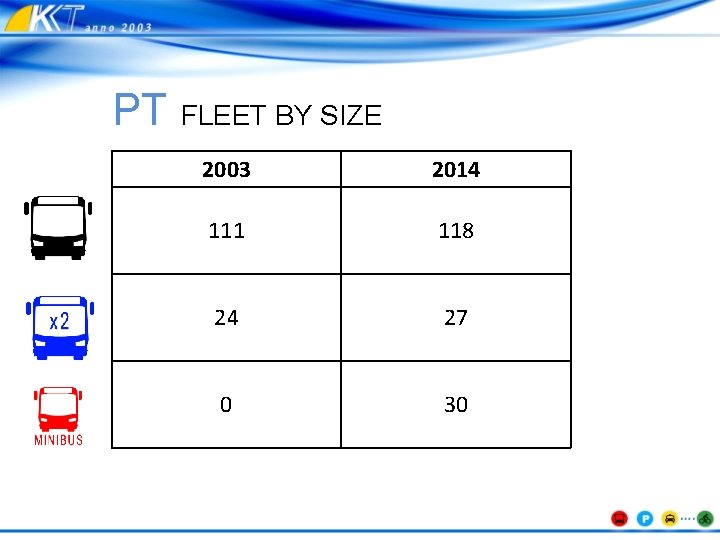
PT FLEET BY SIZE 2003 2014 111 118 24 27 0 30
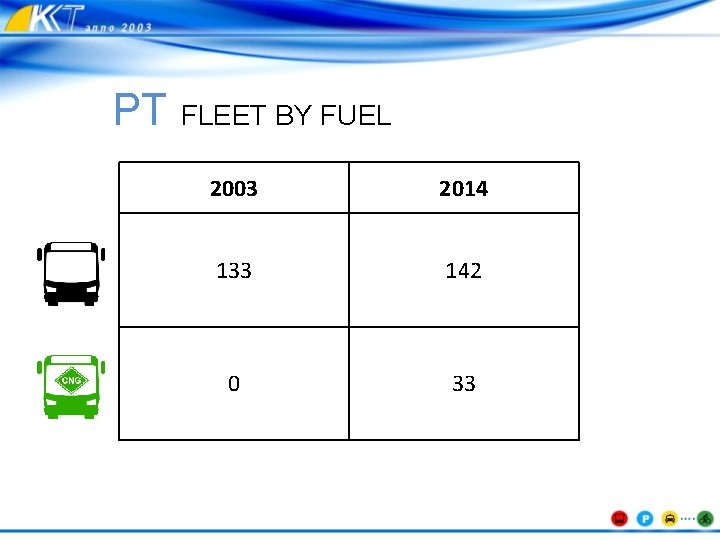
PT FLEET BY FUEL 2003 2014 133 142 0 33
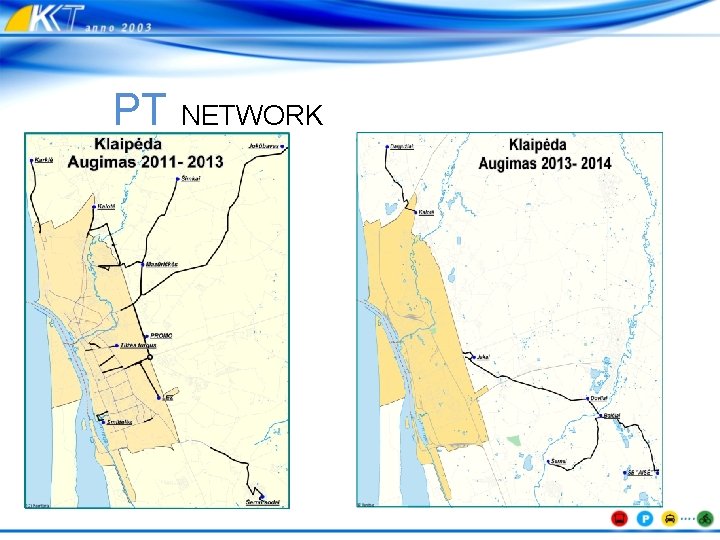
PT NETWORK
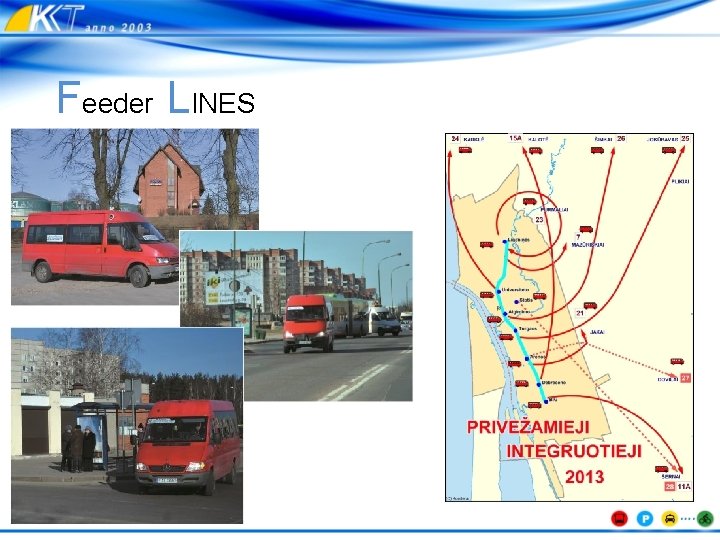
Feeder LINES
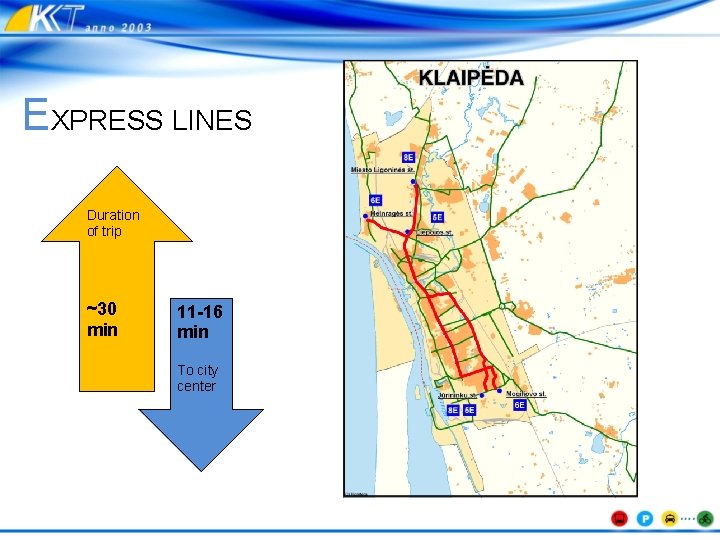
EXPRESS LINES Duration of trip ~30 min 11 -16 min To city center
CHANGES
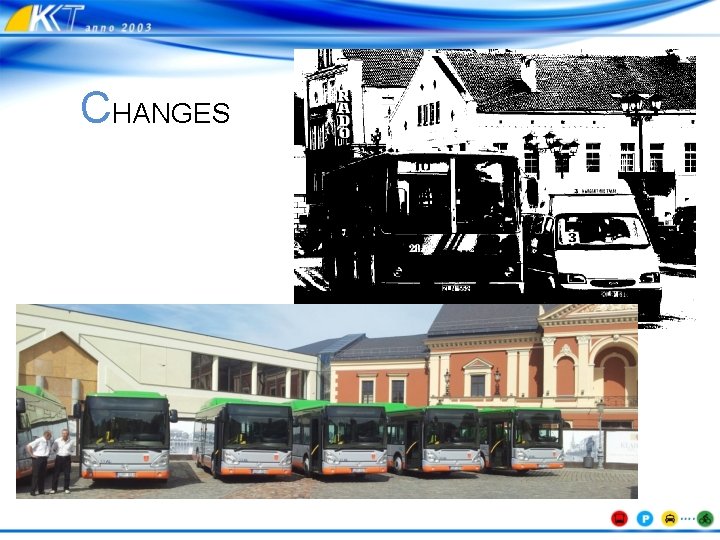
CHANGES
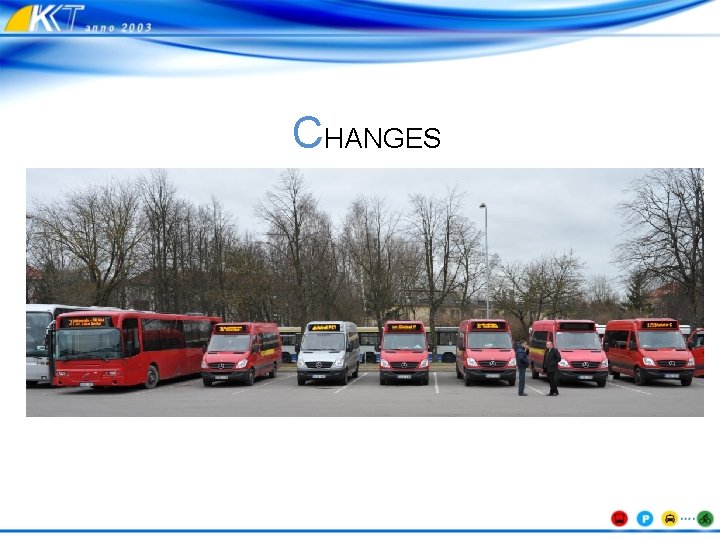
CHANGES
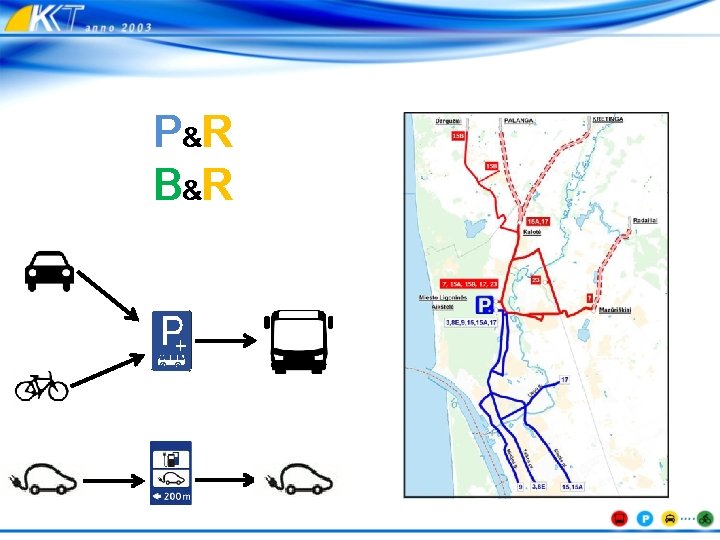
P &R B &R
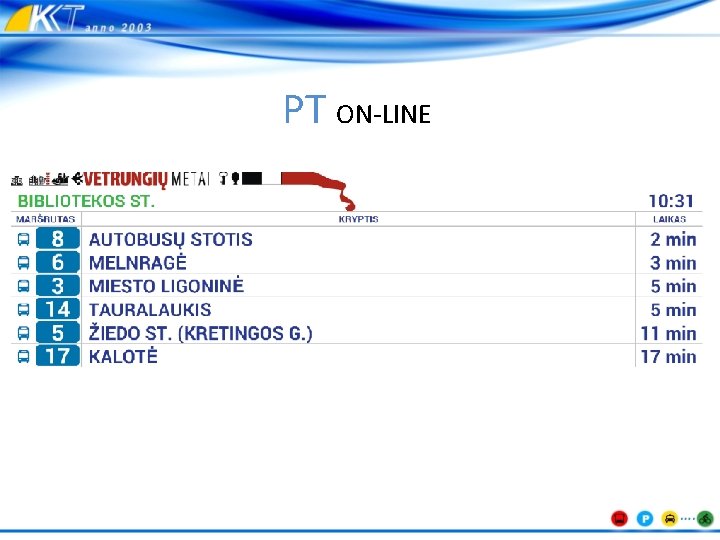
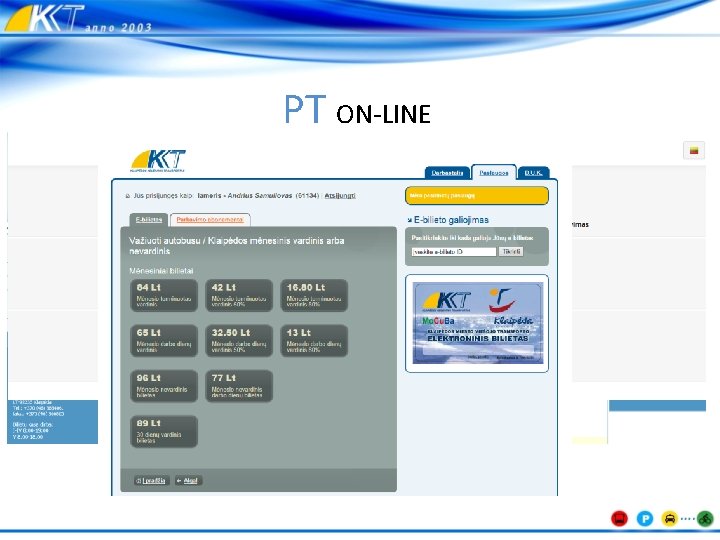
PT ON-LINE
PT ON-LINE
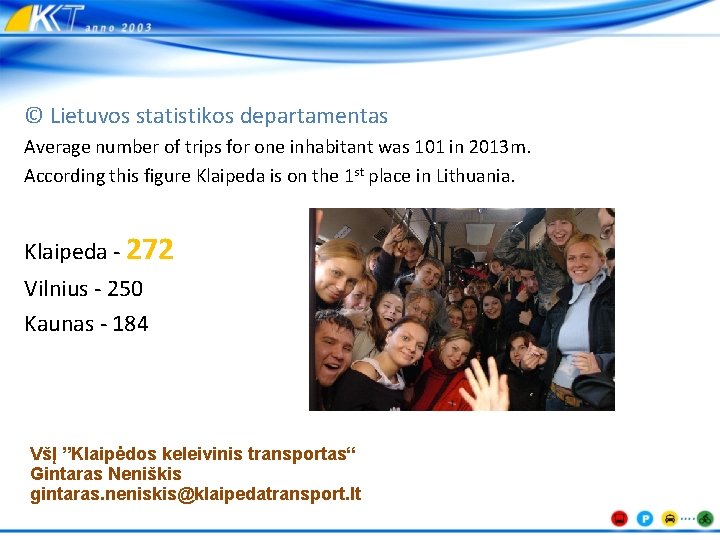
© Lietuvos statistikos departamentas Average number of trips for one inhabitant was 101 in 2013 m. According this figure Klaipeda is on the 1 st place in Lithuania. Klaipeda - 272 Vilnius - 250 Kaunas - 184 VšĮ ”Klaipėdos keleivinis transportas“ Gintaras Neniškis gintaras. neniskis@klaipedatransport. lt
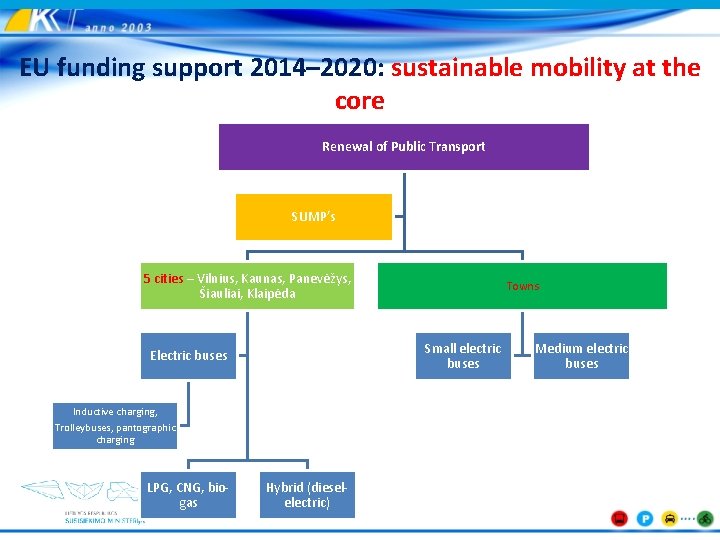
EU funding support 2014– 2020: sustainable mobility at the core Renewal of Public Transport SUMP’s 5 cities – Vilnius, Kaunas, Panevėžys, Šiauliai, Klaipėda Small electric buses Electric buses Inductive charging, Trolleybuses, pantographic charging LPG, CNG, biogas Towns Hybrid (dieselelectric) Medium electric buses
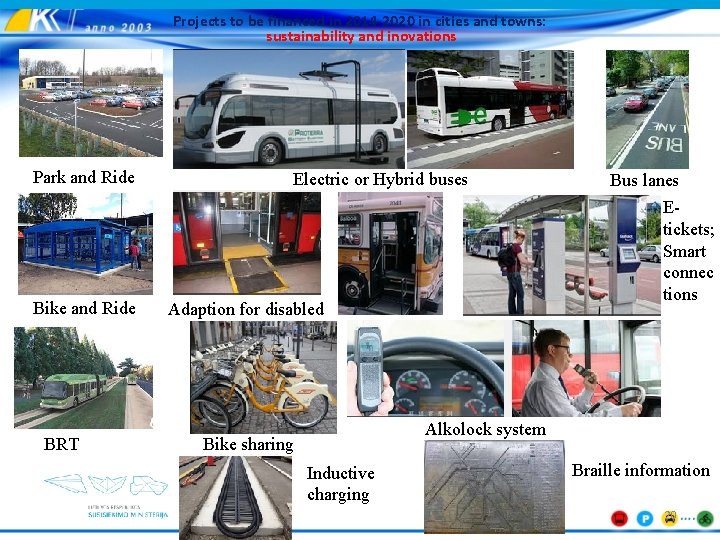
Projects to be financed in 2014 -2020 in cities and towns: sustainability and inovations Park and Ride Bike and Ride BRT Electric or Hybrid buses Bus lanes Etickets; Smart connec tions Adaption for disabled Alkolock system Bike sharing Inductive charging Braille information 20
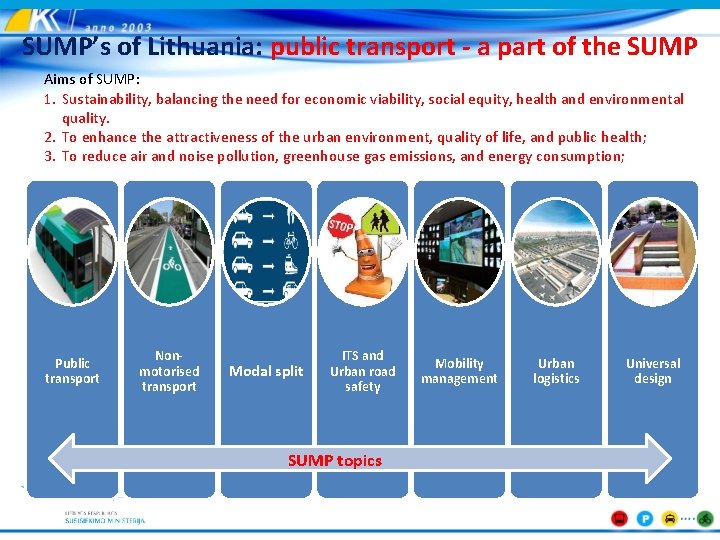
SUMP’s of Lithuania: public transport - a part of the SUMP Aims of SUMP: 1. Sustainability, balancing the need for economic viability, social equity, health and environmental quality. 2. To enhance the attractiveness of the urban environment, quality of life, and public health; 3. To reduce air and noise pollution, greenhouse gas emissions, and energy consumption; Public transport Nonmotorised transport Modal split ITS and Urban road safety SUMP topics Mobility management Urban logistics Universal design
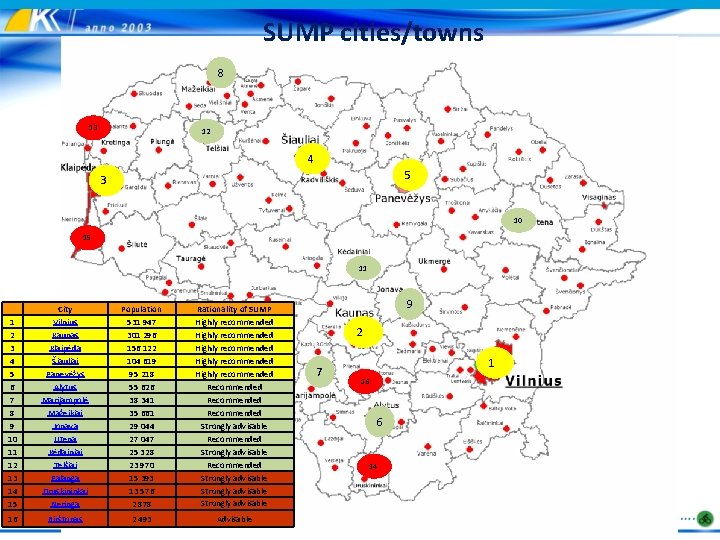
SUMP cities/towns 8 13 12 4 5 3 10 15 11 1 2 3 4 5 6 7 8 9 10 11 12 13 14 15 City Vilnius Kaunas Klaipėda Šiauliai Panevėžys Alytus Marijampolė Mažeikiai Jonava Utena Kėdainiai Telšiai Palanga Druskininkai Neringa Population 531 947 301 296 156 122 104 619 95 218 55 626 38 341 35 661 29 044 27 047 25 328 23 970 15 393 13 576 2 878 Rationality of SUMP Highly recommended Highly recommended Recommended Strongly advisable Recommended Strongly advisable 16 Birštonas 2 493 Advisable 9 2 7 1 16 6 14
- Slides: 22