
KINGDOMS OF ORGANISMS INTRODUCTION Kingdoms All organisms can
- Slides: 18
KINGDOMS OF ORGANISMS INTRODUCTION
Kingdoms All organisms can be divided into kingdoms of organisms Organisms are placed into kingdoms based on 3 characteristics: Type of cell Form of nutrition Number of cells
Type of Cell Prokaryotic—cells lack a nucleus and organelles Eukaryotic—cells and organelles have a nucleus
Form of Nutrition Autotrophic—these organisms make their own food Heterotrophic—these organisms can not make their own food
Number of Cells Unicellular—these organisms have only one cell Multicellular—these organisms have more than one cell
6 Kingdom System Kingdom Archaebacteria Kingdom Eubacteria Kingdom Protista Kingdom Fungi Kingdom Plantae Kingdom Animalia
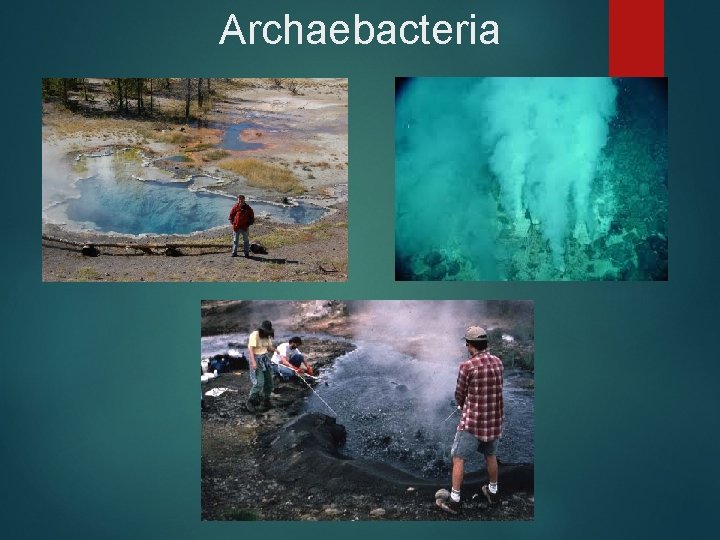
Kingdom Archaebacteria Prokaryotic cells Most have cell walls, but some don’t Unicellular Some are autotrophic and some are heterotrophic Contains the bacteria that live in harsh environments like hot springs, volcanic vents or highly salty water; they live where no other organisms can survive
Archaebacteria
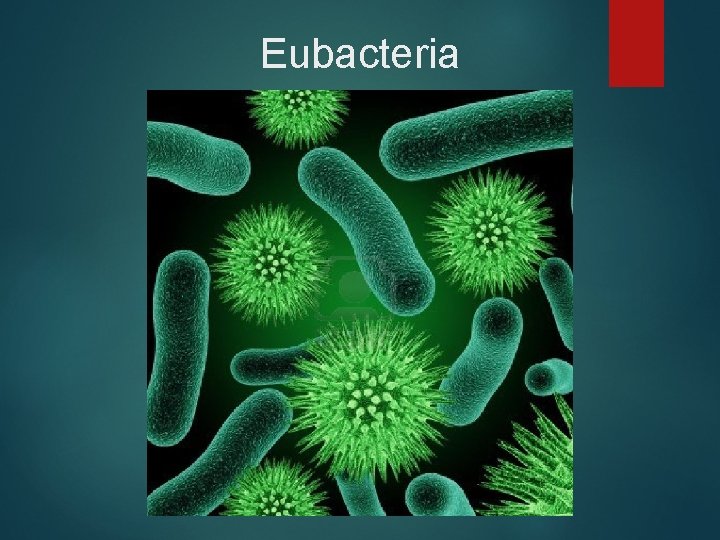
Kingdom Eubacteria Contains all the other bacteria that are not in the Kingdom Archaebacteria Prokaryotic Most cells have cell walls, but some don’t Unicellular Some are autotrophic and some are heterotrophic Some “bad” are considered “good” and some are
Eubacteria
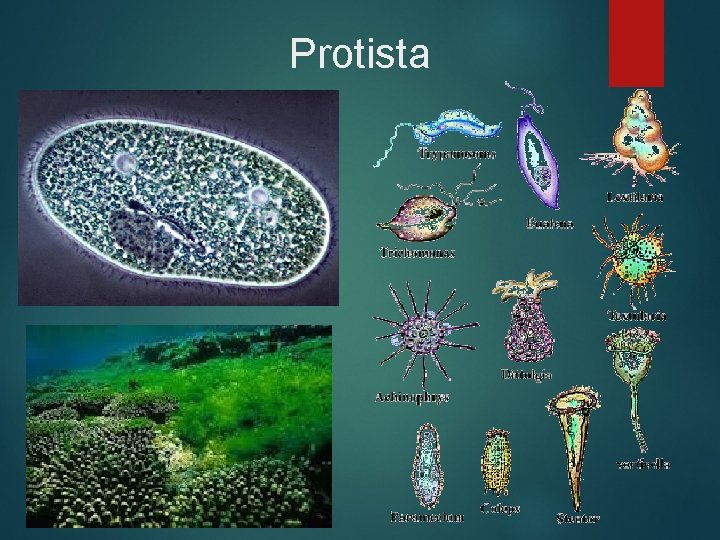
Kingdom Protista Eukaryotic Some have cell walls, but some don’t Contain uni- and multicellular organisms Some are autotrophic and some are heterotrophic Only characteristic they have in common is they are all eukaryotic
Protista
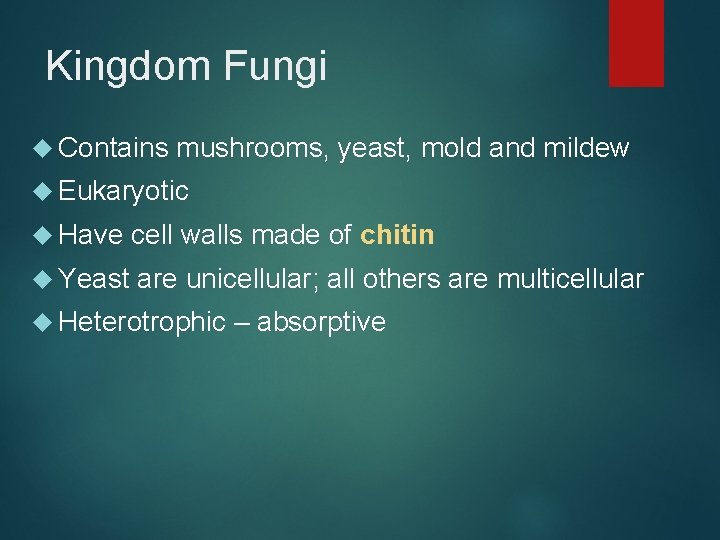
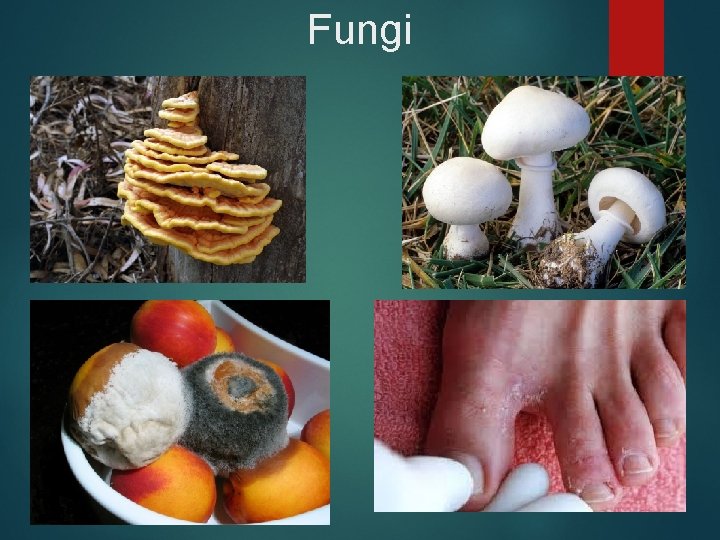
Kingdom Fungi Contains mushrooms, yeast, mold and mildew Eukaryotic Have cell walls made of chitin Yeast are unicellular; all others are multicellular Heterotrophic – absorptive
Fungi
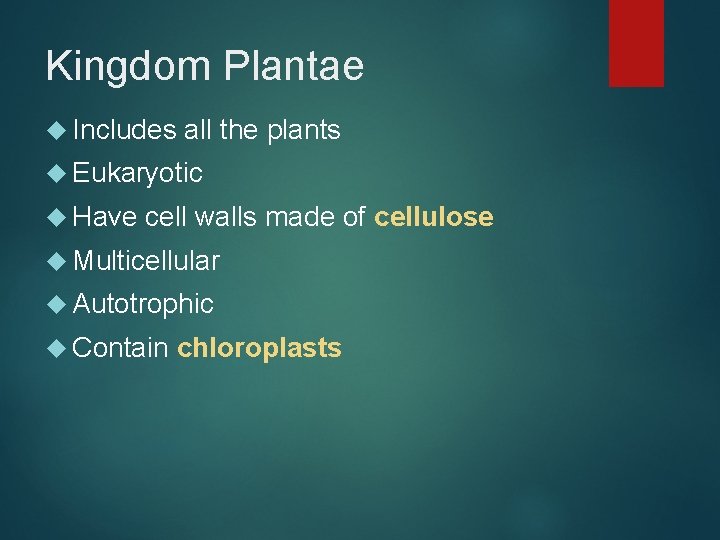
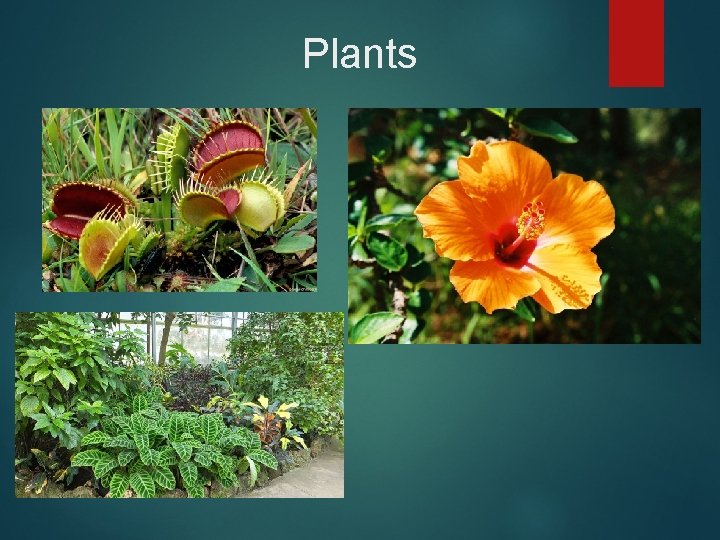
Kingdom Plantae Includes all the plants Eukaryotic Have cell walls made of cellulose Multicellular Autotrophic Contain chloroplasts
Plants
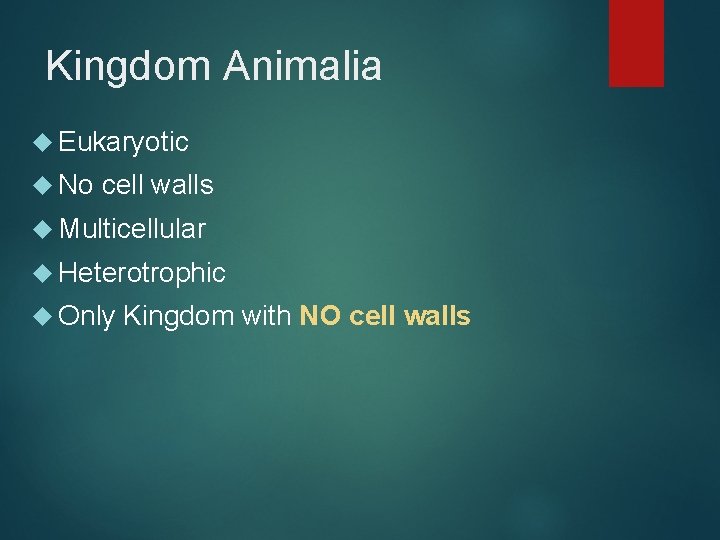
Kingdom Animalia Eukaryotic No cell walls Multicellular Heterotrophic Only Kingdom with NO cell walls
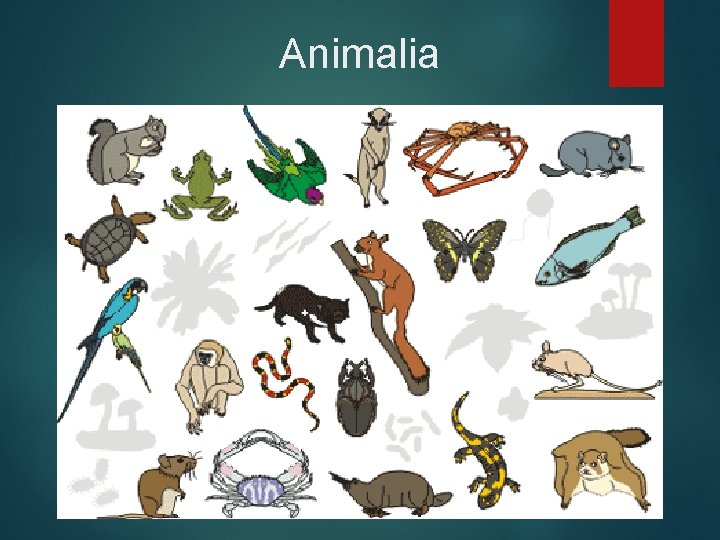
Animalia