
Kingdom Protista eukaryotic mostly unicellular autotrophic and heterotrophic

- Slides: 22
Kingdom Protista • eukaryotic • mostly unicellular • autotrophic and heterotrophic (some can be both at the same time) • has become the “catch-all” kingdom and is the most diverse structurally • 2 basic groups – Algae – Protozoans
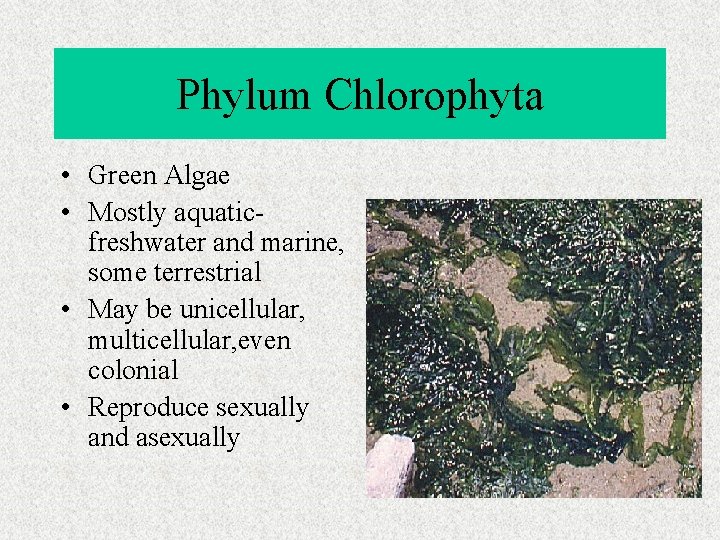
Phylum Chlorophyta • Green Algae • Mostly aquaticfreshwater and marine, some terrestrial • May be unicellular, multicellular, even colonial • Reproduce sexually and asexually
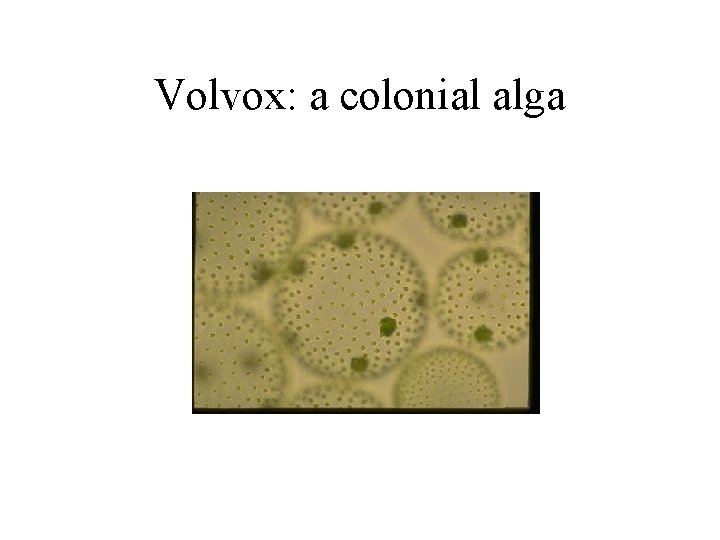
Volvox: a colonial alga
Phylum Phaeophyta • • • Brown Algae Multicellular Marine; usually found in colder waters Body parts include a blade, stipe, and holdfast Most brown algae contain a mucilaginous material which prevents them from drying out when they are exposed at low tide; these guys are very tough! • Of economic importance: used for food (when dried) and as fertilizer (oh, by the way, it’s in ice cream too!)
Phylum Rodophyta • • • Red Algae Mostly in warm marine environment Multicellular Smaller and more delicate that brown algae Of economic importance: a source of agar (remember that stuff ? ), in cosmetics and in the food industry for thickeners
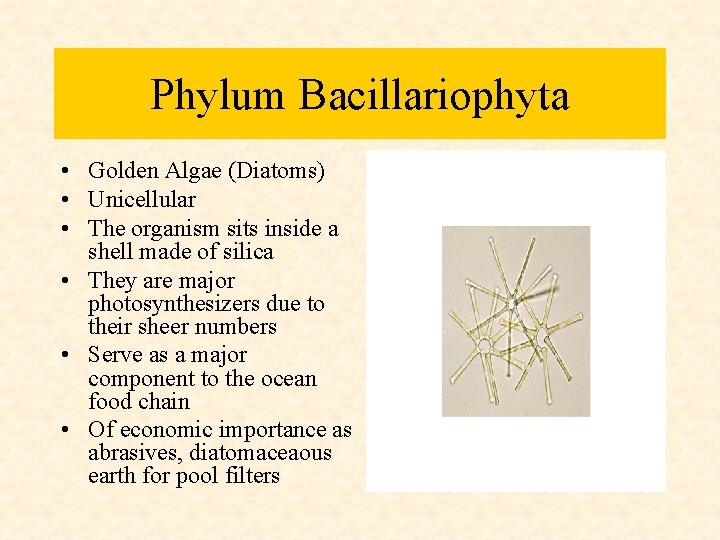
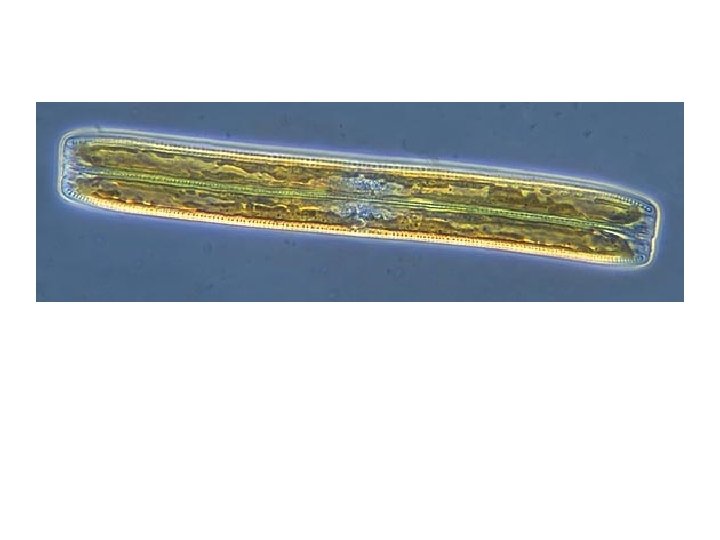
Phylum Bacillariophyta • Golden Algae (Diatoms) • Unicellular • The organism sits inside a shell made of silica • They are major photosynthesizers due to their sheer numbers • Serve as a major component to the ocean food chain • Of economic importance as abrasives, diatomaceaous earth for pool filters
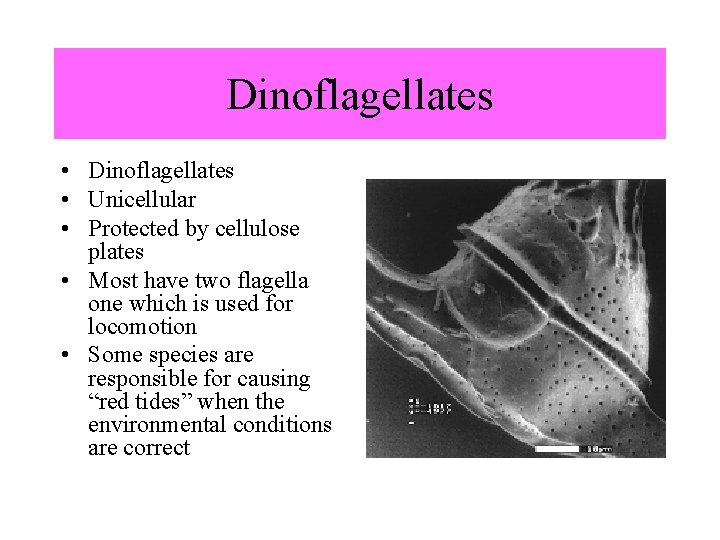
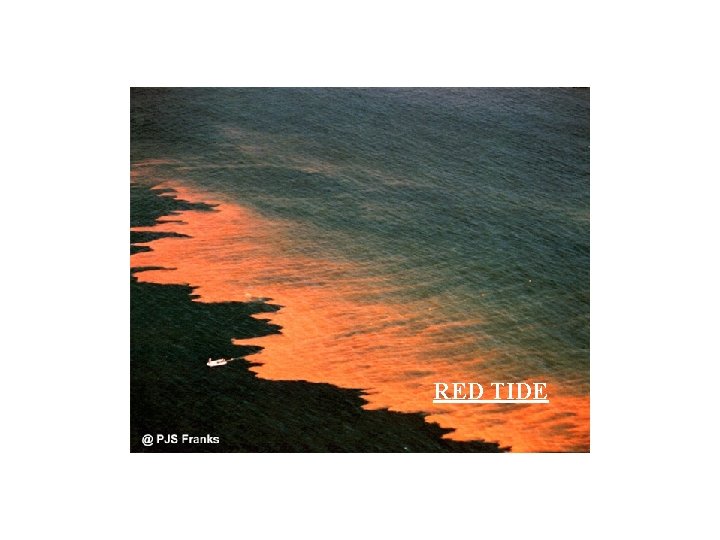
Dinoflagellates • Unicellular • Protected by cellulose plates • Most have two flagella one which is used for locomotion • Some species are responsible for causing “red tides” when the environmental conditions are correct
RED TIDE
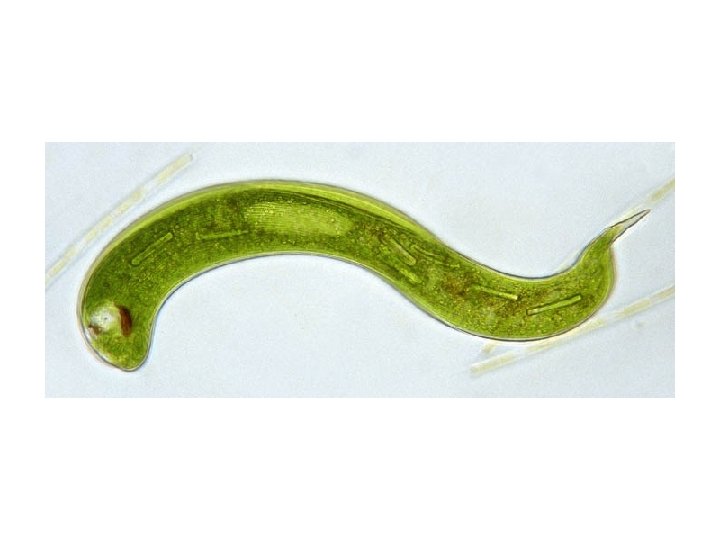
Phylum Euglenophyta • Freshwater • Unicellular • Autotrophic and heterotrophic (some can switch back and forth!) • Have an eyespot to detect light • Possess a long flagellum for locomotion (This group is a mix of plant and animal characteristics rolled into one organism!)
The Protozoans • Unicellular (but each cell carries out all of the functions which are performed by specialized tissues in multicellular organisms) • Motile (this means they can move) • Heterotrophic • Divided into phyla based on what they use for locomotion
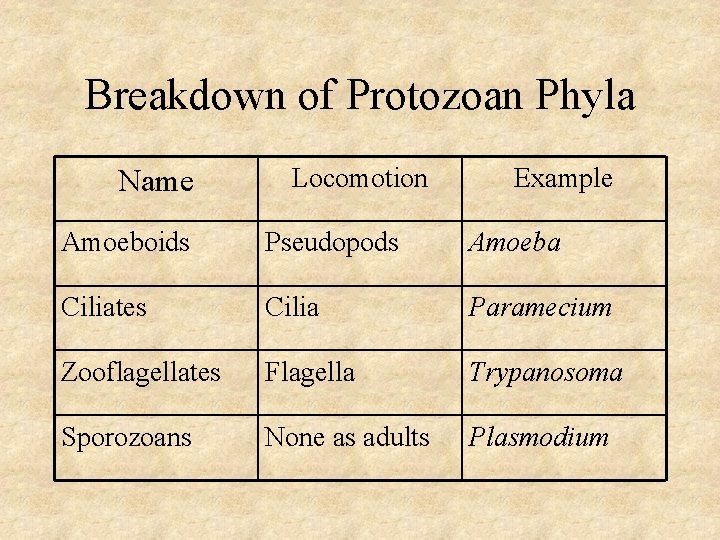
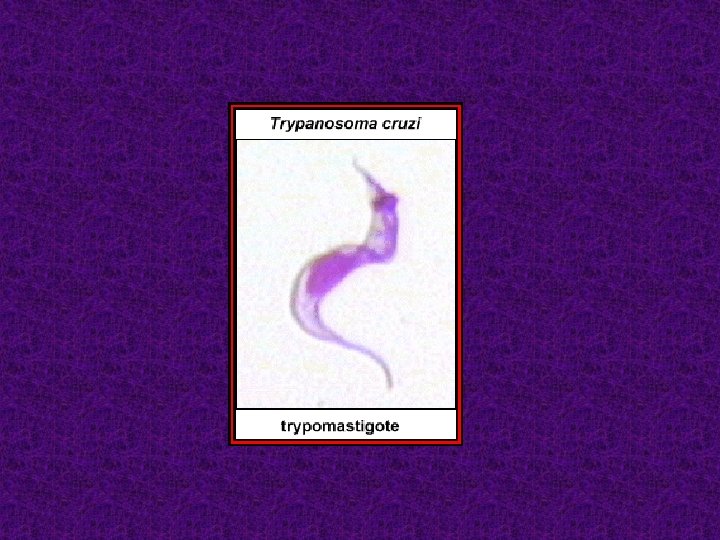
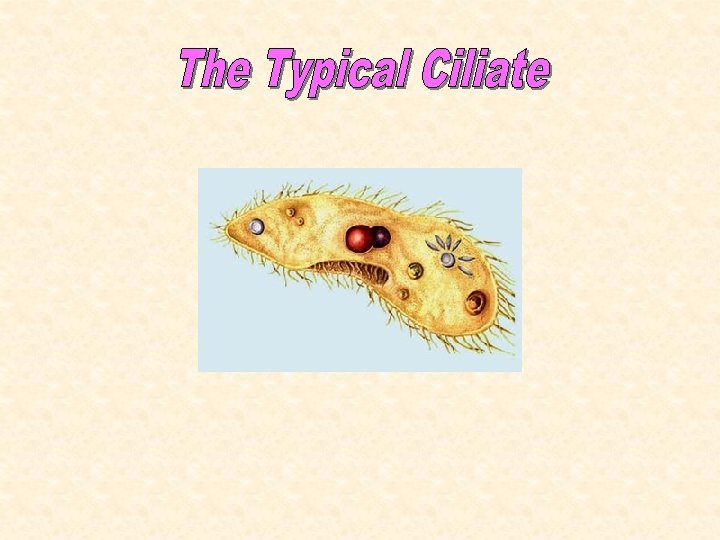
Breakdown of Protozoan Phyla Name Locomotion Example Amoeboids Pseudopods Amoeba Ciliates Cilia Paramecium Zooflagellates Flagella Trypanosoma Sporozoans None as adults Plasmodium
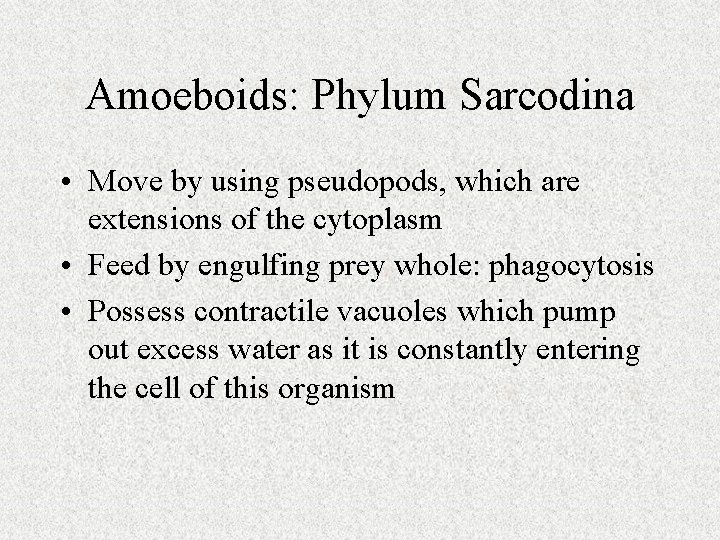
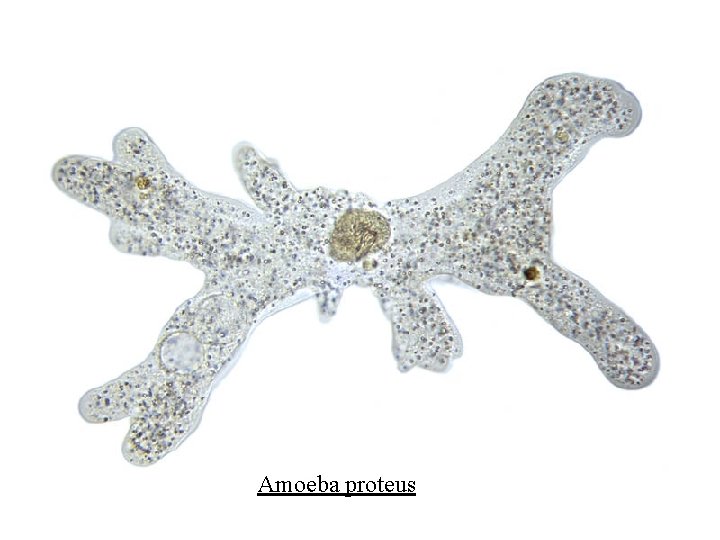
Amoeboids: Phylum Sarcodina • Move by using pseudopods, which are extensions of the cytoplasm • Feed by engulfing prey whole: phagocytosis • Possess contractile vacuoles which pump out excess water as it is constantly entering the cell of this organism
Amoeba proteus
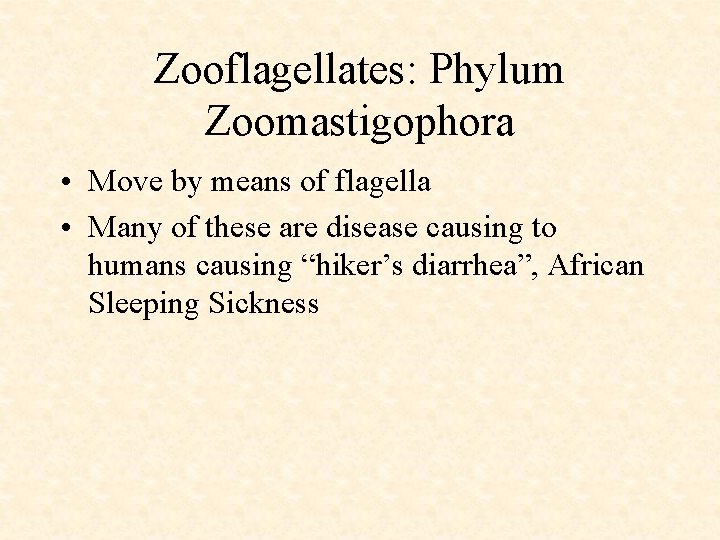
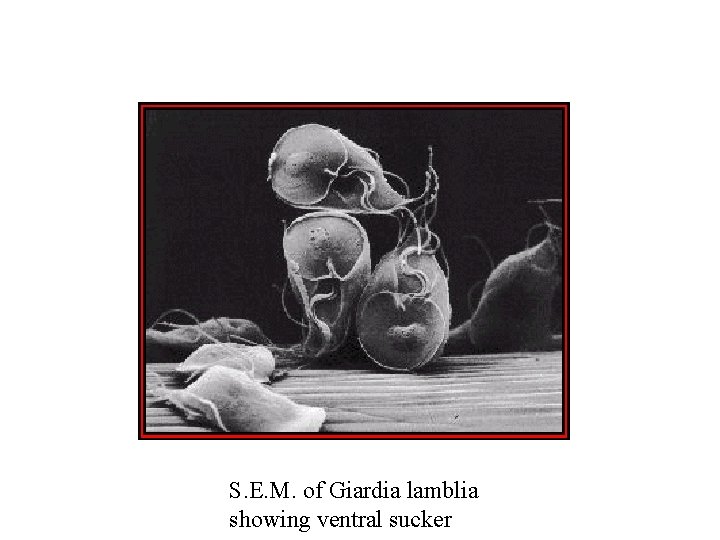
Zooflagellates: Phylum Zoomastigophora • Move by means of flagella • Many of these are disease causing to humans causing “hiker’s diarrhea”, African Sleeping Sickness
S. E. M. of Giardia lamblia showing ventral sucker
The Sporozoans: Phylum Sporozoa • All parasitic • No method of locomotion as adults • Examples include the microoorganism that causes malaria: Plasmodium
Slime molds and water molds • Have a phase of their life cycle that is amoeboidthis means they can move from place to place. This structure is called a plasmodium. • During reproduction, the plasmodium produces structures which will produce spores. • The spores will germinate to produce a new plasmodium. • Water molds will decompose dead organisms making the body of the organism they are decomposing look “fuzzy”.