
KINGDOM PROTISTA 3 Basic groups of Protists Funguslike
KINGDOM PROTISTA
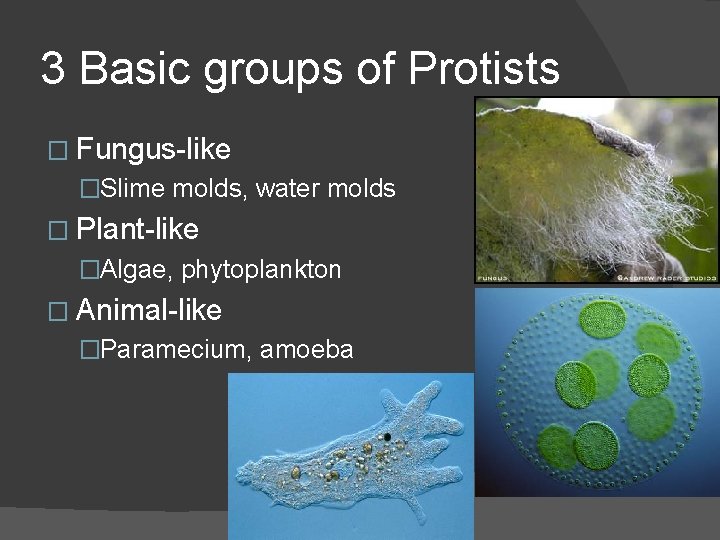
3 Basic groups of Protists � Fungus-like �Slime molds, water molds � Plant-like �Algae, phytoplankton � Animal-like �Paramecium, amoeba
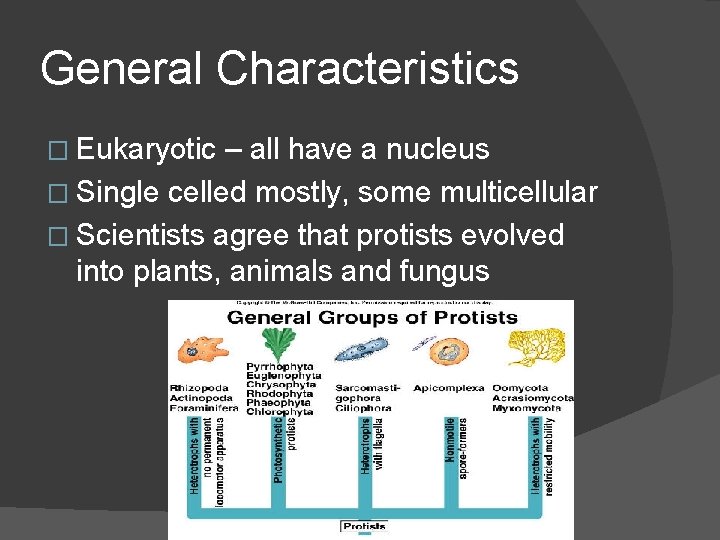
General Characteristics � Eukaryotic – all have a nucleus � Single celled mostly, some multicellular � Scientists agree that protists evolved into plants, animals and fungus
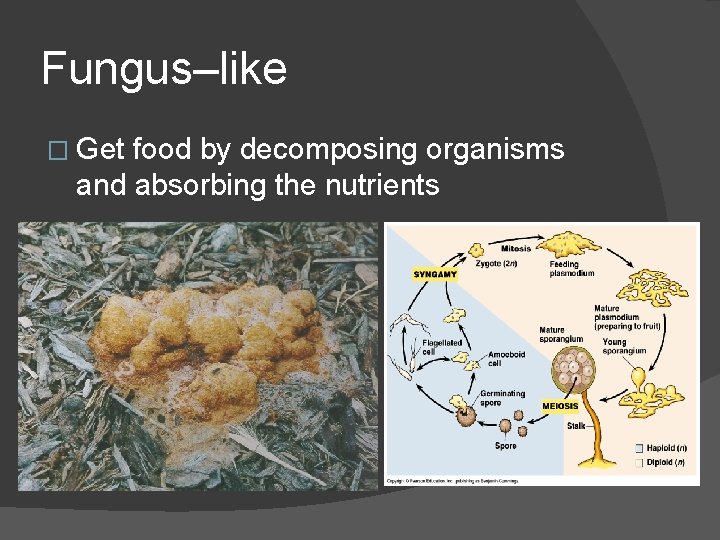
Fungus–like � Get food by decomposing organisms and absorbing the nutrients
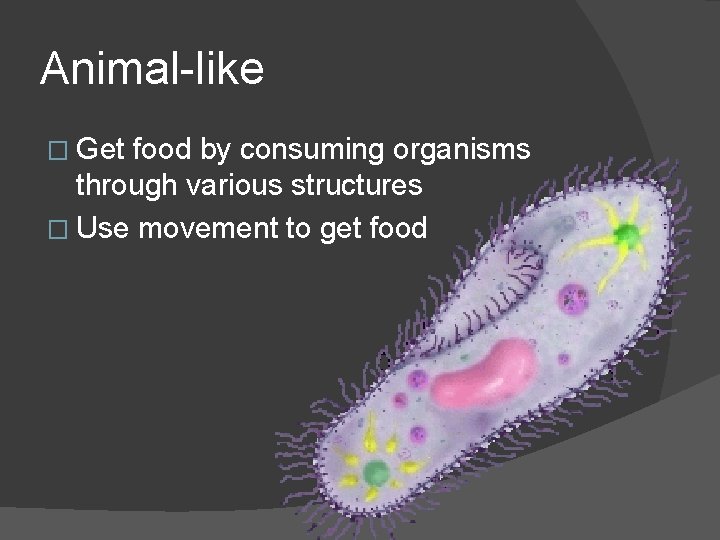
Animal-like � Get food by consuming organisms through various structures � Use movement to get food
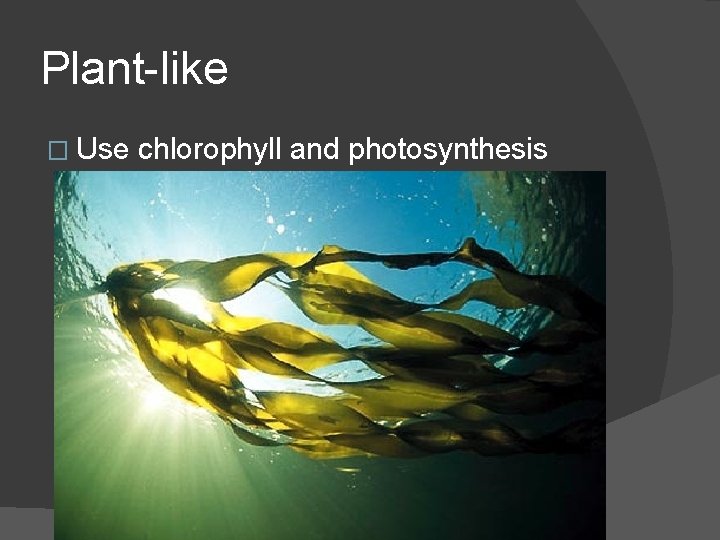
Plant-like � Use chlorophyll and photosynthesis
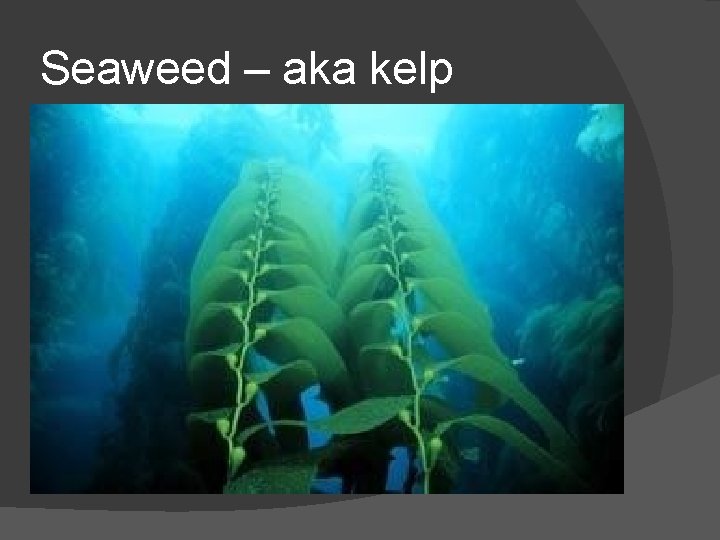
Seaweed – aka kelp
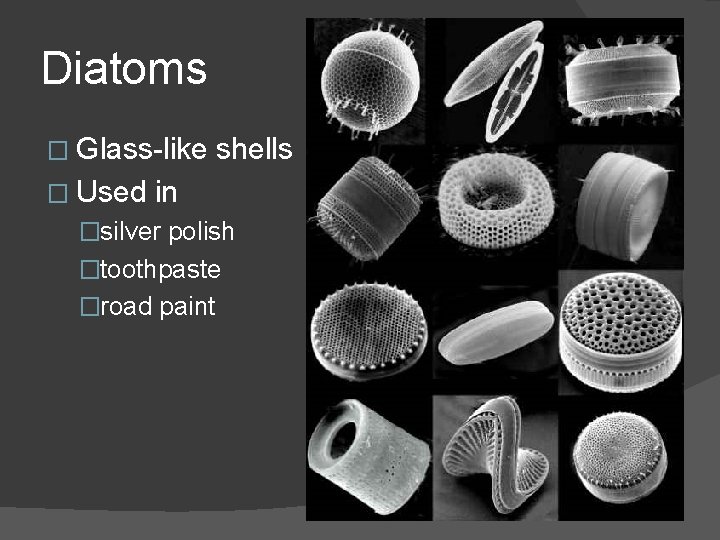
Diatoms � Glass-like � Used shells in �silver polish �toothpaste �road paint
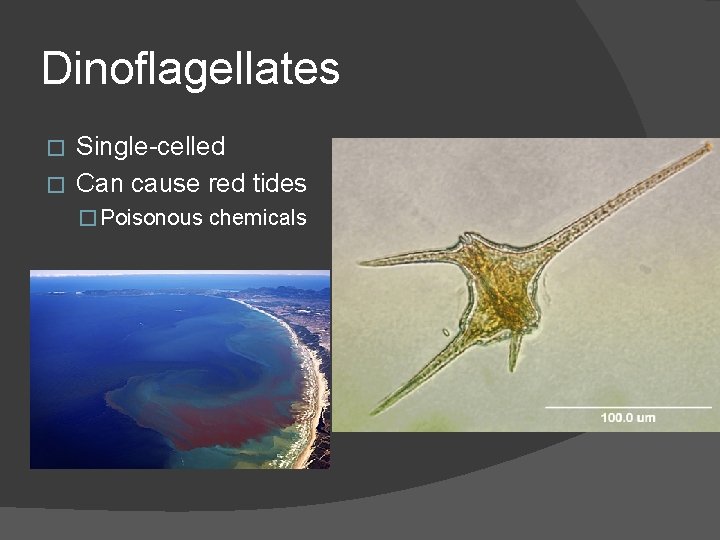
Dinoflagellates Single-celled � Can cause red tides � � Poisonous chemicals
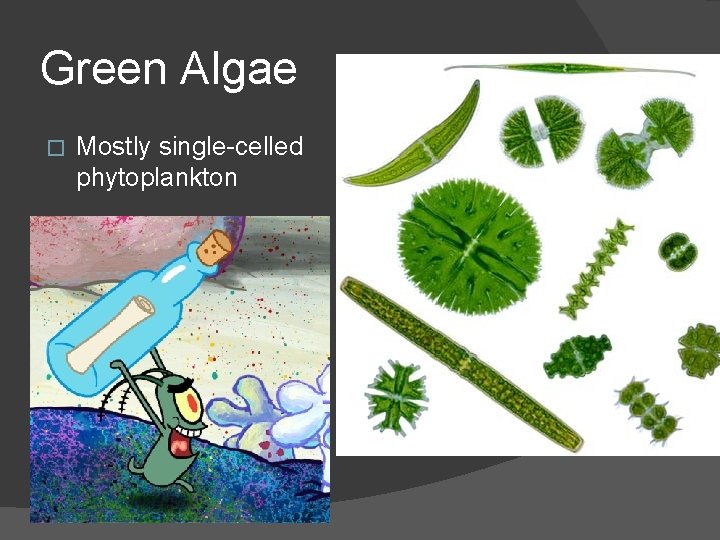
Green Algae � Mostly single-celled phytoplankton
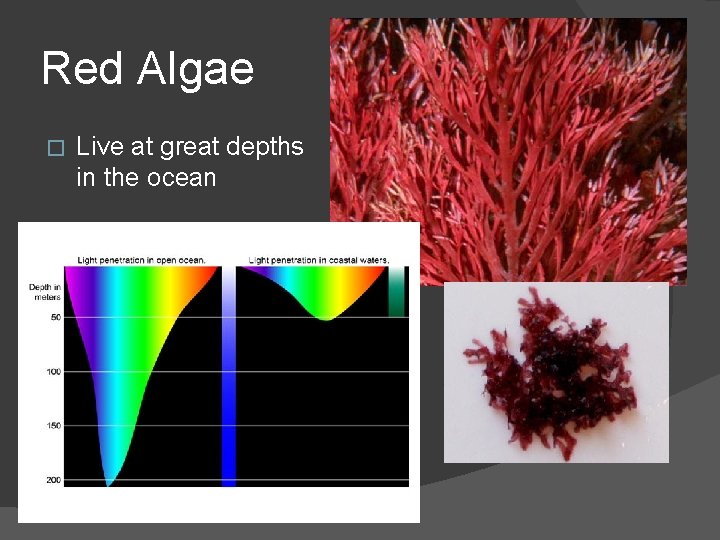
Red Algae � Live at great depths in the ocean
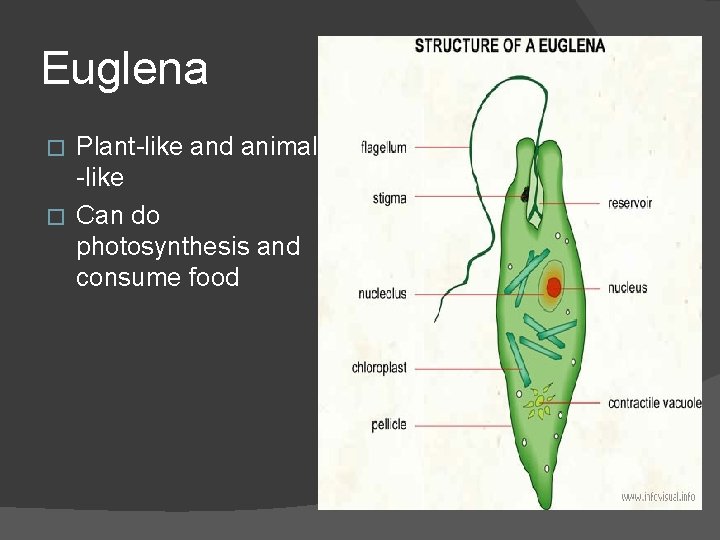
Euglena Plant-like and animal -like � Can do photosynthesis and consume food �
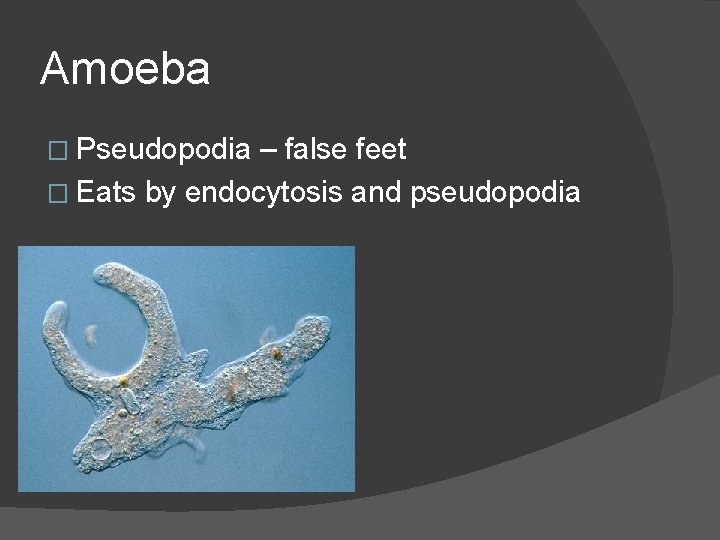
Amoeba � Pseudopodia – false feet � Eats by endocytosis and pseudopodia
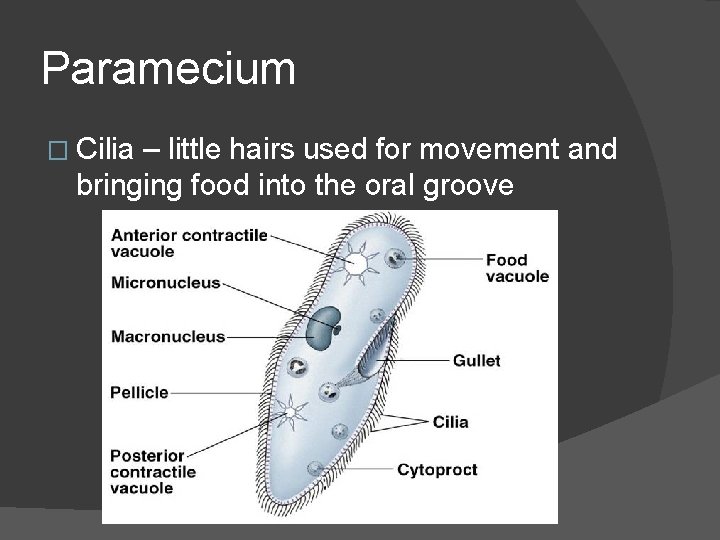
Paramecium � Cilia – little hairs used for movement and bringing food into the oral groove
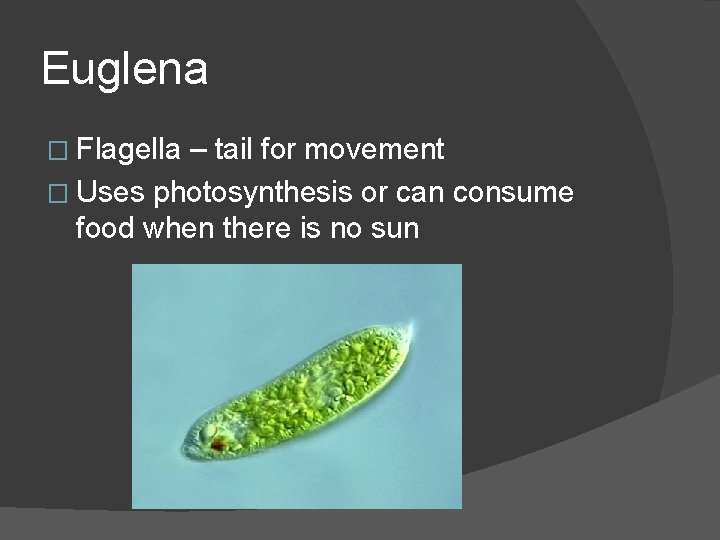
Euglena � Flagella – tail for movement � Uses photosynthesis or can consume food when there is no sun
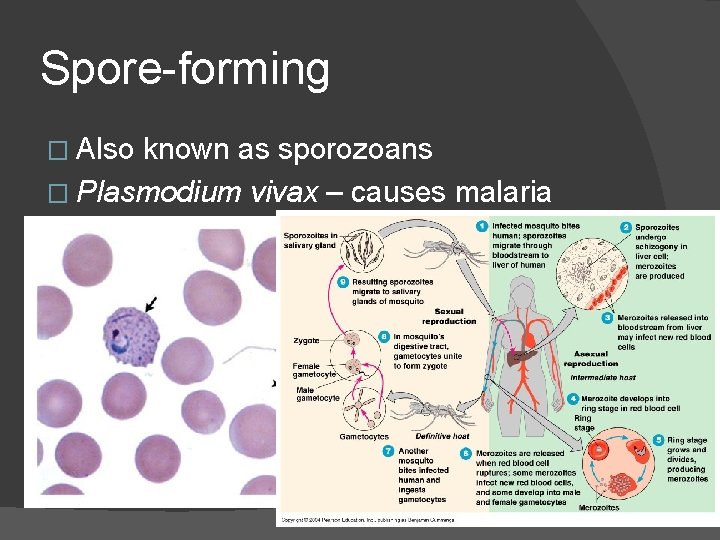
Spore-forming � Also known as sporozoans � Plasmodium vivax – causes malaria
- Slides: 16