
Kingdom Fungi What are fungi n Eukaryotic heterotrophs

- Slides: 32
Kingdom Fungi
What are fungi? n Eukaryotic heterotrophs that can be decomposers, parasites, or live mutually with other organisms
Where do you find fungi? n Everywhere- soil, water, air, land, in and on plants
What is the relationship between fungi in the soil and the plants and animals that live there? n The types of fungi in the soil dtermine the types of plants, which determines the types of animals that live there.
How many species of fungi are there? n ~ a million
How do saprophytic fungi get nutrients? n They secrete enzymes to break down dead organic matter in recycling
How do parasitic fungi get nutrients? n They obtain nutrients from living hosts
How are the cell walls of fungi different from the cell walls of plants? n Fungi have cell walls made of chitin, plants have cell walls made of cellulose
What is the storage carbohydrate in fungi? And how is it related to animals? Glycogen. n It is the same storage molecule animals use to store carbohydrates in their muscle and liver cells n
Do fungi reproduce sexually? Asexually? Or both? n Both
Are fungi more related to the animal or plant kingdom? n Animal
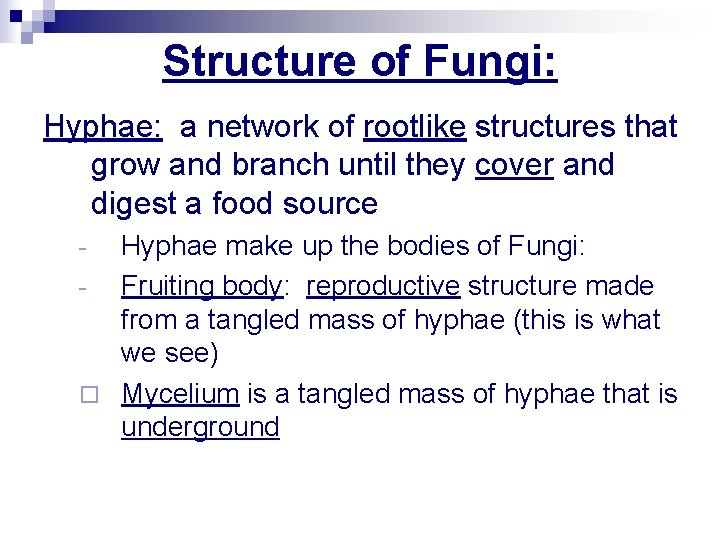
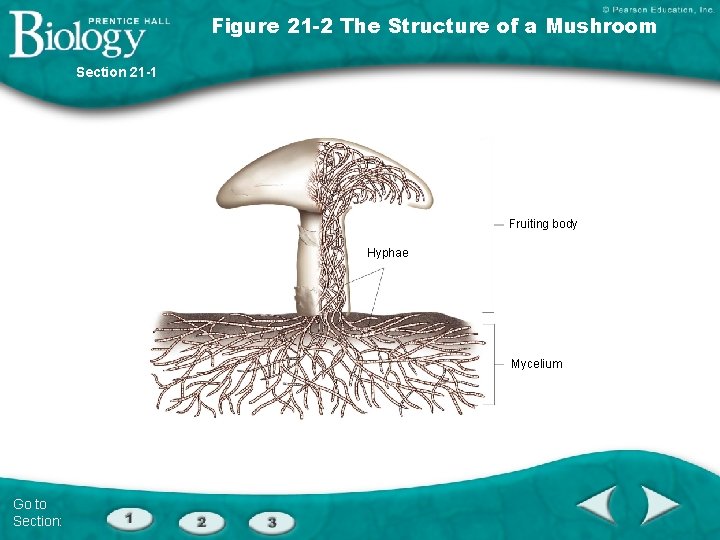
Structure of Fungi: Hyphae: a network of rootlike structures that grow and branch until they cover and digest a food source Hyphae make up the bodies of Fungi: Fruiting body: reproductive structure made from a tangled mass of hyphae (this is what we see) ¨ Mycelium is a tangled mass of hyphae that is underground -
Figure 21 -2 The Structure of a Mushroom Section 21 -1 Fruiting body Hyphae Mycelium Go to Section:
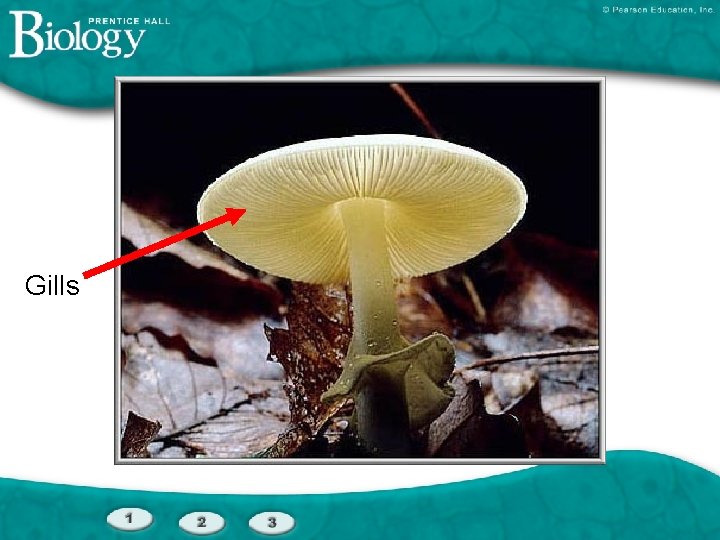
How fungi spread and reproduce: n Asexually: 1) hyphae break off from a fungus and begin to grow on their own 2) spores that grow on the gills of the fruiting body n Both of these asexual forms can be carried by wind, insects or water and this causes the fungi to spread
Gills
How fungi spread and reproduce: n Sexually: 1) involves two different mating types (like female and male but not), which mate to form a new fungus
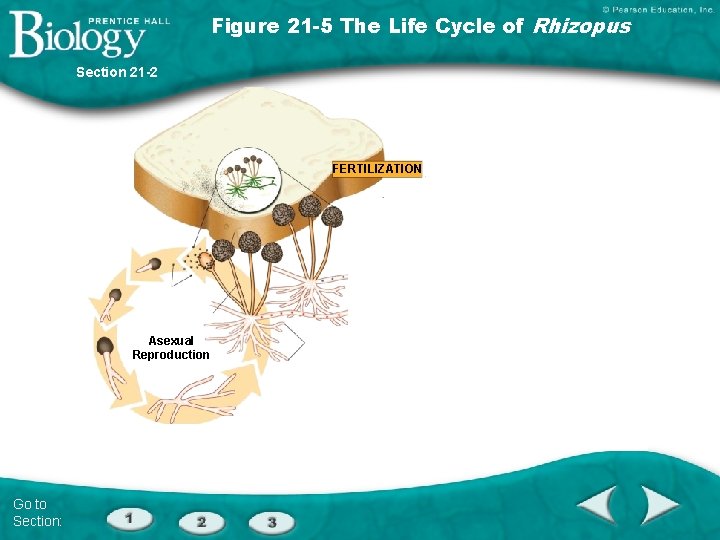
Four Phyla of Fungi 1. Threadlike Fungi Examples: Bread mold ¨ Characteristics: have sporangia (hyphae that grow in the air and form spores) ¨
Figure 21 -5 The Life Cycle of Rhizopus Section 21 -2 FERTILIZATION MEIOSIS Asexual Reproduction Sexual Reproduction Diploid Haploid Go to Section:
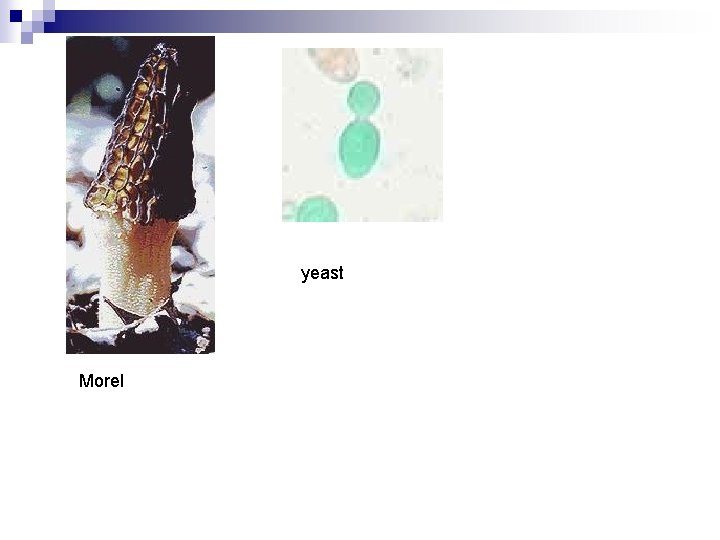
Four Phyla of Fungi 2. Sac Fungi Examples: yeasts, mildew, morels ¨ Characteristics: Largest # of species and have an Ascus: sacs containing spores ¨
yeast Morel
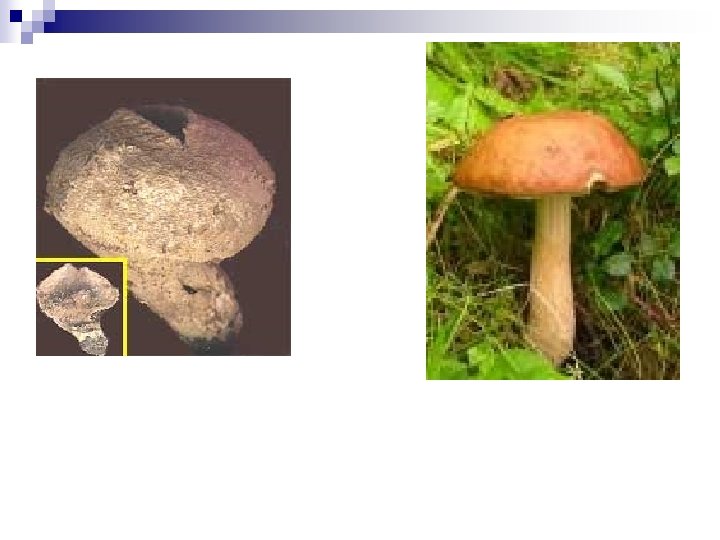
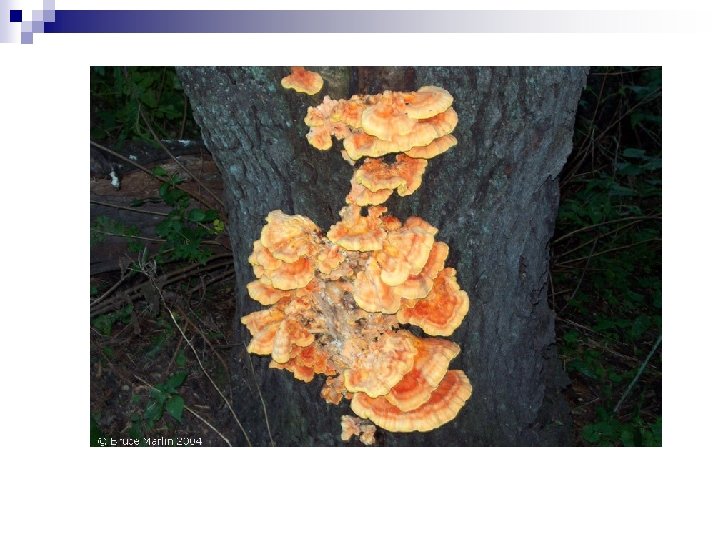
Four Phyla of Fungi 3. Club Fungi Examples: Mushrooms, shelf fungi, puffballs ¨ Characteristics: Basidia: spore-bearing structure on the gills (looks like a club) ¨ n Can be poisonous
Four Phyla of Fungi 4. Imperfect Fungi Examples: Penicillum, ringworm, athlete’s foot ¨ Characteristics: these fungi do not quite fit into the other groups and most cause diseases in plants and animals ¨
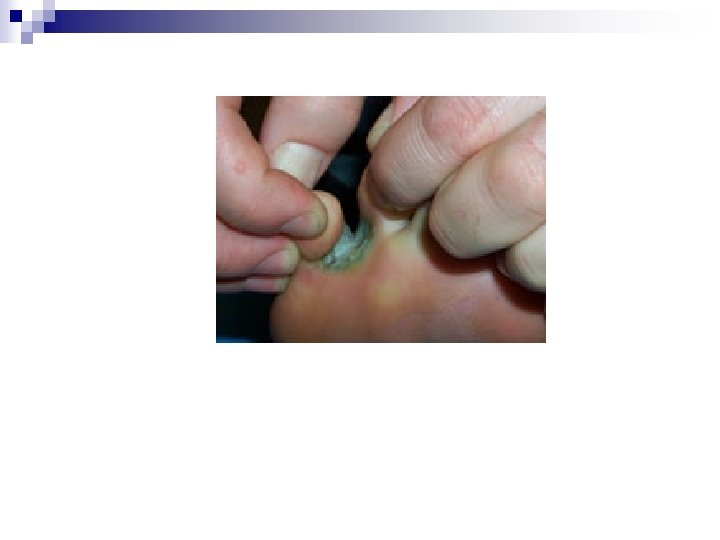
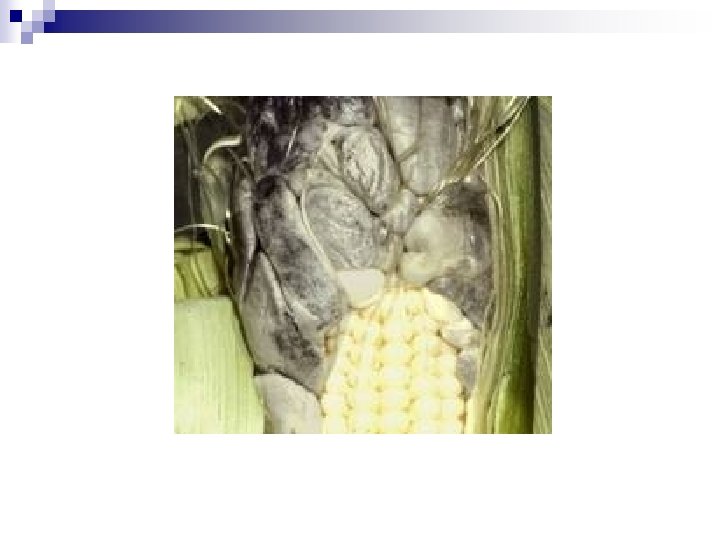
How Fungi Get Their Food: n All fungi are heterotrophs, but they can also be 1) Decomposers: break down dead stuff 2) Parasites: live off another living organism and can cause serious plant and animal diseases - corn smut, Dutch Elm disease, athlete’s foot, ringworm
How Fungi Get Their Food: 3) Mutualists: a relationship where both partners benefit
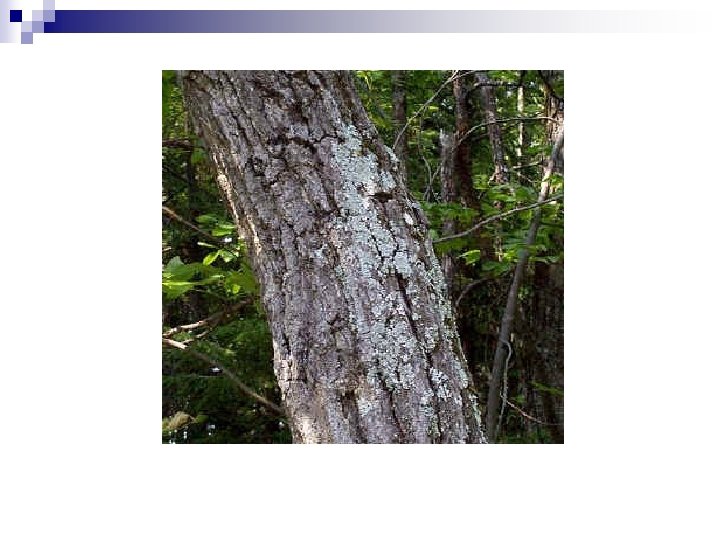
Examples of Mutualistic Relationships 1) Lichens: ¨ fungi and algae ¨ fungi provide water and protection from intense sun while algae produce food ¨ extremely resistant to drought and cold
Examples of Mutualistic Relationships 2) Mycorrhizae: ¨ fungi that live in the roots of plants ¨ the fungi enable plants to absorb more water and nutrients ¨ plants provide fungi with food