
Kingdom Fungi Heterotrophic Absorptive extracellular digestive via dig
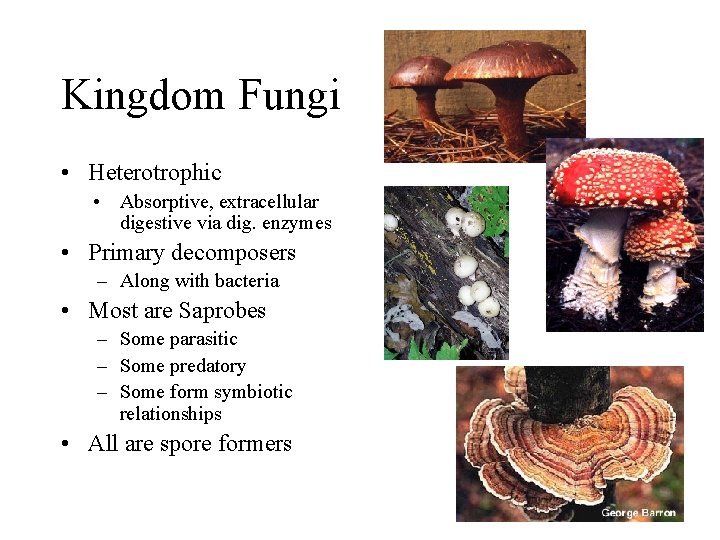
Kingdom Fungi • Heterotrophic • Absorptive, extracellular digestive via dig. enzymes • Primary decomposers – Along with bacteria • Most are Saprobes – Some parasitic – Some predatory – Some form symbiotic relationships • All are spore formers
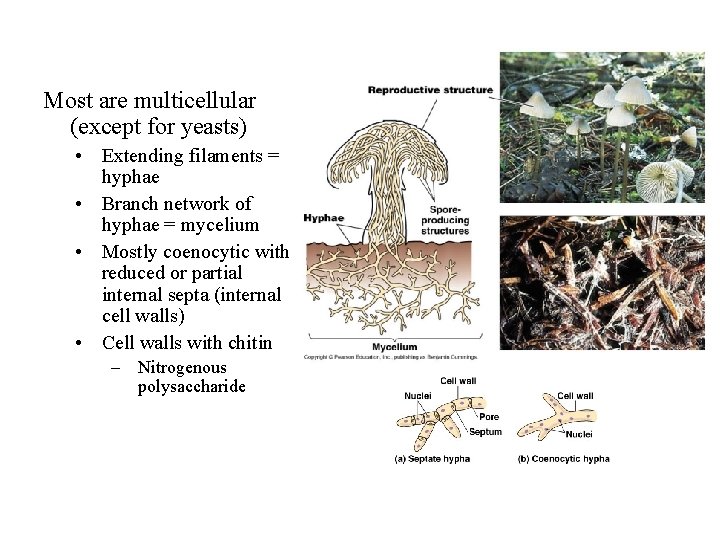
Most are multicellular (except for yeasts) • Extending filaments = hyphae • Branch network of hyphae = mycelium • Mostly coenocytic with reduced or partial internal septa (internal cell walls) • Cell walls with chitin – Nitrogenous polysaccharide
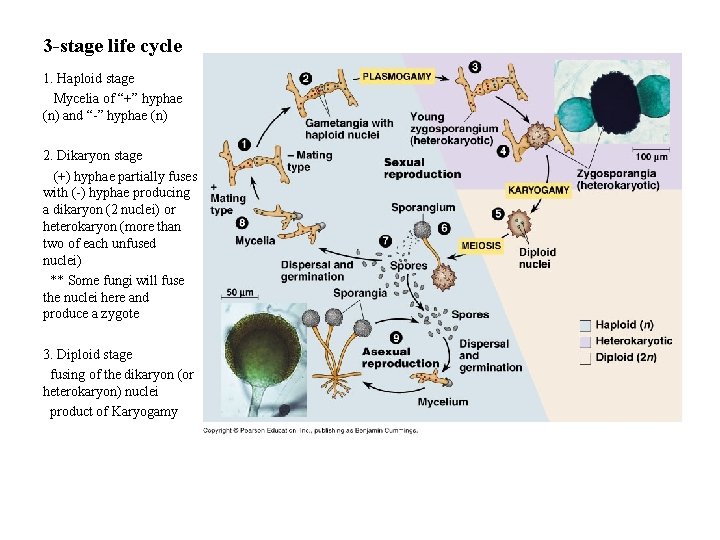
3 -stage life cycle 1. Haploid stage Mycelia of “+” hyphae (n) and “-” hyphae (n) 2. Dikaryon stage (+) hyphae partially fuses with (-) hyphae producing a dikaryon (2 nuclei) or heterokaryon (more than two of each unfused nuclei) ** Some fungi will fuse the nuclei here and produce a zygote 3. Diploid stage fusing of the dikaryon (or heterokaryon) nuclei product of Karyogamy
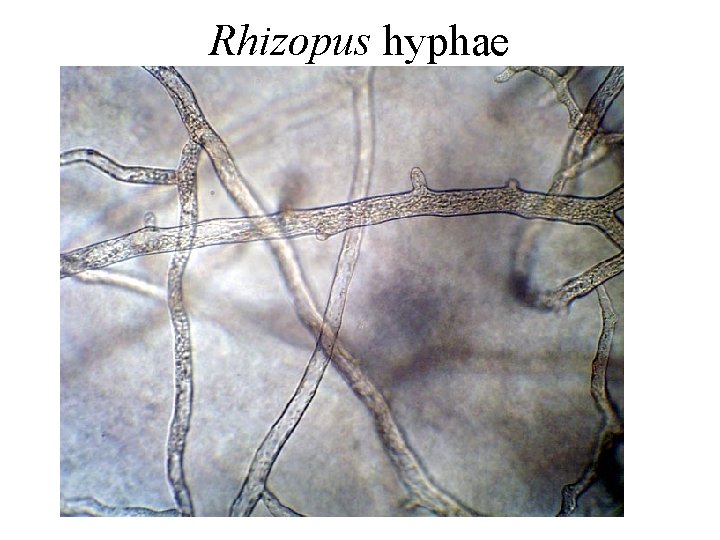
Rhizopus hyphae
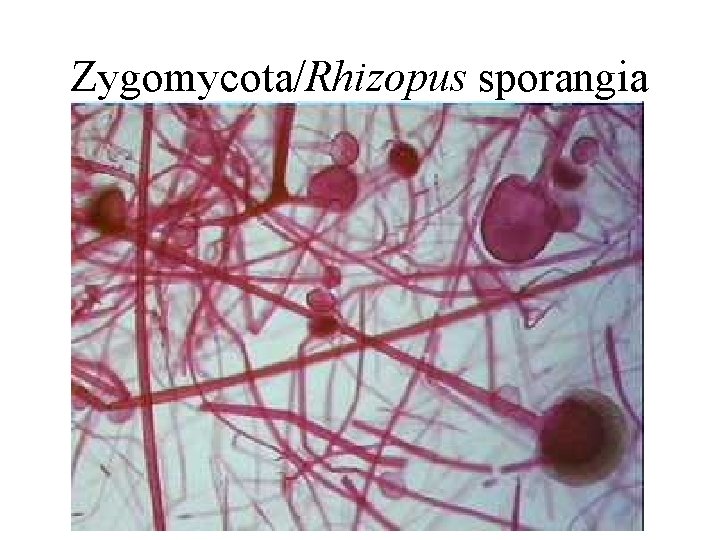
Zygomycota/Rhizopus sporangia
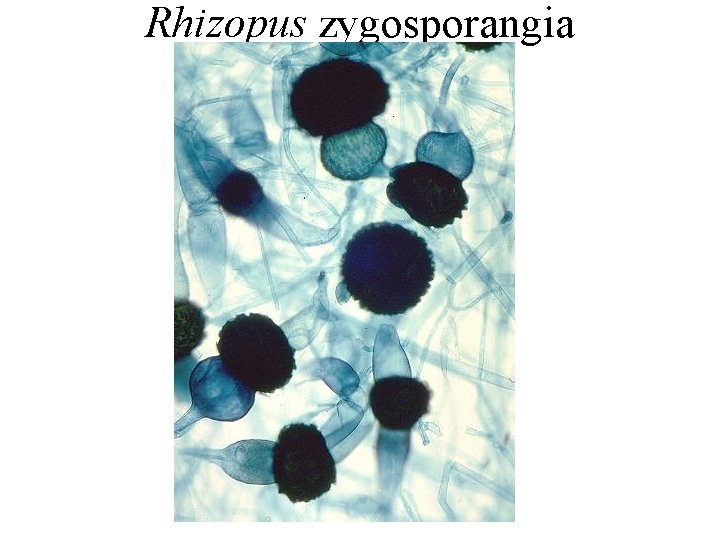
Rhizopus zygosporangia
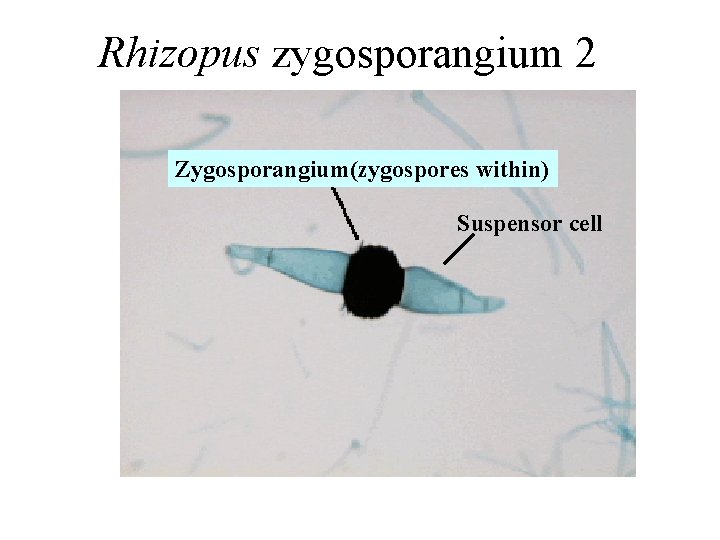
Rhizopus zygosporangium 2 Zygosporangium(zygospores within) Suspensor cell
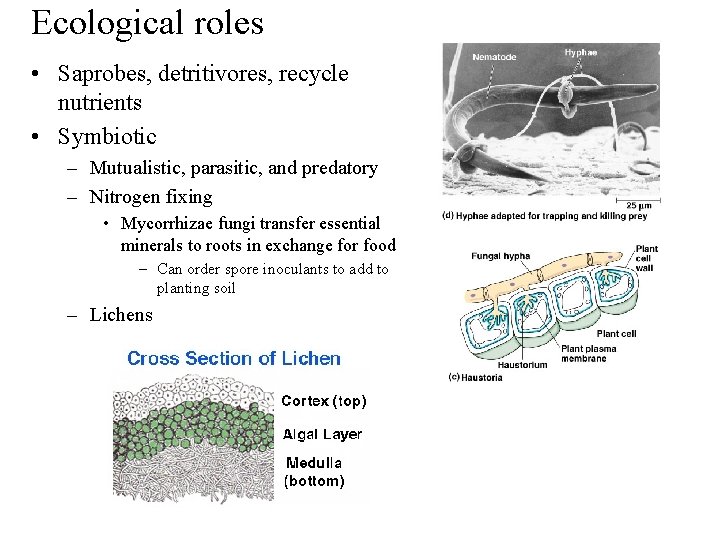
Ecological roles • Saprobes, detritivores, recycle nutrients • Symbiotic – Mutualistic, parasitic, and predatory – Nitrogen fixing • Mycorrhizae fungi transfer essential minerals to roots in exchange for food – Can order spore inoculants to add to planting soil – Lichens
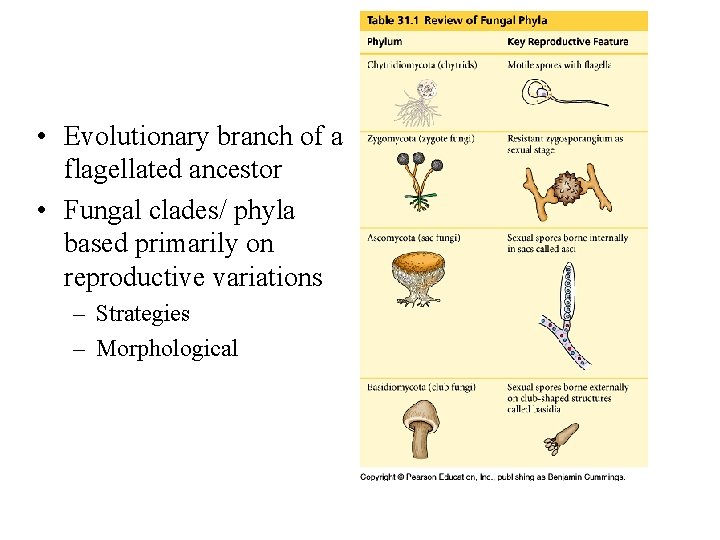
• Evolutionary branch of a flagellated ancestor • Fungal clades/ phyla based primarily on reproductive variations – Strategies – Morphological
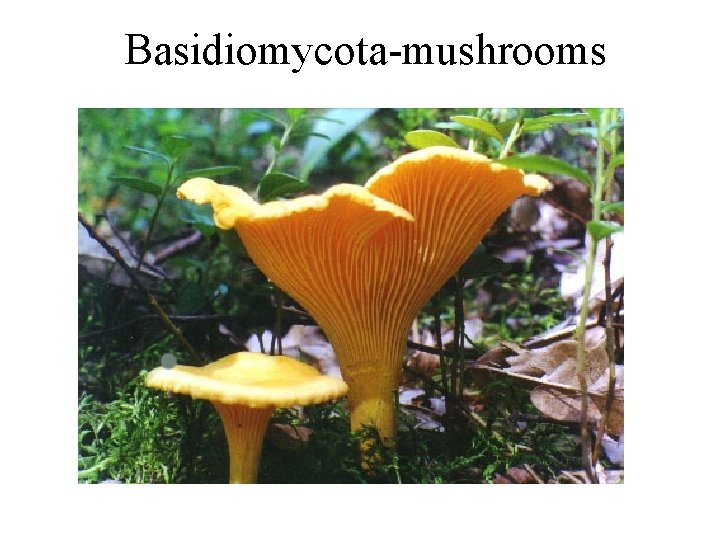
Basidiomycota-mushrooms
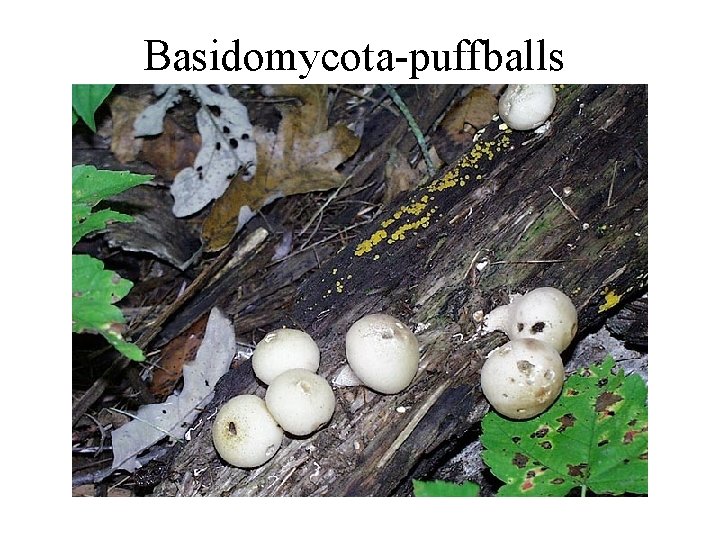
Basidomycota-puffballs
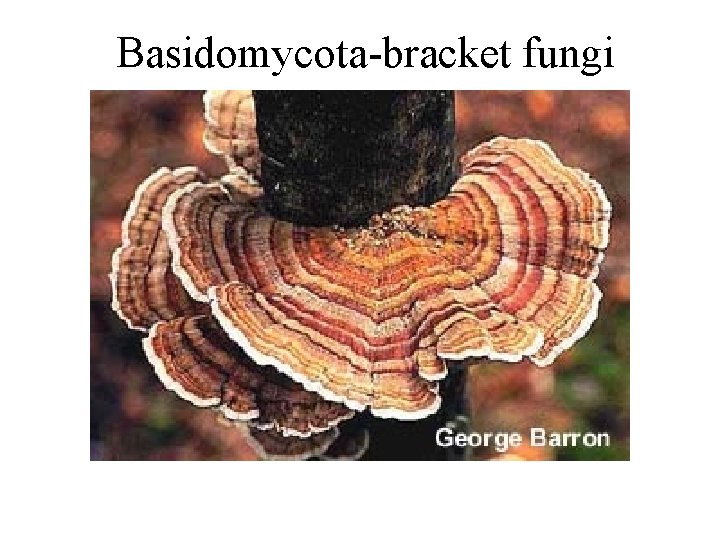
Basidomycota-bracket fungi
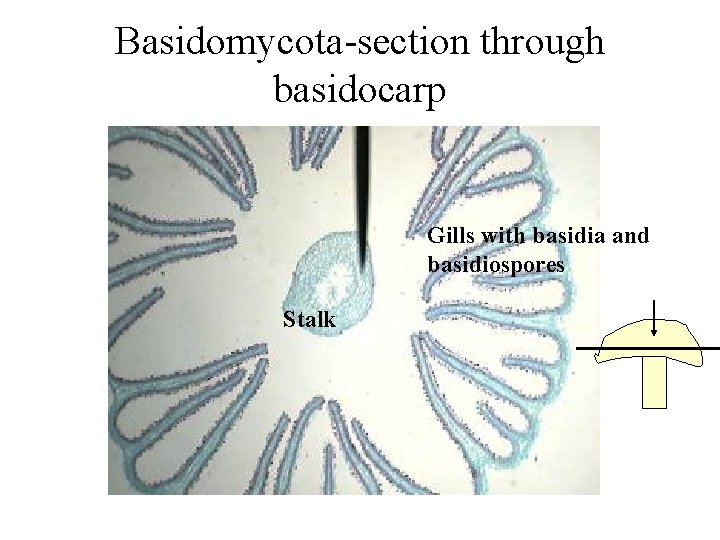
Basidomycota-section through basidocarp Gills with basidia and basidiospores Stalk
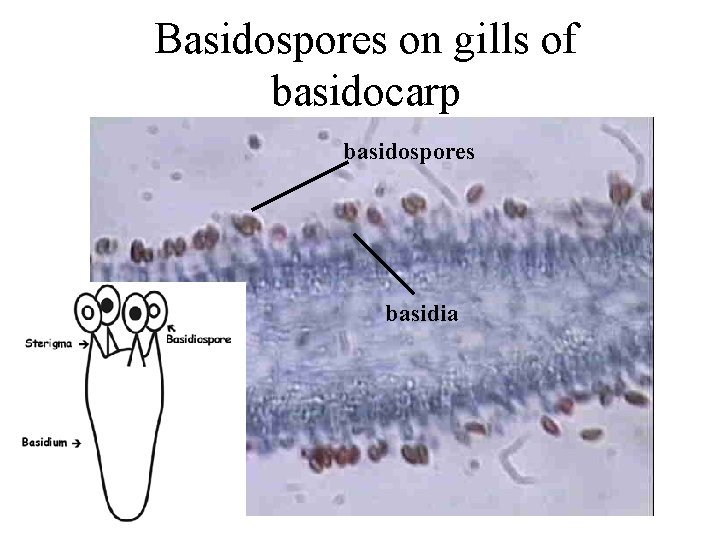
Basidospores on gills of basidocarp basidospores basidia
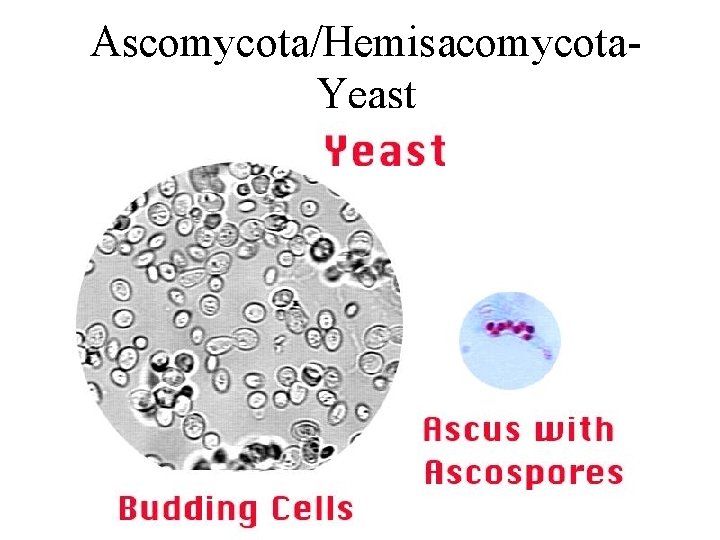
Ascomycota/Hemisacomycota. Yeast
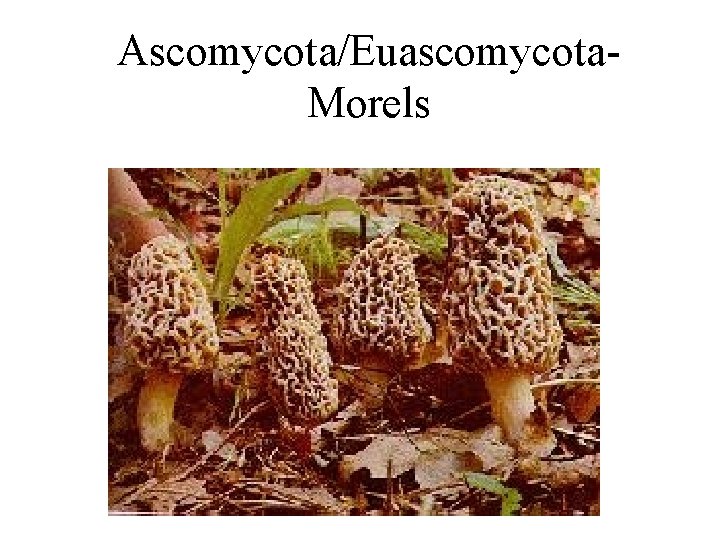
Ascomycota/Euascomycota. Morels
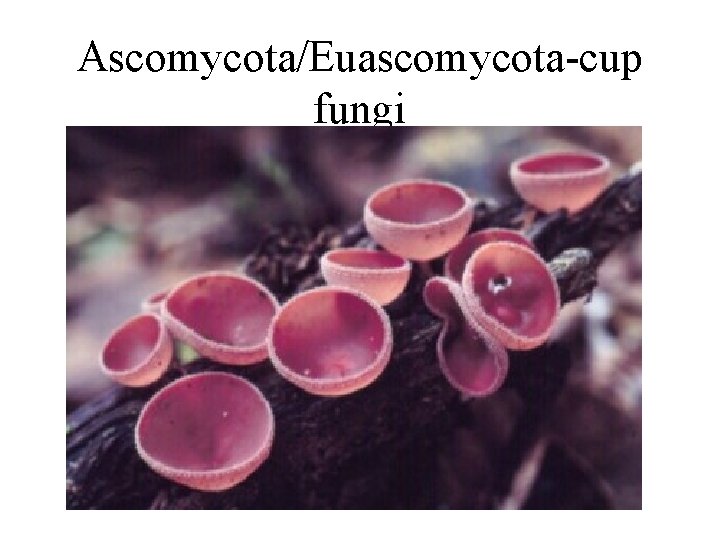
Ascomycota/Euascomycota-cup fungi
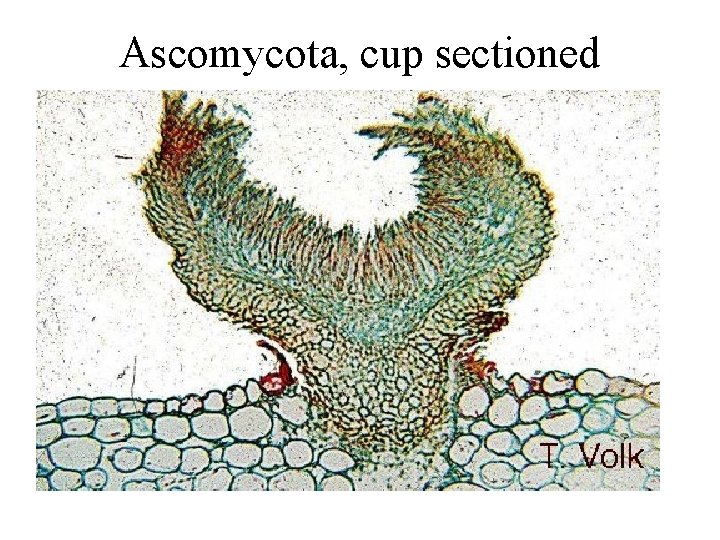
Ascomycota, cup sectioned
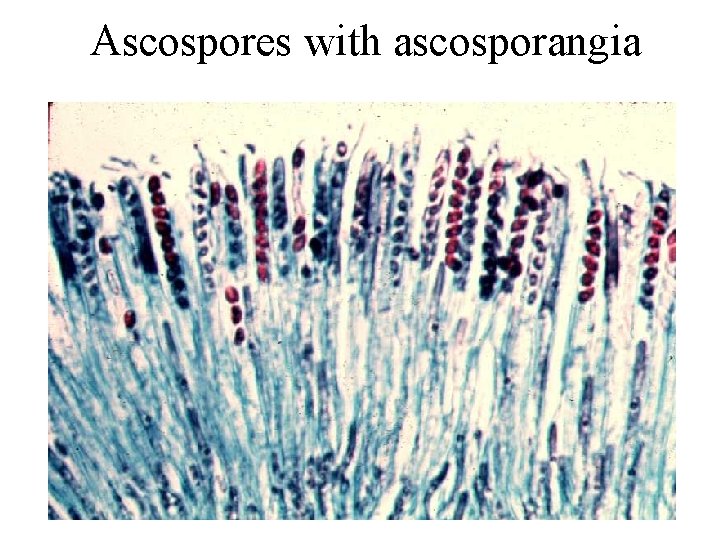
Ascospores with ascosporangia
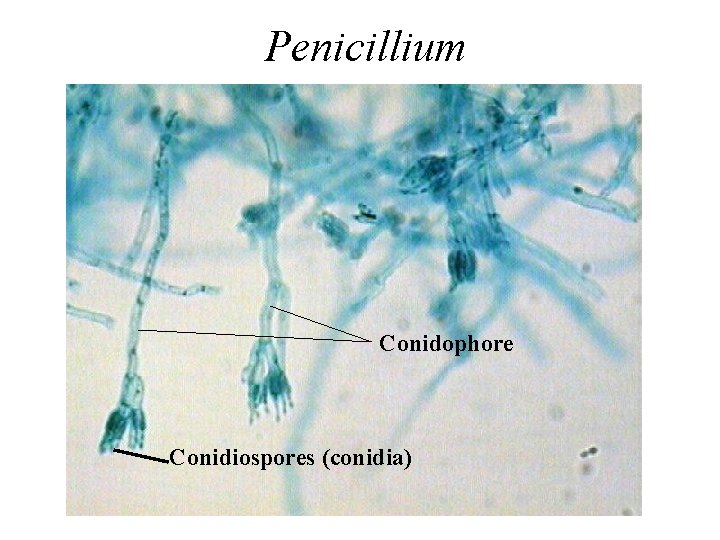
Penicillium Conidophore Conidiospores (conidia)
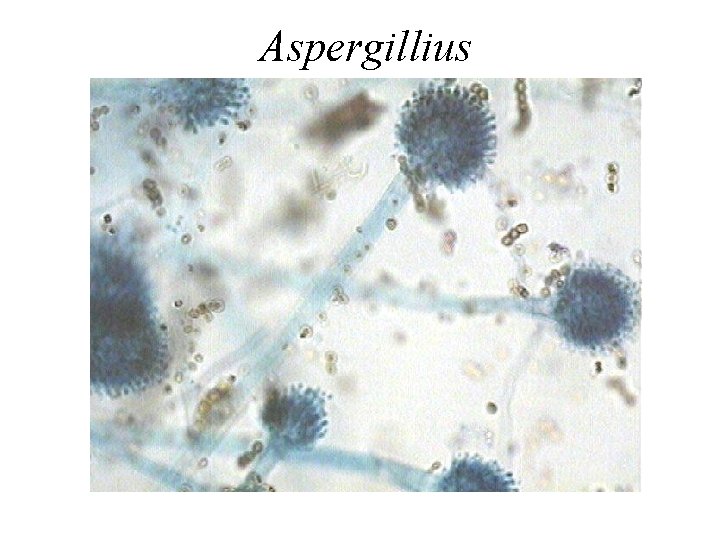
Aspergillius

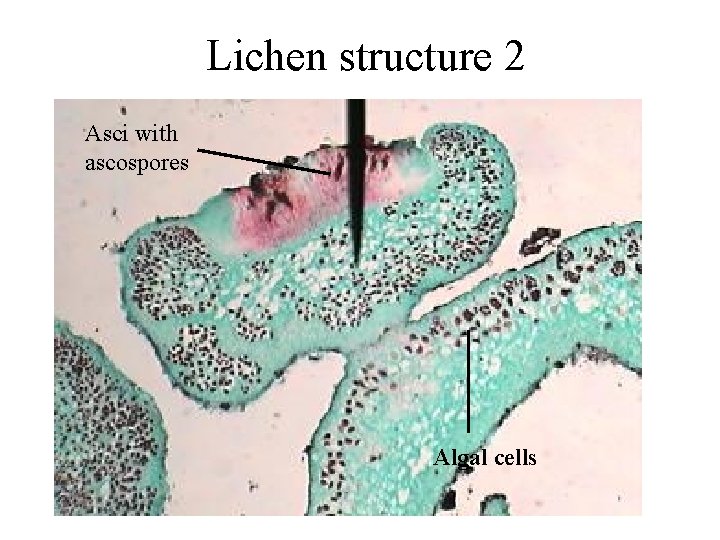
Lichen structure 2 Asci with ascospores Algal cells
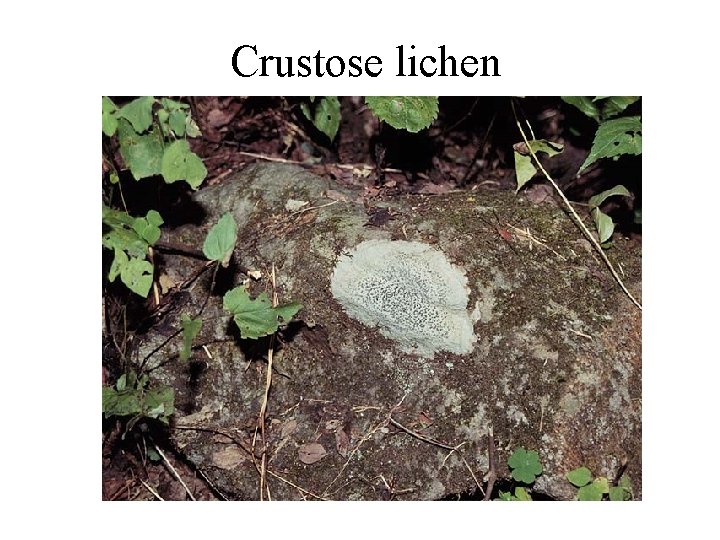
Crustose lichen
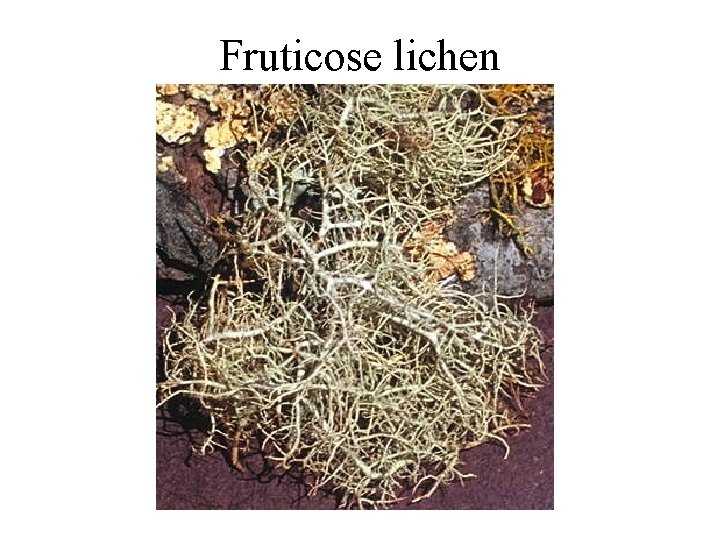
Fruticose lichen
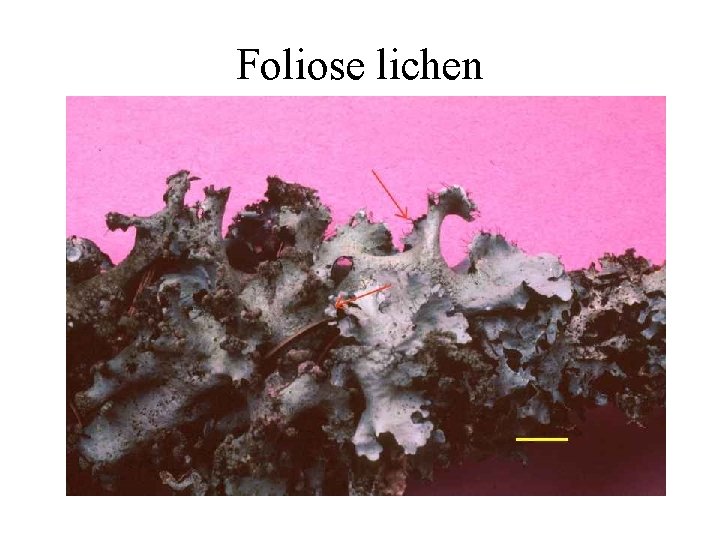
Foliose lichen
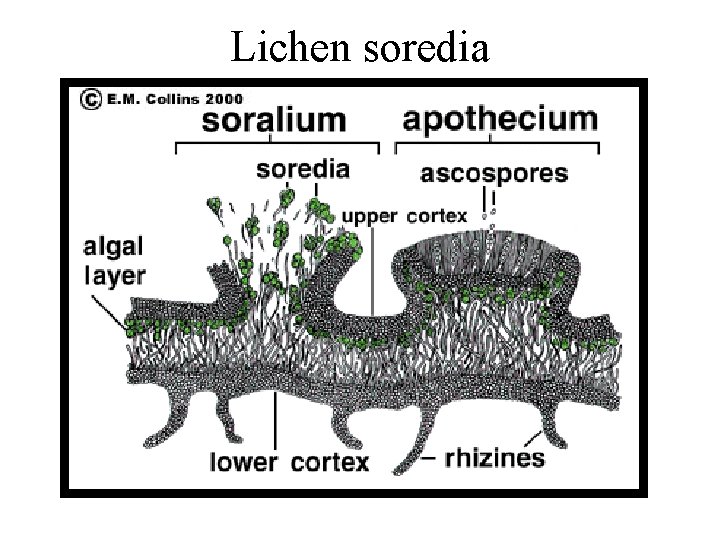
Lichen soredia
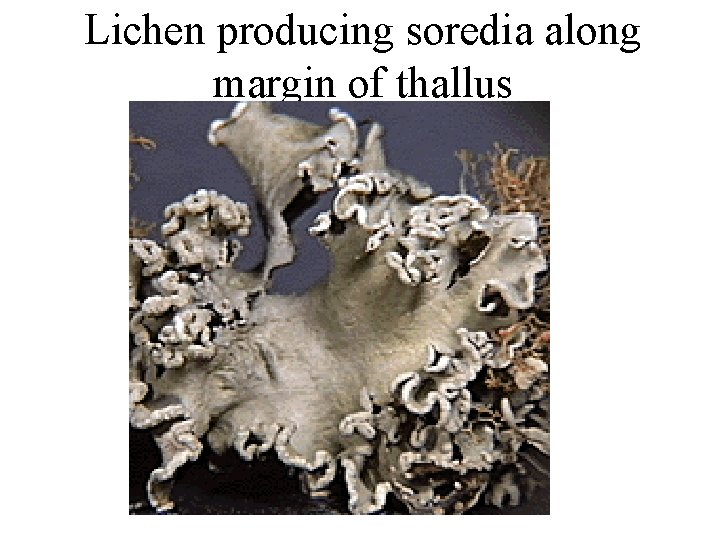
Lichen producing soredia along margin of thallus
- Slides: 28