
Kingdom Animalia Embryonic development Types of Symmetry Phylum
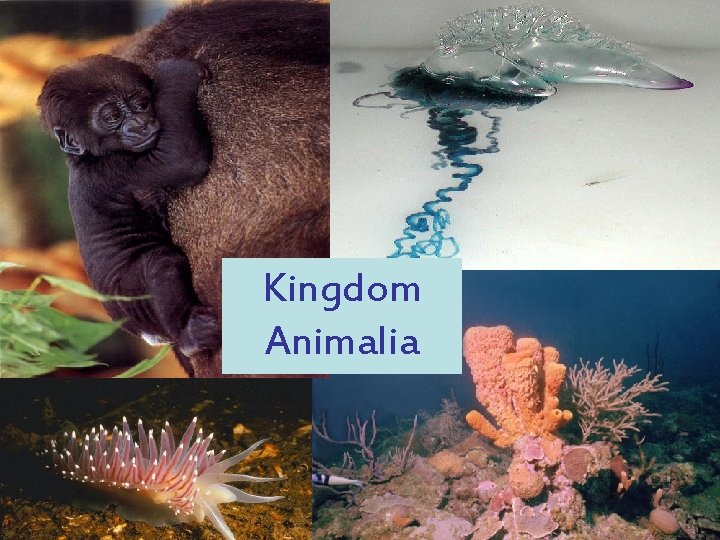
Kingdom Animalia
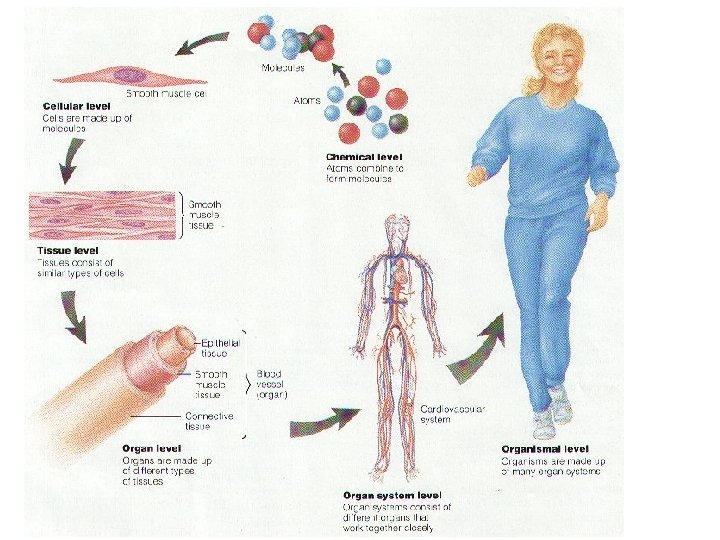

Embryonic development

Types of Symmetry
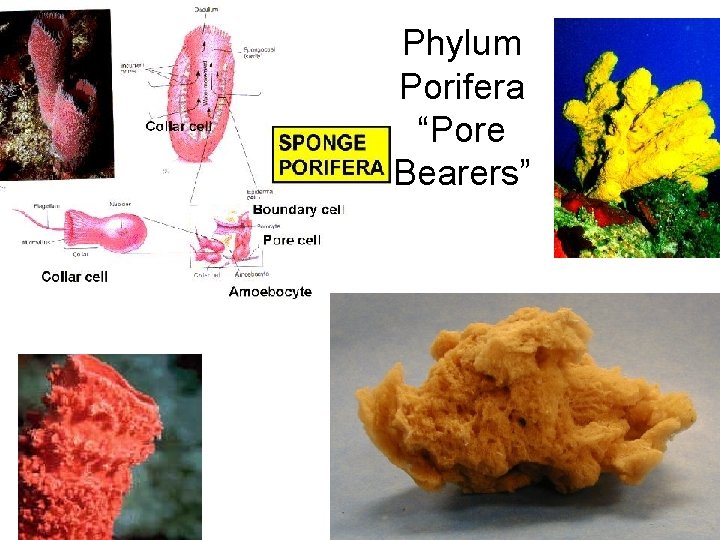
Phylum Porifera “Pore Bearers”

Symmetry Asymetrical Reproduction Asexual: budding/fragmentation Sexual: hermaphrodites Evolutionary Milestone multicellularity Circulatory System Diffusion Unique Characteristic sessile regeneration Importance Food chain Absorbent qualities
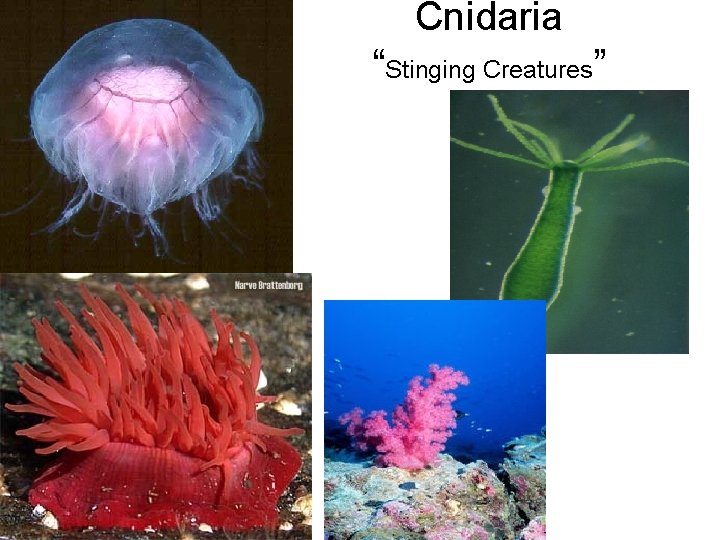
Cnidaria “Stinging Creatures”
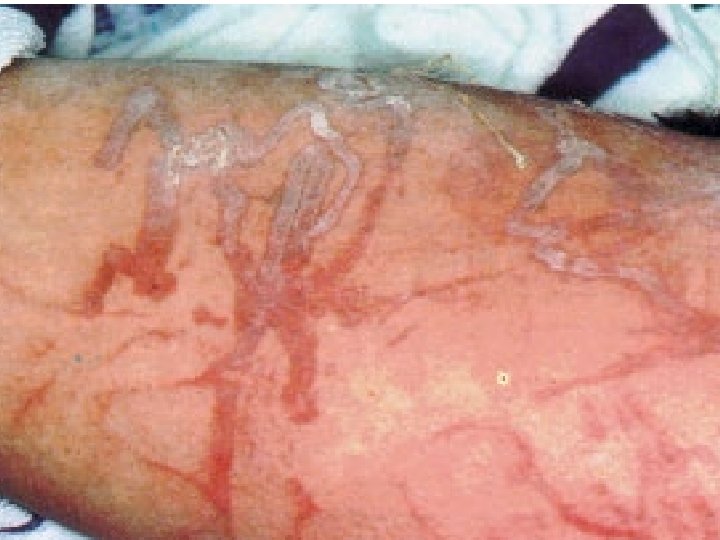
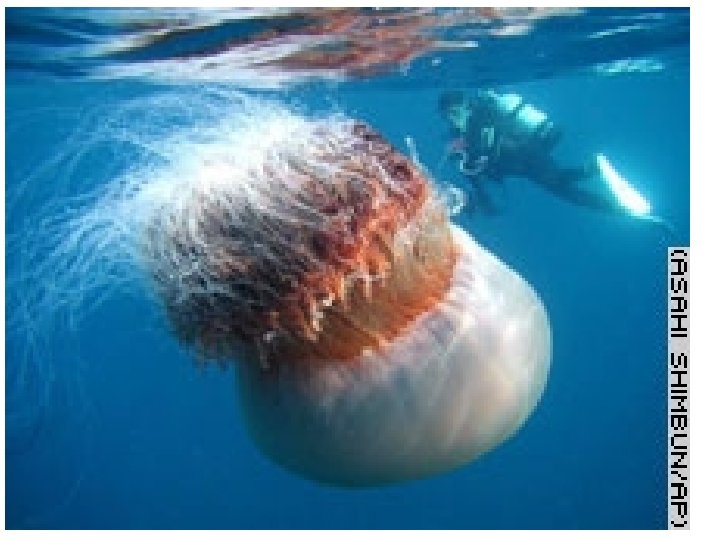
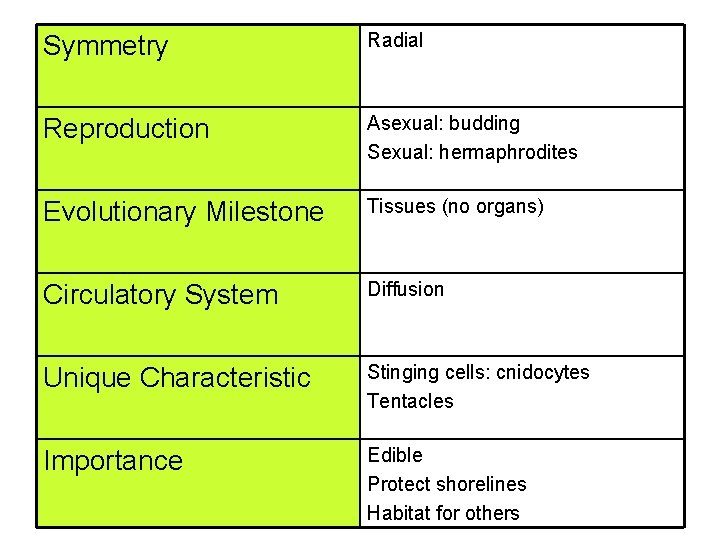
Symmetry Radial Reproduction Asexual: budding Sexual: hermaphrodites Evolutionary Milestone Tissues (no organs) Circulatory System Diffusion Unique Characteristic Stinging cells: cnidocytes Tentacles Importance Edible Protect shorelines Habitat for others
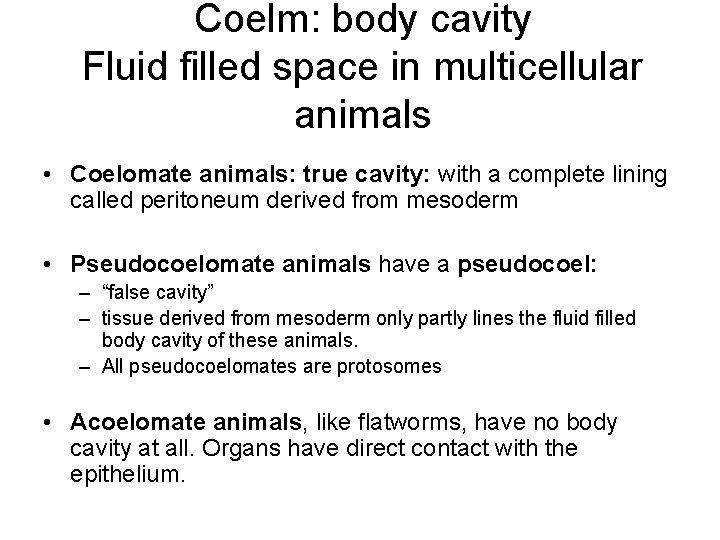
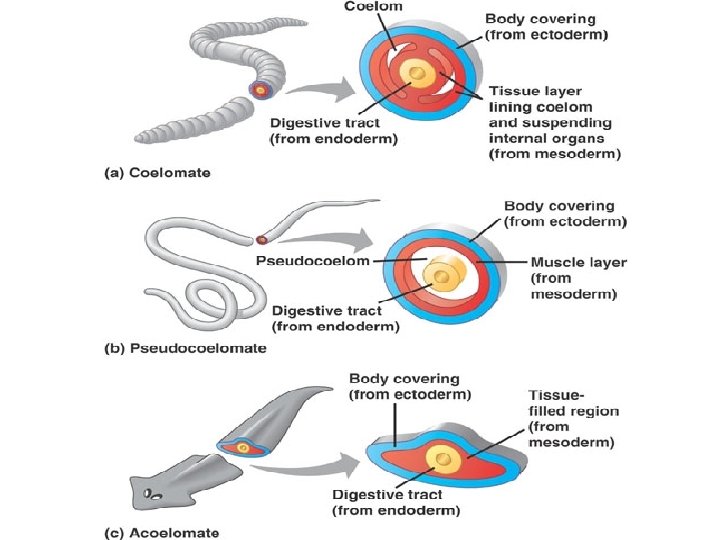
Coelm: body cavity Fluid filled space in multicellular animals • Coelomate animals: true cavity: with a complete lining called peritoneum derived from mesoderm • Pseudocoelomate animals have a pseudocoel: – “false cavity” – tissue derived from mesoderm only partly lines the fluid filled body cavity of these animals. – All pseudocoelomates are protosomes • Acoelomate animals, like flatworms, have no body cavity at all. Organs have direct contact with the epithelium.
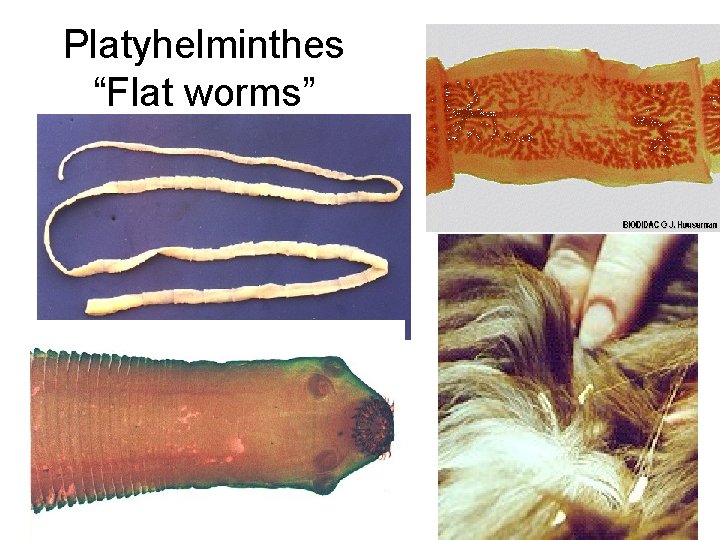
Platyhelminthes “Flat worms”
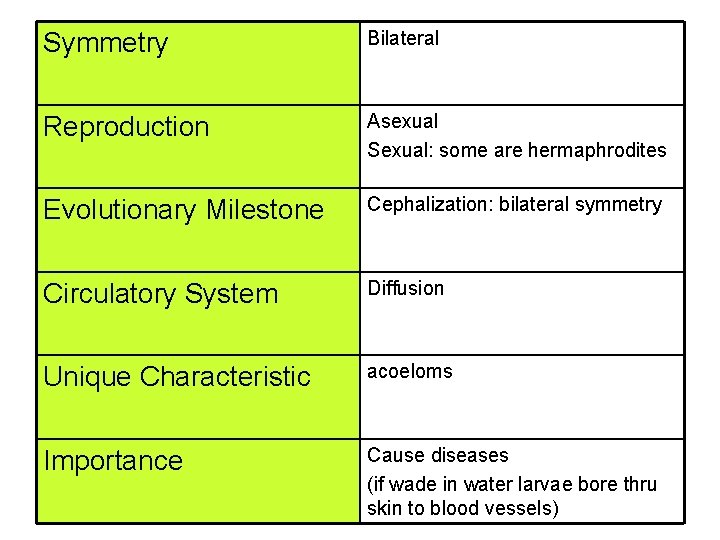
Symmetry Bilateral Reproduction Asexual Sexual: some are hermaphrodites Evolutionary Milestone Cephalization: bilateral symmetry Circulatory System Diffusion Unique Characteristic acoeloms Importance Cause diseases (if wade in water larvae bore thru skin to blood vessels)
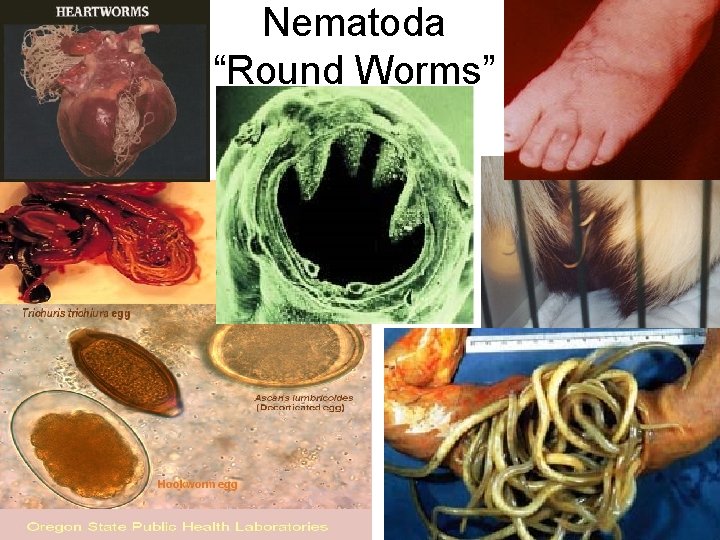
Nematoda “Round Worms”
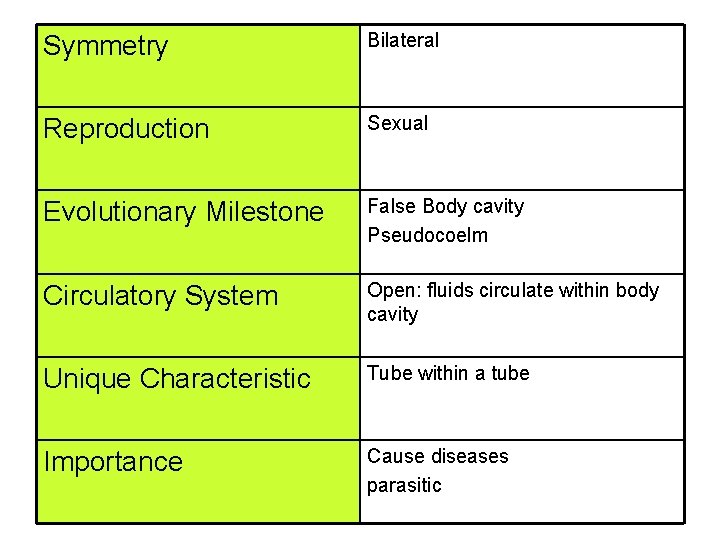
Symmetry Bilateral Reproduction Sexual Evolutionary Milestone False Body cavity Pseudocoelm Circulatory System Open: fluids circulate within body cavity Unique Characteristic Tube within a tube Importance Cause diseases parasitic
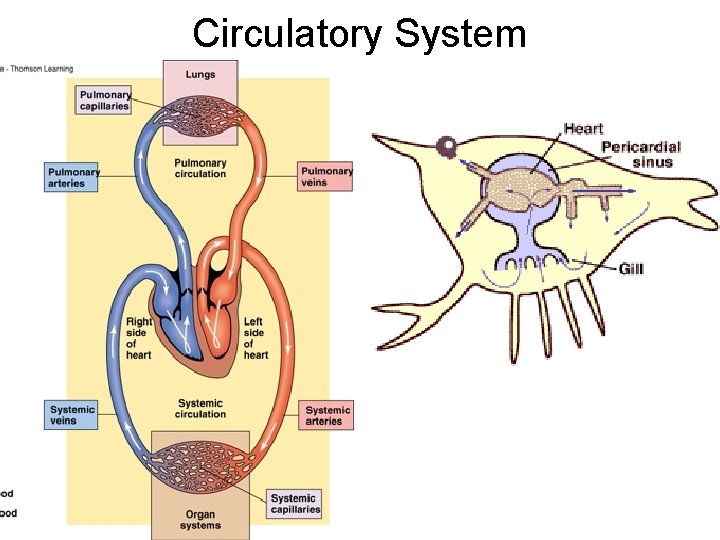
Circulatory System
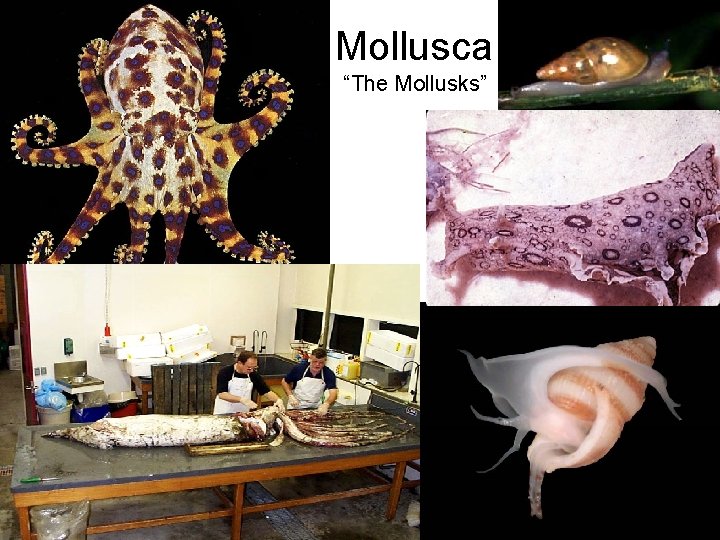
Mollusca “The Mollusks”
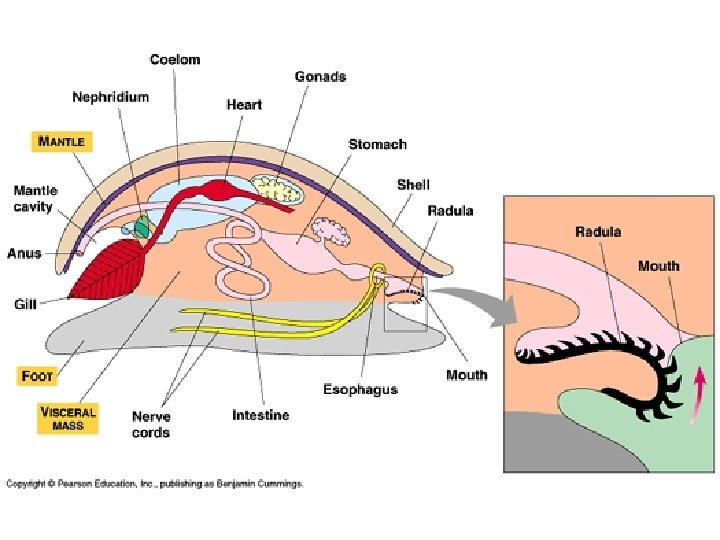
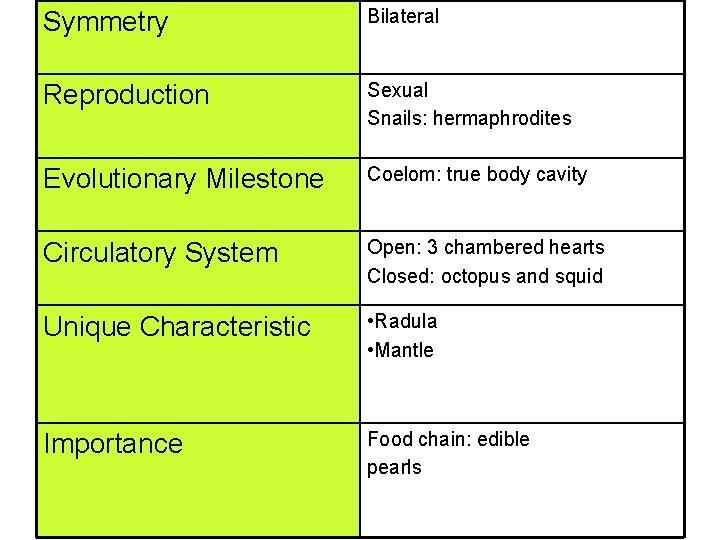
Symmetry Bilateral Reproduction Sexual Snails: hermaphrodites Evolutionary Milestone Coelom: true body cavity Circulatory System Open: 3 chambered hearts Closed: octopus and squid Unique Characteristic • Radula • Mantle Importance Food chain: edible pearls
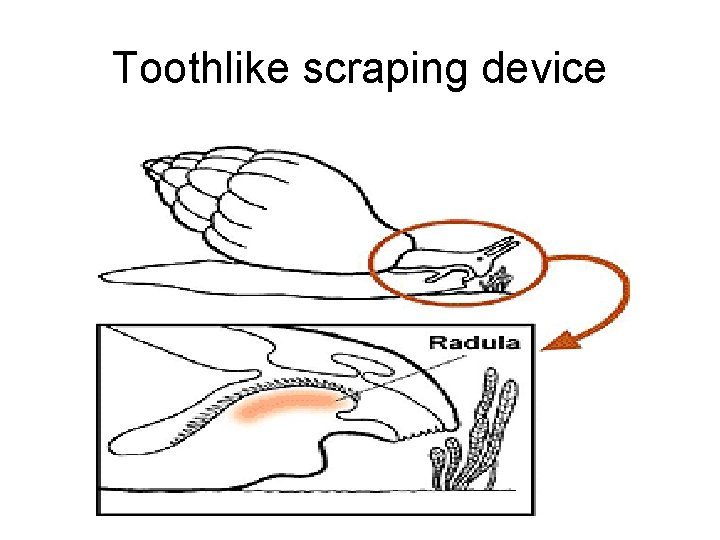
Toothlike scraping device
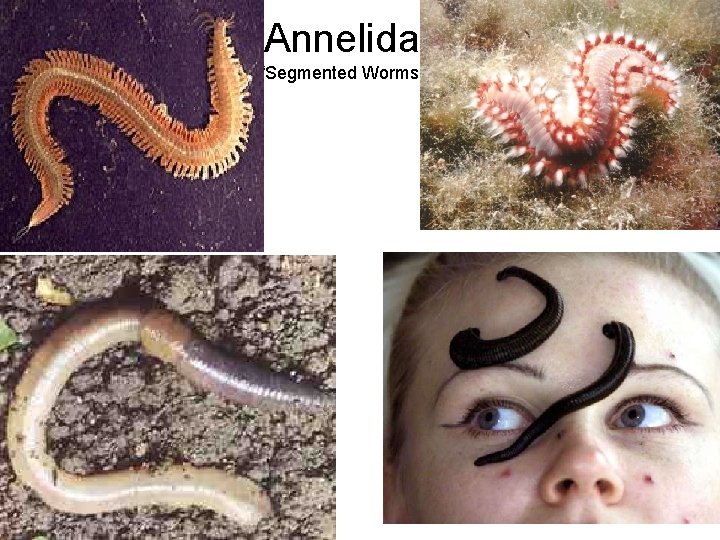
Annelida “Segmented Worms”
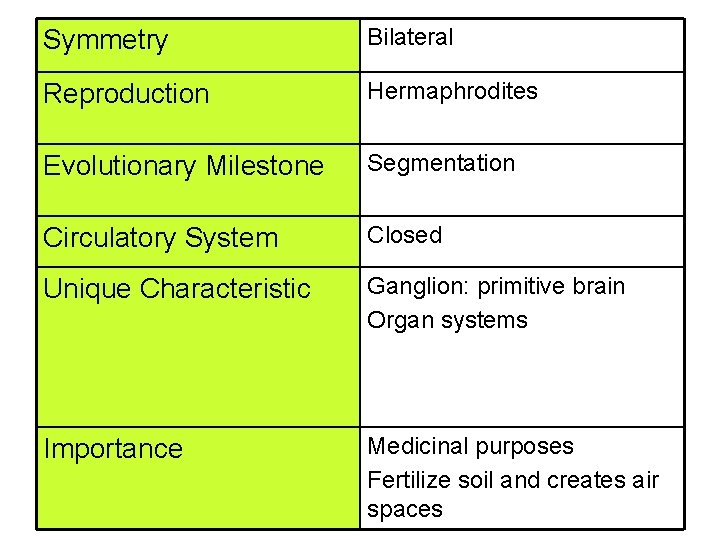
Symmetry Bilateral Reproduction Hermaphrodites Evolutionary Milestone Segmentation Circulatory System Closed Unique Characteristic Ganglion: primitive brain Organ systems Importance Medicinal purposes Fertilize soil and creates air spaces
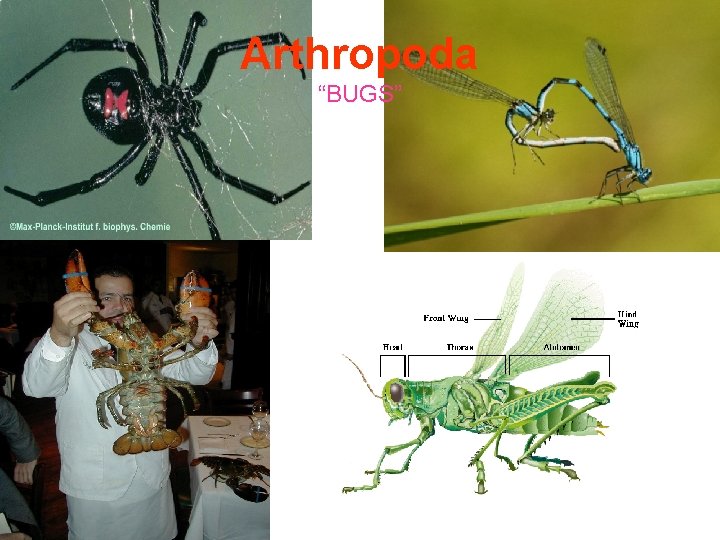
Arthropoda “BUGS”
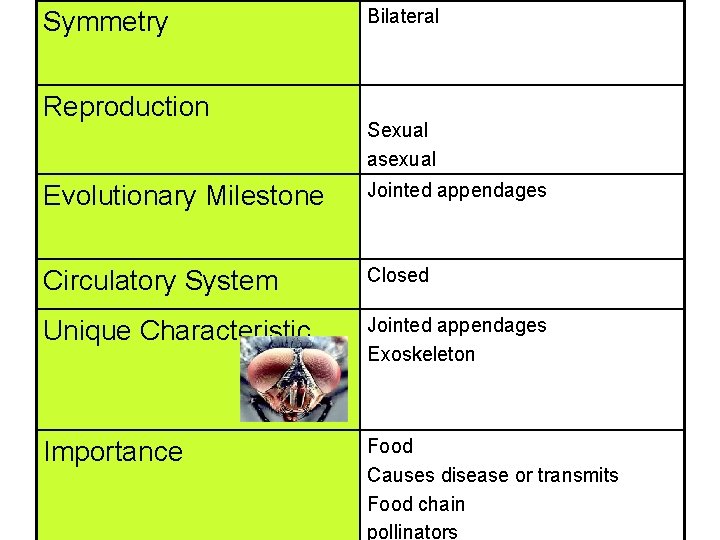
Symmetry Reproduction Bilateral Sexual asexual Evolutionary Milestone Jointed appendages Circulatory System Closed Unique Characteristic Jointed appendages Exoskeleton Importance Food Causes disease or transmits Food chain pollinators
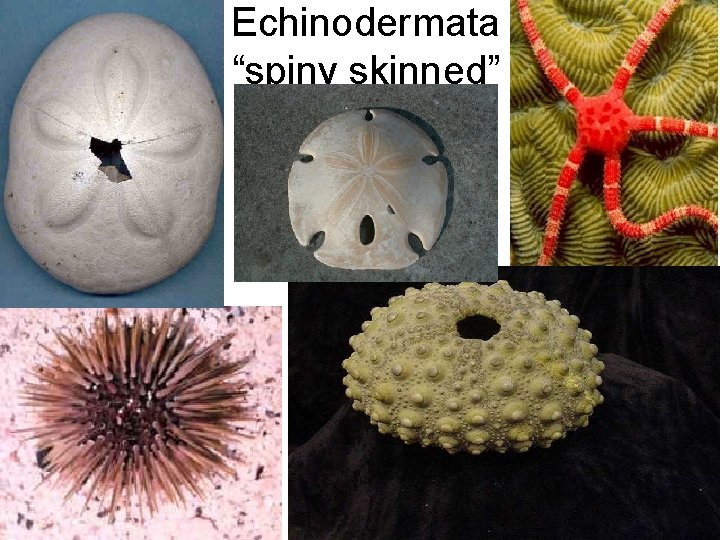
Echinodermata “spiny skinned”
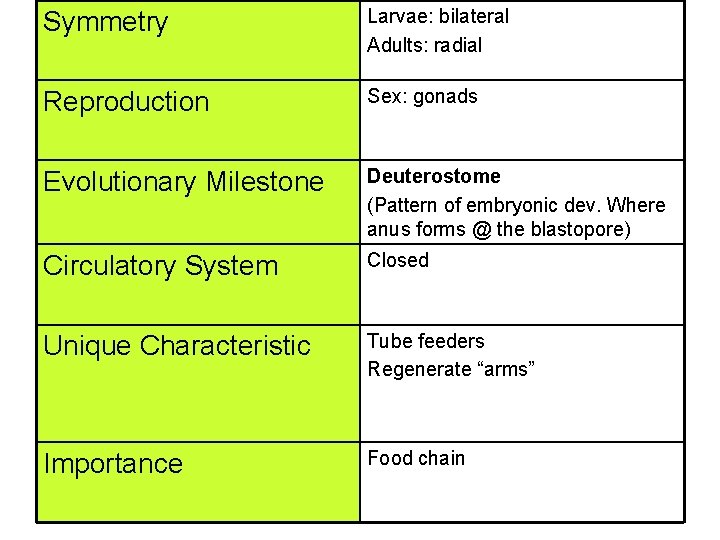
Symmetry Larvae: bilateral Adults: radial Reproduction Sex: gonads Evolutionary Milestone Deuterostome (Pattern of embryonic dev. Where anus forms @ the blastopore) Circulatory System Closed Unique Characteristic Tube feeders Regenerate “arms” Importance Food chain
- Slides: 27