
Kinds of Faults Faults Is a break in
Kinds of Faults
Faults § Is a break in Earth’s crust where slabs of crust slip past each other. § Usually occur along plate boundaries , where the forces of plate motion compress, pull, or shear the crust so much that the crust breaks.
Three Types of Faults § § § Normal Faults Reverse Faults Strike-Slip Faults
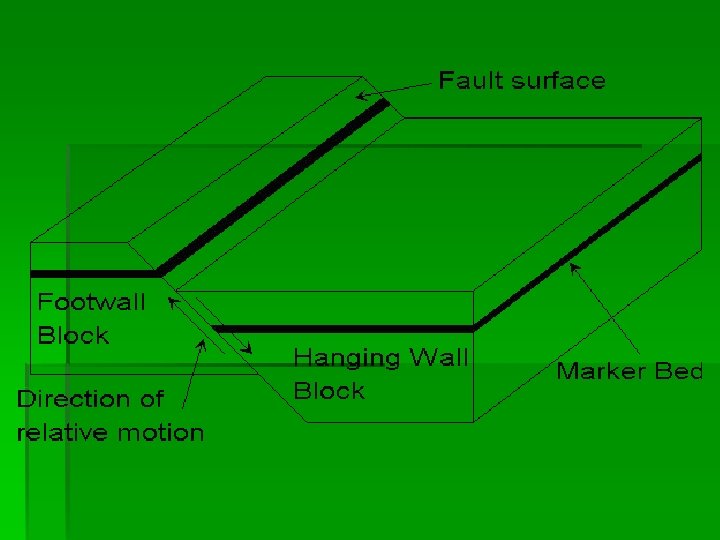
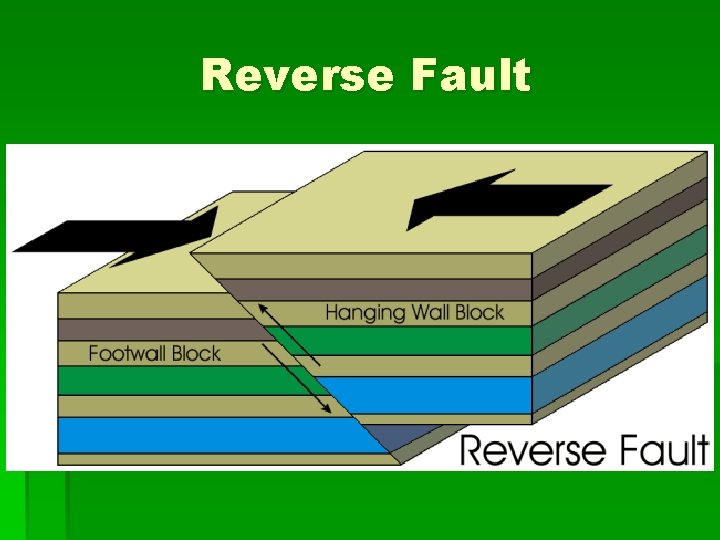
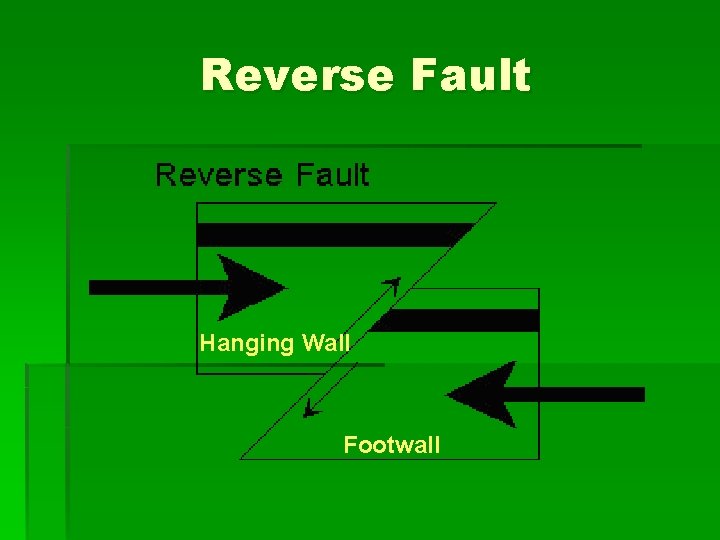
Fault Terminology § Fault Plane - the plane along which the rock or crustal material has fractured § Hanging Wall Block - the rock material which lies above the fault plane § Footwall Block - the rock material which lies below the fault plane.
Hanging vs. Foot § The footwall of a fault is always under the fault § The hanging wall of a fault is always above the fault
Normal Faults § Caused by tension forces where plates diverge § The fault is at an angle § One block lies above the fault (hanging wall) § The other block lies below the fault (footwall) § When movement occurs along a normal fault, the hanging wall slips downward
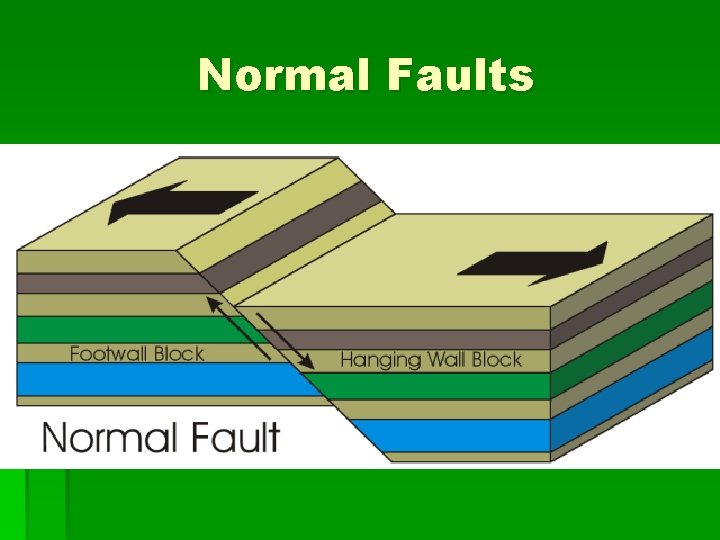
Normal Faults
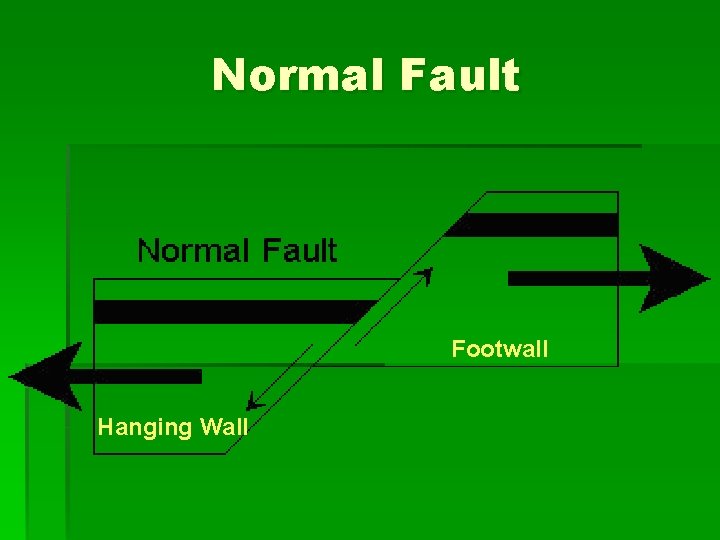
Normal Fault Footwall Hanging Wall
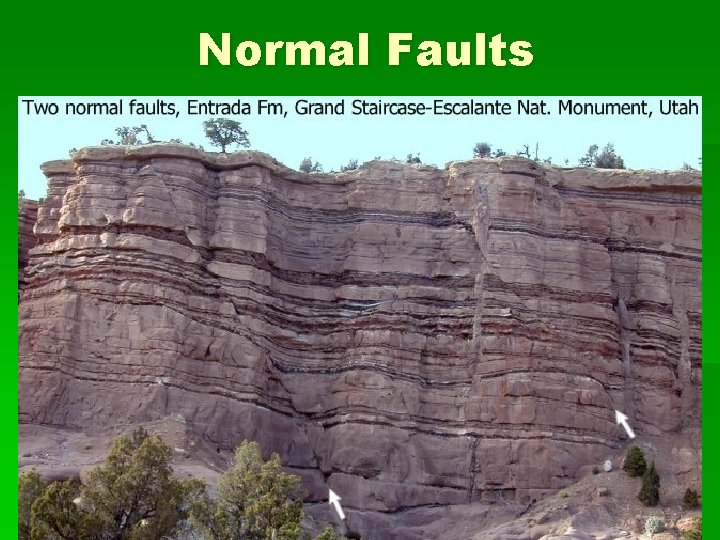
Normal Faults
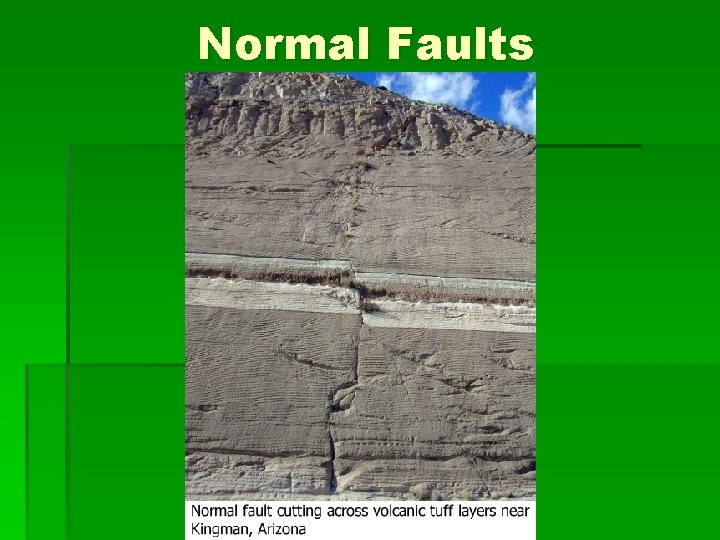
Normal Faults
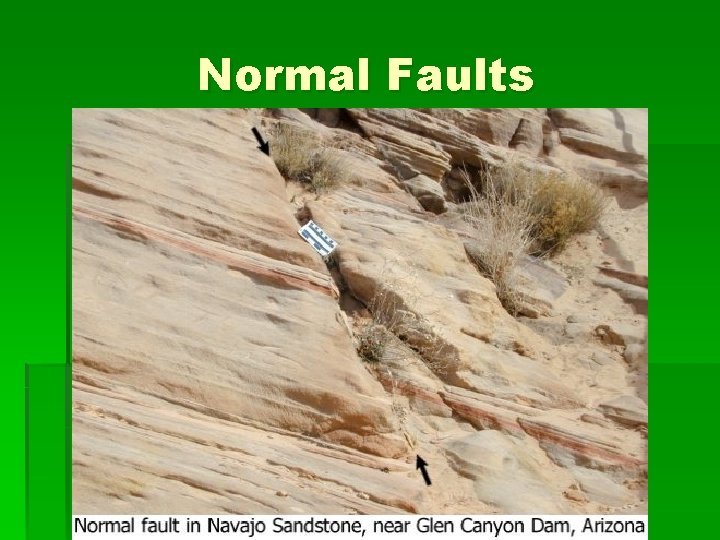
Normal Faults
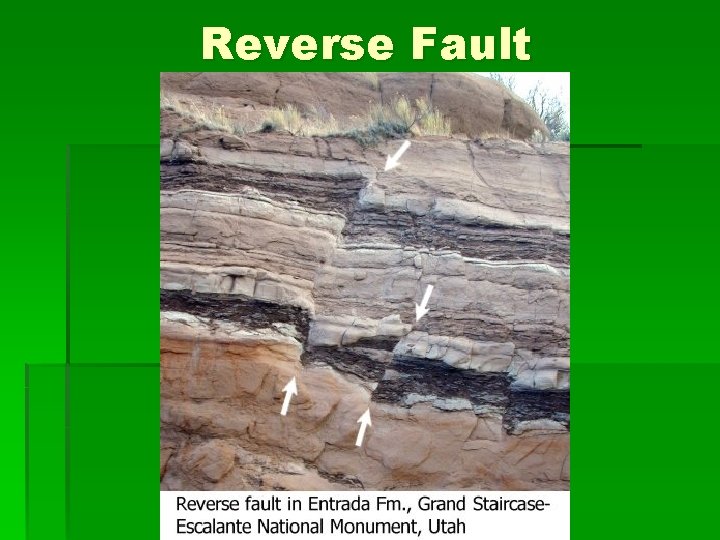
Reverse Faults § Caused by compression forces along convergent plate boundaries § Has the same structure as a normal fault, but blocks move in opposite direction § One side lies at an angle above the other § Where the hanging wall is displaced upward relative to the footwall § OR where the footwall is displaced downward relative to the hanging wall
Reverse Fault
Reverse Fault Hanging Wall Footwall
Reverse Fault
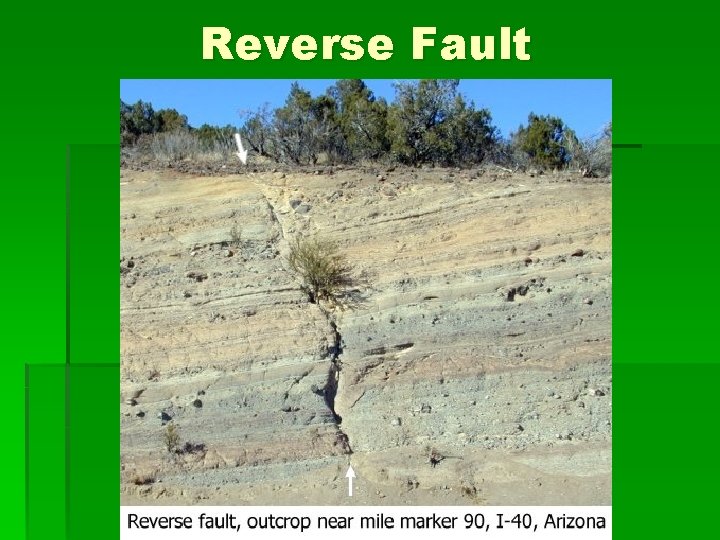
Reverse Fault
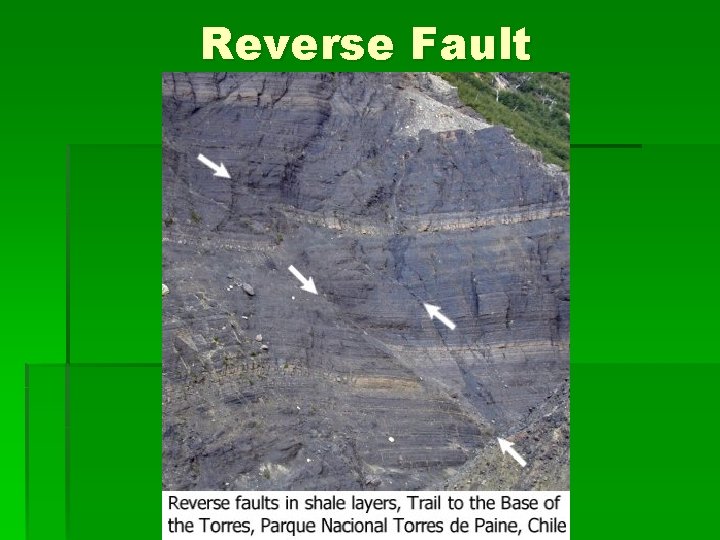
Reverse Fault
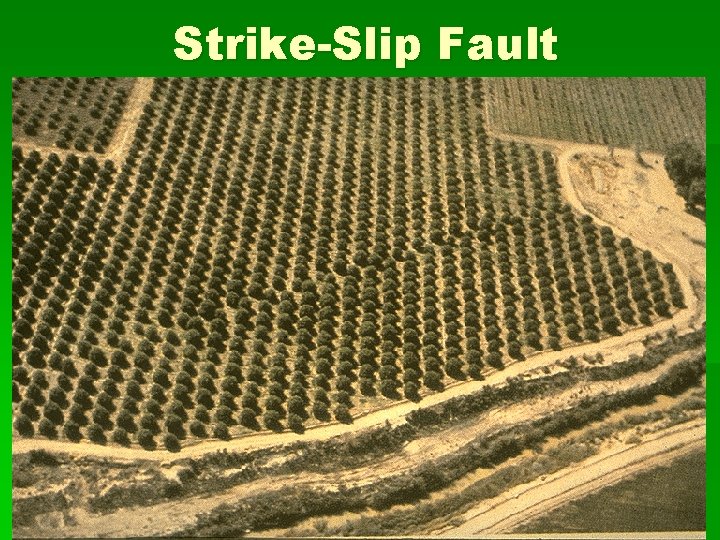
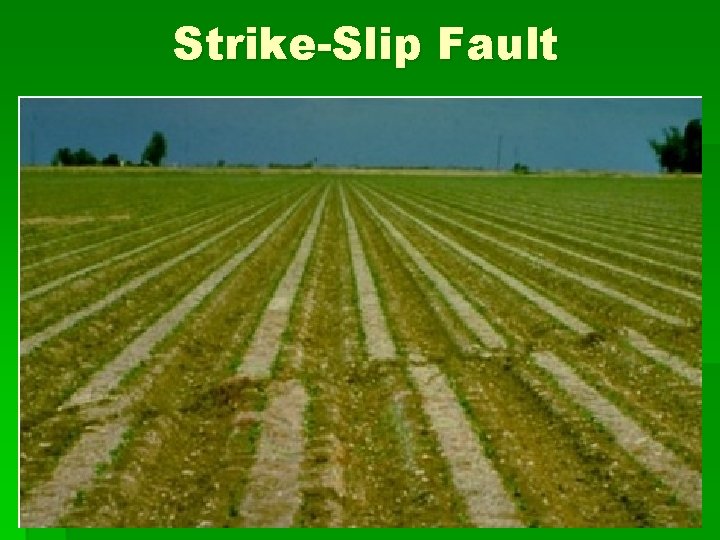
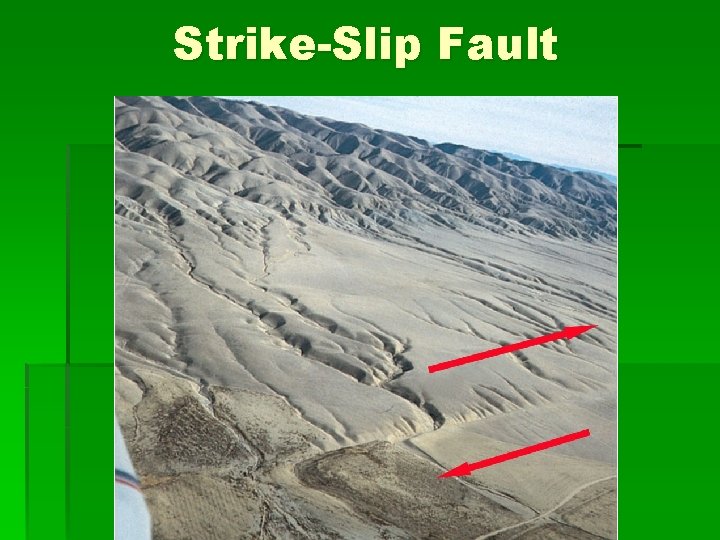
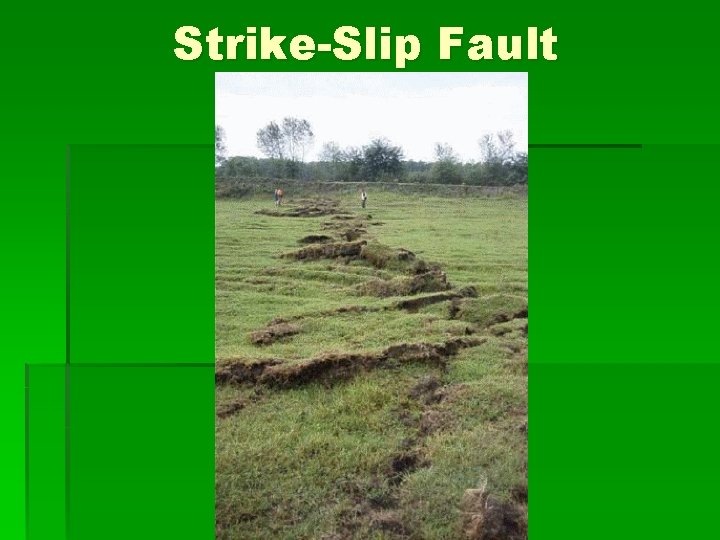
Strike-Slip Fault § Created by shearing along transform boundaries § Rocks on either side of fault slip past each other sideways with little up-ordown motion
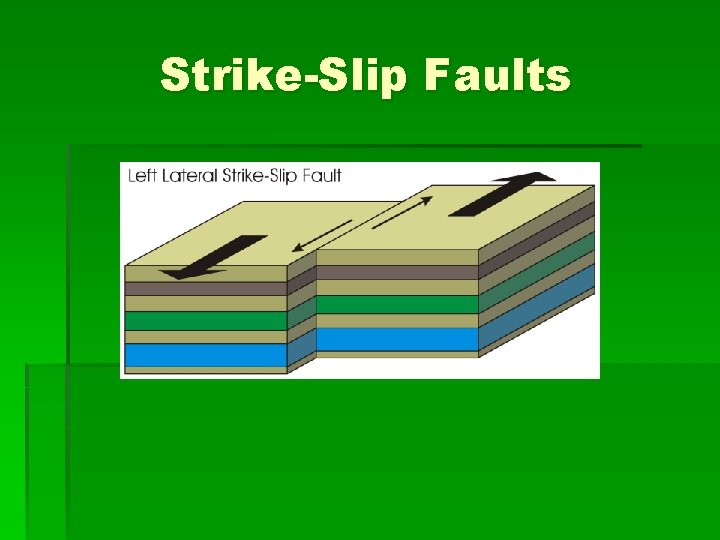
Strike-Slip Faults
Strike-Slip Fault
Strike-Slip Fault
Strike-Slip Fault
Strike-Slip Fault
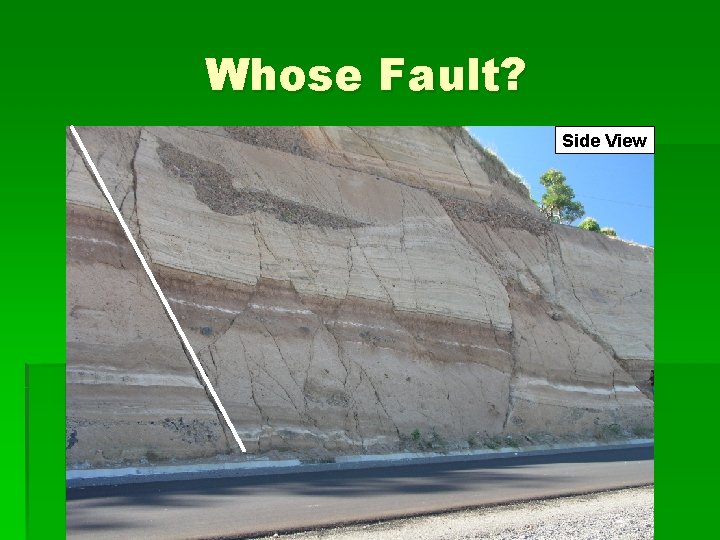
Whose Fault? Side View
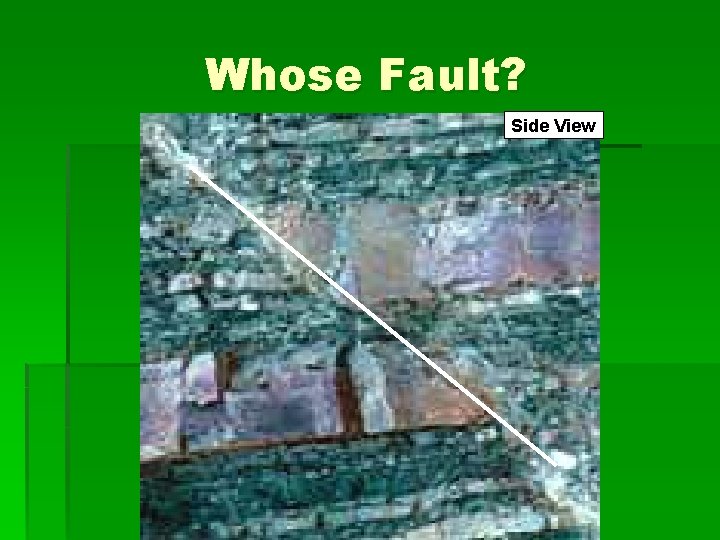
Whose Fault? Side View
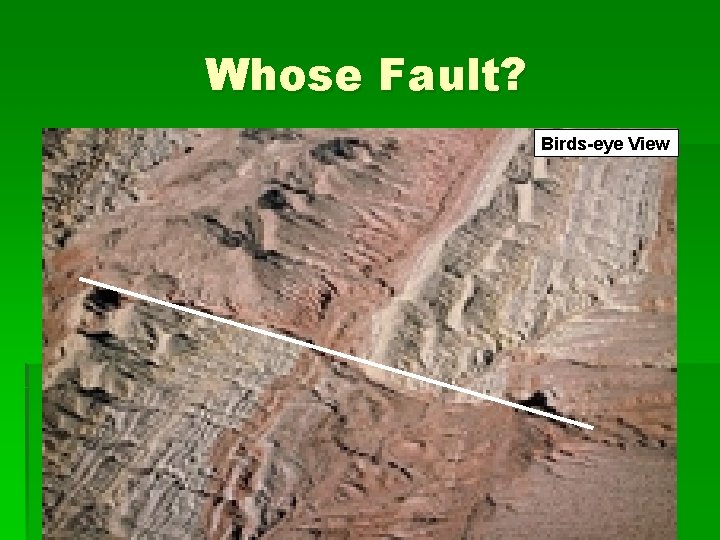
Whose Fault? Birds-eye View
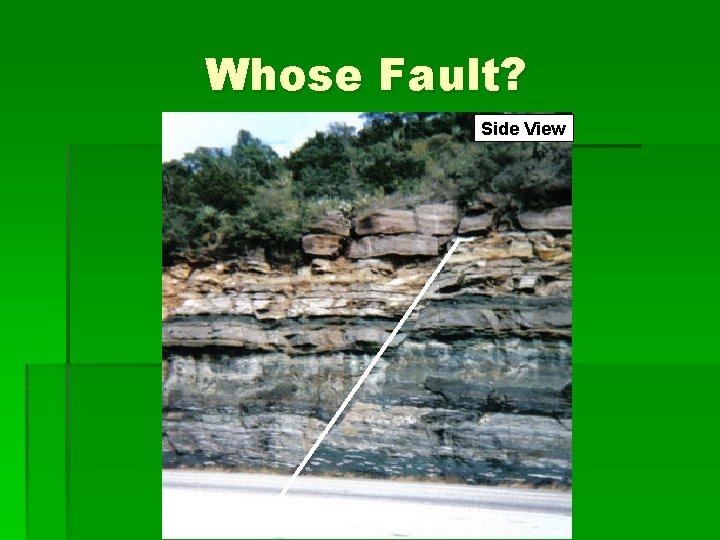
Whose Fault? Side View
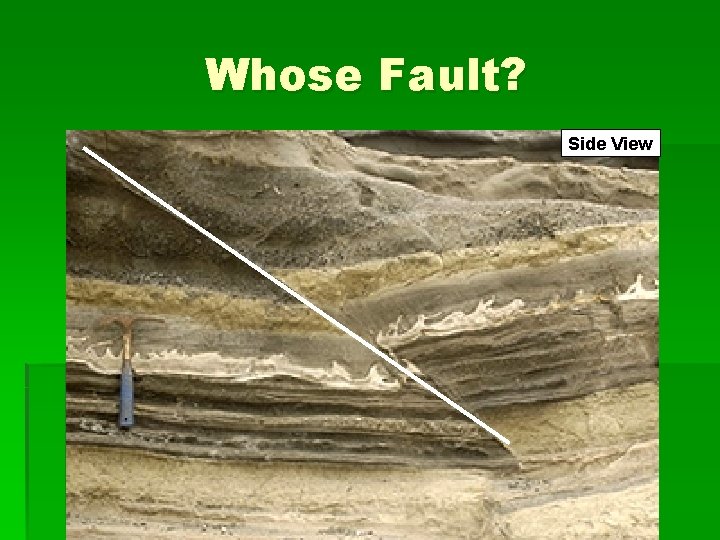
Whose Fault? Side View
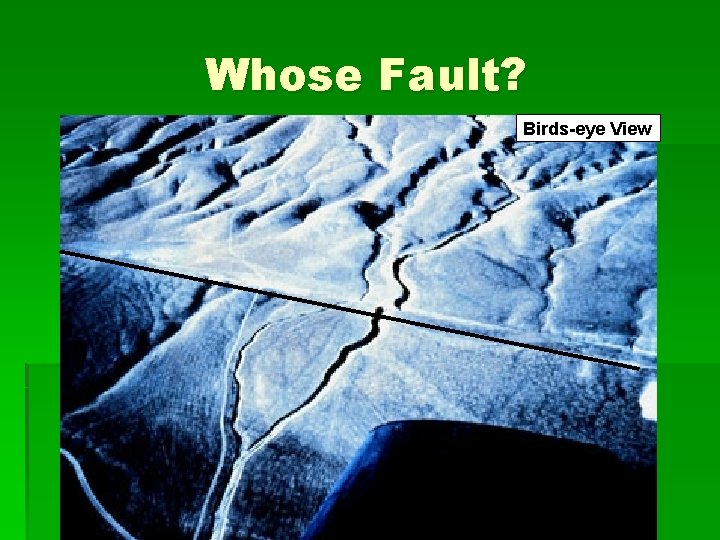
Whose Fault? Birds-eye View
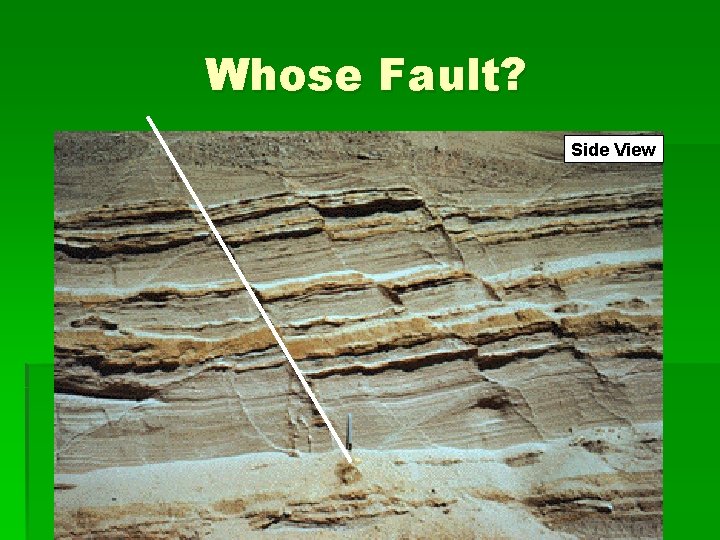
Whose Fault? Side View
- Slides: 31