
KIGALI Amendment and National Strategy for HFC phasedown
- Slides: 18
KIGALI Amendment and National Strategy for HFC phase-down in ALBANIA MIMOZA VOKSHI NOU Coordinator Paris , 17 – 19 February 2019
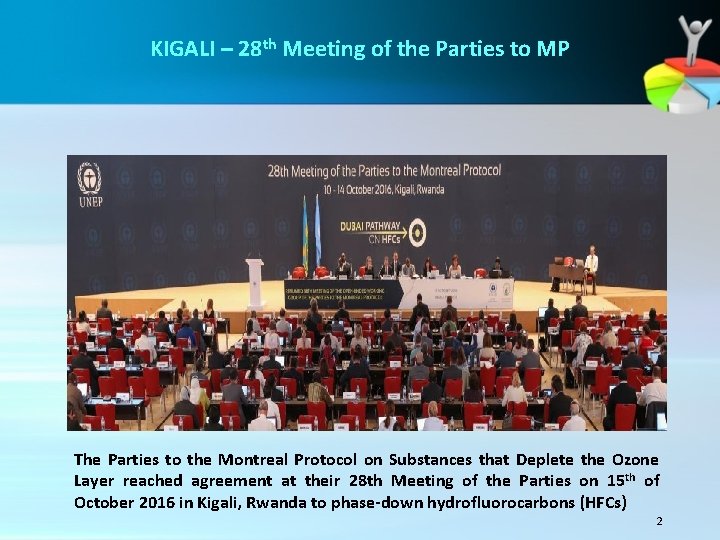
KIGALI – 28 th Meeting of the Parties to MP The Parties to the Montreal Protocol on Substances that Deplete the Ozone Layer reached agreement at their 28 th Meeting of the Parties on 15 th of October 2016 in Kigali, Rwanda to phase-down hydrofluorocarbons (HFCs) 2
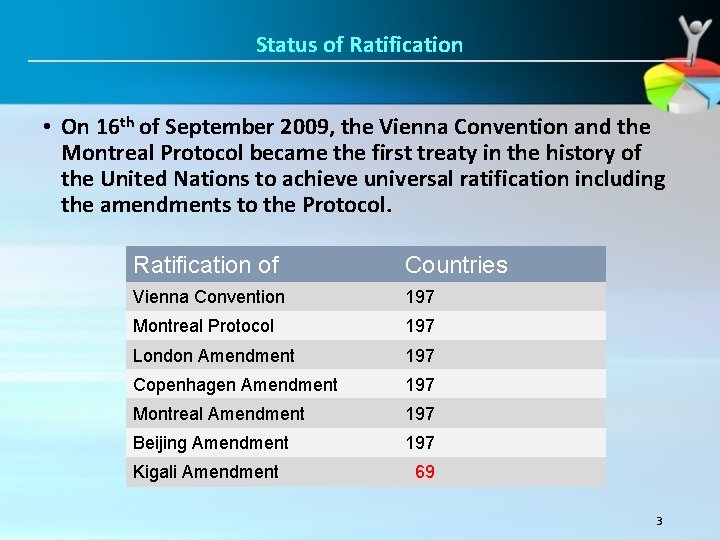
Status of Ratification • On 16 th of September 2009, the Vienna Convention and the Montreal Protocol became the first treaty in the history of the United Nations to achieve universal ratification including the amendments to the Protocol. Ratification of Countries Vienna Convention 197 Montreal Protocol 197 London Amendment 197 Copenhagen Amendment 197 Montreal Amendment 197 Beijing Amendment 197 Kigali Amendment 69 3
KIGALI Amendment • It has been estimated that this agreement will help nations avoid up to 0. 5°C of global warming by 2100, which very much continues the success of the Montreal Protocol. • The Montreal Protocol has far exceeded its original aims. It has protected the ozone layer, contributed to climate mitigation, social development, food security, public health and the creation of ‘green jobs’. • In the next phase of the Protocol, the National Ozone Units will be strategically placed to support the climate, energy-efficiency and ozone nexus together with climate, energy efficency and standards experts. 4
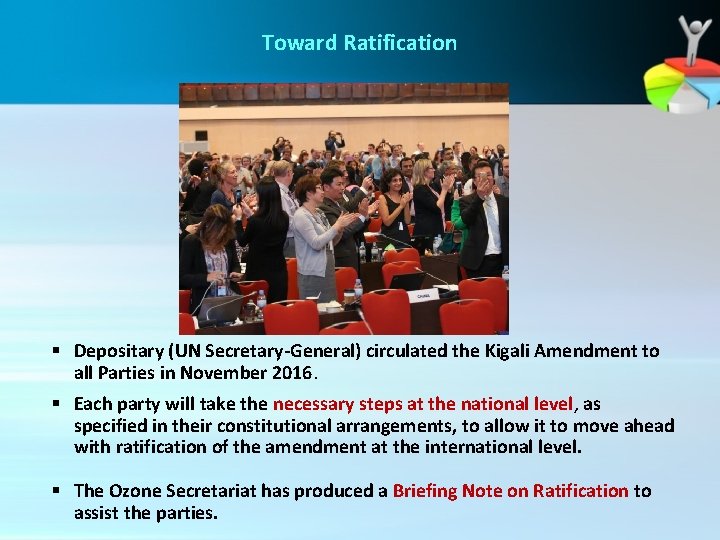
Toward Ratification § Depositary (UN Secretary-General) circulated the Kigali Amendment to all Parties in November 2016. § Each party will take the necessary steps at the national level, as specified in their constitutional arrangements, to allow it to move ahead with ratification of the amendment at the international level. § The Ozone Secretariat has produced a Briefing Note on Ratification to assist the parties.
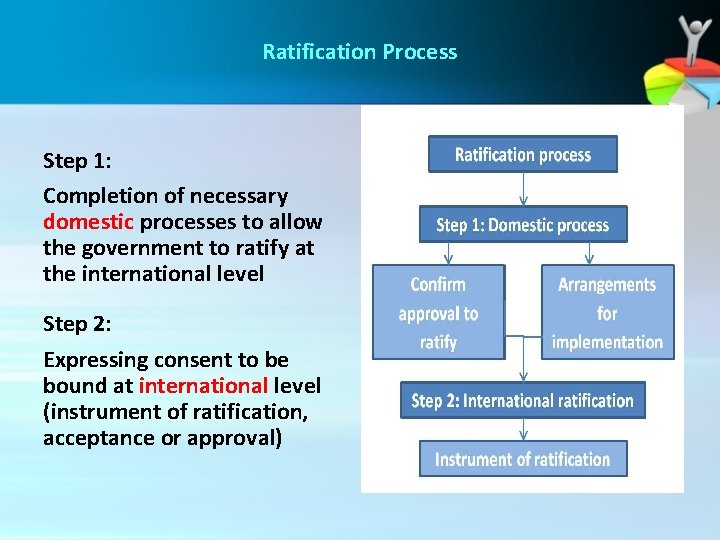
Ratification Process Step 1: Completion of necessary domestic processes to allow the government to ratify at the international level Step 2: Expressing consent to be bound at international level (instrument of ratification, acceptance or approval)
Enabling Activities • Enabling Activity project for Albania has been approved by the 80 th Executive Committee Decision 80/50 (UNIDO ID 170248/MLF Inventory: ALB/SEV/80/TAS/01) • The project is comprised of the following components: a) b) c) d) e) Support for the early ratification of the Kigali Amendment; Support to the institutional arrangements; Review of the licensing systems; Review of the data reporting systems; Preparation for national strategies. 7
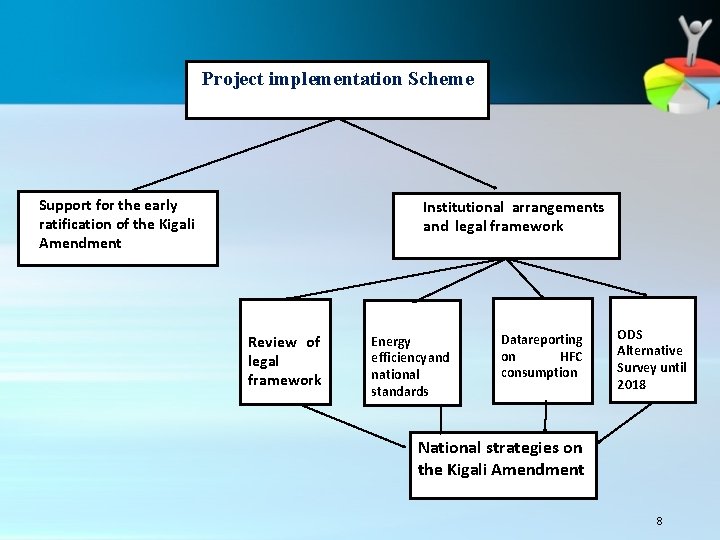
Project implementation Scheme Support for the early ratification of the Kigali Amendment Institutional arrangements and legal framework Review of legal framework Energy efficiency and national standards Datareporting on HFC consumption ODS Alternative Survey until 2018 National strategies on the Kigali Amendment 8
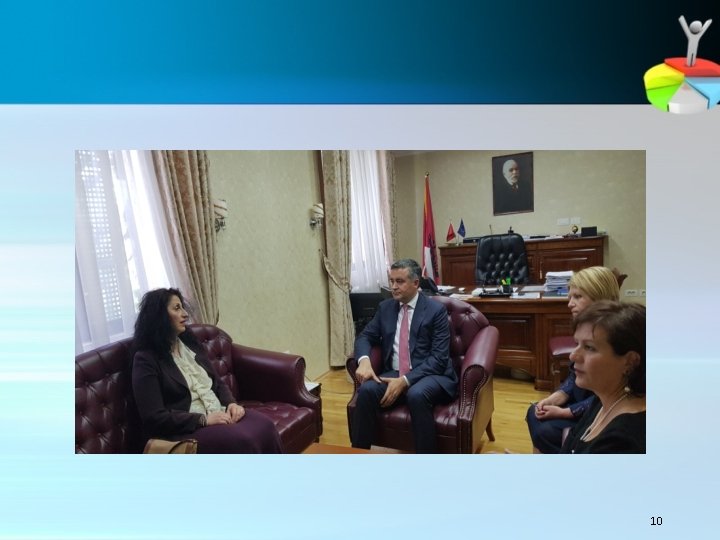
Ratification Process • Coordination with government representatives – Ministry of Tourism and Environment, Ministry of Justice, Ministry of Foreign Affairs, Ministry of Finance and Economy and other stakeholders; • Supporting national ratification instruments - supporting documents and materials explaining the benefits and challenges of the Kigali Amendment, public hearing, etc; • In the framework of the Ratification process of the Kigali Amendment, Ms Sophia Mylona Senior Environment Affairs Officer of the Ozone Secretariat, visited Tirana on 17 -18 May 2018. During this official visit Ms. Mylona has undertaken important activities and meetings with high representatives of the Government, the Parliament of Albania and stakeholders. 9
10
Legal Acts drafted: • Draft Law on “Ratification of the Kigali Amendment”; • Draft Decision of Council l of Minister on “Ratification of Kigali Amendment • Briefing note outlining the benefits and obligation and provision of the Amendment emphasizing the benefits as EU candidate country • The explanatory memorandum to the law contain all necessary comments on the provisions of the draft law, an analysis of the financial effects, taking in consideration and its primary function to inform the members of the Assembly and assist them in their parliamentary consideration of the draft law and their function to set out a complete and effective way enable public access to, and knowledge of, the proposed law; 11
Stages of the legislative process • Internal consultation among governmental authorities – On August 2018, Draft Law on “Ratification of the Kigali Amendment” and other legal acts are submitted to all Ministries and other stakeholders for comments and suggestions; • Discussions and approval by the Council of Ministers - Draft law and other legal acts are submitted to the Council of Ministers for approval prior to their introduction in the Assembly; • On November 7, 2018 the Council of Ministers approved the Draft Decision on the Ratification of the Kigali Amendment and submitted to the Assembly. 12
Stages of the legislative process • Parliamentary process, discussion and approval; The Albanian Parliament ratified the Kigali Amendment on 03. 12. 2018, Law no. 91/2018. • Promulgation by the President of the Republic. On December 18, 2018 the President of the Republic of Albania, promulgated the Law no. 91/2018. • Publication in the Official Journal - according to Article 117 of the Constitution - The texts of international treaties translated into Albanian must be published in the Official Journal. On December 21, 2018 the Ratification Law was published in the Official Journal. • International Ratification – Instrument of Ratification, January 2019 13
Next steps Support to the institutional arrangements and legal framework a) Review of legal framework including licensing systems: § Review and update the existing legislation in accordance with Kigali Amendment; § Update the licensing system and quota allocation for HFCs; § Harmonization of tariff codes; b) Energy efficiency and national standards: § Roles and responsibilities of relevant ministries and other stakeholders are to be updated in the areas of energy efficiency and refrigerant safety standards in particular; § Reviewing operating codes and standards for the correct and efficient use of HFCs and ODS alternatives along the value chain; c) Data collection and reporting on HFC consumption. 14
Next steps, HFC Phase-down Strategy • Action 1: Understanding Consumption - The first action is to understand the current requirements for HCFCs and HFCs and to build a national HCFC and HFC consumption model. • ODS Alternatives survey was carried out in Albania in cooperation with UNIDO. The main focus of the study was to review Albania’s existing information on ODS alternatives with particular regard to the HFC market. The study has reviewed Albania’s ODS and HFCs current consumption by substance and sector, it has identified growth patterns (also by substance and sector). • HFCs can be considered the principal alternative for ODS. The use of HFCs in Albania is growing due to the phase out of ODSs and Albania’s economic growth. HFCs have replaced a significant portion of past and current demand for ODSs in the refrigeration and air-conditioning sector, as well as in solvent, aerosol, specialized fire protection equipment, and in other applications. 15
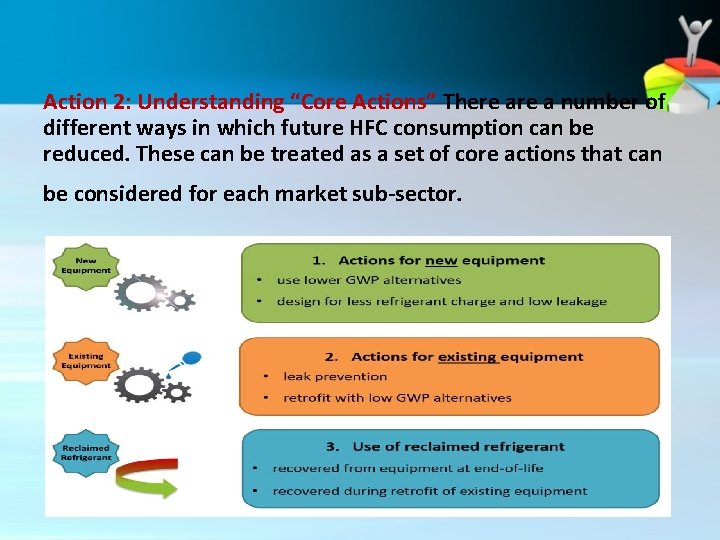
Action 2: Understanding “Core Actions” There a number of different ways in which future HFC consumption can be reduced. These can be treated as a set of core actions that can be considered for each market sub-sector.
Next steps, HFC Phase-down Strategy Action 3: Development of future consumption scenarios - The national HCFC and HFC consumption model can be used to investigate future scenarios that forecast the national requirements for HFCs. Action 4: Consideration of all technical options and timelines Action 5: Stakeholder input and support - National Ozone Units should carefully consider their engagement with stakeholders. This is a 2 -way process: • Support from stakeholders • Support to stakeholders Action 6: Strategy reviews - The strategy needs regular review and updating 17
THANK YOU FOR YOUR ATTENTION 18