
Key questions 1 How do scientists classify animals


- Slides: 49
Key questions • • 1. How do scientists classify animals? 2. What is binomial nomenclature? 3. What are cladograms? 4. How do I use a dichotomous key?
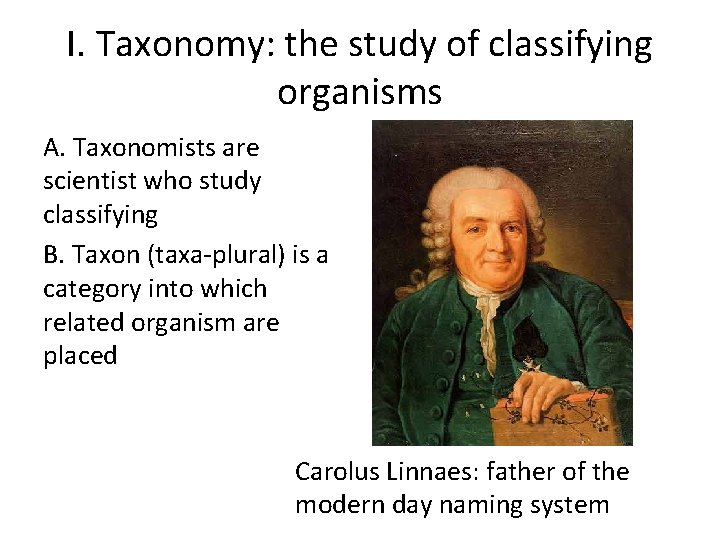
I. Taxonomy: the study of classifying organisms A. Taxonomists are scientist who study classifying B. Taxon (taxa-plural) is a category into which related organism are placed Carolus Linnaes: father of the modern day naming system
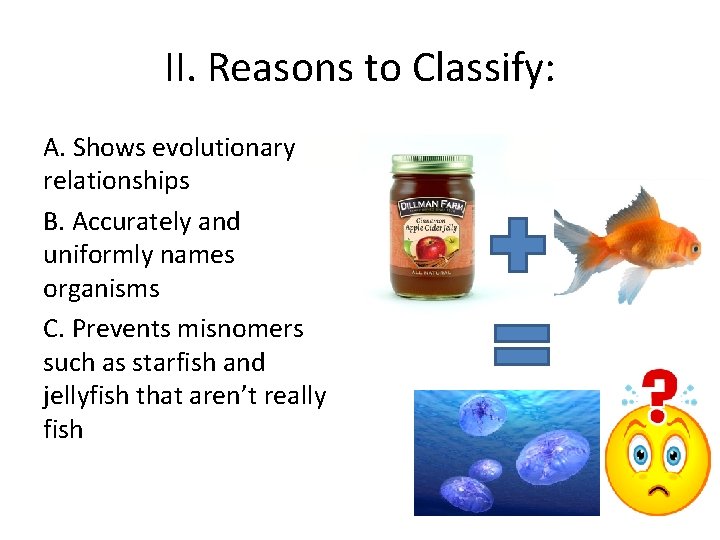
II. Reasons to Classify: A. Shows evolutionary relationships B. Accurately and uniformly names organisms C. Prevents misnomers such as starfish and jellyfish that aren’t really fish
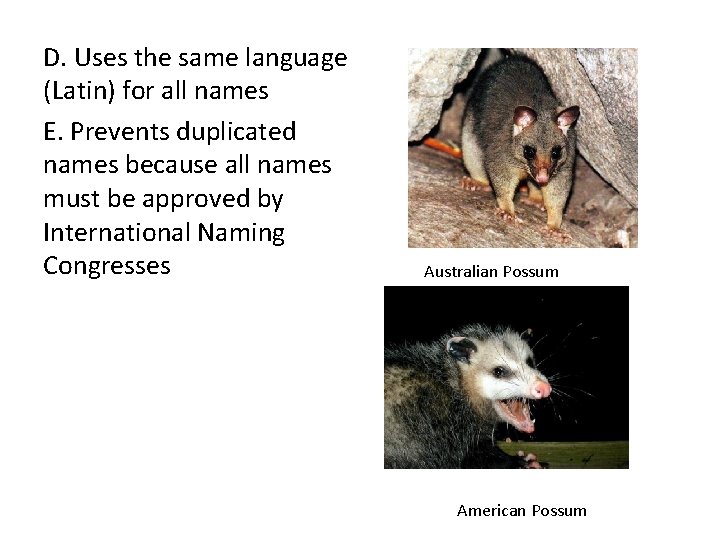
D. Uses the same language (Latin) for all names E. Prevents duplicated names because all names must be approved by International Naming Congresses Australian Possum American Possum
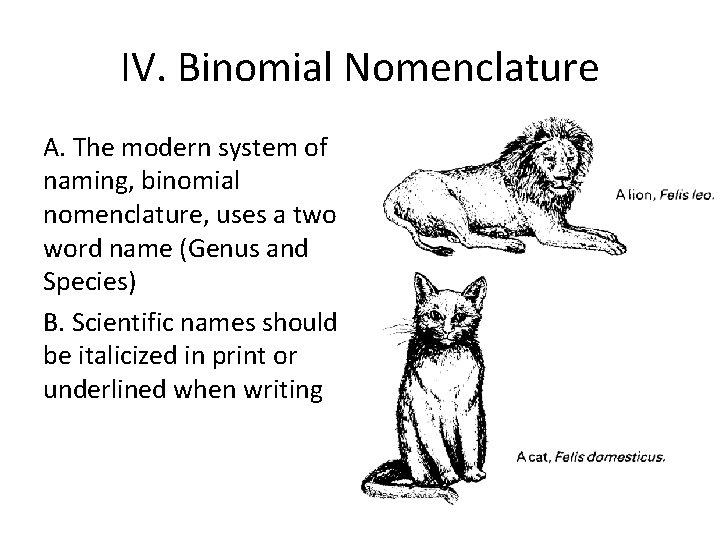
IV. Binomial Nomenclature A. The modern system of naming, binomial nomenclature, uses a two word name (Genus and Species) B. Scientific names should be italicized in print or underlined when writing
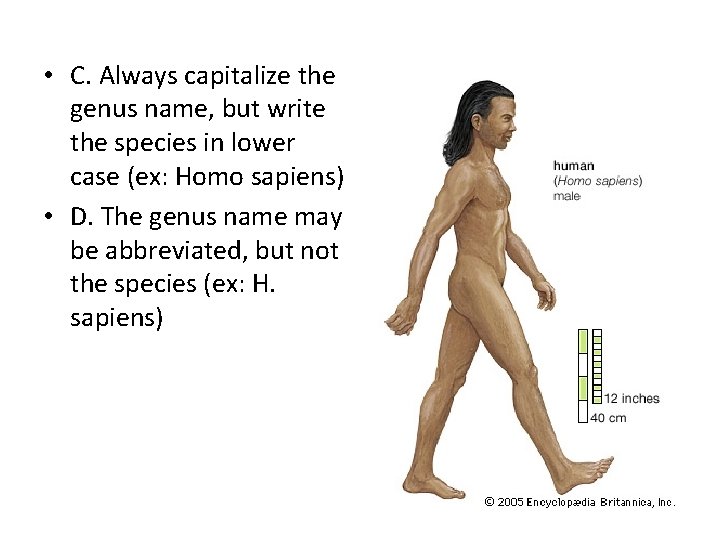
• C. Always capitalize the genus name, but write the species in lower case (ex: Homo sapiens) • D. The genus name may be abbreviated, but not the species (ex: H. sapiens)
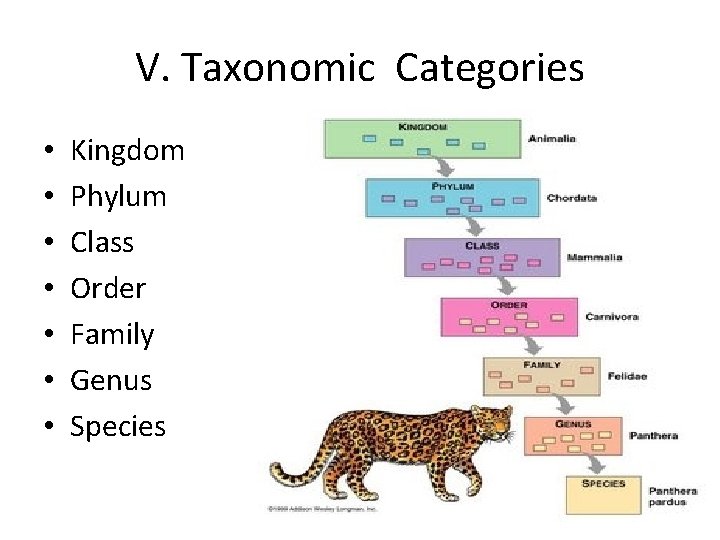
V. Taxonomic Categories • • Kingdom Phylum Class Order Family Genus Species
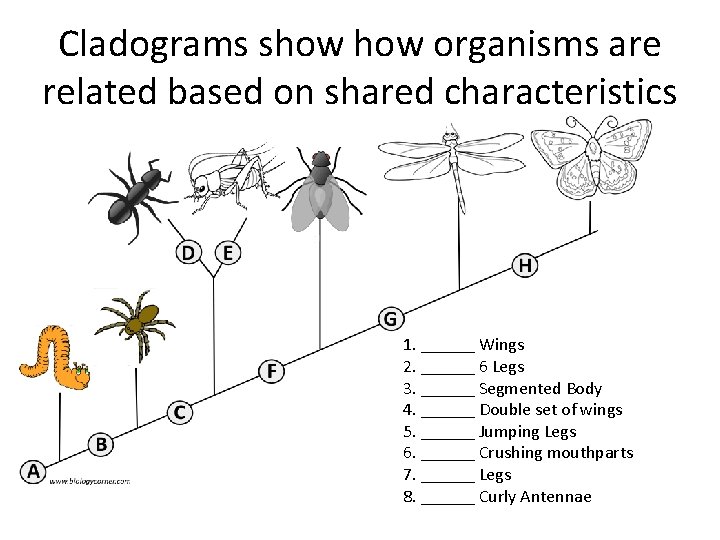
Cladograms show organisms are related based on shared characteristics 1. ______ Wings 2. ______ 6 Legs 3. ______ Segmented Body 4. ______ Double set of wings 5. ______ Jumping Legs 6. ______ Crushing mouthparts 7. ______ Legs 8. ______ Curly Antennae
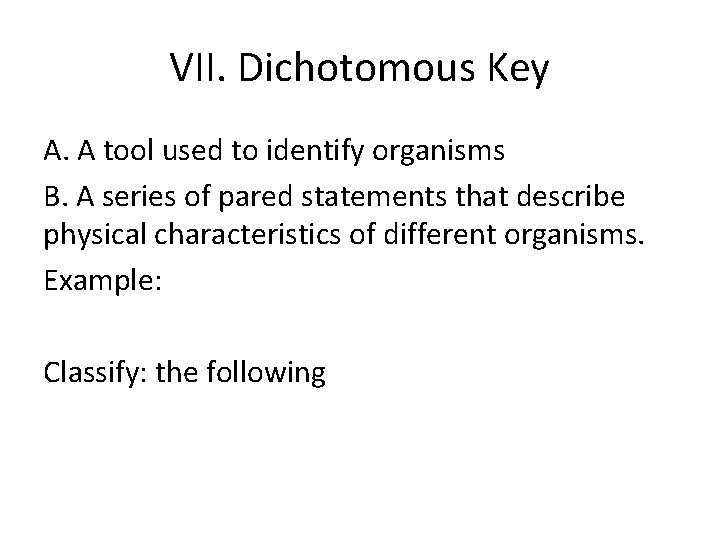
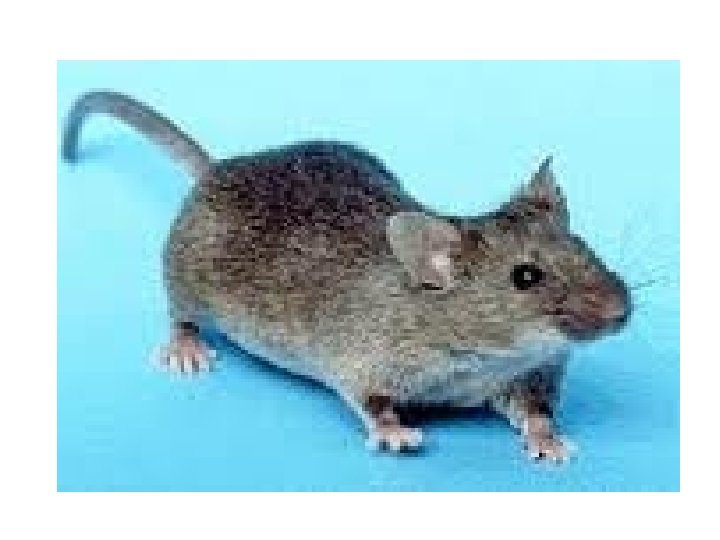
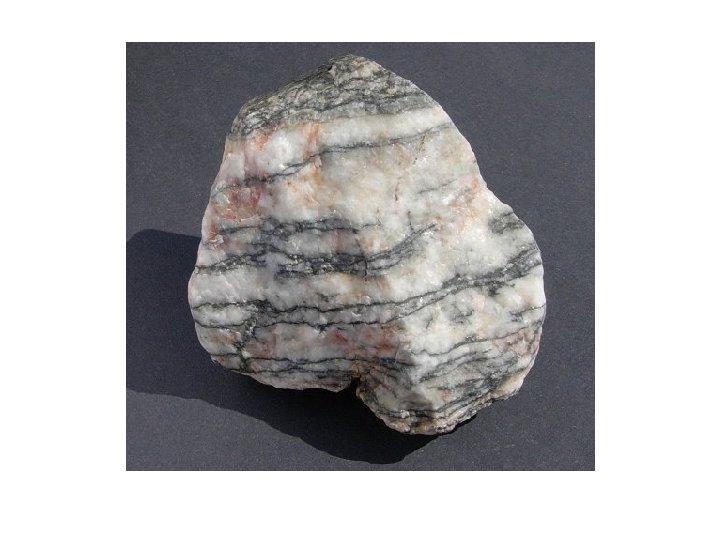
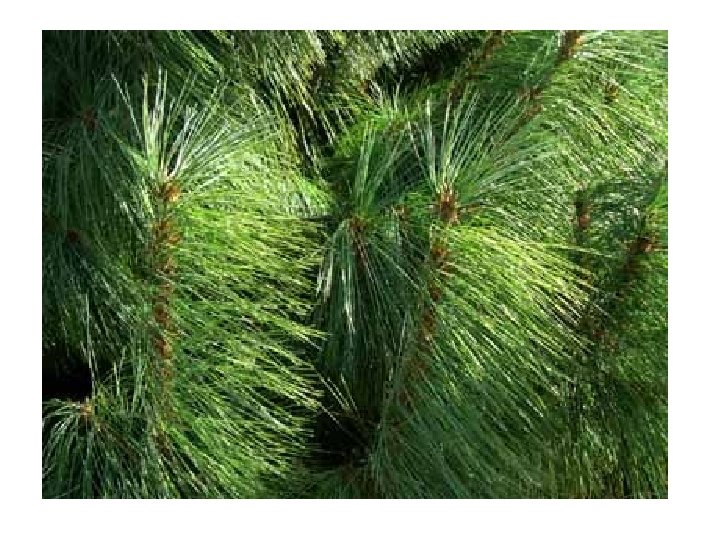
VII. Dichotomous Key A. A tool used to identify organisms B. A series of pared statements that describe physical characteristics of different organisms. Example: Classify: the following
KINGDOMS OF LIFE
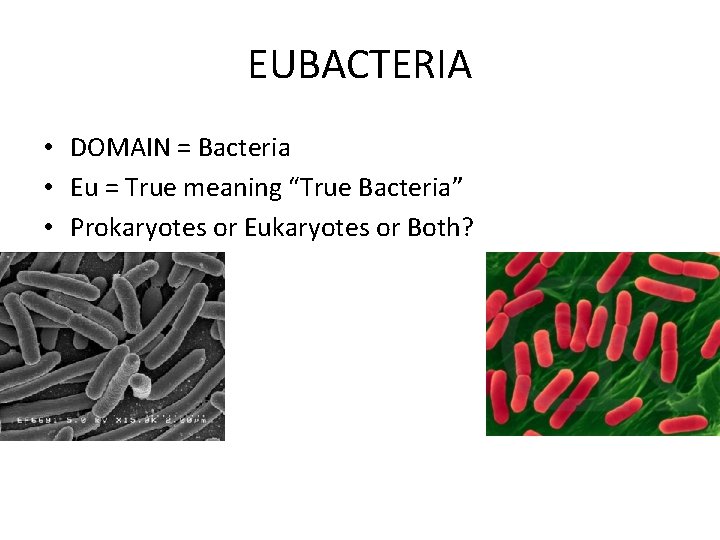
EUBACTERIA • DOMAIN = Bacteria • Eu = True meaning “True Bacteria” • Prokaryotes or Eukaryotes or Both?
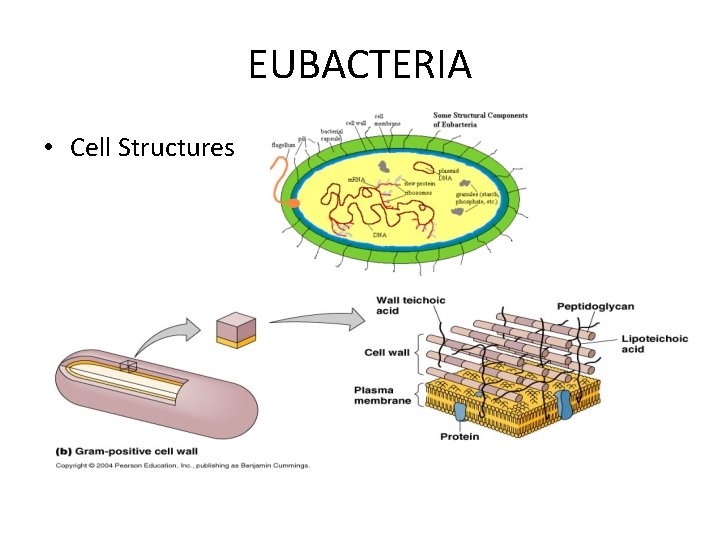
EUBACTERIA • Cell Structures
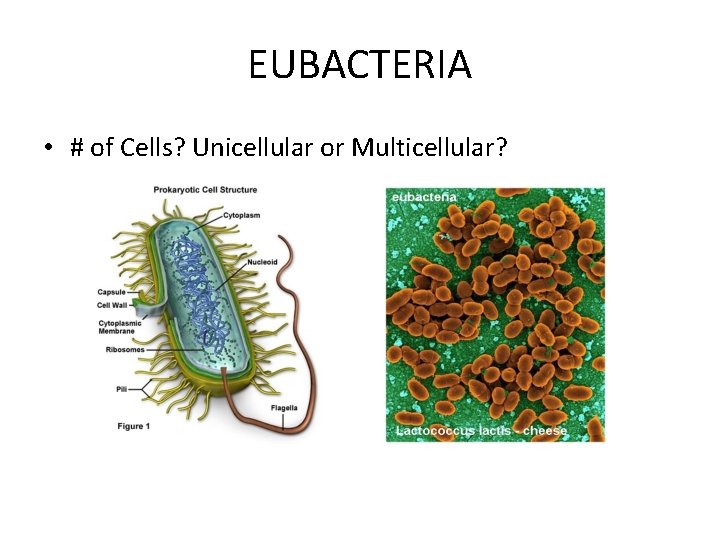
EUBACTERIA • # of Cells? Unicellular or Multicellular?
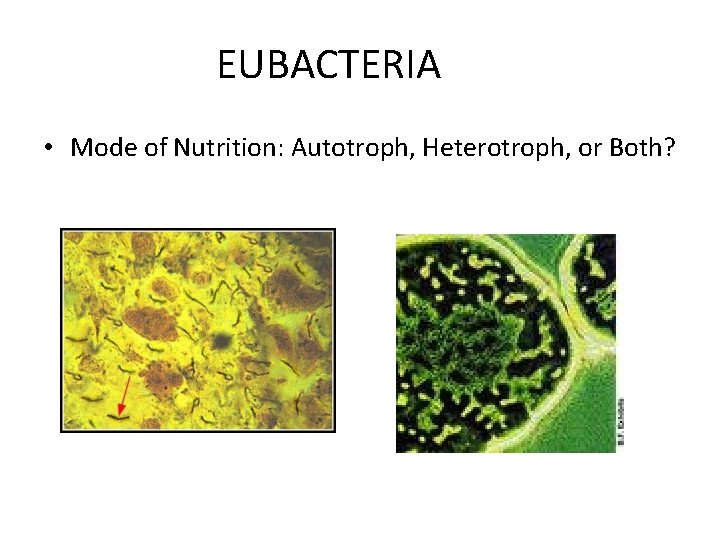
EUBACTERIA • Mode of Nutrition: Autotroph, Heterotroph, or Both?
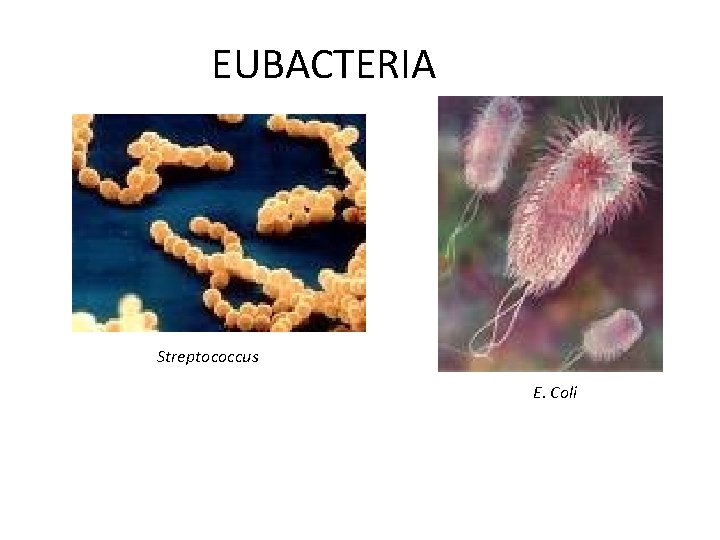
EUBACTERIA Streptococcus E. Coli
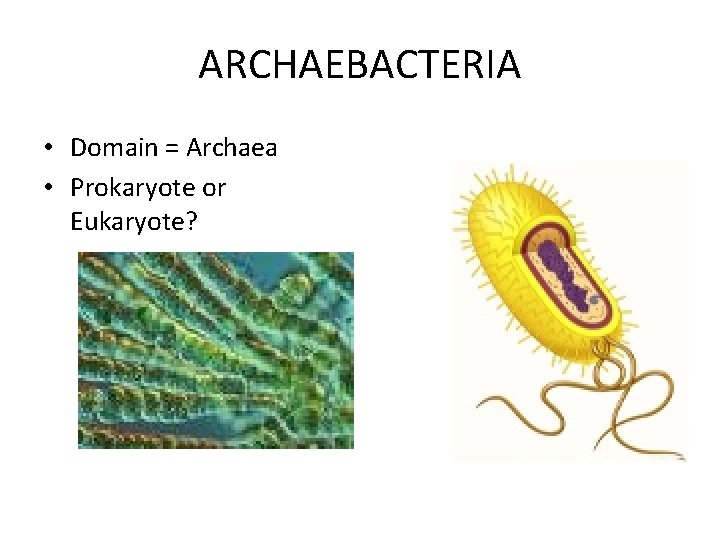
ARCHAEBACTERIA • Domain = Archaea • Prokaryote or Eukaryote?
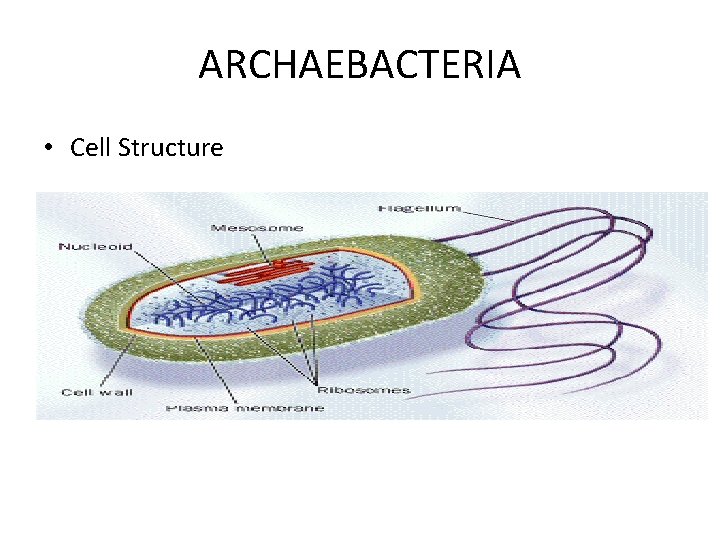
ARCHAEBACTERIA • Cell Structure
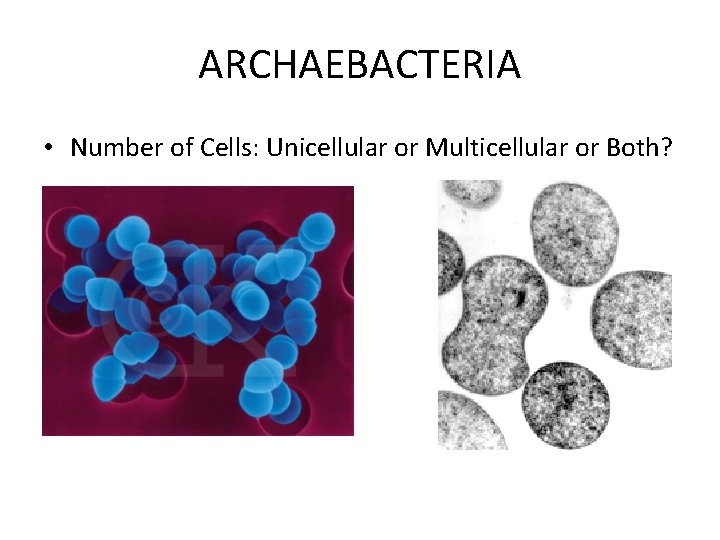
ARCHAEBACTERIA • Number of Cells: Unicellular or Multicellular or Both?
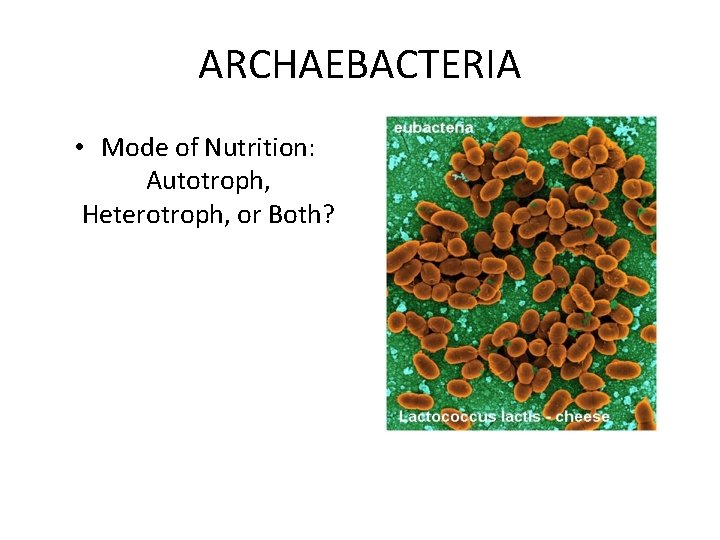
ARCHAEBACTERIA • Mode of Nutrition: Autotroph, Heterotroph, or Both?
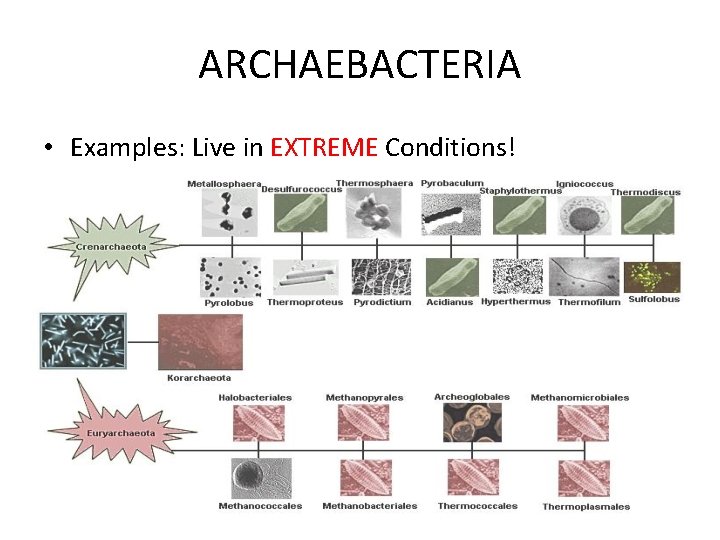
ARCHAEBACTERIA • Examples: Live in EXTREME Conditions!
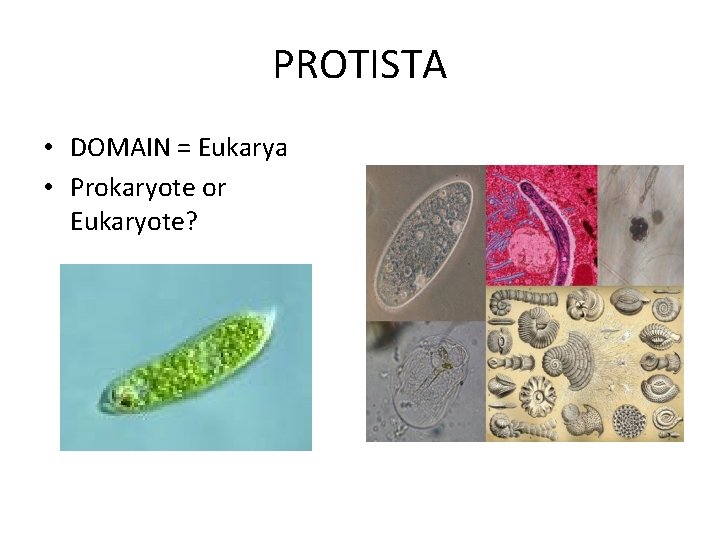
PROTISTA • DOMAIN = Eukarya • Prokaryote or Eukaryote?
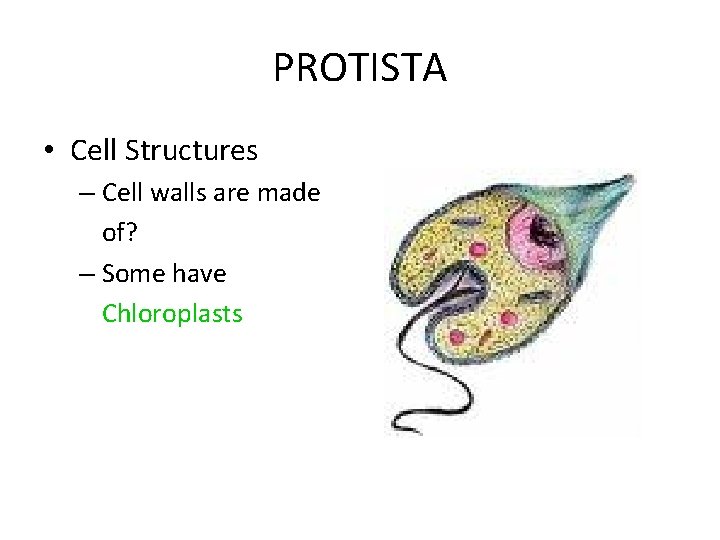
PROTISTA • Cell Structures – Cell walls are made of? – Some have Chloroplasts
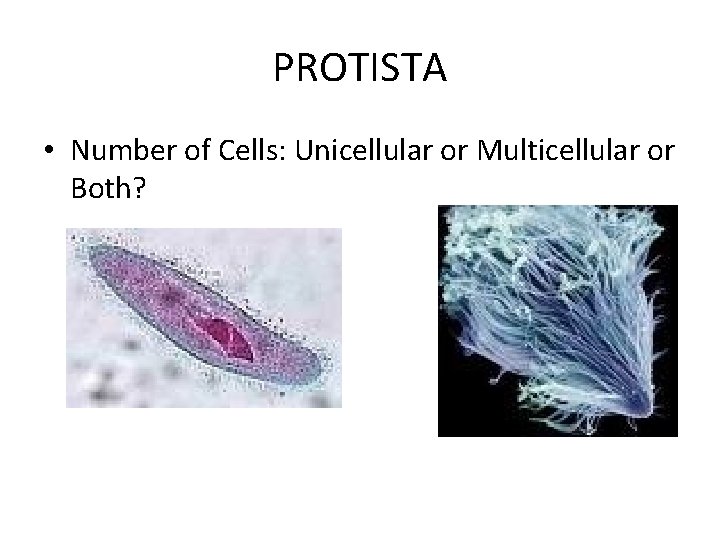
PROTISTA • Number of Cells: Unicellular or Multicellular or Both?
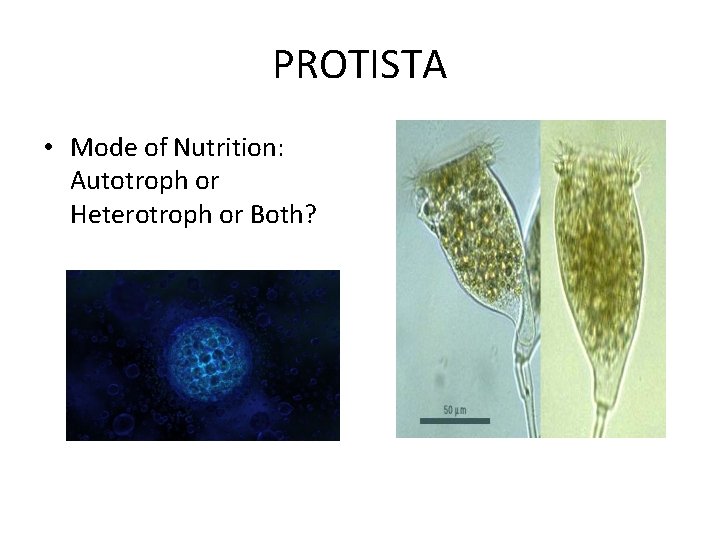
PROTISTA • Mode of Nutrition: Autotroph or Heterotroph or Both?
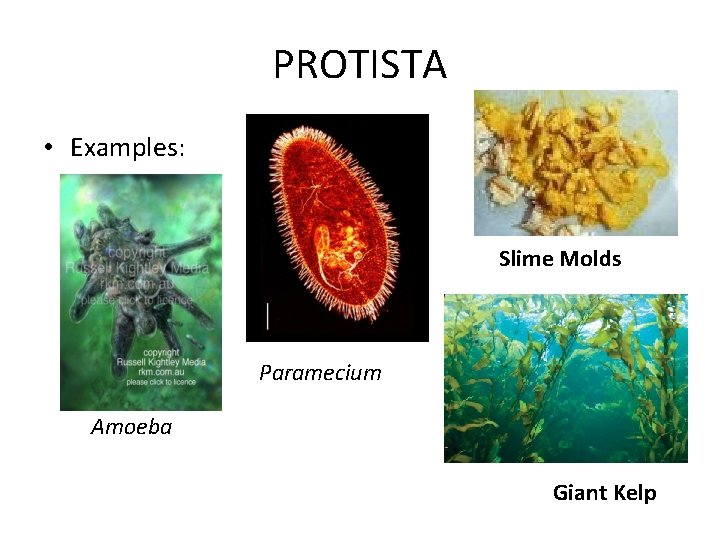
PROTISTA • Examples: Slime Molds Paramecium Amoeba Giant Kelp
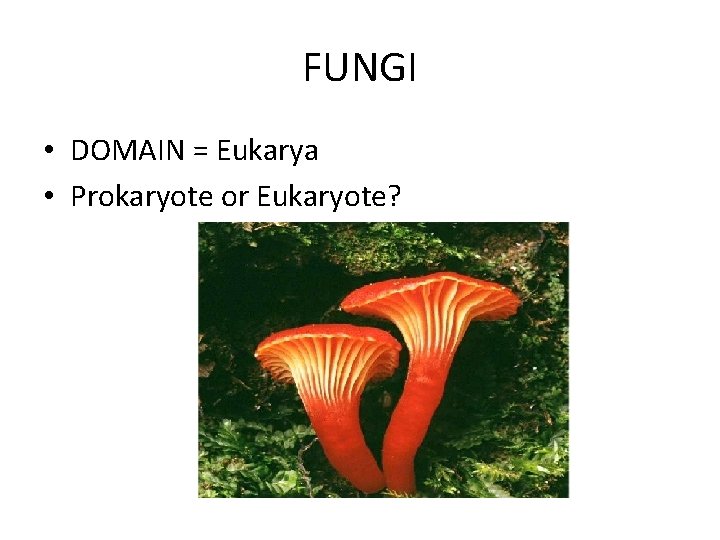
FUNGI • DOMAIN = Eukarya • Prokaryote or Eukaryote?
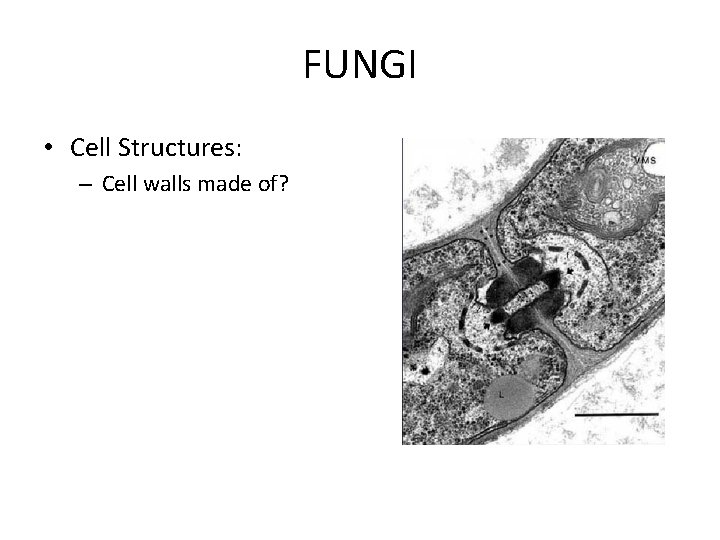
FUNGI • Cell Structures: – Cell walls made of?
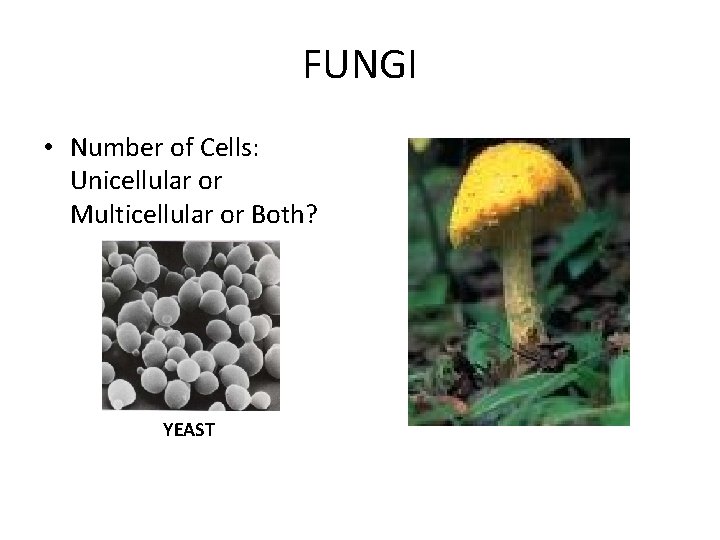
FUNGI • Number of Cells: Unicellular or Multicellular or Both? YEAST
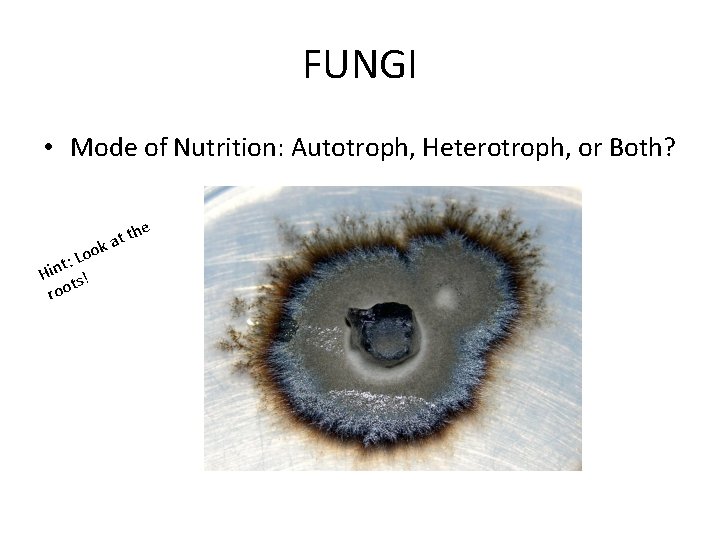
FUNGI • Mode of Nutrition: Autotroph, Heterotroph, or Both? Loo : t Hin s! t roo he t k at
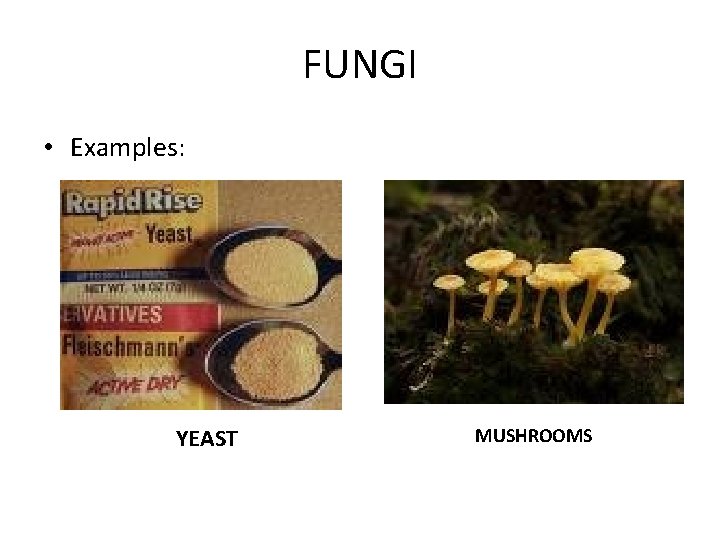
FUNGI • Examples: YEAST MUSHROOMS
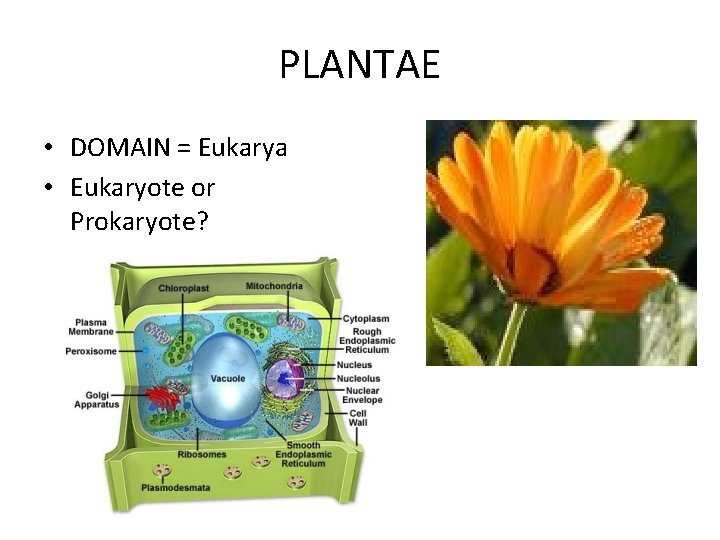
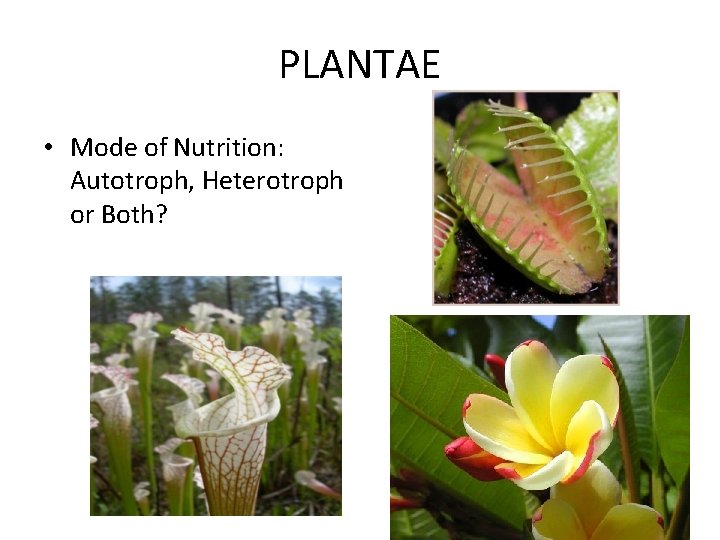
PLANTAE • DOMAIN = Eukarya • Eukaryote or Prokaryote?
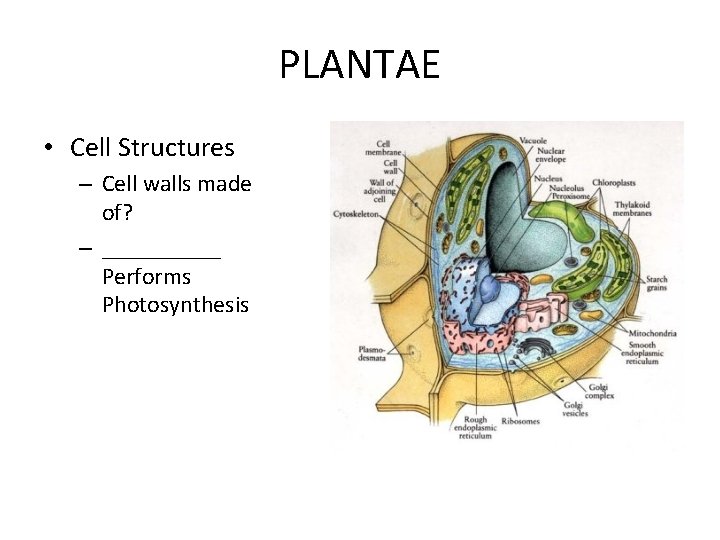
PLANTAE • Cell Structures – Cell walls made of? – _____ Performs Photosynthesis
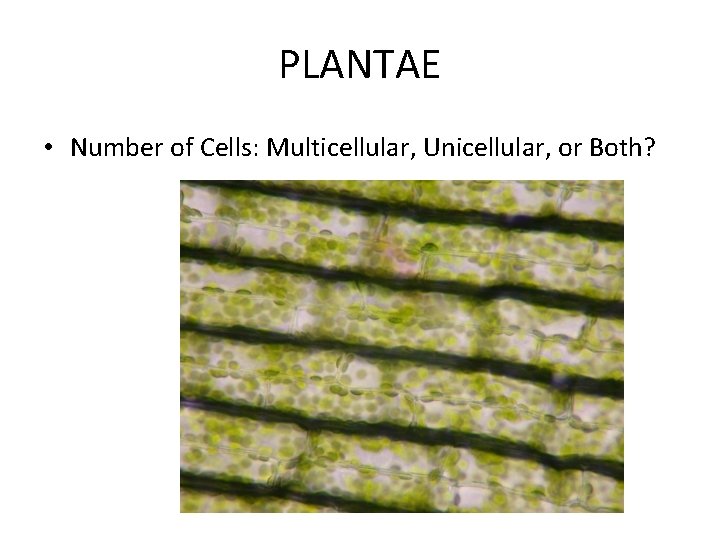
PLANTAE • Number of Cells: Multicellular, Unicellular, or Both?
PLANTAE • Mode of Nutrition: Autotroph, Heterotroph or Both?
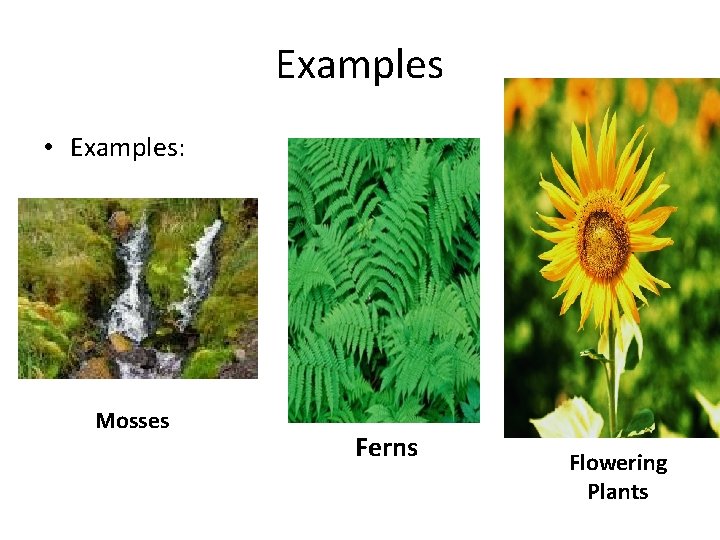
Examples • Examples: Mosses Ferns Flowering Plants
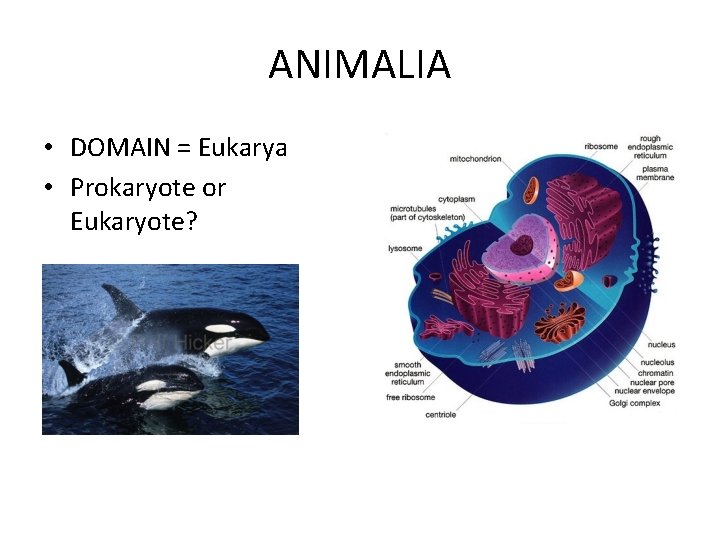
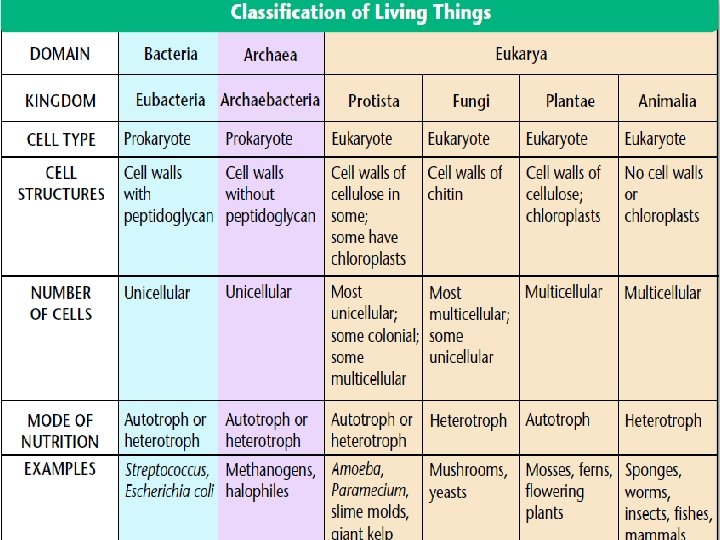
ANIMALIA • DOMAIN = Eukarya • Prokaryote or Eukaryote?
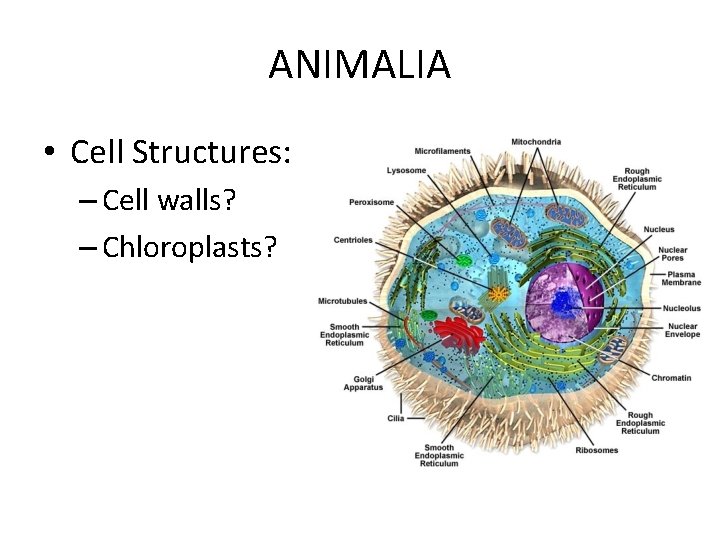
ANIMALIA • Cell Structures: – Cell walls? – Chloroplasts?
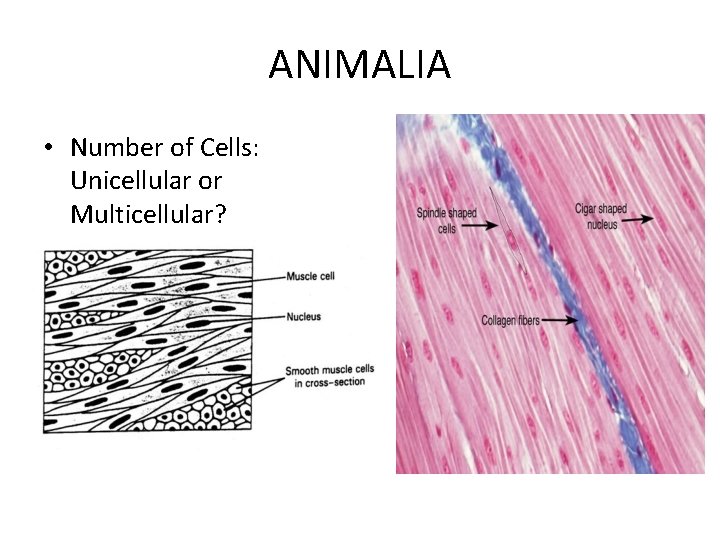
ANIMALIA • Number of Cells: Unicellular or Multicellular?
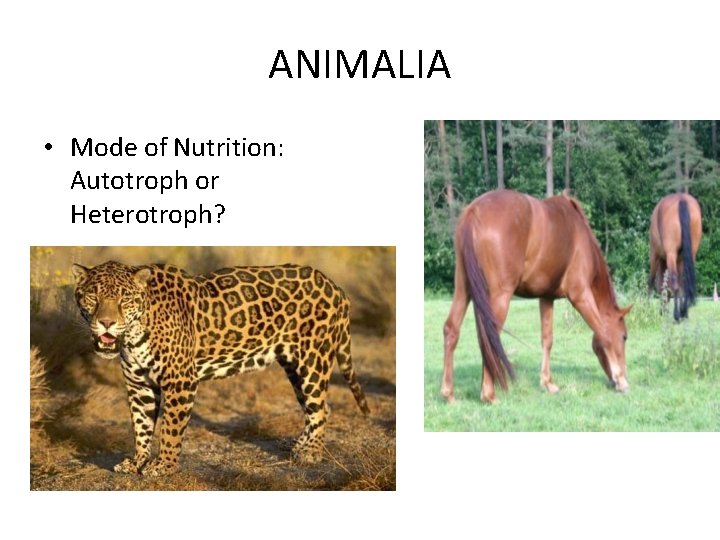
ANIMALIA • Mode of Nutrition: Autotroph or Heterotroph?
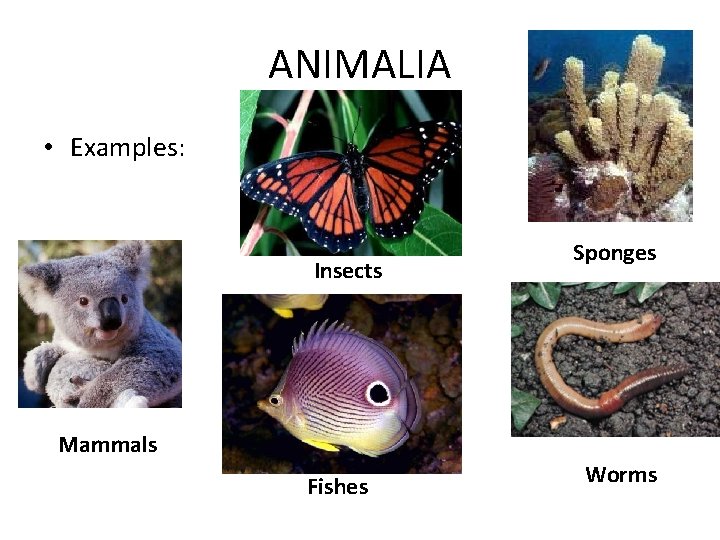
ANIMALIA • Examples: Insects Sponges Mammals Fishes Worms
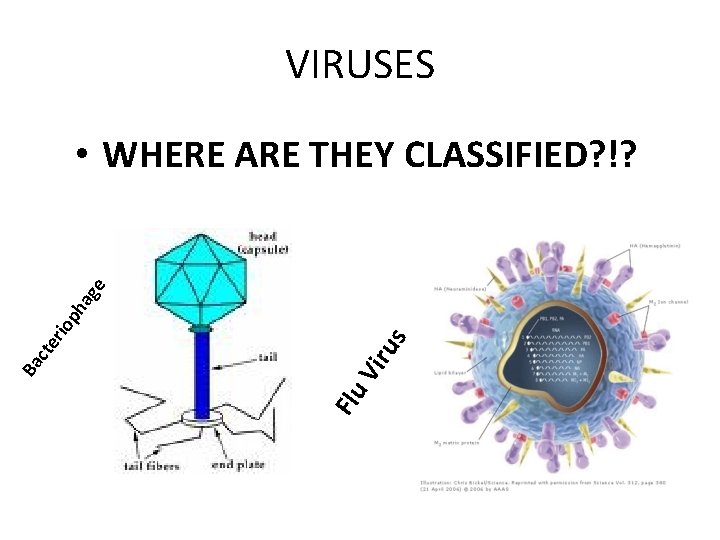
VIRUSES us Vir Flu Ba cte rio ph ag e • WHERE ARE THEY CLASSIFIED? !?
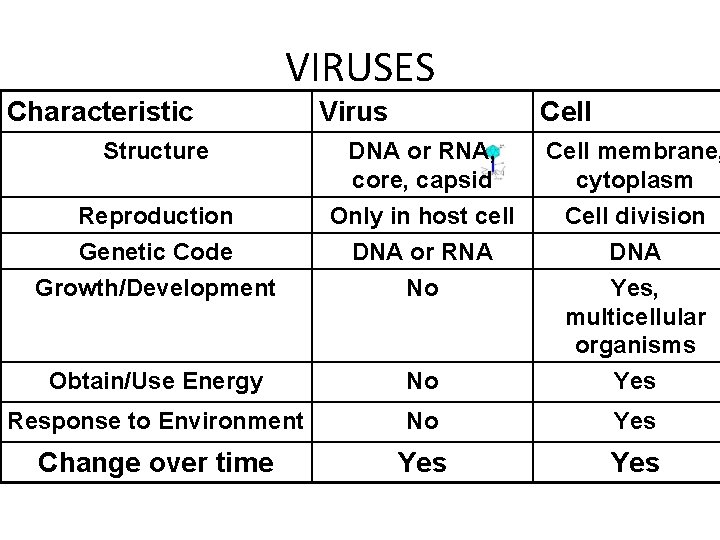
VIRUSES Characteristic Virus Cell Structure DNA or RNA, core, capsid Cell membrane, cytoplasm Reproduction Only in host cell Cell division Genetic Code Growth/Development DNA or RNA No DNA Yes, multicellular organisms Obtain/Use Energy No Yes Response to Environment No Yes Change over time Yes
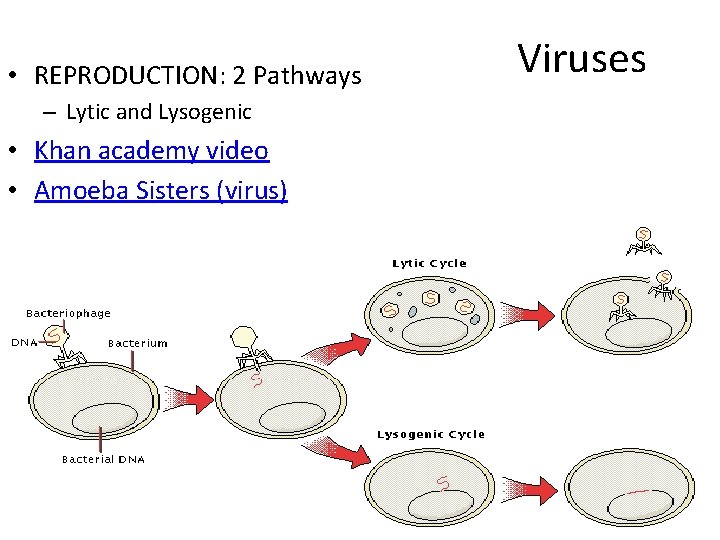
• REPRODUCTION: 2 Pathways – Lytic and Lysogenic • Khan academy video • Amoeba Sisters (virus) Viruses