
Key points for Asthma and COPD Post graduate




- Slides: 76
Key points for Asthma and COPD Post graduate students Al-Assad Hospital - 2017
A- Key Points for COPD
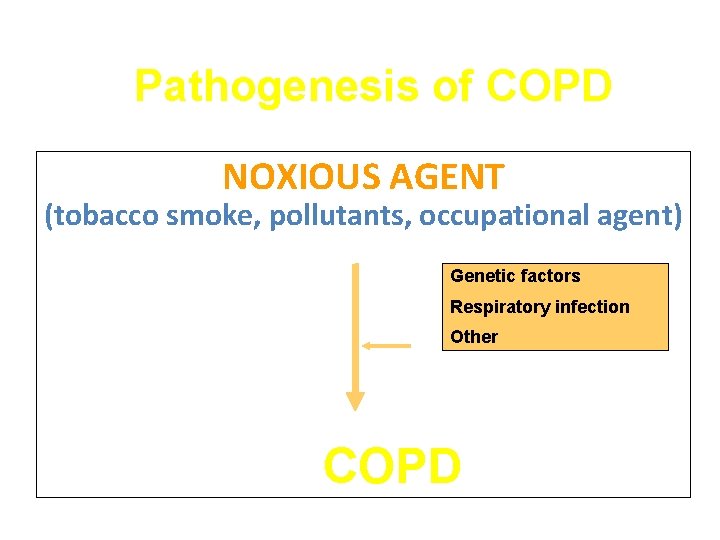
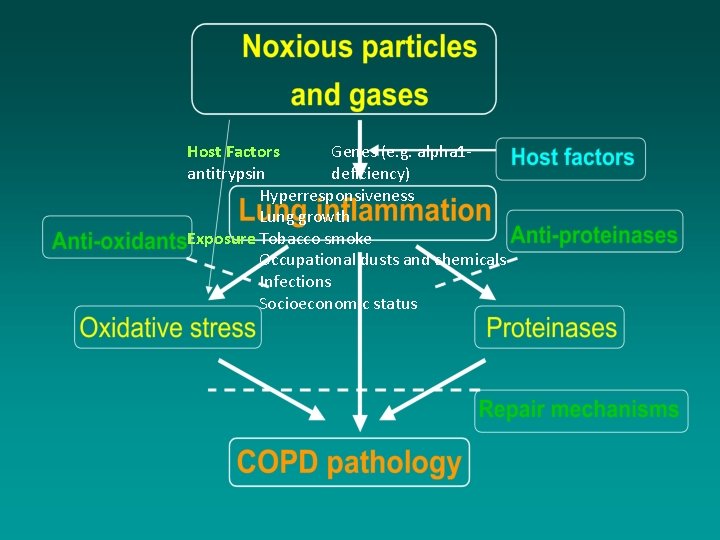
Pathogenesis of COPD NOXIOUS AGENT (tobacco smoke, pollutants, occupational agent) Genetic factors Respiratory infection Other COPD
Host Factors Genes (e. g. alpha 1 antitrypsin deficiency) Hyperresponsiveness Lung growth Exposure Tobacco smoke Occupational dusts and chemicals Infections Socioeconomic status
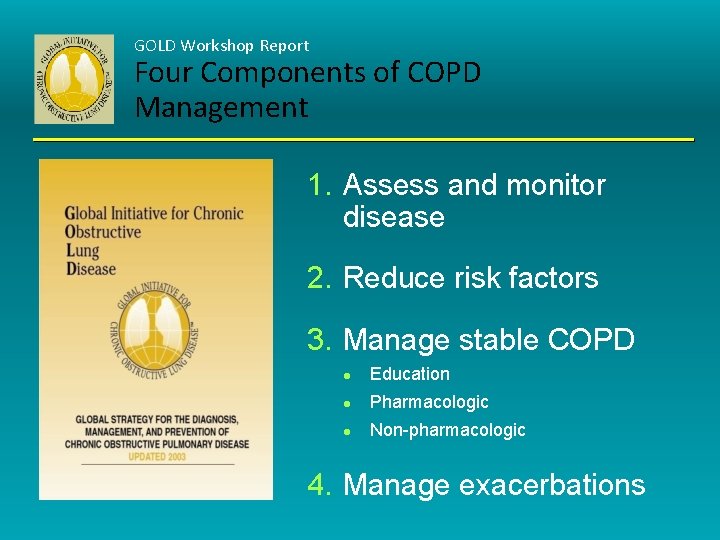
GOLD Workshop Report Four Components of COPD Management 1. Assess and monitor disease 2. Reduce risk factors 3. Manage stable COPD l Education l Pharmacologic l Non-pharmacologic 4. Manage exacerbations
Assess and Monitor COPD • Diagnosis • Classification • Follow up
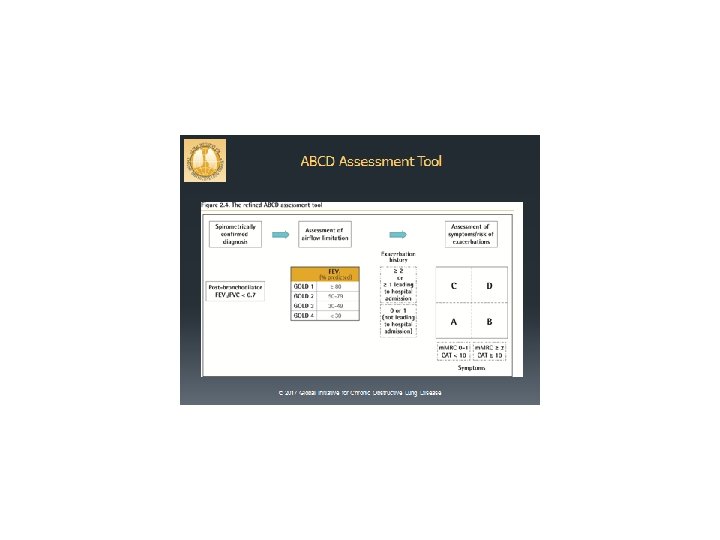
Diagnosis • Early diagnosis : if Smoker, or Risk factor, and chronic cough or sputum or dyspnea: perform spirometry • Spirometry is key FEV 1/FVC <70% after BD, and far from exacerbation • Assessment of COPD : FEV 1 grade, m. MRC dyspnea scale, CAT, exacerbations. Plus comorbidities
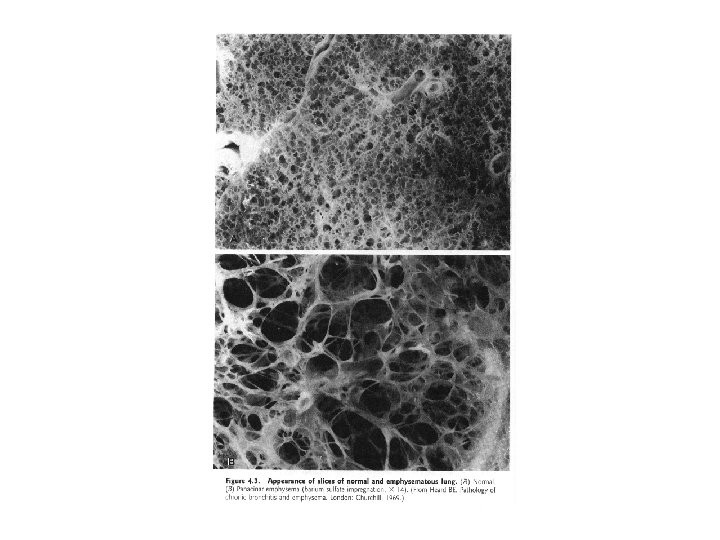
Not to commit errors • Chronic Bronchitis is not COPD • Emphysema is last stage of COPD
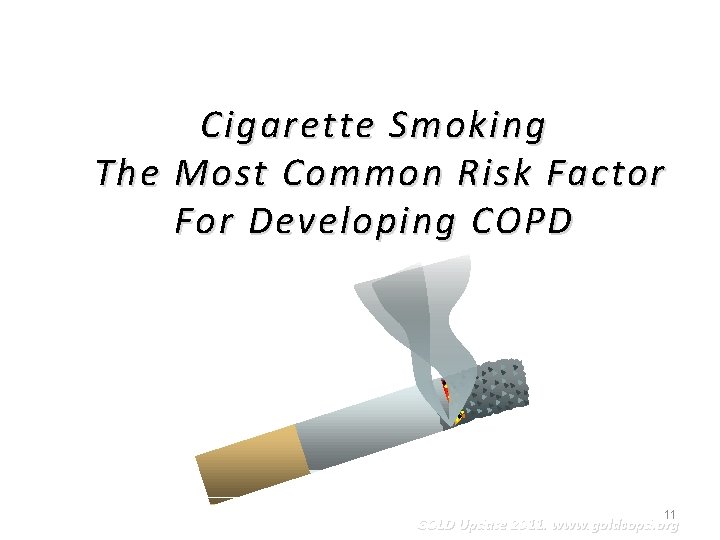
Cigarette Smoking The Most Common Risk Factor For Developing COPD 11 GOLD Update 2011. www. goldcopd. org
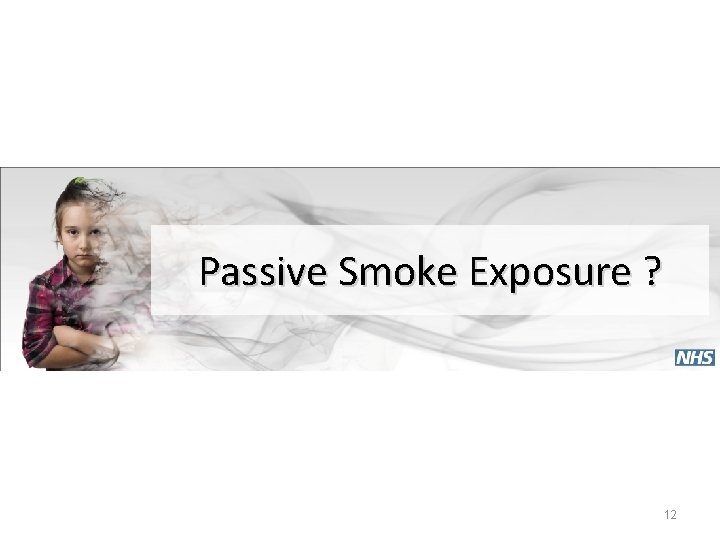
Passive Smoke Exposure ? 12
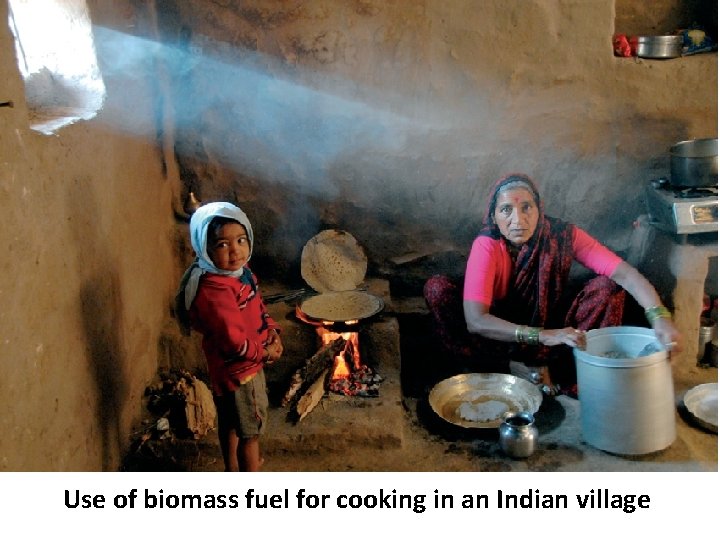
Use of biomass fuel for cooking in an Indian village
Classification
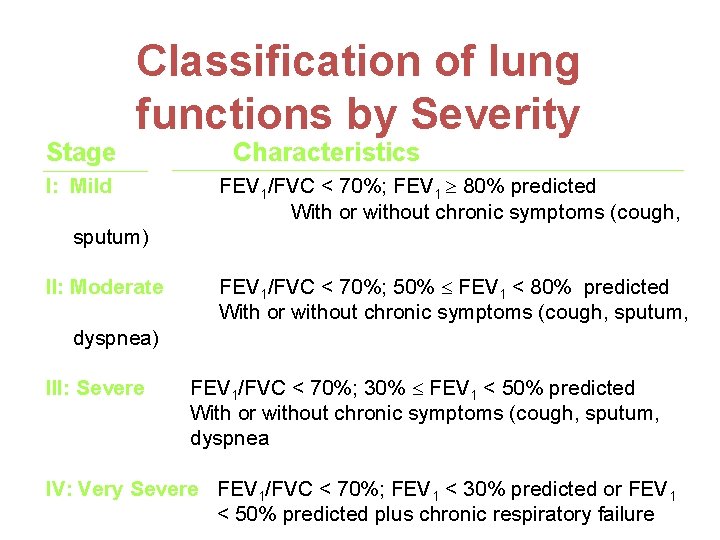
Stage Classification of lung functions by Severity I: Mild Characteristics FEV 1/FVC < 70%; FEV 1 ³ 80% predicted With or without chronic symptoms (cough, sputum) II: Moderate FEV 1/FVC < 70%; 50% £ FEV 1 < 80% predicted With or without chronic symptoms (cough, sputum, dyspnea) III: Severe FEV 1/FVC < 70%; 30% £ FEV 1 < 50% predicted With or without chronic symptoms (cough, sputum, dyspnea) IV: Very Severe FEV 1/FVC < 70%; FEV 1 < 30% predicted or FEV 1 < 50% predicted plus chronic respiratory failure
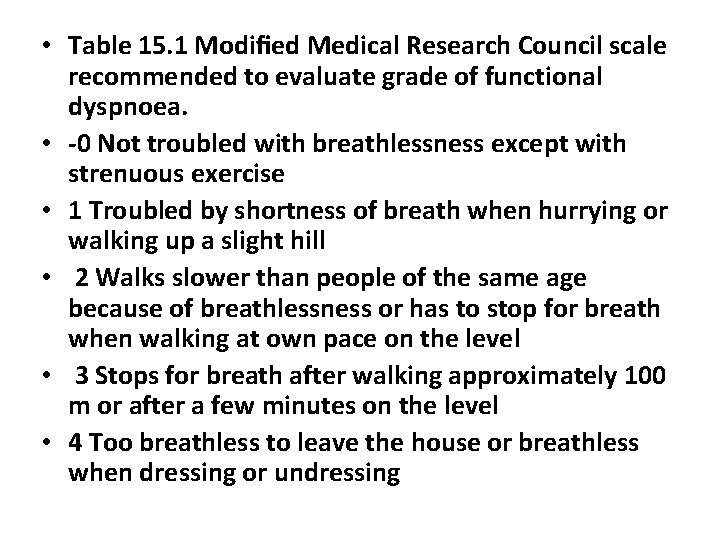
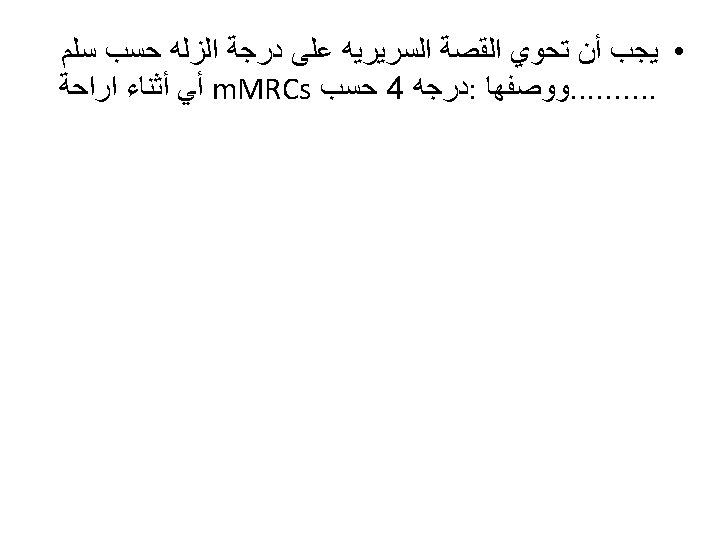
• Table 15. 1 Modified Medical Research Council scale recommended to evaluate grade of functional dyspnoea. • -0 Not troubled with breathlessness except with strenuous exercise • 1 Troubled by shortness of breath when hurrying or walking up a slight hill • 2 Walks slower than people of the same age because of breathlessness or has to stop for breath when walking at own pace on the level • 3 Stops for breath after walking approximately 100 m or after a few minutes on the level • 4 Too breathless to leave the house or breathless when dressing or undressing
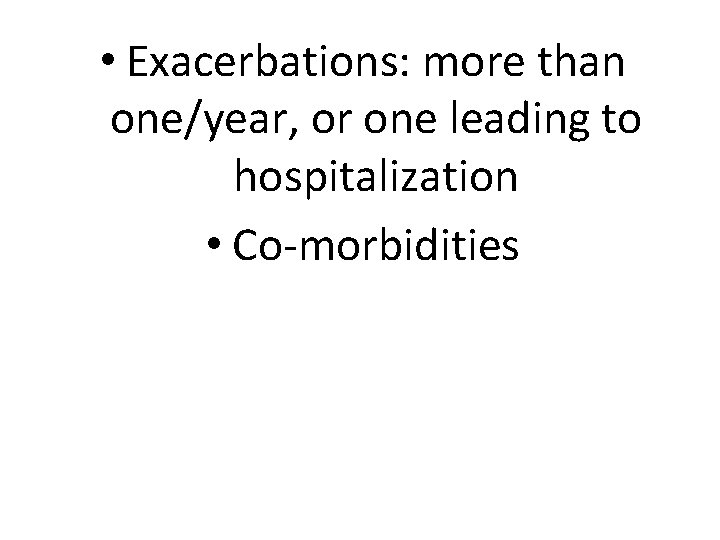
• Exacerbations: more than one/year, or one leading to hospitalization • Co-morbidities
• Measurement of arterial blood gas tension should be considered in all patients with FEV 1 < 40% predicted or clinical signs suggestive of respiratory failure or right heart failure. Or Sp. O 2<92%
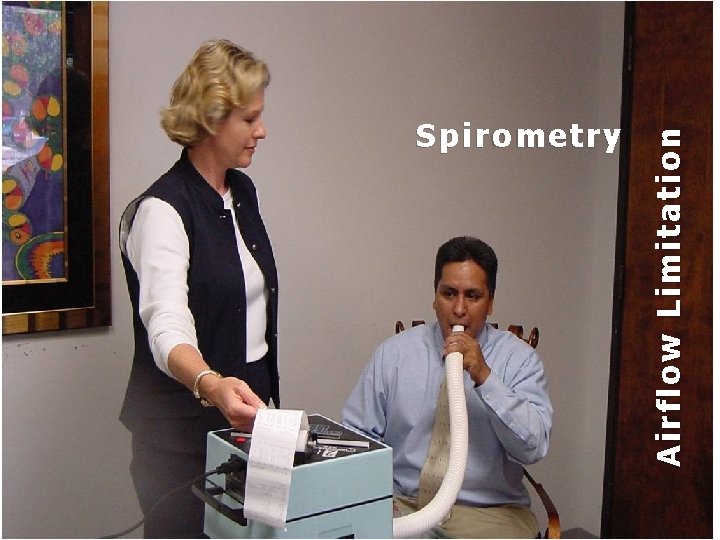
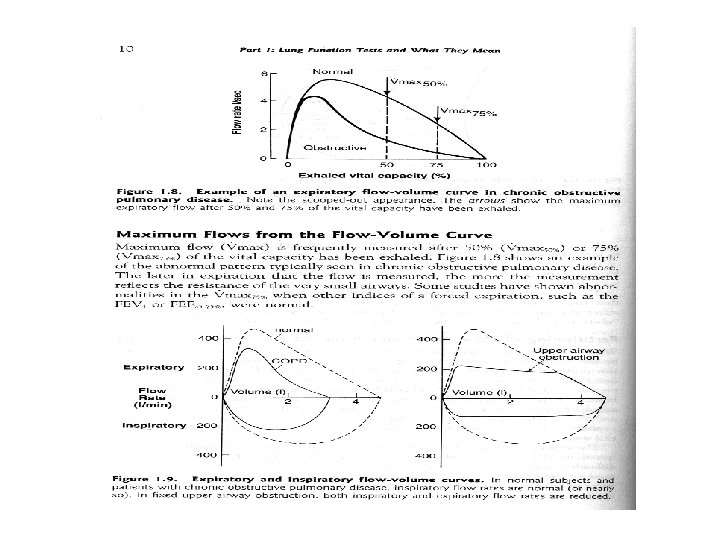
Airflow Limitation Spirometry
2016
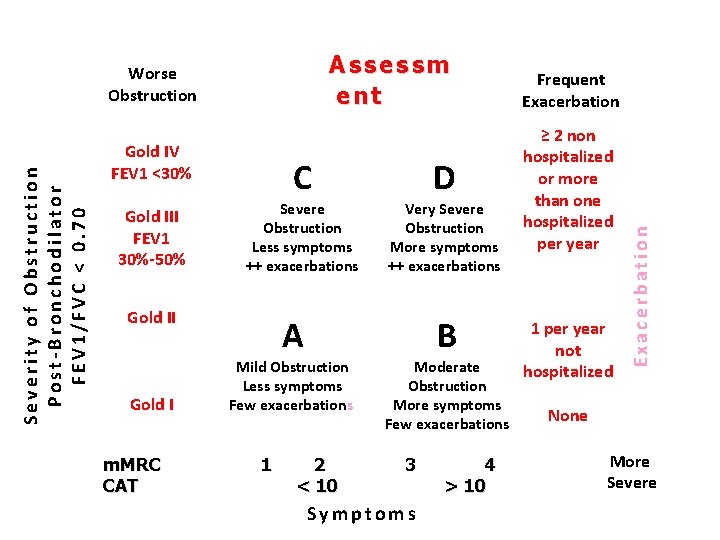
Severity of Obstruction Post-Bronchodilator FEV 1/FVC < 0. 70 H Worse Obstruction Ri sk COPD A s s e s s m ent Gold IV FEV 1 <30% Gold III FEV 1 30%-50% Gold II FEV 1 50%-80% Gold I FEV 1 ≥ 80% m. MRC CAT C Severe Obstruction Less symptoms ++ exacerbations A Mild Obstruction Less symptoms Few exacerbations 1 2 < 10 gh i H D Very Severe Obstruction More symptoms ++ exacerbations B Moderate Obstruction More symptoms Few exacerbations 3 Symptoms 4 > 10 Ri Frequent Exacerbation ≥ 2 non hospitalized or more than one hospitalized per year 1 per year not hospitalized sk Exacerbation igh None More Severe
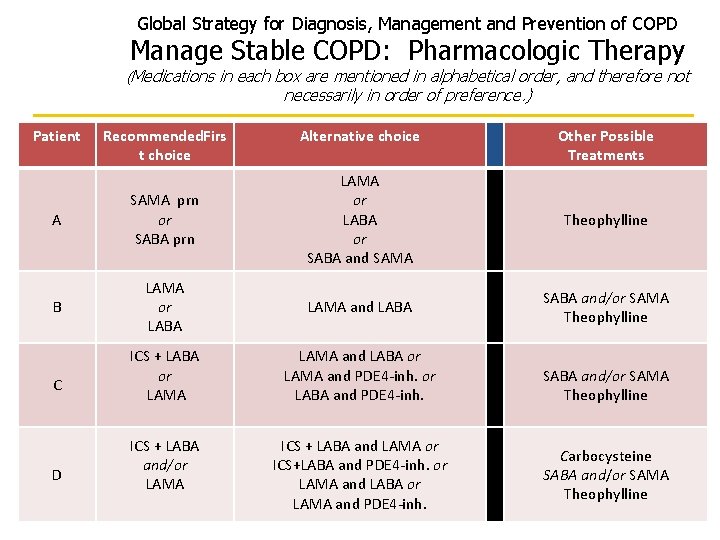
Global Strategy for Diagnosis, Management and Prevention of COPD Manage Stable COPD: Pharmacologic Therapy (Medications in each box are mentioned in alphabetical order, and therefore not necessarily in order of preference. ) Patient Recommended. Firs t choice Alternative choice Other Possible Treatments A SAMA prn or SABA prn LAMA or LABA or SABA and SAMA Theophylline B LAMA or LABA LAMA and LABA SABA and/or SAMA Theophylline ICS + LABA or LAMA and PDE 4 -inh. or LABA and PDE 4 -inh. ICS + LABA and/or LAMA ICS + LABA and LAMA or ICS+LABA and PDE 4 -inh. or LAMA and LABA or LAMA and PDE 4 -inh. C D SABA and/or SAMA Theophylline Carbocysteine SABA and/or SAMA Theophylline
2017
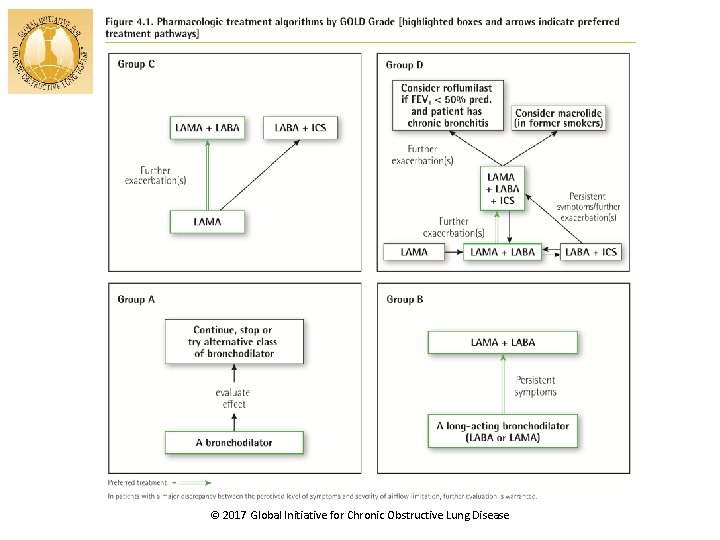
Treatment of Stable COPD © 2017 Global Initiative for Chronic Obstructive Lung Disease
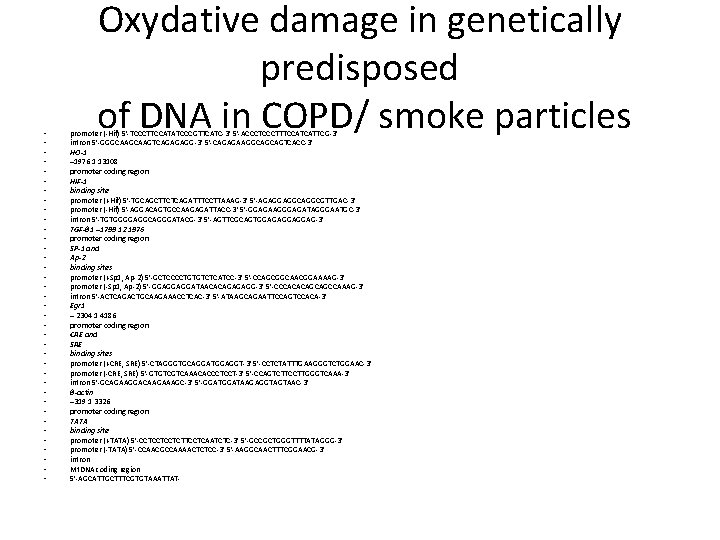
• • • • • • • • • • Oxydative damage in genetically predisposed of DNA in COPD/ smoke particles promoter (-Hif) 5′-TCCCTTCCATATCCCGTTCATC-3′ 5′-ACCCTTTCCATCATTCG-3′ intron 5′-GGGCAAGTCAGAGAGG-3′ 5′-CAGAGAAGGCAGCAGTCACC-3′ HO-1 – 1976 1 13108 promoter coding region HIF-1 binding site promoter (+Hif) 5′-TGCAGCTTCTCAGATTTCCTTAAAG-3′ 5′-AGAGGAGGCGTTGAC-3′ promoter (-Hif) 5′-AGGACAGTGCCAAGAGATTACC-3′ 5′-GGAGAAGGGAGATAGGGAATGC-3′ intron 5′-TGTGGGGAGGCAGGGATACG-3′ 5′-AGTTCGCAGTGGAGAGGAGGAG-3′ TGF-β 1 – 1799 1 21976 promoter coding region SP-1 and Ap-2 binding sites promoter (+Sp 1, Ap-2) 5′-GCTCCCCTGTGTCTCATCC-3′ 5′-CCAGCGGCAACGGAAAAG-3′ promoter (-Sp 1, Ap-2) 5′-GGAGGAGGATAACACAGAGAGG-3′ 5′-CCCACACAGCAGCCAAAG-3′ intron 5′-ACTCAGACTGCAAGAAACCTCAC-3′ 5′-ATAAGCAGAATTCCAGTCCACA-3′ Egr 1 – 2304 1 4186 promoter coding region CRE and SRE binding sites promoter (+CRE, SRE) 5′-CTAGGGTGCAGGATGGAGGT-3′ 5′-CCTCTATTTGAAGGGTCTGGAAC-3′ promoter (-CRE, SRE) 5′-GTGTCGTCAAACACCCTCCT-3′ 5′-CCAGTCTTCCTTGGGTCAAA-3′ intron 5′-GCAGAAGGACAAGAAAGC-3′ 5′-GGATAAGAGGTAGTAAC-3′ β-actin – 319 1 3326 promoter coding region TATA binding site promoter (+TATA) 5′-CCTCCTCCTCTTCCTCAATCTC-3′ 5′-GCCGCTGGGTTTTATAGGG-3′ promoter (-TATA) 5′-CCAACGCCAAAACTCTCC-3′ 5′-AAGGCAACTTTCGGAACG-3′ intron Mt. DNA coding region 5′-AGCATTGCTTTCGTGTAAATTAT-
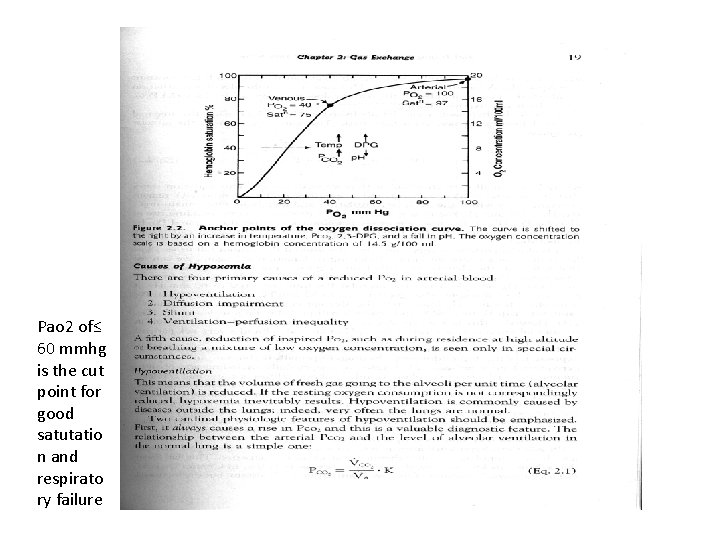
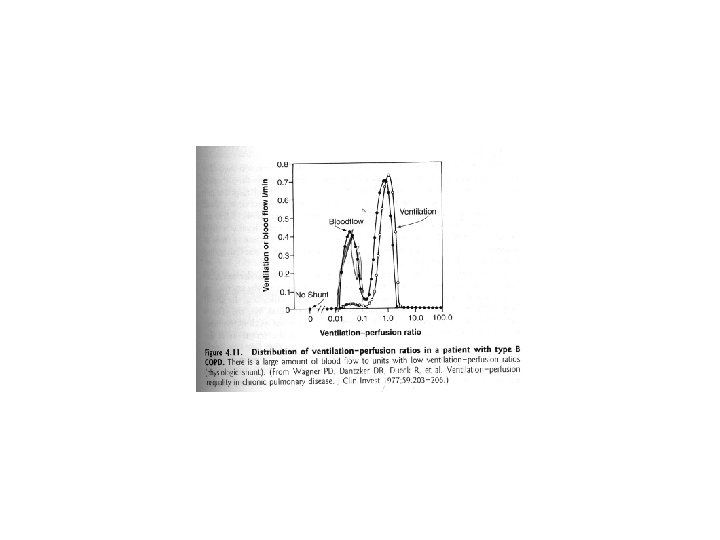
Pao 2 of≤ 60 mmhg is the cut point for good satutatio n and respirato ry failure
New research • Emerging biomarkers: Phenotype/endotype Surfactant D Eosinopphils, BNP • DLCO • Clinical diagnosis? ? ?
How to treat • Every patient presenting m MRC scale≥ 2, or CAT> 18, 1 exacerbation leading to hospitalization, or 2 exacerbations as outpatients should be prescribed daily treatment with LABA or LAMA or Both • For ALL: SABA, or SAMA as needed • ICS lowest doses only for very severe exacerbations, In combination with LABA, LAMA Because provoque pneumonia, and withdrawal syndromes • Consider co-morbidities
Place of ICS • Studies stating the benefit of ICS or ICS+LABA in COPD suffer of methodological Bias • More robust Studies showed Non effect on mortality, exacerbation, FEV 1 decline or quality of life. But severe pneumonia and withdrwal syndrom • Prefered not to use • Only if eosinophilic in sputum phenotype
Phenotypes of COPD needing ICS in combination • • If ACO If eosinophilia more than 3% or 200 -300 If exacerbations needing hospitalistion ERJ
Betablockers and CHF • 30% of CHR have COPD. • B blockers users, live longer than the non users. • But Pisolol users live longer than Cardivolol users.
Other treatments • • • Vaccination for Influanzae and Pneumococcal Rehabilitation Stop smoking Long term oxygen 15 hours, if Pa. O 2<55 mmhg Two times. OR 60 plus core pulmonal, PHT, HT>55
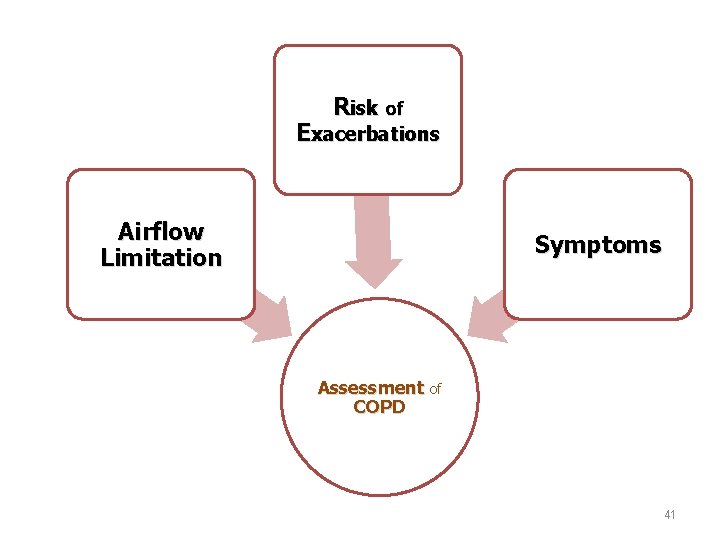
Risk of Exacerbations Airflow Limitation Symptoms Assessment of COPD 41
Key Points For Asthma
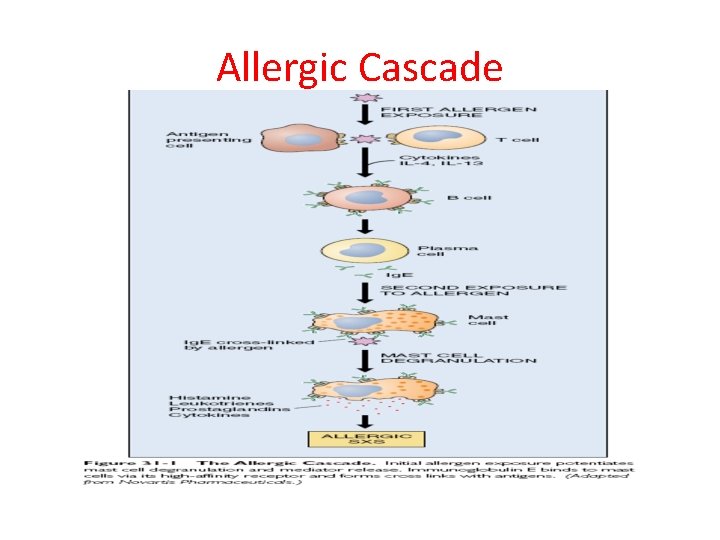
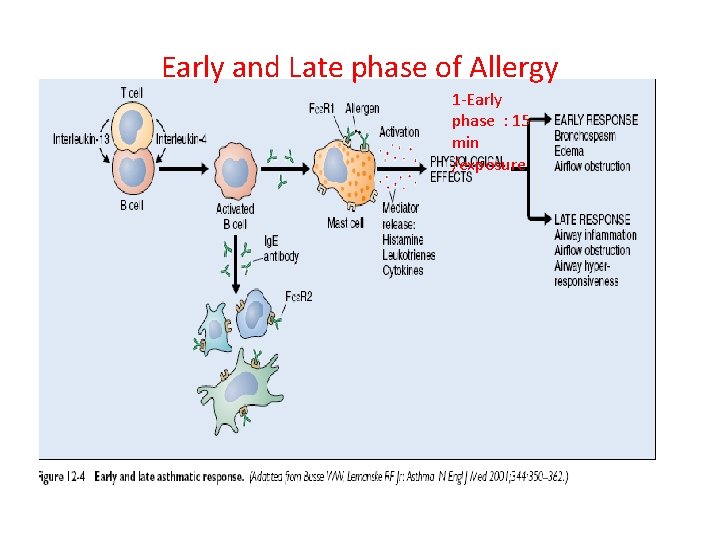
Allergic Cascade
Early and Late phase of Allergy 1 -Early phase : 15 min /exposure
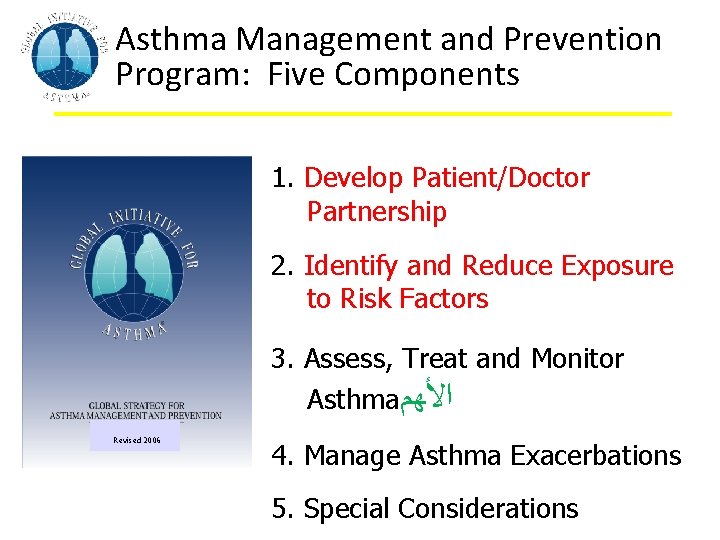
Asthma Management and Prevention Program: Five Components 1. Develop Patient/Doctor Partnership 2. Identify and Reduce Exposure to Risk Factors 3. Assess, Treat and Monitor Asthma ﺍﻷﻬﻢ Revised 2006 4. Manage Asthma Exacerbations 5. Special Considerations
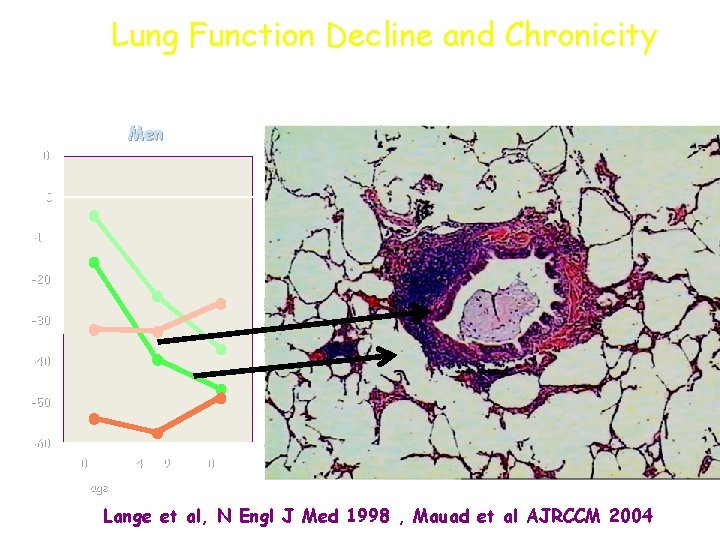
Lung Function Decline and Chronicity Men 10 0 -10 -20 -30 -40 -50 -60 20 -39 40 -59 60 -79 age Lange et al, N Engl J Med 1998 , Mauad et al AJRCCM 2004
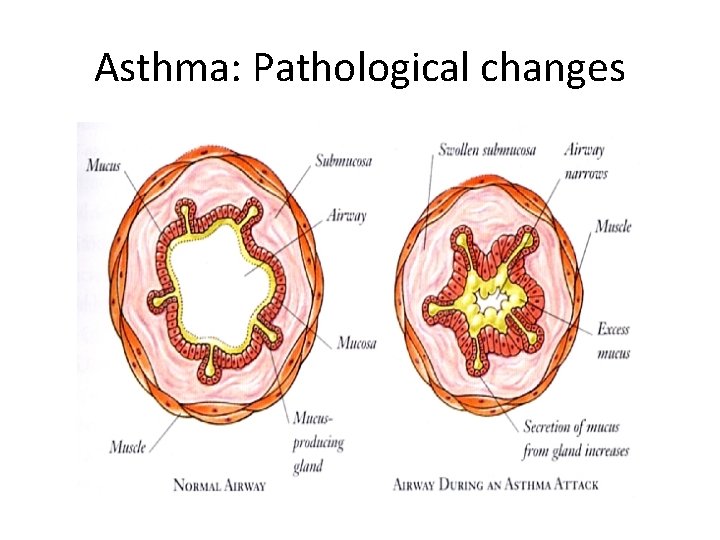
Asthma: Pathological changes
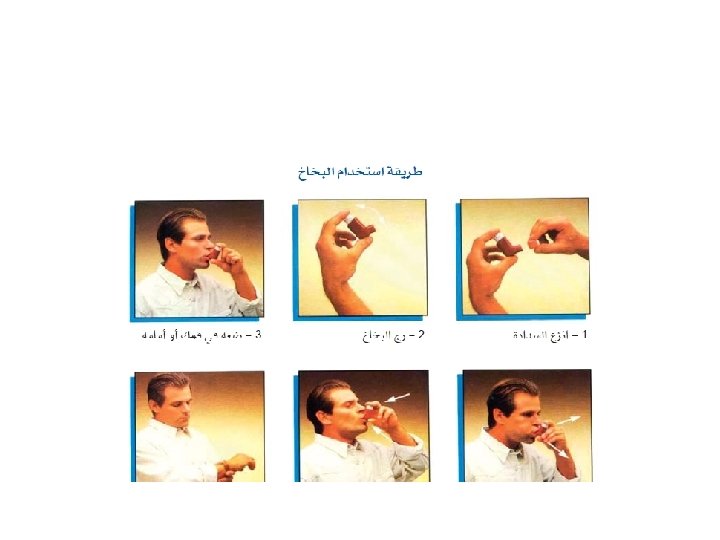
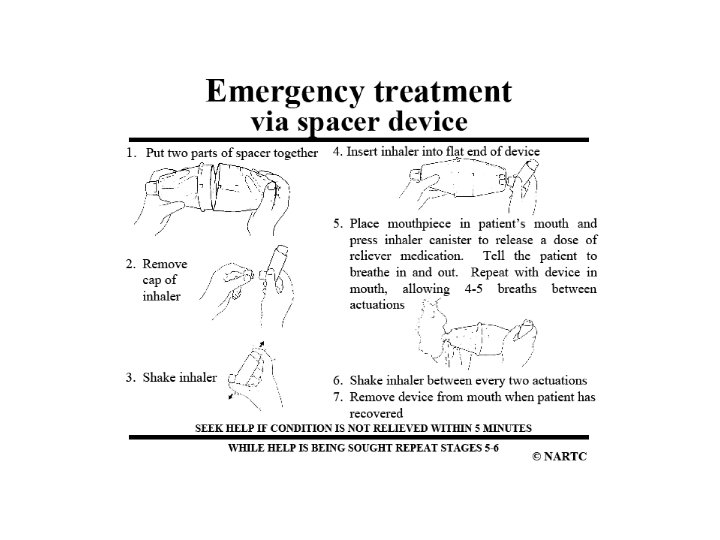
The formulation of MDIs is contained in canisters under pressure and contains propellants, such as chlorofluorocarbons or hydrofluoroalkans, for aerosolization. In accordance with the Montreal Protocol, the use of chlorofluorocarbons in inhalers is being phased out and replaced by hydrofluoroalkans or by devices that do not use propellants.
Difficult asthma • It is not Asthma • Compliance is an issue • Co-morbid conditions and persisting triggers interfere with potential control • It is really severe Asthma
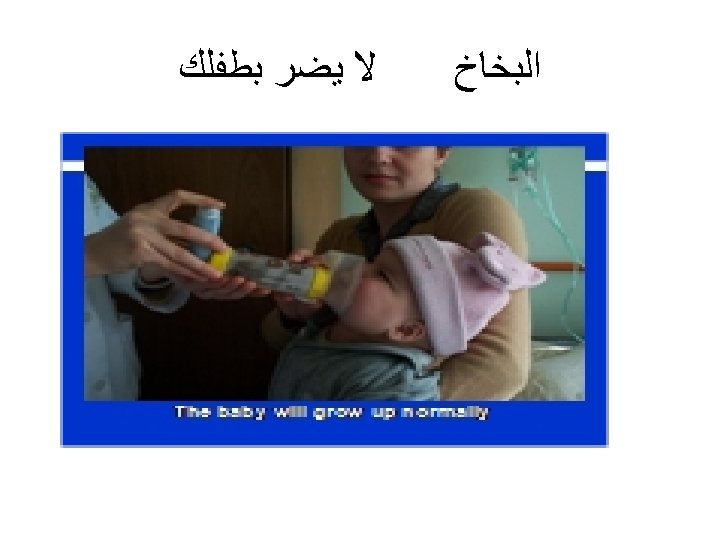
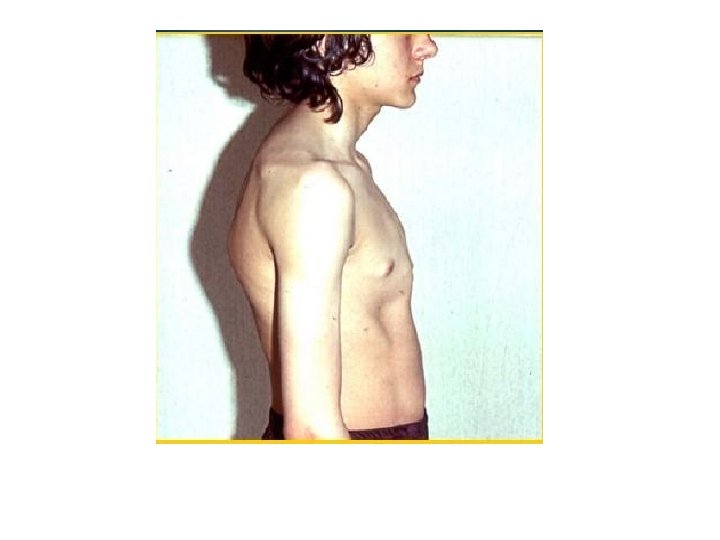
Inhaled corticosteroids prevent chest deformation of the child
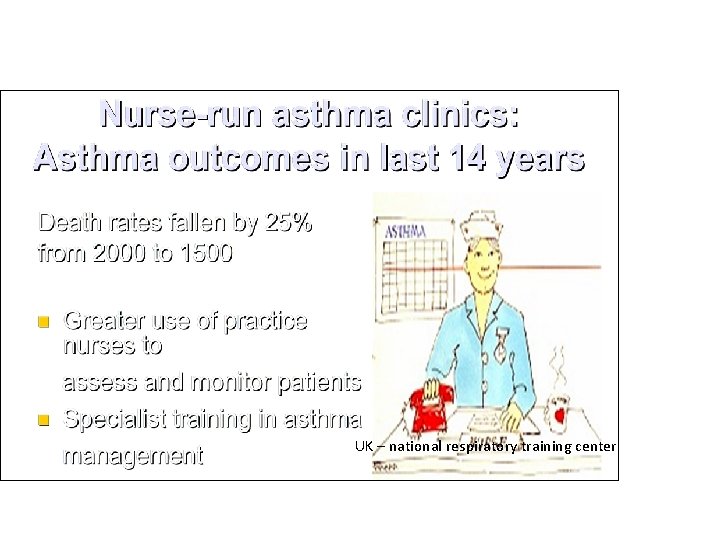
UK – national respiratory training center
Miscellaneous outcomes • Radiology: CT spiral multislices, Correlates with histology and physiology(FEV 1, TLC) • Biological markers? Not yet • Soft Outcomes: Diary card, etc. . • Composite outcomes: BODE
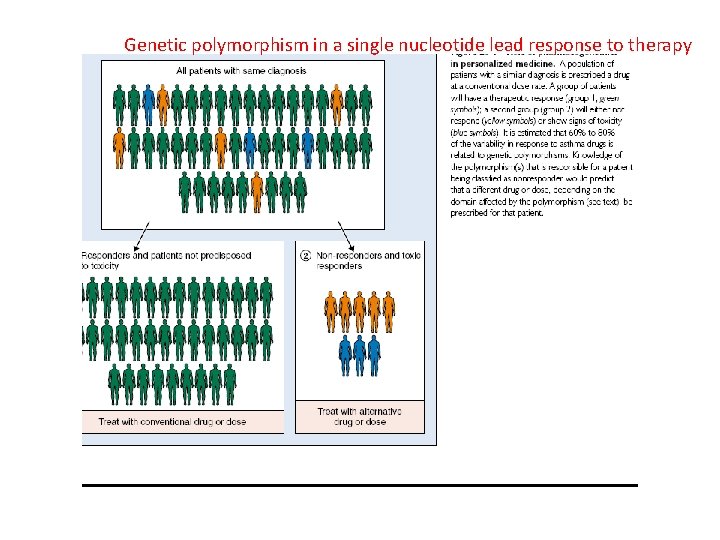
Genetic polymorphism in a single nucleotide lead response to therapy
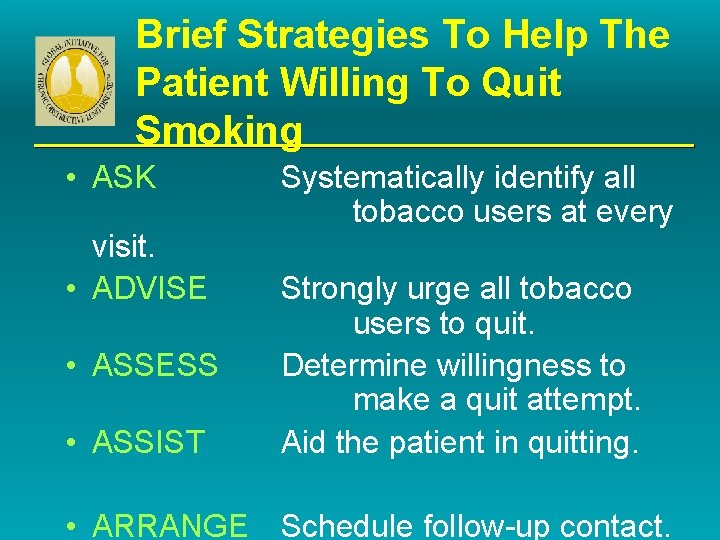
Brief Strategies To Help The Patient Willing To Quit Smoking • ASK visit. • ADVISE • ASSESS • ASSIST Systematically identify all tobacco users at every Strongly urge all tobacco users to quit. Determine willingness to make a quit attempt. Aid the patient in quitting. • ARRANGE Schedule follow-up contact.
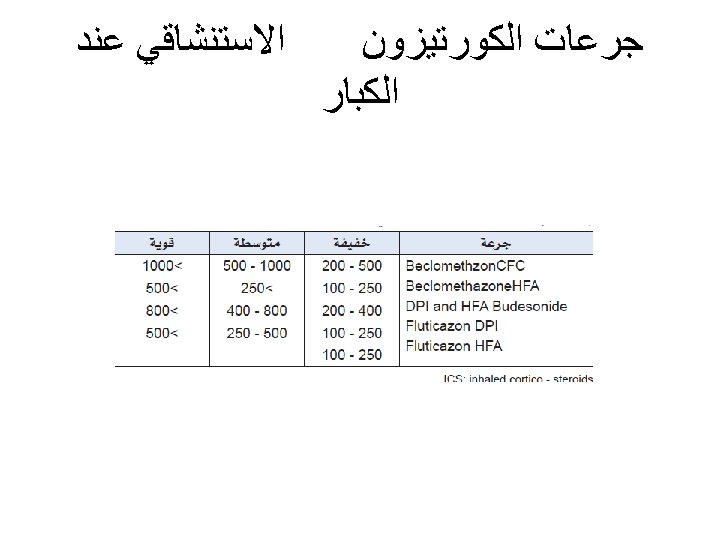
• Fraction of exhaled nitric oxide (FENO) changes Diagnosis of asthma – Additional factors that increase or decrease FENO are listed – FENO is not helpful in ruling in or ruling out asthma as defined by GINA • Assessment of future risk – Elevated FENO in allergic patients has been added to the list of independent predictors of exacerbations [Zeiger JACI 2011] • Single measurements – Results of FENO measurement at a single point in time should be interpreted with caution • Controller treatment – Given the lack of long-term safety studies, FENO cannot be recommended at present for deciding against treatment with ICS in patients with a diagnosis or suspected diagnosis of asthma. – Based on current evidence, GINA recommends treatment with low-dose ICS for most patients with asthma, even those with infrequent symptoms, to reduce the risk of serious exacerbations. What’s new in GINA 2017?
Treatment – other changes in 2017 • Step 5 treatment for severe asthma – Anti-IL 5: reslizumab (IV) added to mepolizumab (SC) for ≥ 18 years • Step-down from low-dose ICS (Box 3 -7) – Add-on LTRA may help – Insufficient evidence for step-down to as-needed ICS with SABA • Side-effects of oral corticosteroids – When prescribing short-term OCS, remember to advise patients about common side-effects (sleep disturbance, increased appetite, reflux, mood changes); references added • Vitamin D – To date, no good quality evidence that Vitamin D supplementation leads to improved asthma control or fewer exacerbations • Chronic sinonasal disease – Treatment with nasal corticosteroids improves sinonasal symptoms but not asthma outcomes What’s new in GINA 2017?
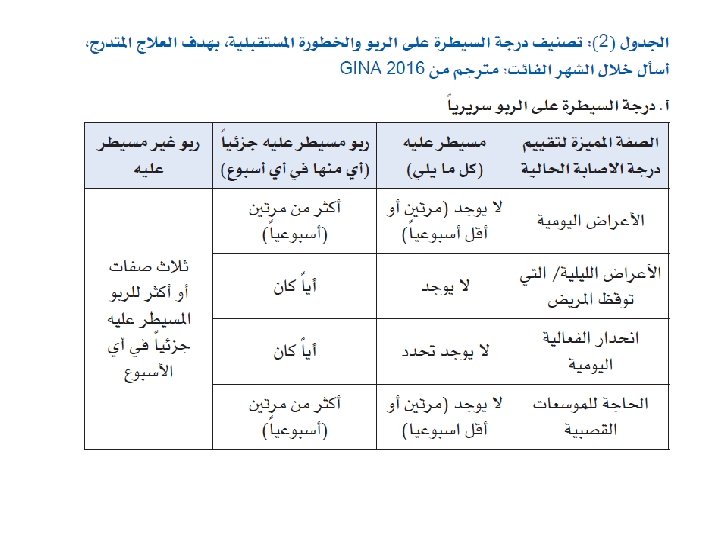
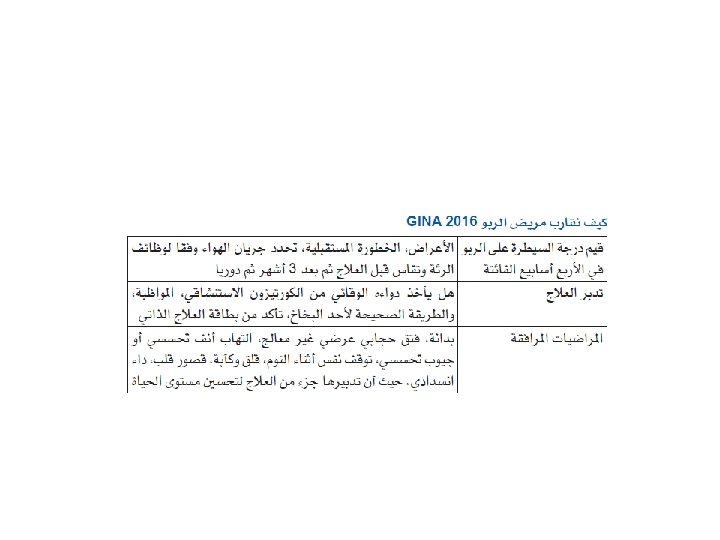
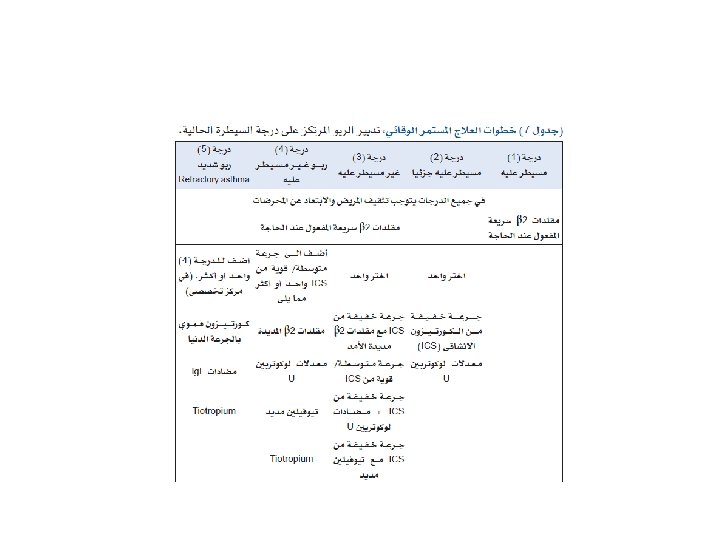
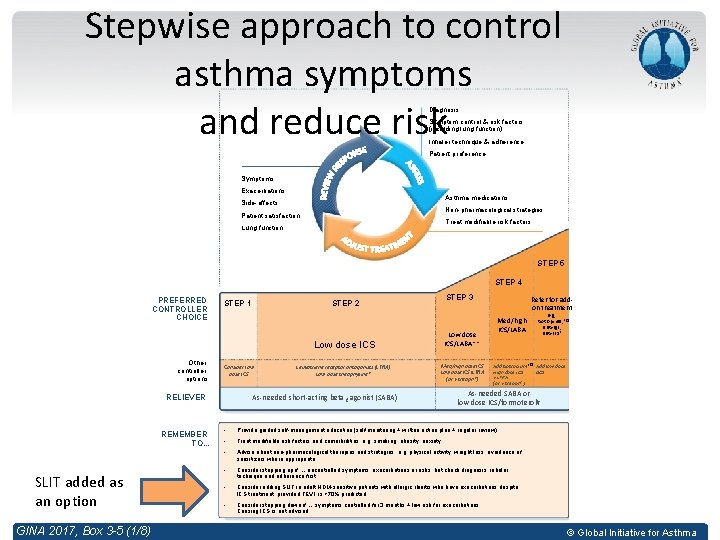
Stepwise approach to control asthma symptoms and reduce risk Diagnosis Symptom control & risk factors (including lung function) Inhaler technique & adherence Patient preference Symptoms Exacerbations Asthma medications Side-effects Non-pharmacological strategies Patient satisfaction Treat modifiable risk factors Lung function STEP 5 STEP 4 PREFERRED CONTROLLER CHOICE STEP 1 STEP 3 STEP 2 Low dose ICS/LABA** Low dose ICS Other controller options Consider low dose ICS SLIT added as an option GINA 2017, Box 3 -5 (1/8) Med/high dose ICS Low dose ICS+LTRA (or + theoph*) As-needed short-acting beta 2 -agonist (SABA) RELIEVER REMEMBER TO. . . Leukotriene receptor antagonists (LTRA) Low dose theophylline* Refer for addon treatment Med/high ICS/LABA e. g. tiotropium, *� anti-Ig. E, anti-IL 5* Add tiotropium*� Add low dose High dose ICS OCS + LTRA (or + theoph*) As-needed SABA or low dose ICS/formoterol# • Provide guided self-management education (self-monitoring + written action plan + regular review) • Treat modifiable risk factors and comorbidities, e. g. smoking, obesity, anxiety • Advise about non-pharmacological therapies and strategies, e. g. physical activity, weight loss, avoidance of sensitizers where appropriate • Consider stepping up if … uncontrolled symptoms, exacerbations or risks, but check diagnosis, inhaler technique and adherence first • Consider adding SLIT in adult HDM-sensitive patients with allergic rhinitis who have exacerbations despite ICS treatment, provided FEV 1 is >70% predicted • Consider stepping down if … symptoms controlled for 3 months + low risk for exacerbations. Ceasing ICS is not advised. © Global Initiative for Asthma
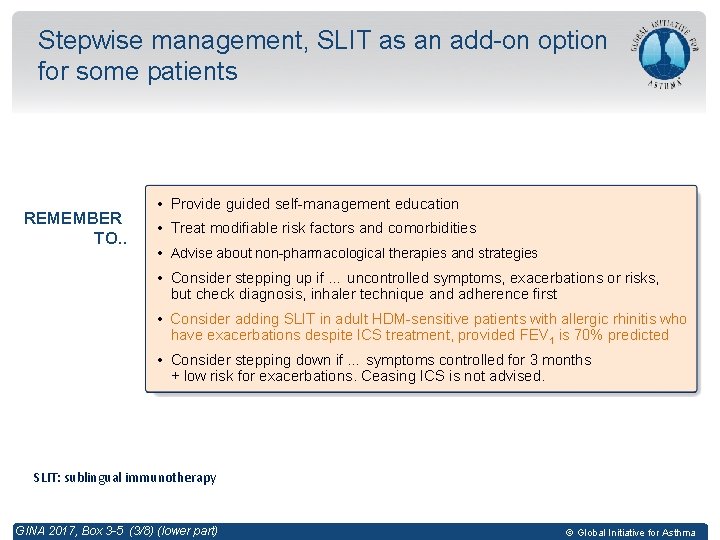
Stepwise management, SLIT as an add-on option for some patients REMEMBER TO. . . • Provide guided self-management education • Treat modifiable risk factors and comorbidities • Advise about non-pharmacological therapies and strategies • Consider stepping up if … uncontrolled symptoms, exacerbations or risks, but check diagnosis, inhaler technique and adherence first • Consider adding SLIT in adult HDM-sensitive patients with allergic rhinitis who have exacerbations despite ICS treatment, provided FEV 1 is 70% predicted • Consider stepping down if … symptoms controlled for 3 months + low risk for exacerbations. Ceasing ICS is not advised. SLIT: sublingual immunotherapy GINA 2017, Box 3 -5 (3/8) (lower part) © Global Initiative for Asthma
ICS and growth in children • This topic previously covered in detail in the online Appendix – Information now also added to main report for accessibility • Ch 2, assessment of future risk in children 6 -11 yrs – Recommended to check height at least yearly – The reason has been added: “…as poorly-controlled asthma can affect growth [Pedersen 2001], and growth velocity may be lower in the first 1 -2 years of ICS treatment [Loke, 2015]. ” • Ch 6, assessment of future risk in children ≤ 5 yrs – Extra text as above – Advice also added about factors that should be considered if decreased growth velocity is seen (e. g. poorly-controlled asthma, frequent use of OCS, and poor nutrition). Consider referral What’s new in GINA 2017?
ICS and growth in children • Ch 6, choice of controller treatment, children ≤ 5 yrs – Discuss decisions about controller treatment with parents or careers • Relative benefits and risks of treatments • Importance of maintaining normal activity levels for normal physical and social development – Although effects of ICS on growth velocity are seen in pre-pubertal children in the first 1 -2 years of treatment, this is not progressive or cumulative [Kelly 2012, loke 2015]. – The one study that examined long-term outcomes showed a difference of only 0. 7% in adult height [Kelly What’s new in GINA 2017?