
Ketones and Aldehydes Properties Nomenclature Preparation Reactions Synthesis


- Slides: 64
Ketones and Aldehydes Properties Nomenclature Preparation Reactions Synthesis
Carbonyl Functional Groups
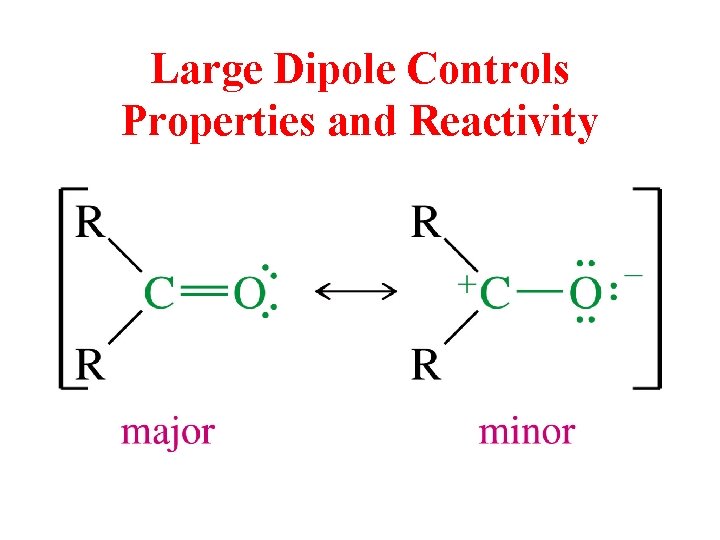
Large Dipole Controls Properties and Reactivity
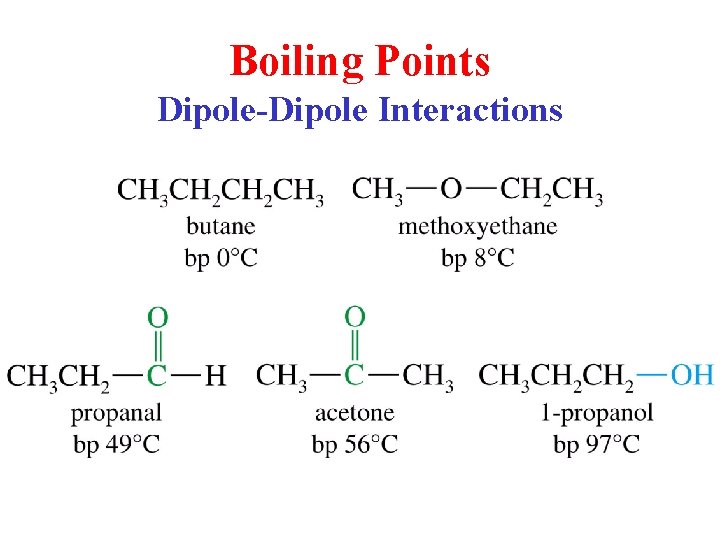
Boiling Points Dipole-Dipole Interactions
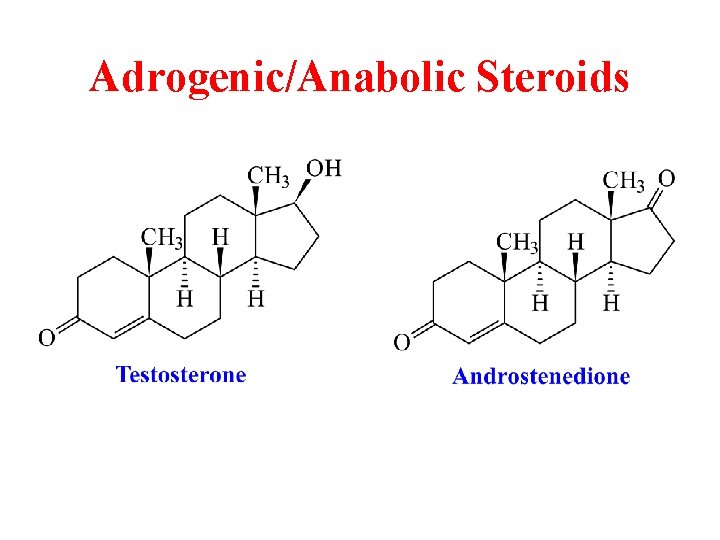
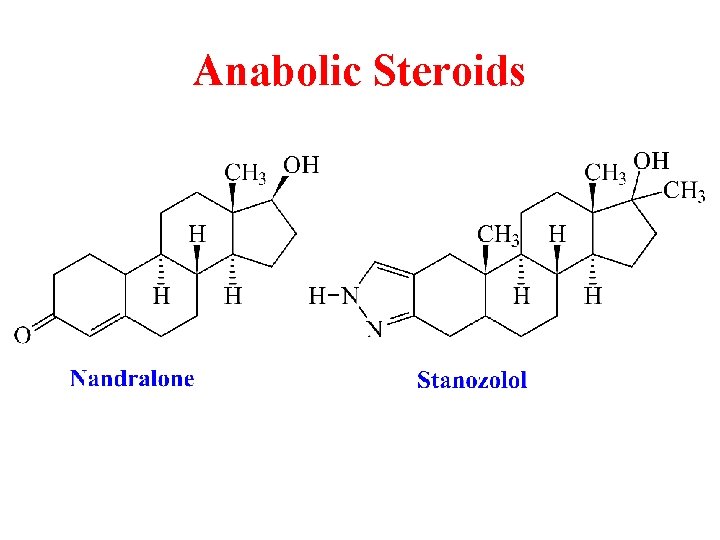
Adrogenic/Anabolic Steroids
Anabolic Steroids
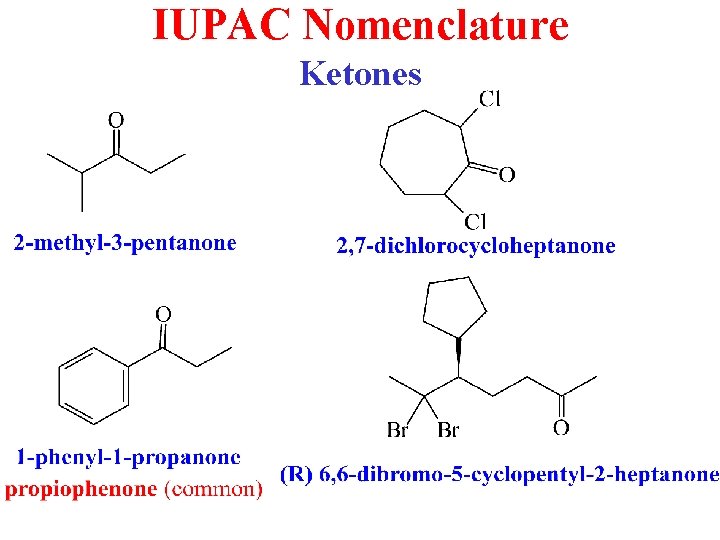
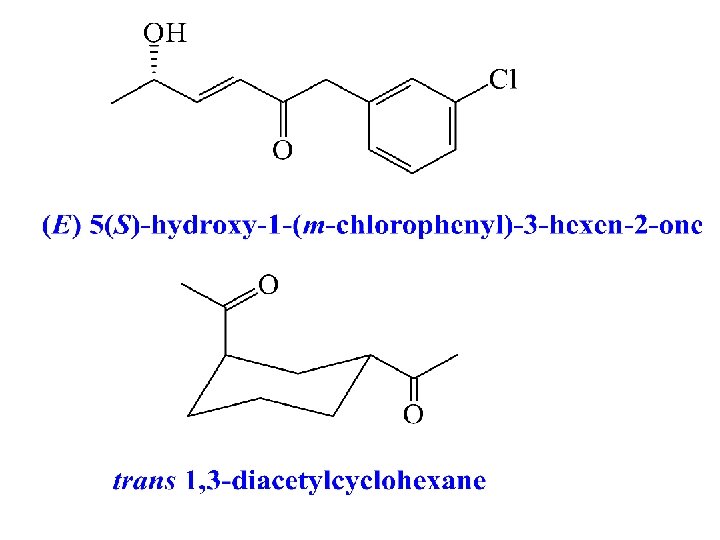
IUPAC Nomenclature Ketones
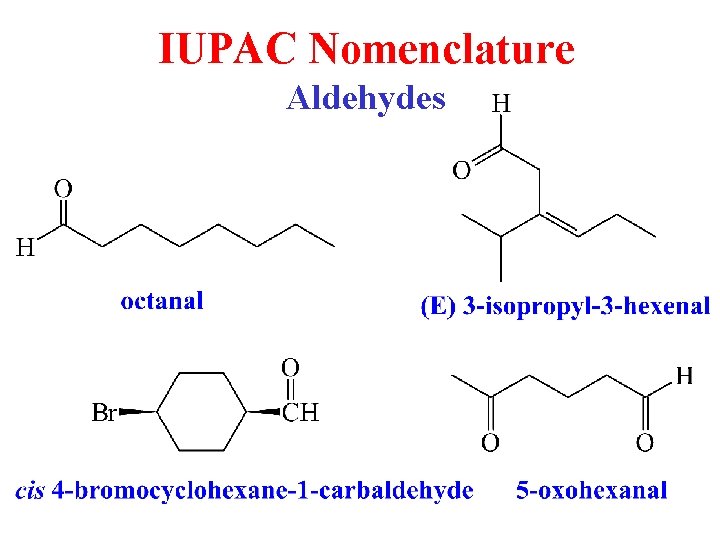
IUPAC Nomenclature Aldehydes
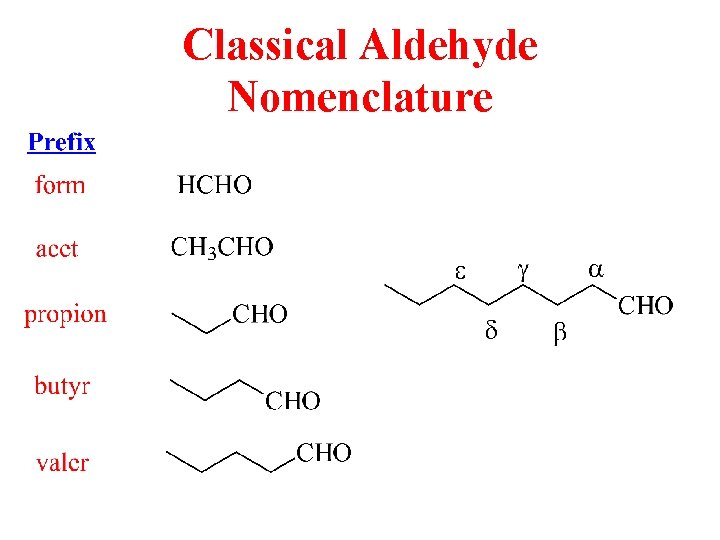
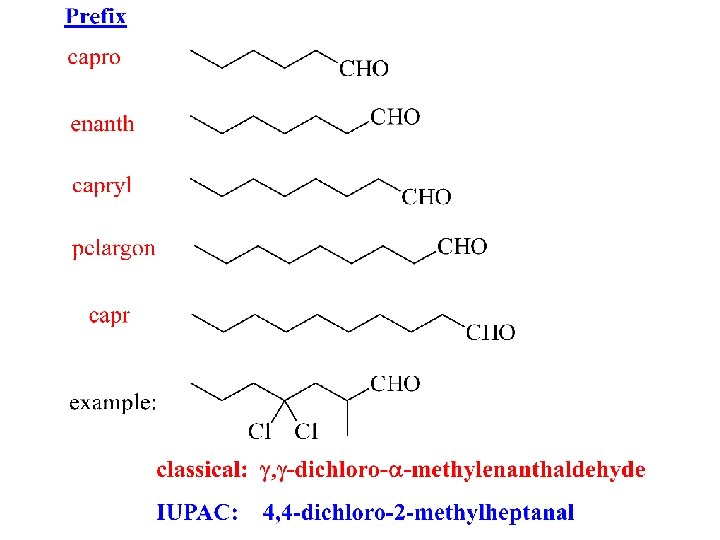
Classical Aldehyde Nomenclature
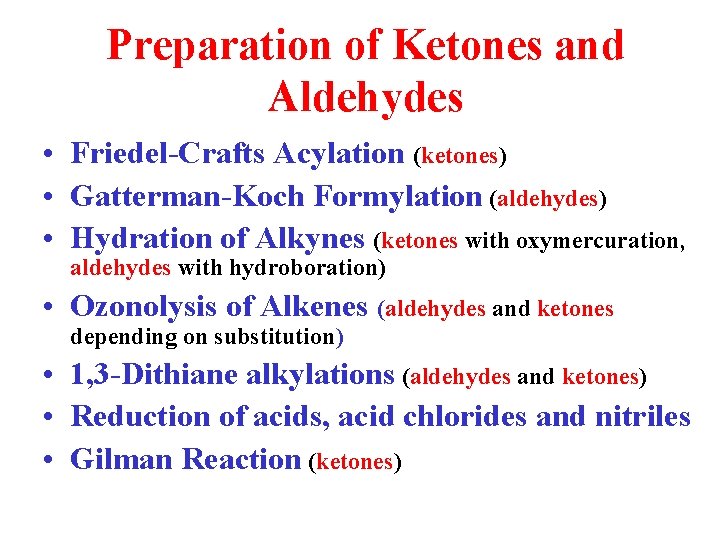
Preparation of Ketones and Aldehydes • Friedel-Crafts Acylation (ketones) • Gatterman-Koch Formylation (aldehydes) • Hydration of Alkynes (ketones with oxymercuration, aldehydes with hydroboration) • Ozonolysis of Alkenes (aldehydes and ketones depending on substitution) • 1, 3 -Dithiane alkylations (aldehydes and ketones) • Reduction of acids, acid chlorides and nitriles • Gilman Reaction (ketones)
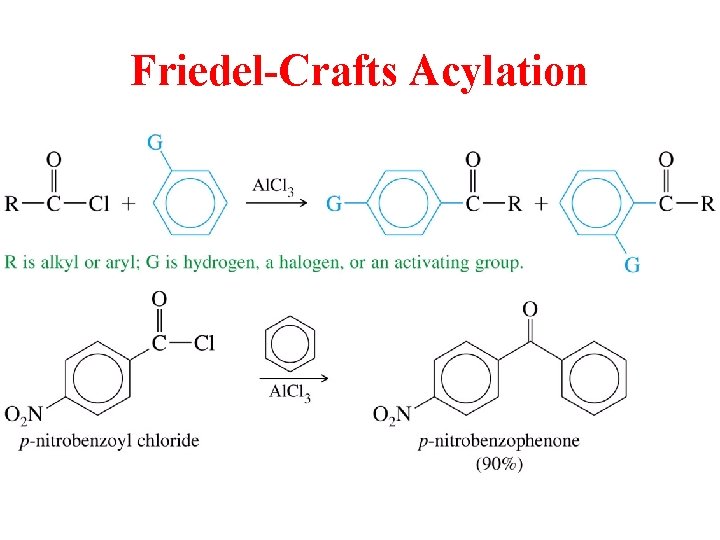
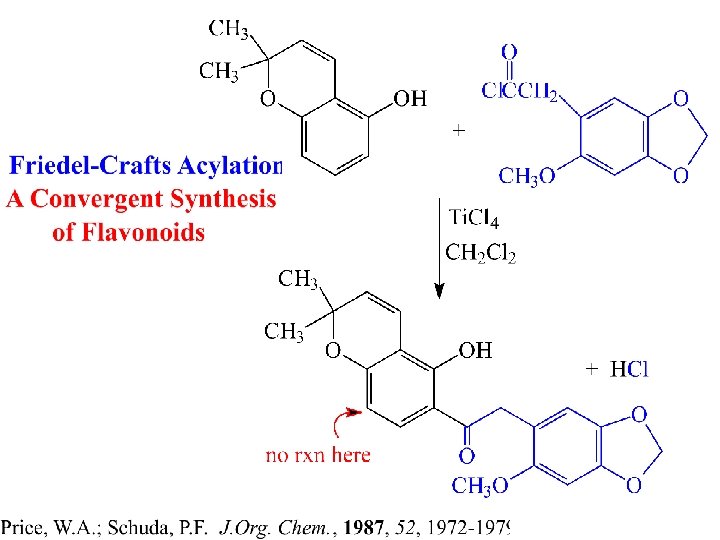
Friedel-Crafts Acylation
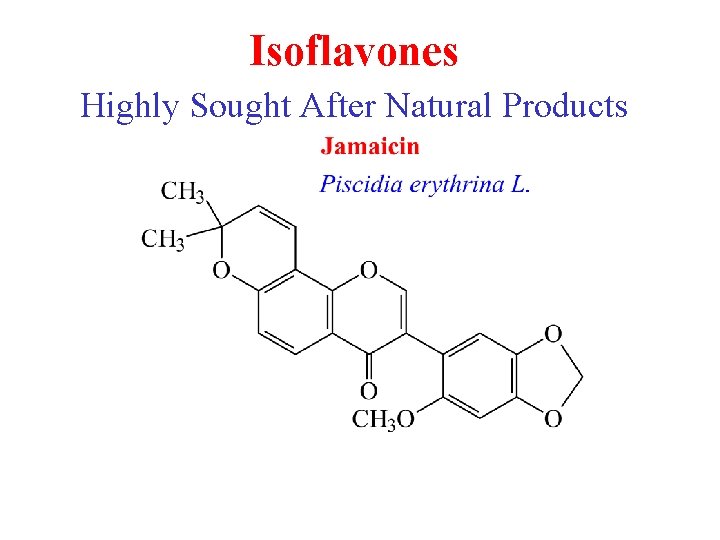
Isoflavones Highly Sought After Natural Products
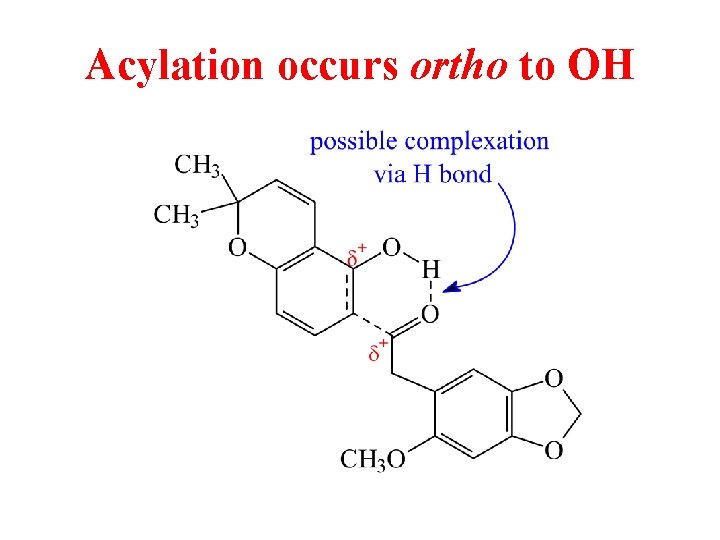
Acylation occurs ortho to OH
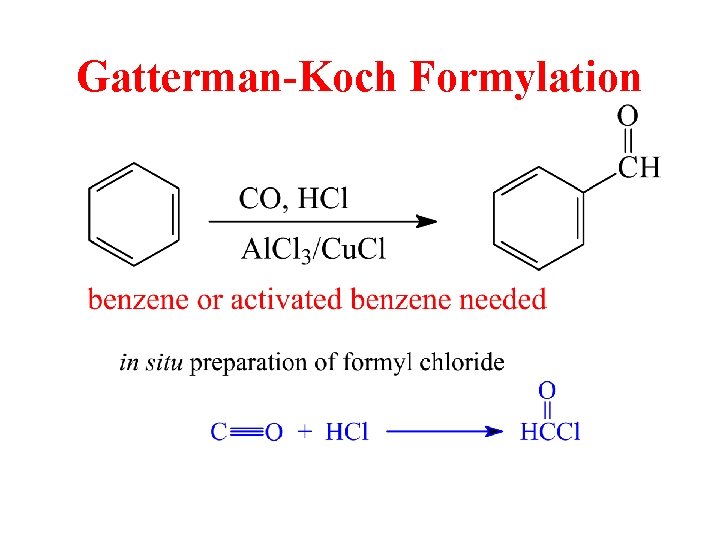
Gatterman-Koch Formylation
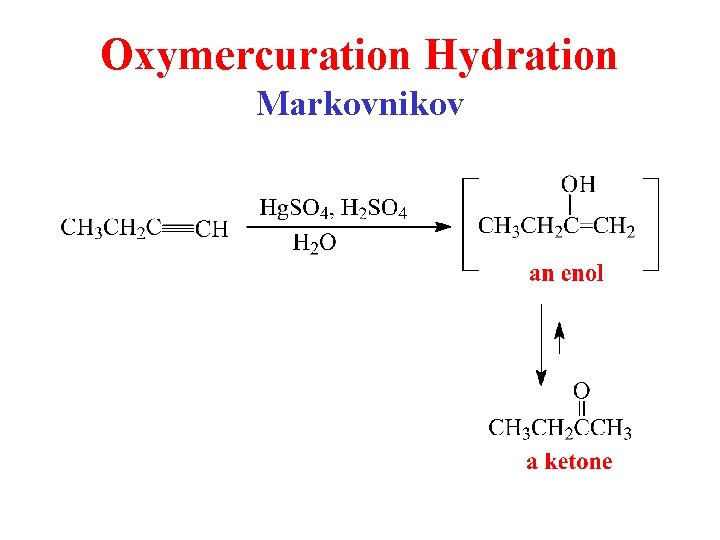
Oxymercuration Hydration Markovnikov
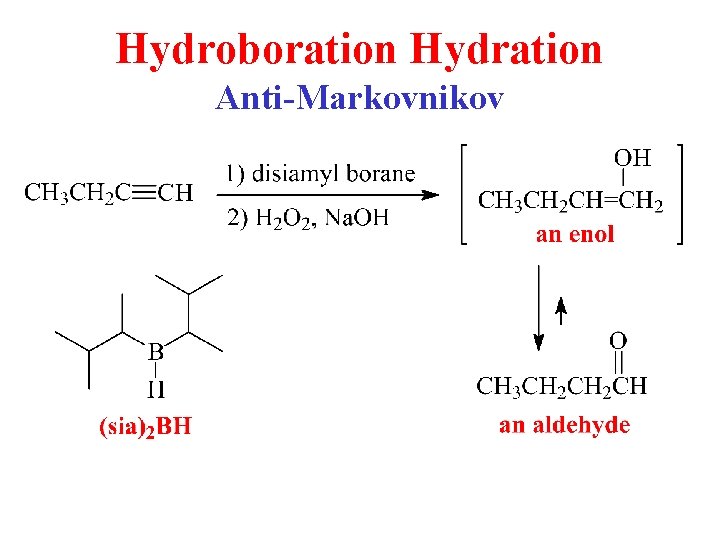
Hydroboration Hydration Anti-Markovnikov
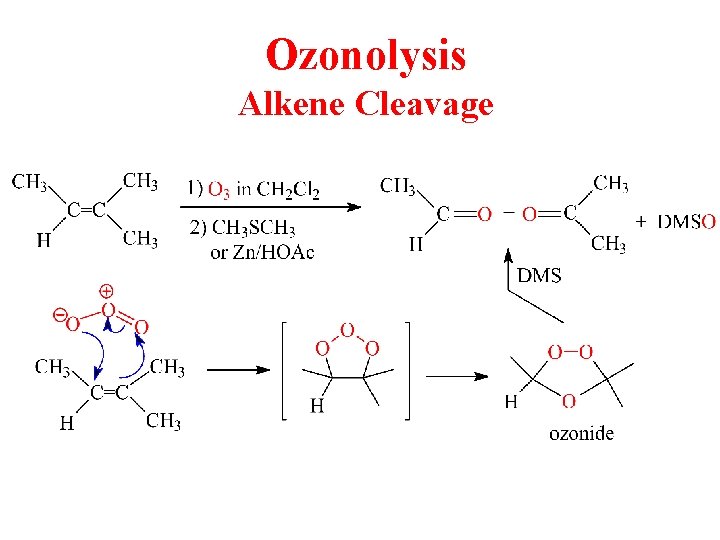
Ozonolysis Alkene Cleavage
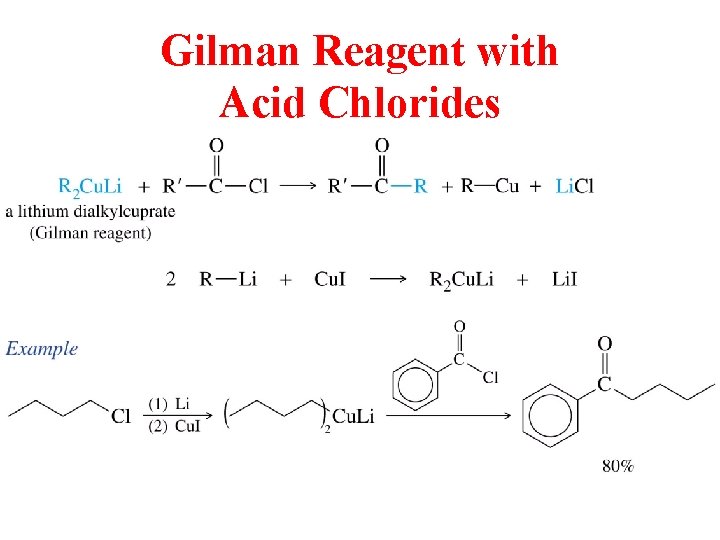
Gilman Reagent with Acid Chlorides
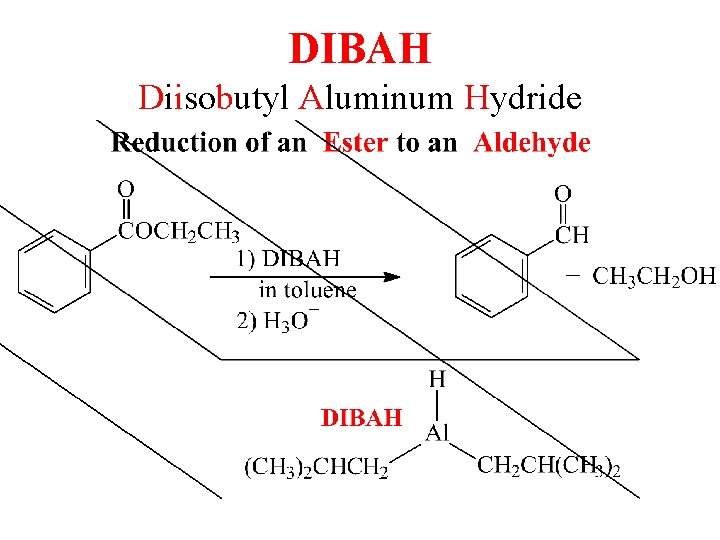
DIBAH Diisobutyl Aluminum Hydride
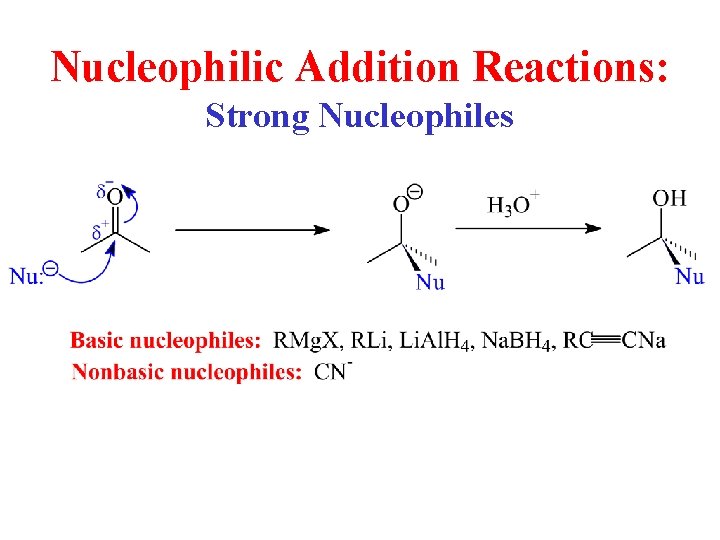
Nucleophilic Addition Reactions: Strong Nucleophiles
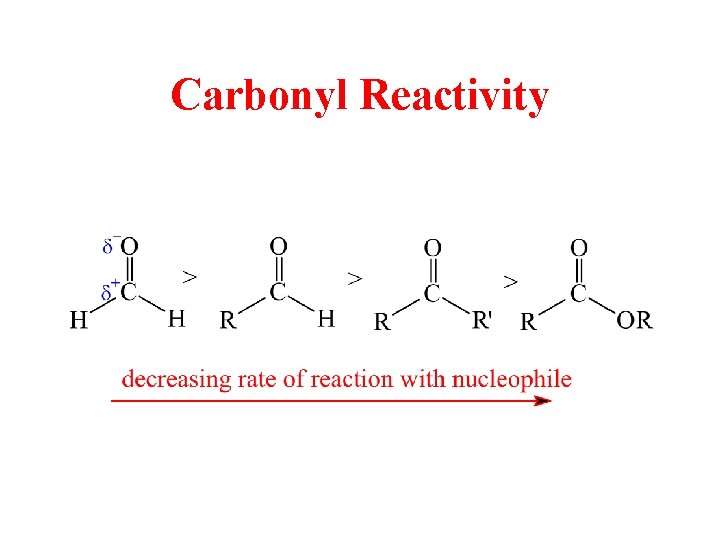
Carbonyl Reactivity
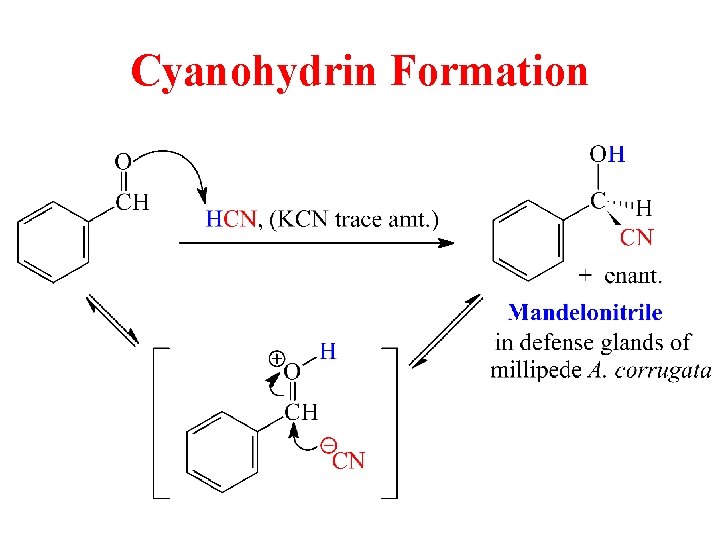
Cyanohydrin Formation
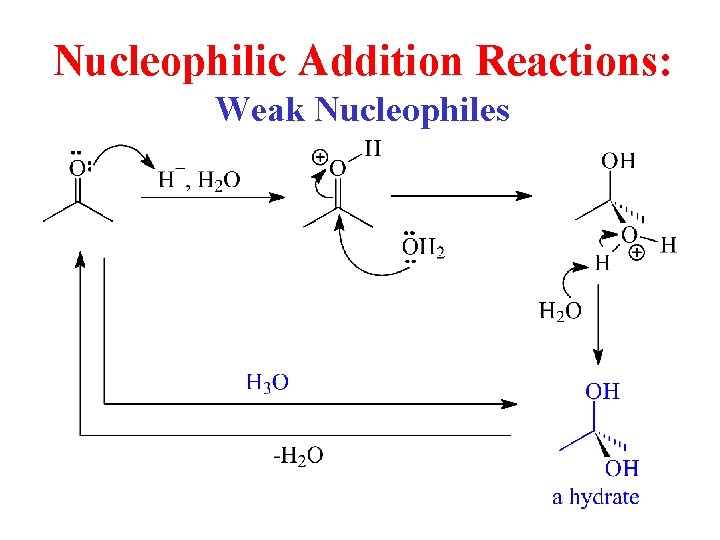
Nucleophilic Addition Reactions: Weak Nucleophiles
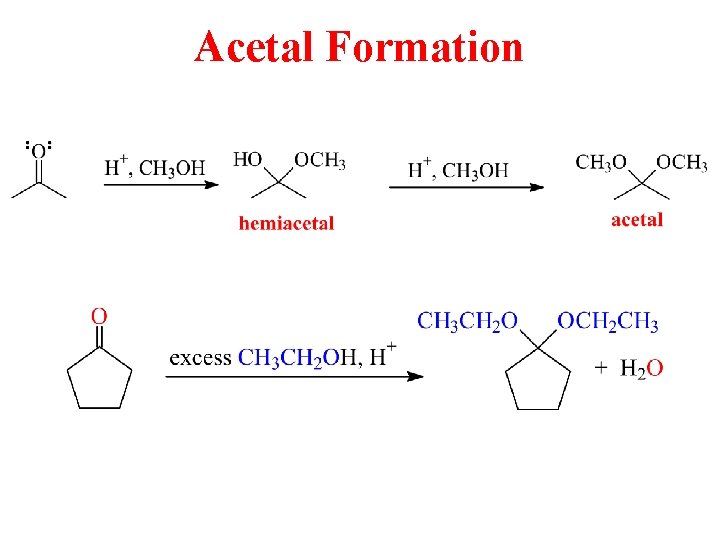
Acetal Formation
Acetal Mechanism
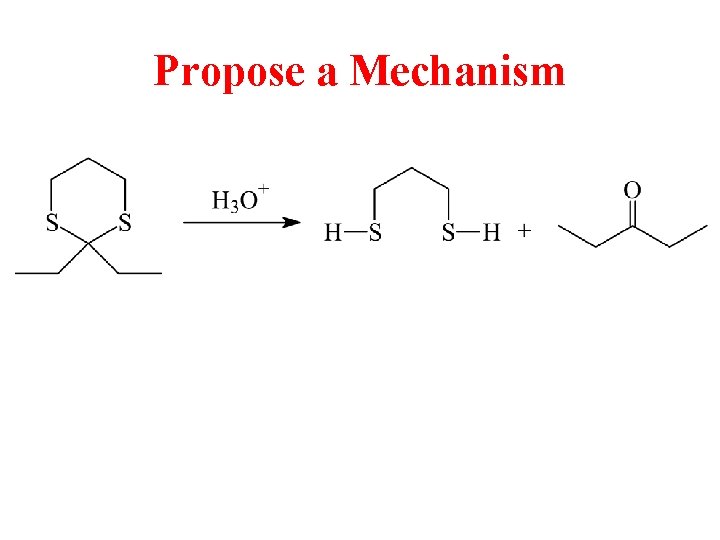
Propose a Mechanism
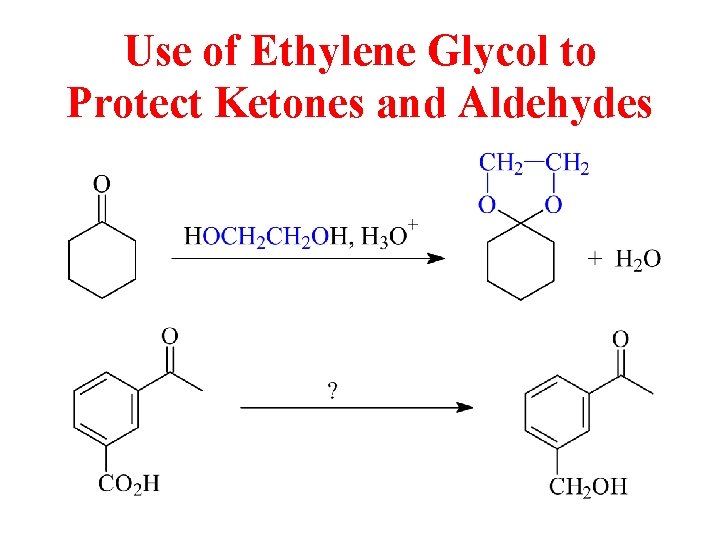
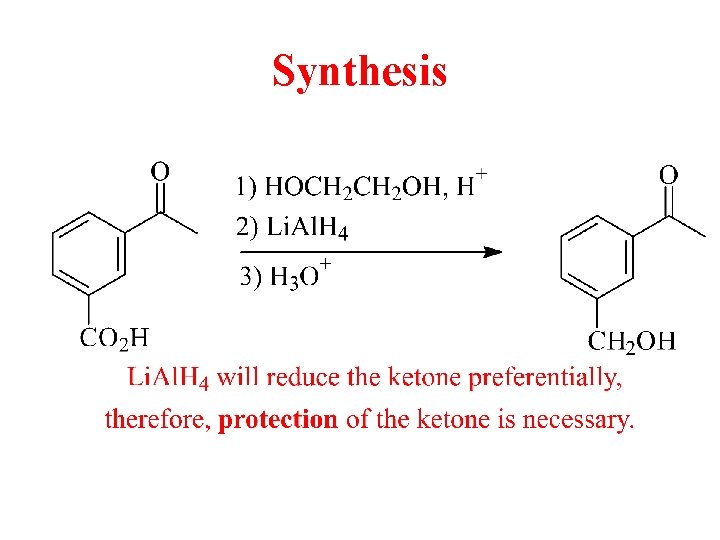
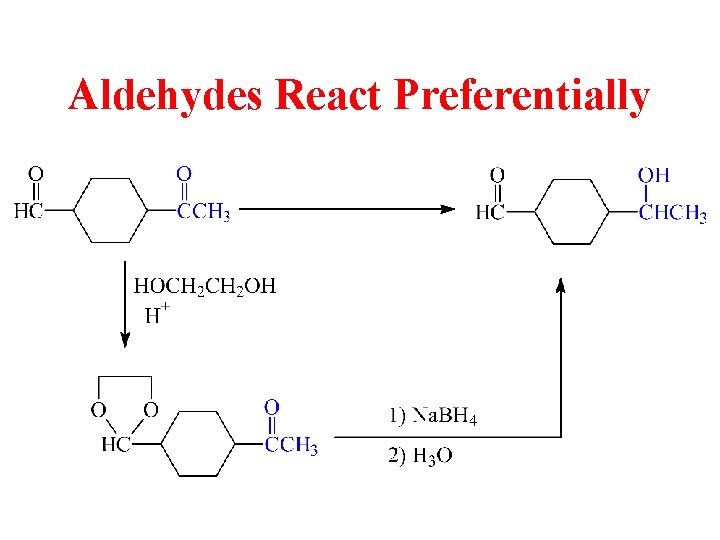
Use of Ethylene Glycol to Protect Ketones and Aldehydes
Synthesis
Aldehydes React Preferentially
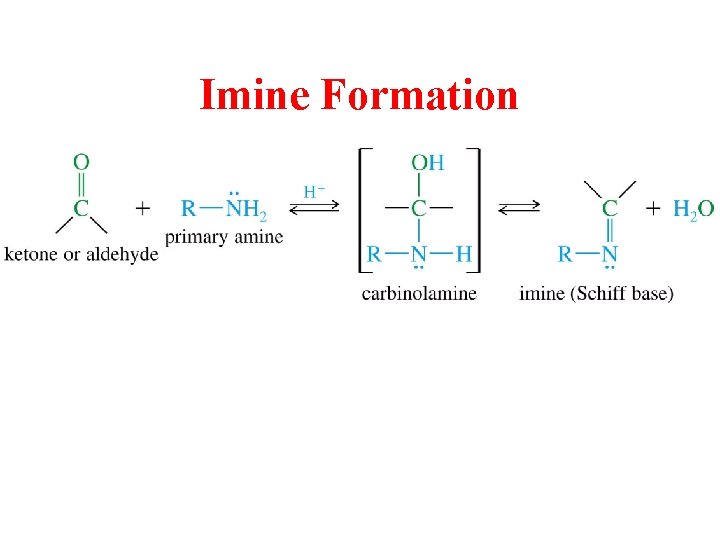
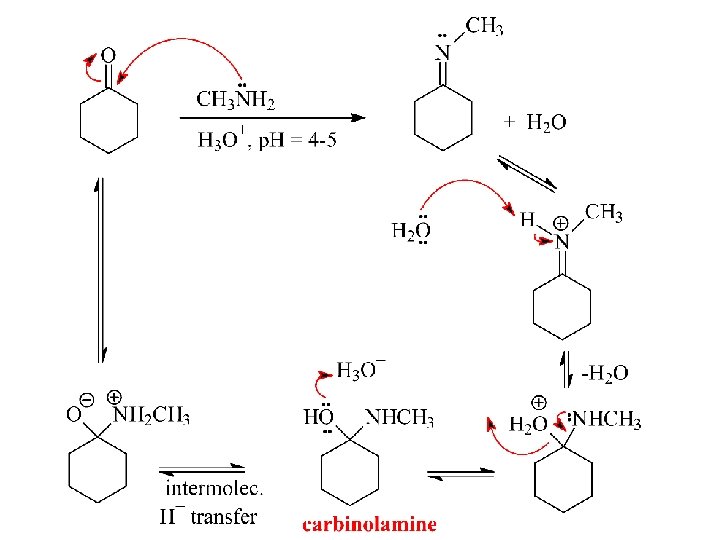
Imine Formation
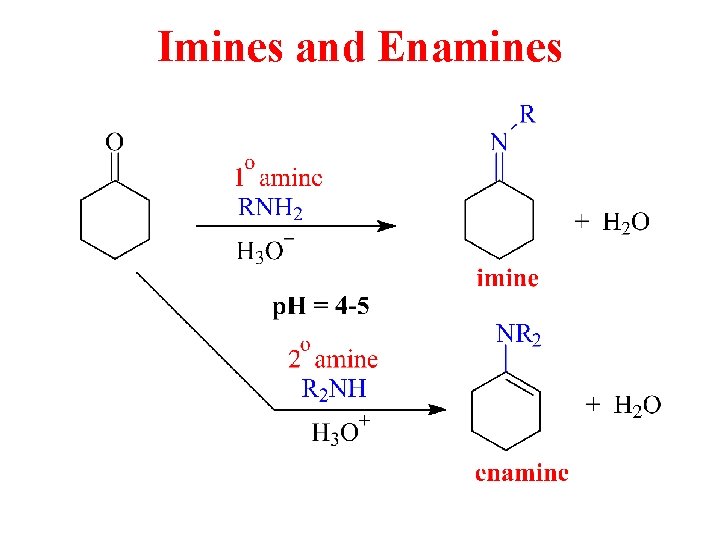
Imines and Enamines
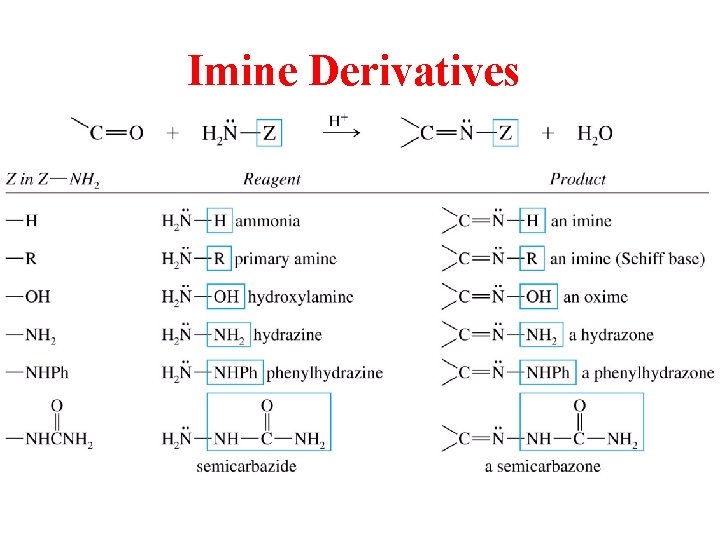
Imine Derivatives
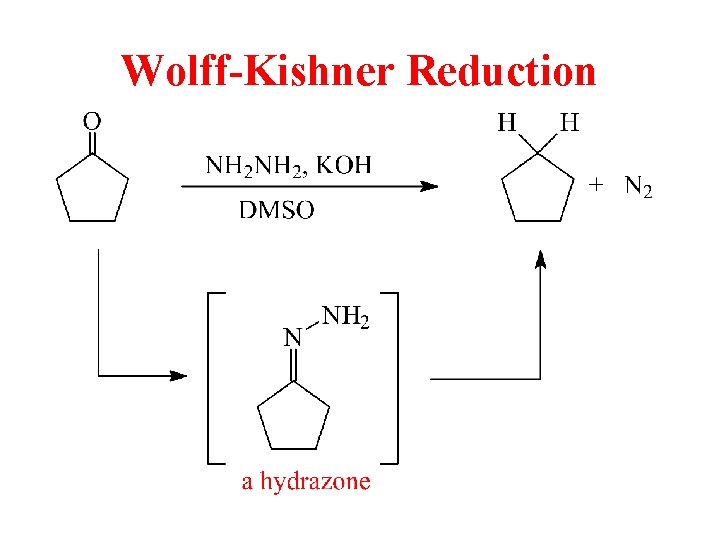
Wolff-Kishner Reduction
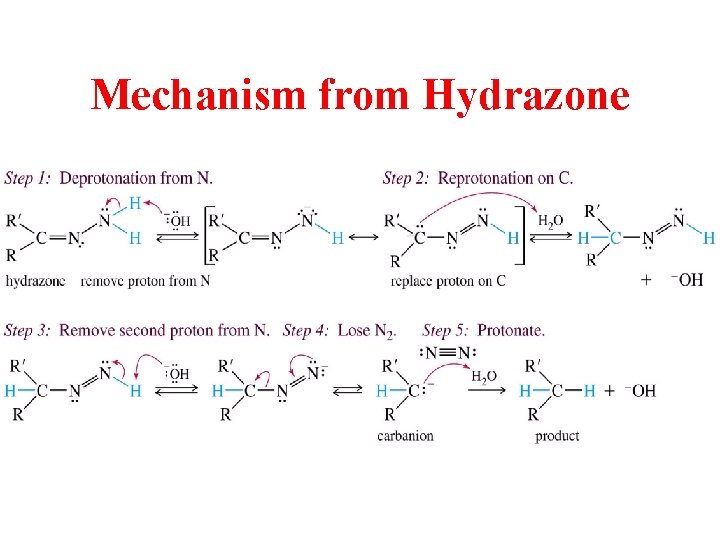
Mechanism from Hydrazone
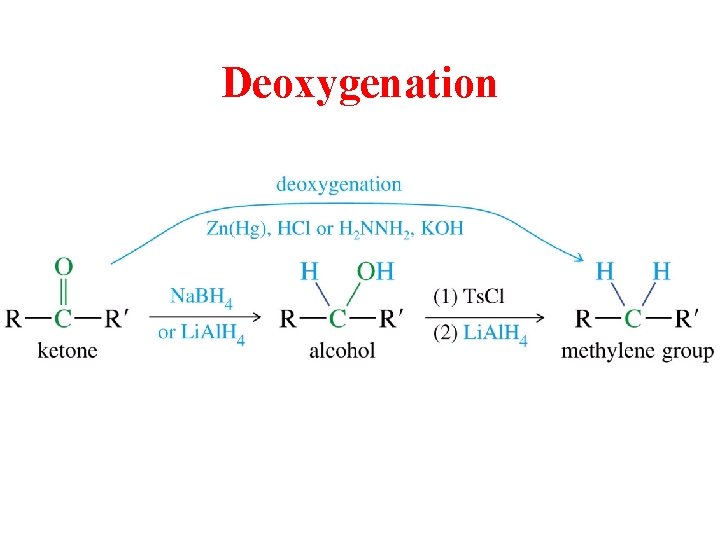
Deoxygenation
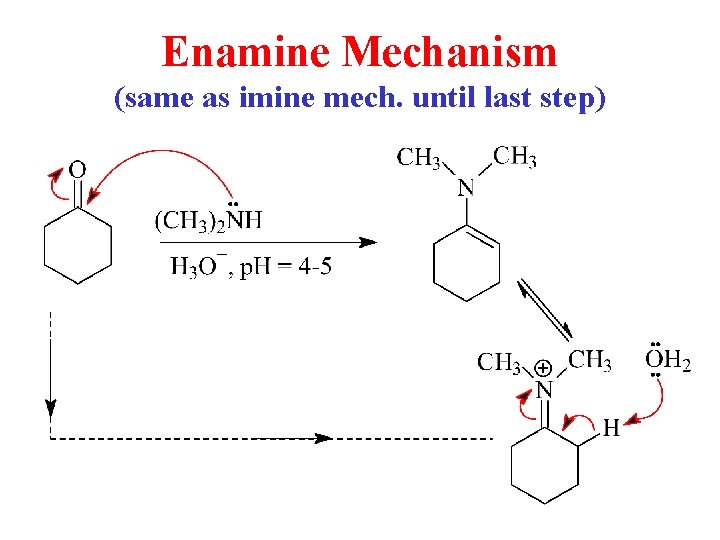
Enamine Mechanism (same as imine mech. until last step)
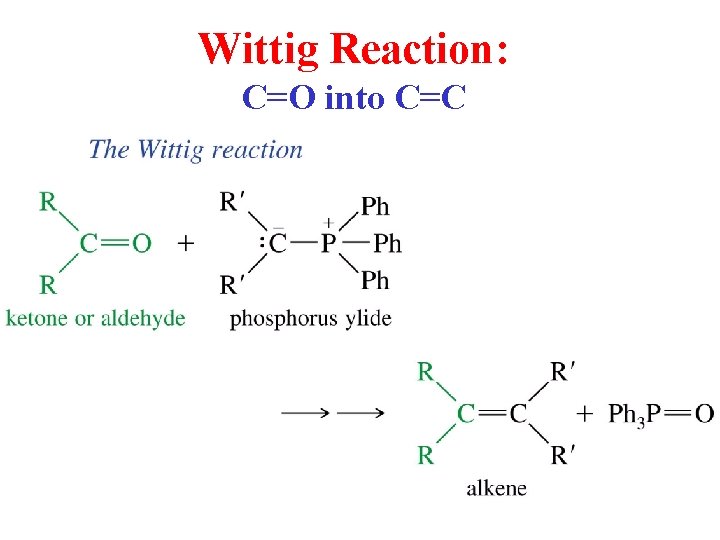
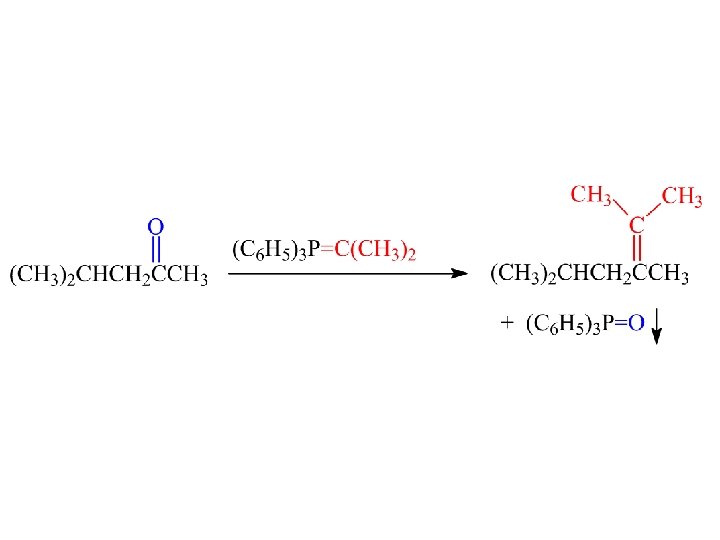
Wittig Reaction: C=O into C=C
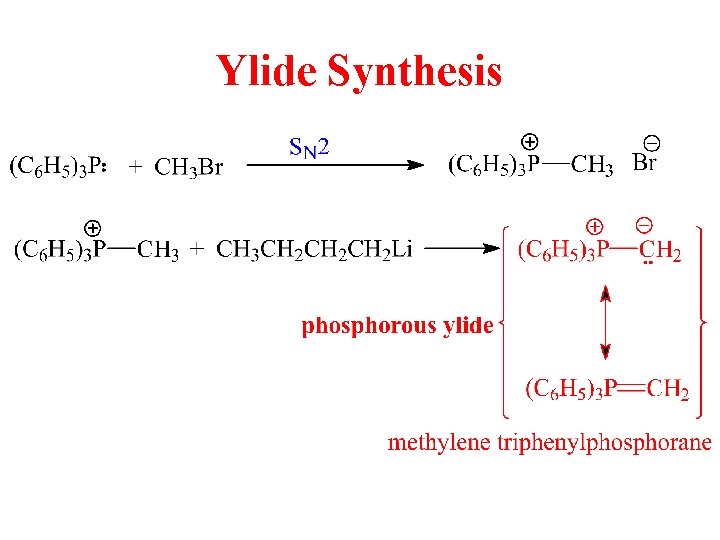
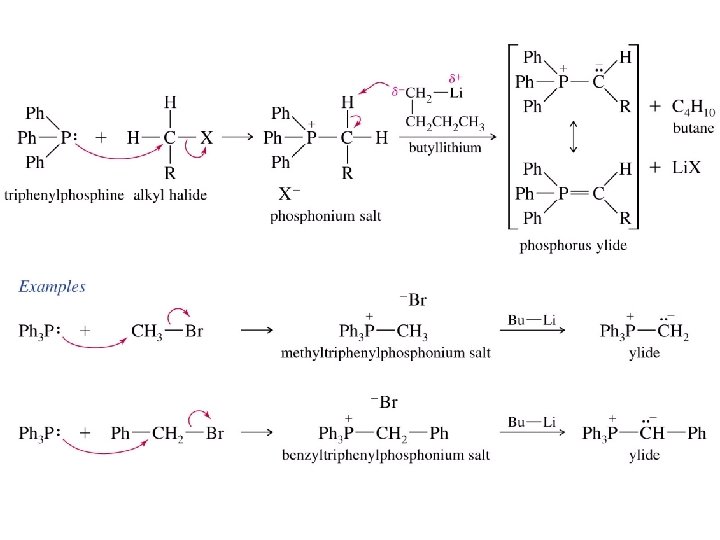
Ylide Synthesis
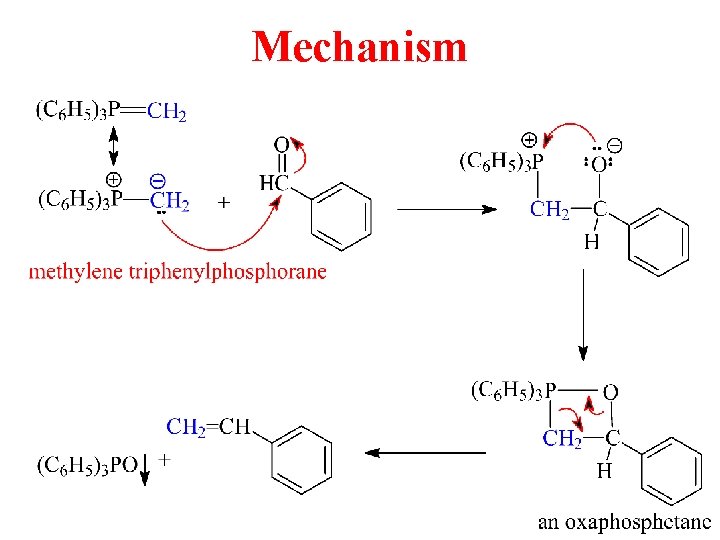
Mechanism
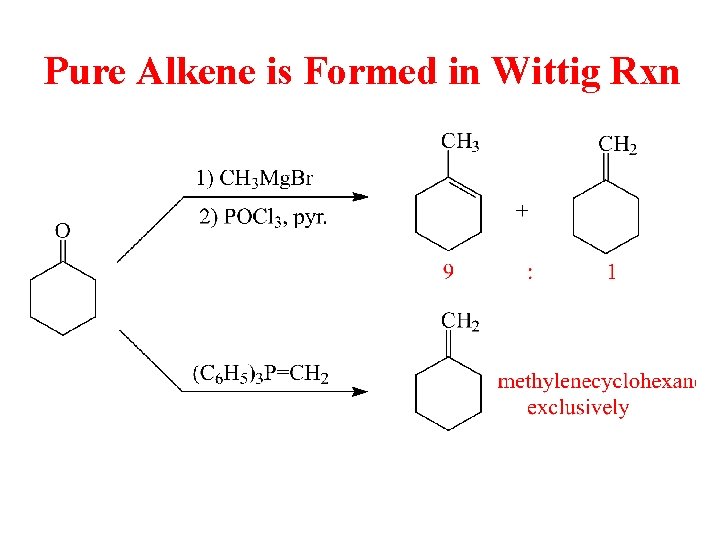
Pure Alkene is Formed in Wittig Rxn
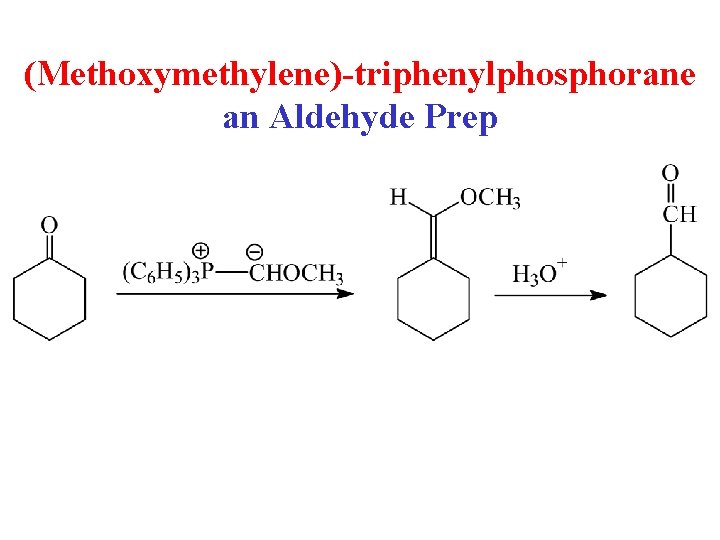
(Methoxymethylene)-triphenylphosphorane an Aldehyde Prep
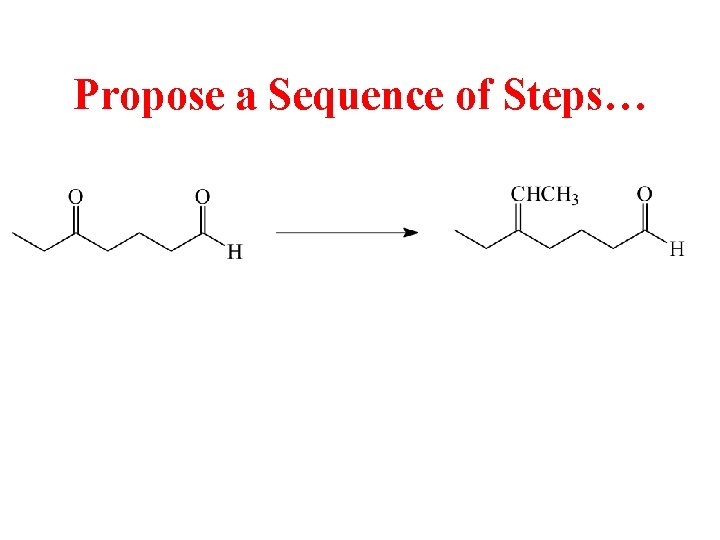
Propose a Sequence of Steps…
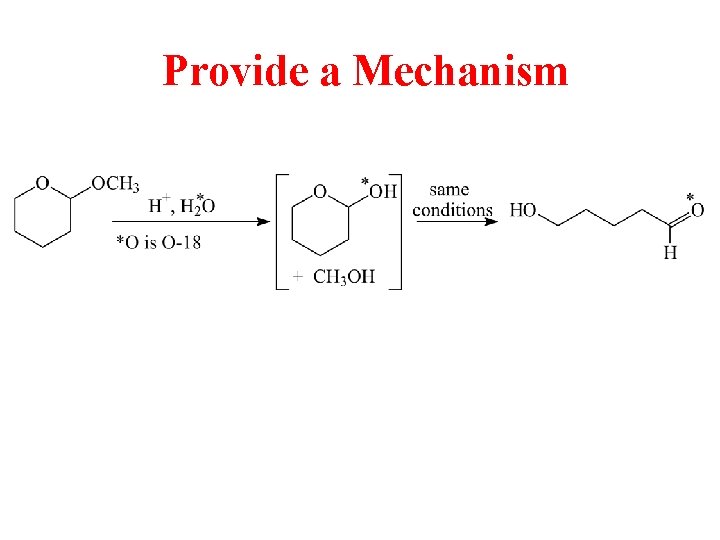
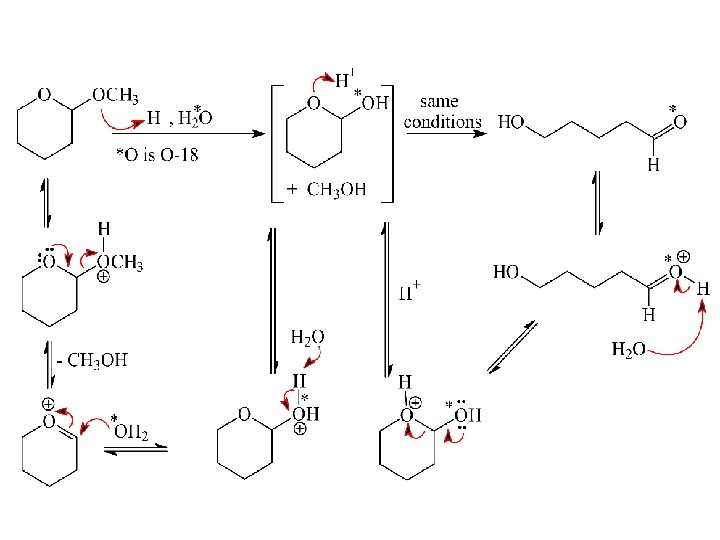
Provide a Mechanism
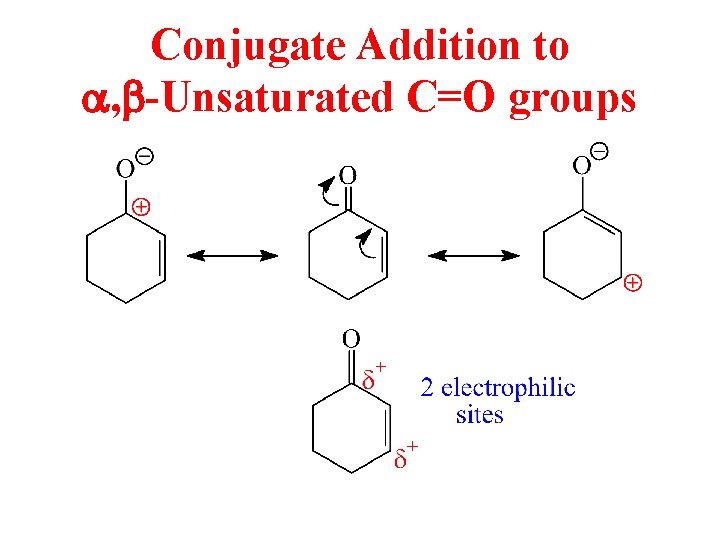
Conjugate Addition to a, b-Unsaturated C=O groups
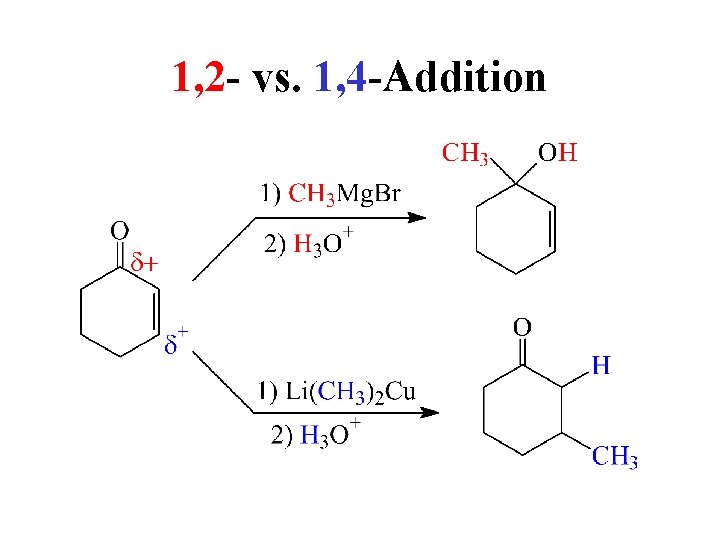
1, 2 - vs. 1, 4 -Addition
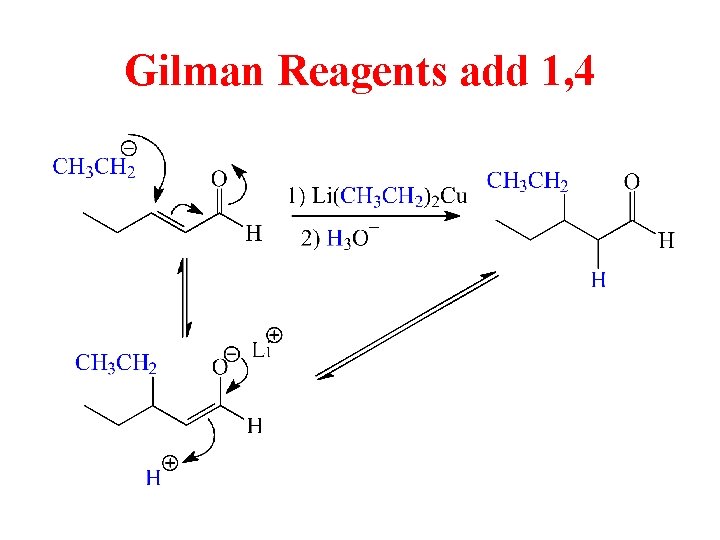
Gilman Reagents add 1, 4
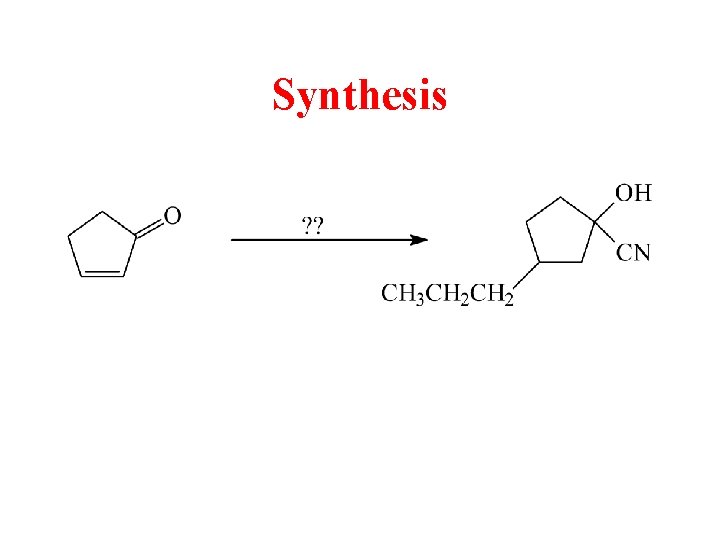
Synthesis
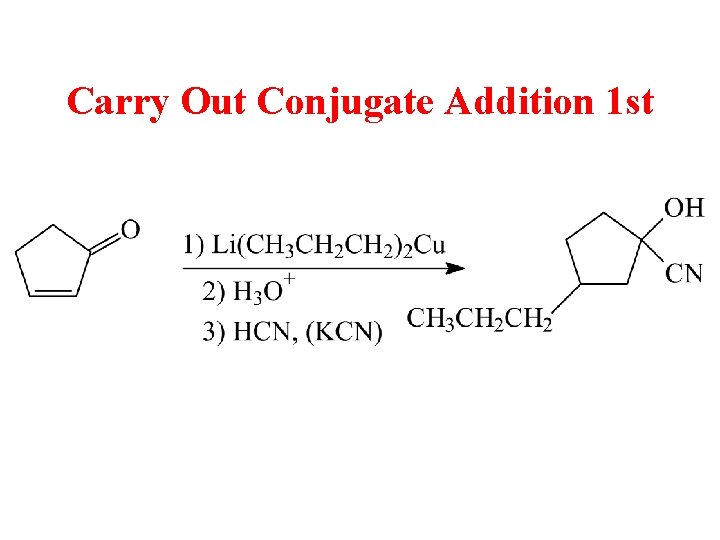
Carry Out Conjugate Addition 1 st
MCAD Deficiency, a Genetic Disease • Children with any of these enzyme deficiencies have a significant risk (20%) of death during the first, clinical episode of hypoglycemia (low blood glucose). • Those patients affected show episodes of acute, life-threatening attacks that are symptomatically consistent with Reye’s Syndrome and sometimes misdiagnosed as S. I. D. S. • The most common of these in-born errors is MCAD Deficiency. (Medium Chain Acyl-Co. A Dehydrogenase) • ~1/50 Caucasians carry the gene.
MCAD Enzyme • (MCAD) is one of the enzymes involved in mitochondrial fatty acid b-oxidation, which fuels hepatic ketogenesis, a major source of energy once hepatic glycogen stores become depleted during prolonged fasting and periods of higher energy demands. • Typically, a previously healthy child with MCAD deficiency presents with hypoketotic hypoglycemia, vomiting, liver dysfunction, skeletal muscle weakness and lethargy triggered by a common illness. On average, this occurs between 3 and 24 months of age.
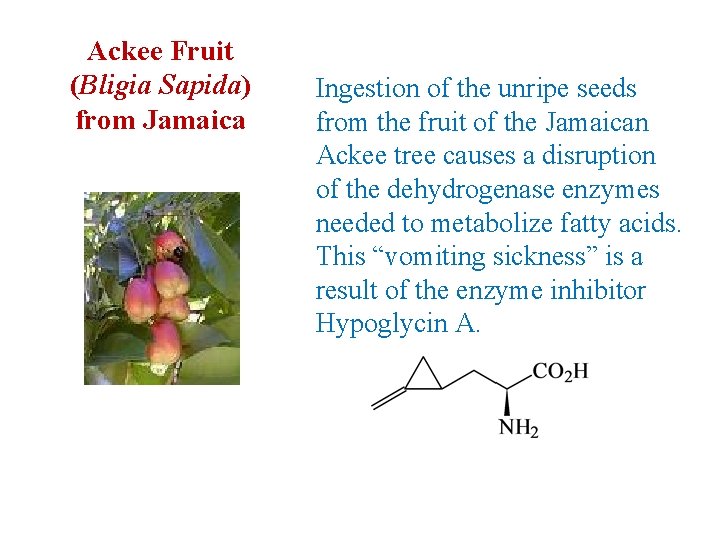
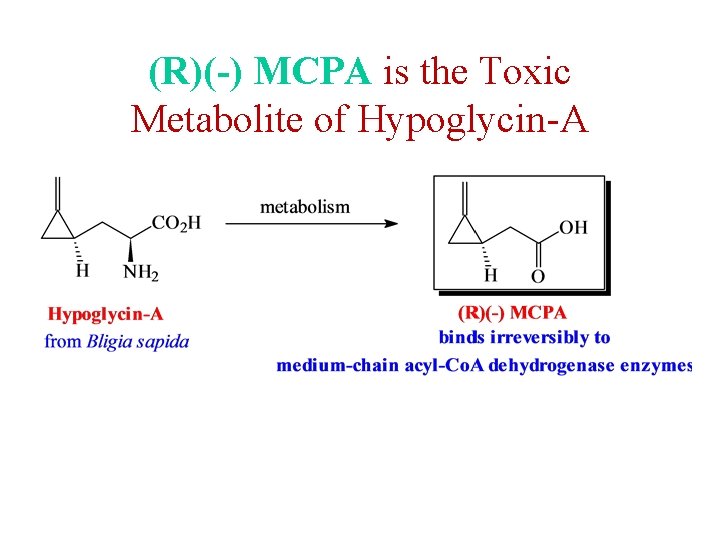
Ackee Fruit (Bligia Sapida) from Jamaica Ingestion of the unripe seeds from the fruit of the Jamaican Ackee tree causes a disruption of the dehydrogenase enzymes needed to metabolize fatty acids. This “vomiting sickness” is a result of the enzyme inhibitor Hypoglycin A.
(R)(-) MCPA is the Toxic Metabolite of Hypoglycin-A
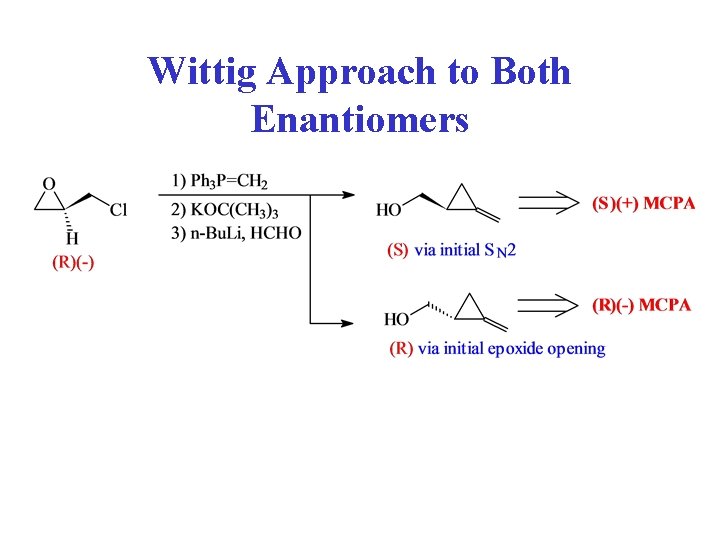
Wittig Approach to Both Enantiomers
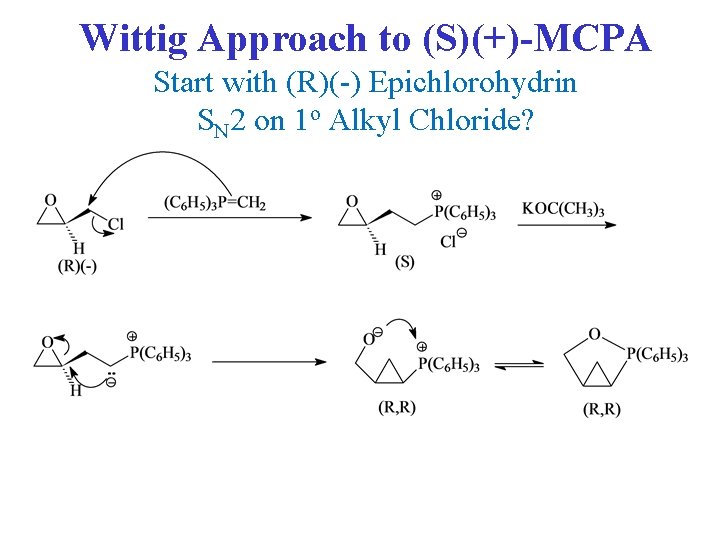
Wittig Approach to (S)(+)-MCPA Start with (R)(-) Epichlorohydrin SN 2 on 1 o Alkyl Chloride?
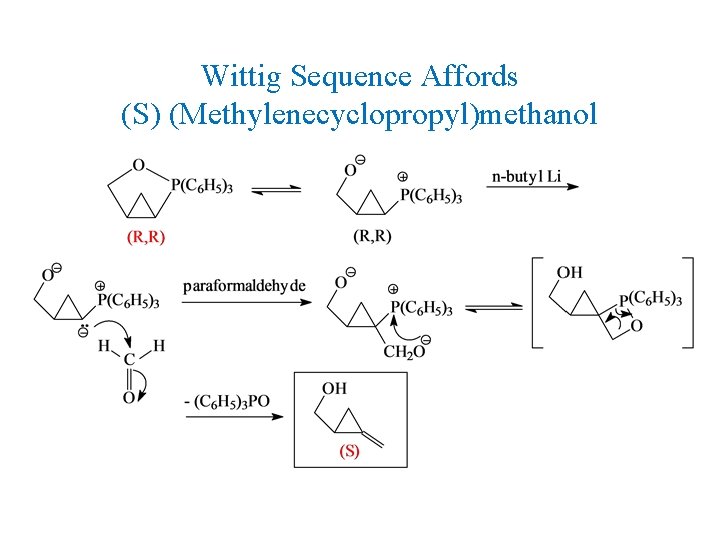
Wittig Sequence Affords (S) (Methylenecyclopropyl)methanol
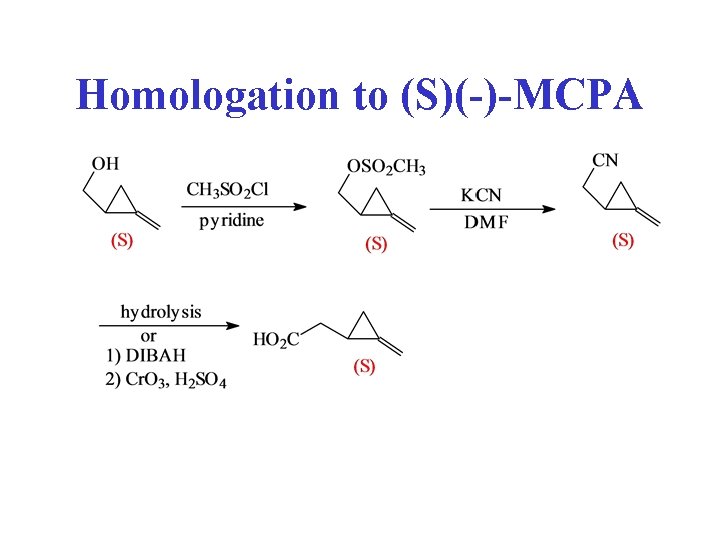
Homologation to (S)(-)-MCPA
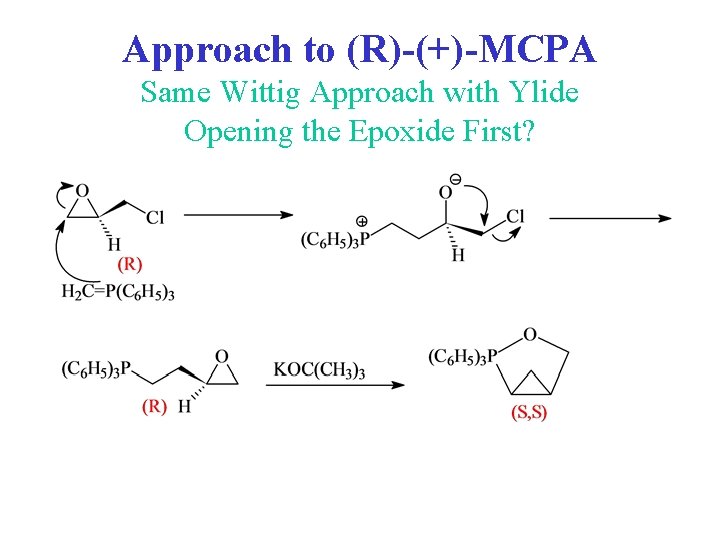
Approach to (R)-(+)-MCPA Same Wittig Approach with Ylide Opening the Epoxide First?