
Keeping Our Work Professional Confidential and Safe Introductions


- Slides: 18
Keeping Our Work Professional, Confidential and Safe
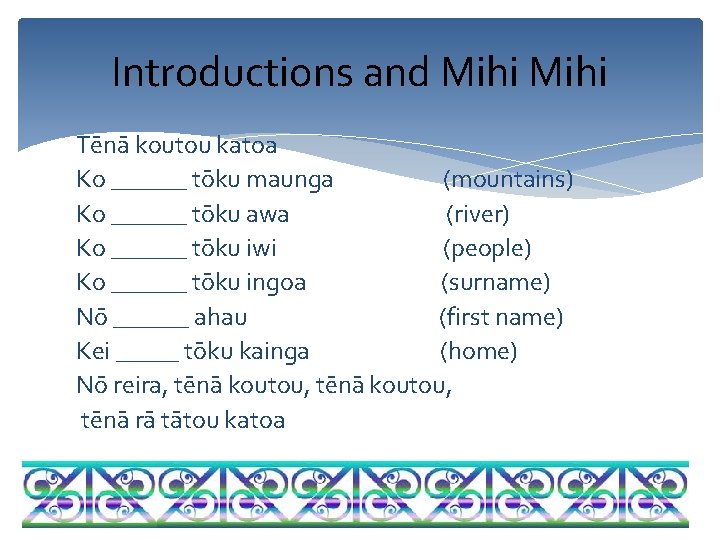
Introductions and Mihi Tēnā koutou katoa Ko ______ tōku maunga (mountains) Ko ______ tōku awa (river) Ko ______ tōku iwi (people) Ko ______ tōku ingoa (surname) No ______ ahau (first name) Kei _____ tōku kainga (home) No reira, te na koutou, te na ra ta tou katoa
Overview Knowing the Privacy Act When professional and private lives overlap Creating partnerships with teachers, families and whanau Safety: at-risk students, keeping yourself safe Keep up the good work
The Privacy Act Information Privacy Principles how you collect information how you store it, and what procedures you have to protect its security the need to keep it complete, up to date and accurate before you use it how long you can keep it what you can use it for when you can disclose it allowing the person who is the subject of the information to access it correcting it if it is wrong.
Discuss… What does confidentiality mean? Does confidentiality mean different things in your personal and professional lives? If yes, in what ways? Are there clear guidelines and expectations about confidentiality at your school? Do you know where to find out about these?
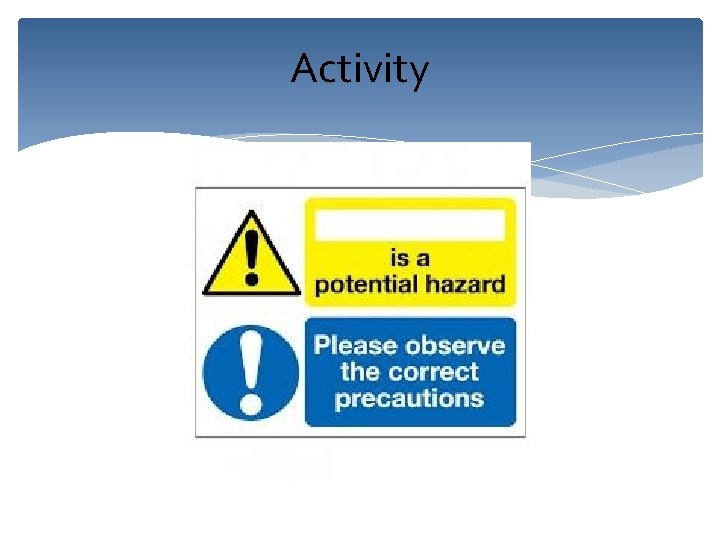
Activity
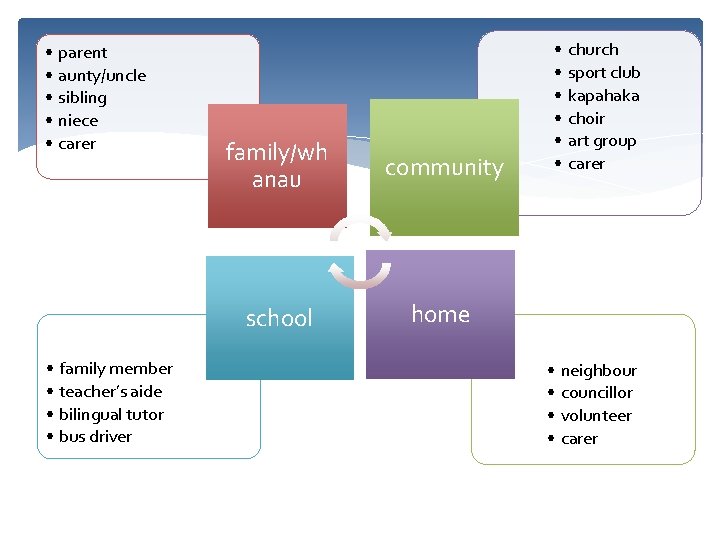
When professional and private lives overlap: When people’s professional and private lives overlap it can be a good thing Sometimes it can be tricky for teachers and teachers’ aides when they live in the communities they work in: it’s not always clear whether they’re in their professional role, talking as a friend or as a community member.
• parent • aunty/uncle • sibling • niece • carer • family member • teacher’s aide • bilingual tutor • bus driver family/wh anau community school home • church • sport club • kapahaka • choir • art group • carer • neighbour • councillor • volunteer • carer
A New Kind Of Hazard….
Discussion: juggling all the roles
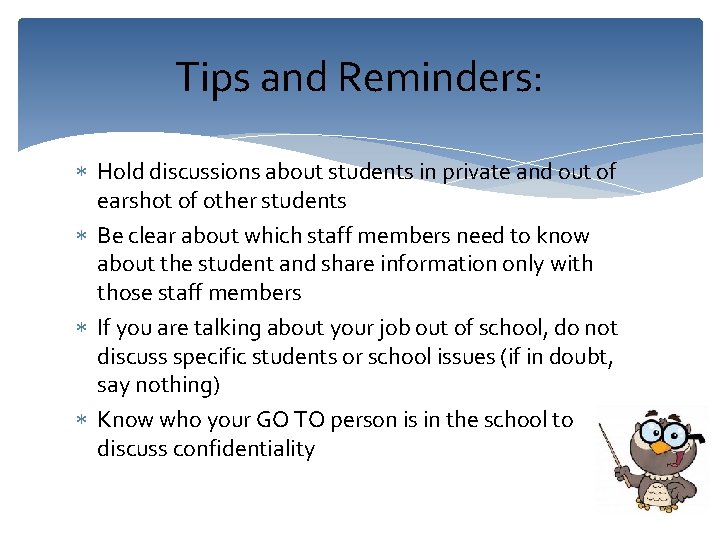
Tips and Reminders: Hold discussions about students in private and out of earshot of other students Be clear about which staff members need to know about the student and share information only with those staff members If you are talking about your job out of school, do not discuss specific students or school issues (if in doubt, say nothing) Know who your GO TO person is in the school to discuss confidentiality
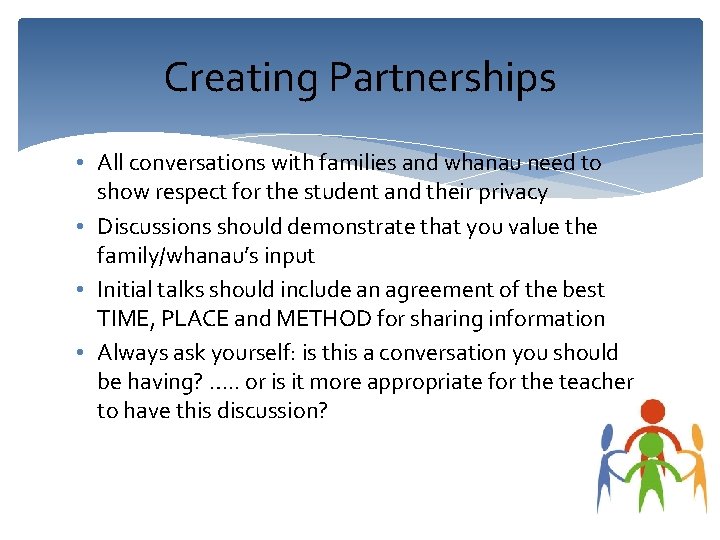
Creating Partnerships • All conversations with families and whanau need to show respect for the student and their privacy • Discussions should demonstrate that you value the family/whanau’s input • Initial talks should include an agreement of the best TIME, PLACE and METHOD for sharing information • Always ask yourself: is this a conversation you should be having? …. . or is it more appropriate for the teacher to have this discussion?
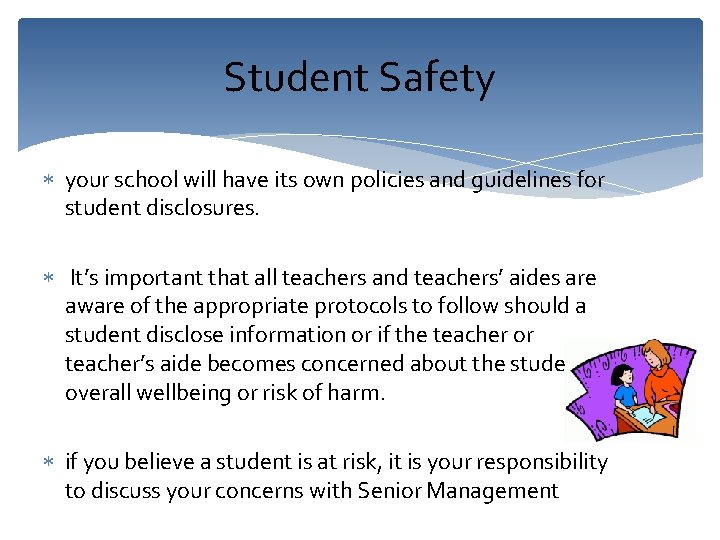
Student Safety your school will have its own policies and guidelines for student disclosures. It’s important that all teachers and teachers’ aides are aware of the appropriate protocols to follow should a student disclose information or if the teacher or teacher’s aide becomes concerned about the student’s overall wellbeing or risk of harm. if you believe a student is at risk, it is your responsibility to discuss your concerns with Senior Management
Your Safety ACTIVITY Discuss in a small group ALL the possible situations that could affect your personal safety.
if you provide personal and physical care for students or work with a student one to one, it’s essential to follow your school’s health and safety policy and procedures and receive appropriate training to keep yourself safe. as students get older, these considerations become more important. (for example, in the senior school, it may be safer for a teacher’s aide to work with a group rather than one to one or maybe the role should be done by a teacher’s aide of the same gender as the student.
Keep Up The Good Work
Meeting regularly with teachers and SENCO helps build and maintain your professional relationship. As well as providing an opportunity to plan, a regular meeting time lets you reflect together. It’s important to talk about and celebrate what’s going well and discuss and problem-solve anything that’s not going so well.