
KAU Rabigh Medical College 5 th Year Course
KAU – Rabigh Medical College 5 th Year Course of Pediatrics 1434 - 1435 2013 - 2014 Dr Mohamed Hesham Professor of Pediatrics
Pediatrics!!. . . Why? ?
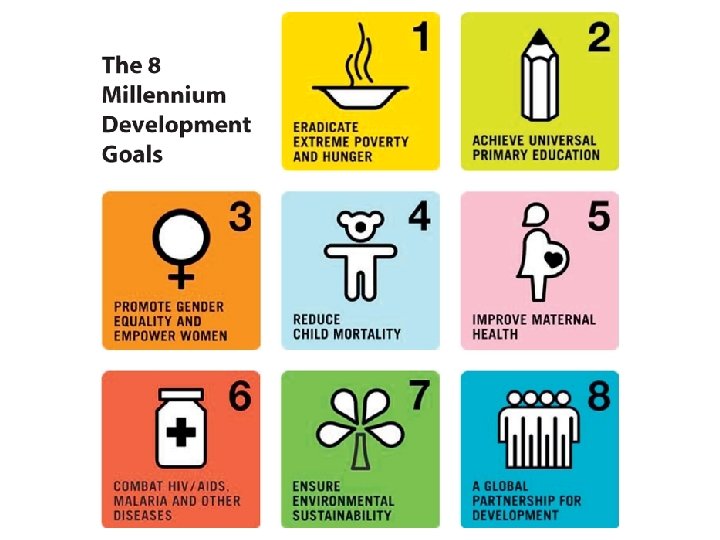
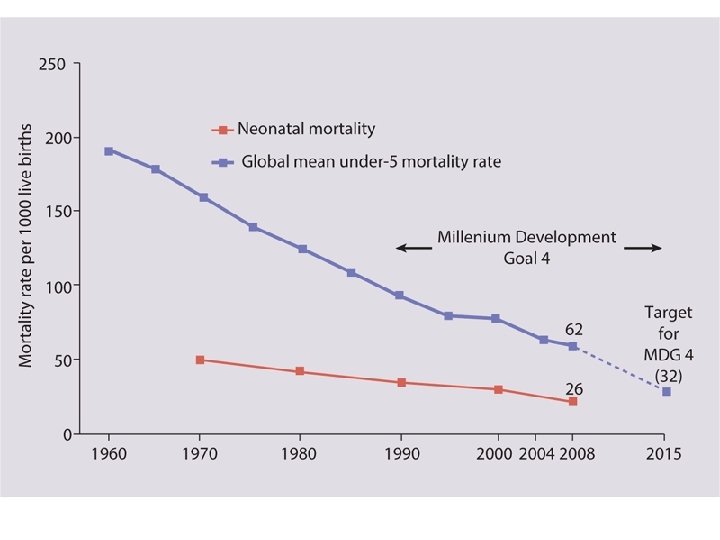
Most children deaths in developing countries are preventable
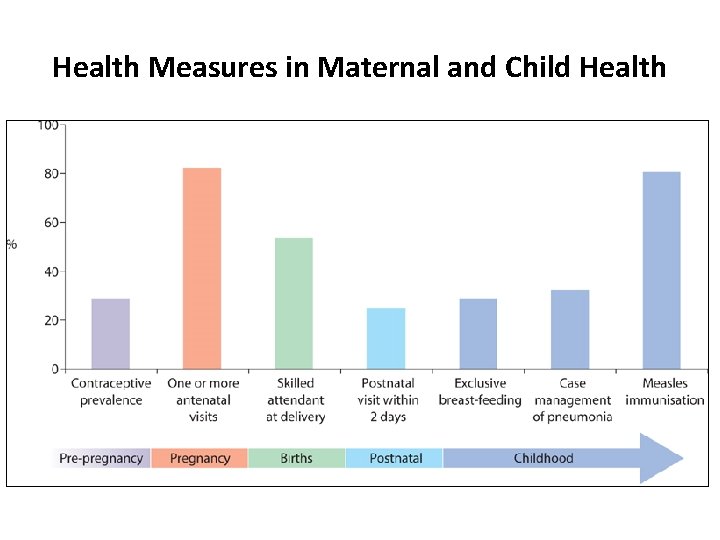
Health Measures in Maternal and Child Health
Pediatrics!!. . . How? ?
A Good Student in Pediatrics • • • Observer Social and confident Listener Like challenges Dedicated Empathetic
Observer Patient assessment needs n o i t a v r e s b o good
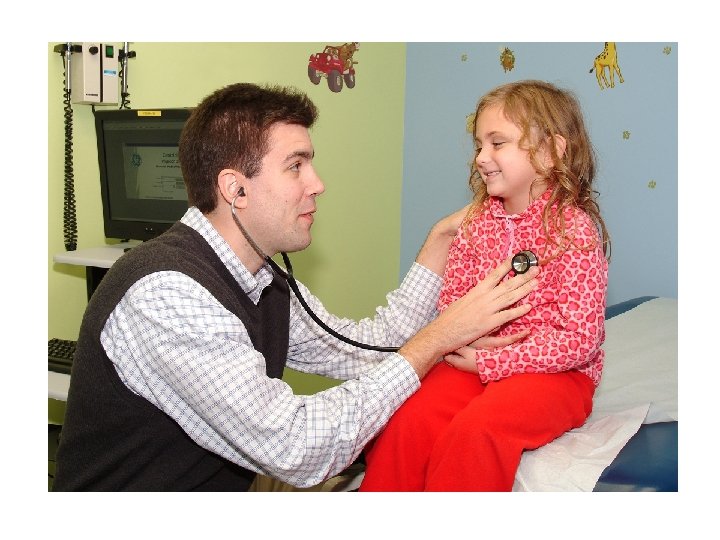

Social and confident • Pediatrics has some unique issues • Working with patients and parents • If you can not smile, you are in trouble

Listener • Allow parents to talk, listen to children • Concentrate on what they say • Understand their feeling as they speak • Don’t be judgmental


Like challenges • Age • The family unit • The environment
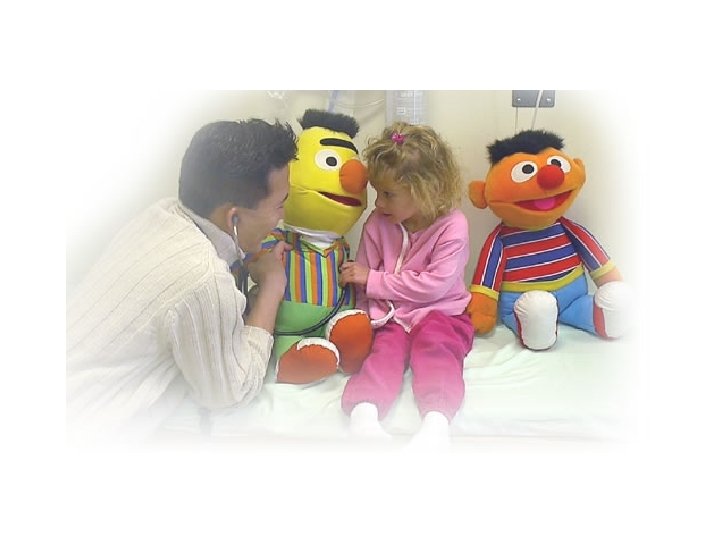

Dedicated • Care of babies and young children can be overwhelming • Make sure you have the temperament, personality and dedication required
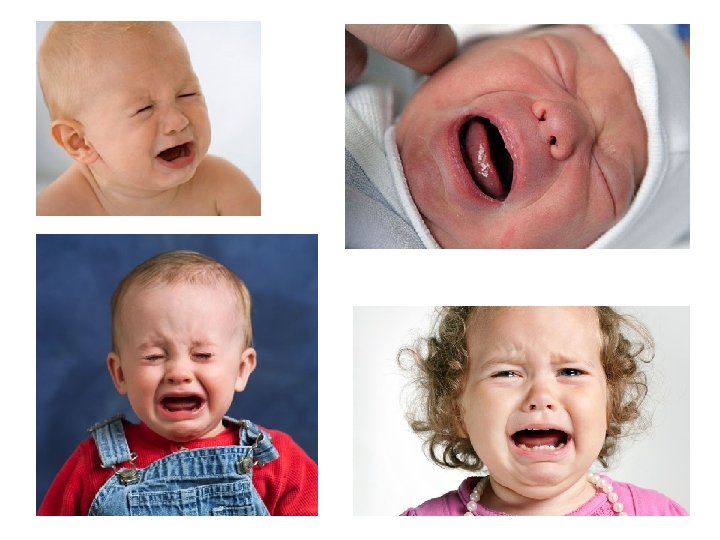
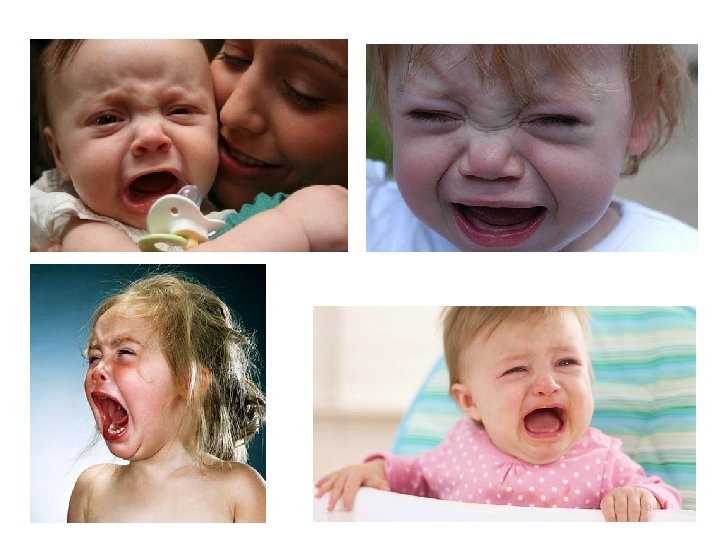
Empathetic • Children respond to people who enjoy and care about them • Breaking bad news

A Good Student in Pediatrics • • • Observer Social and confident Listener Like challenges Dedicated Empathetic
Pediatrics is Different…. Children are not small adults! Newborns are not small children!!
Basic Medical Characteristics • • • Anatomy Physiology and Biochemistry Nutrition and Metabolism Immunology Pathology
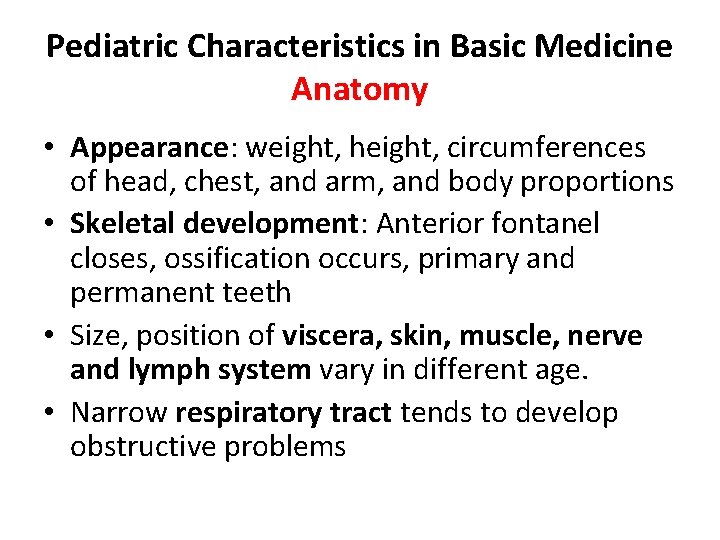
Pediatric Characteristics in Basic Medicine Anatomy • Appearance: weight, height, circumferences of head, chest, and arm, and body proportions • Skeletal development: Anterior fontanel closes, ossification occurs, primary and permanent teeth • Size, position of viscera, skin, muscle, nerve and lymph system vary in different age. • Narrow respiratory tract tends to develop obstructive problems
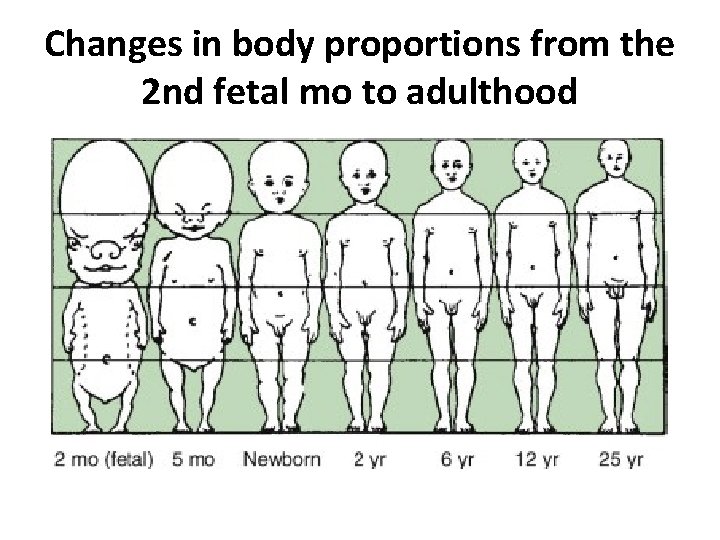
Changes in body proportions from the 2 nd fetal mo to adulthood
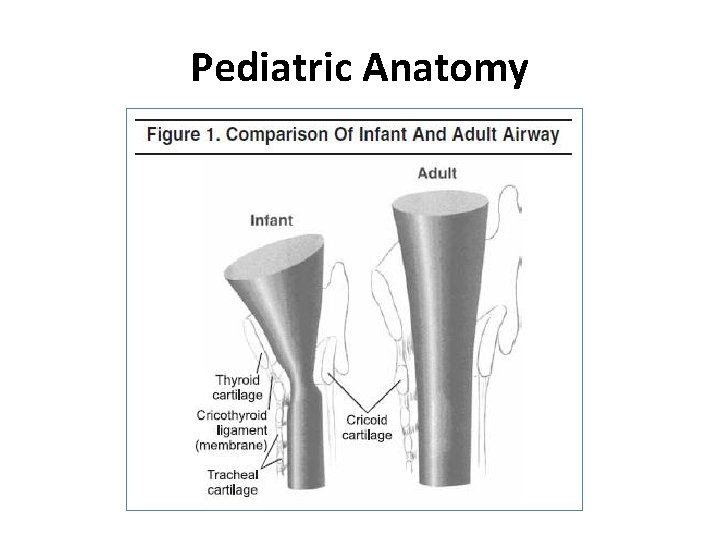
Pediatric Anatomy
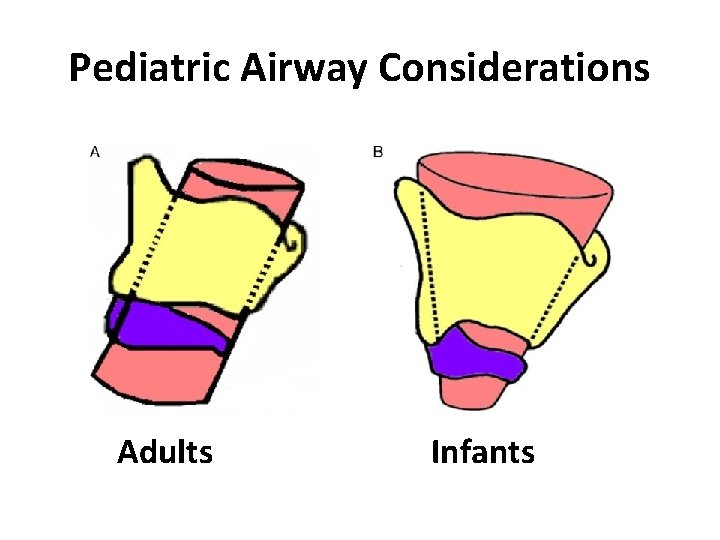
Pediatric Airway Considerations Adults Infants
Pediatric Characteristics in Basic Medicine Physiology • Heart rate, blood pressure, routine blood test results and composition of body fluids are variable according to age • Limited kidney's ability leads to electrolyte and acid-base disorders in children • More liable to hypothermia, hypoglycemia, hypoxia and dehydration
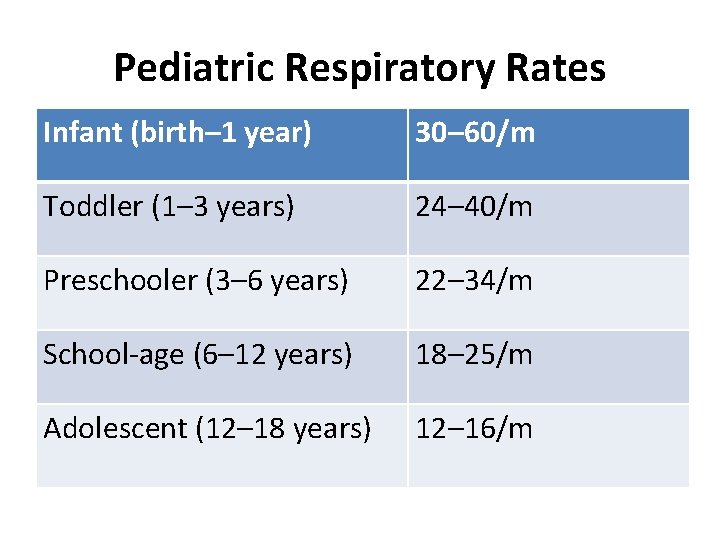
Pediatric Respiratory Rates Infant (birth– 1 year) 30– 60/m Toddler (1– 3 years) 24– 40/m Preschooler (3– 6 years) 22– 34/m School-age (6– 12 years) 18– 25/m Adolescent (12– 18 years) 12– 16/m
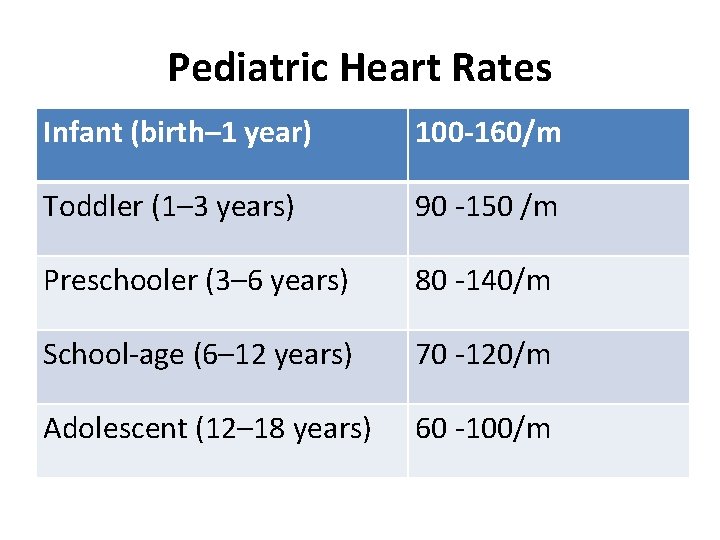
Pediatric Heart Rates Infant (birth– 1 year) 100 -160/m Toddler (1– 3 years) 90 -150 /m Preschooler (3– 6 years) 80 -140/m School-age (6– 12 years) 70 -120/m Adolescent (12– 18 years) 60 -100/m
Pediatric Characteristics in Basic Medicine Nutrition and Metabolism • The dramatic growth of children during early life demands unique nutrients. • Unfortunately, provision of these special nutritional needs is complicated by the immature digestive and metabolic processes. • Inborn errors of metabolism causing clinical manifestations are almost found in the infants and children stage.
Pediatric Characteristics in Basic Medicine Immunology • 3 -5 months after birth, the diminished concentration of immunoglobulin and other immunologic factors and the decreased function of neutrophils and other cells involved in the response to infection put infants at increased risk for infection. • SIg. A and Ig. G is not sufficient , thus the infants are vulnerable to respiratory and gastrointestinal infections.
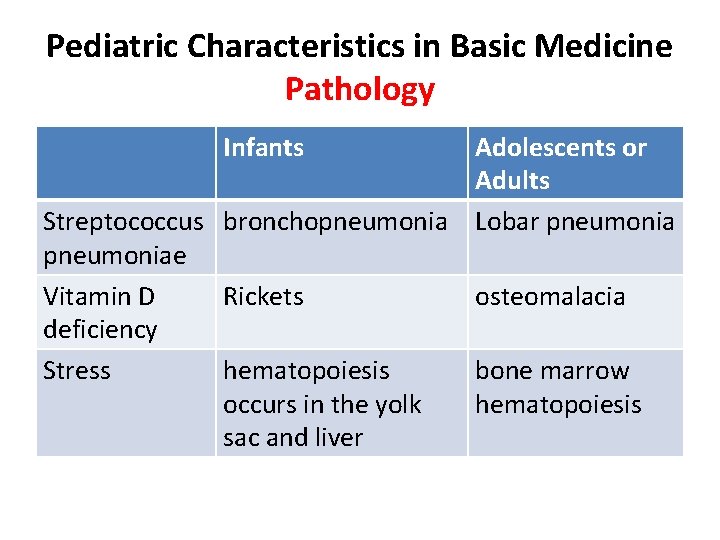
Pediatric Characteristics in Basic Medicine Pathology Infants Adolescents or Adults Streptococcus bronchopneumonia Lobar pneumoniae Vitamin D Rickets osteomalacia deficiency Stress hematopoiesis bone marrow occurs in the yolk hematopoiesis sac and liver
Clinical Characteristics of Pediatrics • • • Pattern of Diseases Clinical Manifestations Diagnosis Treatment Prognosis Prevention
Clinical Characteristics of Pediatrics Pattern of Diseases • Neonates : asphyxia of newborn, trisomy 21 • Infant-toddler age: febrile convulsion • Cardiovascular disorders: – congenital heart disease in children – coronary heart disease in adults • Malignancy: Age of 4 yr and above – Acute leukemia – Brain tumors
Clinical Characteristics of Pediatrics Clinical Manifestations • Onset of illnesses is very rapid. • Atypical presentations: – Neonate with severe infection is always weak in response, apathy, rejects feeding, but has neither fever, nor increase in WBC counting or other obvious clinical manifestations. • May easily miss the diagnosis!
Clinical Characteristics of Pediatrics Diagnosis • History given by the parents. • Varies with age: – Convulsion in children: • Neonatal Period--obstetric injuries, asphyxia, congenital diseases, intracranial hemorrhage. • <6 mo old--intracranial infection, tetany of Vitamin D deficiency. • 6 mo - 3 yr old: high fever, intracranial infection. • > 3 yr old: epilepsy, intracranial tumor or infection.
Clinical Characteristics of Pediatrics Treatment • The pediatric drug dose varies in different age groups and given according to body weight or surface area. • Fluid therapy is critical in amount and composition. • Nutritional support is important • Efficient nursing is essential
Clinical Characteristics of Pediatrics Prognosis • The clinical manifestations change rapidly. • They have good potential for recovery. POSITIVE! • But when they decompensate they crash suddenly and rapidly. NEGATIVE! • Early diagnosis and prompt treatment are very important. • Rapid tissue recovery.
Clinical Characteristics of Pediatrics Prevention • Prevention in the health care of infants, and children is at the core of the field of pediatrics. – Planned immunization (vaccination) – Genetic consultation and screening test – Injury prevention – Parents counseling – Examples • Treat urinary tract infection renal dysfunction. • Treat rheumatic diseases in childhood is to prevent or reduce organ damage
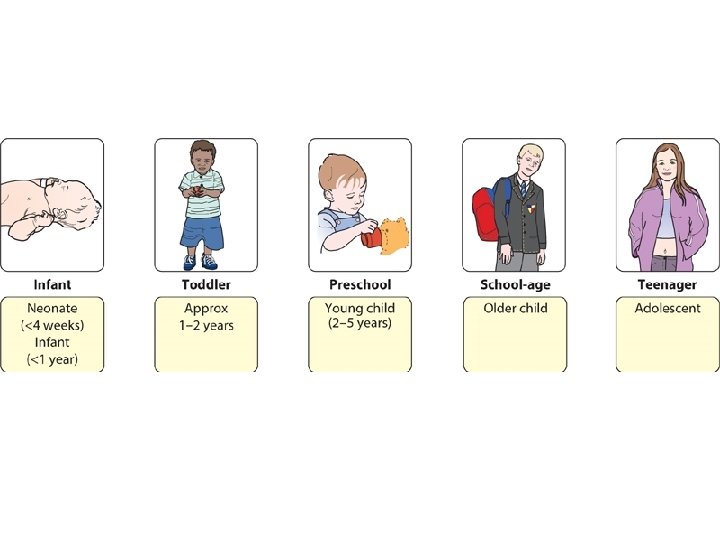
Pediatrics - Stages by Age • • Fetal period Neonatal period Infant period Toddler age Preschool age School age Adolescence
Pediatrics - Stages of Children by Age Fetal period • This period is from formation of embryo till birth. • First trimester of pregnancy is the first 12 weeks. – This period is very important for development and organogenesis. Thus, infection, radiation, chemotherapy may give rise to congenital malformation of organs. • Second and third trimester; fetus increase in size and get stores.
Pediatrics - Stages of Children by Age Neonatal period • From umbilical ligation to 28 th day after birth • Features: beginning of independent life • The physiological regulation ability and adaptation to circumstances are challenging. • The morbidity and mortality are very high • Health care: – enough nutrition – proper nursing care – prevention of diseases
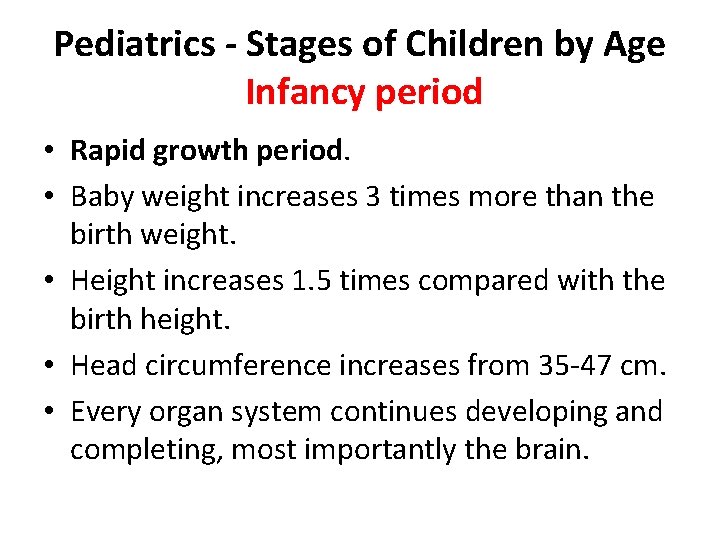
Pediatrics - Stages of Children by Age Infancy period • Rapid growth period. • Baby weight increases 3 times more than the birth weight. • Height increases 1. 5 times compared with the birth height. • Head circumference increases from 35 -47 cm. • Every organ system continues developing and completing, most importantly the brain.
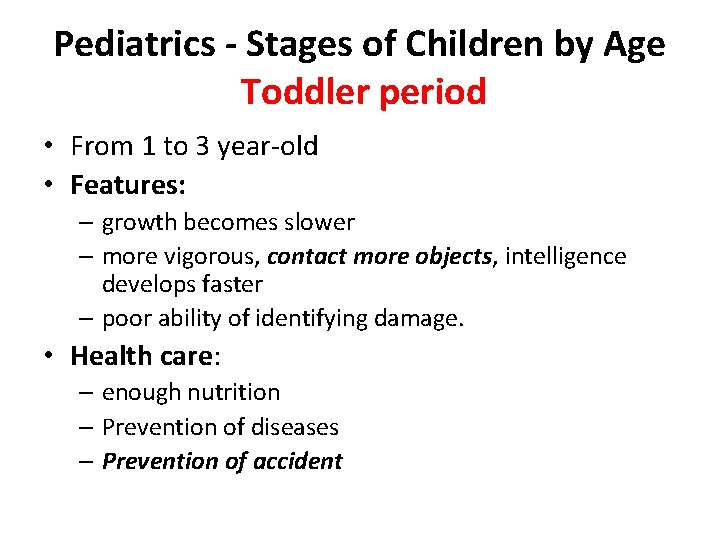
Pediatrics - Stages of Children by Age Toddler period • From 1 to 3 year-old • Features: – growth becomes slower – more vigorous, contact more objects, intelligence develops faster – poor ability of identifying damage. • Health care: – enough nutrition – Prevention of diseases – Prevention of accident

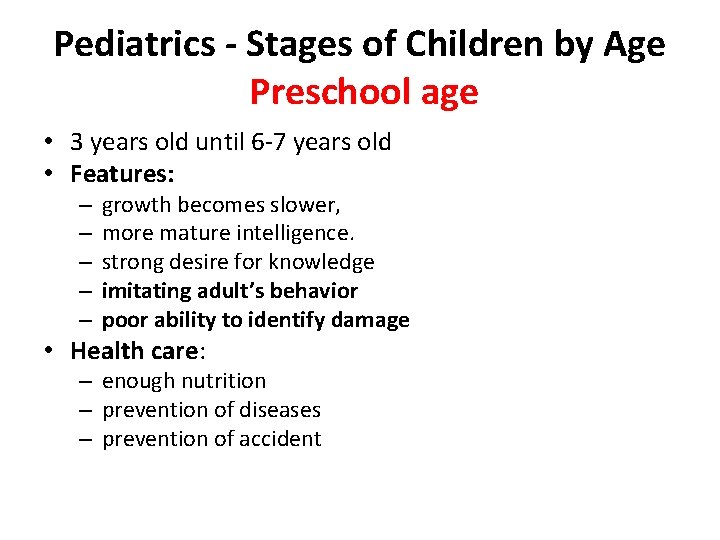
Pediatrics - Stages of Children by Age Preschool age • 3 years old until 6 -7 years old • Features: – – – growth becomes slower, more mature intelligence. strong desire for knowledge imitating adult’s behavior poor ability to identify damage • Health care: – enough nutrition – prevention of diseases – prevention of accident

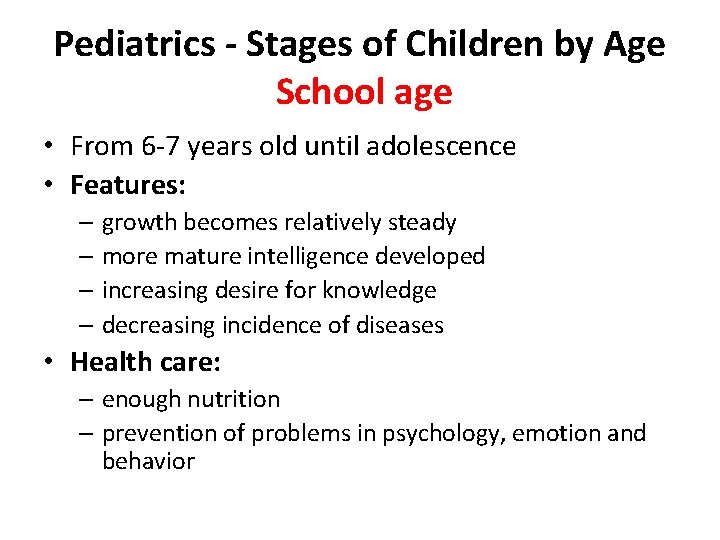
Pediatrics - Stages of Children by Age School age • From 6 -7 years old until adolescence • Features: – growth becomes relatively steady – more mature intelligence developed – increasing desire for knowledge – decreasing incidence of diseases • Health care: – enough nutrition – prevention of problems in psychology, emotion and behavior
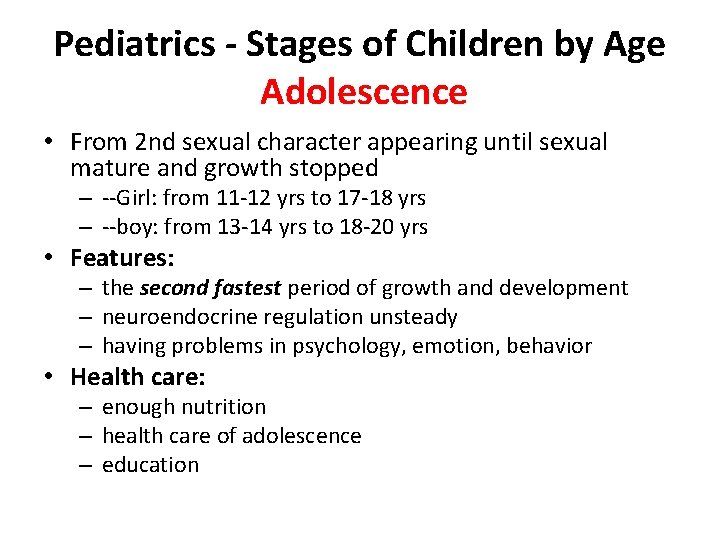
Pediatrics - Stages of Children by Age Adolescence • From 2 nd sexual character appearing until sexual mature and growth stopped – --Girl: from 11 -12 yrs to 17 -18 yrs – --boy: from 13 -14 yrs to 18 -20 yrs • Features: – the second fastest period of growth and development – neuroendocrine regulation unsteady – having problems in psychology, emotion, behavior • Health care: – enough nutrition – health care of adolescence – education
History Taking in Pediatrics
History Taking - Definition • History taking can be defined as a systematic inquiry into the patient or client’s life. • It is the process of obtaining relevant information from the patient or patient’s caretaker (such as the mother or father) for the purpose of making a diagnosis.
Why? ? • The pediatric history is the foundation upon which the future physician/ patient/ parent relationship is built. • The main basis of diagnosis of a medical condition lies in obtaining a good history and physical examination.
“More errors are made because of inadequate history-taking and superficial exam than any other cause. ”
Objectives • To understand the content differences in obtaining a medical history on a pediatric patient compared to an adult. • To understand how the age of the child has an impact on obtaining an appropriate medical history. • To highlight the role of parents during taking pediatric history.
Objectives • To highlight the fact that modern technology must be used when appropriate only to enhance the clinical assessment of the patient, not to replace it. • Understand the appropriate wording of questions in taking a pediatric history, and appropriate use of questions. • Children are not just small adults!
Goals of the history • To determine why the patient/parent came to see the physician. • To determine what the patient/parent is worried about most and why. • To strengthen the physician/patient/parent relationship and thus therapeutic alliance by observing, listening and conveying empathy.
• Direct appropriate examination and investigation • Reach a correct diagnosis (or form a differential diagnosis)
Pediatric History is Different? !
Pediatric History is Different • • History is usually given by parents Developmental level of the child The age of the patient Social issues
Differences of a Pediatric History Compared to an Adult History I. Content Differences – Peri-natal history – Developmental history – Social history – Immunization history
Differences of a Pediatric History Compared to an Adult History II. Parent as Historian • Parent’s interpretation of signs, symptoms o Children above the age of 4 may be able to provide some of their own history o Reliability of parents’ observations varies o Adjust wording of questions - “When did you first notice Johnny was limping”? instead of “When did Johnny’s hip pain start”? • Observation of parent-child interactions • Parental behaviors/emotions are important
Dealing with pediatric patients requires • • Specific knowledge Creativity Patience Be careful of sarcasm and joking
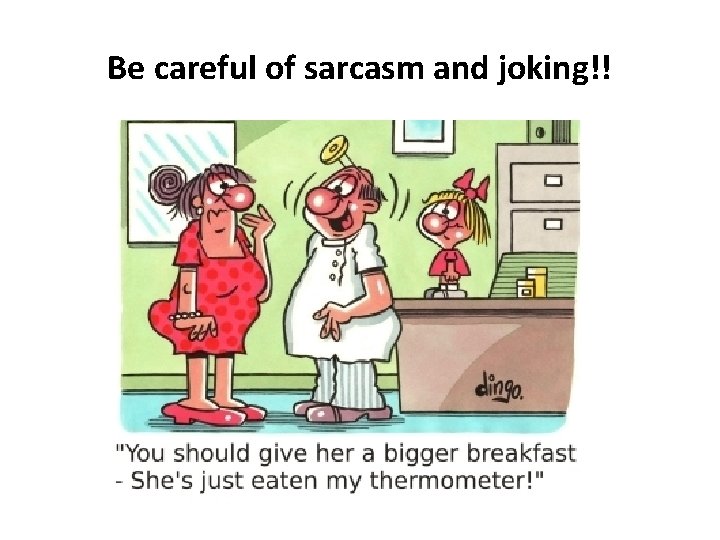
Be careful of sarcasm and joking!!
So, • Taking a history is an art that comes with time. • Watch how others do it, • But find what works for you.
Listening to Mothers
Listening to Mothers • A smart mother makes often a better diagnosis than a poor doctor. August Bier (1861– 1949) A German surgeon and a pioneer of spinal anesthesia
Listening to Mothers
Listening to Mothers • A good doctor is a good listener. • History is the vital cornerstone of pediatric problem solving. • More important information is often gathered from a good history than from physical examination and laboratory investigation.
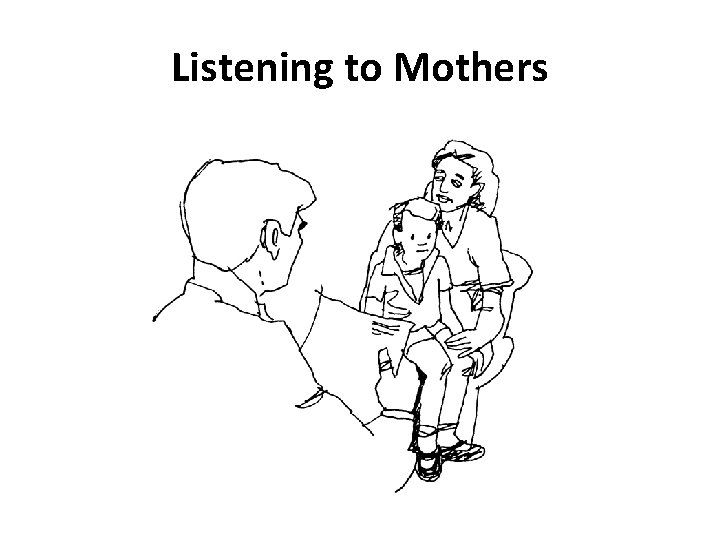
Listening to Mothers
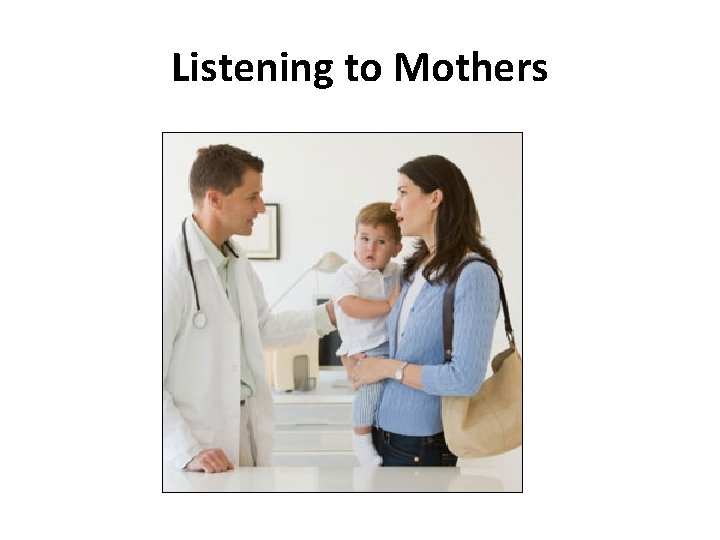
Listening to Mothers • Mothers are excellent observers of their offspring and do know when the are sick. • She may not know what’s wrong but she certainly knows something is wrong. • No one can replace the mother in providing an accurate and thorough description of the child and his complaints. • Other caretakers – grandparents, aunts, will vary widely in their knowledge of the child.
Listening to Mothers • Introduce, establish rapport with the mother. • Get into the habit of quoting verbatim from mother. • Many have the experience of saying : ‘If only I had listened to that mother; she was trying to tell me what was wrong’. Listen to the patient, he is telling you the diagnosis “Sir William Osler 1904”
Listening to Mothers • Ask her to define her terms (What do you mean by. . . ? ). • You need to establish that you are both talking about the same thing. • A good opening is, ‘Tell me about your baby’, and then simply let the mother talk. • Learn through history taking (receiving) to be a good listener – to parents primarily, but also to experienced pediatricians as they elicit clinical histories.
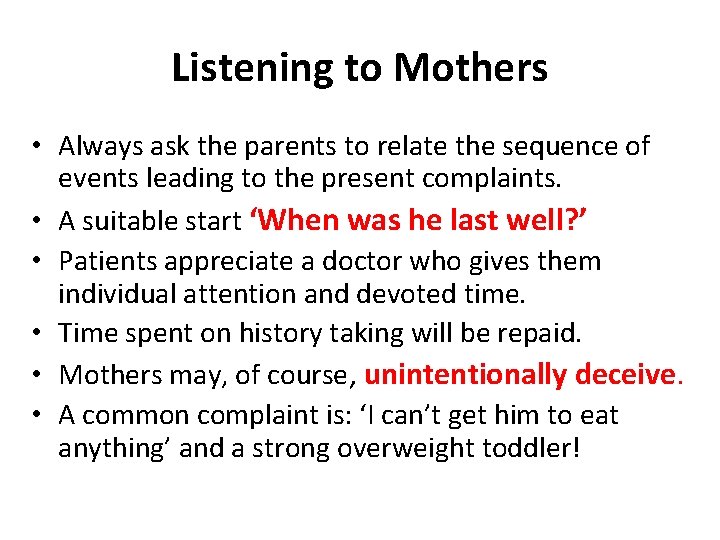
Listening to Mothers • Always ask the parents to relate the sequence of events leading to the present complaints. • A suitable start ‘When was he last well? ’ • Patients appreciate a doctor who gives them individual attention and devoted time. • Time spent on history taking will be repaid. • Mothers may, of course, unintentionally deceive. • A common complaint is: ‘I can’t get him to eat anything’ and a strong overweight toddler!
A Sample History About 70 – 80 % of pediatric diagnoses are based mainly on history
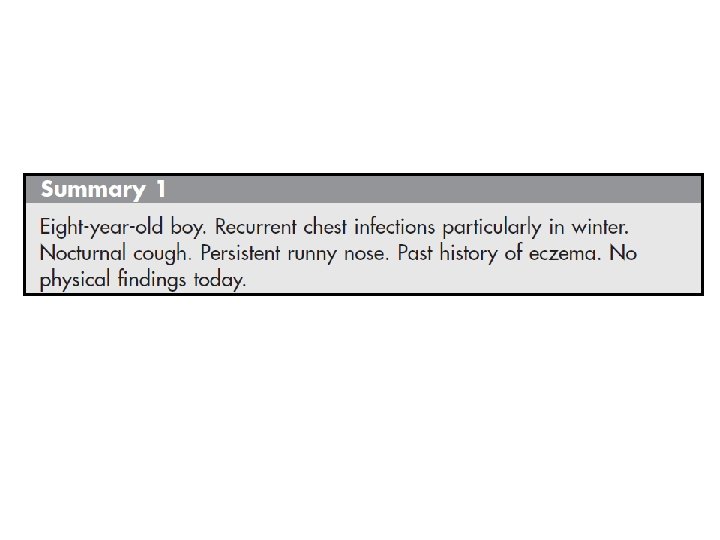
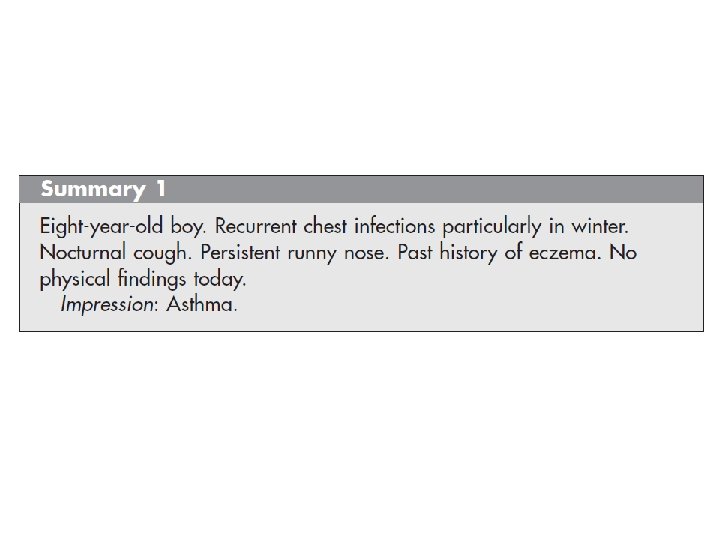
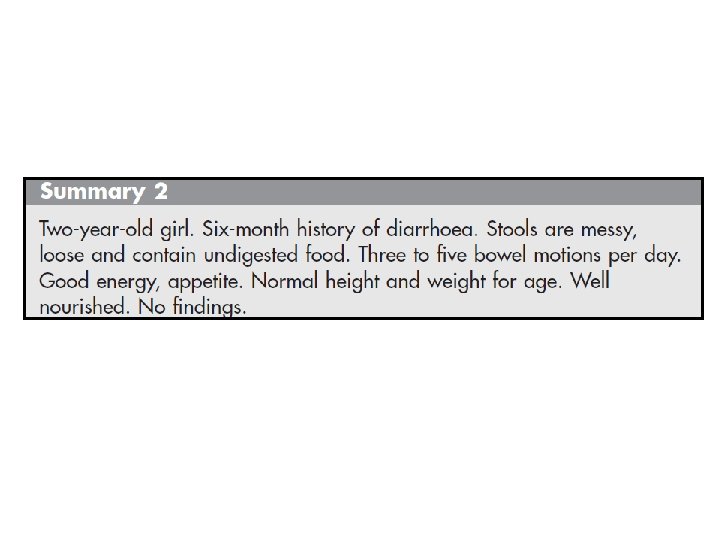
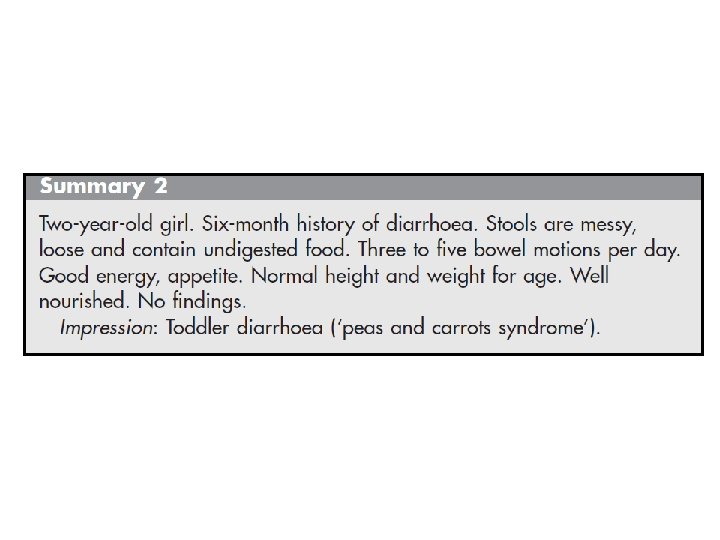
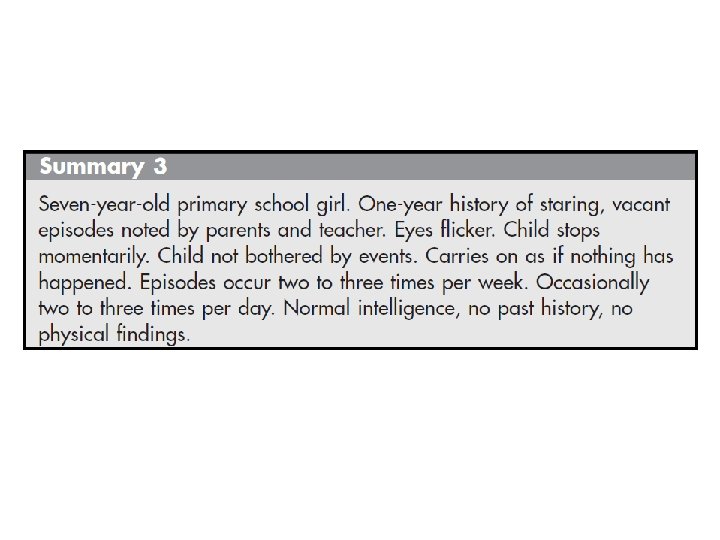
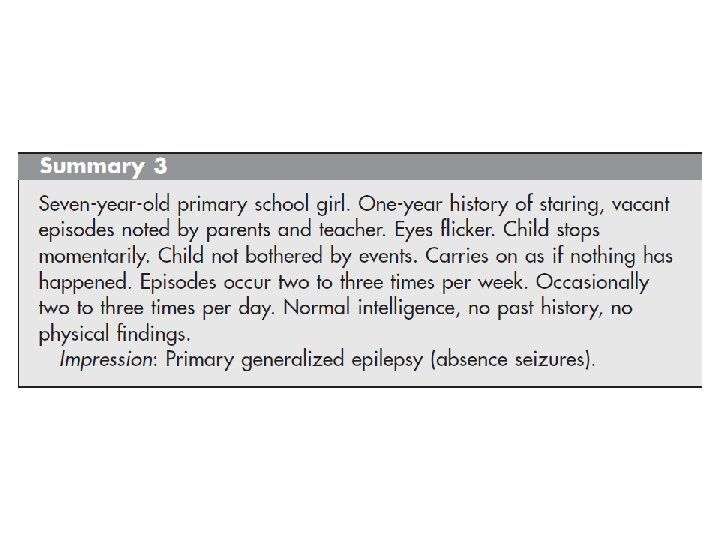
A good history with the pertinent points abstracted is the best pointer to diagnosis in pediatrics
Key areas to cover are • Presenting complaint -(chief reason for seeking advice) • History of presenting complaint -(temporal sequence of events leading to presentation) • Past Medical History • Prenatal : drugs, infections, fetal movements, maternal health • Birth: labor, delivery, Apgar, resuscitation, percentiles. • Neonatal ; medical and surgical problems • Feeding, diet, nutrition • Growth and Development status
Progress at kindergarten , playgroup, school Immunizations Medications Allergies Previous medical problems, Life events , accidents , injuries, surgery Family History (pedigree) medical and psychiatric, drug and alcohol • Impact of child's illness on family/ siblings • Occupation of parents. • •
Outline of the Pediatric History
History – General, Personal • • • Date Patient's name Birth date……. . Age Gender, be careful to use the correct gender Residence Person giving the history (relationship to patient and perceived reliability)
• • • Pediatrics is a specialty governed by age Pediatrics is a specialty governed by age
• Pediatrics stretches from newborn infants to adolescents. • Whenever you consider a pediatric problem, whether medical, developmental or behavioral, • First ask, 'What is the child's age? '
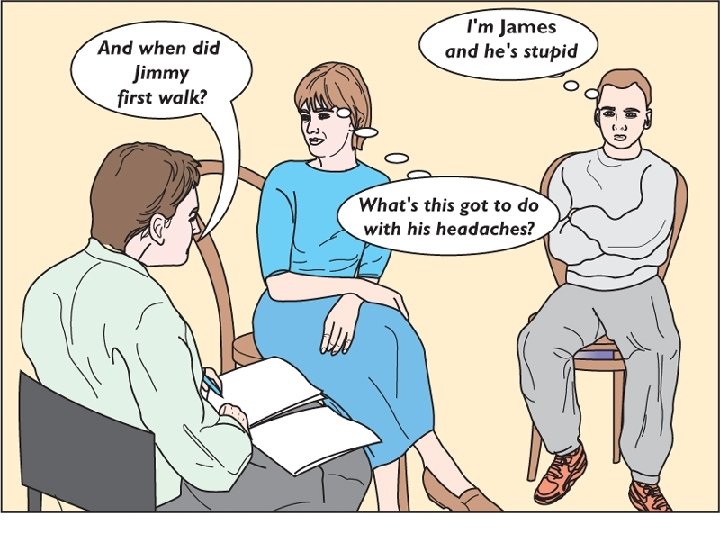
Presenting complaint - Chief complaint • In the patient's or informant's words. • Description of the presenting complaint, in chronological order. • Brief statement of primary problem (including duration) that caused family to seek medical attention. • It is important to establish the duration of each complaint.
History of the Present Illness • This is the most important part of history. • Details of the chief complaint are expanded. – How and when the condition begin – Progress of the condition, chronology or sequence – Aggravating and alleviating factors – Relevant negatives information should be included if they contribute to the diagnosis or help exclude other possibilities
History of the Present Illness • A helpful statement includes when was the patient last entirely well. "The child was well until "X" number of days before this visit. " • Review of Systems. A checklist for pertinent information that might have been omitted. "Are there any symptoms related to. . . ? “ • There is no need to repeat previously recorded information in writing a Review of Systems
• If there is more than one complaint, ask which complaint came first, which was next and finally, which came last. You should then present these complaints in order beginning with the one that came first. • Always start by “open questions” and leave “closed questions” ; a “Yes” or “No” questions till end to complete data.
History of the Present Illness • Any significant prior laboratory or radiology studies should be noted here. • Child maltreatment should be considered if the history and physical exam are not consistent with one another or if there is a delay in seeking care for a serious injury.
History of the Present Illness - Theme • History of the Present Illness – (where? what? when? How? . . . ) directed at the chief complaint(s). • Review of other systems – Support a diagnosis – Exclude a diagnosis – Assess severity of a disorder • Negative information should be included if contribute to diagnosis or exclude other possibilities.
Past Medical History • • Hospitalizations Surgeries Medications and drug allergies Vaccinations Recent travel Recent exposure Injuries Communicable diseases
Past Medical History • The relative importance of these items depends on: – the age of the patient and – the reason for the visit • In general, the birth history is not significant for an acute minor trauma visit for an adolescent!
Perinatal history • Prenatal: o Length of gestation. o Age and parity of mother at delivery. o Any maternal insults [alcohol, smoking] or illnesses during gestation.
Perinatal history • Natal: o Where born: hospital, clinic, home. o Birth weight, mode of delivery, difficulties in delivery. o Resuscitation, intensive care requirement at birth. o Apgar score at birth, if known.
Perinatal history • Postnatal: o Cyanosis, pallor, jaundice, convulsions, birthmarks, malformations, feeding or respiratory difficulties. o How baby was fed in first few days. o Whether child went home with mother.
Nutritional history • Breast-fed vs. bottle-fed – When breast started, stopped. – If formula: type, amount, pre-mixed vs concentrate [and dilution used]. • • Vitamin supplements. Age when weaning started. Appetite and growth. Current diet.
Nutritional history • Present diet and appetite – Age of introduction of solids – Age child achieved 3 feedings per day – Present feeding patterns – Elaborate on any feeding problems – Age weaned from breast or bottle – Type of milk and daily intake – Food preference – Ability to feed self
Developmental history • • Gross motor. Fine motor. Vision, speech, hearing. Social.
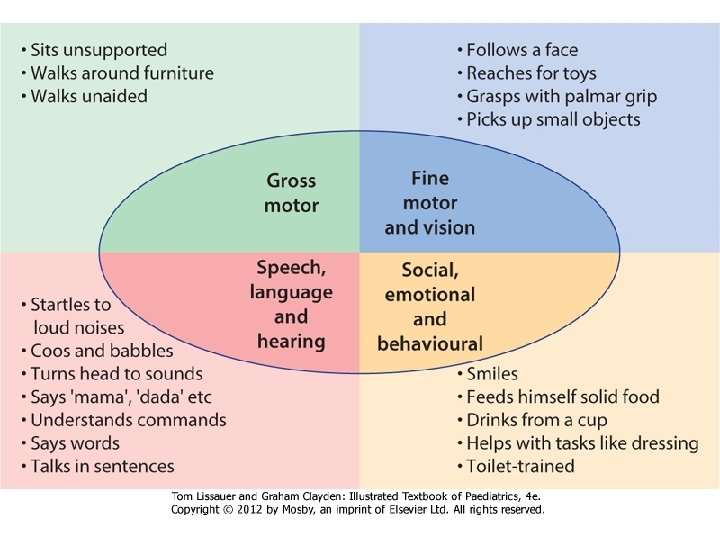
Developmental history • Age when able to… – Hold head erect when in sitting position – Roll from front to back; back to front – Sit alone; unsupported – Stand with support; without – Use words – Talk in sentences – Dress self – Age when toilet trained
Social History
Social history - Goal • To build up a picture of the child’s social and cultural environment to appreciate risks and stresses at home and school: • Home: parental attitudes, separated, divorce, absence of a parent, jealousy of a new baby, death of a near relative • School: new school, low educational level, over rigid discipline, bullying
Social History
Social History
Social history - Items • Living accommodation • Who lives at home with the patient, including extended family members • Age and parents' occupation • Level of parental education • Sibling relationships • The family's attitude toward the child and toward each other, the type of discipline used, and the major disciplinarian
Social history - Items • School performance (Education history) • Any others at daycare/ school with same complaint. • Travel: where, how lived when there, immunization/ prophylactic status when went. • Smokers in the home. • Pets in the home. • Nationality and migration of parents [if relevant].
Social History
Family history • Families share houses, genes and diseases. • A family tree that includes the last two generations (prior to the generation of the proband). • Childhood diseases or adult diseases with childhood onset. • History of consanguinity; unexplained recurrent miscarriages or SIDS.
Family history • Neonatal deaths. • The current complaint in parents/ siblings: health, cause of death, age of onset, age of death. • Parents/siblings: age, health, where living. • Height and weight of parents. • Age of parents at the birth of this child

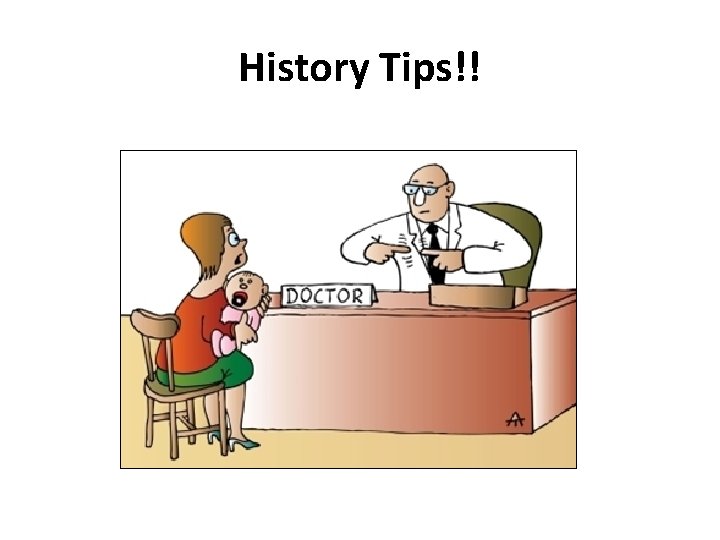
History Tips!!
History Tips!!
History tips • Use "the father" or "the mother" instead of "your husband" or "your wife". • Parents may use lay language. Ask "do you mean. . . " for clarification as needed. • Ask if the temperature was actually measured, and if so, what it was. • Great and give pleasant remarks. • Do not stare at the child!
History tips • You should not swallow the diagnosis given by the parents. • Always use the child’s name. • Do NOT get the gender of the child wrong! • During the taking of the history, preferably in relaxed surroundings, the opportunity should arise to observe how the child separates from the parent, how creatively and independently he plays, and behave.
• Different aspects of the history assume or lose importance depending on the age of the patient or the nature of the problem. • Reserve detailed questioning for those aspects most pertinent to the child. • Summarize at the end to check accuracy

History tips “Don't touch the patient…state first what you see; cultivate your powers of observation…” Sir William Osler
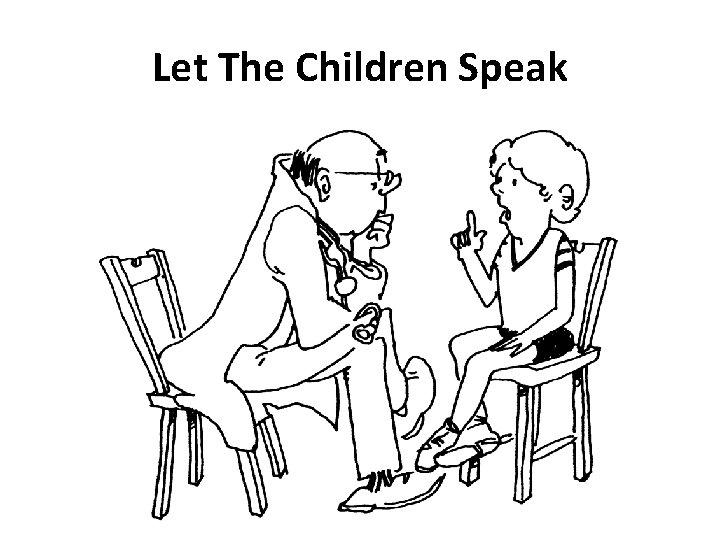
Let The Children Speak
Let The Children Speak • Don’t forget the child!! • Children need to be heard and to be noticed. • Children over 5 years should be asked to give their account of events with parental comments. • A bright 10 -year-old boy with a proven duodenal ulcer described his pain as being ‘like a laser beam going through my stomach’. Brilliant! • If he does not like to talk, or shy don’t push him
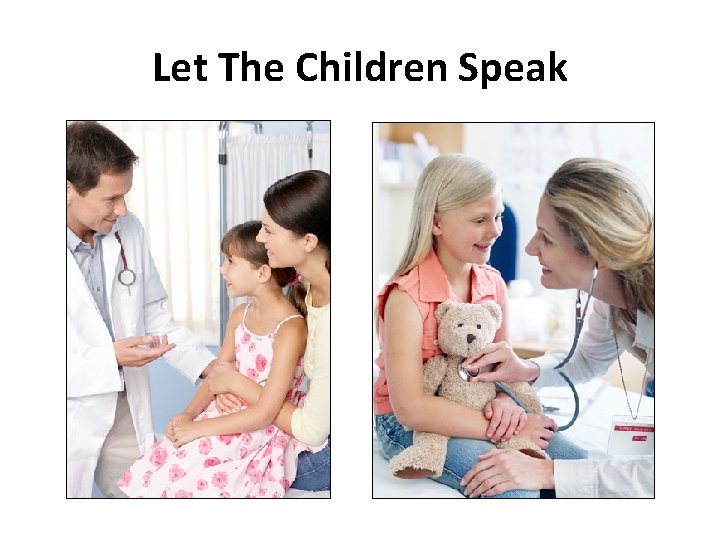
Let The Children Speak
The child should be included as much as possible

Conclude the History by Making an Impression
Impression • A diagnostic impression should be developed. • A problem list is established • First describe the anatomy of each abnormality, then describe the pathologic process (e. g. , neoplastic, inflammatory, infectious)
Questions • What is the most important determinant of pattern of diseases in pediatrics? A. Weight B. Age C. Sex D. Onset E. Social conditions
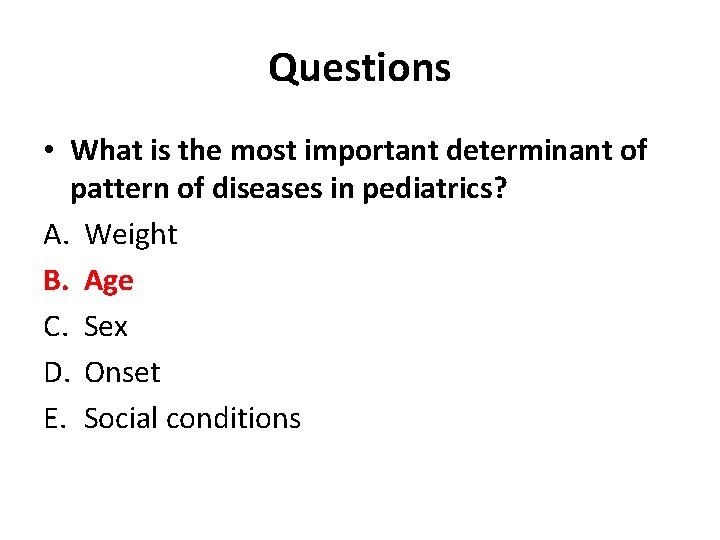
Questions • What is the most important determinant of pattern of diseases in pediatrics? A. Weight B. Age C. Sex D. Onset E. Social conditions
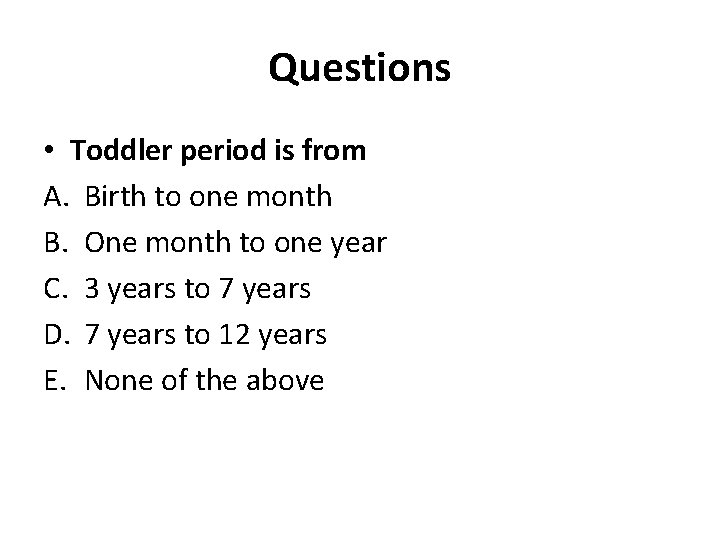
Questions • Toddler period is from A. Birth to one month B. One month to one year C. 3 years to 7 years D. 7 years to 12 years E. None of the above
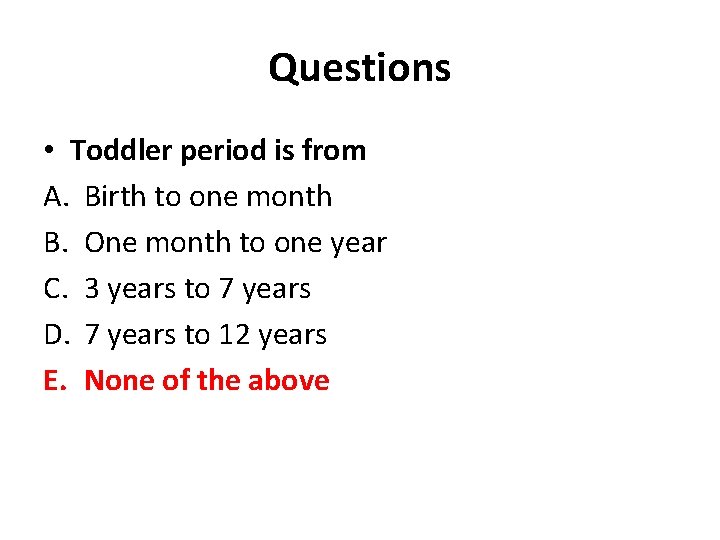
Questions • Toddler period is from A. Birth to one month B. One month to one year C. 3 years to 7 years D. 7 years to 12 years E. None of the above
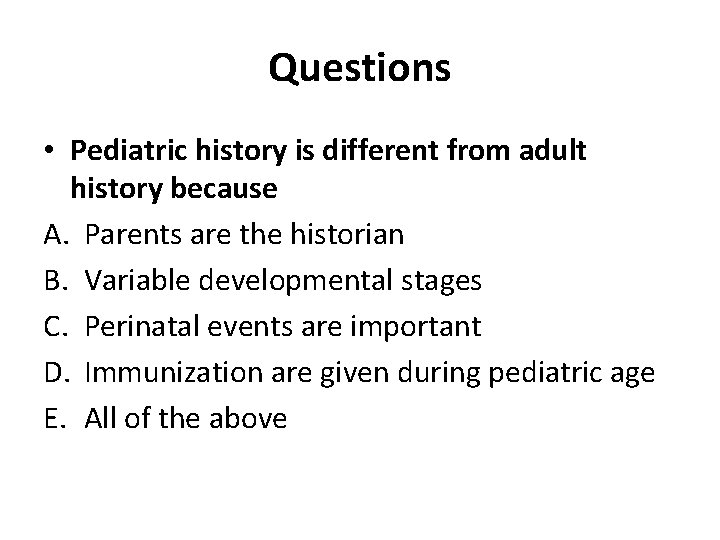
Questions • Pediatric history is different from adult history because A. Parents are the historian B. Variable developmental stages C. Perinatal events are important D. Immunization are given during pediatric age E. All of the above
Questions • Pediatric history is different from adult history because A. Parents are the historian B. Variable developmental stages C. Perinatal events are important D. Immunization are given during pediatric age E. All of the above
Case study 1
A doctor is asked to see an ill 9 -year-old child in a hospital outpatient department. He ignores the child and asks her mother what the problem is. She gives him the referral letter, which he does not read. Before she can give her story he has already started to examine the child. The child is not weighed. He tells her that the child has rheumatic fever, and should stay in bed and take the prescribed tablets three times a day. He then rushes out without any further explanation.
1. What is the first mistake the doctor makes?
1. What is the first mistake the doctor makes? • He ignores the patient. A 9 -year-old child should be able to tell the doctor about the presenting complaints. He also does not introduce himself to both mother and child. This is not only bad medicine but it is also foolish and rude
2. Is this the correct method of taking a history?
2. Is this the correct method of taking a history? • No. He does not pay attention to the mother and starts examining the child before she has had a chance to tell her full story. Never ignore what a mother has to say, as she knows her child best
3. In a hospital, is it important to read referral letters?
3. In a hospital, is it important to read referral letters? • Yes. Always read the referral letter as it draws attention to the clinical problem and often provides important information. The doctor should have replied to the letter.
A doctor is asked to see an ill 9 -year-old child in a hospital outpatient department. He ignores the child and asks her mother what the problem is. She gives him the referral letter, which he does not read. Before she can give her story he has already started to examine the child. The child is not weighed. He tells her that the child has rheumatic fever, and should stay in bed and take the prescribed tablets three times a day. He then rushes out without any further explanation.
Case study 2
A general practitioner asks about the presenting complaints and takes a present but no other history from a mother and her 10 year-old daughter. The child has a fever and a rash. After a quick general inspection, he lifts the child’s shirt and looks at the rash. After writing a brief note in the hospital folder he tells the mother that the child has measles.
1. What mistake has the doctor made in taking a history?
1. What mistake has the doctor made in taking a history? • Only a present history was taken. It is important always to take a past, social and immunization history as well.
2. Why is an immunization history important?
2. Why is an immunization history important? • It is important to know whether this child has been fully immunized, especially against measles and rubella.
A general practitioner asks about the presenting complaints and takes a present but no other history from a mother and her 10 year-old daughter. The child has a fever and a rash. After a quick general inspection, he lifts the child’s shirt and looks at the rash. After writing a brief note in the hospital folder he tells the mother that the child has measles.
Case study 3
An infant is seen by a physician at a follow-up appointment at a local clinic. She is unable to read the long and confused notes made at the previous visit and does not ask the mother for the Health Card. The mother cannot help her, as she was not told what the problem was. She thinks the child has a heart problem. During the examination the infant cries because the physician’s hands are cold. As a result she cannot hear the heart sounds and refers the child to hospital.
1. Why is she unable to read and make sense of the patient’s notes?
1. Why is she unable to read and make sense of the patient’s notes? • Because they were not written clearly in a logical order. This is a very common finding. With good notes she should be able to quickly find out what the previous problems and management were.
2. Why should she have asked for the Health Card?
2. Why should she have asked for the Road to Health Card? • There may be a summary of the previous visit in the Card. The Card would also indicate how the child has been growing, whether the immunization schedule is up to date and what previous health problems have occurred. It is a serious error not to review the Card at each visit
3. Why was the mother not told what the problems were?
3. Why was the mother not told what the problems were? • There was poor communication between the health professional and the patient. This is a common problem. This can be partially addressed by making a note in the Health Card. The parents and the child should always be fully informed after a consultation.
An infant is seen by a physician at a follow-up appointment at a local clinic. She is unable to read the long and confused notes made at the previous visit and does not ask the mother for the Health Card. The mother cannot help her, as she was not told what the problem was. She thinks the child has a heart problem. During the examination the infant cries because the physician’s hands are cold. As a result she cannot hear the heart sounds and refers the child to hospital.

Case study 4
• A child from a very poor home presents with scabies at a clinic. His weight is below the 3 rd centile. The mother also says that he has coughed for the past month. The doctor takes a full history and completes a physical examination. She writes SOAP notes in the patient folder and also writes a summary in the Health Card.
1. What are SOAP notes?
1. What are SOAP notes? • This is a system of writing clinical notes, which includes the story (history), observations (physical examination), assessment and plan of action. • All initial or follow-up examinations should be recorded this way
1. What are SOAP notes? • • S …. the story, subjective (history) O…. observations (physical examination) A…. assessment and P…. plan of action.
2. Is it necessary to write notes in both the clinic folder and Health Card?
2. Is it necessary to write notes in both the clinic folder and Health Card? • Yes. The clinic folder should hold the detailed notes while a summary should be written in the Health Card.
3. What is a problem list?
3. What is a problem list? • This is a clear & simple list of the patient’s problems. • The problem list is drawn up during the assessment at the end of the complete examination. • The problem list is the most important part of summarizing the findings of the history, physical examination and investigations. • A problem list must always be made even if the diagnosis is not known.
4. What would be the problem list for this child?
• A child from a very poor home presents with scabies at a clinic. His weight is below the 3 rd centile. The mother also says that he has coughed for the past month. The doctor takes a full history and completes a physical examination. She writes SOAP notes in the patient folder and also writes a summary in the Health Card.
• A child from a very poor home presents with scabies at a clinic. His weight is below the 3 rd centile. The mother also says that he has coughed for the past month. The doctor takes a full history and completes a physical examination. She writes SOAP notes in the patient folder and also writes a summary in the Health Card.
4. What would be the problem list for this child? • Poor social circumstances • Failure to thrive, with a weight below the 3 rd centile • Scabies • Chronic cough An action plan is needed for each of the problems. Some problems, like scabies, needs treatment while others, like the chronic cough, need investigation. It is important that social problems are also recorded and addressed
History Taking - Summary • Personal History: Name, age, sex and address • Complaint: Main symptom(s) that necessitate medical advice • Present History: Onset, course and duration including medical care given (if any) • Past History: Perinatal, developmental, nutritional, vaccinations, …. • Social History: Home and school • Family History: Consanguinity, siblings, similar conditions
Thank You
- Slides: 180