
Karl Marx came into politics as a radical
- Slides: 11
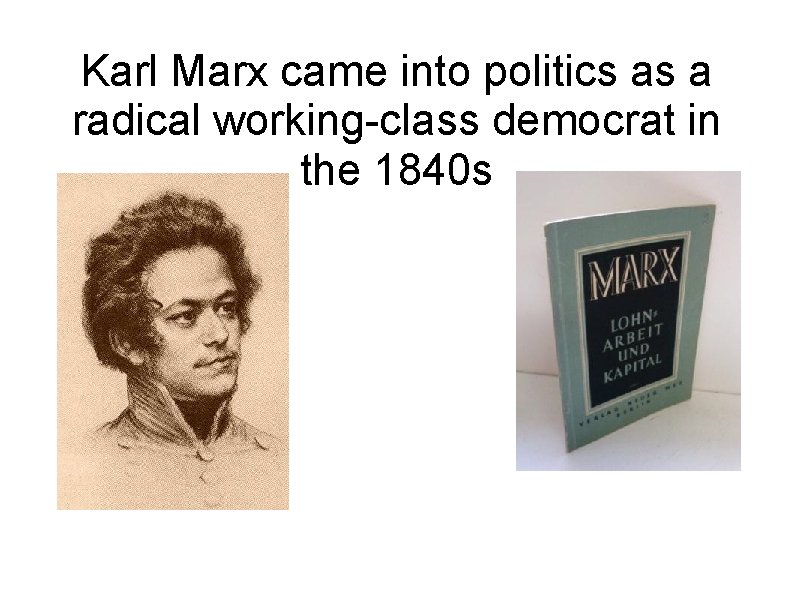
Karl Marx came into politics as a radical working-class democrat in the 1840 s
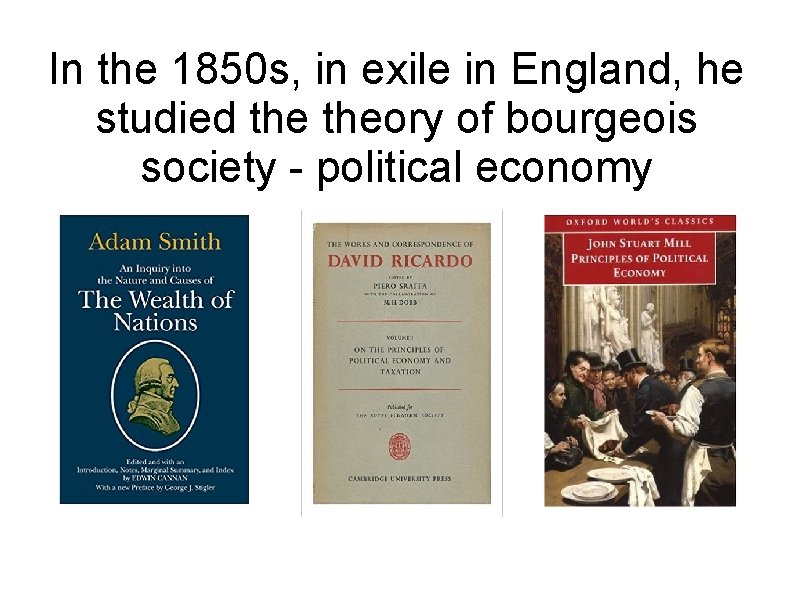
In the 1850 s, in exile in England, he studied theory of bourgeois society - political economy
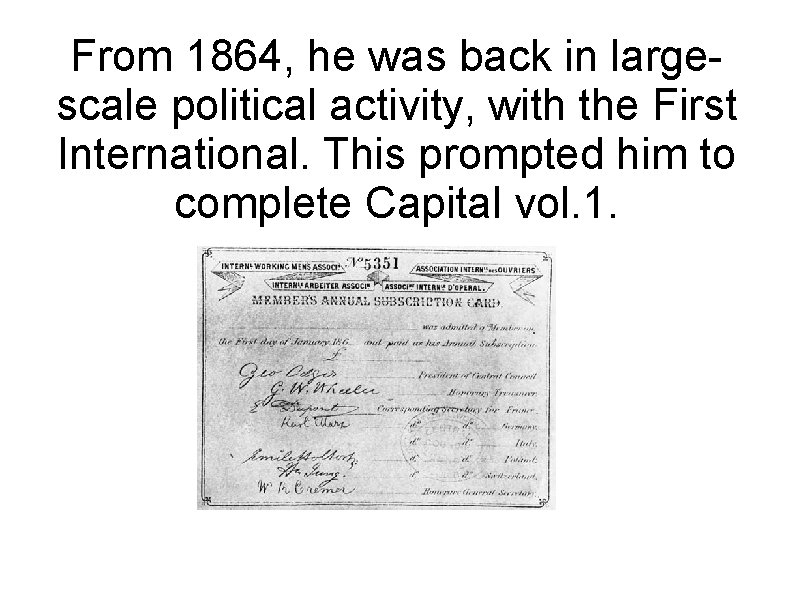
From 1864, he was back in largescale political activity, with the First International. This prompted him to complete Capital vol. 1.
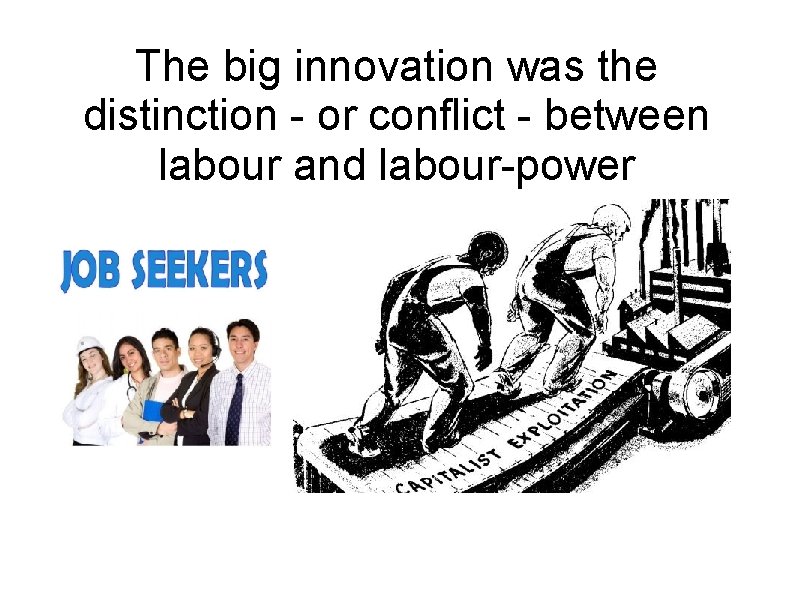
The big innovation was the distinction - or conflict - between labour and labour-power
Also Starting with the commodity - questioning commodity fetishism and market rule Theorising surplus value as a whole Analysing "real subsumption of labour under capital" in the labour process Showing how capitalist production also reproduces class relations
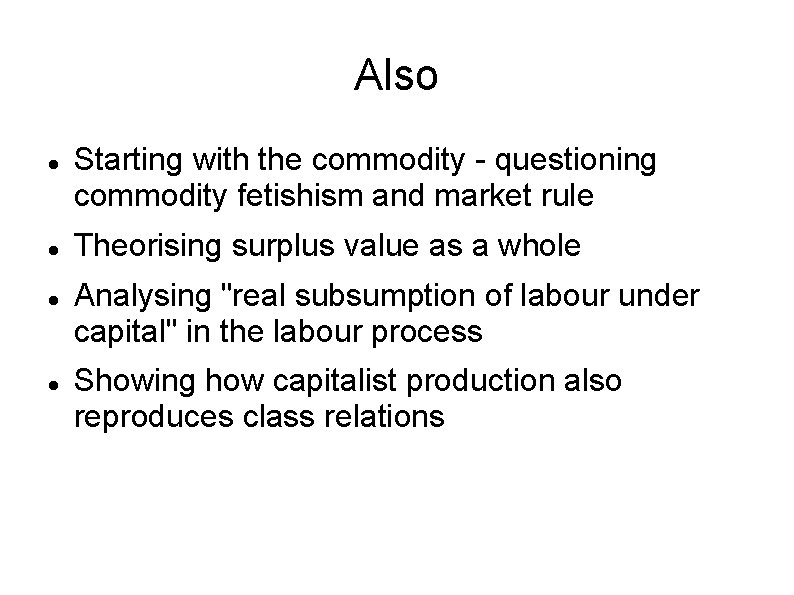
The book wins readers in a growing workers' movement. Meanwhile orthodox economics takes a new turn.
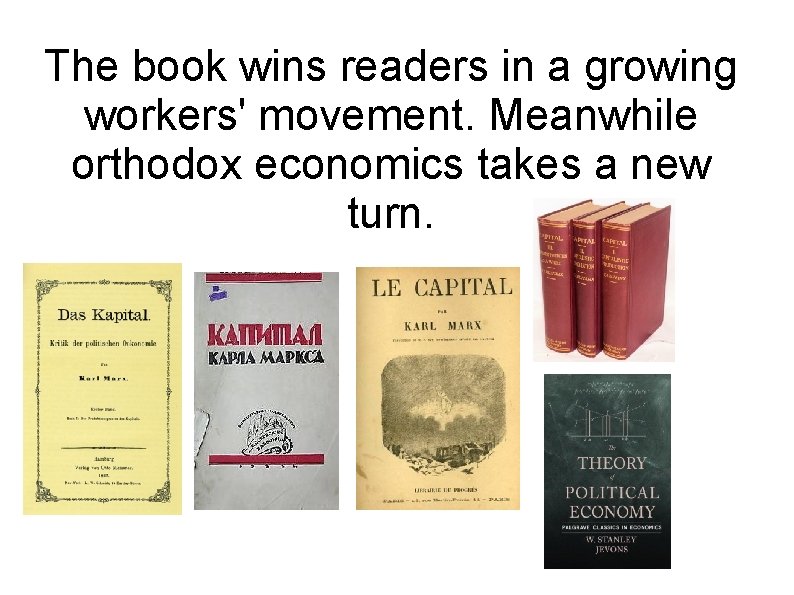
Some develop new theory. Some interpret Capital as a "gradualist" Marx. Some, as predicting iron laws of capitalist breakdown. Some, as theorising an iron law of wages.
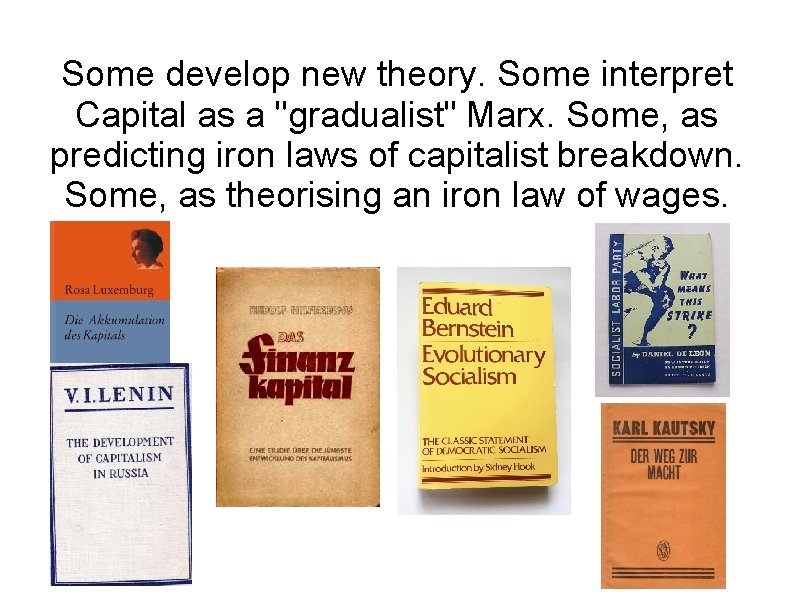
After 1917, a rediscovery of the dialectical, critical Marx
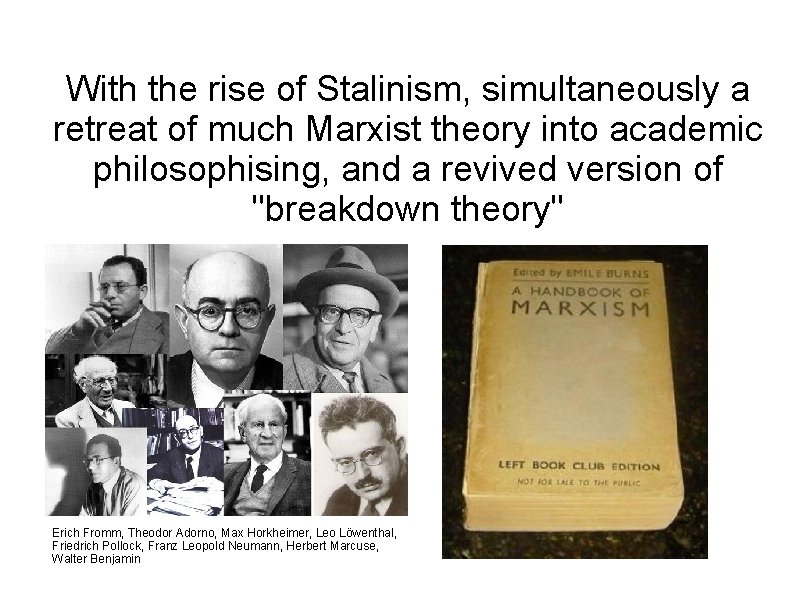
With the rise of Stalinism, simultaneously a retreat of much Marxist theory into academic philosophising, and a revived version of "breakdown theory" Erich Fromm, Theodor Adorno, Max Horkheimer, Leo Löwenthal, Friedrich Pollock, Franz Leopold Neumann, Herbert Marcuse, Walter Benjamin
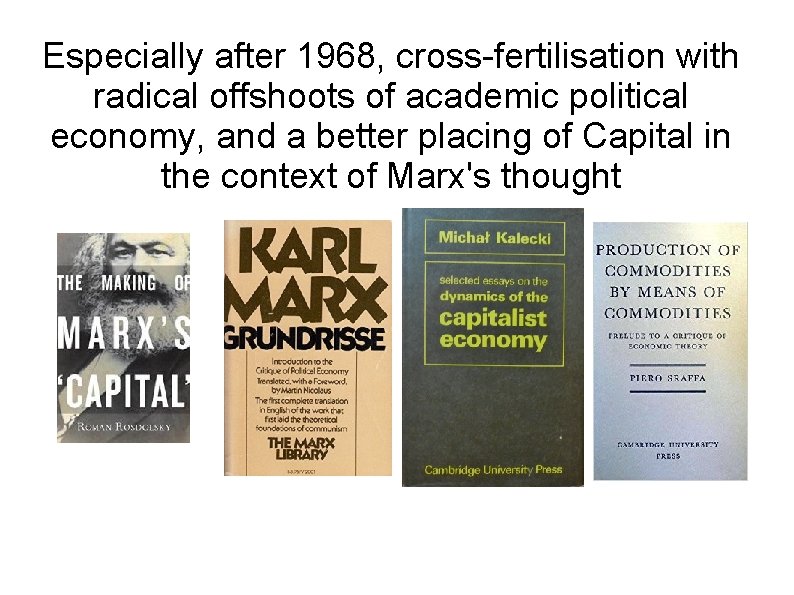
Especially after 1968, cross-fertilisation with radical offshoots of academic political economy, and a better placing of Capital in the context of Marx's thought
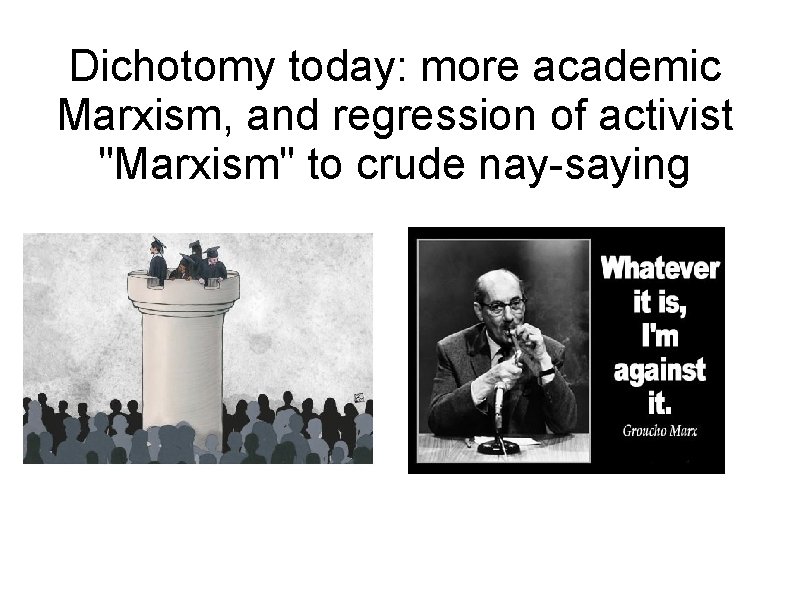
Dichotomy today: more academic Marxism, and regression of activist "Marxism" to crude nay-saying