
Karakia Timatanga He hnore he korria ki te
- Slides: 20
Karakia Timatanga He hōnore he korōria ki te Atua He maungārongo ki te whenua He whakaaro pai ki ngā tāngata katoa Hangā e te Atua he ngākau hou Ki roto ki tēnā ā mātou Whakatōngia tōu Wairua Tapu Hei awhina, hei tohu i ā mātou Hei ako hoki, i ngā mahi mō tēnei rā I roto i tēnei wananga. Amine.
He Whakatauki me te kiiwaha. Class 4 Week 6 (6 and 9 April) He Whakatauki: Poipoia te kākano, he puawai. This literally means nurture the seed and it will bloom. He Kiiwaha: Kia tau! means Be calm, settle, chill!
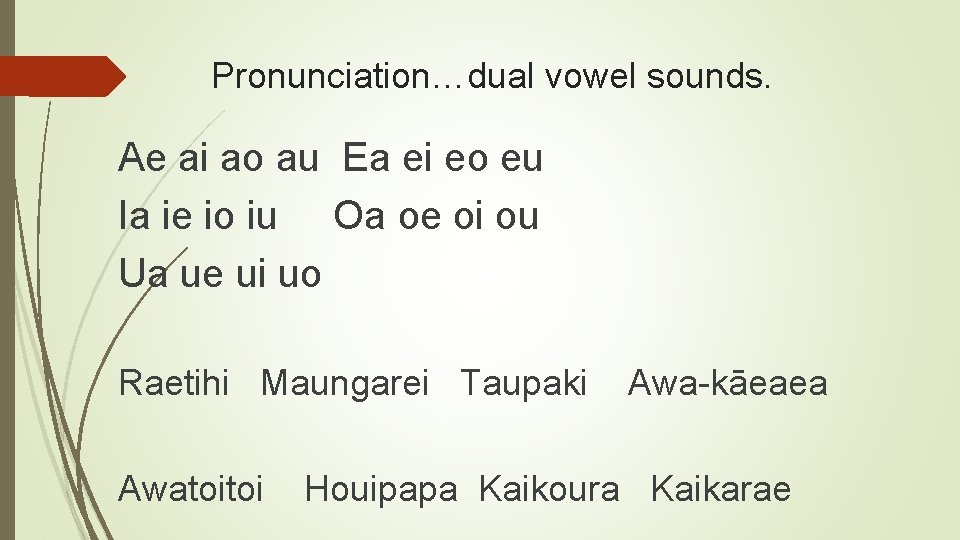
Pronunciation…dual vowel sounds. Ae ai ao au Ea ei eo eu Ia ie io iu Oa oe oi ou Ua ue ui uo Raetihi Maungarei Taupaki Awatoitoi Awa-kāeaea Houipapa Kaikoura Kaikarae
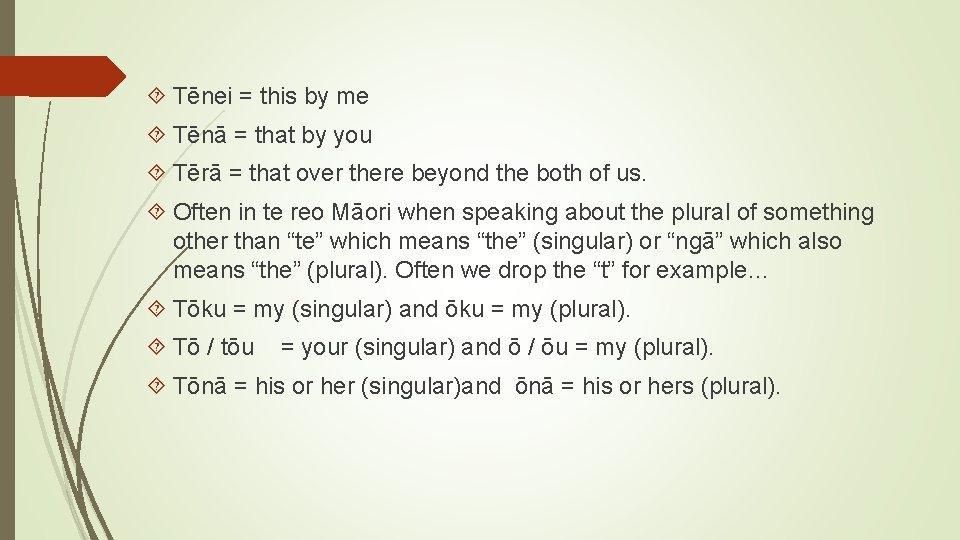
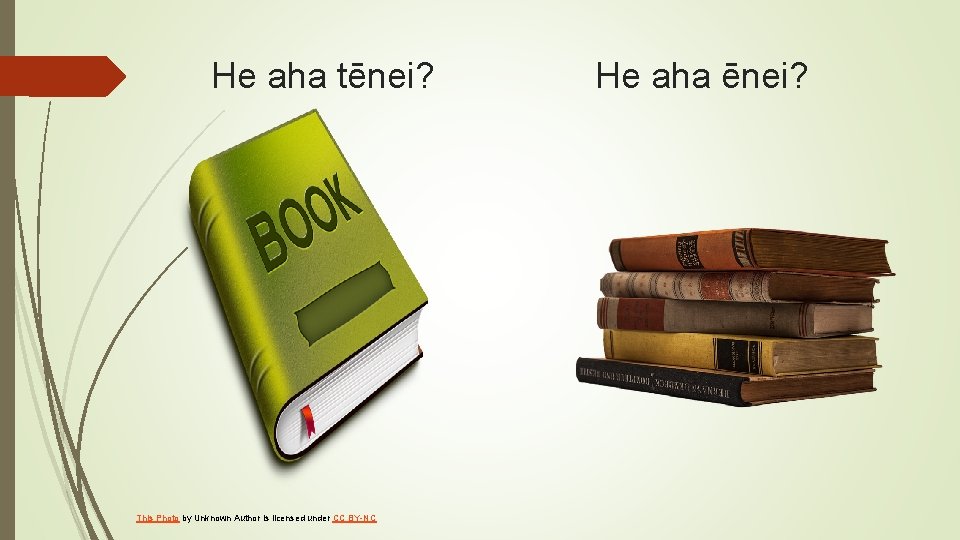
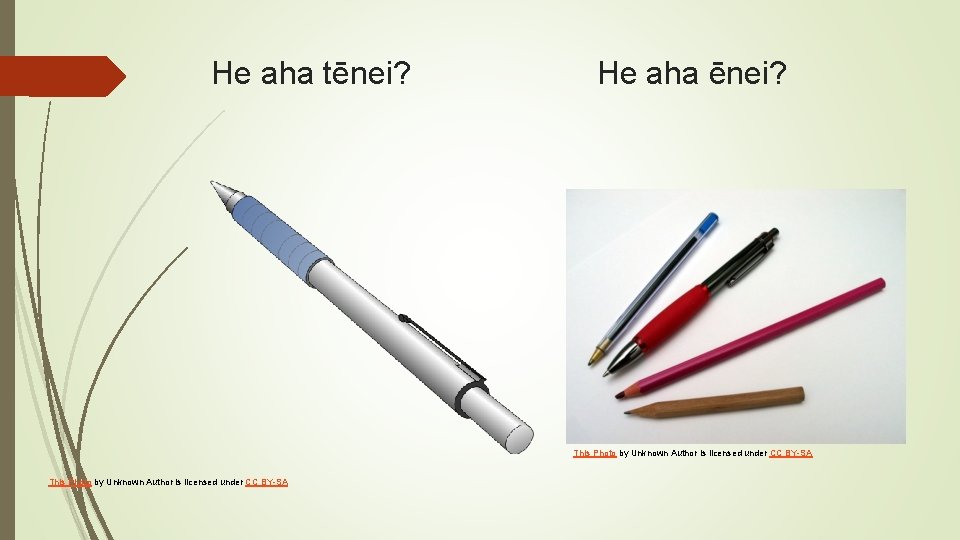
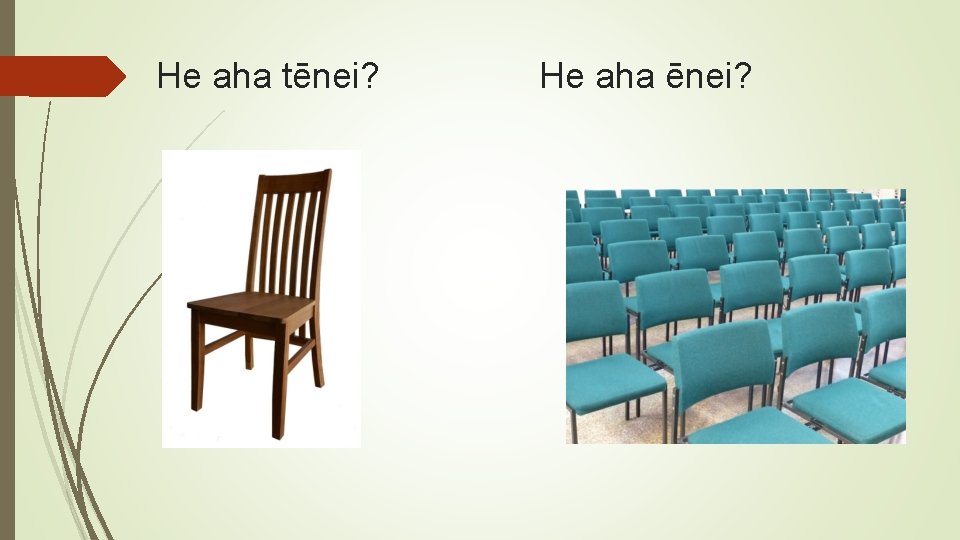
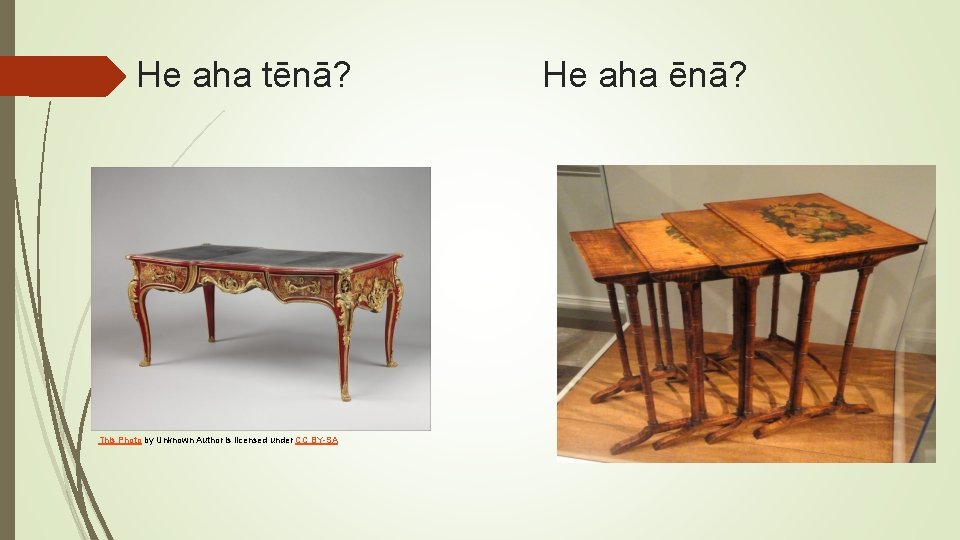
Tēnei = this by me Tēnā = that by you Tērā = that over there beyond the both of us. Often in te reo Māori when speaking about the plural of something other than “te” which means “the” (singular) or “ngā” which also means “the” (plural). Often we drop the “t” for example… Tōku = my (singular) and ōku = my (plural). Tō / tōu = your (singular) and ō / ōu = my (plural). Tōnā = his or her (singular)and ōnā = his or hers (plural).
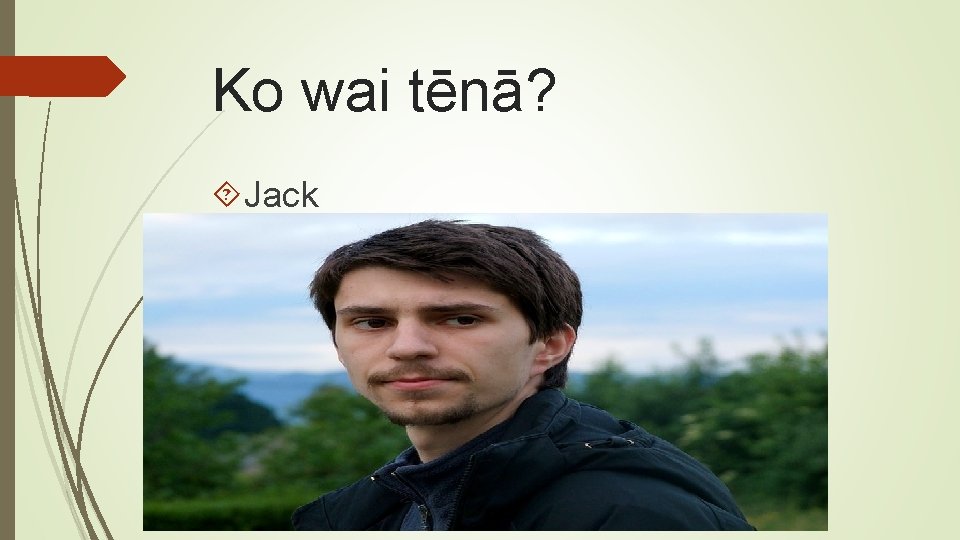
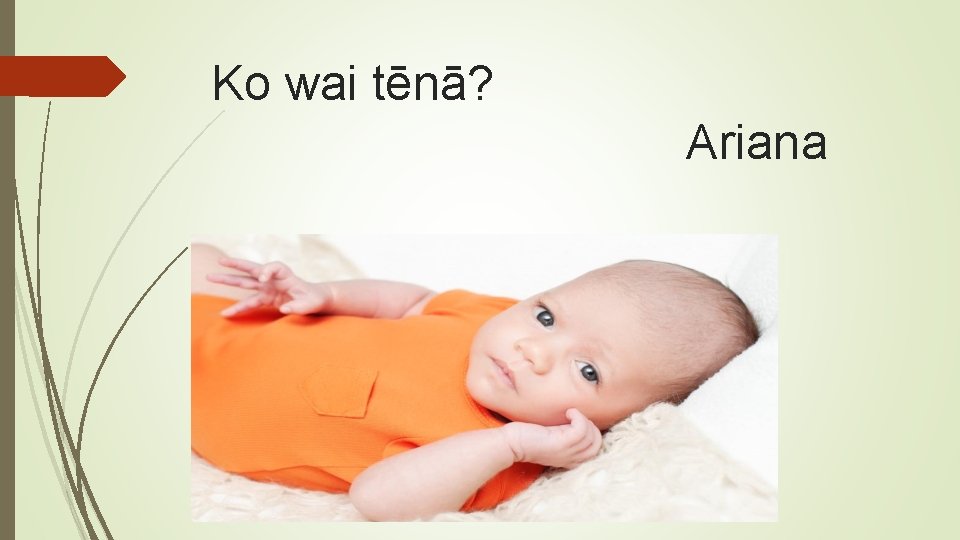
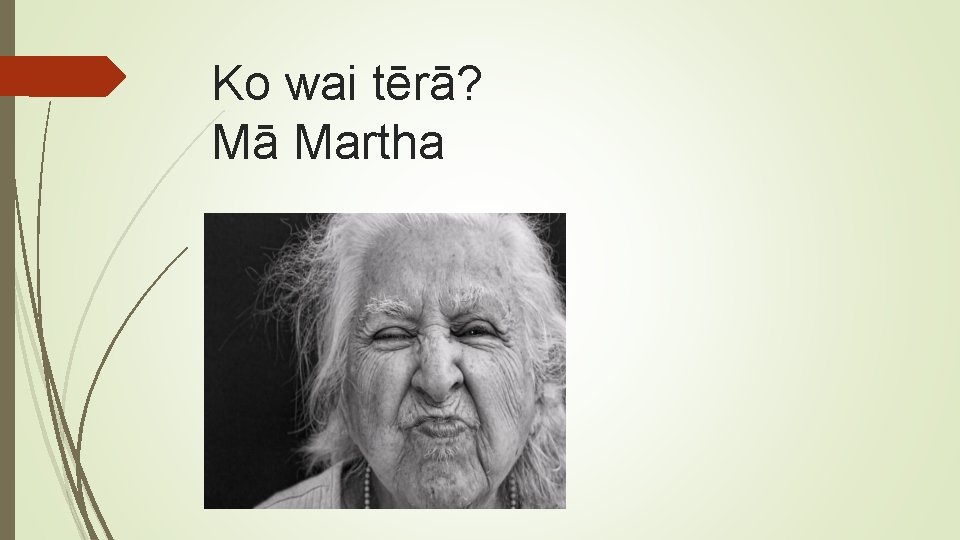
Who is this? Who is that? Who are these/those ? Ko + wai + tēnei? Ko + name of person or place + tēnei/tēnā/tērā? What is this? What is that? What are these/those? He + aha + tēnei? He + thing or object + tēnei/tēnā/ tērā.
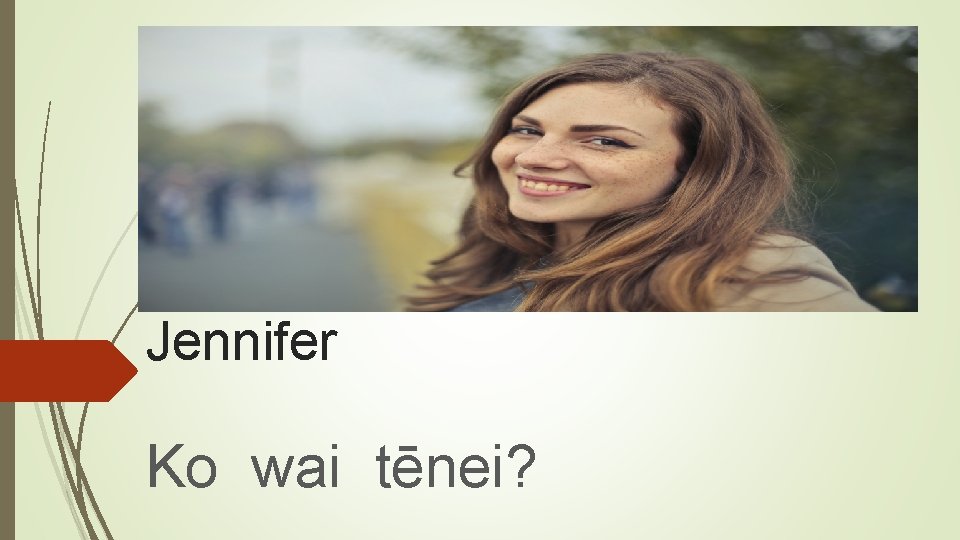
Jennifer Ko wai tēnei?
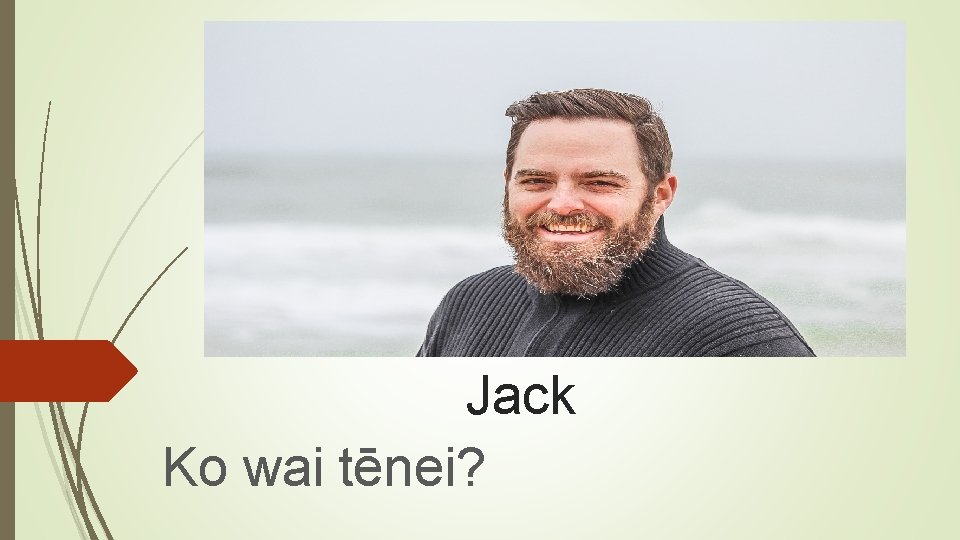
Jack Ko wai tēnei?
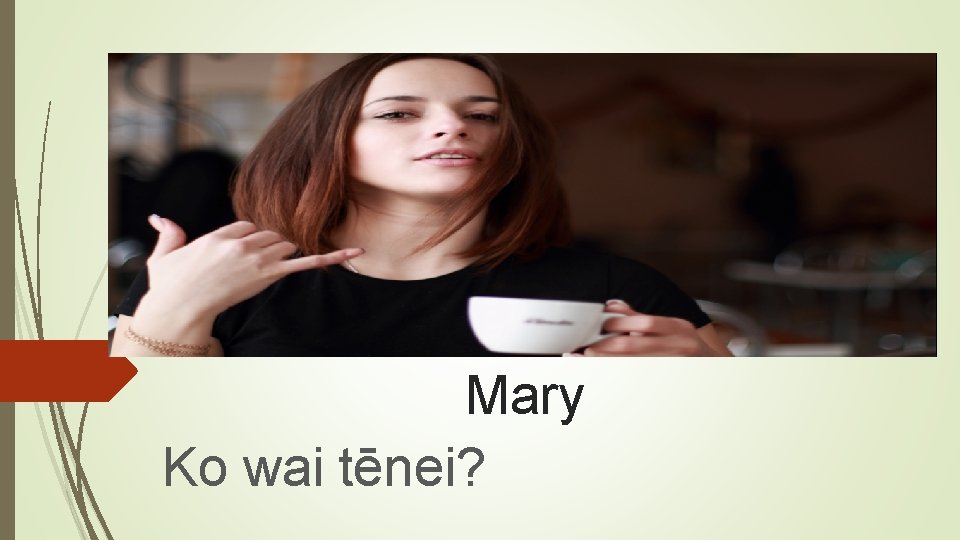
Mary Ko wai tēnei?
Ko wai tēnā? Jack
Ko wai tēnā? Ariana
Ko wai tērā? Mā Martha
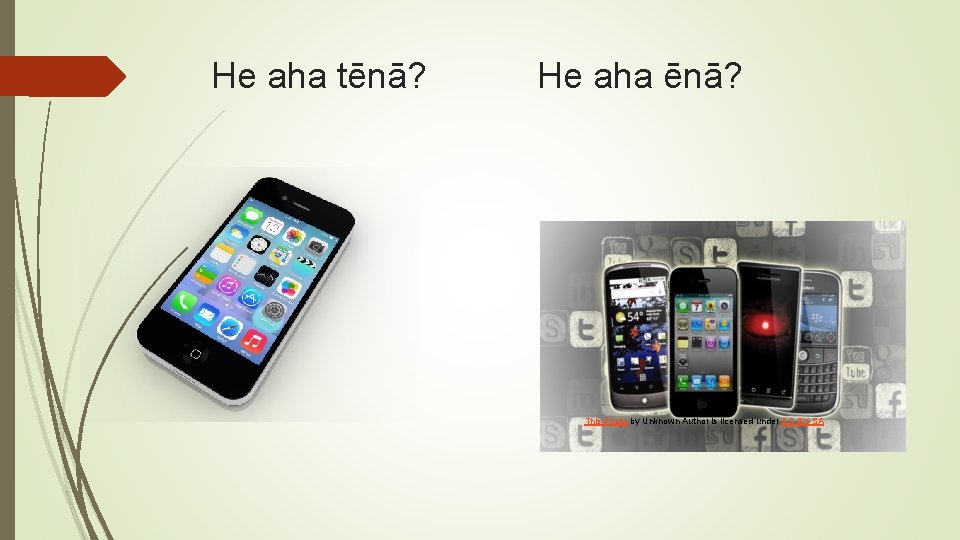
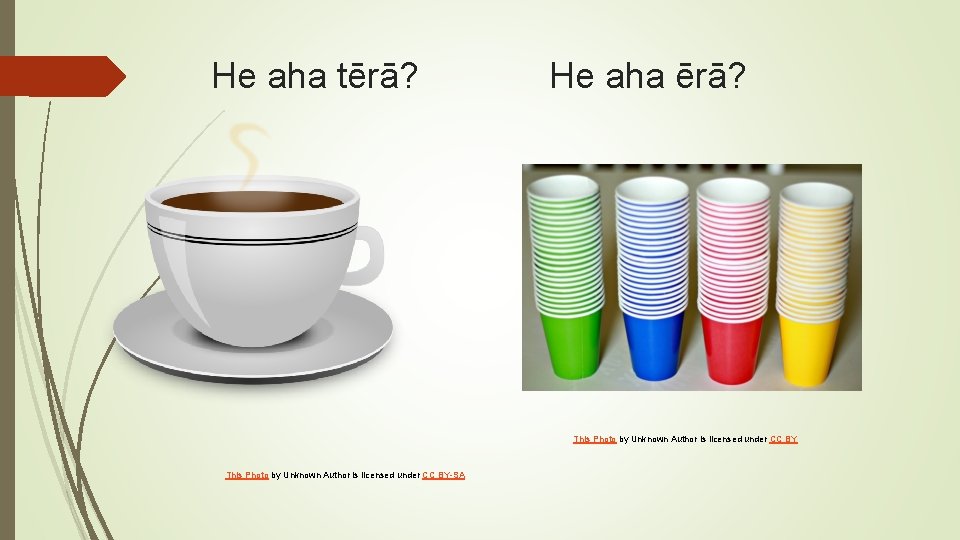
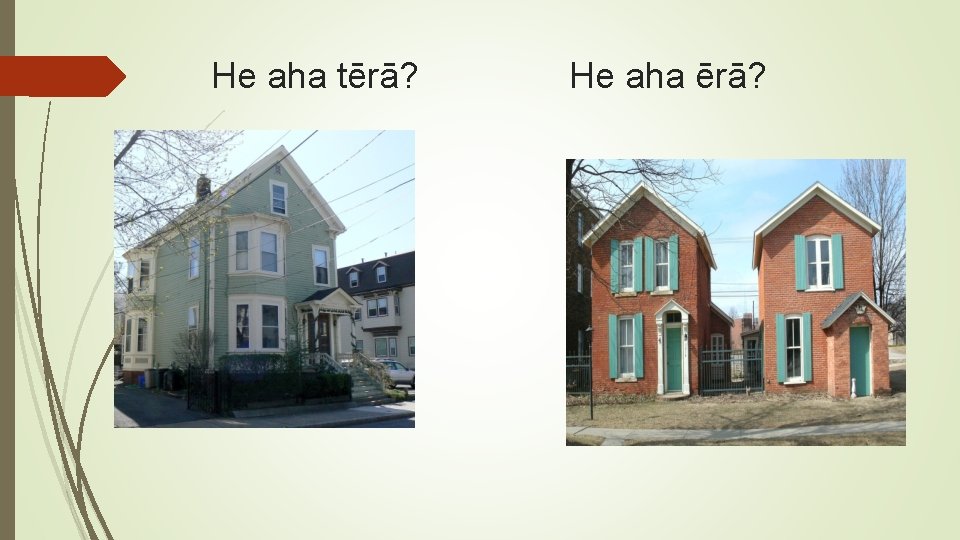
Again dropping the “t” to denote plurality. Tēnei becomes ēnei = these by me. Tēnā becomes ēnā = those by you (beyond au or beyond me by you. ) Tērā becomes ērā = those over there beyond the both of us ( beyond au and koe)
He aha tēnei? Pukapuka This Photo by Unknown Author is licensed under CC BY-NC He aha ēnei?
He aha tēnei? He aha ēnei? This Photo by Unknown Author is licensed under CC BY-SA
He aha tēnei? He aha ēnei?
He aha tēnā? This Photo by Unknown Author is licensed under CC BY-SA He aha ēnā?
He aha tēnā? He aha ēnā? This Photo by Unknown Author is licensed under CC BY-SA
He aha tērā? He aha ērā? This Photo by Unknown Author is licensed under CC BY-SA
He aha tērā? He aha ērā?
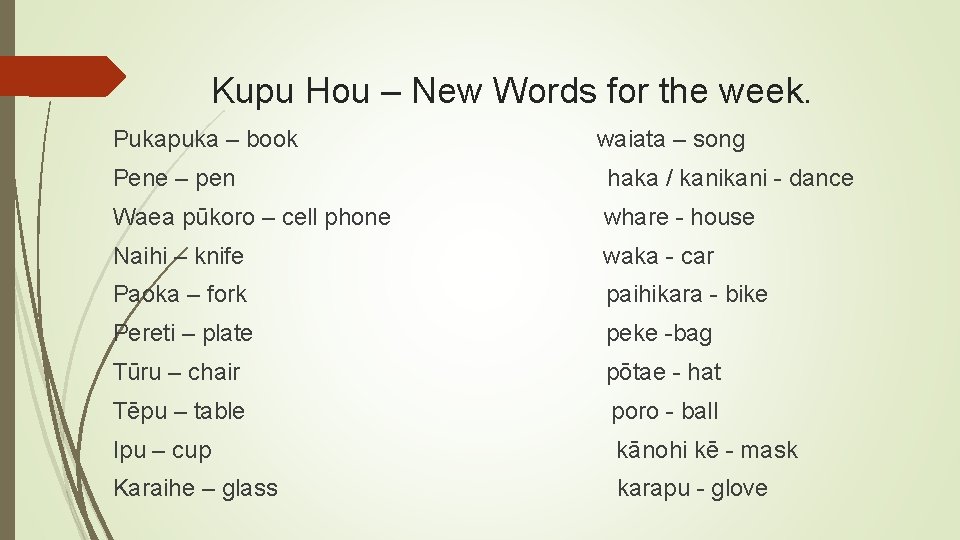
Kupu Hou – New Words for the week. Pukapuka – book waiata – song Pene – pen haka / kani - dance Waea pūkoro – cell phone whare - house Naihi – knife waka - car Paoka – fork paihikara - bike Pereti – plate peke -bag Tūru – chair pōtae - hat Tēpu – table poro - ball Ipu – cup kānohi kē - mask Karaihe – glass karapu - glove