
Kanban This Time Its Personal Kay Avila Senior
Kanban: This Time It’s Personal Kay Avila, Senior Security Engineer @ NCSA
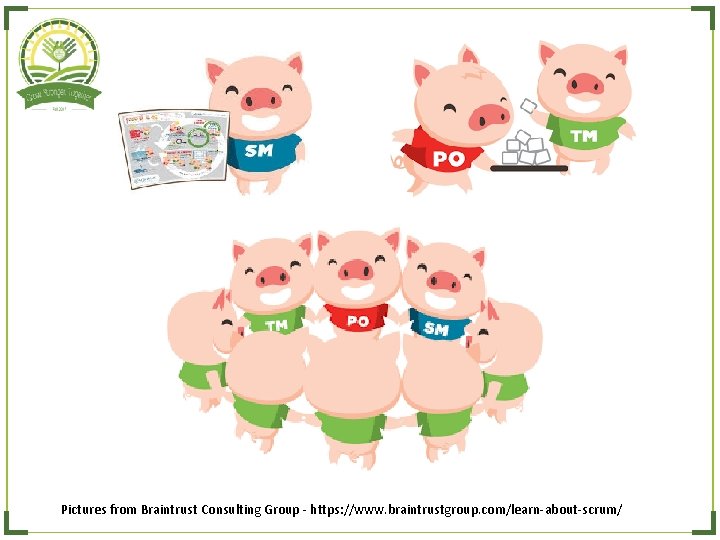
Pictures from Braintrust Consulting Group - https: //www. braintrustgroup. com/learn-about-scrum/
Kanban as a Personal Tool • Add visibility to your work • Focus for current task • Visibility about choosing the next task • Recognizing accomplishments • With increased visibility, reduced stress • With reduced stress, increased productivity
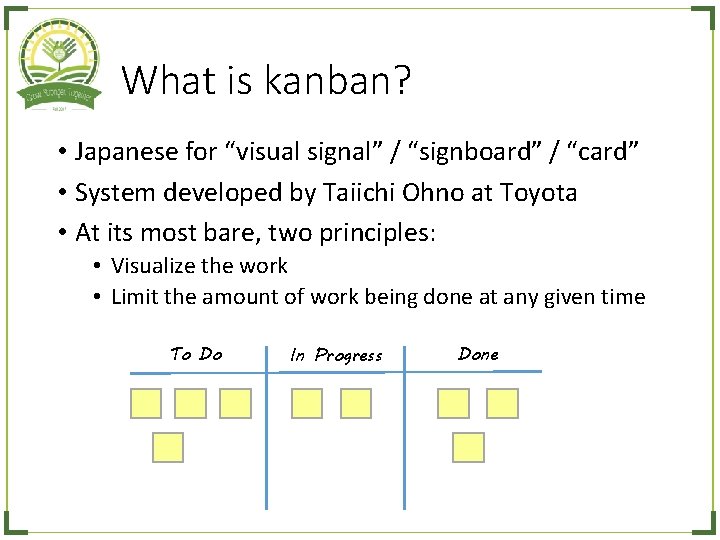
What is kanban? • Japanese for “visual signal” / “signboard” / “card” • System developed by Taiichi Ohno at Toyota • At its most bare, two principles: • Visualize the work • Limit the amount of work being done at any given time To Do In Progress Done
Time to Make it Personal • Kay Avila • Senior Security Engineer • Employed at the National Center for Supercomputing Applications, at University of Illinois • Started in May 2017 • I used lists extensively, but … • So • Many • Things
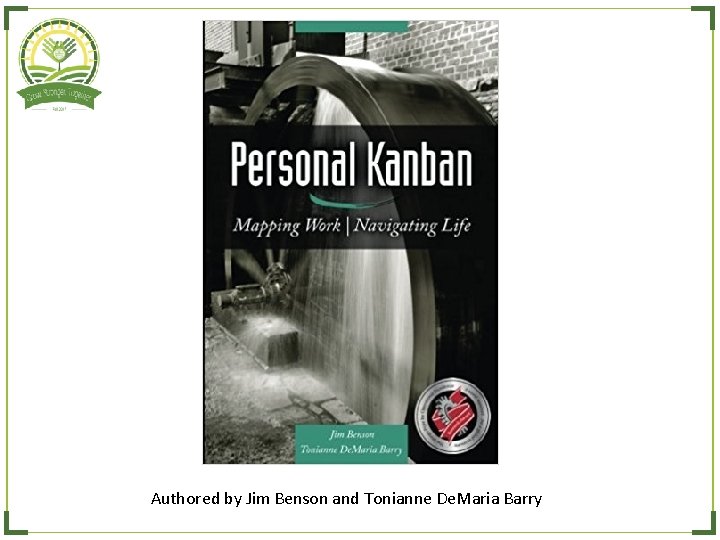
Authored by Jim Benson and Tonianne De. Maria Barry
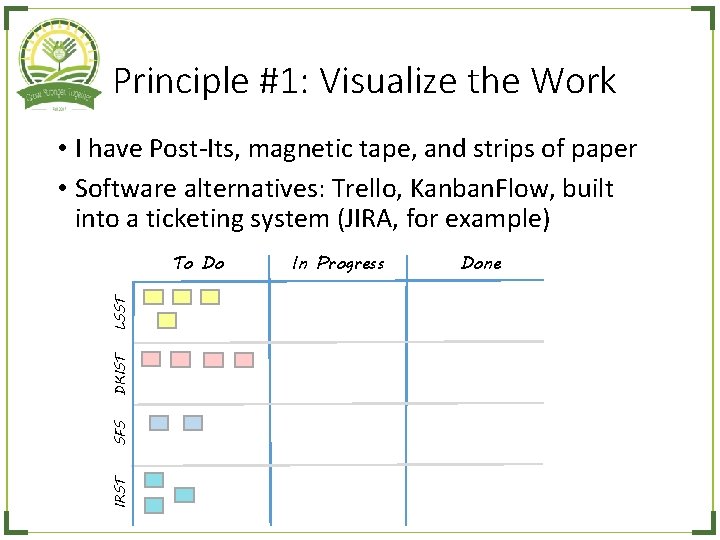
Principle #1: Visualize the Work • I have Post-Its, magnetic tape, and strips of paper • Software alternatives: Trello, Kanban. Flow, built into a ticketing system (JIRA, for example) IRST SFS DKIST LSST To Do In Progress Done
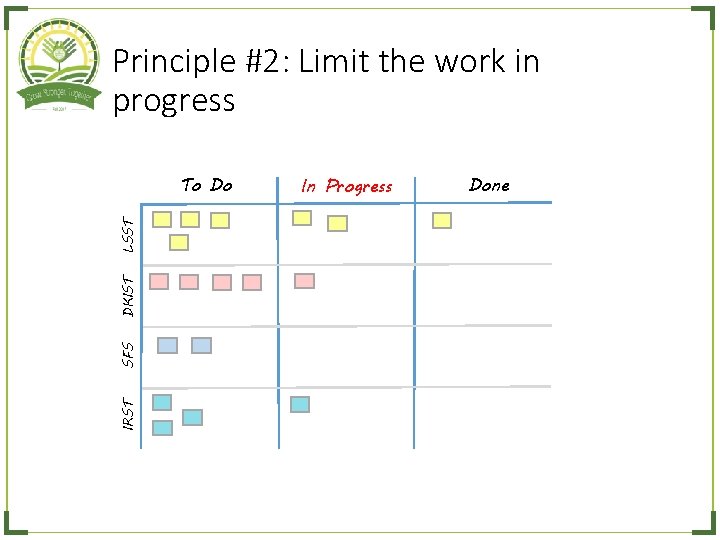
Principle #2: Limit the work in progress IRST SFS DKIST LSST To Do In Progress Done
What makes this effective? • Existential overhead creates stress • Existential overhead - “the cost in distraction and stress of uncompleted tasks” (Benson) • Context switching (aka multi-tasking) is computationally expensive • Zeignarnik Effect • Changes how we think about workload
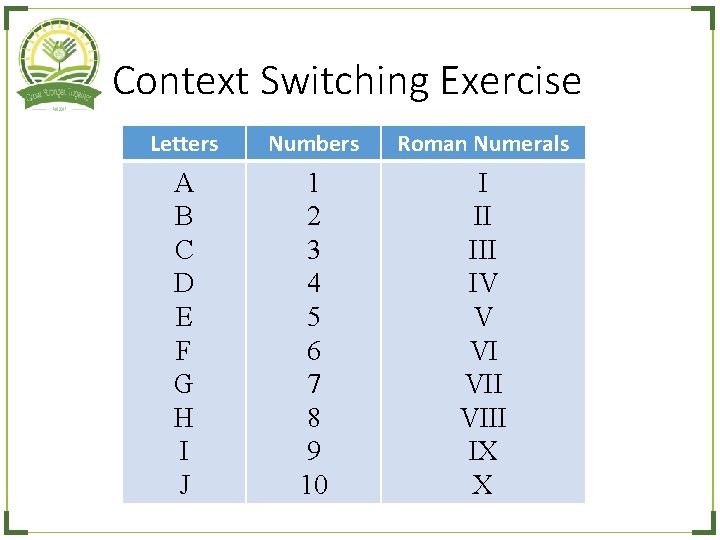
Context Switching Exercise Letters Numbers Roman Numerals A B C D E F G H I J 1 2 3 4 5 6 7 8 9 10 I II IV V VI VIII IX X
What makes this effective? • Existential overhead creates stress • Existential overhead - “the cost in distraction and stress of uncompleted tasks” (Benson) • Context switching (aka multi-tasking) is computationally expensive • Zeignarnik Effect • Changes how we think about workload
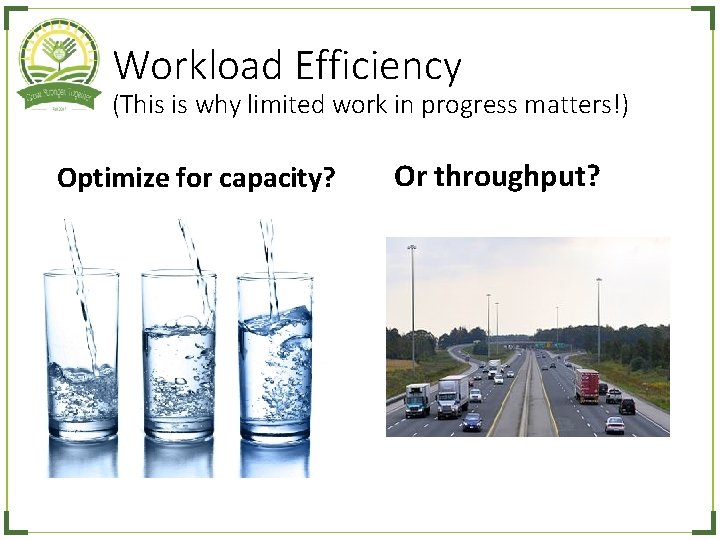
Workload Efficiency (This is why limited work in progress matters!) Optimize for capacity? Or throughput?
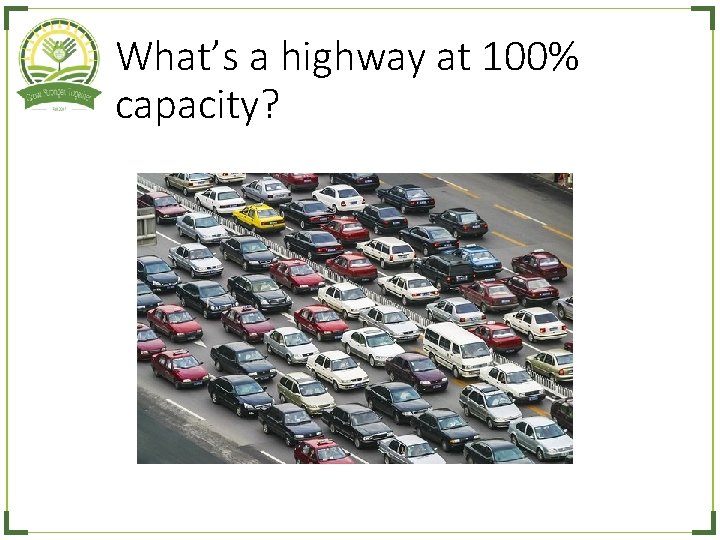
What’s a highway at 100% capacity?
Changes in Communication • Improved priorities (versus death by list) • Ability to communicate what’s in being worked on • Objective, non-judgmental way of monitoring progress • Building trust with student workers
Student Personal Kanban (aka kanban I made someone else do) • Challenges with student workers • Hard to assess skills without seeming judgmental • Narrowing a buffet of job-shadowing options • Keeping tabs without micromanaging – and helping when they’re stuck • Kanban as a communication tool • Swim lanes for different focus areas • Borrow the idea of a 10 minute standup from Scrum • What did you do yesterday? • What do you plan to work on today? • Any problems I can help with? • Ask for email summary at the end of the week
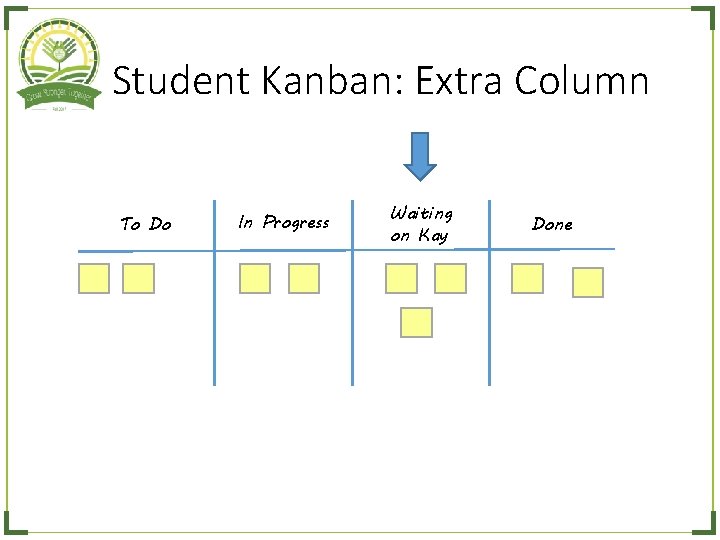
Student Kanban: Extra Column To Do In Progress Waiting on Kay Done
Final Thoughts • Kanban is a method for taming your workload • It should make your life easier, not harder • As long as the basic principles are followed, there isn’t a wrong way of doing it • If you choose to share your personal board with others, do so in the right spirit • May need to take input on which task are priorities • Transparency can lead to challenging conversations • Limit your work in progress! • Varies by personally, but usually 2 - 3 (maybe up to 5) tasks at a time
Thank You kayavila@illinois. edu Ideas from this talk were based in large part by Personal Kanban: Mapping Work, Navigating Life by Jim Benson and Tonianne De. Maria Barry. (I highly recommend it!)
- Slides: 18