
JUDICIAL BRANCH PART I ARTICLE III SECTION I
JUDICIAL BRANCH PART I
ARTICLE III SECTION I • Judicial Branch - Interprets laws passed by the Legislative Branch • United States Supreme Court - highest court in the United States - inferior courts handle state and local cases • Judiciary Act of 1789 - established structure of court system
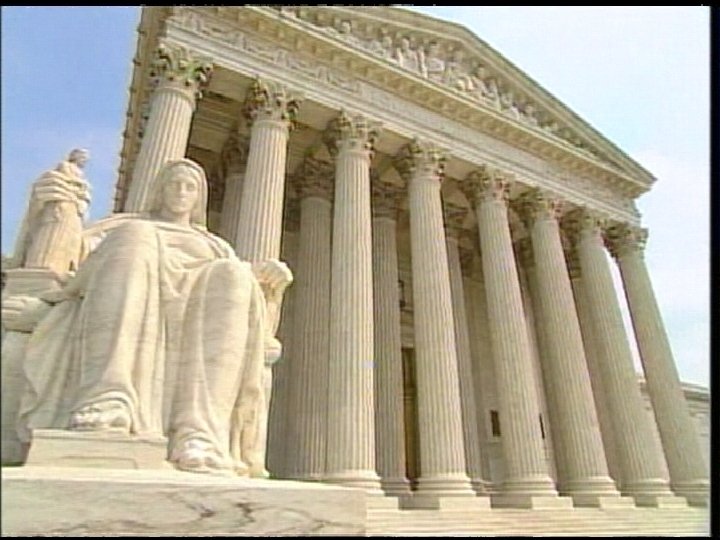
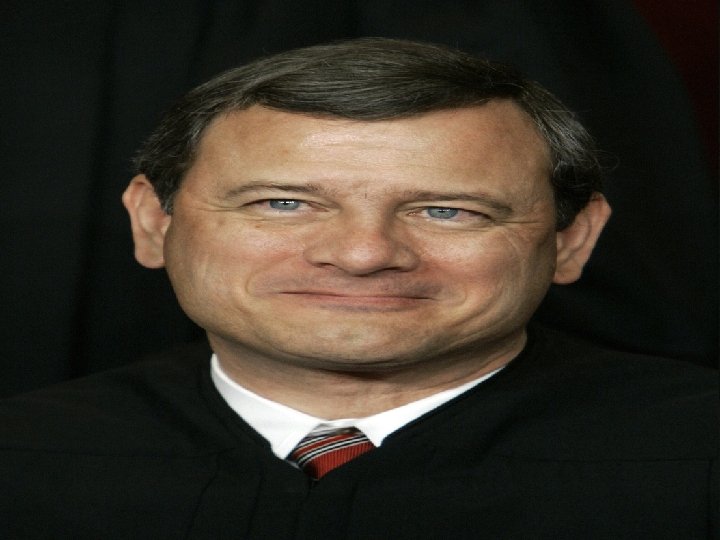
US SUPREME COURT • Nine Justices and One serves as Chief Justice • John Roberts - current Chief Justice of Supreme Court • Justices serve for life or until they retire or are impeached • SCOTUS justices earn $200, 000/year.
DUTIES OF SUPREME COURT JUSTICES • Not described in the Constitution • Developed from laws, tradition, and specific needs • Main duty: hear and rule on cases • Expressing their explanation in the Court’s opinion • Each justice oversees a federal district • Special situations • Justice Earl Warren investigated the Kennedy assassination
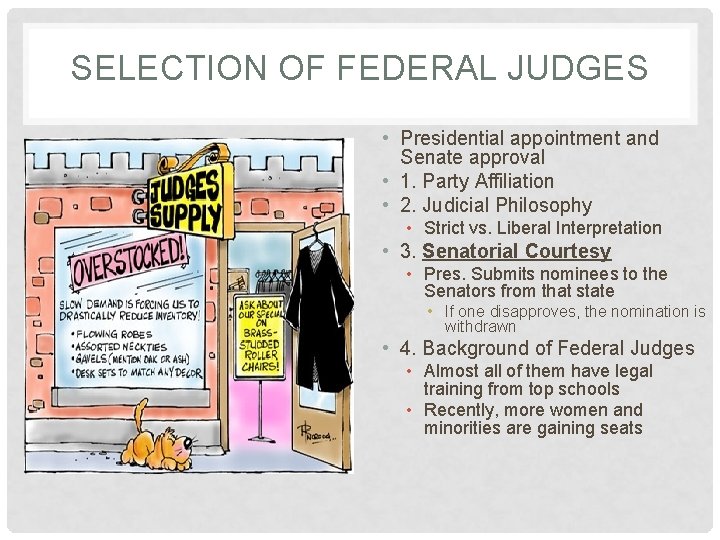
SELECTION OF FEDERAL JUDGES • Presidential appointment and Senate approval • 1. Party Affiliation • 2. Judicial Philosophy • Strict vs. Liberal Interpretation • 3. Senatorial Courtesy • Pres. Submits nominees to the Senators from that state • If one disapproves, the nomination is withdrawn • 4. Background of Federal Judges • Almost all of them have legal training from top schools • Recently, more women and minorities are gaining seats
INTERPRETING LAWS • Strict Constructionists: laws and the Constitution should be interpreted according to their wording. • If the wording is vague, the judge should look at the historical context for the author’s intended meaning (primary source documents) • Liberal Constructionists: laws and the Constitution should be interpreted in the light of current political and social conditions.
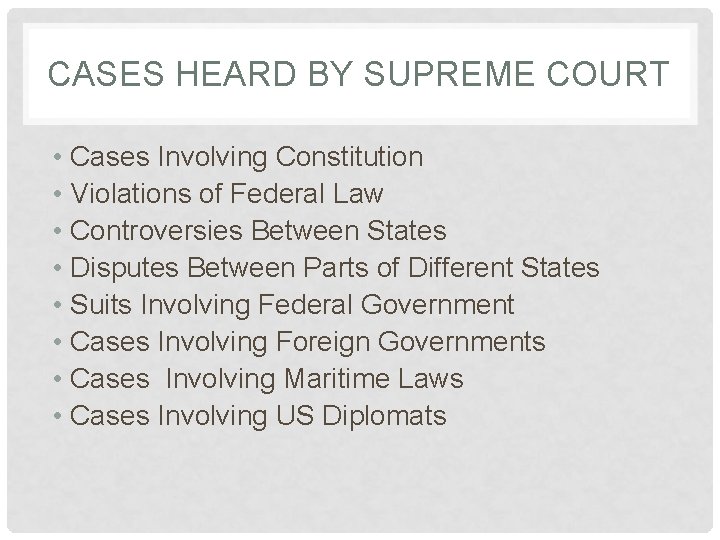
CASES HEARD BY SUPREME COURT • Cases Involving Constitution • Violations of Federal Law • Controversies Between States • Disputes Between Parts of Different States • Suits Involving Federal Government • Cases Involving Foreign Governments • Cases Involving Maritime Laws • Cases Involving US Diplomats

ARTICLE III • Section II • Has jurisdiction over cases within the United States • Trial of crimes by jury and held in state where crime committed • If committed outside US, Congress declares where trial is held (ex: terrorism cases) • Section III • Treason - levying war against US, giving aid and comfort to US enemies • Need two witnesses to treasonous act
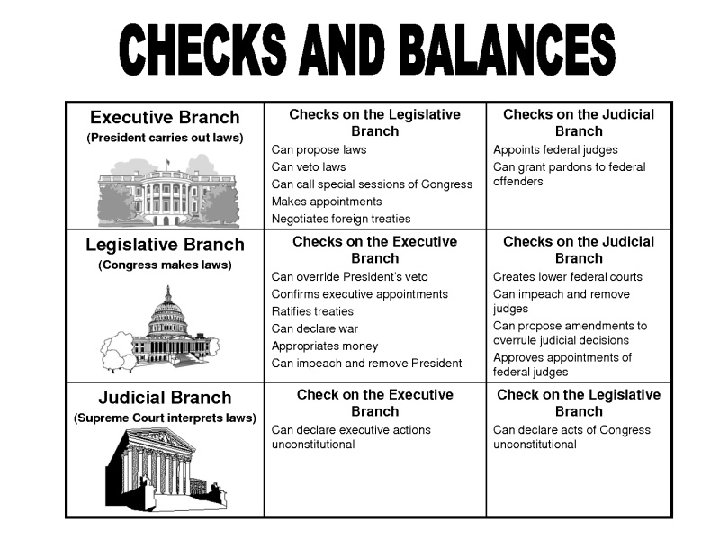

CHECKS ON OTHER BRANCHES • Checks on the Legislature • Judicial review • Seats are held on good behavior • Compensation cannot be diminished • Checks on the Executive • Judicial review • Chief Justice sits as President of the Senate during presidential impeachment
- Slides: 12