
Jonathan Swift Gullivers Travels Books I II Gullivers
Jonathan Swift Gulliver’s Travels Books I & II
Gulliver’s Travels influences and genres publication history popularity; critical reception; censorship Swift’s humour: satire/irony/burlesque/ridiculous
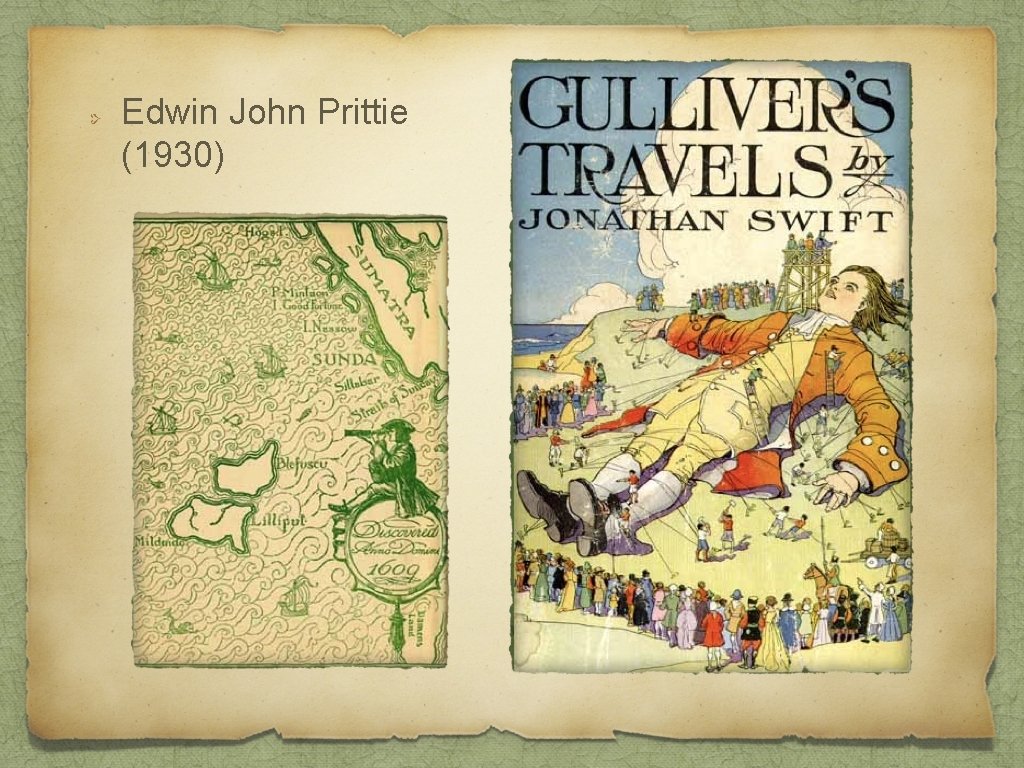
Edwin John Prittie (1930)
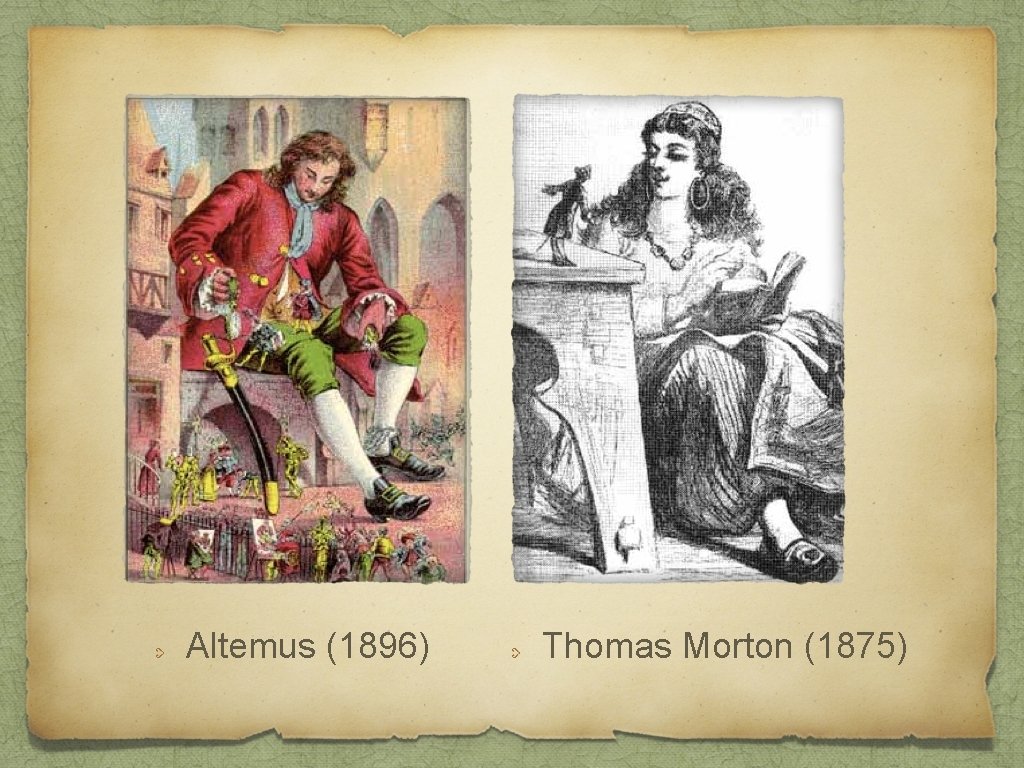
Altemus (1896) Thomas Morton (1875)
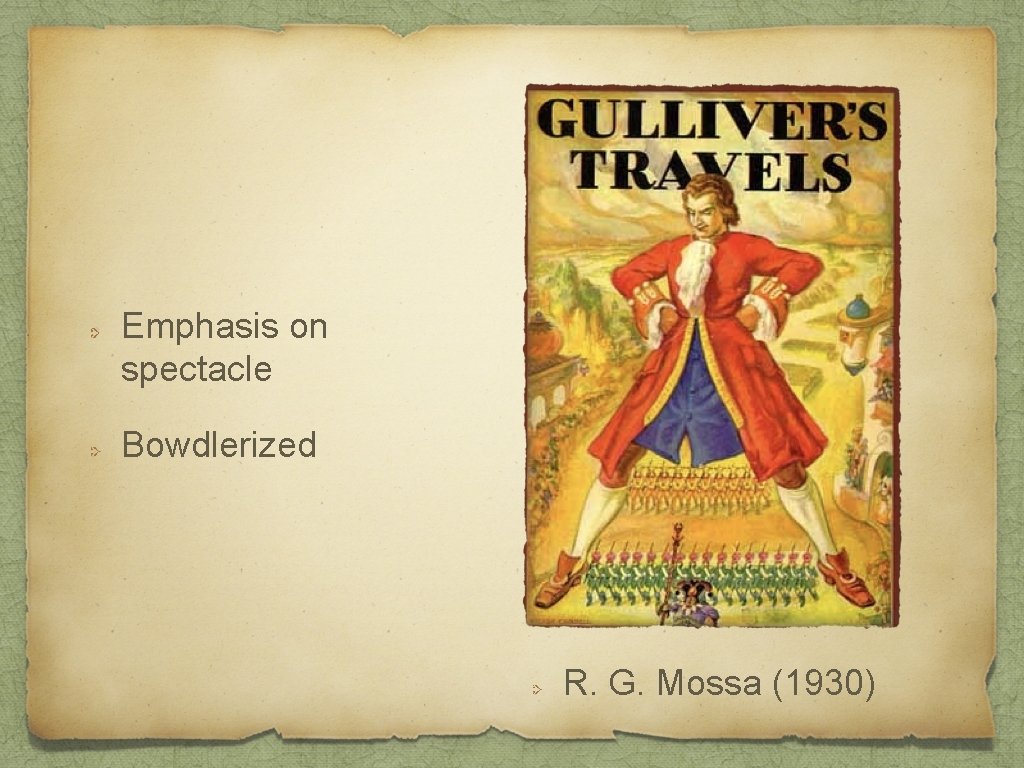
Emphasis on spectacle Bowdlerized R. G. Mossa (1930)
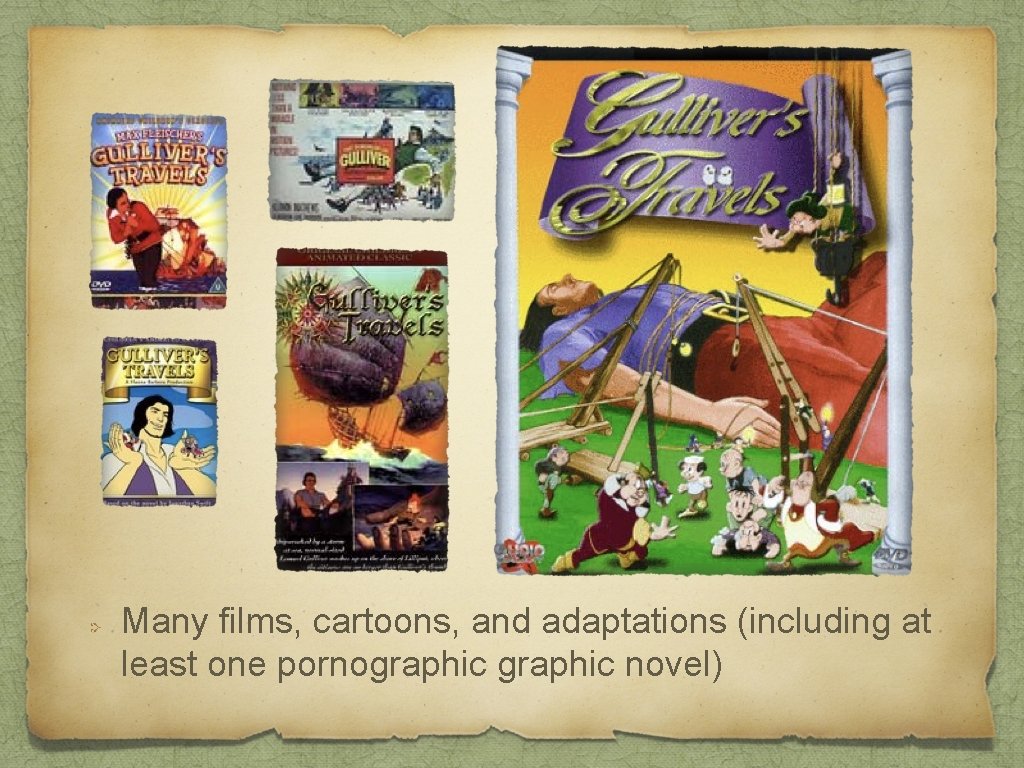
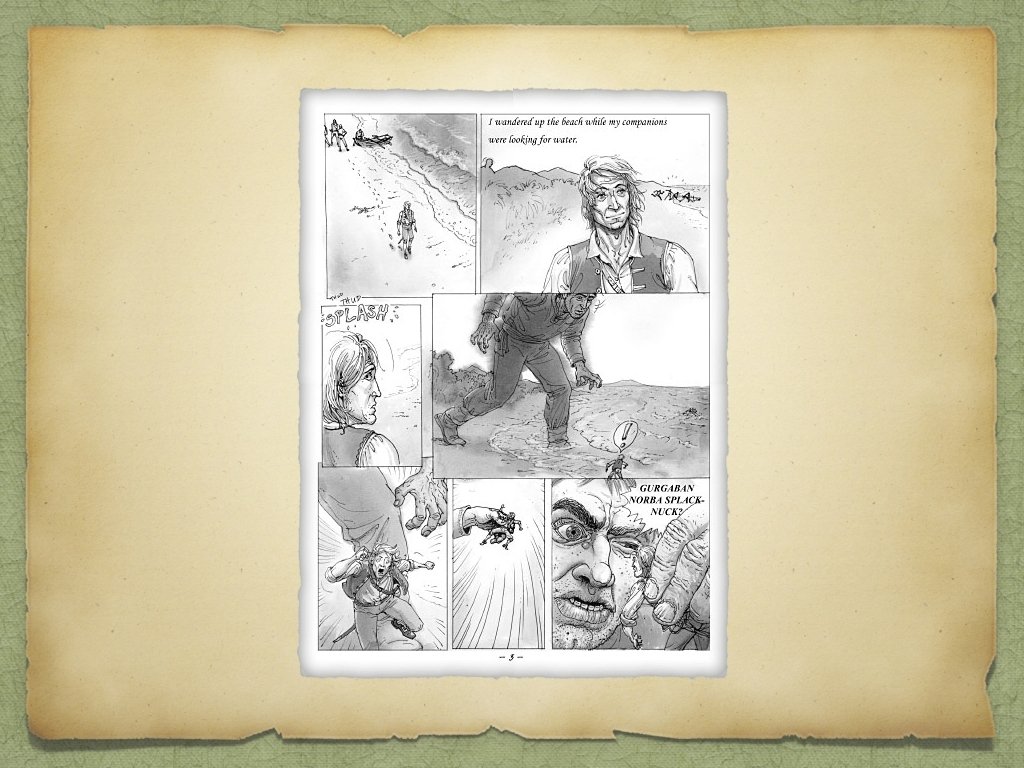
Many films, cartoons, and adaptations (including at least one pornographic novel)
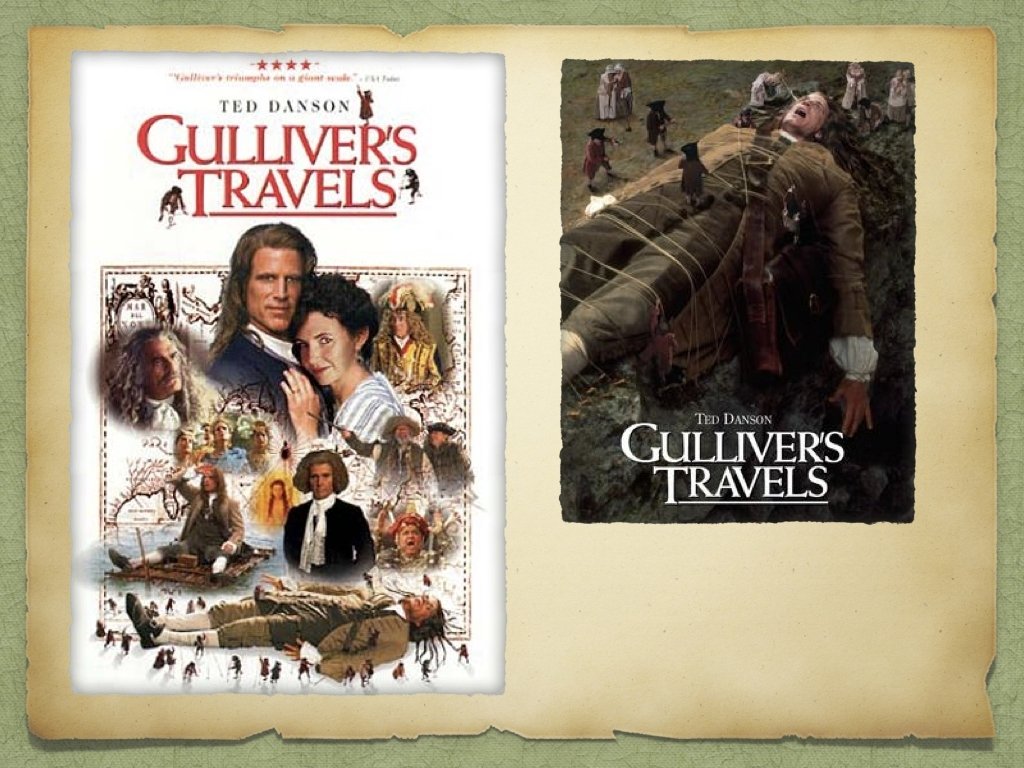
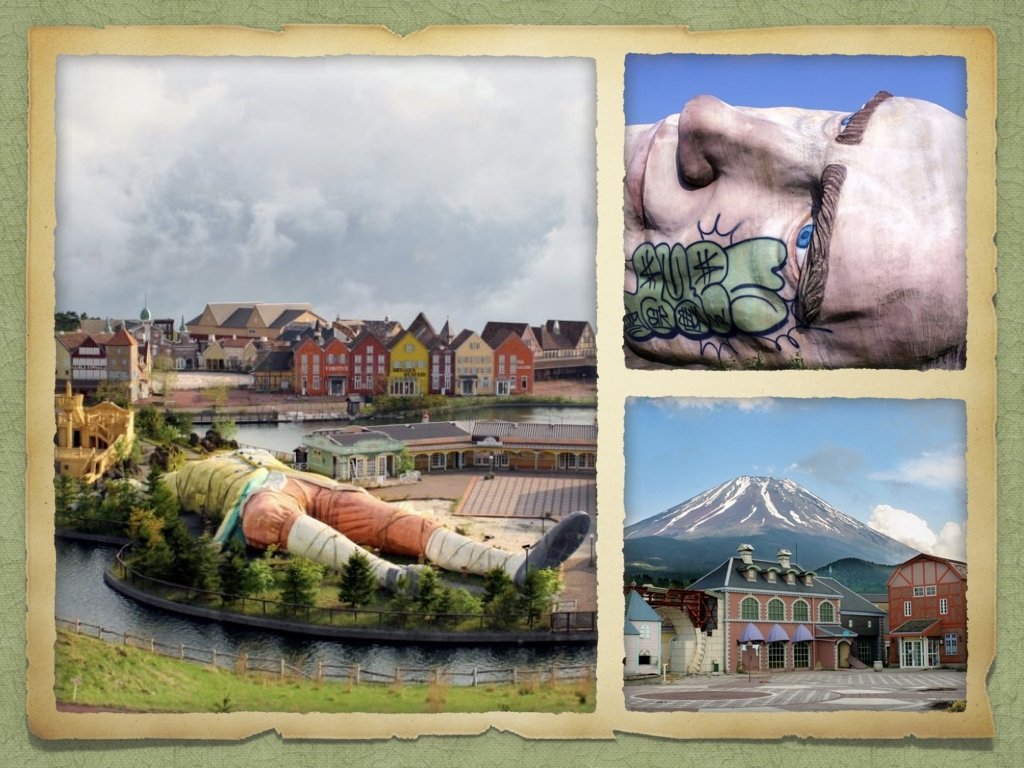
Influences & Genres Travel literature Shipwreck tales Captivity narratives Autobiography Classical satire Fantastic voyages Utopias
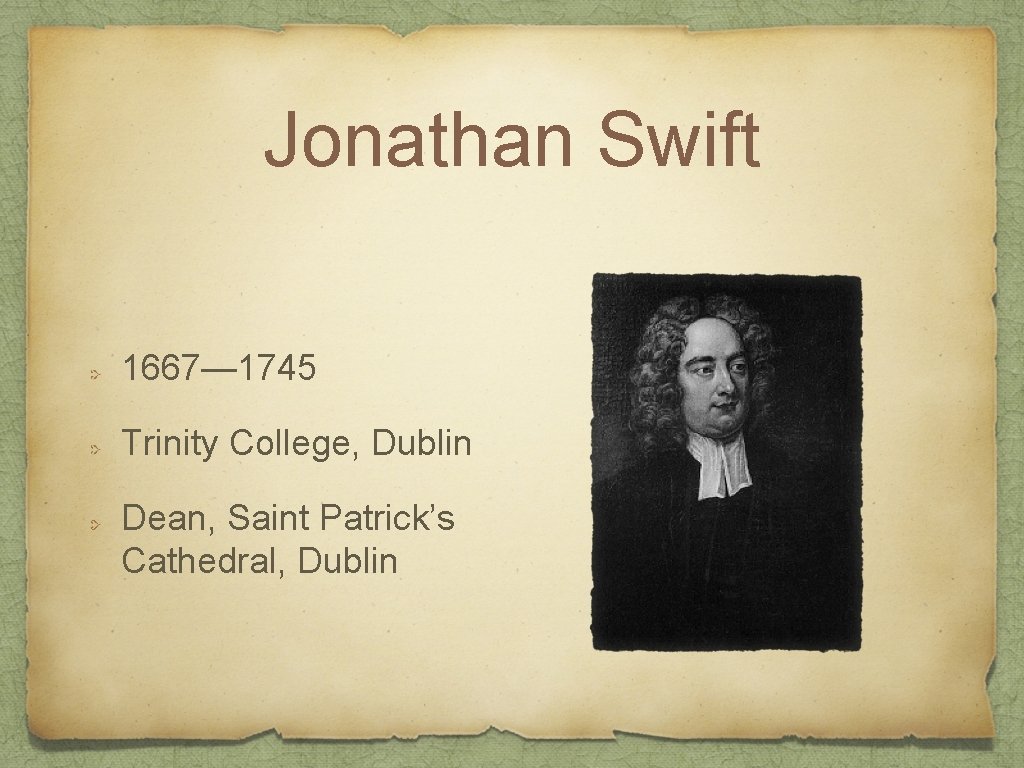
Jonathan Swift 1667— 1745 Trinity College, Dublin Dean, Saint Patrick’s Cathedral, Dublin
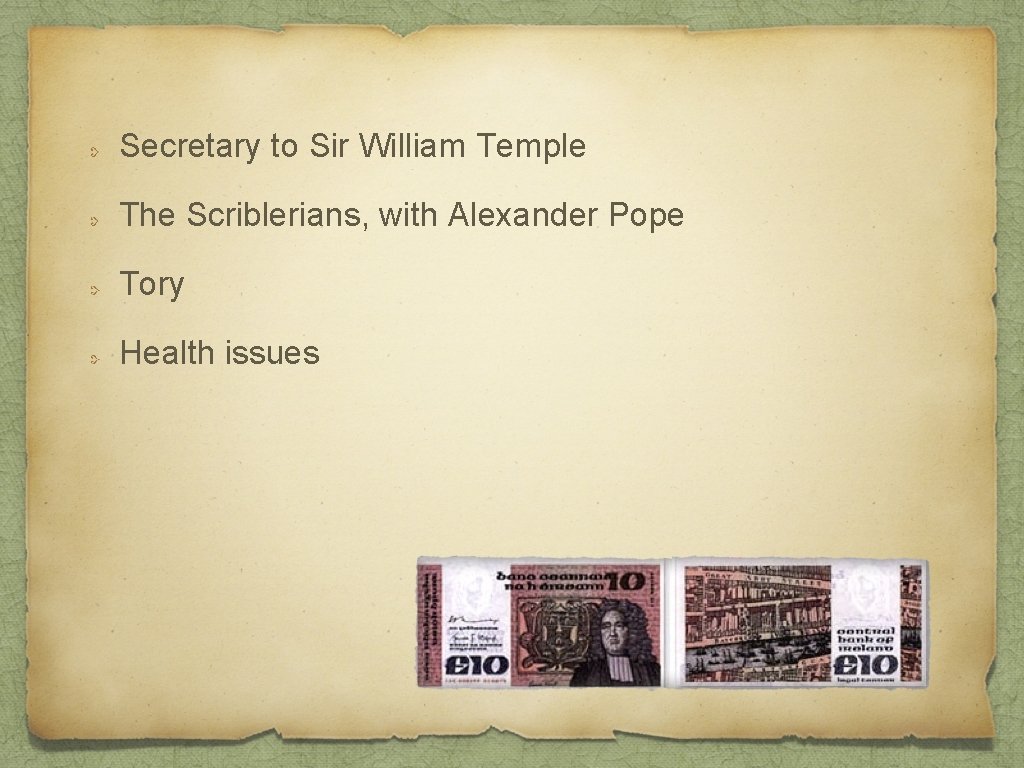
Secretary to Sir William Temple The Scriblerians, with Alexander Pope Tory Health issues
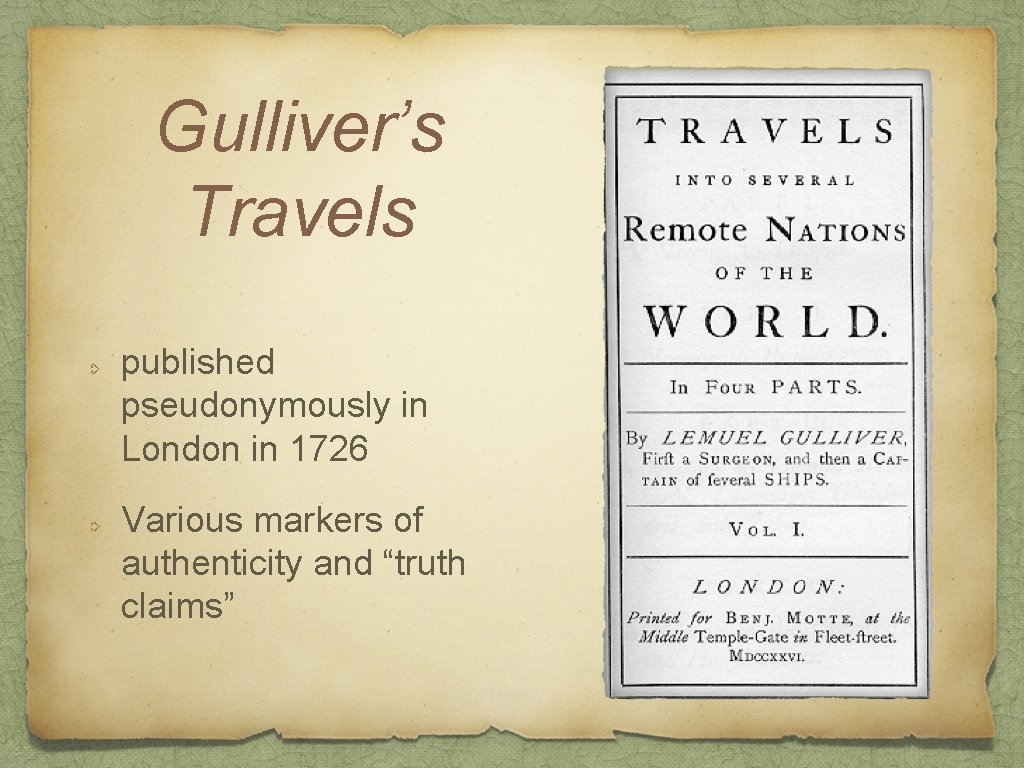
Gulliver’s Travels published pseudonymously in London in 1726 Various markers of authenticity and “truth claims”
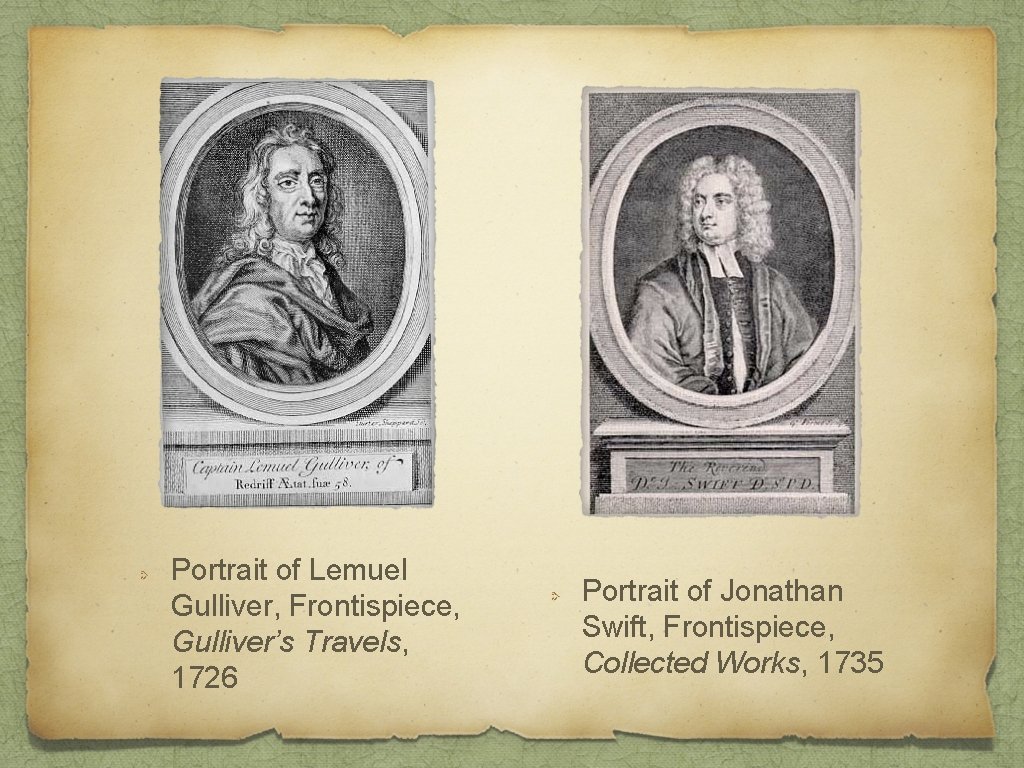
Portrait of Lemuel Gulliver, Frontispiece, Gulliver’s Travels, 1726 Portrait of Jonathan Swift, Frontispiece, Collected Works, 1735
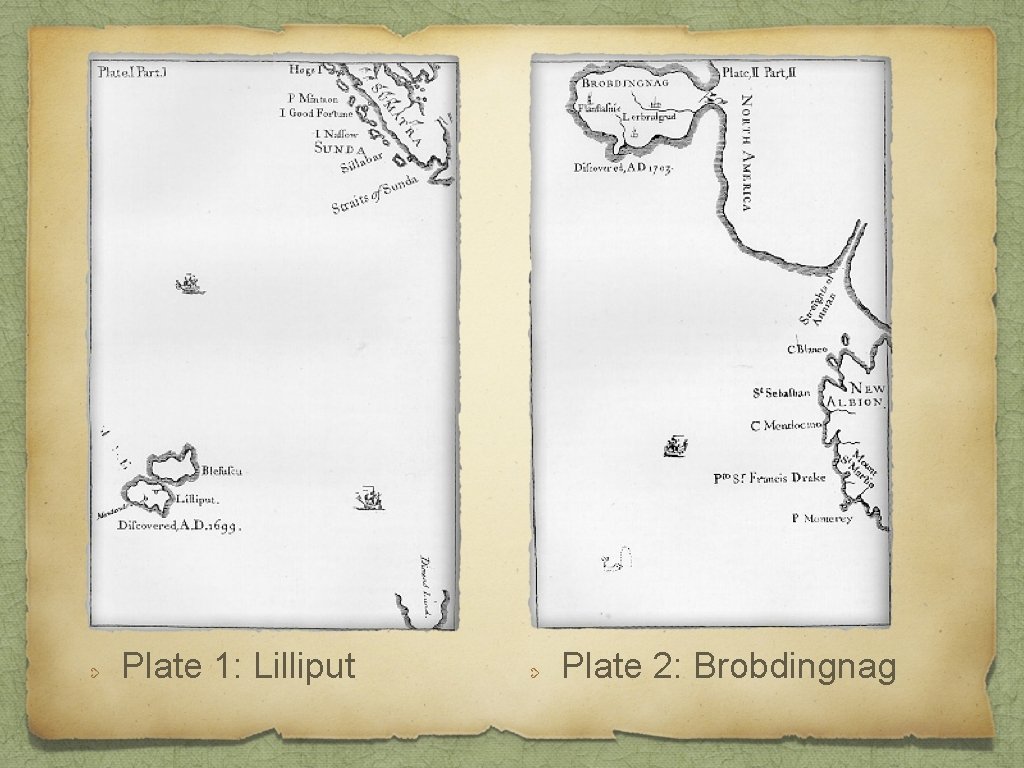
Plate 1: Lilliput Plate 2: Brobdingnag
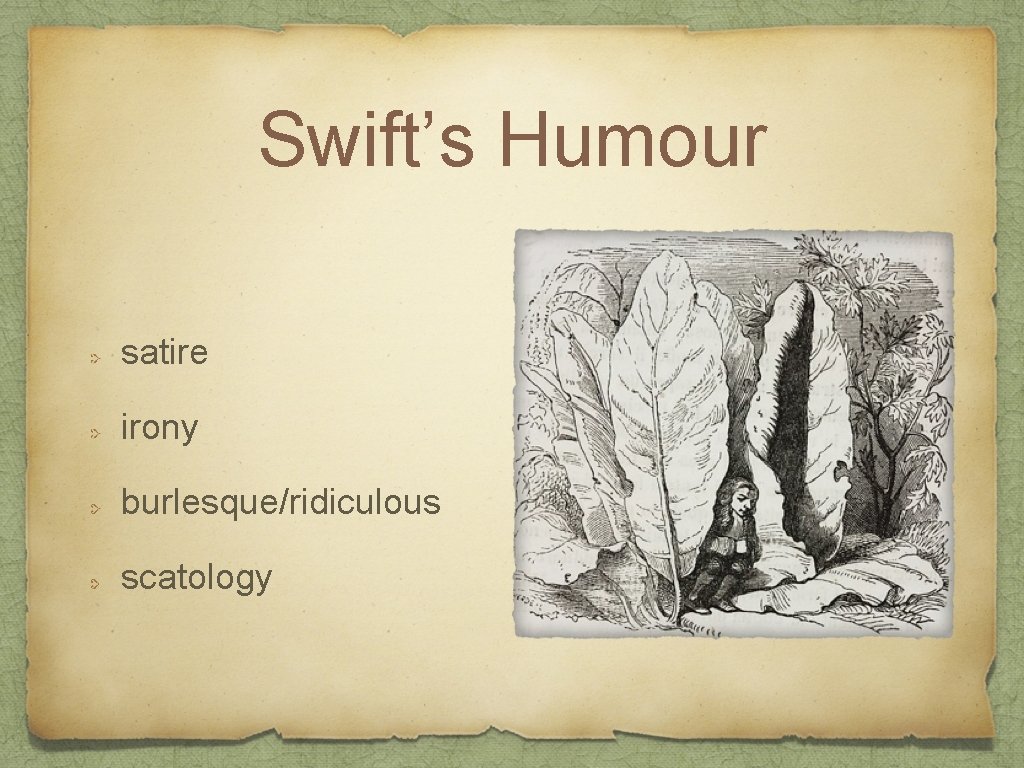
Swift’s Humour satire irony burlesque/ridiculous scatology
Satire “A literary manner that blends a critical attitude with humour and wit to the end that human institutions or society may be improved. The true satirist is conscious of the frailty of human institutions and attempts through laughter not so much to tear them down as to inspire a remodelling. Satire is fundamentally of two types, named for their most distinguished classical practitioners: . . .
. . . Horatian satire is gentle, urbane, and smiling, and it aims to correct apparent wrongs by gentle and broadly sympathetic laughter; Juvenalian satire is biting, bitter, and angry, and it points with contempt and moral indignation to the corruption and evil of human beings and their institutions. . [T]he word satire. . . literally means ‘a dish filled with mixed fruits’. . . ” http: //panther. bsc. edu/~jtatter/375 terms. html
“SATIRE is a sort of glass wherein beholders do generally discover everybody’s face but their own; which is the chief reason for that kind reception it meets with in the world, and that so very few are offended with it. ” Swift, Author’s Preface, The Battle Of The Books
Irony “A broad term referring to the recognition of a reality different from its masking appearance. Verbal irony is a figure of speech in which the actual intent is expressed in words that carry the opposite meaning. . In general, irony is most often achieved by either hyperbole or understatement. .
. . . In the drama, irony refers specifically to the knowledge held by the audience but hidden from the relevant characters. Tragic irony is a form of dramatic irony in which characters use words that mean one thing to them but have a foreboding meaning to those who understand the situation better. ”
Burlesque “A form of satire or comedy characterized by ridiculous exaggeration. Such a distortion may occur in a variety of ways: the sublime may be made absurd, honest emotions may be turned into sentimentality, a serious subject may be treated frivolously or a frivolous one seriously. .
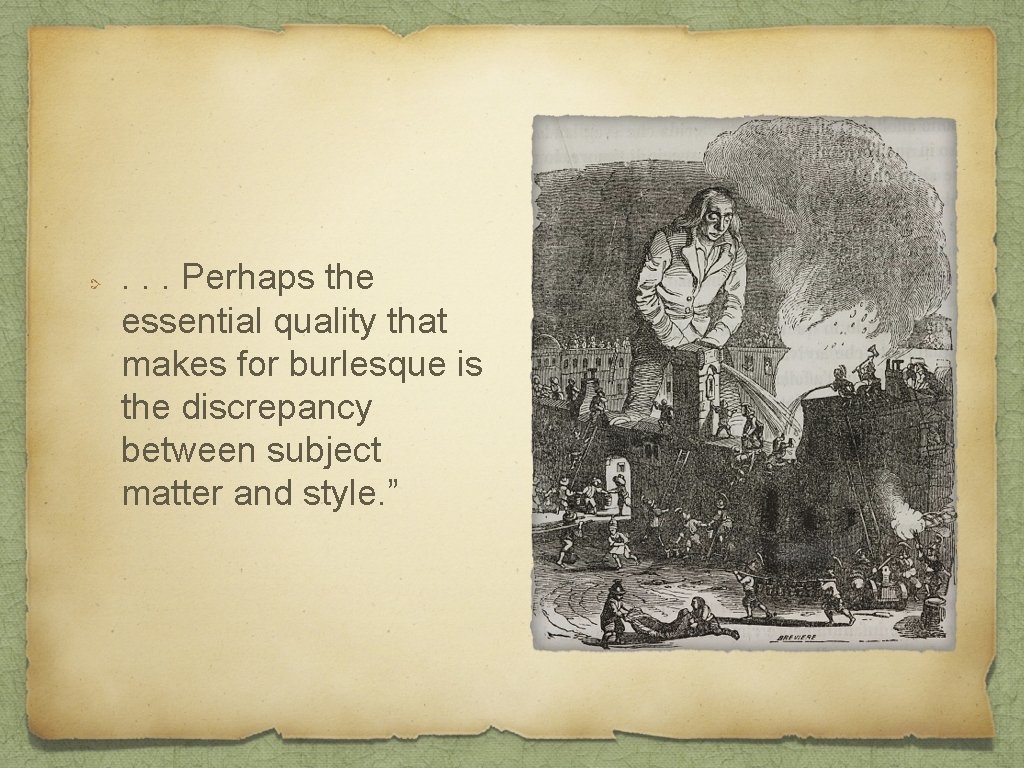
. . . Perhaps the essential quality that makes for burlesque is the discrepancy between subject matter and style. ”
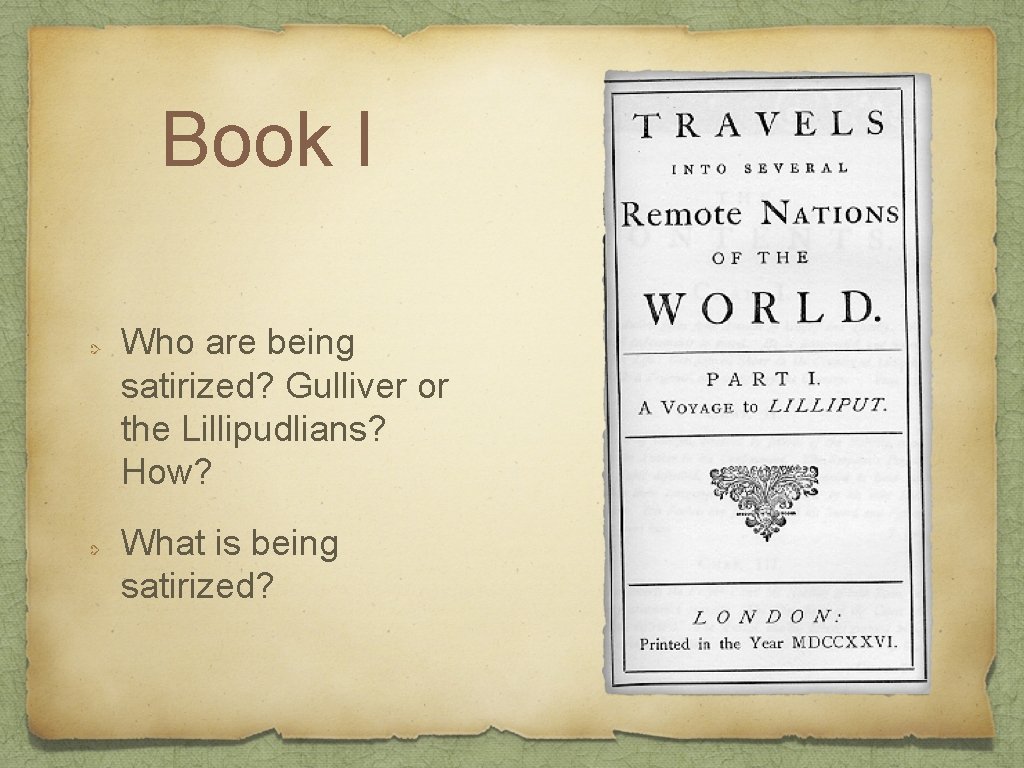
Book I Who are being satirized? Gulliver or the Lillipudlians? How? What is being satirized?
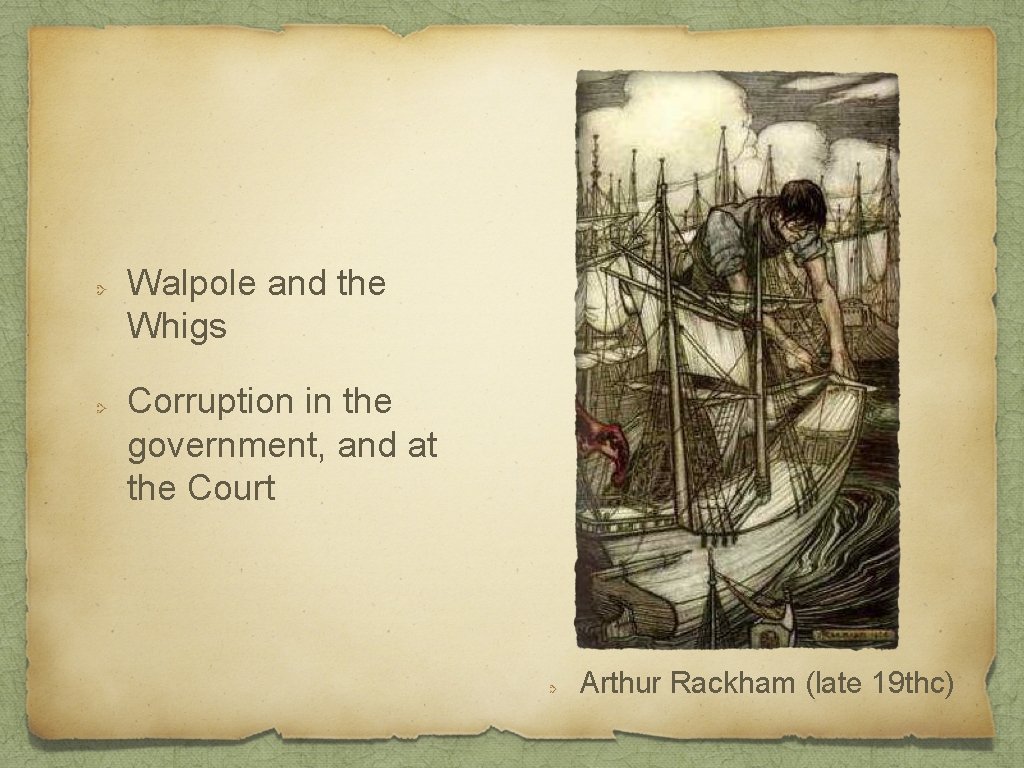
Walpole and the Whigs Corruption in the government, and at the Court Arthur Rackham (late 19 thc)
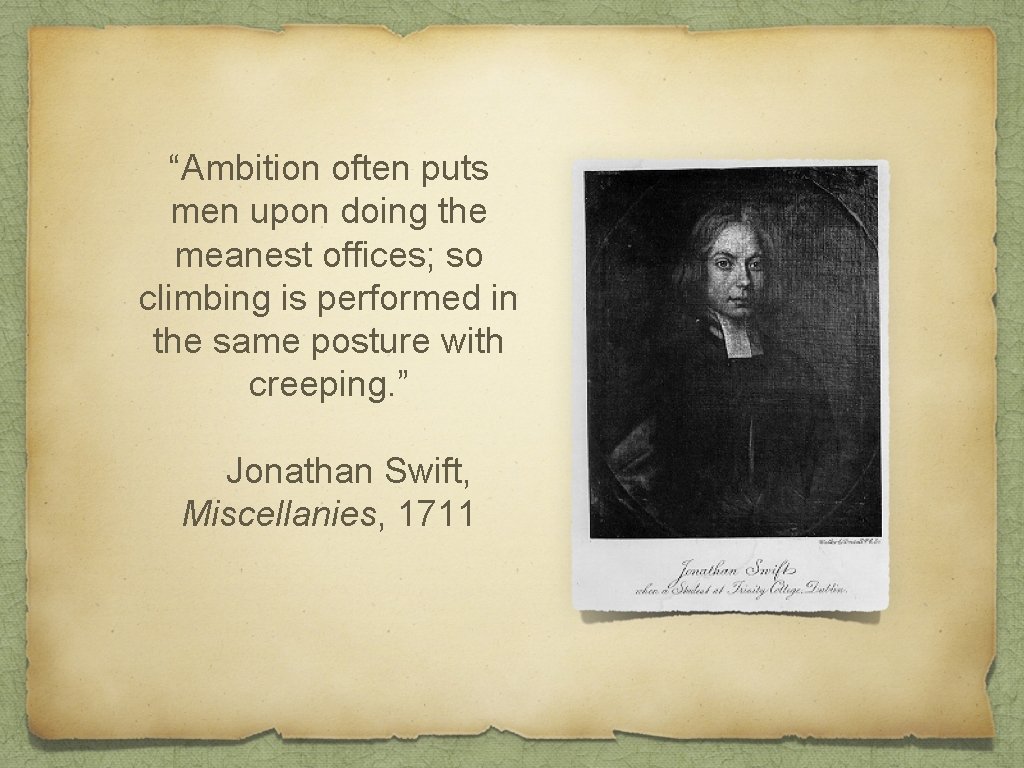
“Ambition often puts men upon doing the meanest offices; so climbing is performed in the same posture with creeping. ” Jonathan Swift, Miscellanies, 1711
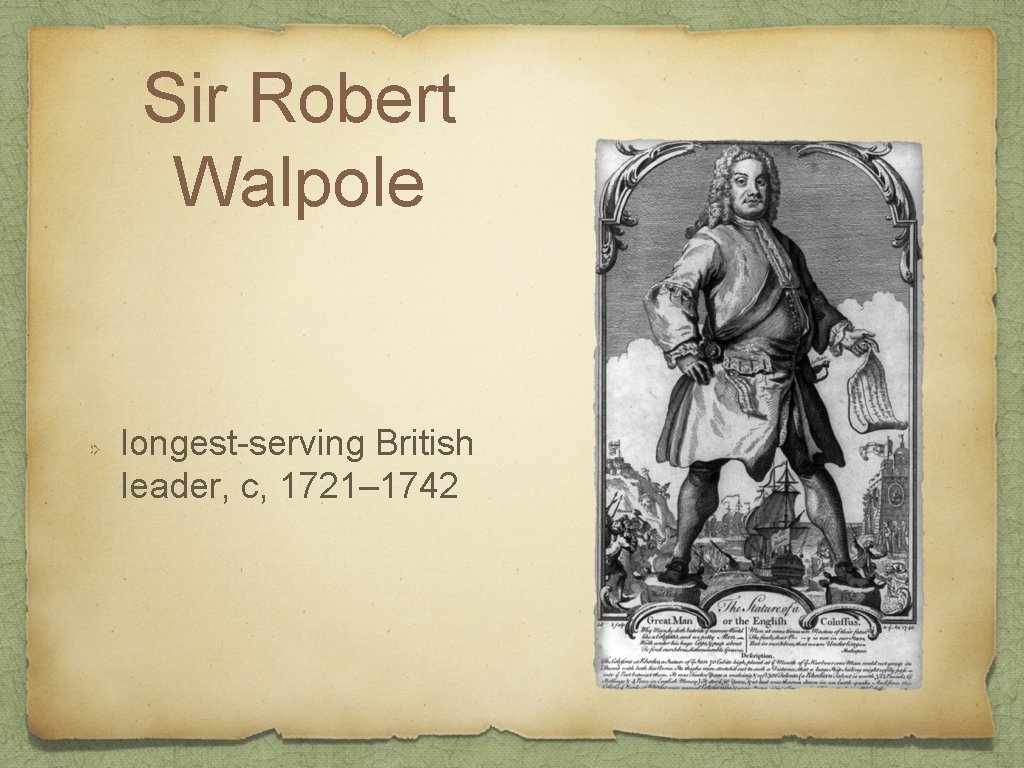
Sir Robert Walpole longest-serving British leader, c, 1721– 1742
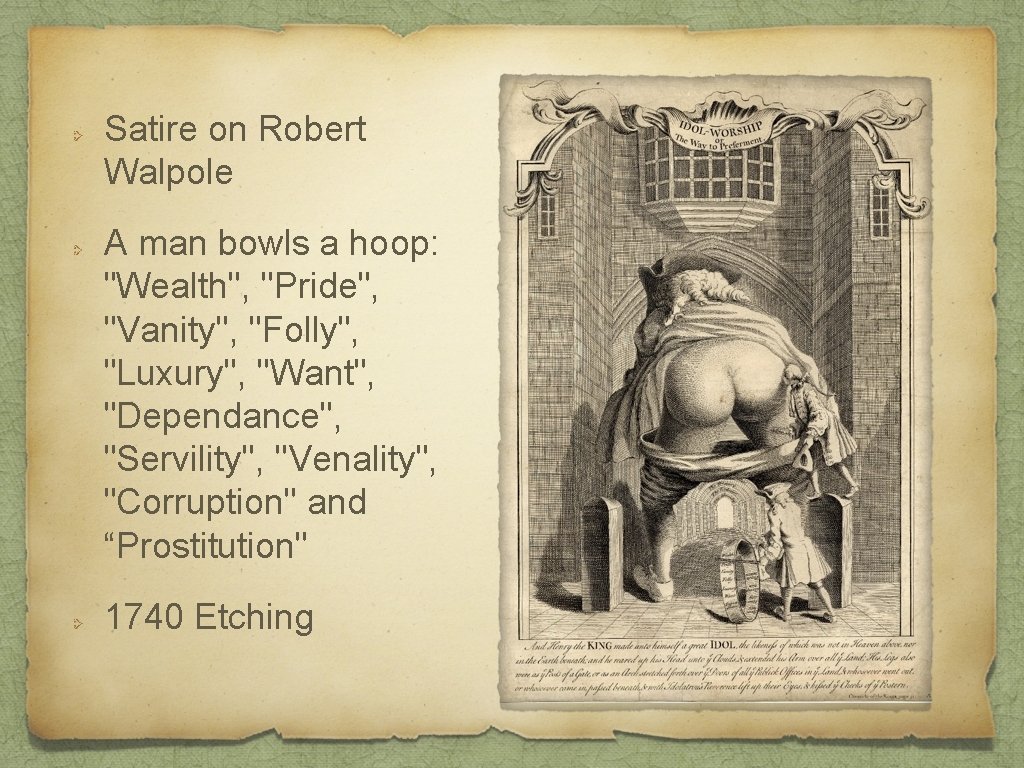
Satire on Robert Walpole A man bowls a hoop: "Wealth", "Pride", "Vanity", "Folly", "Luxury", "Want", "Dependance", "Servility", "Venality", "Corruption" and “Prostitution" 1740 Etching
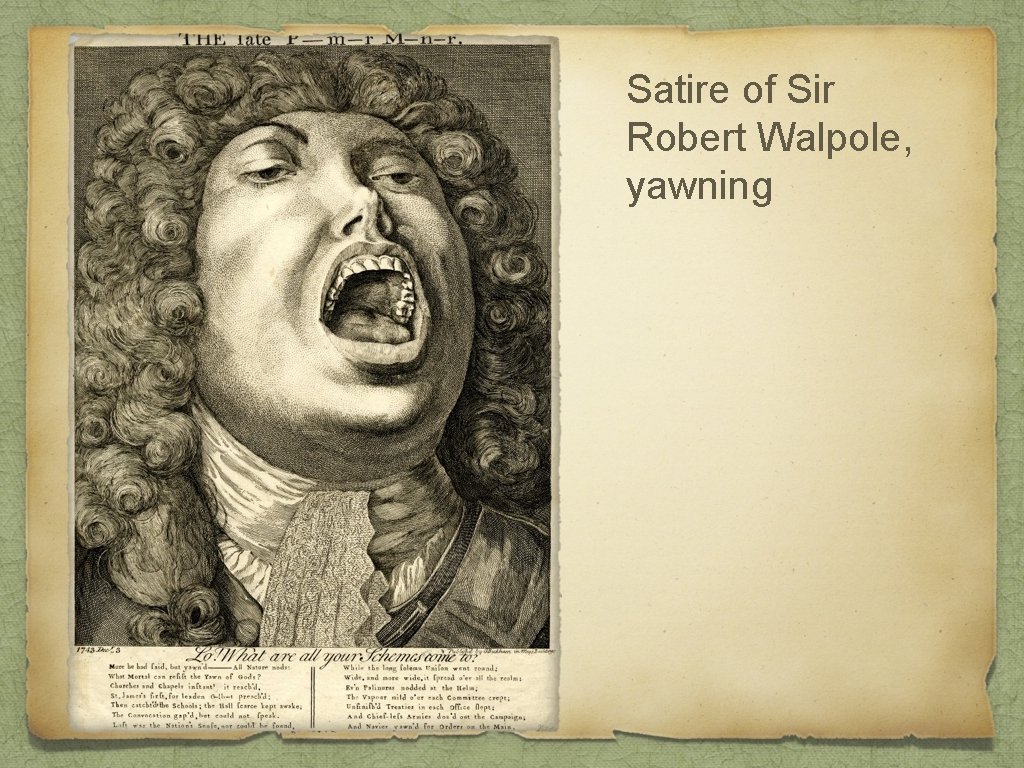
Satire of Sir Robert Walpole, yawning
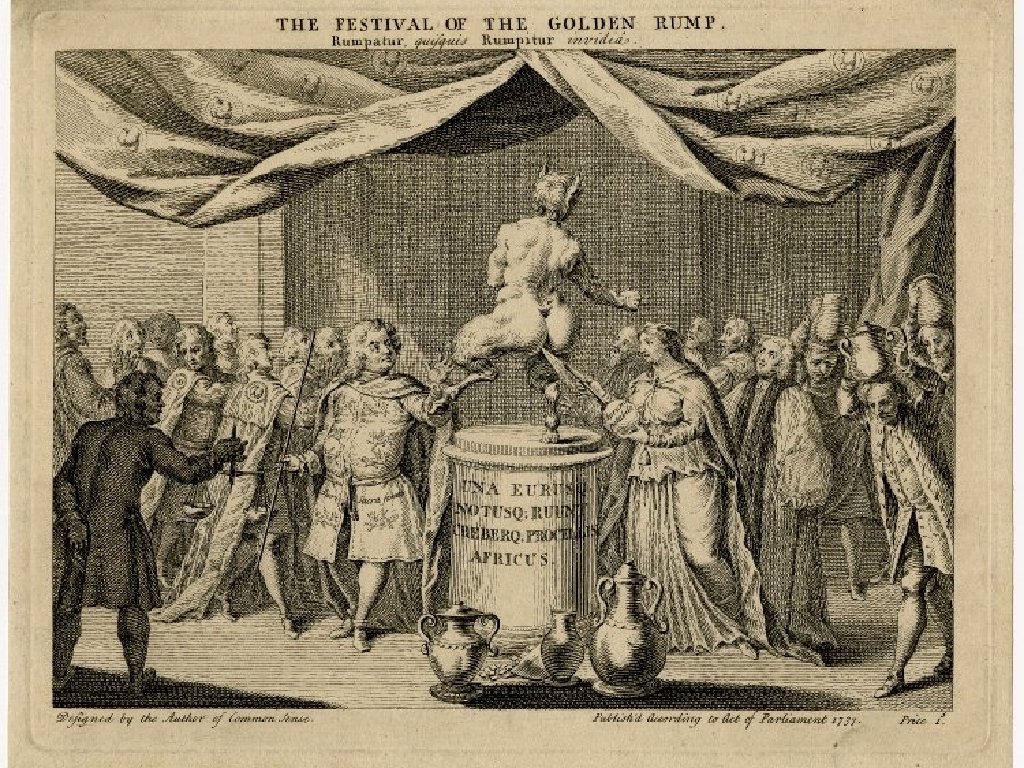
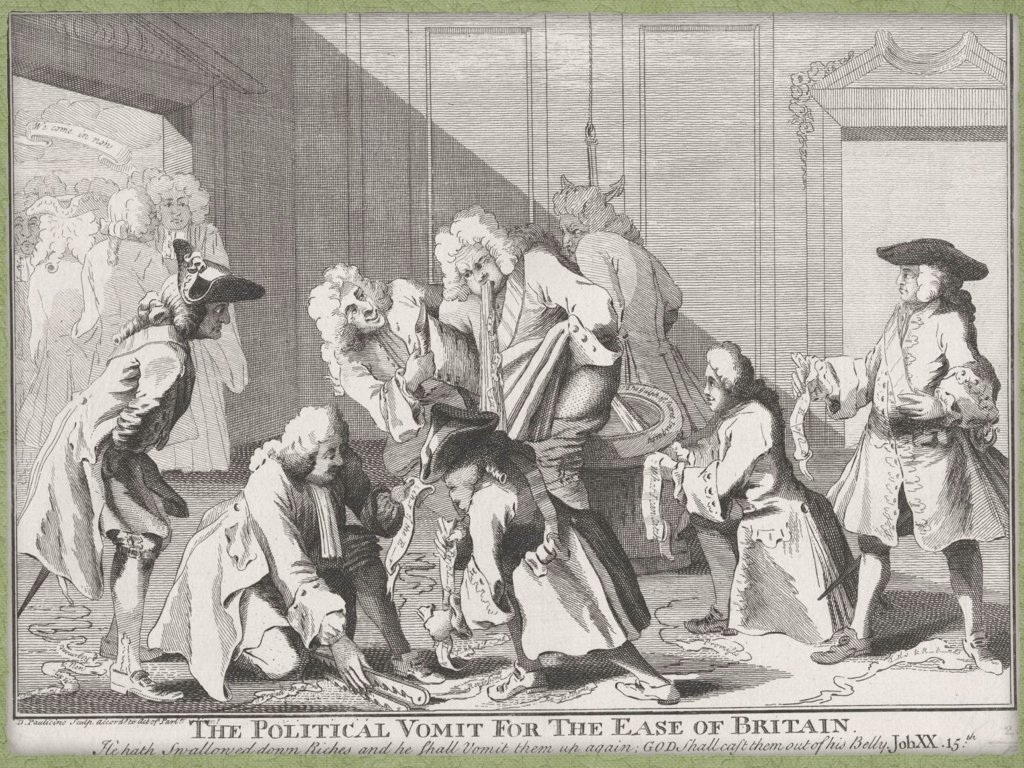
Book II Who are being satirized? Gulliver or the Brobdingnagians? How? What is being satirized?
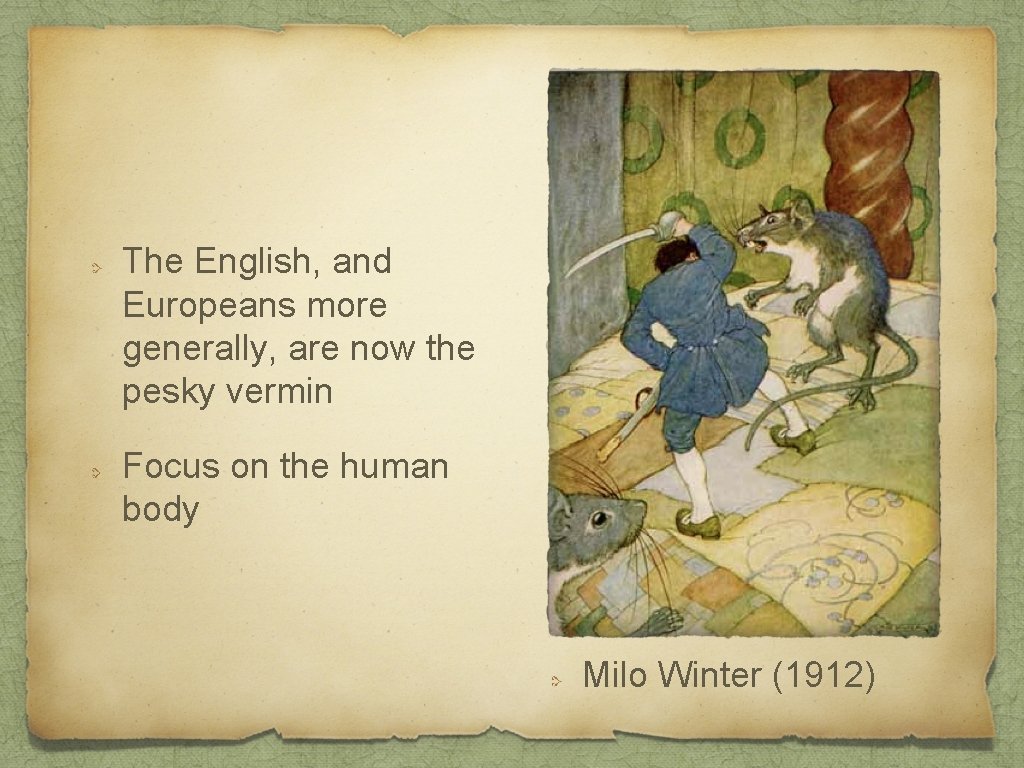
The English, and Europeans more generally, are now the pesky vermin Focus on the human body Milo Winter (1912)
- Slides: 34