
JOINTS Junction between two bones Classification Structural classification
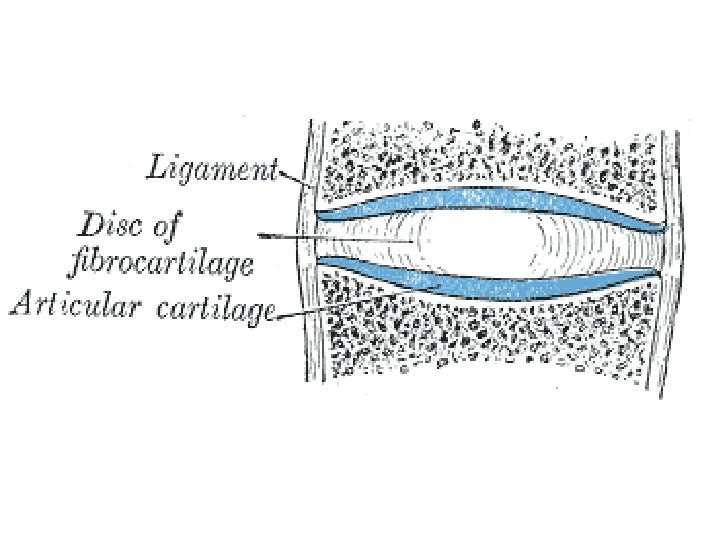
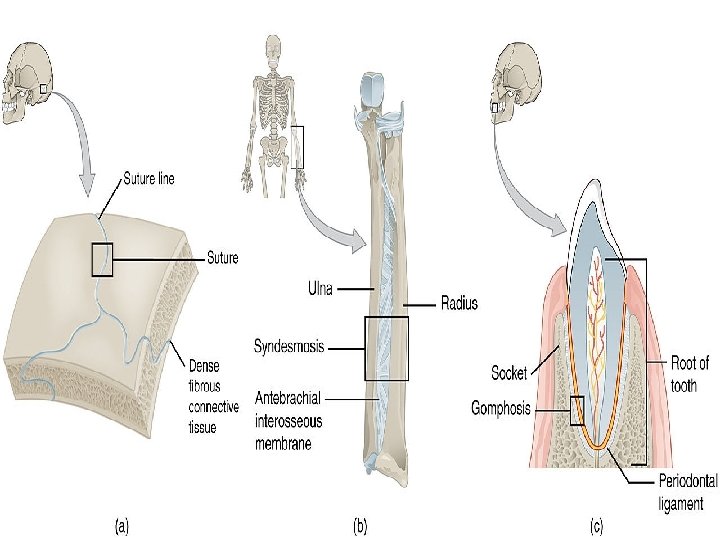
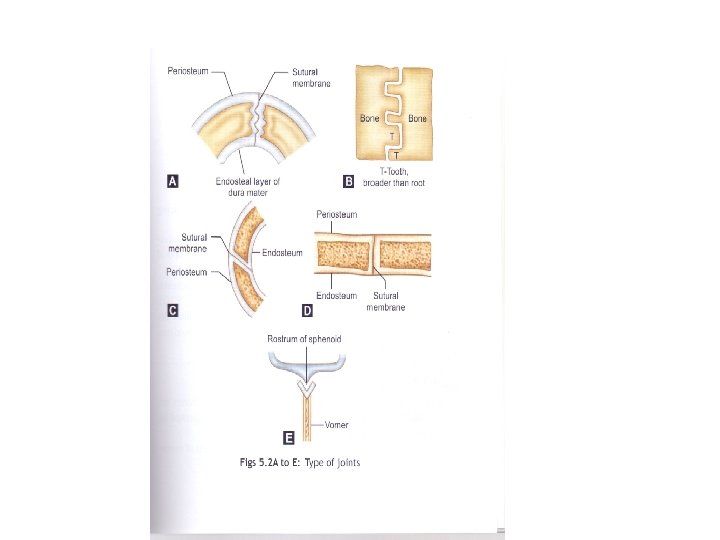
JOINTS • • • • Junction between two bones Classification Structural classification Fibrous: Suture/ Syndesmosis /Gomphosis Cartilagenous Primary/ Secondary Synovial Functional classification synarthrosis Fibrous Amphiarthrosis Cartilagenous Diarthrosis Synovial Regional Skull Type Suture Vertebral Type Catrilagenous Limbs type Synovial

Synovial • • Ball and Socket Saddle Condylar Ellipsoid Hinge Pivot plane
Components of synovial joint • • • Articular cartilage Synovial fluid Articular capsule Synovial membrane Articular Disc or Miuniscus

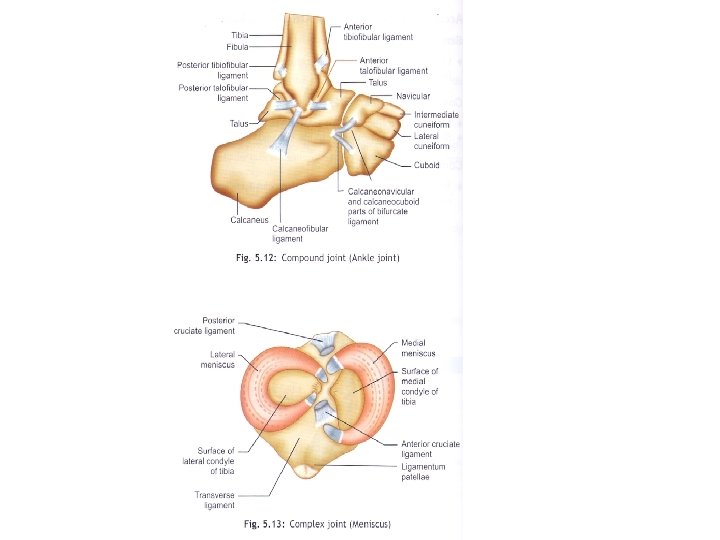
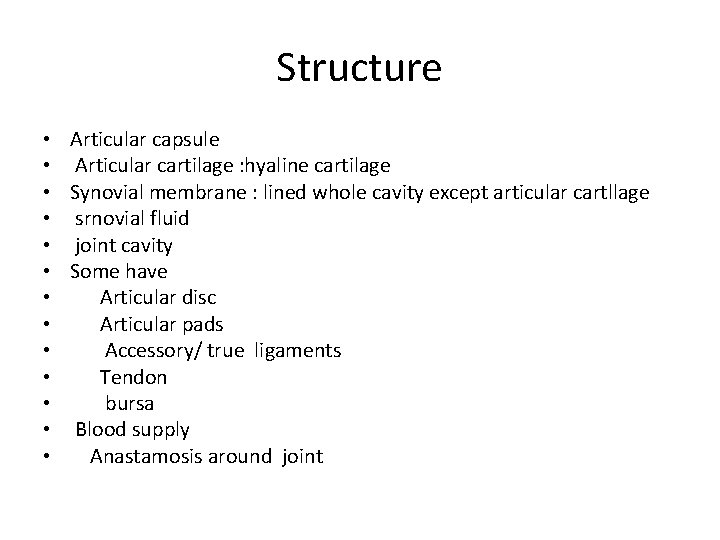
Structure • Articular capsule • Articular cartilage : hyaline cartilage • Synovial membrane : lined whole cavity except articular cartllage • srnovial fluid • joint cavity • Some have • Articular disc • Articular pads • Accessory/ true ligaments • Tendon • bursa • Blood supply • Anastamosis around joint
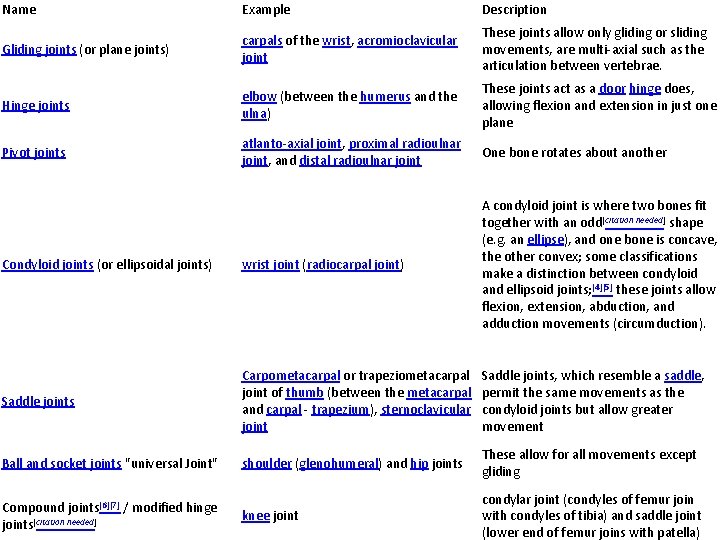
Name Example Description Gliding joints (or plane joints) carpals of the wrist, acromioclavicular joint These joints allow only gliding or sliding movements, are multi-axial such as the articulation between vertebrae. Hinge joints elbow (between the humerus and the ulna) These joints act as a door hinge does, allowing flexion and extension in just one plane Pivot joints atlanto-axial joint, proximal radioulnar joint, and distal radioulnar joint One bone rotates about another Condyloid joints (or ellipsoidal joints) wrist joint (radiocarpal joint) A condyloid joint is where two bones fit together with an odd[citation needed] shape (e. g. an ellipse), and one bone is concave, the other convex; some classifications make a distinction between condyloid and ellipsoid joints; [4][5] these joints allow flexion, extension, abduction, and adduction movements (circumduction). Saddle joints Carpometacarpal or trapeziometacarpal joint of thumb (between the metacarpal and carpal - trapezium), sternoclavicular joint Saddle joints, which resemble a saddle, permit the same movements as the condyloid joints but allow greater movement Ball and socket joints "universal Joint" shoulder (glenohumeral) and hip joints These allow for all movements except gliding knee joint condylar joint (condyles of femur join with condyles of tibia) and saddle joint (lower end of femur joins with patella) Compound joints[6][7] / modified hinge joints[citation needed]

- Slides: 12