
John Orr Memorial Lecture 7 October 2019 The
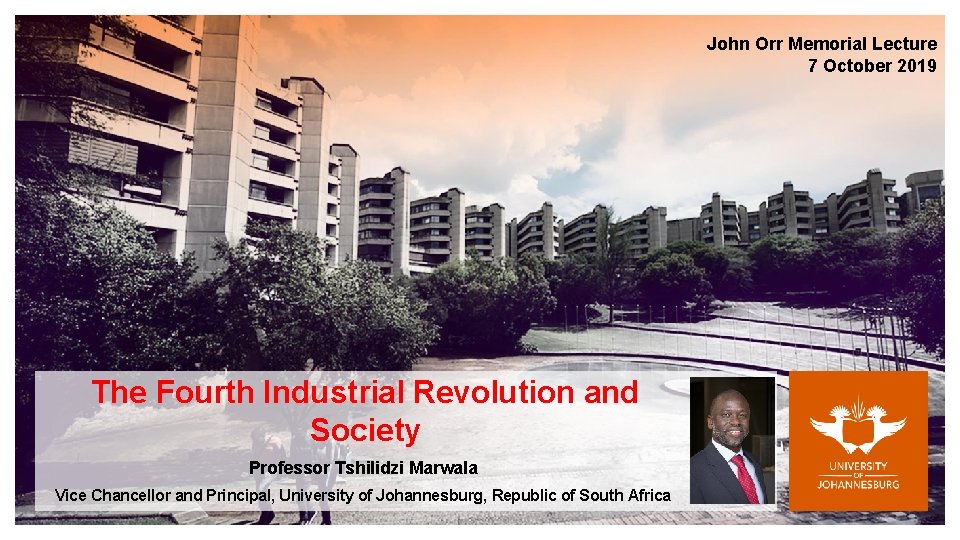
John Orr Memorial Lecture 7 October 2019 The Fourth Industrial Revolution and Society Professor Tshilidzi Marwala Vice Chancellor and Principal, University of Johannesburg, Republic of South Africa
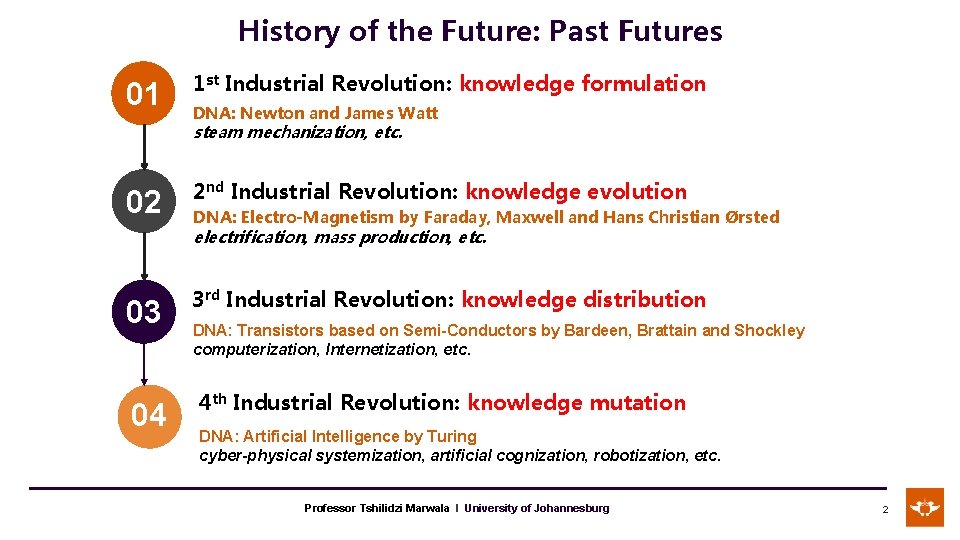
History of the Future: Past Futures 01 1 st Industrial Revolution: knowledge formulation DNA: Newton and James Watt steam mechanization, etc. 02 2 nd Industrial Revolution: knowledge evolution DNA: Electro-Magnetism by Faraday, Maxwell and Hans Christian Ørsted electrification, mass production, etc. 03 04 3 rd Industrial Revolution: knowledge distribution DNA: Transistors based on Semi-Conductors by Bardeen, Brattain and Shockley computerization, Internetization, etc. 4 th Industrial Revolution: knowledge mutation DNA: Artificial Intelligence by Turing cyber-physical systemization, artificial cognization, robotization, etc. Professor Tshilidzi Marwala l University of Johannesburg 2
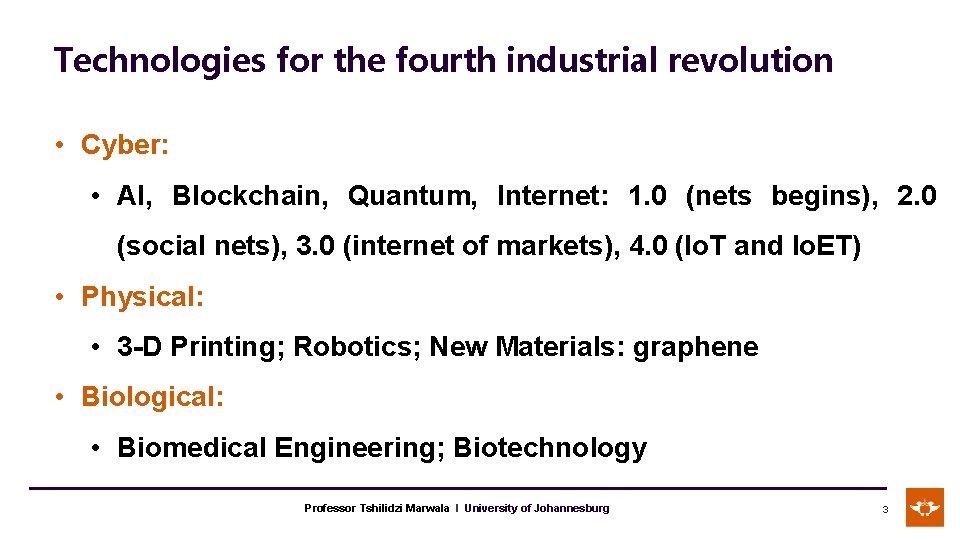
Technologies for the fourth industrial revolution • Cyber: • AI, Blockchain, Quantum, Internet: 1. 0 (nets begins), 2. 0 (social nets), 3. 0 (internet of markets), 4. 0 (Io. T and Io. ET) • Physical: • 3 -D Printing; Robotics; New Materials: graphene • Biological: • Biomedical Engineering; Biotechnology Professor Tshilidzi Marwala l University of Johannesburg 3
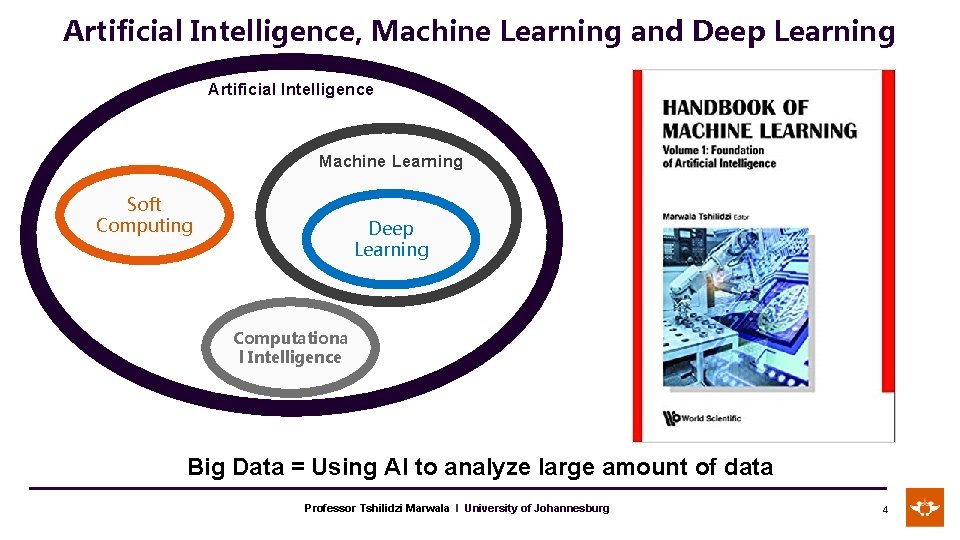
Artificial Intelligence, Machine Learning and Deep Learning Artificial Intelligence Machine Learning Soft Computing Deep Learning Computationa l Intelligence Big Data = Using AI to analyze large amount of data Professor Tshilidzi Marwala l University of Johannesburg 4
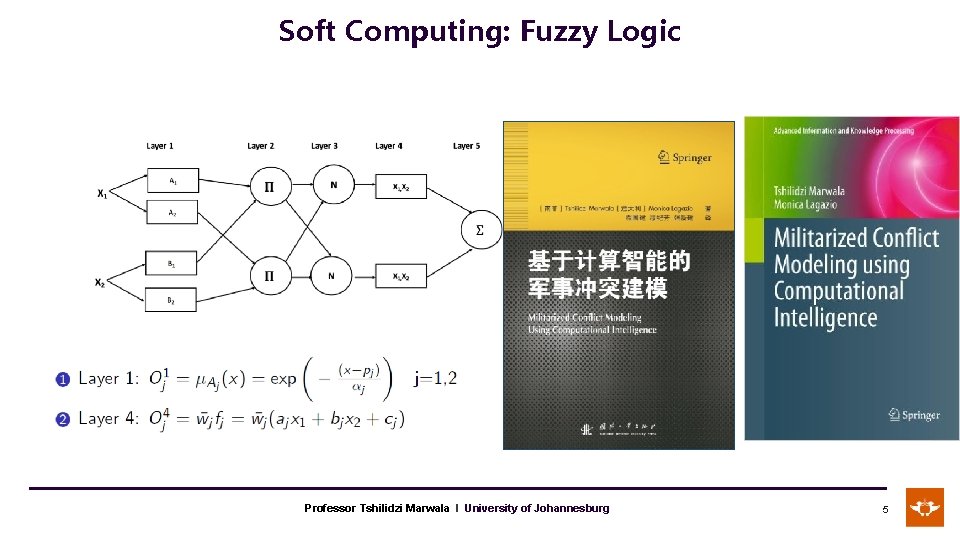
Soft Computing: Fuzzy Logic Professor Tshilidzi Marwala l University of Johannesburg 5
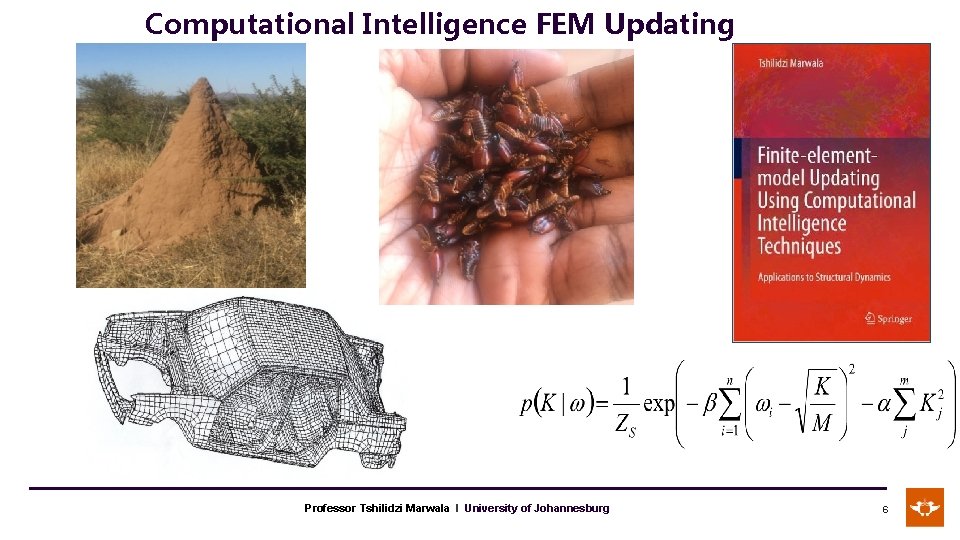
Computational Intelligence FEM Updating Professor Tshilidzi Marwala l University of Johannesburg 6
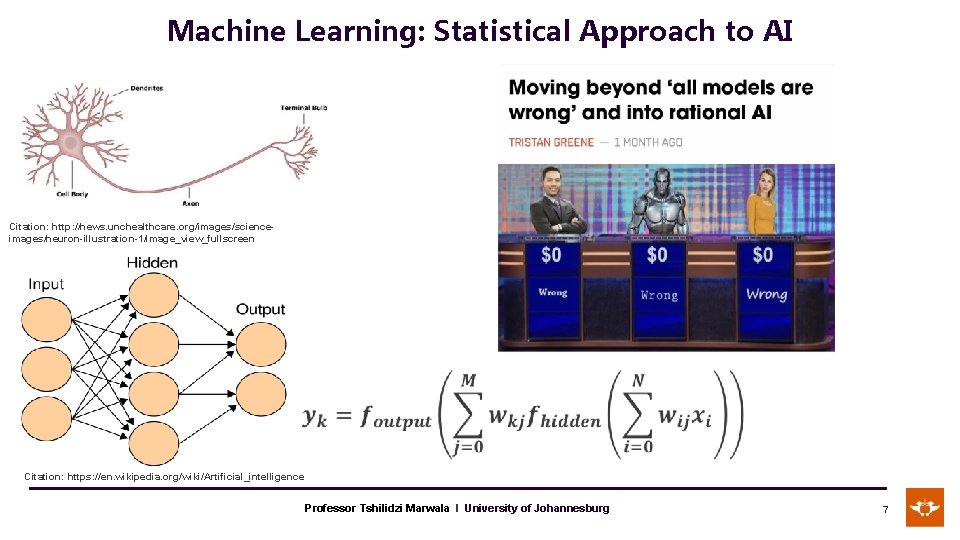
Machine Learning: Statistical Approach to AI Citation: http: //news. unchealthcare. org/images/scienceimages/neuron-illustration-1/image_view_fullscreen Citation: https: //en. wikipedia. org/wiki/Artificial_intelligence Professor Tshilidzi Marwala l University of Johannesburg 7
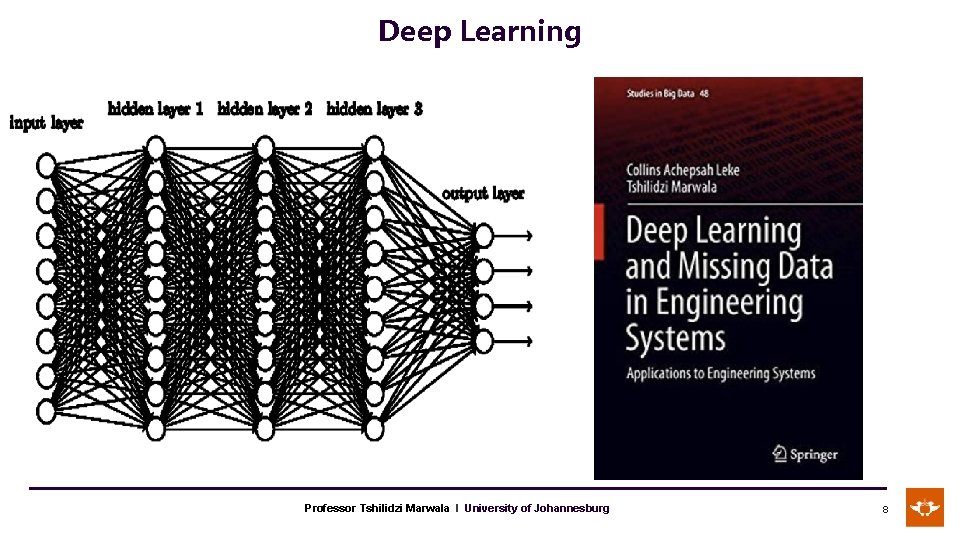
Deep Learning Professor Tshilidzi Marwala l University of Johannesburg 8
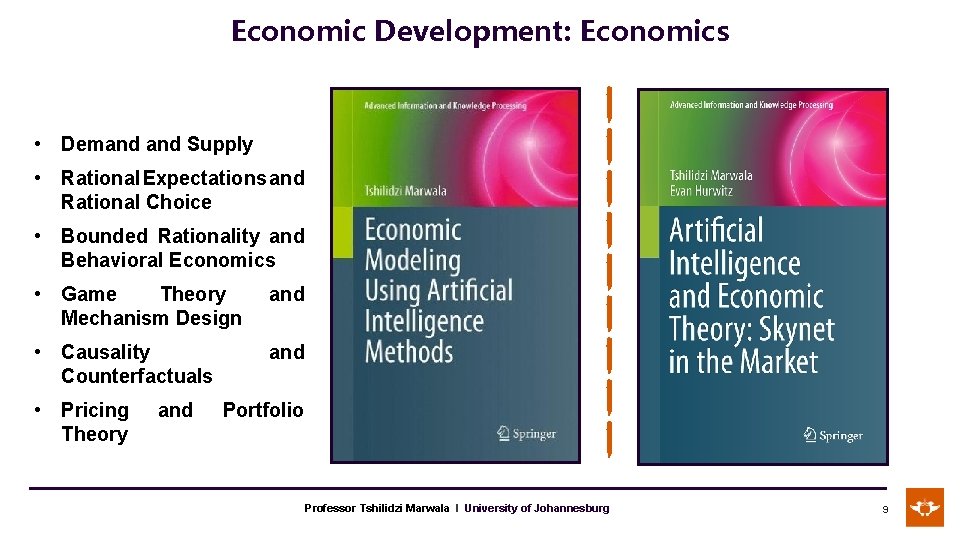
Economic Development: Economics • Demand Supply • Rational Expectations and Rational Choice • Bounded Rationality and Behavioral Economics • Game Theory Mechanism Design and • Causality Counterfactuals and • Pricing Theory and Portfolio Professor Tshilidzi Marwala l University of Johannesburg 9
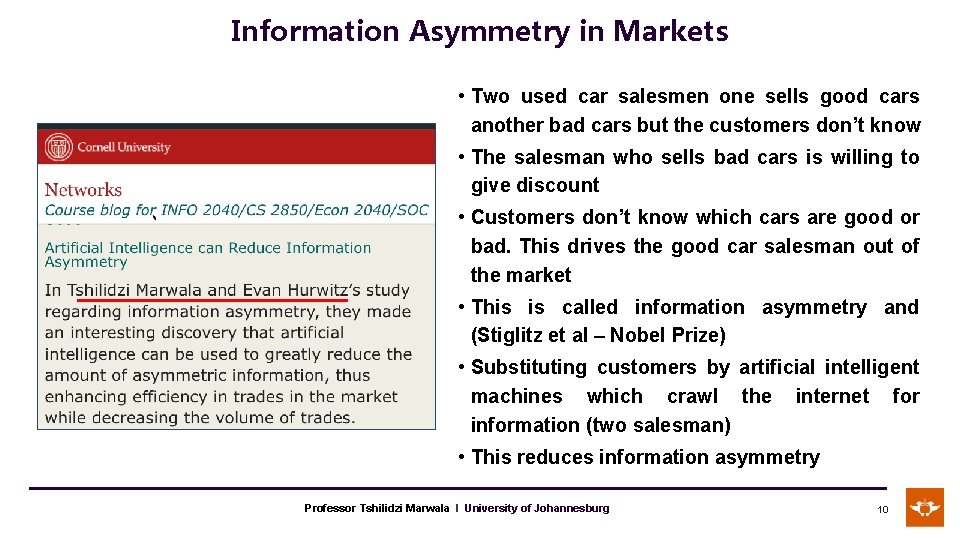
Information Asymmetry in Markets • Two used car salesmen one sells good cars another bad cars but the customers don’t know • The salesman who sells bad cars is willing to give discount • Customers don’t know which cars are good or bad. This drives the good car salesman out of the market • This is called information asymmetry and (Stiglitz et al – Nobel Prize) • Substituting customers by artificial intelligent machines which crawl the internet for information (two salesman) • This reduces information asymmetry Professor Tshilidzi Marwala l University of Johannesburg 10
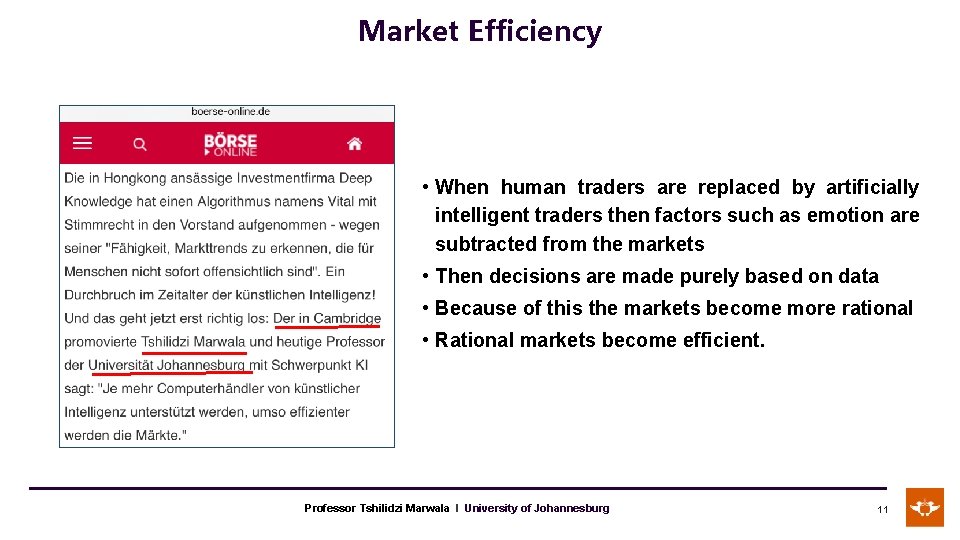
Market Efficiency • When human traders are replaced by artificially intelligent traders then factors such as emotion are subtracted from the markets • Then decisions are made purely based on data • Because of this the markets become more rational • Rational markets become efficient. Professor Tshilidzi Marwala l University of Johannesburg 11
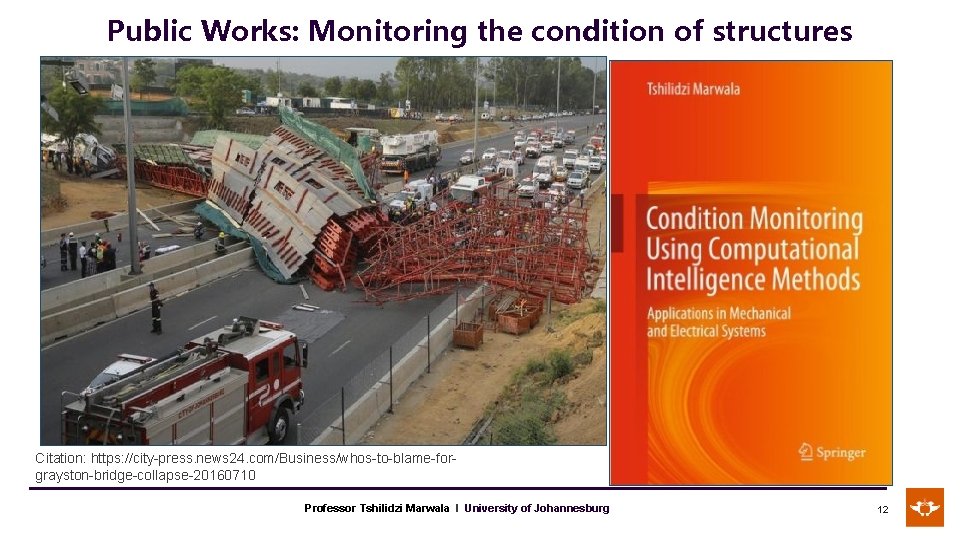
Public Works: Monitoring the condition of structures Citation: https: //city-press. news 24. com/Business/whos-to-blame-forgrayston-bridge-collapse-20160710 Professor Tshilidzi Marwala l University of Johannesburg 12
What can possibly go wrong with 4 IR? Boeing 737 Max • The Ethiopian Airlines Boeing 737 Max 8 crashed 8 minutes after taking off, killing all 157 people onboard. • 3 minutes after taking off, the Captain of this aircraft requested to return the aircraft back to the runway. • Six months before this accident, the Lion Airline Boeing 737 Max 8 crashed in Indonesia, 13 minutes after taking off, killing 189 people. • In probability theory, when an event happens ones it is probably an accident. If it happens twice, probably there is a systematic problem. • These two new aircrafts crashed within six months of each other, and it seems this family of aircrafts has a systematic problem. 13
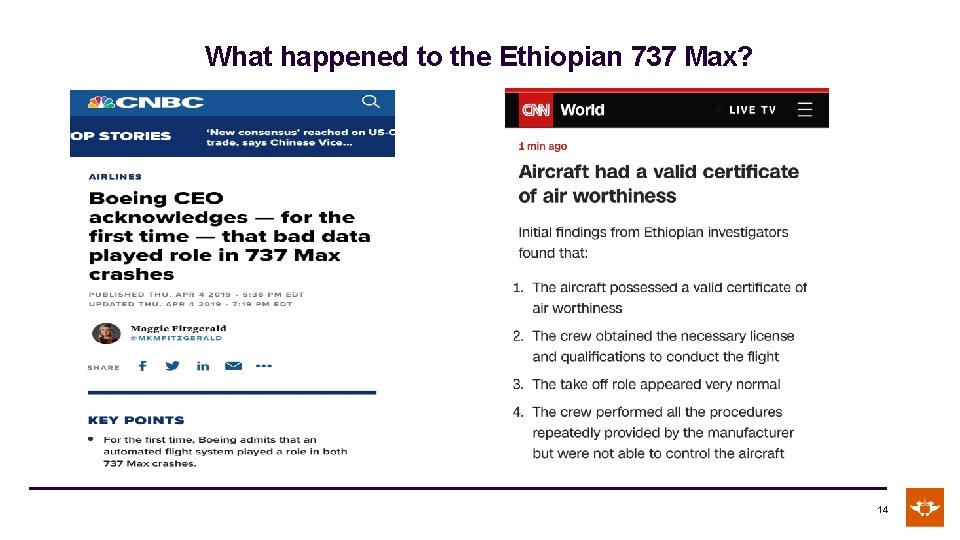
What happened to the Ethiopian 737 Max? 14
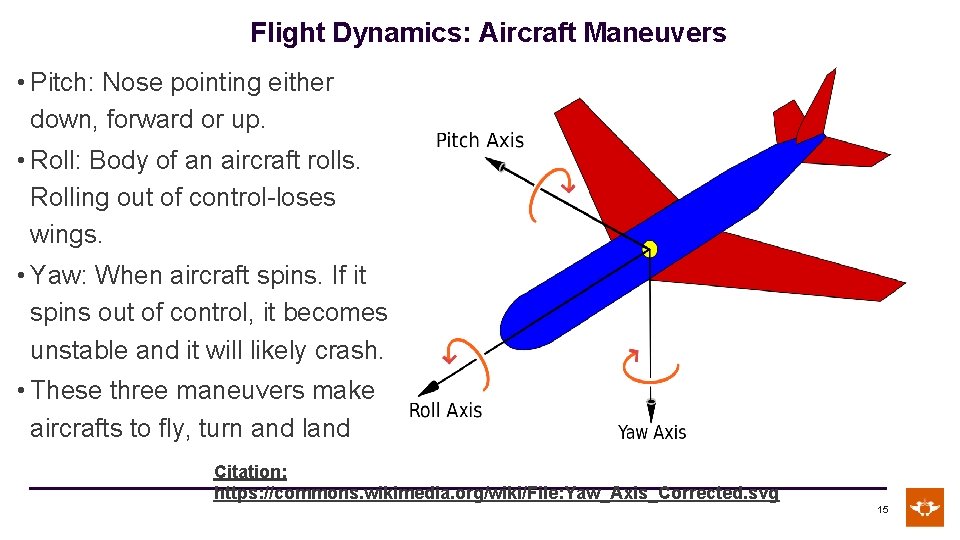
Flight Dynamics: Aircraft Maneuvers • Pitch: Nose pointing either down, forward or up. • Roll: Body of an aircraft rolls. Rolling out of control-loses wings. • Yaw: When aircraft spins. If it spins out of control, it becomes unstable and it will likely crash. • These three maneuvers make aircrafts to fly, turn and land Citation: https: //commons. wikimedia. org/wiki/File: Yaw_Axis_Corrected. svg 15
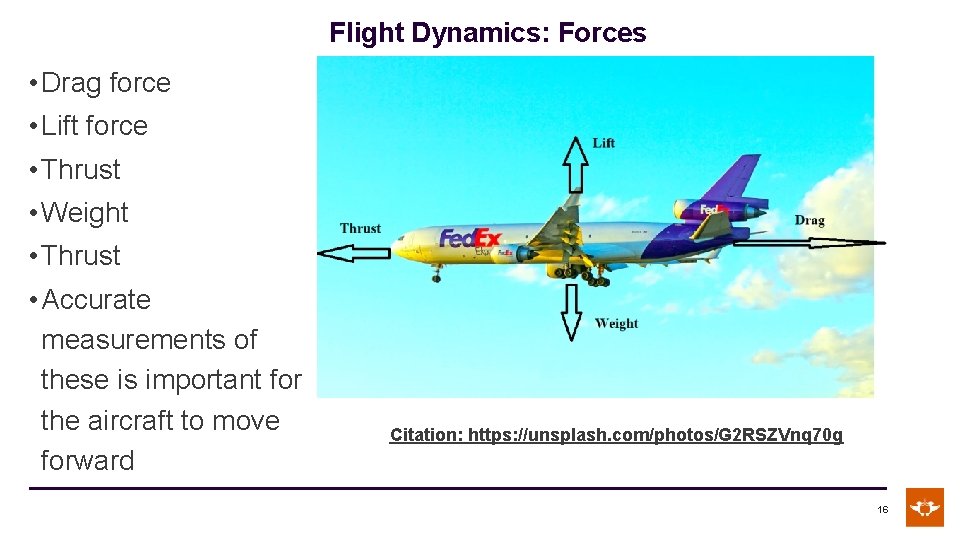
Flight Dynamics: Forces • Drag force • Lift force • Thrust • Weight • Thrust • Accurate measurements of these is important for the aircraft to move forward Citation: https: //unsplash. com/photos/G 2 RSZVnq 70 g 16
What happened to Boeing 737 Max? • It seems Boeing 737 Max 8 had a problem with the pitch maneuver. • It did not know whether it was climbing or descending or going forward. • It seems that pilots before these crashes identified the technical problem. • It is reported that in the USA, a pilot had to switch off the autopilot as the aircraft was pitching down even though it was supposed to be climbing. • The problem with this aircraft is that its flight control system is not stable. What then is this flight control system? 17
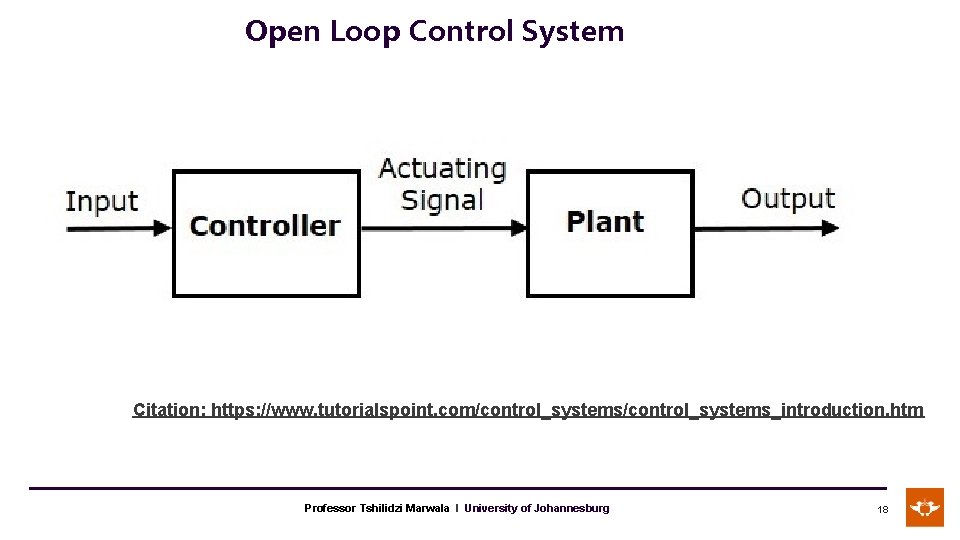
Open Loop Control System Citation: https: //www. tutorialspoint. com/control_systems_introduction. htm Professor Tshilidzi Marwala l University of Johannesburg 18
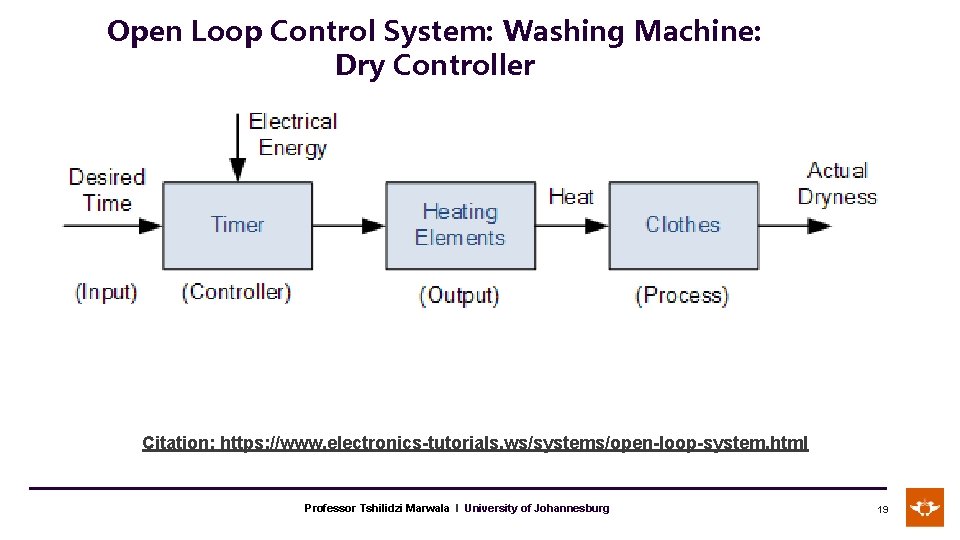
Open Loop Control System: Washing Machine: Dry Controller Citation: https: //www. electronics-tutorials. ws/systems/open-loop-system. html Professor Tshilidzi Marwala l University of Johannesburg 19
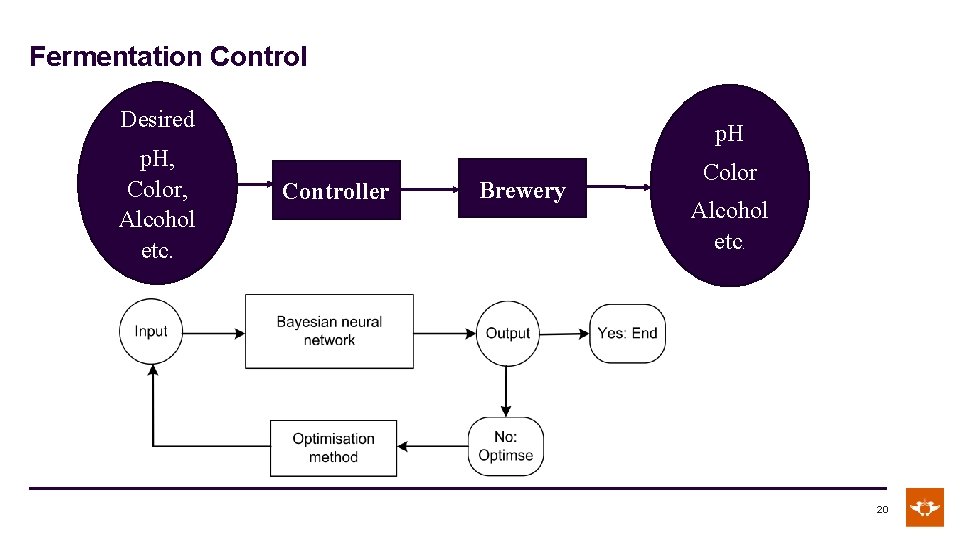
Fermentation Control Desired p. H, Color, Alcohol etc. p. H Controller Brewery Color Alcohol etc. 20
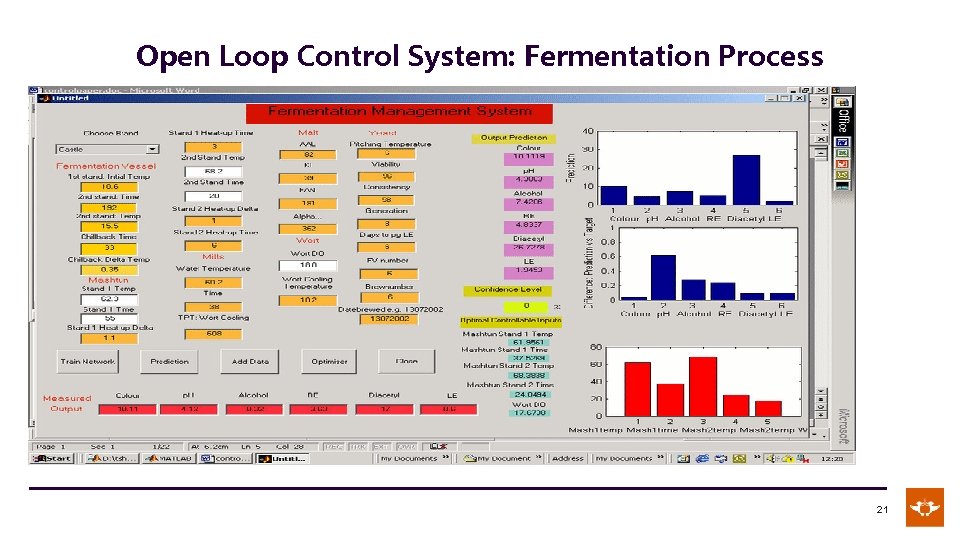
Open Loop Control System: Fermentation Process 21
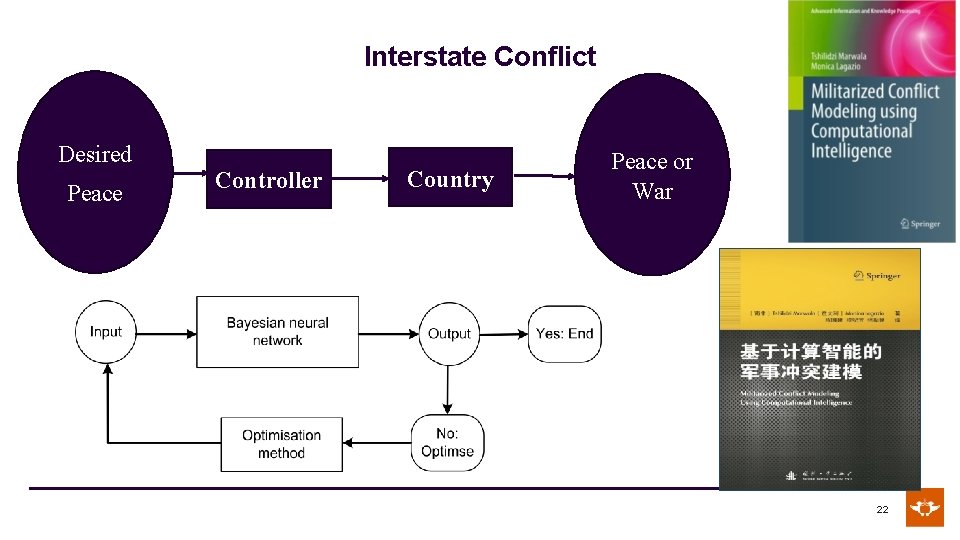
Interstate Conflict Desired Peace Controller Country Peace or War 22
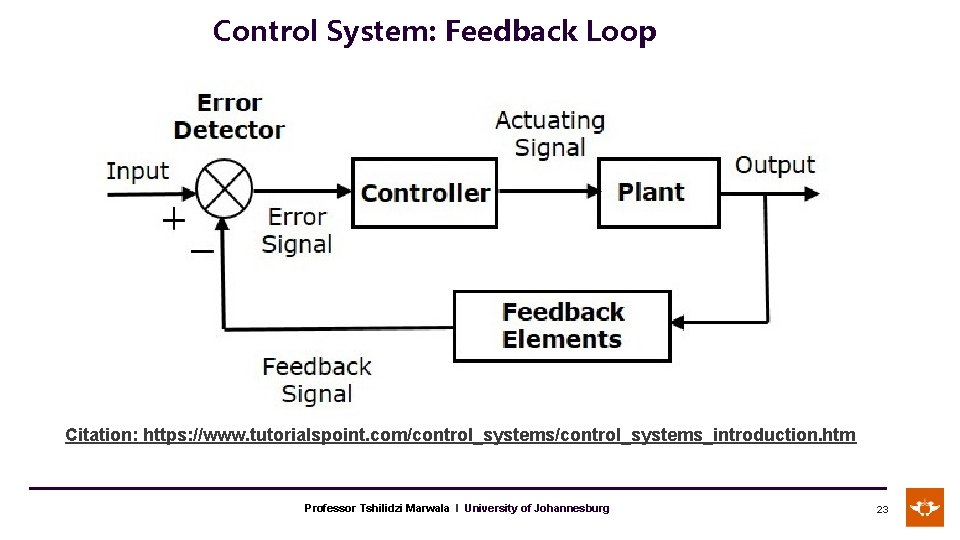
Control System: Feedback Loop Citation: https: //www. tutorialspoint. com/control_systems_introduction. htm Professor Tshilidzi Marwala l University of Johannesburg 23
Questions…. ? • Is inflation targeting an open loop or closed loop control system? • Is a light switch an open loop or closed loop control system? • Is an air-conditioner an open loop or close loop control system? • Is a dishwasher an open loop or close loop control system? 24
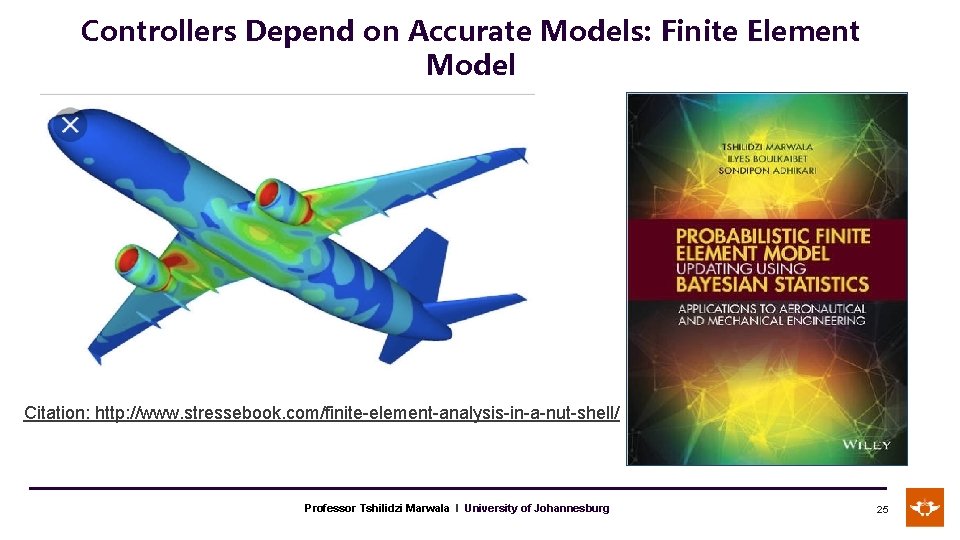
Controllers Depend on Accurate Models: Finite Element Model Citation: http: //www. stressebook. com/finite-element-analysis-in-a-nut-shell/ Professor Tshilidzi Marwala l University of Johannesburg 25
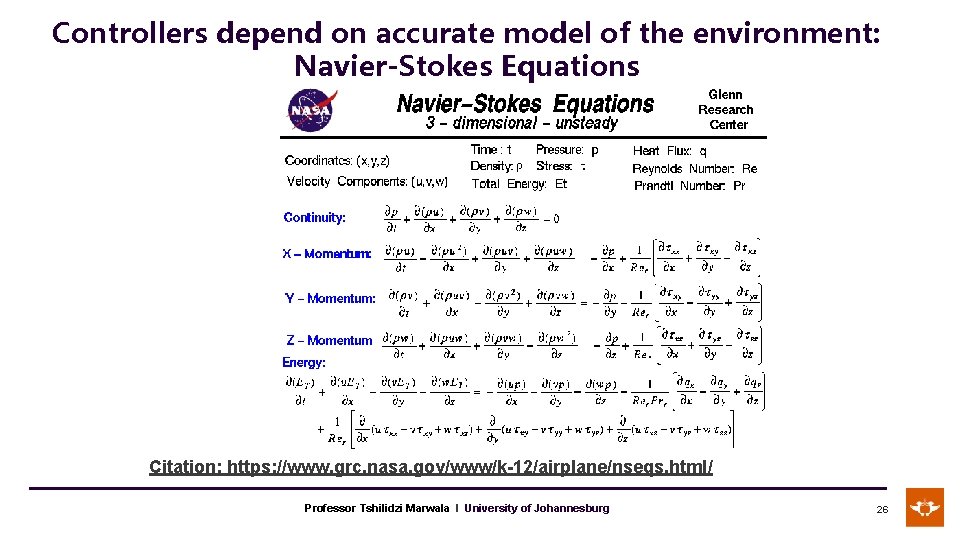
Controllers depend on accurate model of the environment: Navier-Stokes Equations Citation: https: //www. grc. nasa. gov/www/k-12/airplane/nseqs. html/ Professor Tshilidzi Marwala l University of Johannesburg 26
What can go wrong in control system? • Control system is a component of automation and a driver of the 4 IR • Automation of 3 IR controllers were not intelligent – thus not flexible • The 4 IR is driven by intelligent technologies such as AI. • Controllers of the 4 IR are intelligent • The infusion of intelligence into these controllers makes them unstable. • We need to develop stability theory for intelligent controllers • Design these systems with critic systems that monitor and supervise them. 27
What can go wrong in control system? • Wrong model: linearity vs. nonlinearity, model identification, robustness • Wrong data: failure of sensors etc. • Inadequate actuation: deterministic versus stochastic • Instability: Routh-Hurwitz, Avoiding poles • Inadequate settling time: How fast do we reach goals? 28
What possibly went wrong? • In 2018, Boeing allegedly spent 15 million US dollars on political lobbying. • Boeing is the largest supplier of aerospace goods and services to the US government. • Boeing is the maker of Air Force One. • United States was one of the last countries to ban this aircraft indicating the possibility of toxic confluence of politics, money and lobbying. • Captured regulatory framework 29
Conclusion • Understand the complexity of the 4 IR and its downsides. • Guard against the toxic confluence of politics, economics and lobbying to protect safety rather than pursue profit maximisation. • Capacitate universities so that they have the necessary resources to teach complex and evolving subjects such as control systems – The blackbox recovered from this disaster was analyzed in France. • The Ethiopian Boeing 737 crashed because of faulty data (pitch, yaw, roll etc. ) and inaccurate unstable feedback control model. 30
Looking forward: Produce skills for the 4 th. IR (WEF): • Cognitive Abilities; • Systems Skills; • Complex Problem Solving Skills; • Content Skills; • Process Skills; • Social Skills; • Resource Management Skills; • Technical Skills; • Physical Skills • We can achieve these through multi-disciplinary education where human and social sciences understand science and technology and vice versa 31
Consequences of the 4 th. IR • Post-work era (due to advanced means of production) • Irrelevance in the 4 th. IR versus exploitation of 1 st. IR • Increase inequality • Bounded freedom (we are being watched) • Death of Privacy • Bounded nationalism • Bounded democracy – (democracy in peril) • Laws and ethics to regulate automation • New economic theories • Human-Robot interaction will create new psychology in people 32
Presidential Commission on the Fourth Industrial Revolution (PC 4 IR) • The Infrastructure and Resources work stream. • The Research, Technology and Innovation work stream. • The Economic and Social impact work stream. • The work stream on Human Capital and the Future of Work. • The work stream on Industrialisation and Commercialisation. • The Policy and Legislation work stream 33
Ngiyabonga… Thank you… …
- Slides: 34