
Job Interviews Interview Definition Process Stages Types Preparation
Job Interviews

Interview Definition Process Stages Types Preparation © Oxford University Press 2011
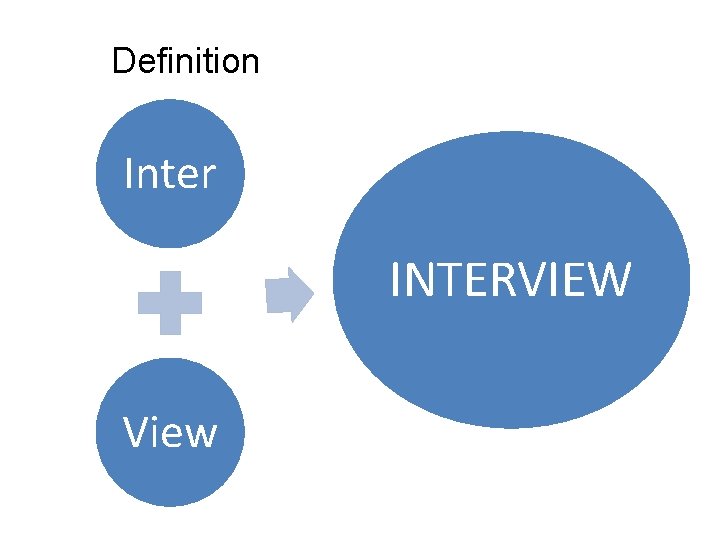
Definition Inter INTERVIEW View
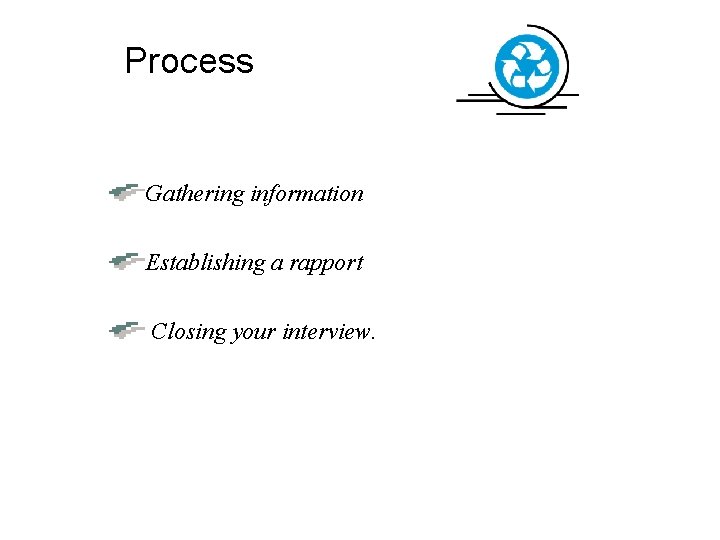
Process Gathering information Establishing a rapport Closing your interview.
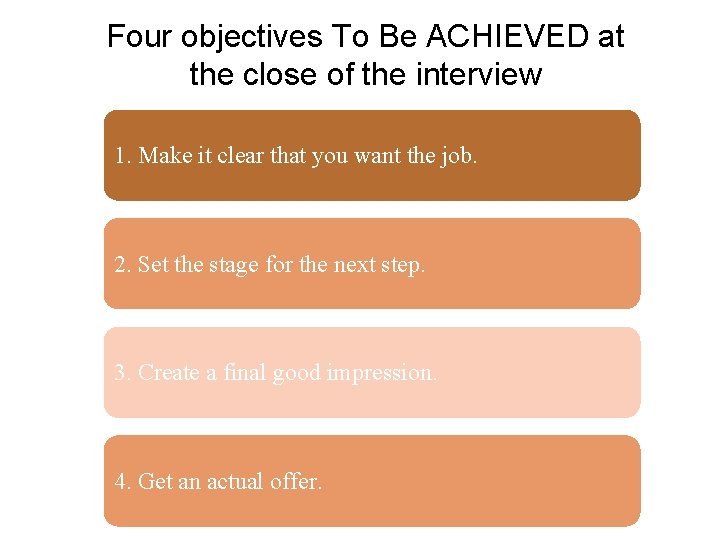
Four objectives To Be ACHIEVED at the close of the interview 1. Make it clear that you want the job. 2. Set the stage for the next step. 3. Create a final good impression. 4. Get an actual offer.
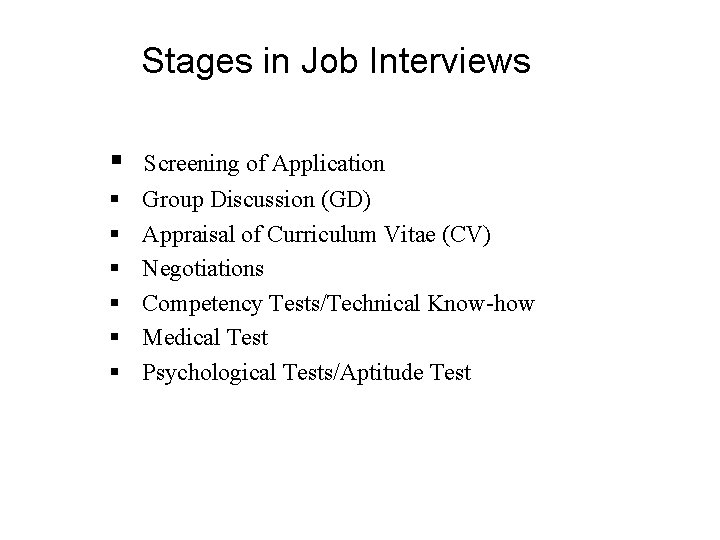
Stages in Job Interviews § Screening of Application § § § Group Discussion (GD) Appraisal of Curriculum Vitae (CV) Negotiations Competency Tests/Technical Know-how Medical Test Psychological Tests/Aptitude Test
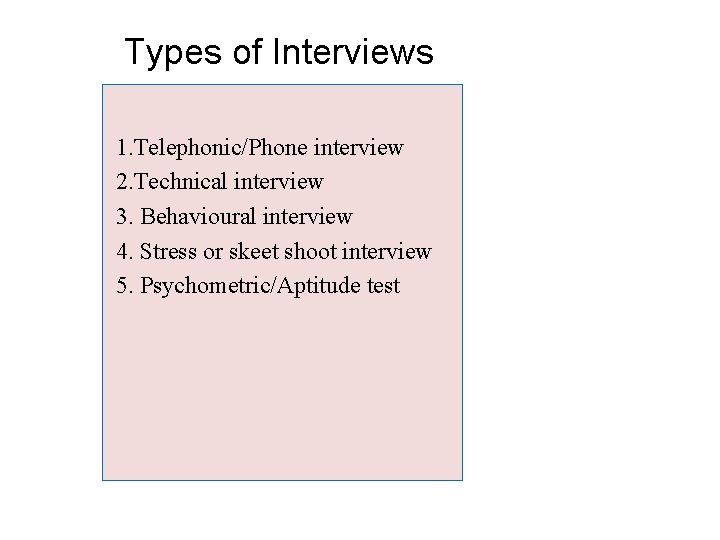
Types of Interviews 1. Telephonic/Phone interview 2. Technical interview 3. Behavioural interview 4. Stress or skeet shoot interview 5. Psychometric/Aptitude test
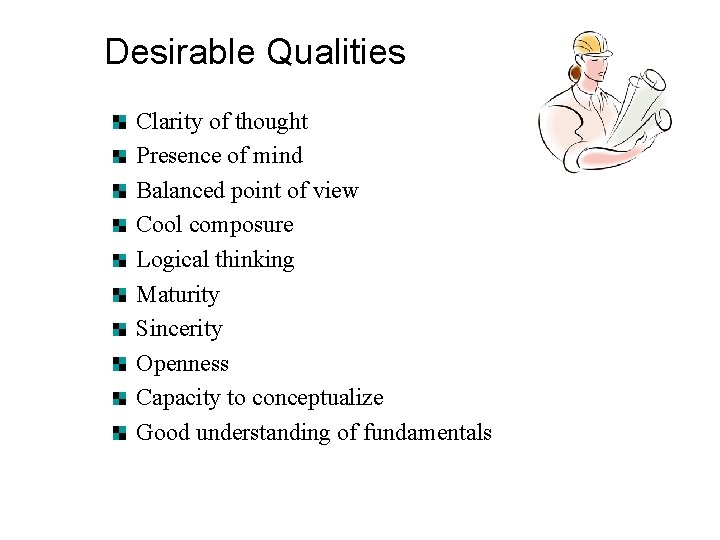
Desirable Qualities Clarity of thought Presence of mind Balanced point of view Cool composure Logical thinking Maturity Sincerity Openness Capacity to conceptualize Good understanding of fundamentals
Preparation: Well Prepared is Half Done! Any fact facing us is not as important as our attitude towards it, for that determines our success or failure. –Norman Vincent Peale
A. Know the Company 1. History 2. Projects Undertaken 3. Growth
Know Yourself ‘To be a great champion, you must believe that you are the best. If you’re not, pretend you are. ’ –Muhammad Ali
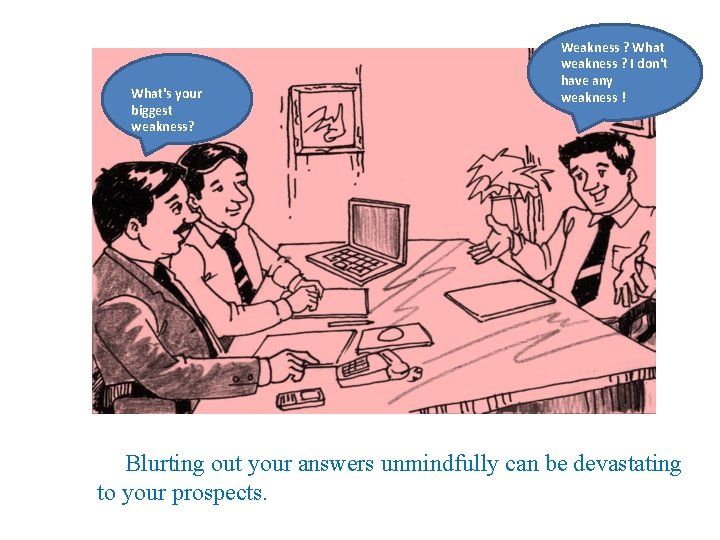
What's your biggest weakness? Weakness ? What weakness ? I don't have any weakness ! Blurting out your answers unmindfully can be devastating to your prospects.
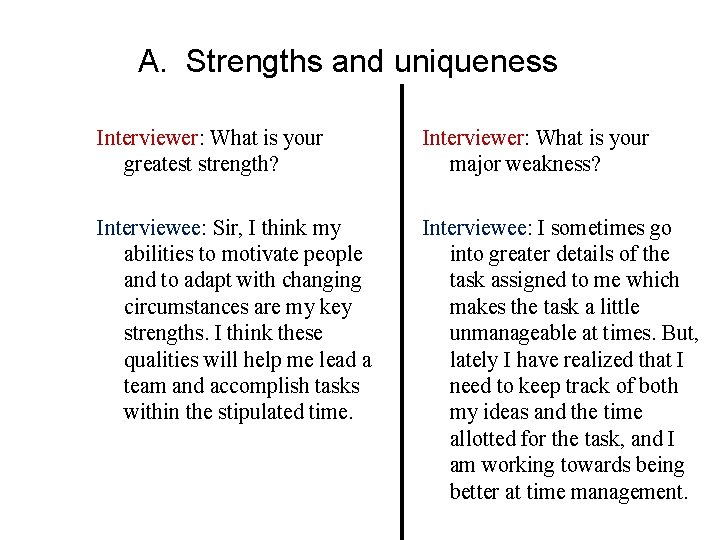
A. Strengths and uniqueness Interviewer: What is your greatest strength? Interviewer: What is your major weakness? Interviewee: Sir, I think my abilities to motivate people and to adapt with changing circumstances are my key strengths. I think these qualities will help me lead a team and accomplish tasks within the stipulated time. Interviewee: I sometimes go into greater details of the task assigned to me which makes the task a little unmanageable at times. But, lately I have realized that I need to keep track of both my ideas and the time allotted for the task, and I am working towards being better at time management.
B. Competitive Advantage Make a good lasting impression. Impress by your knowledge and your personality.
Common Interview Questions QQQ
Questions 1. 2. 3. 4. 5. 6. Tell me about yourself ? Why have you applied for this job? What do you know about this job or company? What are your major strengths? What is your greatest weakness? Do your skills match this job or another job more closely? 7. What type of work do you like to do best? 8. Where do you see yourself five years from now? 9. Are you willing to put the interests of the organization ahead of your own? 10. How do you define success? and a lot more………. .
Prepare Questions You Want to Ask the Interviewer Q 1. If you hire me, what would be my first assignment? Q 2. Would you please tell me about the people I will be working with? Q 3. Other than yourself, who else is involved in the hiring process? Is it possible for me to meet them today?
Using Proper Verbal and Nonverbal Cues § Dress professionally § A strong and firm handshake § Sit up straight and exhibit confidence as well as interest § Maintain an eye contact with the interviewer(s) § Do not forget to smile occasionally § Do not move your legs a lot § At the end of an interview, stand up and shake hands while you thank the interviewer for the opportunity § Avoid speaking in a monotone § Ensure that your voice does not sound apologetic or nervous
Exhibiting Confidence “Most interviewers determine a candidate’s viability in the first two or three minutes of an interview. First impressions count. That quick decision is based more on personality traits than on qualifications or experience. ” -George Goodson Senior Career Marketing Consultant (Career Beginnings, Inc) (Source: http: //www. associatedcontent. com/article/1681056/how_to_show_ confidence_during_the_job. html)
Tips for Success Dos 1. Find out about the company. 2. Practise. 3. Greet interviewers enthusiastically and sit comfortably. 4. Dress smartly to make a good first impression. 5. Be mentally alert. 6. Stay positive. 7. Focus on what you have to offer, not what you want. 8. Appear confident. 9. Be prepared to ask the interviewer questions. 10. Thank the interviewers before leaving.
Tips for Success Don’ts 1. Don’t tell lies. 2. Don’t blame your circumstances. 3. Don’t find faults with your earlier employer or company. 4. Don’t make tall claims about your skills. 5. Don’t fidget about in your chair. 6. Don’t use vocalized pauses while answering. 7. Don’t look down or make furtive eye contact with interviewers. 8. Don’t bluff about issues you are not aware of. 9. Don’t keep on simpering sheepishly or answer emotionally. 10. Don’t exhibit your nervousness.
Recap If you are interested in getting a good job, they are also looking forward to getting a suitable employee for their firm. Therefore, how you present yourself becomes very important. So, be well prepared and brush up your subject and general knowledge. Sending the right message during your job interview is extremely important for your success.

Thank You
- Slides: 24