
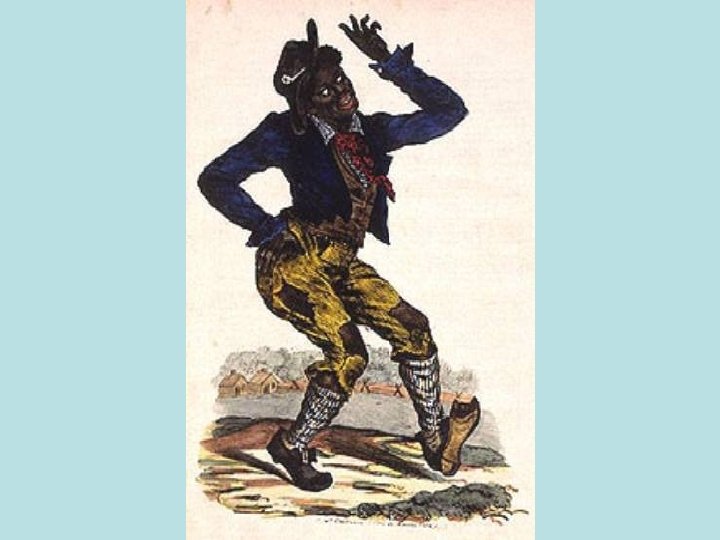
Jim Crow Jim Crow was a minstrel character

- Slides: 22
Jim Crow
• “Jim Crow” was a minstrel character from the 1830’s. • He was portrayed as an elderly, crippled and clumsy African American slave and his portrayal showed all the negative stereotypes of African Americans.
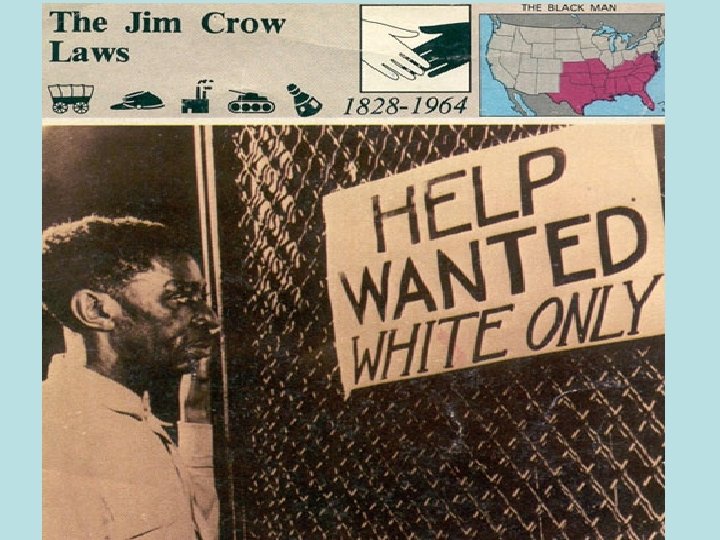
Jim Crow Laws • Jim Crow laws were laws that imposed racial segregation. • They existed mainly in the South and originated from the Black Codes that were enforced from 1865 to 1866
Black Codes • In 1865, Southerners created Black Codes, which served as a way to inhibit the freedom of ex-slaves. –Relegate Blacks to Agricultural Labor and Domestic Work –Black Codes Restrict the Freedom of Movement
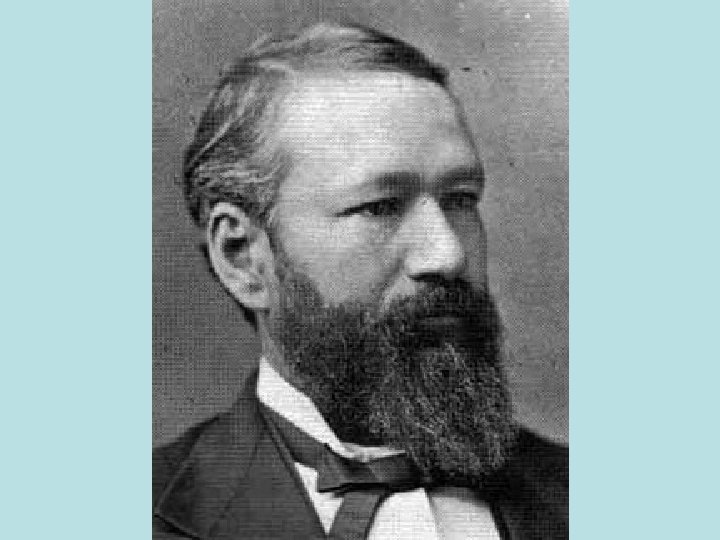
Plessy v. Ferguson • In 1890, Louisiana passed a law that required blacks to ride in separate railroad cars. • Homer Plessy, a carpenter in Louisiana who was seveneighths Caucasian, was chosen to test the constitutionality of the law.
• On June 7, 1892, Plessy boarded a train and sat in a car reserved for whites. • He refused to move and was arrested. • A local judge ruled against Plessy.
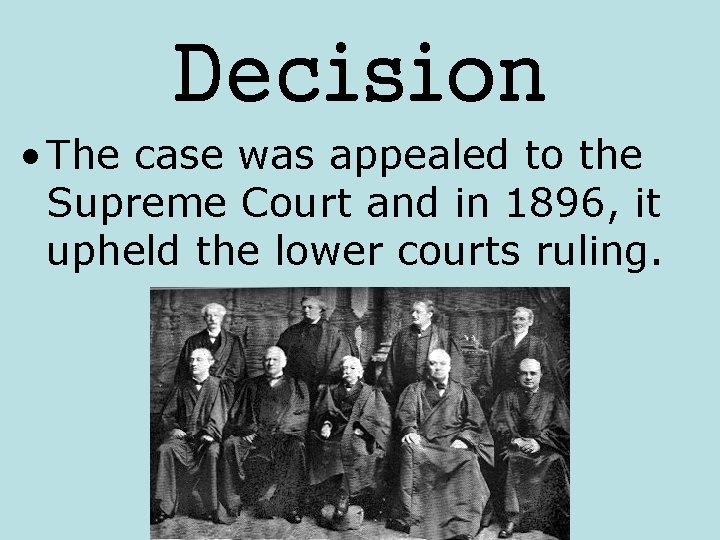
Decision • The case was appealed to the Supreme Court and in 1896, it upheld the lower courts ruling.
• It held that "separate but equal" accommodations did not violate Plessy's rights and that the law did not stamp the "colored race with a badge of inferiority. “ • This decision paved the way for segregation.
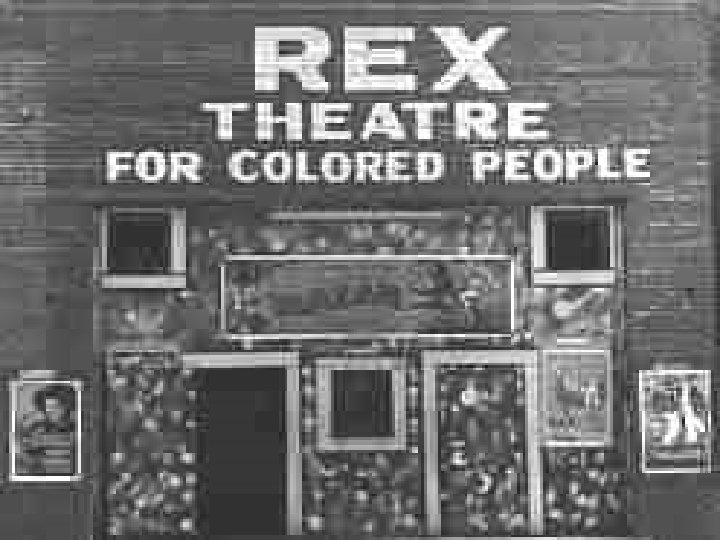
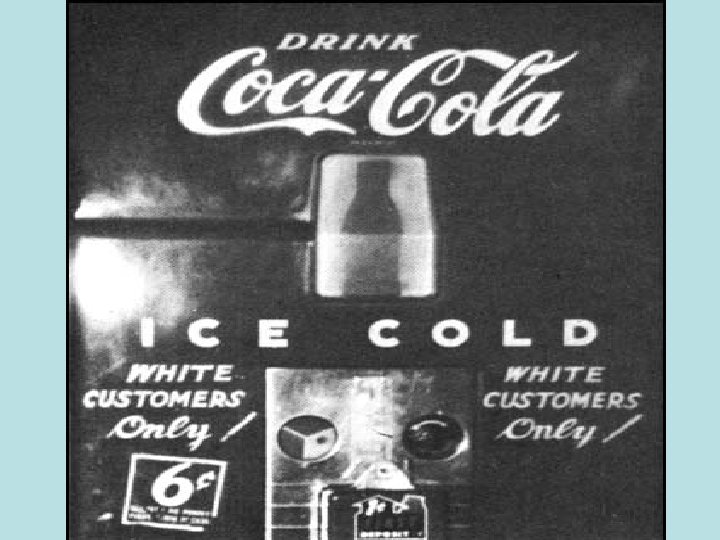
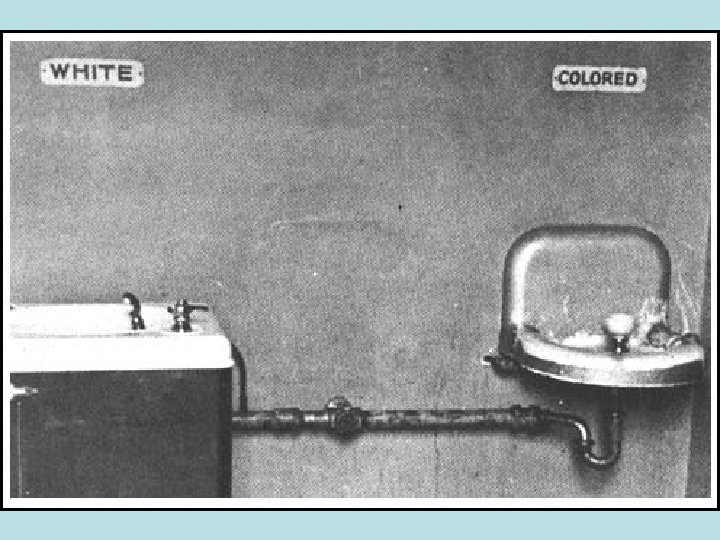
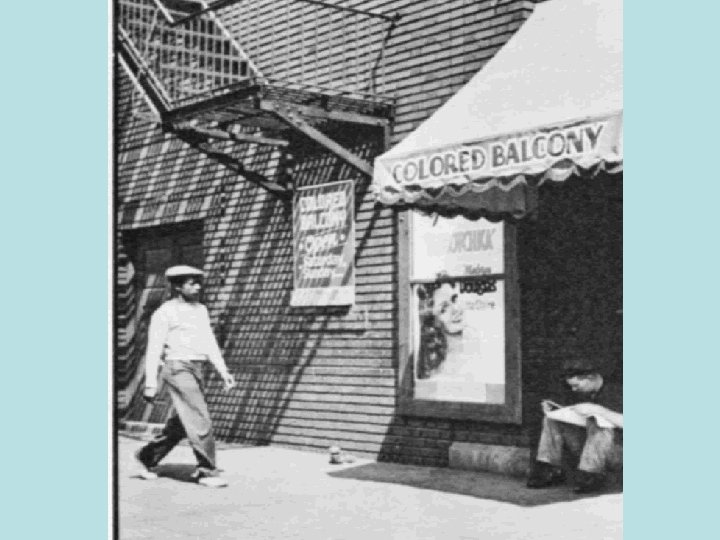
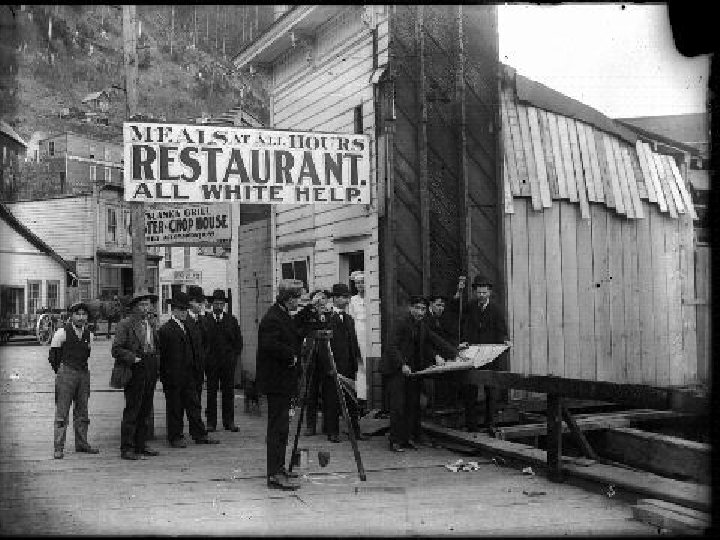
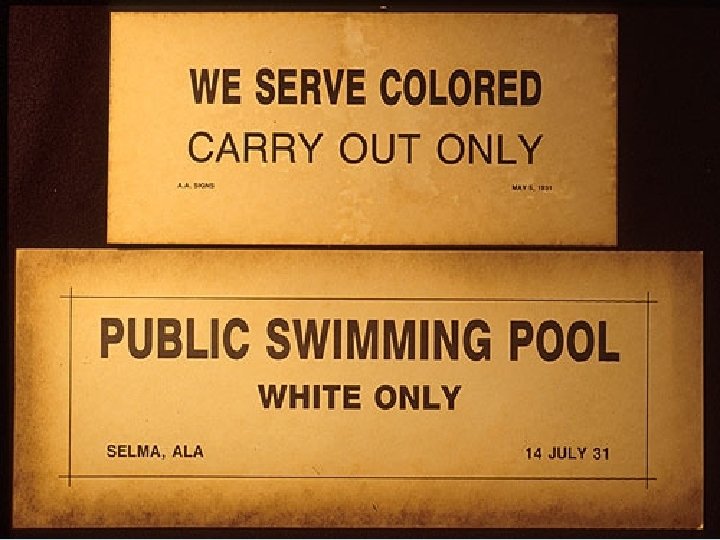
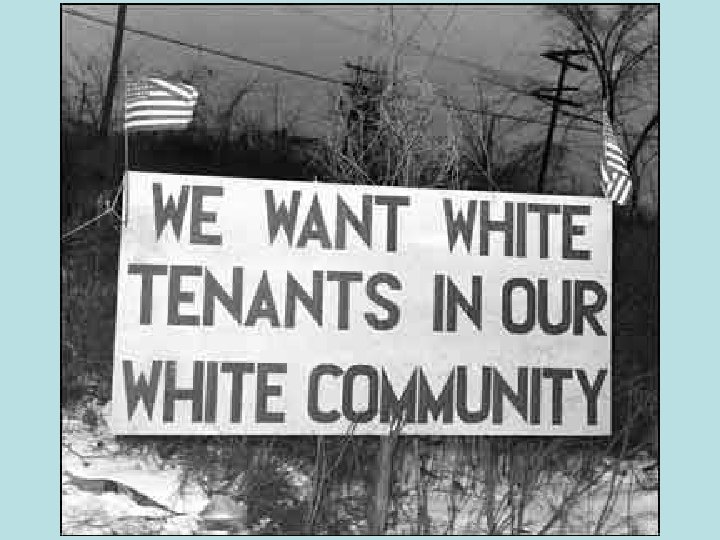
• Jim Crow laws banned blacks from such places as restaurants, hospitals, parks, schools, and barber shops. • The outcome of these laws resulted in the creation of separate drinking fountains, public facilities, and entrances for blacks.
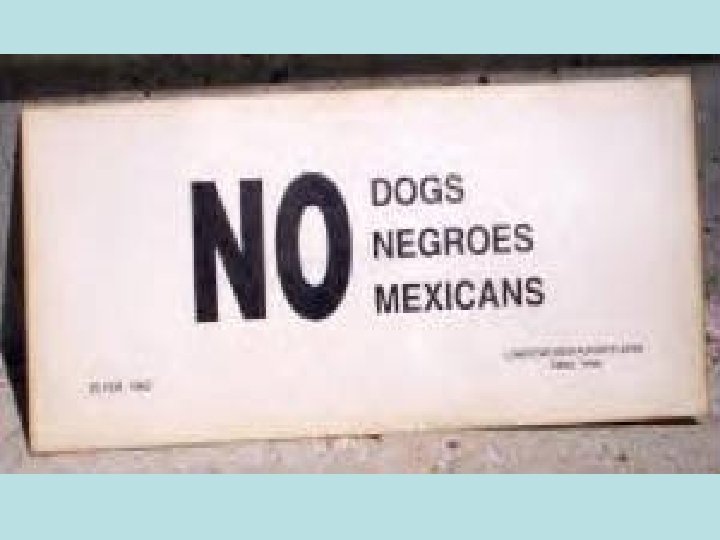
• Signs that said "Whites Only" or "Colored" were posted at entrances and exits, water fountains, waiting rooms, and restrooms. • Laws were enacted that restricted all aspects of life and varied from state to state.
• Georgia in 1905, passed a law requiring separate public parks. • In 1909 Mobile, Alabama created a 10 p. m. curfew for blacks. • In 1915, South Carolina blacks and whites were restricted from working together in the same rooms of textile factories.