
Jeremy Schofield ISBN 9780194520430 1 year Cult Med
Jeremy Schofield

ISBN: 9780194520430
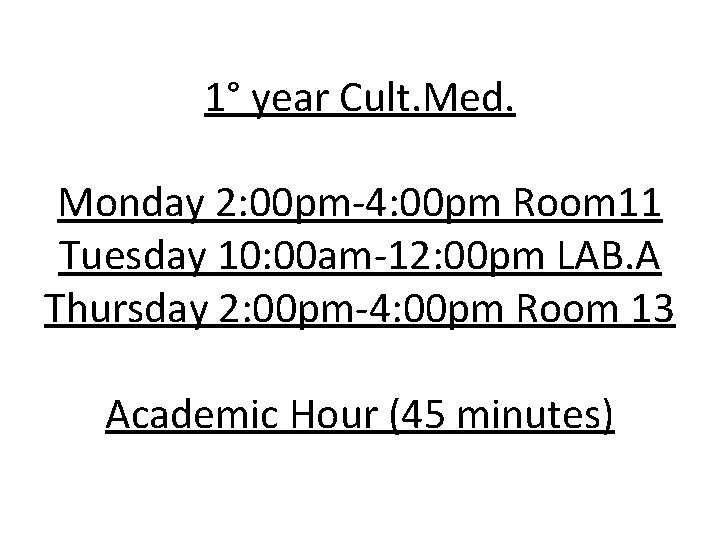
1° year Cult. Med. Monday 2: 00 pm-4: 00 pm Room 11 Tuesday 10: 00 am-12: 00 pm LAB. A Thursday 2: 00 pm-4: 00 pm Room 13 Academic Hour (45 minutes)
Website Page: Jeremy Schofield • • http: //people. unica. it/jeremyschofield/ Avvisi Didattica- materiale didattico E-learning
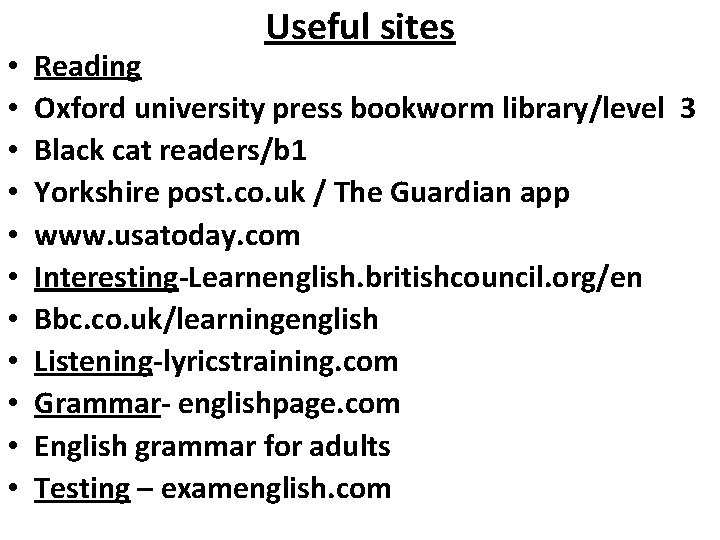
• • • Useful sites Reading Oxford university press bookworm library/level 3 Black cat readers/b 1 Yorkshire post. co. uk / The Guardian app www. usatoday. com Interesting-Learnenglish. britishcouncil. org/en Bbc. co. uk/learningenglish Listening-lyricstraining. com Grammar- englishpage. com English grammar for adults Testing – examenglish. com
Useful Sites • • Cambridgeenglish. org Englishaula. com Test-english. com Ocodereducation. com
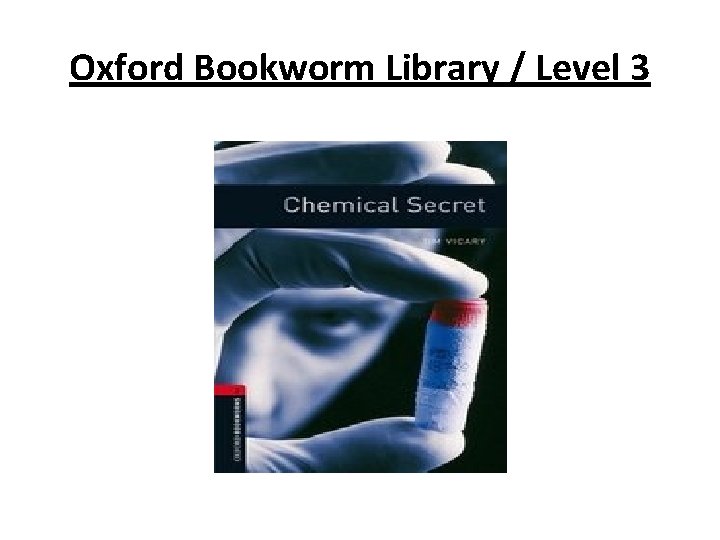
Oxford Bookworm Library / Level 3

Black Cat series / B 1
Mid -term February Exam. (M. C. grammar) Admittance – 70 % attendance Pass M. C valid for May June July. (one exam less to do in summer session !!!)
Summer Exams-May, June, July, Sept. M. C grammar, listening(computer based) Reading comp. writing, sentence transformation, grammar gap-fill. Pass Validity 2 conseq. Exam sessions.
Admittance- Oral exam. Pass all English computer based and written exams.
Reflection-work in groups. Sharing- each one of you have something to contribute !!!
Lecture Theatre Rules The Minions
Who is responsible for your learning ? What am I doing to learn as much as I can ? Can you think of a way that you have taken responsibility for your learning?
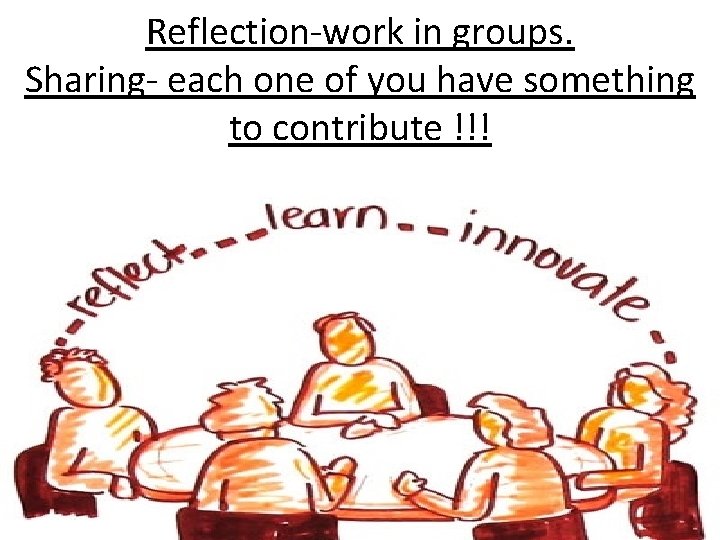
Reflection-work in groups. Sharing- each one of you have something to contribute !!!
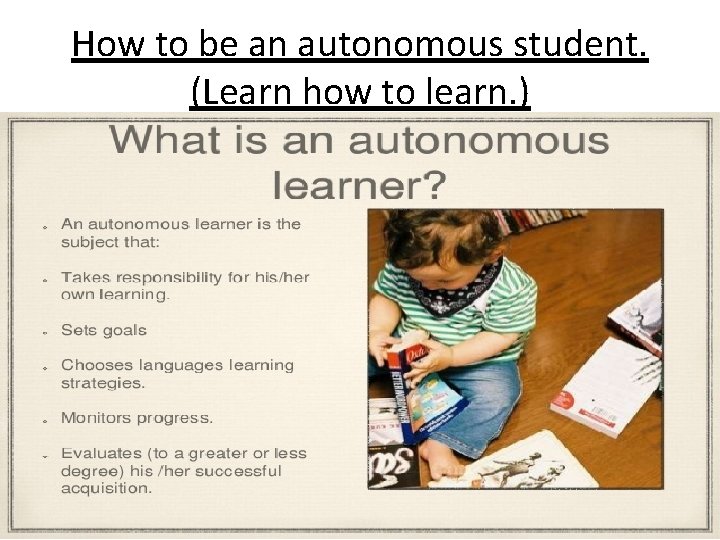
How to be an autonomous student. (Learn how to learn. )
Responsibility-Focus on learning.
Motivationbe interestedsearch for the beauty in the subject.

Opportunities for learning-build self confidence
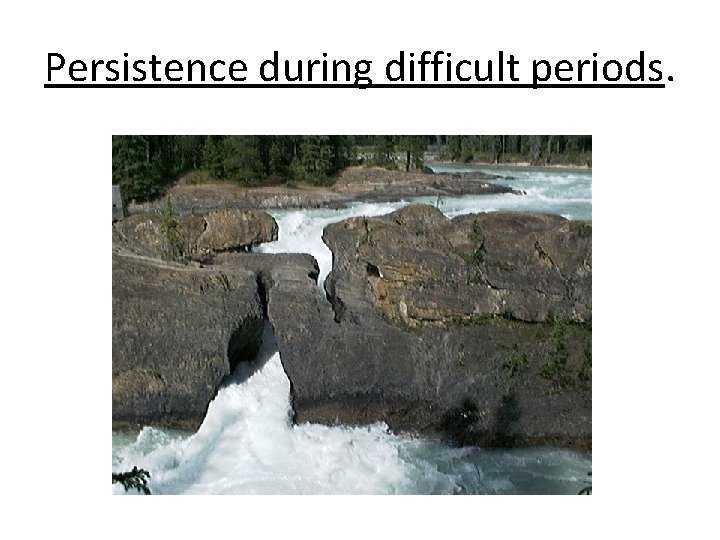
Persistence during difficult periods.

Reflect and think with your peers.

Take control of your research. Choose the way to practice skills. Speaking, listening, reading, writing. (Discuss)
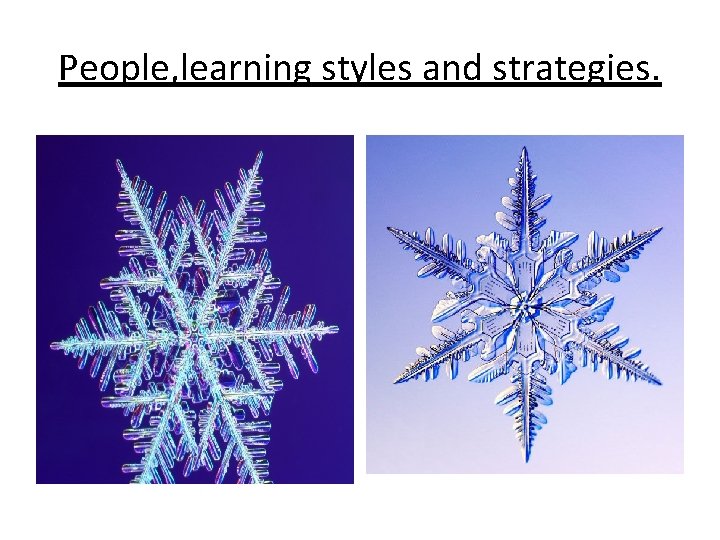
People, learning styles and strategies.
Establish learning goals-based on present and future needs.
Students’ Log - monitor progress
Test learning-real life application.
Reflection-work in groups. Sharing- each one of you have something to contribute !!!
Today’s Learning Goal. Present Simple – Use/Form +-? /3° pers. sing. Spelling.
Present Simple • Uses. 1) Facts. 2) Habits/Routines. 3) Things which are always true.

Facts. Water boils at 100 °C but on Mount Everest.
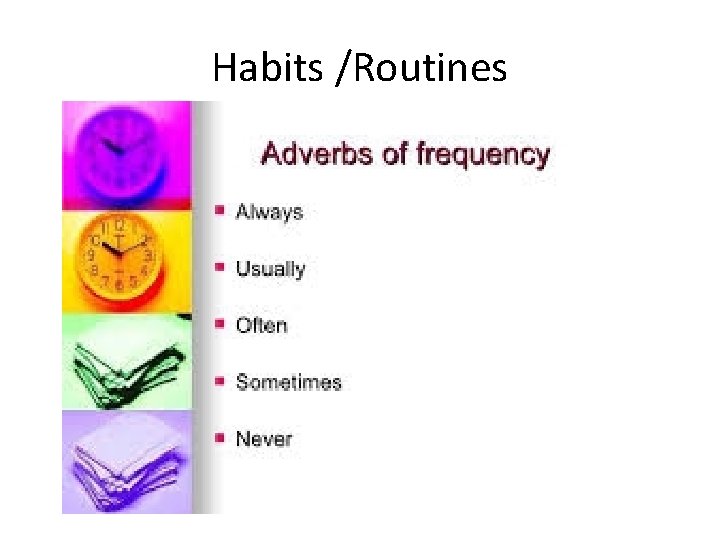
Habits /Routines
Position Frequency Adverbs. • Subject + freqency adverb + verb. • Zach and his mates +always+ go to the club on Saturday night. • Occasionally, sometimes , usually, often, may be found at the beginning or end of sentence. • Position of frequency adverb -Verb to be. • Subject + verb to be + frequency adverb. • He + is + never late for his wife.
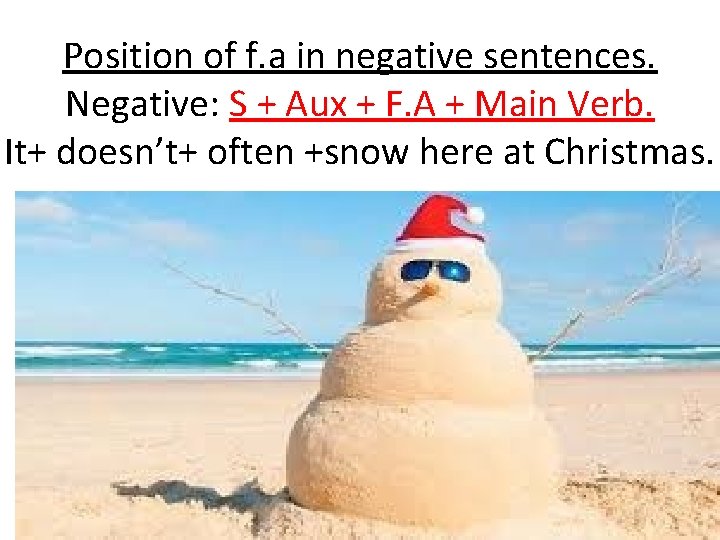
Position of f. a in negative sentences. Negative: S + Aux + F. A + Main Verb. It+ doesn’t+ often +snow here at Christmas.
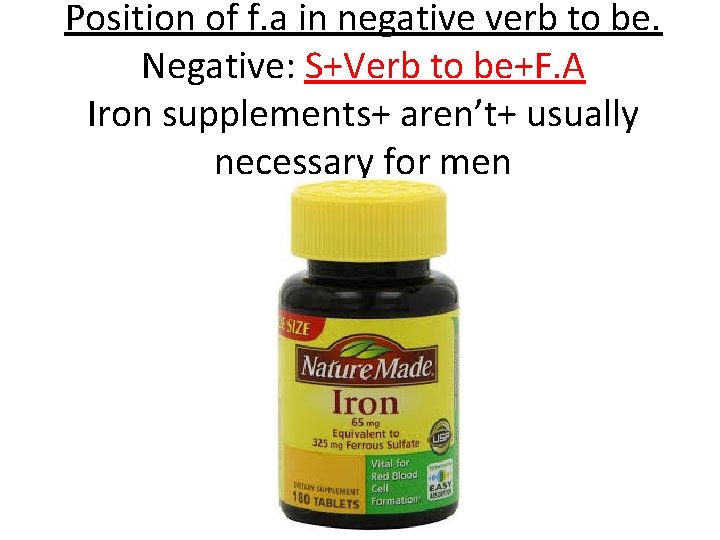
Position of f. a in negative verb to be. Negative: S+Verb to be+F. A Iron supplements+ aren’t+ usually necessary for men
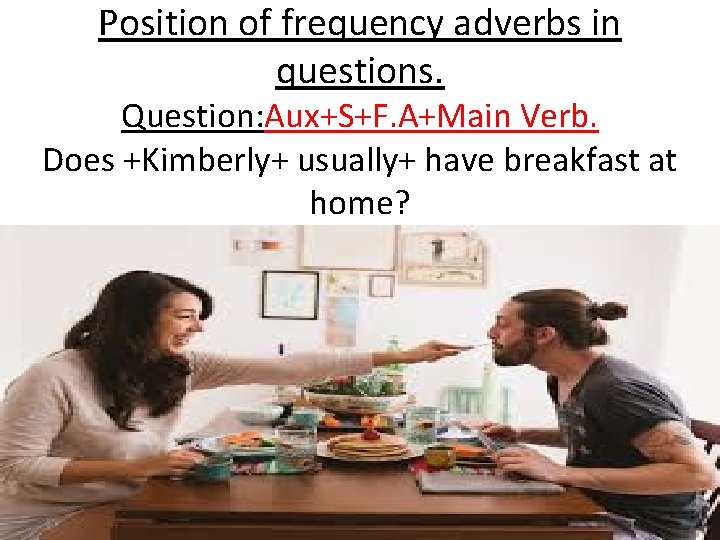
Position of frequency adverbs in questions. Question: Aux+S+F. A+Main Verb. Does +Kimberly+ usually+ have breakfast at home?
Position of f. a in questions verb to be. Question: Verb to be+S+F. A Are+ you +always+ so cheerful in the morning?
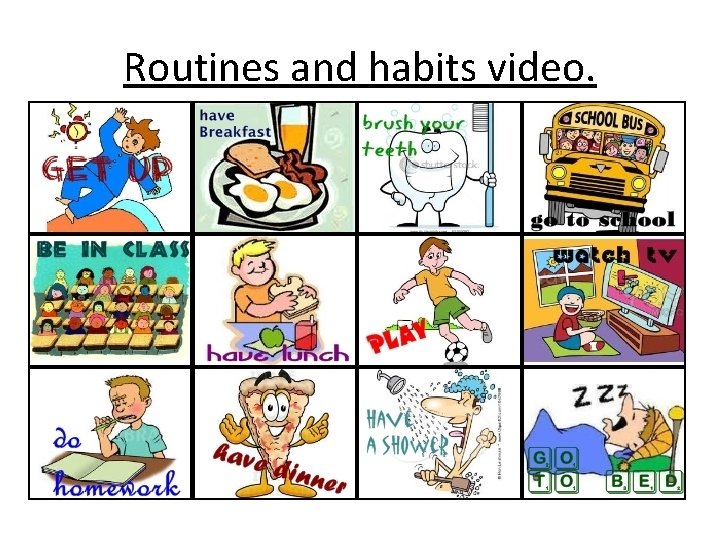
Routines and habits video.

Things which are always true.
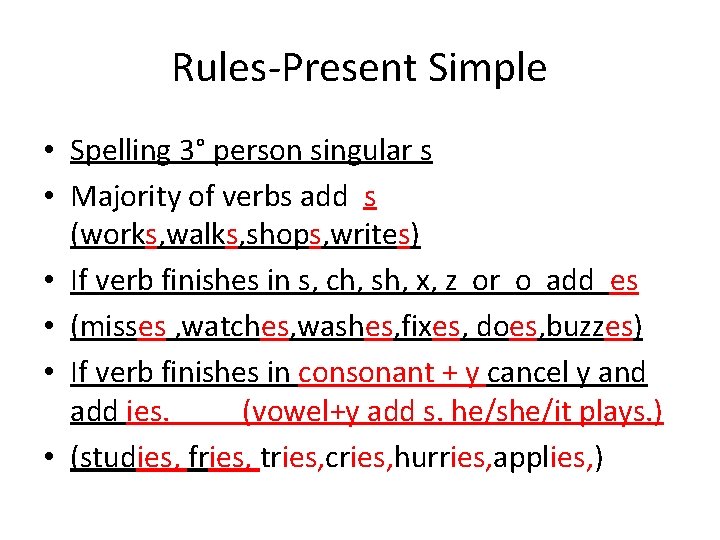
Rules-Present Simple • Spelling 3° person singular s • Majority of verbs add s (works, walks, shops, writes) • If verb finishes in s, ch, sh, x, z or o add es • (misses , watches, washes, fixes, does, buzzes) • If verb finishes in consonant + y cancel y and add ies. (vowel+y add s. he/she/it plays. ) • (studies, fries, tries, cries, hurries, applies, )
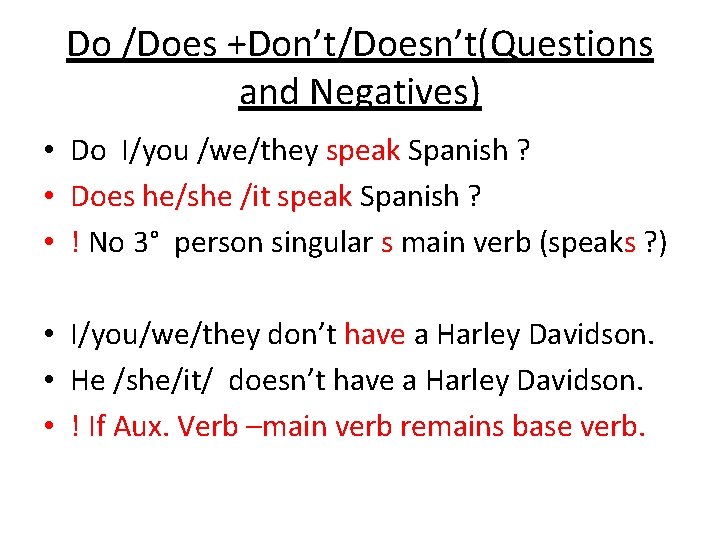
Do /Does +Don’t/Doesn’t(Questions and Negatives) • Do I/you /we/they speak Spanish ? • Does he/she /it speak Spanish ? • ! No 3° person singular s main verb (speaks ? ) • I/you/we/they don’t have a Harley Davidson. • He /she/it/ doesn’t have a Harley Davidson. • ! If Aux. Verb –main verb remains base verb.
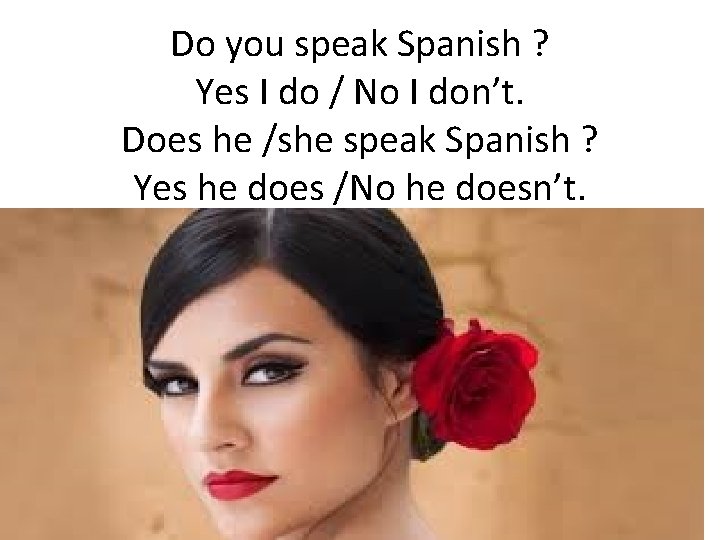
Do you speak Spanish ? Yes I do / No I don’t. Does he /she speak Spanish ? Yes he does /No he doesn’t.
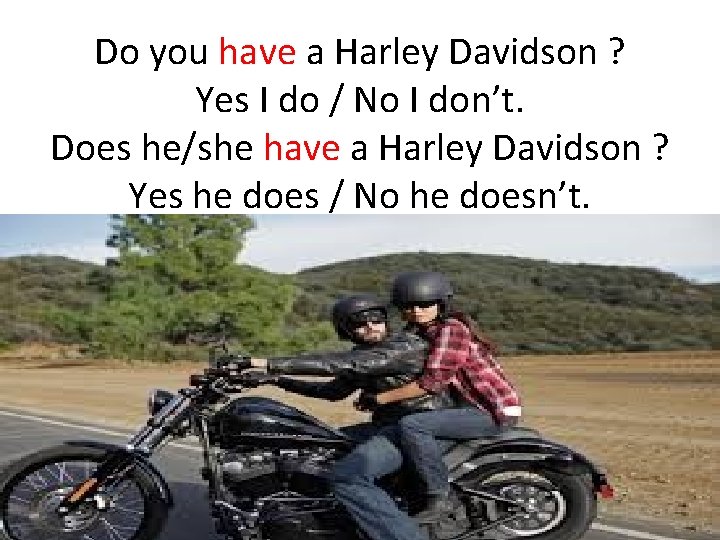
Do you have a Harley Davidson ? Yes I do / No I don’t. Does he/she have a Harley Davidson ? Yes he does / No he doesn’t.
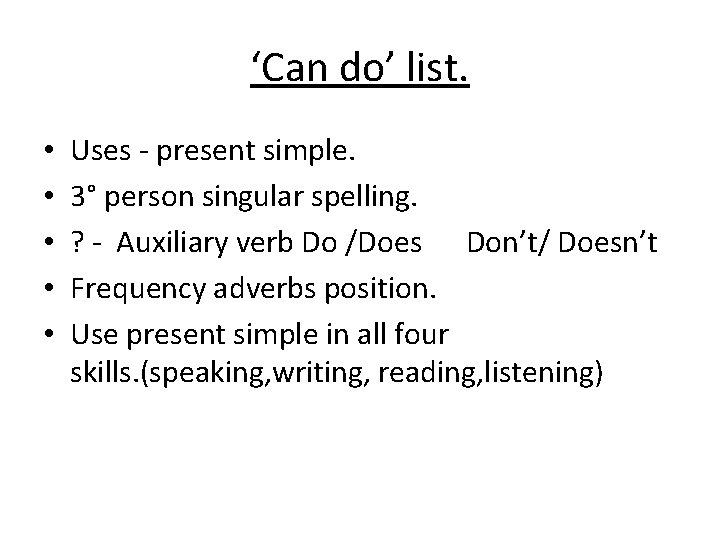
‘Can do’ list. • • • Uses - present simple. 3° person singular spelling. ? - Auxiliary verb Do /Does Don’t/ Doesn’t Frequency adverbs position. Use present simple in all four skills. (speaking, writing, reading, listening)
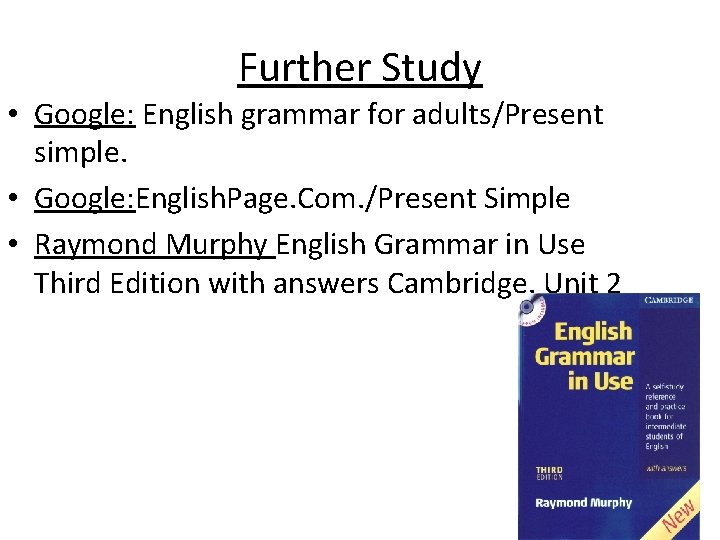
Further Study • Google: English grammar for adults/Present simple. • Google: English. Page. Com. /Present Simple • Raymond Murphy English Grammar in Use Third Edition with answers Cambridge. Unit 2
Autonomous Learning Log into TED ED. com Google: TED ED /English Grammar Lesson Using the Present Simple Tense. Log into Twitter / Search : bbcle Page : BBC Learning English Mobile App. My Study Life: Planner to manage study life.
Today’s Learning Goal. Present Cont. – Use/Form +-? /Present Participle Spelling.
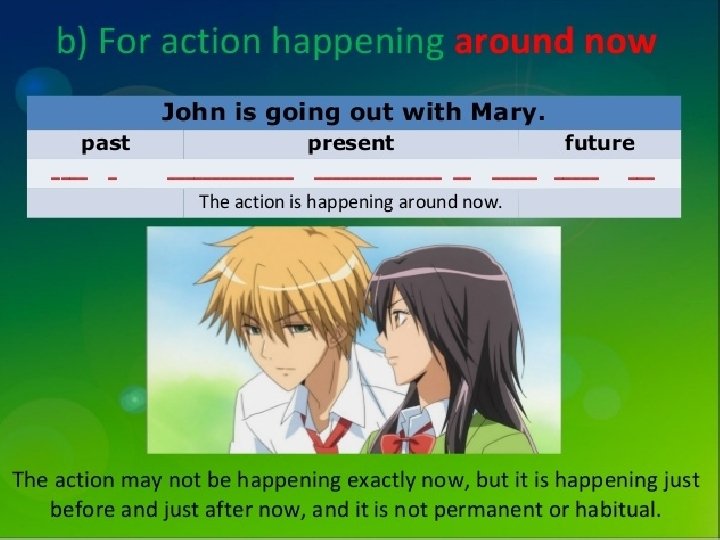
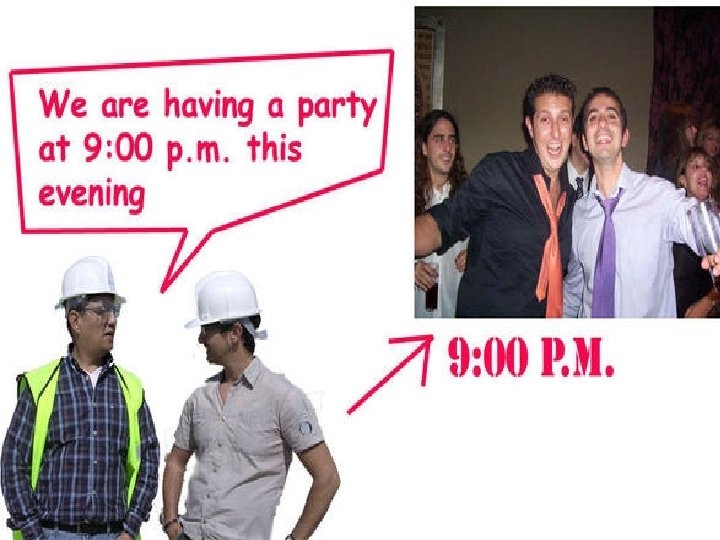
Present Continuous • Uses • Action happenining at time of speaking. • Action or changes, happening in this period of time but not necessarily at time of speaking. • Pre-programmed near future action. (diary)
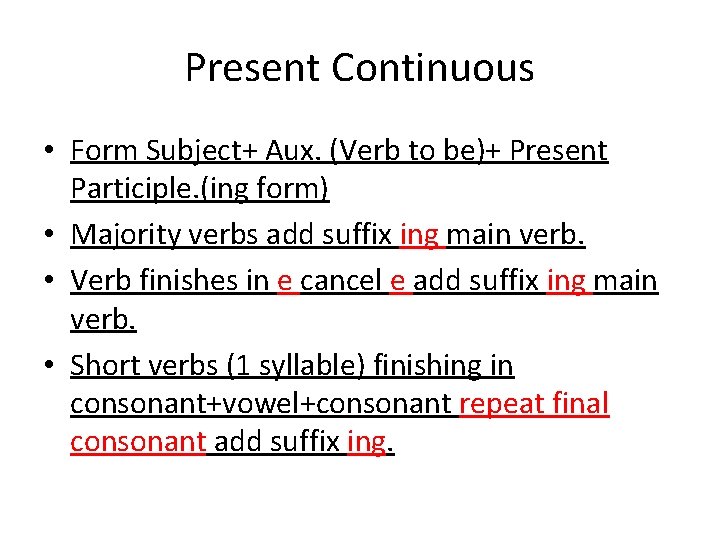
Present Continuous • Form Subject+ Aux. (Verb to be)+ Present Participle. (ing form) • Majority verbs add suffix ing main verb. • Verb finishes in e cancel e add suffix ing main verb. • Short verbs (1 syllable) finishing in consonant+vowel+consonant repeat final consonant add suffix ing.
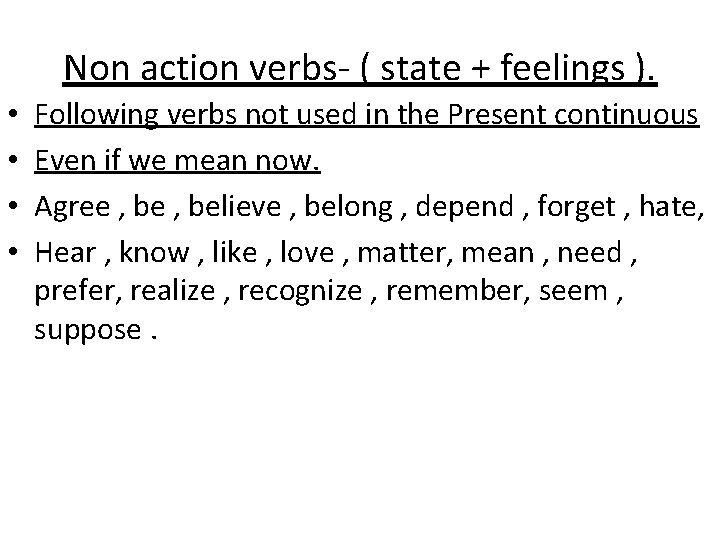
Non action verbs- ( state + feelings ). • • Following verbs not used in the Present continuous Even if we mean now. Agree , believe , belong , depend , forget , hate, Hear , know , like , love , matter, mean , need , prefer, realize , recognize , remember, seem , suppose.

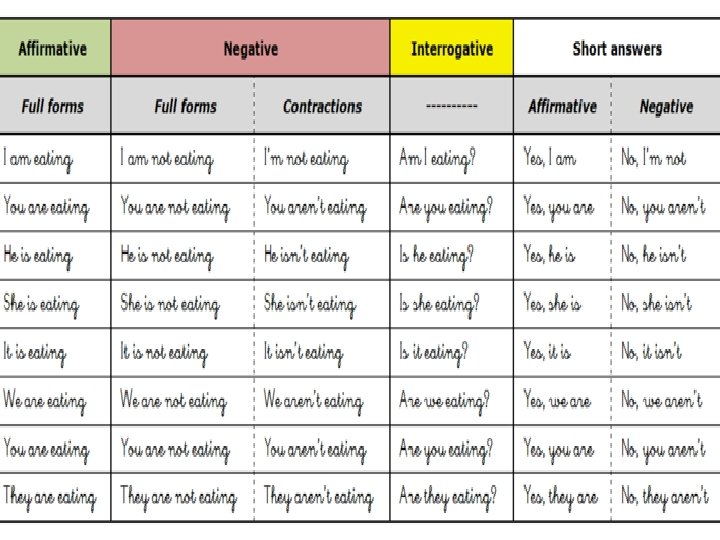
Action happening at time of speaking.
‘Can Do’ list.
Autonomous Learning www. bbc. co. uk/learningenglish/ • course/lower-intermediate/Unit 1
Past Simple • USES • An action in the past which is finished.
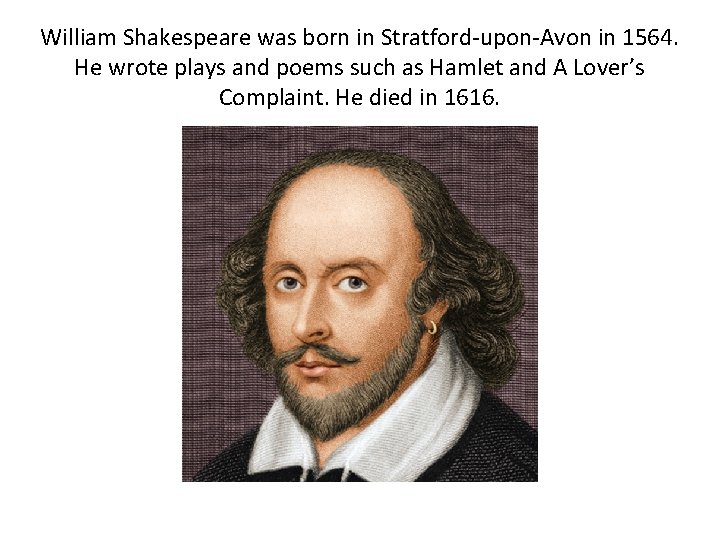
William Shakespeare was born in Stratford-upon-Avon in 1564. He wrote plays and poems such as Hamlet and A Lover’s Complaint. He died in 1616.
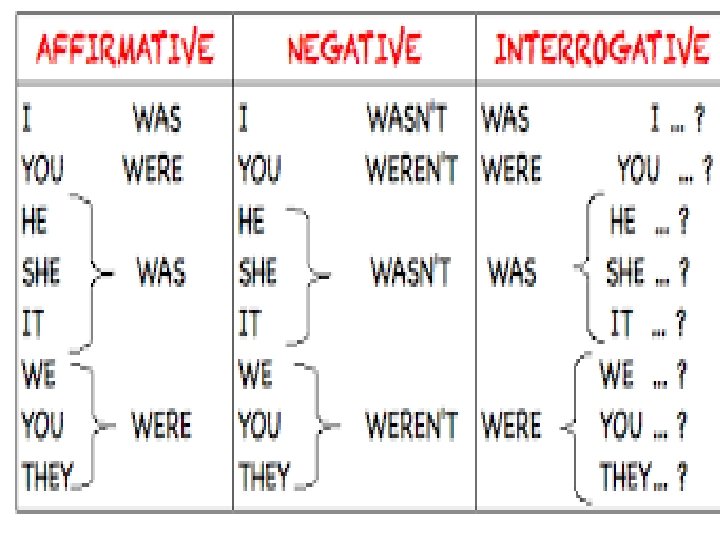
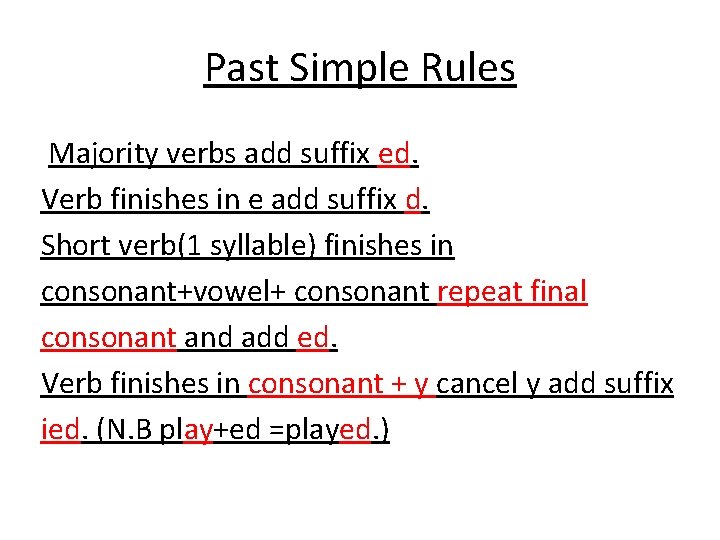
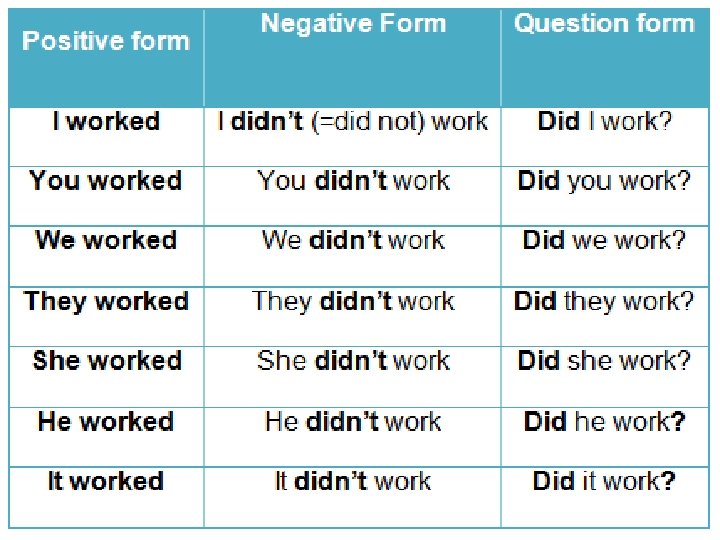
Past Simple Rules Majority verbs add suffix ed. Verb finishes in e add suffix d. Short verb(1 syllable) finishes in consonant+vowel+ consonant repeat final consonant and add ed. Verb finishes in consonant + y cancel y add suffix ied. (N. B play+ed =played. )
Past Simple Time Expressions. • Ago ( a day ago, a week…. , a month… , a year. . , a decade…, a century…. . a millenium…. ). • Last ( week, month , year, century, millenium, • Christmas, Easter, holidays, birthday, bank • holiday etc. ). • Yesterday, the day before yesterday, in 1999.
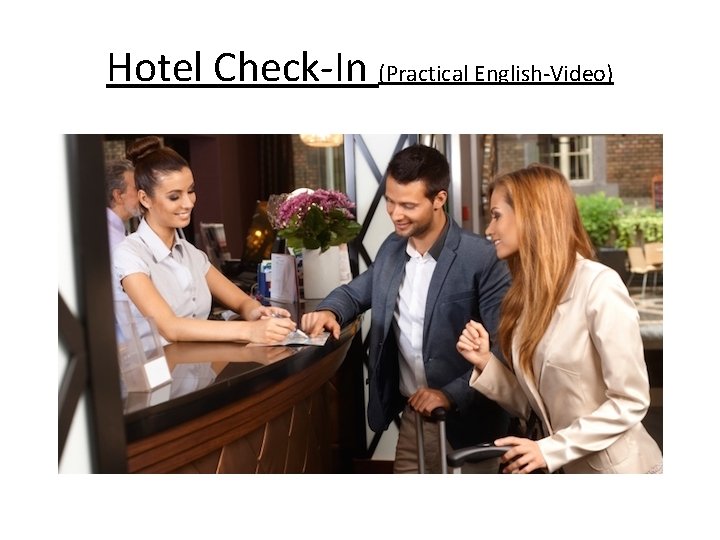
Hotel Check-In (Practical English-Video)
Be Going To • Form (plans and predictions)
Reflection / Peer Feedback. • • Pronunciation of sounds /words. Not clear/reasonably clear/very clear. Intonation - Not varied/quite varied/varied. Volume - too quiet/appropriate/too loud. Speed – too fast/appropriate/too slow. Eye contact – none/too little/reasonable/good Grammar /vocabulary – mistakes.
- Slides: 64