
JAZZ PIANO VOICINGS 101 Presented By Kirk Marcy
JAZZ PIANO VOICINGS 101 Presented By Kirk Marcy Edmonds Community College kmarcy@edcc. edu
CHORD SYMBOL NOMENCLATURE • The FIRST step toward successful piano voicings
CHORD SYMBOL NOMENCLATURE • The FIRST step toward successful piano voicings • Quite possibly the biggest FLAW of jazz…yet the one aspect that piano players MUST master FIRST
CHORD SYMBOL NOMENCLATURE • The FIRST step toward successful piano voicings • Quite possibly the biggest FLAW of jazz…yet the • one aspect that piano players MUST master FIRST Chord symbols can be broken into ‘families’ § § § Major 7 th Minor 7 th Dominant 7 th Half-diminished Diminished 7 th
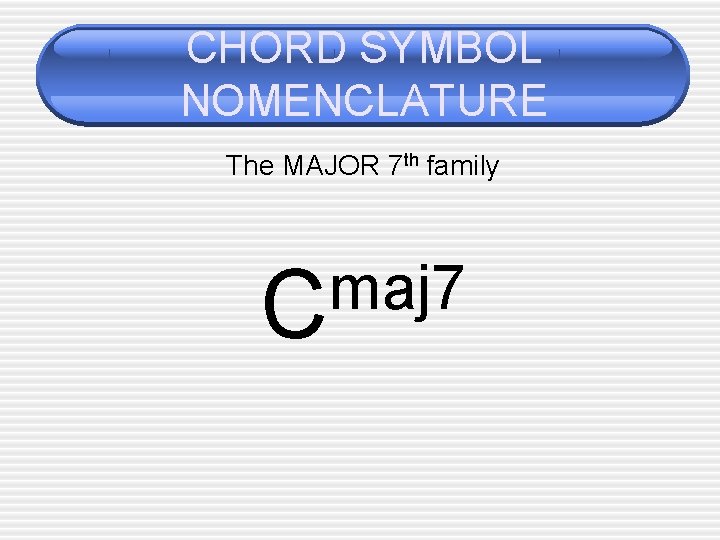
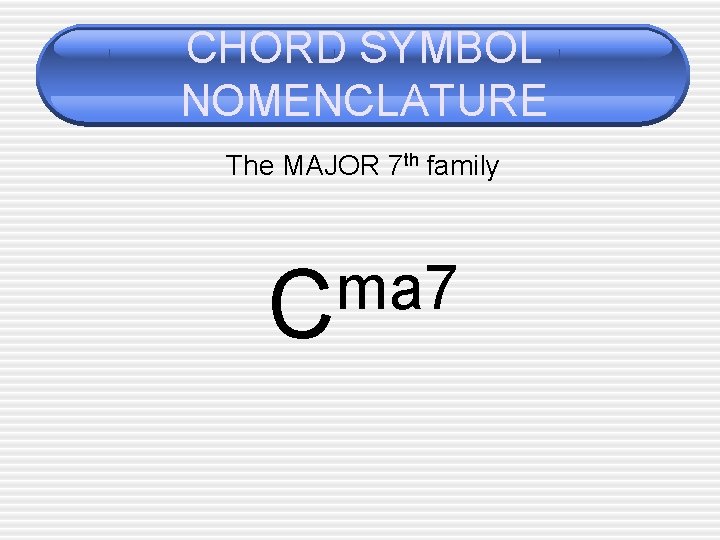
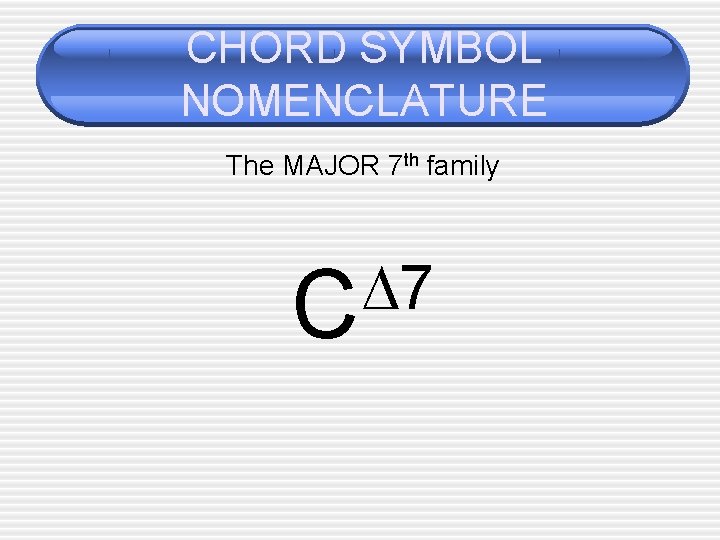
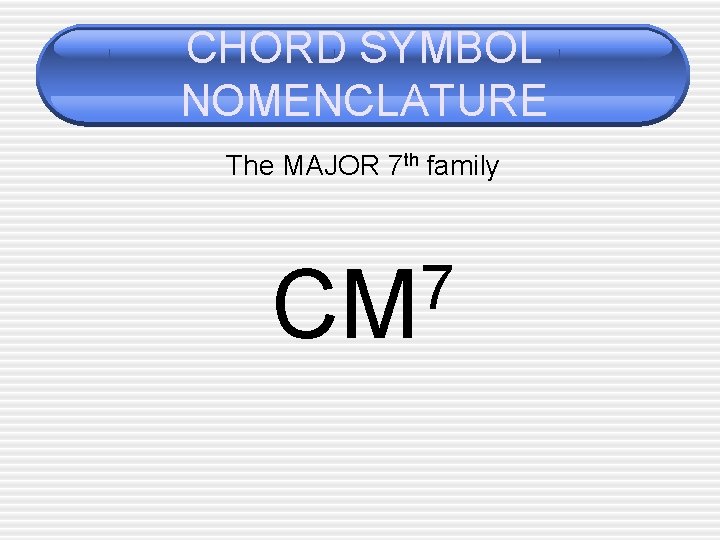
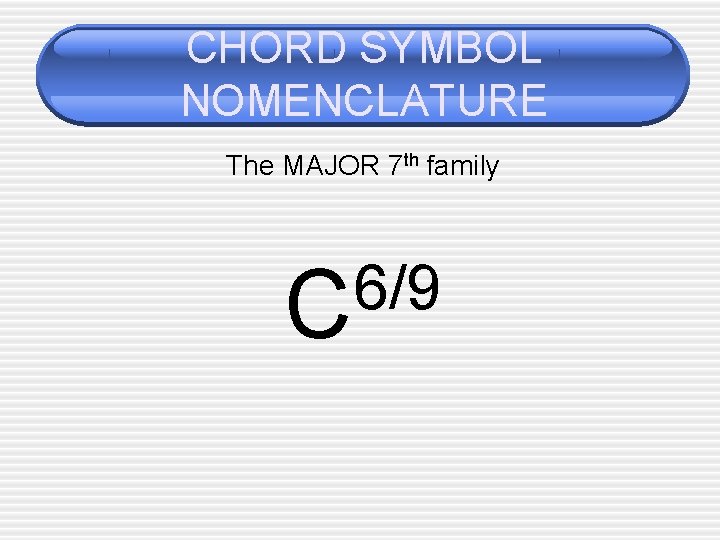
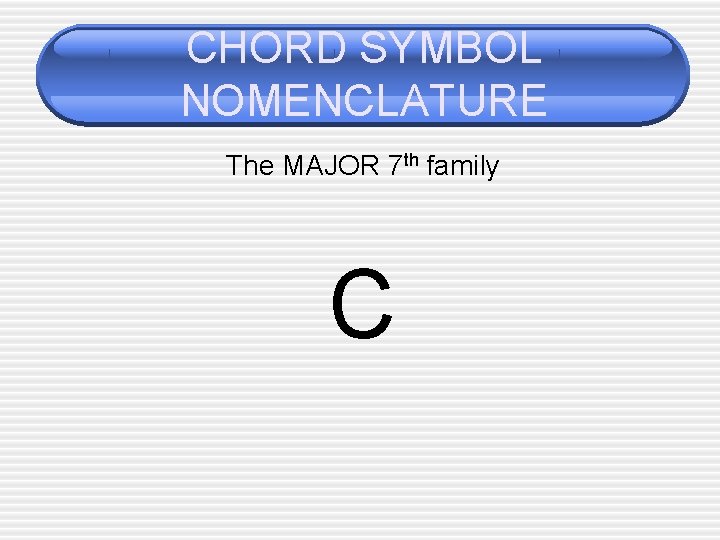
CHORD SYMBOL NOMENCLATURE • • The MAJOR 7 th family Spelled 1, 3, 5, 7 (all from the major scale) Here are SOME of the many ways that you might be asked to build a C major chord in jazz…
CHORD SYMBOL NOMENCLATURE The MAJOR 7 th family maj 7 C
CHORD SYMBOL NOMENCLATURE The MAJOR 7 th family ma 7 C
CHORD SYMBOL NOMENCLATURE The MAJOR 7 th family ∆7 C
CHORD SYMBOL NOMENCLATURE The MAJOR 7 th family 7 CM
CHORD SYMBOL NOMENCLATURE The MAJOR 7 th family 6/9 C
CHORD SYMBOL NOMENCLATURE The MAJOR 7 th family C
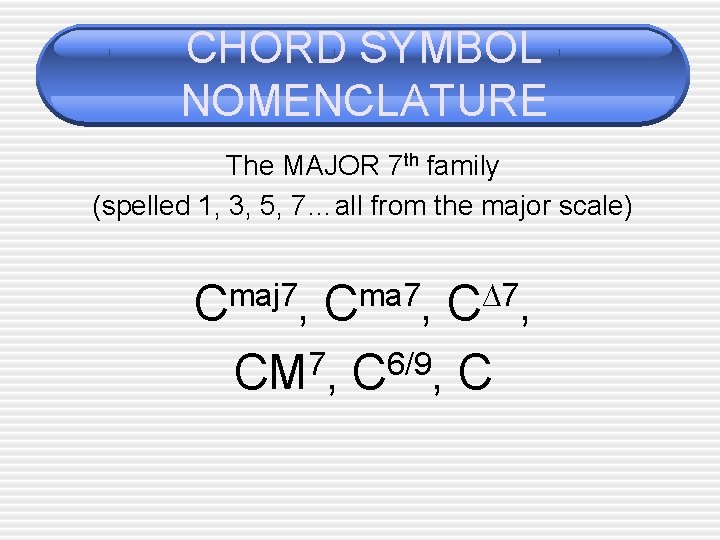
CHORD SYMBOL NOMENCLATURE The MAJOR 7 th family (spelled 1, 3, 5, 7…all from the major scale) maj 7 C , ma 7 C , 7 CM , 6/9 C , ∆7 C , C
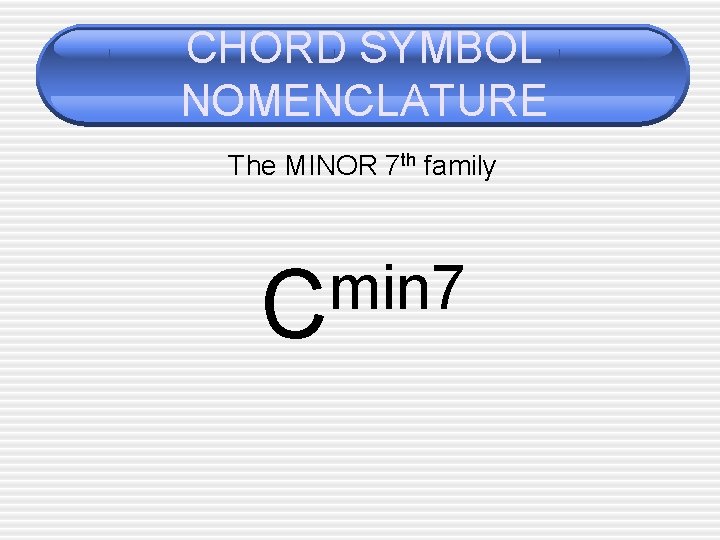
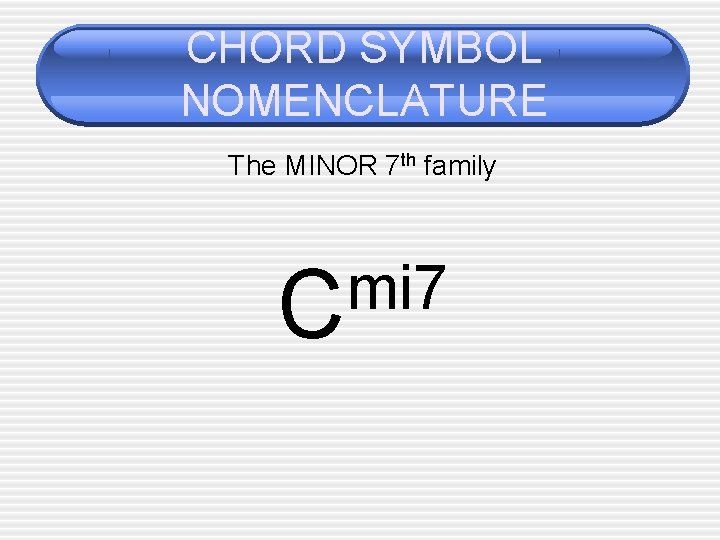
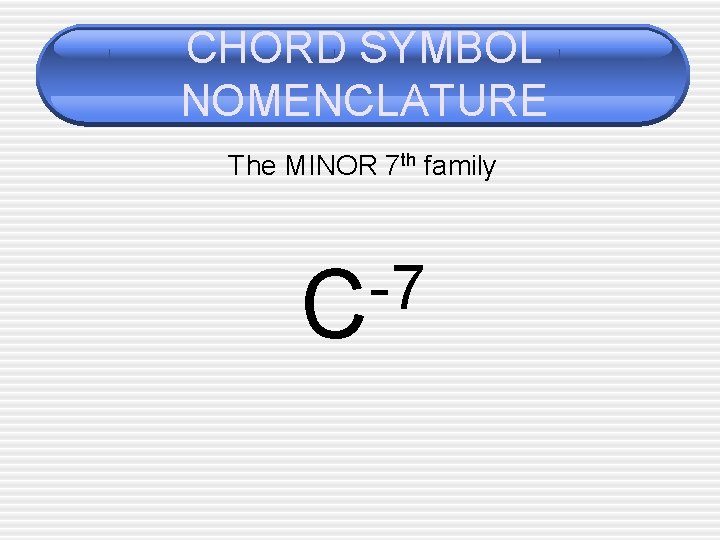
CHORD SYMBOL NOMENCLATURE • • The MINOR 7 th family Spelled 1, -3, 5, -7 (all from the major scale) Here are SOME of the many ways that you might be asked to build a C minor 7 th chord in jazz…
CHORD SYMBOL NOMENCLATURE The MINOR 7 th family min 7 C
CHORD SYMBOL NOMENCLATURE The MINOR 7 th family mi 7 C
CHORD SYMBOL NOMENCLATURE The MINOR 7 th family -7 C
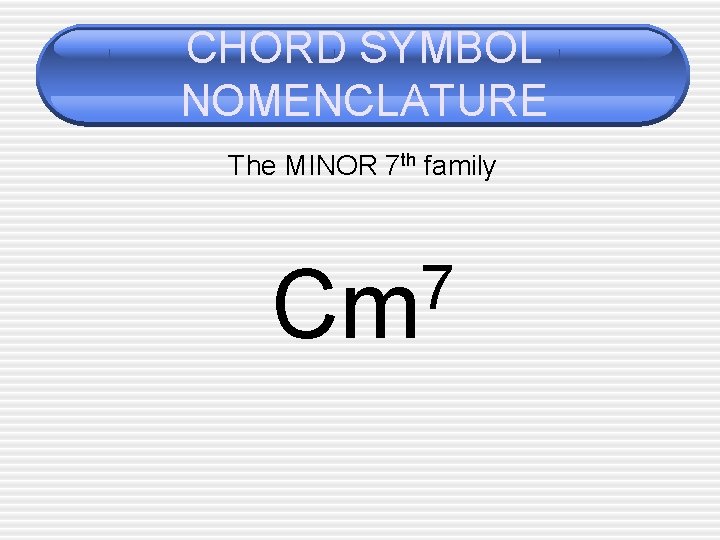
CHORD SYMBOL NOMENCLATURE The MINOR 7 th family 7 Cm
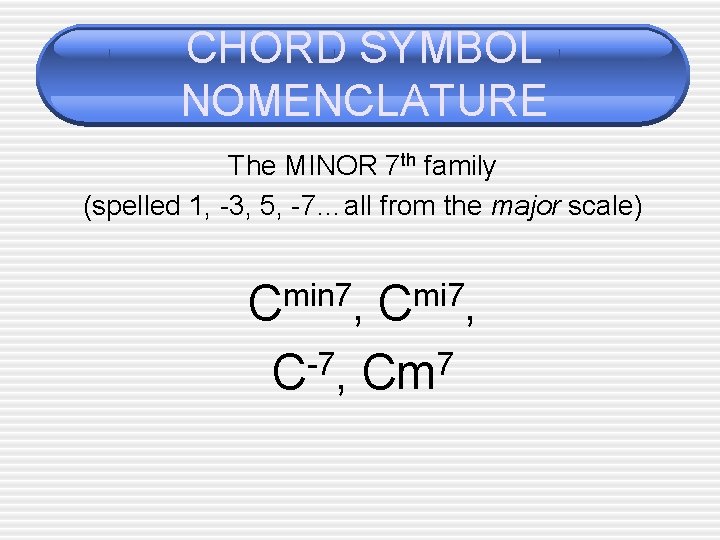
CHORD SYMBOL NOMENCLATURE The MINOR 7 th family (spelled 1, -3, 5, -7…all from the major scale) min 7 C , -7 C , mi 7 C , 7 Cm
CHORD SYMBOL NOMENCLATURE • • The DOMINANT 7 th family Spelled 1, 3, 5, -7 (all from the major scale) Here are SOME of the ways that you might be asked to build a C dominant 7 th chord in jazz…
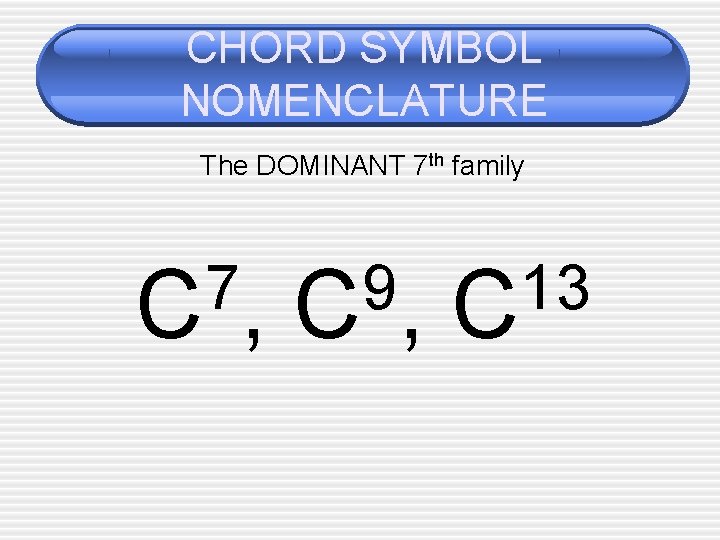
CHORD SYMBOL NOMENCLATURE The DOMINANT 7 th family 7 C, 9 C, 13 C
CHORD SYMBOL NOMENCLATURE • • The HALF-DIMINISHED 7 th family Spelled 1, -3, -5, -7 (all from the major scale) Here are SOME of the ways that you might be asked to build a C half-diminished 7 th chord in jazz…
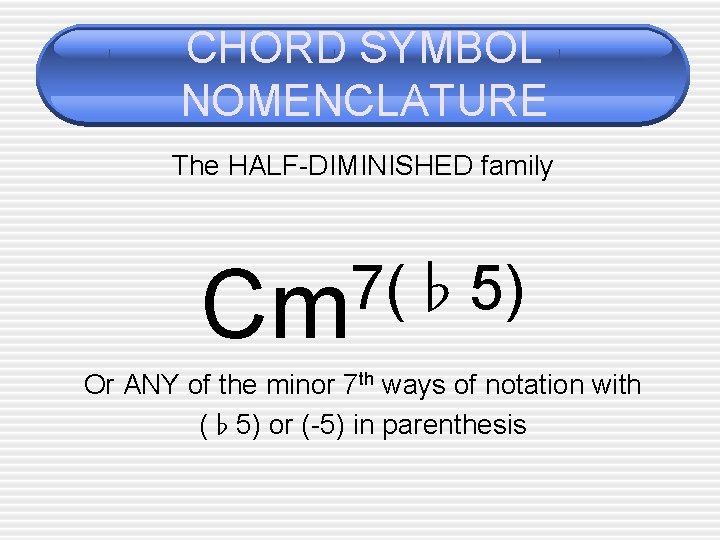
CHORD SYMBOL NOMENCLATURE The HALF-DIMINISHED family 7(♭ 5) Cm Or ANY of the minor 7 th ways of notation with (♭ 5) or (-5) in parenthesis
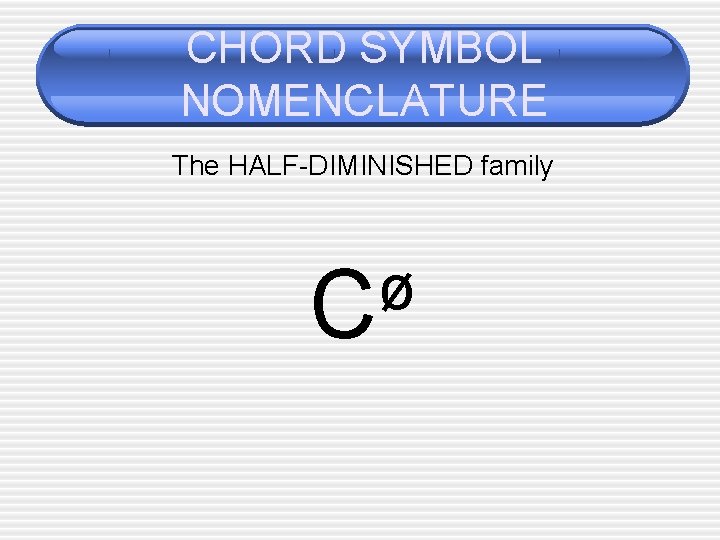
CHORD SYMBOL NOMENCLATURE The HALF-DIMINISHED family ø C
CHORD SYMBOL NOMENCLATURE • • The DIMINISHED 7 th family Spelled 1, -3, -5, --7* (6) (all from the major scale) Here are SOME of the ways that you might be asked to build a C diminished 7 th chord in jazz…
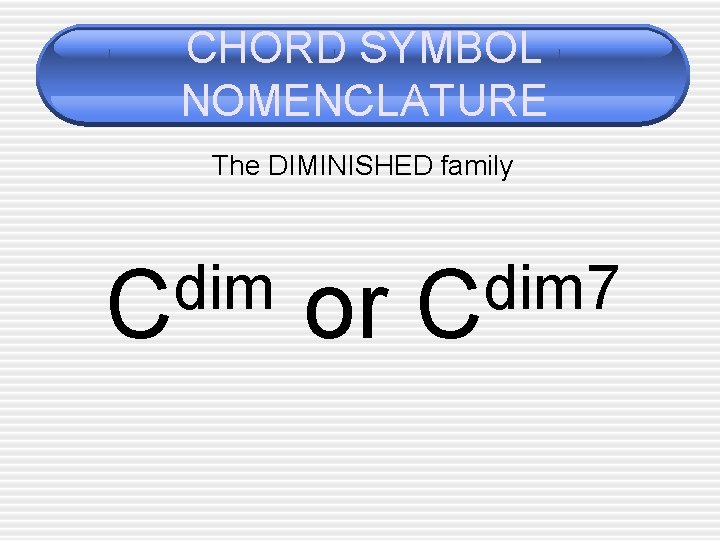
CHORD SYMBOL NOMENCLATURE The DIMINISHED family dim C or dim 7 C
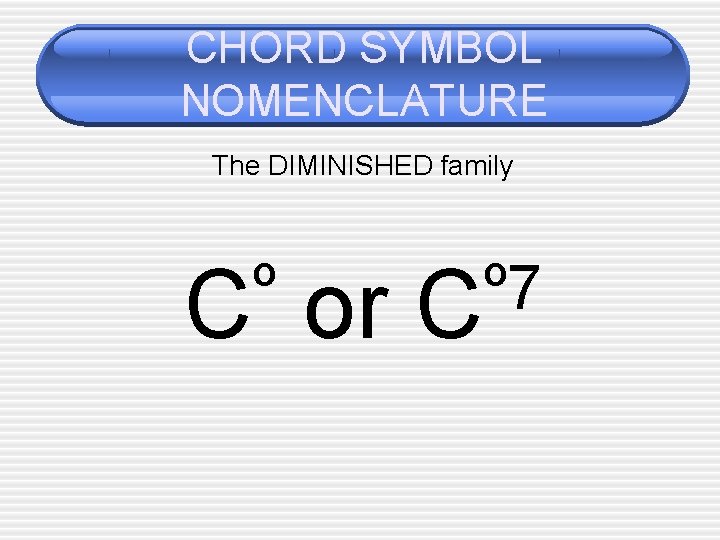
CHORD SYMBOL NOMENCLATURE The DIMINISHED family º C or º 7 C
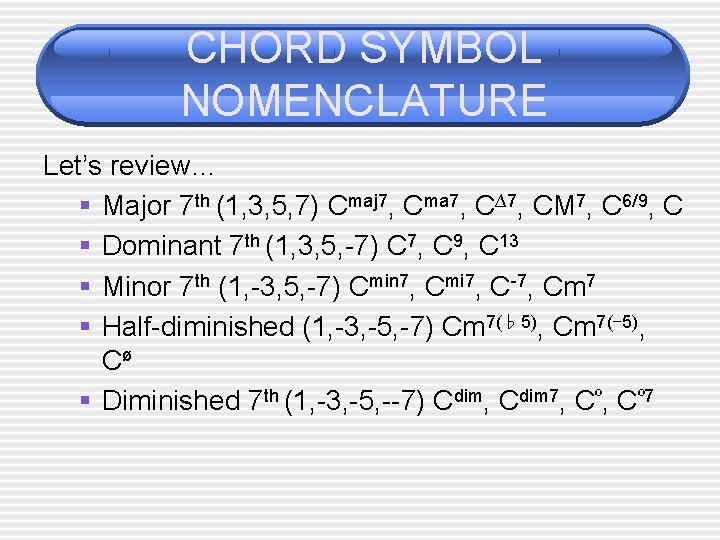
CHORD SYMBOL NOMENCLATURE Let’s review… § Major 7 th (1, 3, 5, 7) Cmaj 7, Cma 7, C∆7, CM 7, C 6/9, C § Dominant 7 th (1, 3, 5, -7) C 7, C 9, C 13 § Minor 7 th (1, -3, 5, -7) Cmin 7, Cmi 7, C-7, Cm 7 § Half-diminished (1, -3, -5, -7) Cm 7(♭ 5), Cm 7(-5), Cø § Diminished 7 th (1, -3, -5, --7) Cdim, Cdim 7, Cº 7
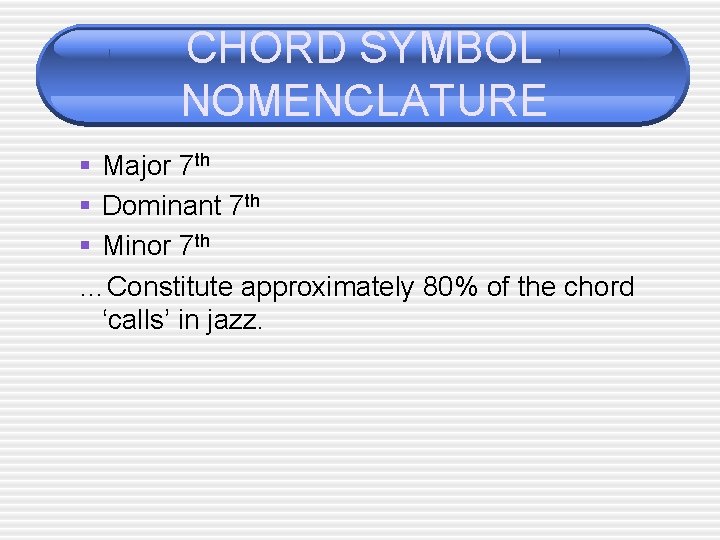
CHORD SYMBOL NOMENCLATURE § Major 7 th § Dominant 7 th § Minor 7 th …Constitute approximately 80% of the chord ‘calls’ in jazz.
TWO SCENARIOS… • Playing as a part of a rhythm section § Piano, bass, drums… OR • Playing as an accompanist § Piano ONLY (no other instruments)
CHORD SPELLINGS VS. CHORD VOICINGS • Chord ‘spellings’ are simply functional association with the implied harmony (i. e. root, 3 rd, 5 th, 7 th) and their various inversions (3 rd, 5 th, 7 th, root…) • Chord ‘voicings’ in jazz often include the following: § ESSENTIAL notes (3 rd, 7 th) § COLOR notes (9 th, 13 th, altered notes) § ROOTLESS (especially in a trio setting)
TRIO SETTING • In most cases, the ‘voicing’ will be built in the • • LEFT HAND… The voicing can be ‘extended’ with the RIGHT HAND The ROOT of the chord will most often be covered by the bassist
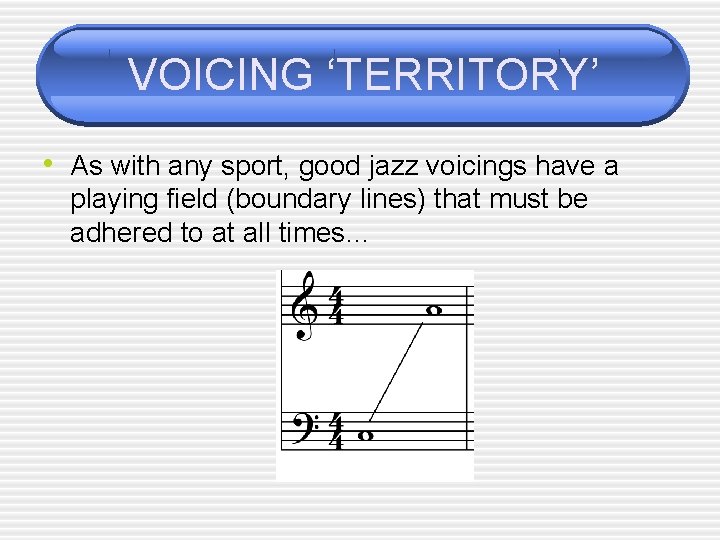
VOICING ‘TERRITORY’ • As with any sport, good jazz voicings have a playing field (boundary lines) that must be adhered to at all times…
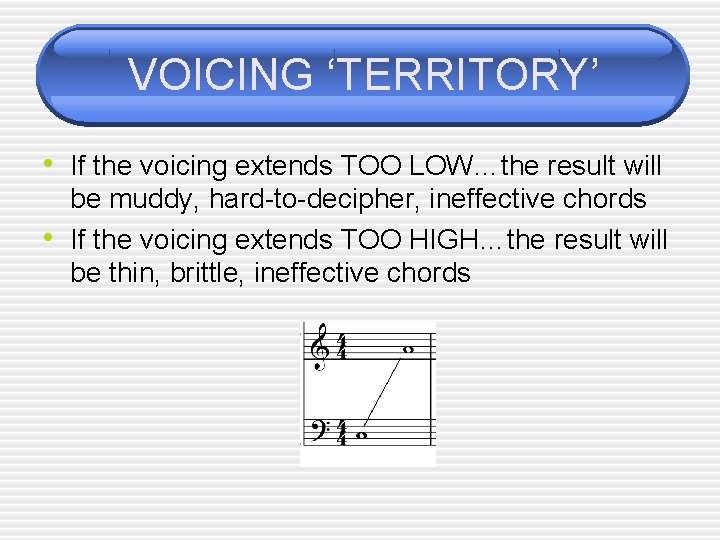
VOICING ‘TERRITORY’ • If the voicing extends TOO LOW…the result will • be muddy, hard-to-decipher, ineffective chords If the voicing extends TOO HIGH…the result will be thin, brittle, ineffective chords
HIP JAZZ VOICINGS • For each chord family, we’ll provide TWO choices…the ‘A’ choice, and the ‘B’ choice…
HIP JAZZ VOICINGS • For each chord family, we’ll provide TWO • choices…the ‘A’ choice, and the ‘B’ choice… Each choice will include ‘scale degrees’ (always built from the MAJOR scale point of view)
HIP JAZZ VOICINGS • For each chord family, we’ll provide TWO • • choices…the ‘A’ choice, and the ‘B’ choice… Each choice will include ‘scale degrees’ (always built from the MAJOR scale point of view) Always build chord voicings from BOTTOM to TOP (regardless of the scale degree)
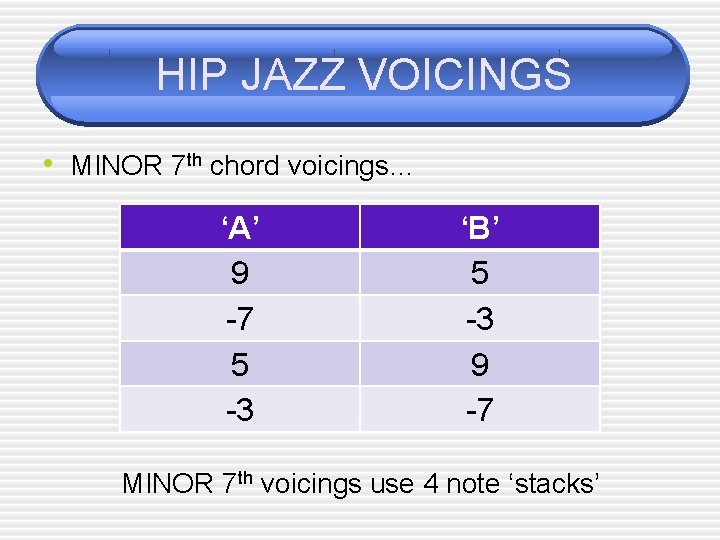
HIP JAZZ VOICINGS • MINOR 7 th chord voicings… ‘A’ 9 -7 5 -3 ‘B’ 5 -3 9 -7 MINOR 7 th voicings use 4 note ‘stacks’
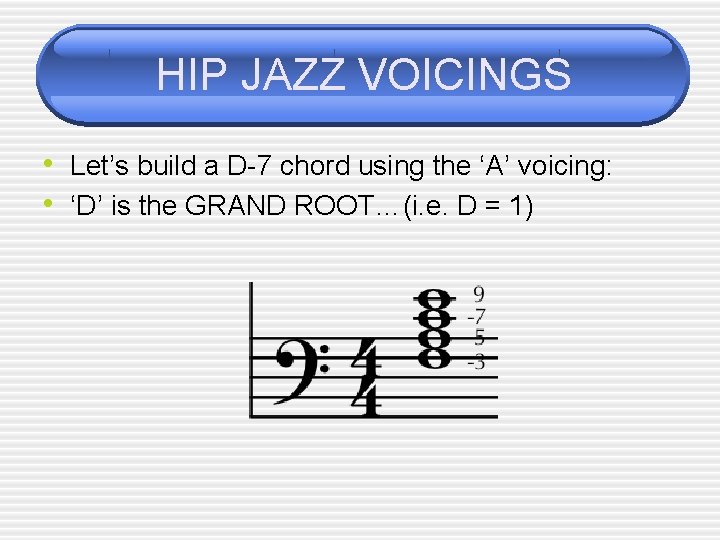
HIP JAZZ VOICINGS • Let’s build a D-7 chord using the ‘A’ voicing: • ‘D’ is the GRAND ROOT…(i. e. D = 1)
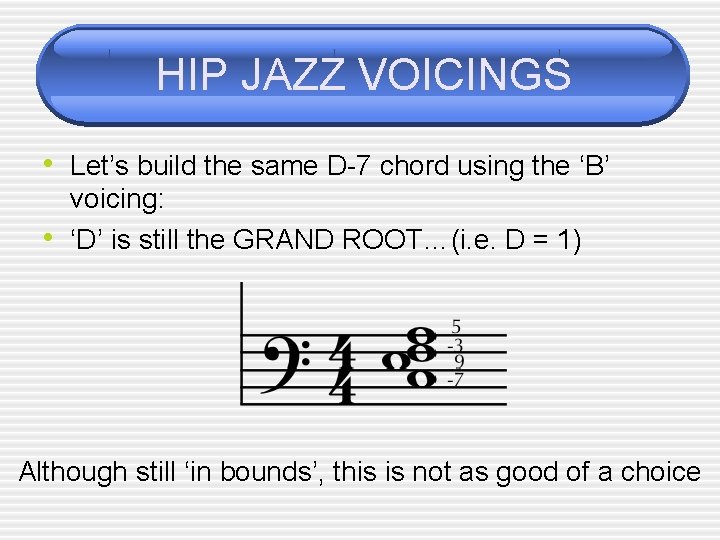
HIP JAZZ VOICINGS • Let’s build the same D-7 chord using the ‘B’ • voicing: ‘D’ is still the GRAND ROOT…(i. e. D = 1) Although still ‘in bounds’, this is not as good of a choice
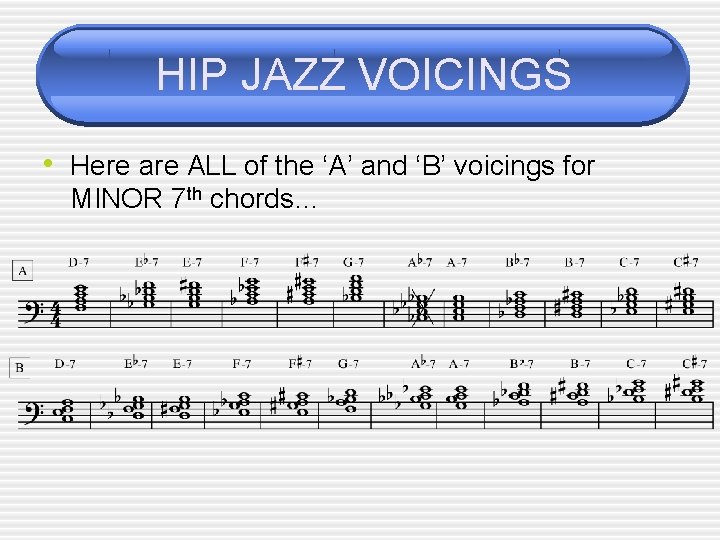
HIP JAZZ VOICINGS • Here are ALL of the ‘A’ and ‘B’ voicings for MINOR 7 th chords…
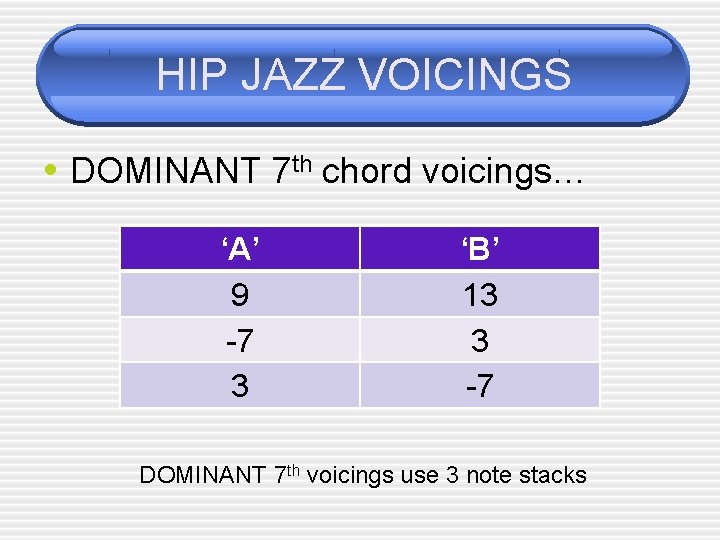
HIP JAZZ VOICINGS • DOMINANT 7 th chord voicings… ‘A’ 9 -7 3 ‘B’ 13 3 -7 DOMINANT 7 th voicings use 3 note stacks
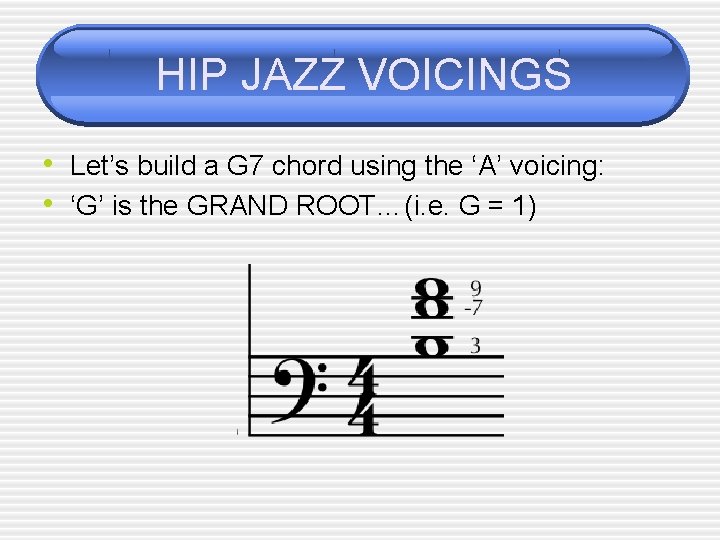
HIP JAZZ VOICINGS • Let’s build a G 7 chord using the ‘A’ voicing: • ‘G’ is the GRAND ROOT…(i. e. G = 1)
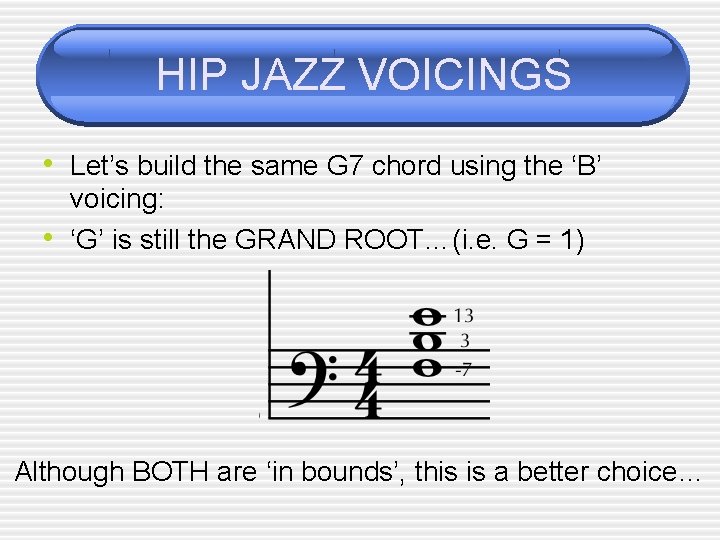
HIP JAZZ VOICINGS • Let’s build the same G 7 chord using the ‘B’ • voicing: ‘G’ is still the GRAND ROOT…(i. e. G = 1) Although BOTH are ‘in bounds’, this is a better choice…
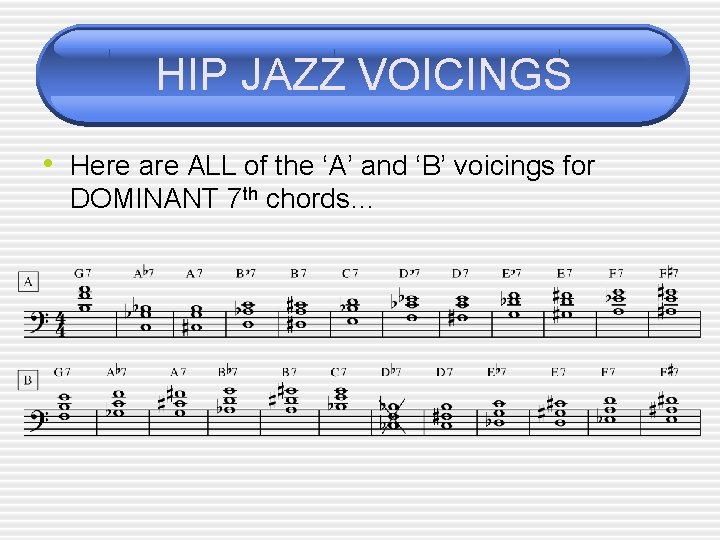
HIP JAZZ VOICINGS • Here are ALL of the ‘A’ and ‘B’ voicings for DOMINANT 7 th chords…
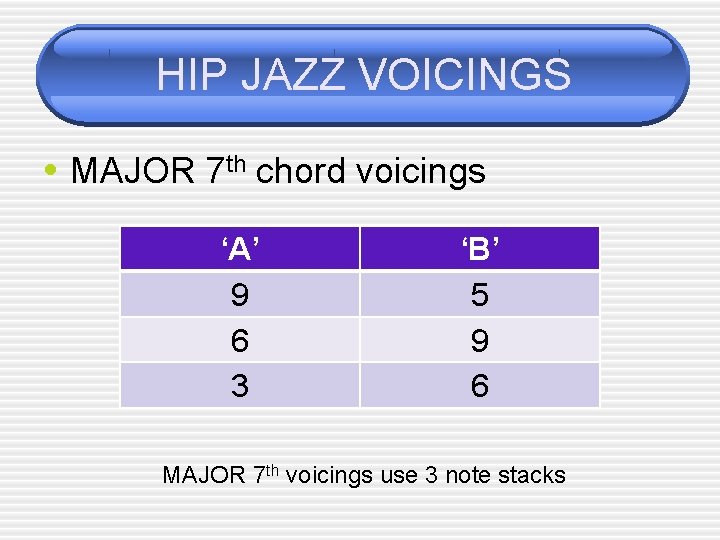
HIP JAZZ VOICINGS • MAJOR 7 th chord voicings ‘A’ 9 6 3 ‘B’ 5 9 6 MAJOR 7 th voicings use 3 note stacks
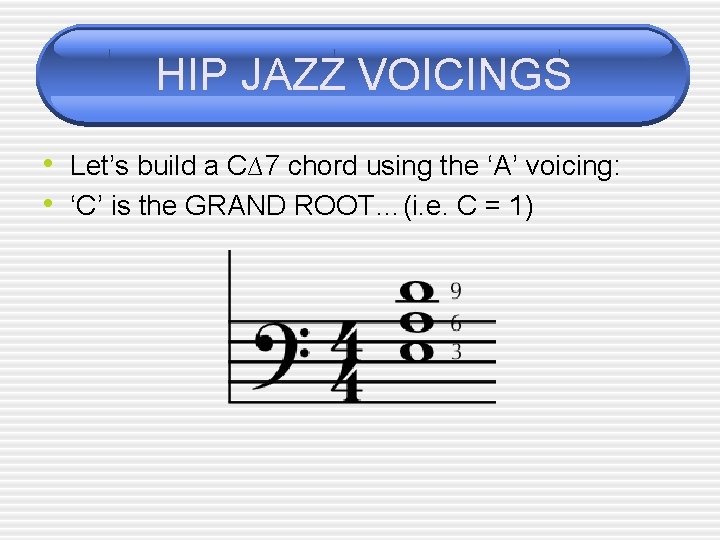
HIP JAZZ VOICINGS • Let’s build a C∆7 chord using the ‘A’ voicing: • ‘C’ is the GRAND ROOT…(i. e. C = 1)
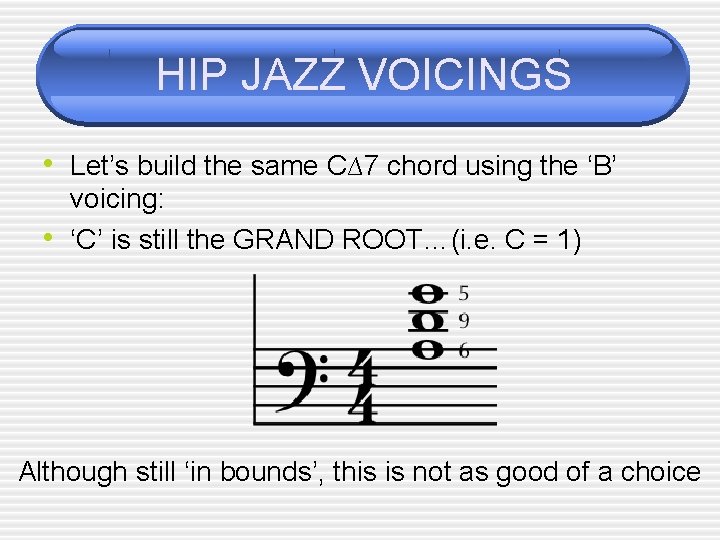
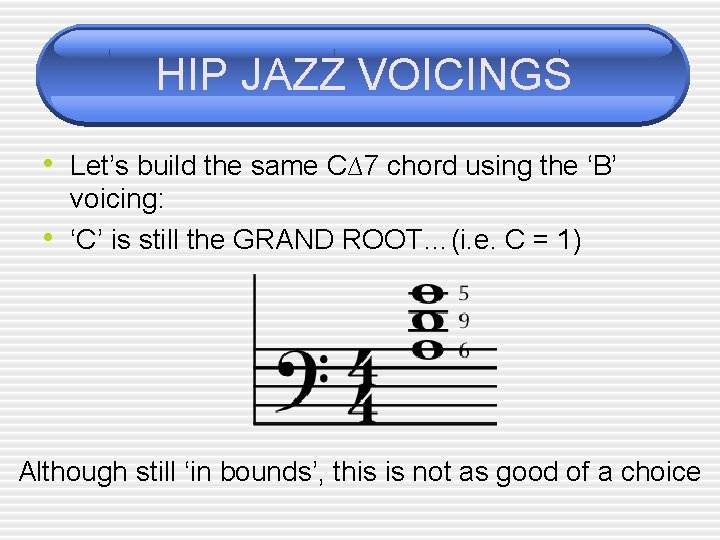
HIP JAZZ VOICINGS • Let’s build the same C∆7 chord using the ‘B’ • voicing: ‘C’ is still the GRAND ROOT…(i. e. C = 1) Although still ‘in bounds’, this is not as good of a choice
HIP JAZZ VOICINGS • Let’s build the same C∆7 chord using the ‘B’ • voicing: ‘C’ is still the GRAND ROOT…(i. e. C = 1) Although still ‘in bounds’, this is not as good of a choice
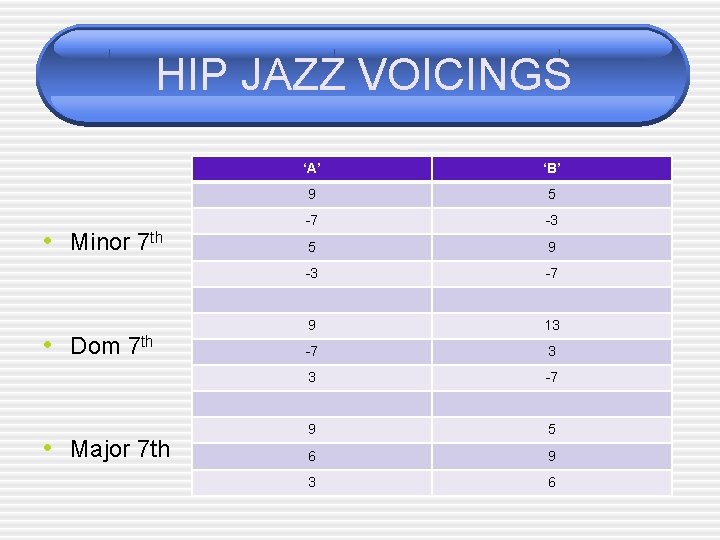
HIP JAZZ VOICINGS • Minor 7 th • Dom 7 th • Major 7 th ‘A’ ‘B’ 9 5 -7 -3 5 9 -3 -7 9 13 -7 3 3 -7 9 5 6 9 3 6
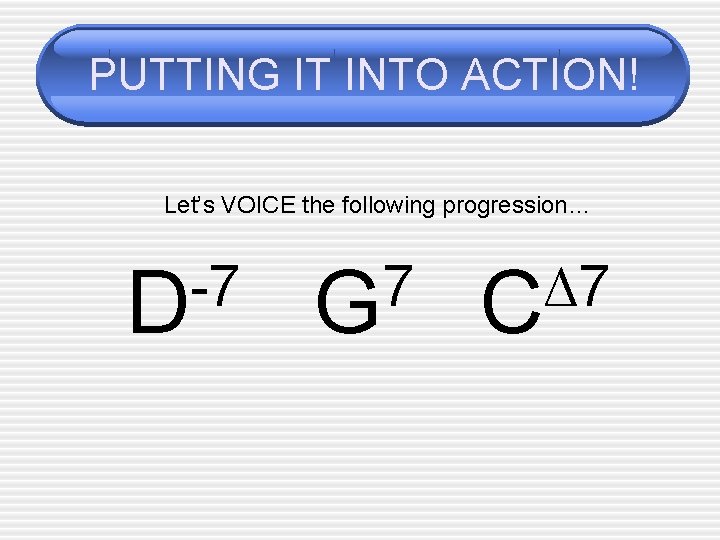
PUTTING IT INTO ACTION! Let’s VOICE the following progression… -7 D 7 G ∆7 C
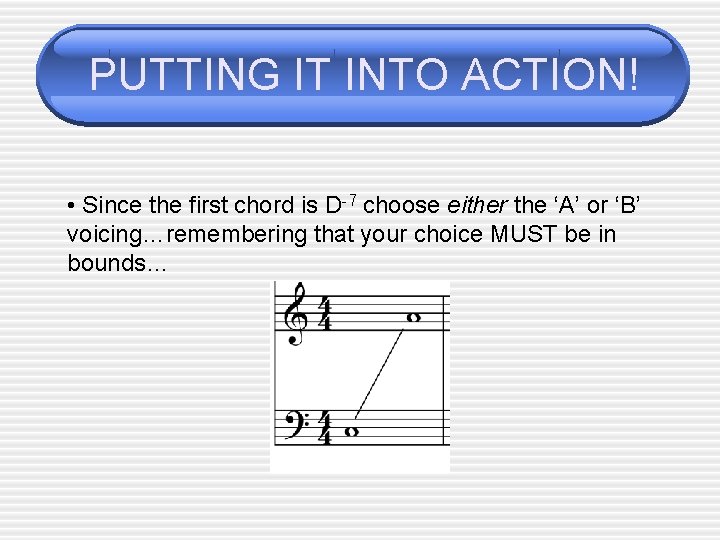
PUTTING IT INTO ACTION! • Since the first chord is D-7 choose either the ‘A’ or ‘B’ voicing…remembering that your choice MUST be in bounds…
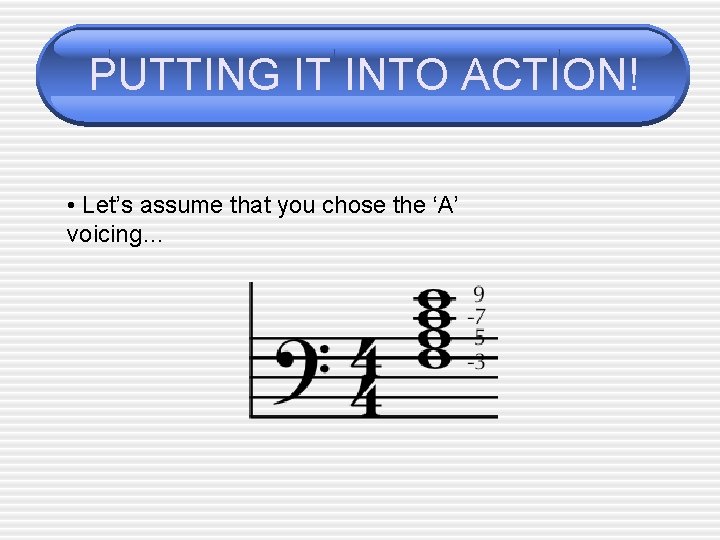
PUTTING IT INTO ACTION! • Let’s assume that you chose the ‘A’ voicing…
PUTTING IT INTO ACTION! • NOW…you are ready to PROGRESS to the G 7 chord. • Based on the choice you made for the D-7, one of the two choices for the G 7 will now be a closer & smoother choice than the other… • Either ‘A’ to ‘A’ or ‘A’ to ‘B’ is going to be a better choice…
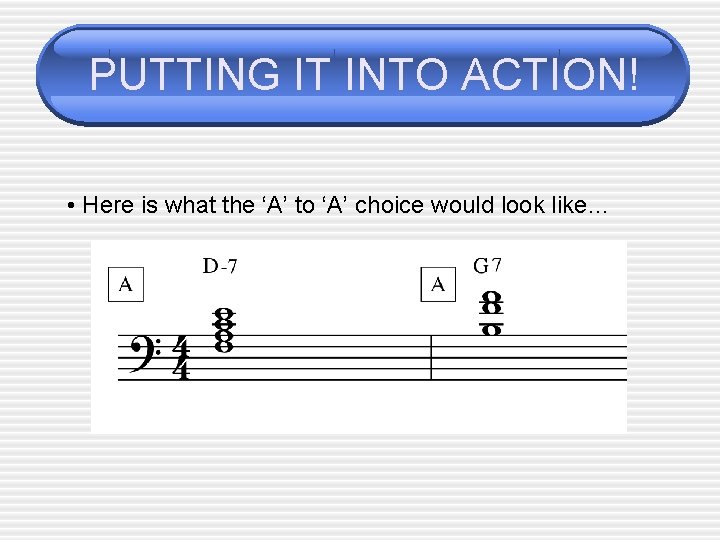
PUTTING IT INTO ACTION! • Here is what the ‘A’ to ‘A’ choice would look like…

PUTTING IT INTO ACTION! • Here is what the ‘A’ to ‘B’ choice would look like… • As you can tell, ‘A’ to ‘B’ is a MUCH smoother choice!
PUTTING IT INTO ACTION! • NOW…you are ready to PROGRESS from the G 7 chord to the C∆7 chord. • Based on the choice you made for the G 7, one of the two choices for the C∆7 will now be a closer & smoother choice than the other… • Either ‘B’ to ‘B’ or ‘B’ to ‘A’ is going to be a better choice…
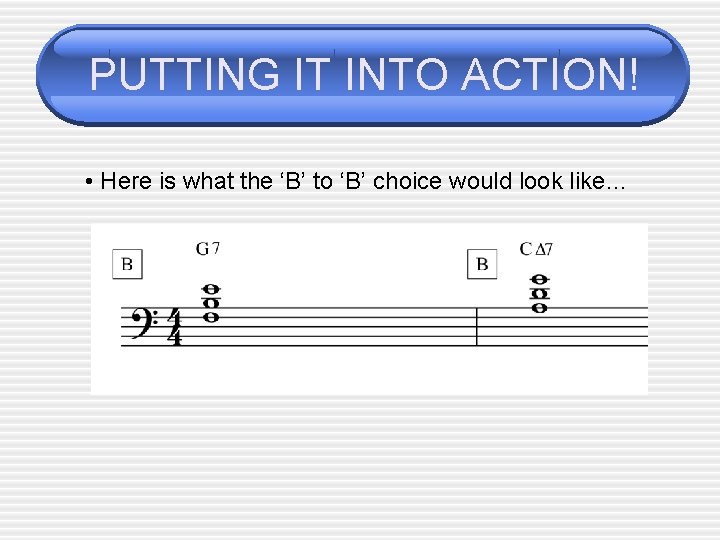
PUTTING IT INTO ACTION! • Here is what the ‘B’ to ‘B’ choice would look like…
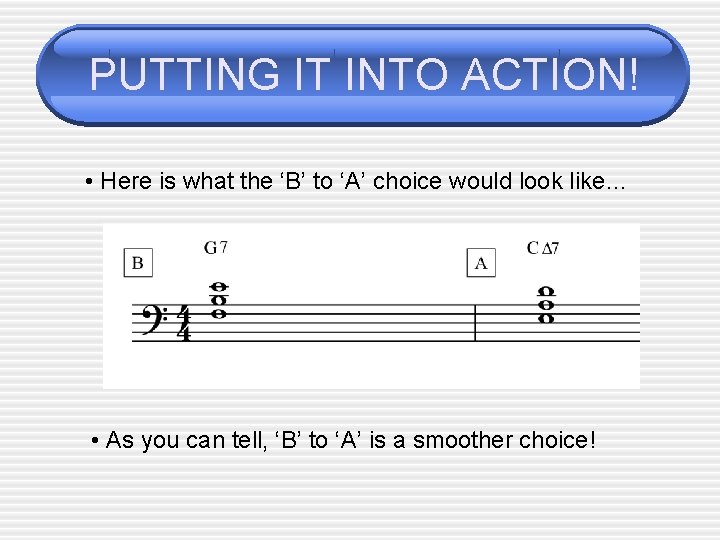
PUTTING IT INTO ACTION! • Here is what the ‘B’ to ‘A’ choice would look like… • As you can tell, ‘B’ to ‘A’ is a smoother choice!
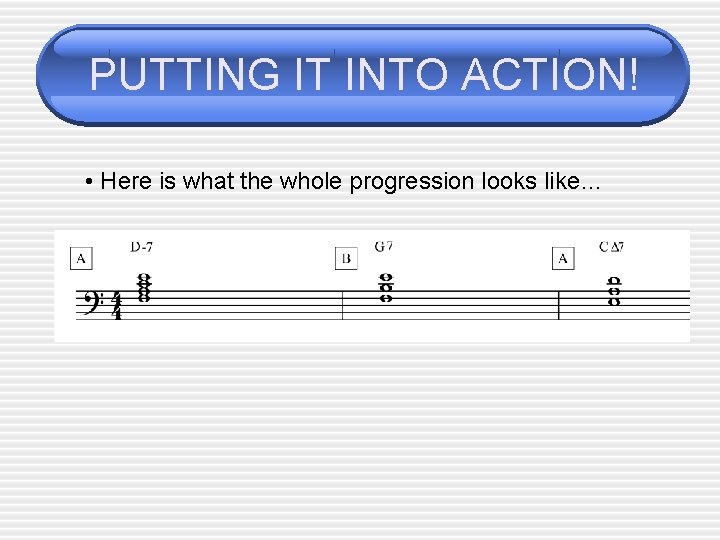
PUTTING IT INTO ACTION! • Here is what the whole progression looks like…
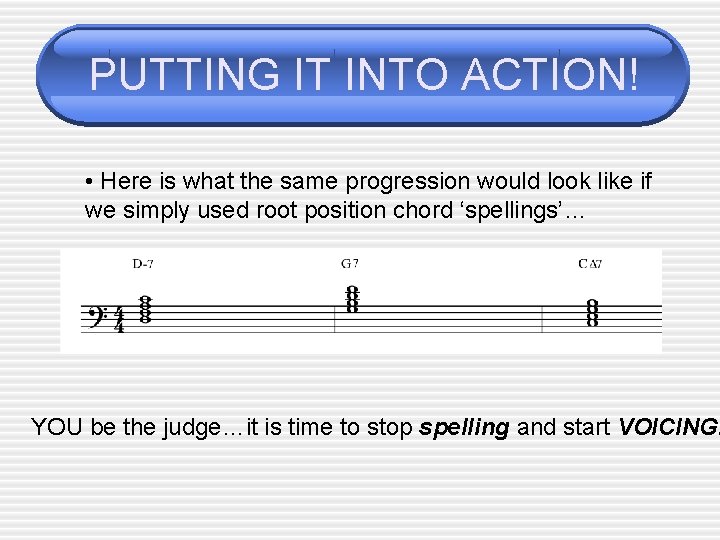
PUTTING IT INTO ACTION! • Here is what the same progression would look like if we simply used root position chord ‘spellings’… YOU be the judge…it is time to stop spelling and start VOICING!
PICKING UP THE PACE • It is good to have voicing choices, but choosing takes time… • In all cases, you have to decide whether to STAY in the same voicing category from one chord to the next (‘A’ to ‘A’) or (‘B’ to ‘B’)…. OR…whether to SWAP categories (‘A’ to ‘B’) or (‘B’ to ‘A’) • You can reduce the amount of time it takes to ‘choose’ by simply looking at the ROOT MOVEMENT of the chords as they progress….
PICKING UP THE PACE • Let’s play the ‘GREATER THAN…LESS THAN…OR EQUAL TO’ game (sounds like 4 th grade math!!!)
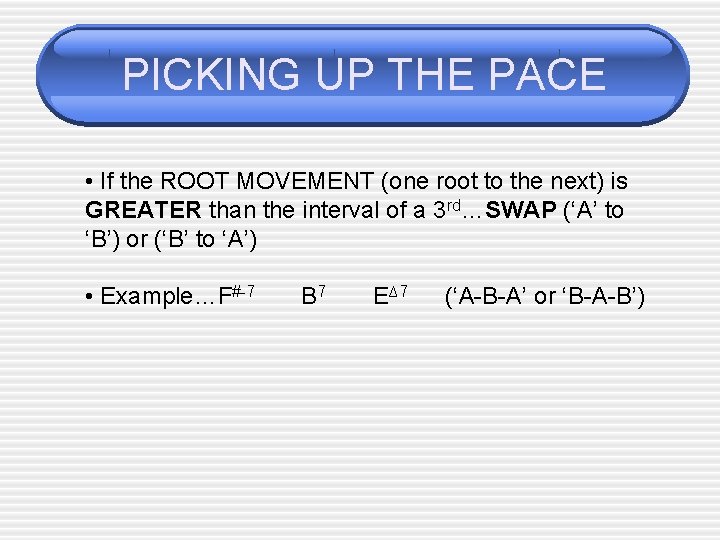
PICKING UP THE PACE • If the ROOT MOVEMENT (one root to the next) is GREATER than the interval of a 3 rd…SWAP (‘A’ to ‘B’) or (‘B’ to ‘A’) • Example…F#-7 B 7 E∆7 (‘A-B-A’ or ‘B-A-B’)
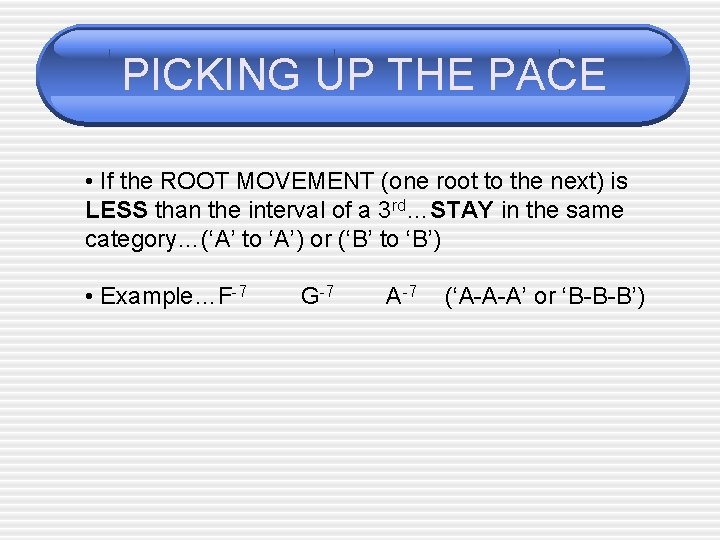
PICKING UP THE PACE • If the ROOT MOVEMENT (one root to the next) is LESS than the interval of a 3 rd…STAY in the same category…(‘A’ to ‘A’) or (‘B’ to ‘B’) • Example…F-7 G-7 A-7 (‘A-A-A’ or ‘B-B-B’)

PICKING UP THE PACE • If the ROOT MOVEMENT (one root to the next) is EQUAL to the interval of a 3 rd…STAY or SWAP (depending upon the DIRECTION of the third. If the root moves UP a 3 rd, STAY…If the root moves DOWN a 3 rd, SWAP • These general guidelines work in MOST cases, but you MUST stay within the boundary lines • Examples… or (‘B-B’) C∆7 F 7 A’) E 7 STAY…(‘A-A’) D 7 SWAP…(‘A-B’) or (‘B-
PUTTING IT ALL TOGETHER • The bottom line for voicings…get from one chord symbol to the next, as smoothly as possible, while staying within the established boundary lines. • Use ‘hip’ voicings that incorporate essential harmonic notes, color notes, and avoid duplicated effort.
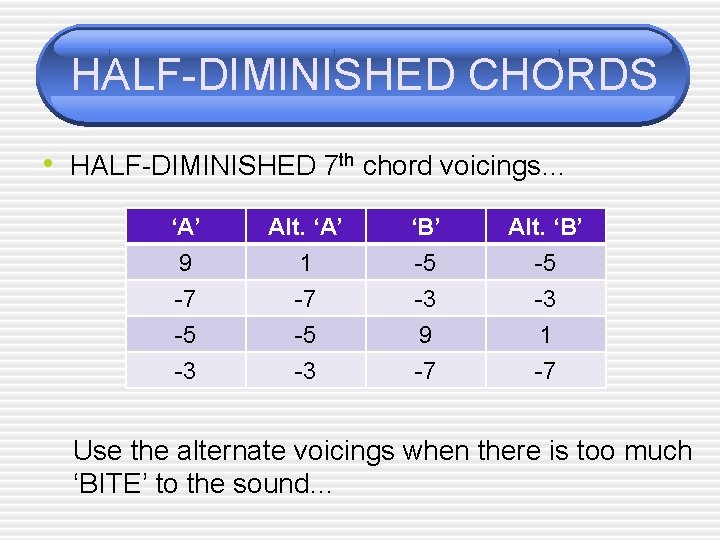
HALF-DIMINISHED CHORDS • HALF-DIMINISHED 7 th chord voicings… ‘A’ 9 -7 -5 Alt. ‘A’ 1 -7 -5 ‘B’ -5 -3 9 Alt. ‘B’ -5 -3 1 -3 -3 -7 -7 Use the alternate voicings when there is too much ‘BITE’ to the sound…
DIMINISHED 7 th CHORDS • DIMINISHED 7 th chords are a bit of a PERFECT • • • STORM… They are constructed by stacking a series of minor 3 rd intervals (i. e. C-Eb-Gb-A) If you invert the notes of a diminished 7 th, you end up with the same four notes (i. e. Eb-Gb-A-C) In essence, there are only THREE different diminished 7 th chords
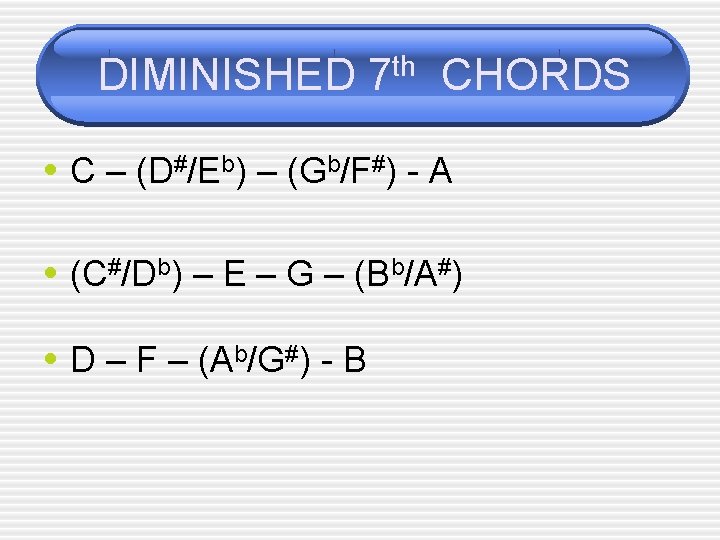
DIMINISHED 7 th CHORDS • C – (D#/Eb) – (Gb/F#) - A • (C#/Db) – E – G – (Bb/A#) • D – F – (Ab/G#) - B
DIMINISHED 7 th CHORDS
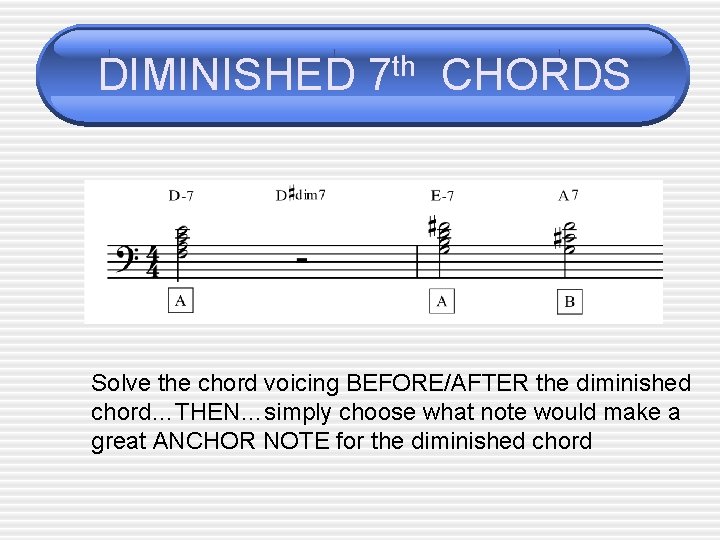
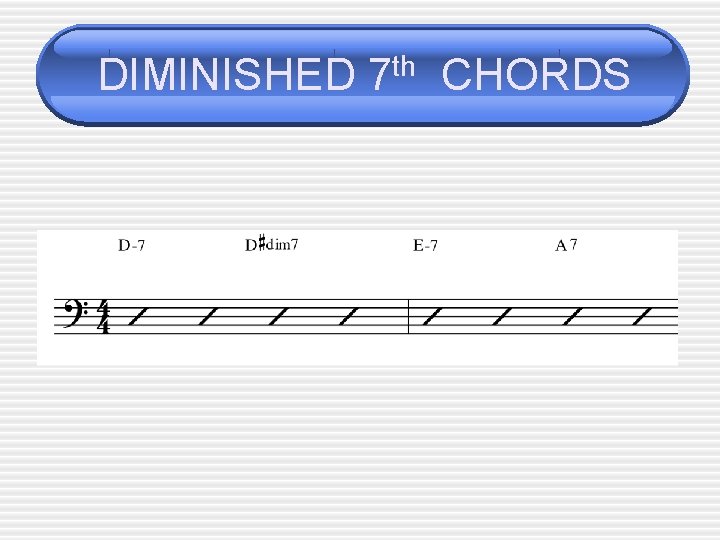
DIMINISHED 7 th CHORDS Solve the chord voicing BEFORE/AFTER the diminished chord…THEN…simply choose what note would make a great ANCHOR NOTE for the diminished chord
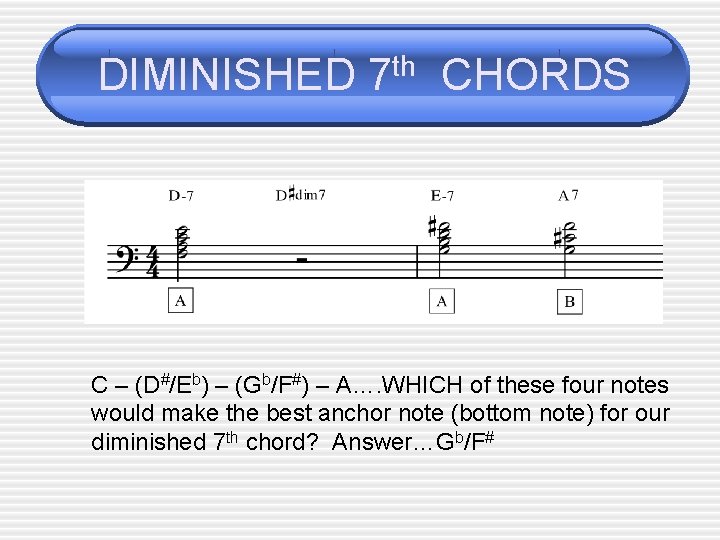
DIMINISHED 7 th CHORDS C – (D#/Eb) – (Gb/F#) – A…. WHICH of these four notes would make the best anchor note (bottom note) for our diminished 7 th chord? Answer…Gb/F#
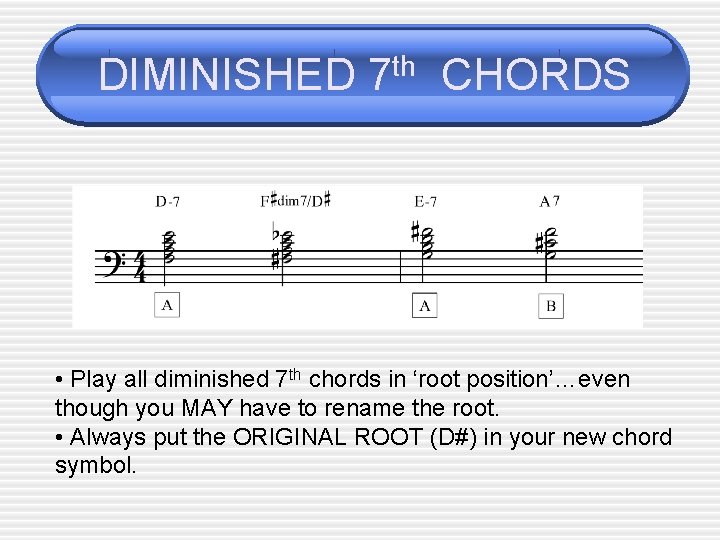
DIMINISHED 7 th CHORDS • Play all diminished 7 th chords in ‘root position’…even though you MAY have to rename the root. • Always put the ORIGINAL ROOT (D#) in your new chord symbol.
- Slides: 73