
Jastrow Canlas BSc Biotechnology Medicine Biological Science Flinders

Jastrow Canlas BSc. Biotechnology (Medicine) Biological Science Flinders University Hons. Medical Biotech Pain and Pulmonary Neurobiology Laboratory Anatomy and Histology Department Flinders Medical Centre
Overview • • • Title Introduction Methods Results Conclusion Significance

• Condenses the paper’s content in a few words; • Captures the readers’ attention; Title • Differentiates the paper from other papers of the same subject area.
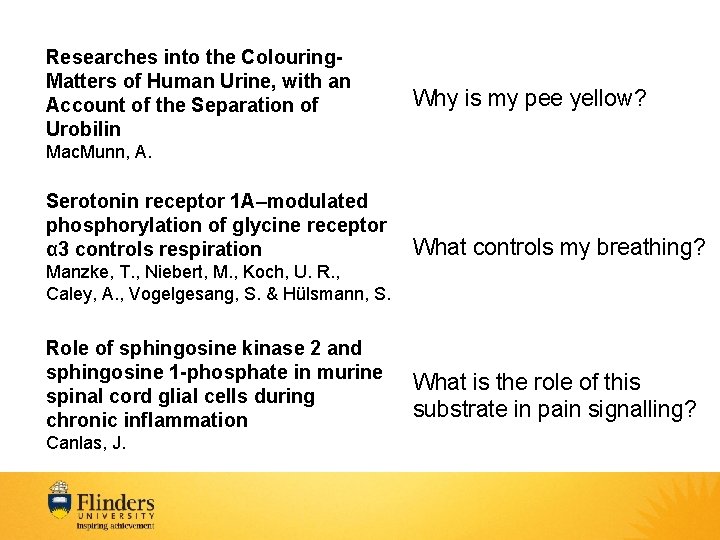
Researches into the Colouring. Matters of Human Urine, with an Account of the Separation of Urobilin Why is my pee yellow? Mac. Munn, A. Serotonin receptor 1 A–modulated phosphorylation of glycine receptor α 3 controls respiration What controls my breathing? Manzke, T. , Niebert, M. , Koch, U. R. , Caley, A. , Vogelgesang, S. & Hülsmann, S. Role of sphingosine kinase 2 and sphingosine 1 -phosphate in murine spinal cord glial cells during chronic inflammation Canlas, J. What is the role of this substrate in pain signalling?
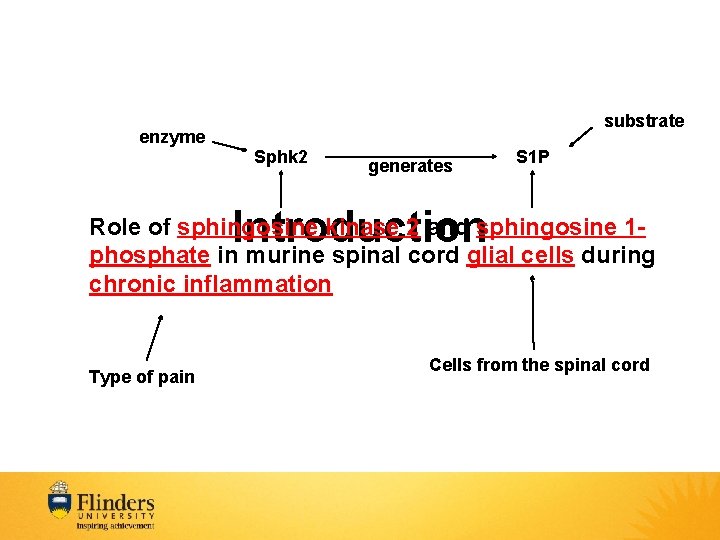
substrate enzyme Sphk 2 generates S 1 P Introduction Role of sphingosine kinase 2 and sphingosine 1 phosphate in murine spinal cord glial cells during chronic inflammation Type of pain Cells from the spinal cord
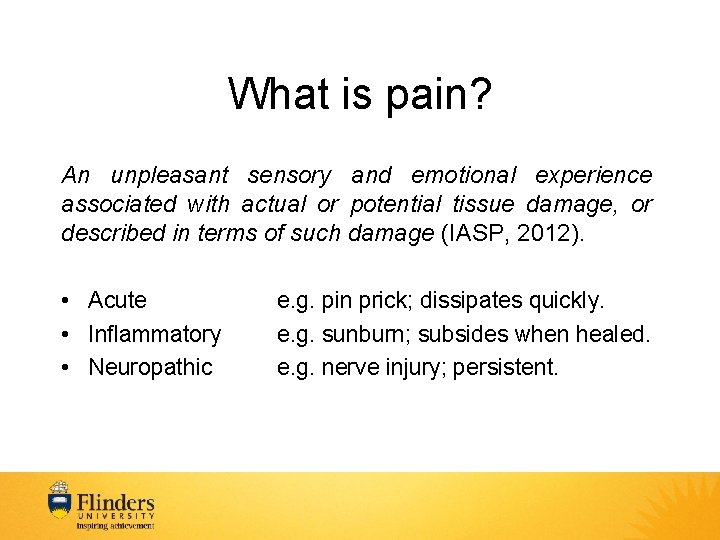
What is pain? An unpleasant sensory and emotional experience associated with actual or potential tissue damage, or described in terms of such damage (IASP, 2012). • Acute • Inflammatory • Neuropathic e. g. pin prick; dissipates quickly. e. g. sunburn; subsides when healed. e. g. nerve injury; persistent.
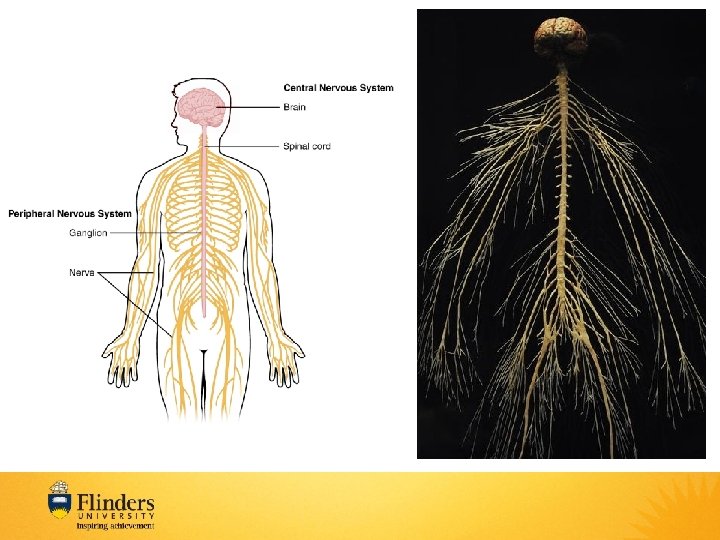
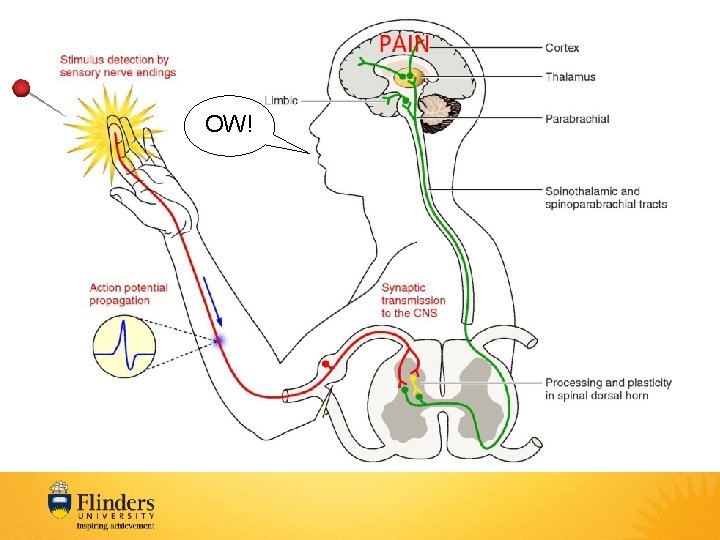
OW!
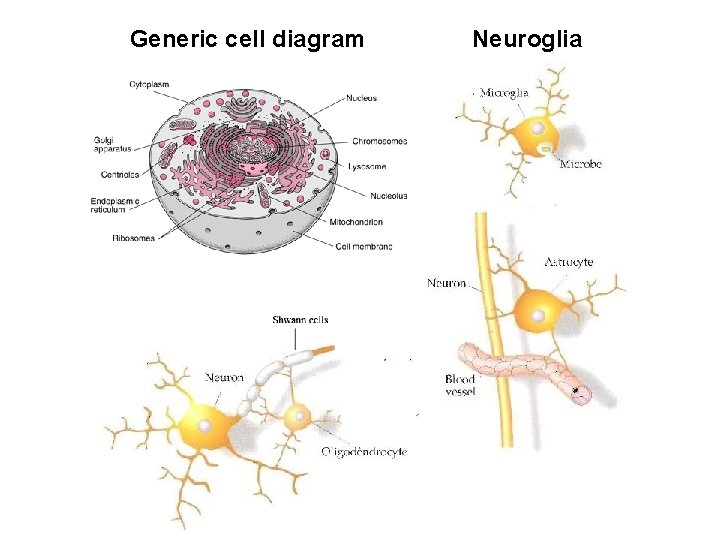
Generic cell diagram Neuroglia
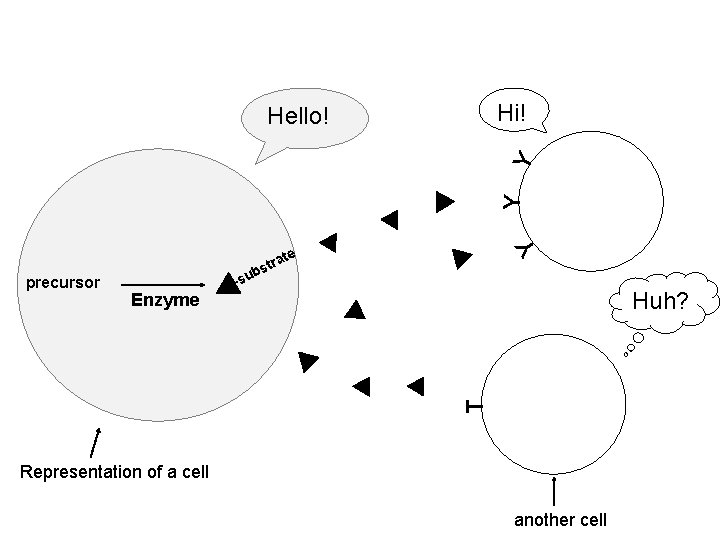
Hi! te b Enzyme -su Huh? T precursor a str Y Y Y Hello! Representation of a cell another cell
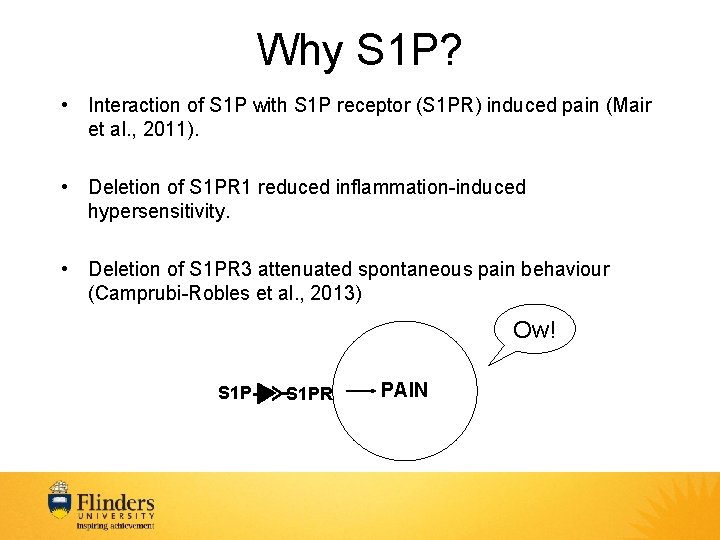
Why S 1 P? • Interaction of S 1 P with S 1 P receptor (S 1 PR) induced pain (Mair et al. , 2011). • Deletion of S 1 PR 1 reduced inflammation-induced hypersensitivity. • Deletion of S 1 PR 3 attenuated spontaneous pain behaviour (Camprubi-Robles et al. , 2013) Ow! S 1 PR Y S 1 P- PAIN
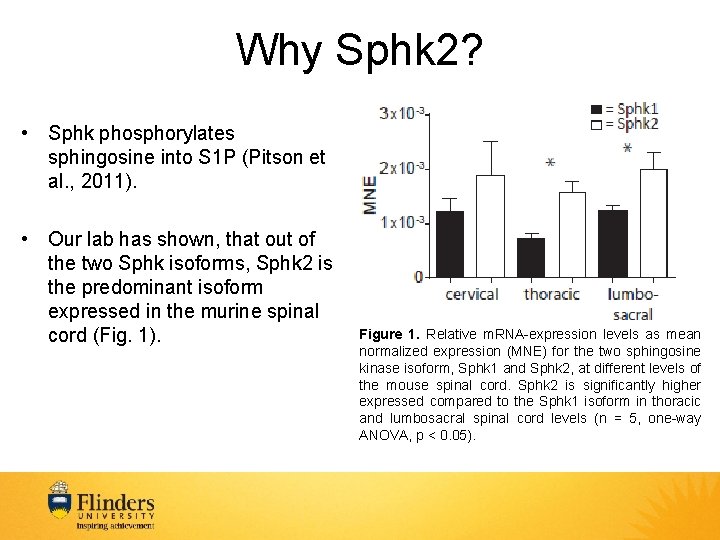
Why Sphk 2? • Sphk phosphorylates sphingosine into S 1 P (Pitson et al. , 2011). • Our lab has shown, that out of the two Sphk isoforms, Sphk 2 is the predominant isoform expressed in the murine spinal cord (Fig. 1). Figure 1. Relative m. RNA-expression levels as mean normalized expression (MNE) for the two sphingosine kinase isoform, Sphk 1 and Sphk 2, at different levels of the mouse spinal cord. Sphk 2 is significantly higher expressed compared to the Sphk 1 isoform in thoracic and lumbosacral spinal cord levels (n = 5, one-way ANOVA, p < 0. 05).
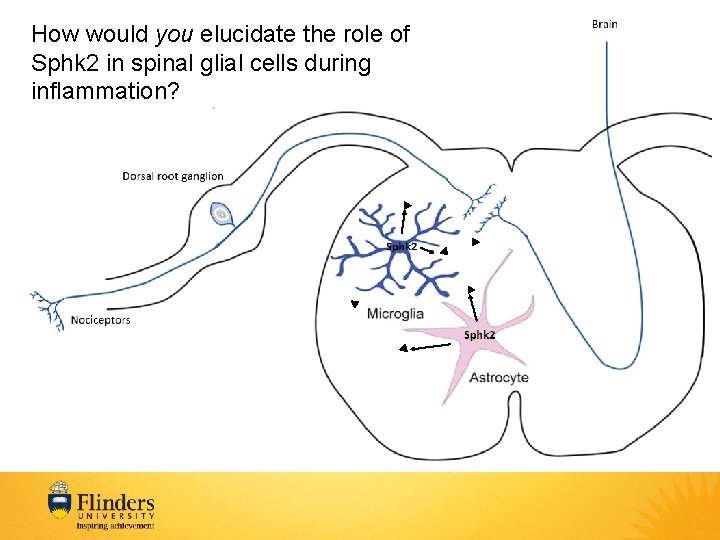
How would you elucidate the role of Sphk 2 in spinal glial cells during inflammation?
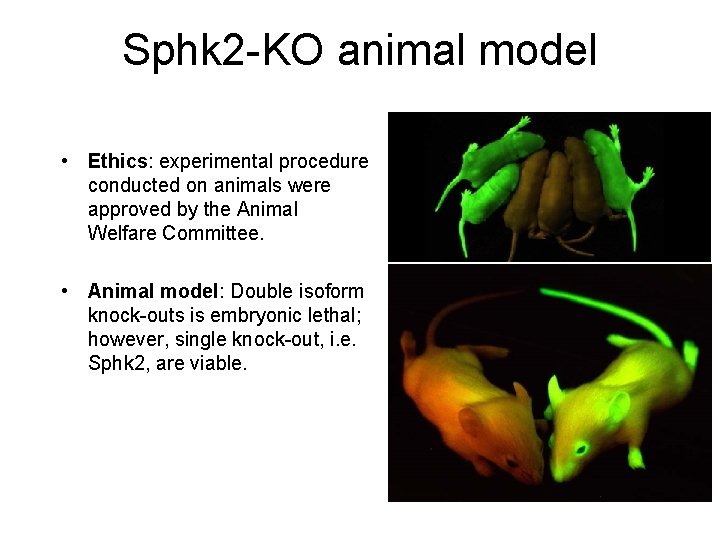
Sphk 2 -KO animal model • Ethics: experimental procedure conducted on animals were approved by the Animal Welfare Committee. • Animal model: Double isoform knock-outs is embryonic lethal; however, single knock-out, i. e. Sphk 2, are viable.
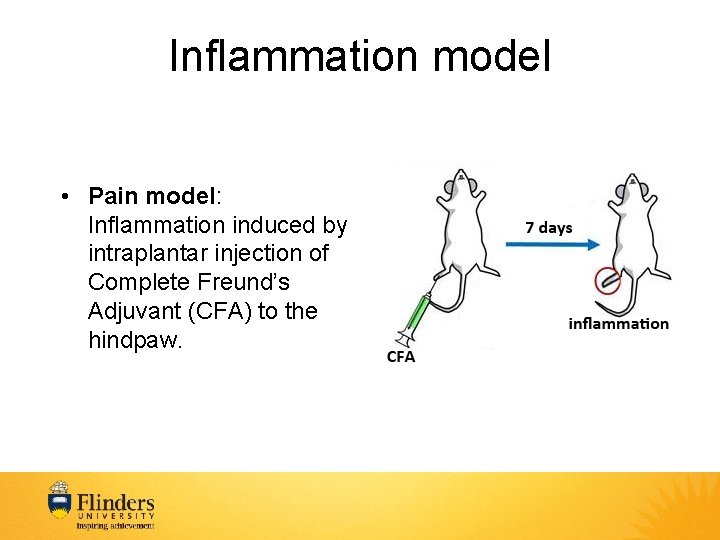
Inflammation model • Pain model: Inflammation induced by intraplantar injection of Complete Freund’s Adjuvant (CFA) to the hindpaw.
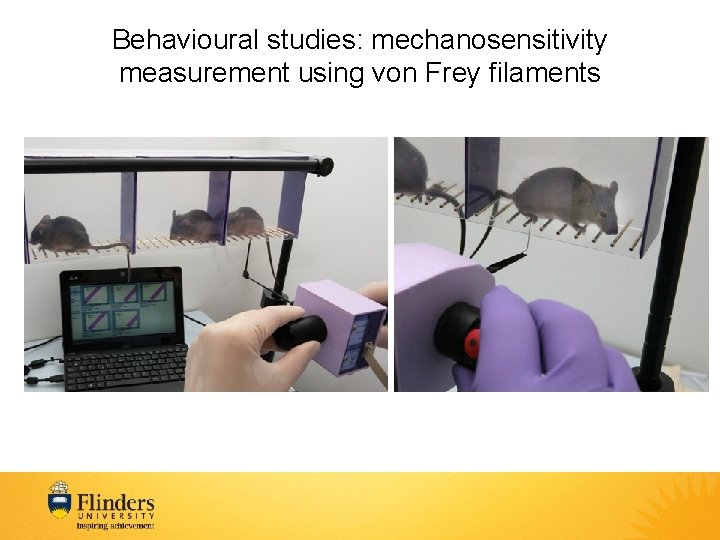
Behavioural studies: mechanosensitivity measurement using von Frey filaments
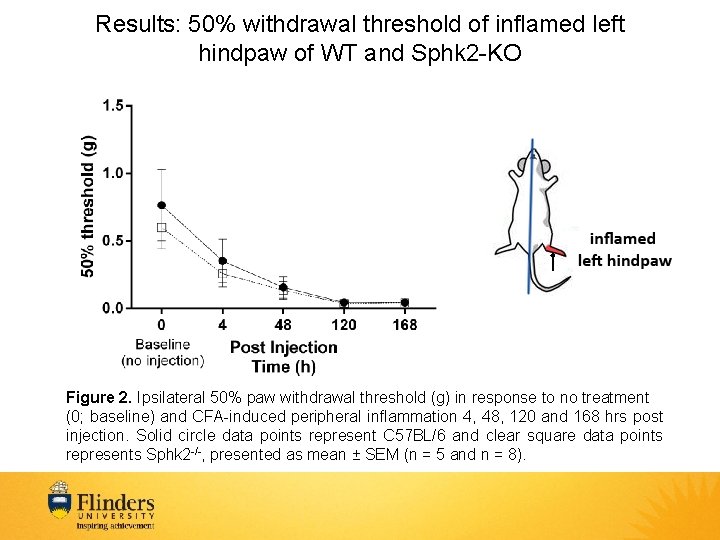
Results: 50% withdrawal threshold of inflamed left hindpaw of WT and Sphk 2 -KO Figure 2. Ipsilateral 50% paw withdrawal threshold (g) in response to no treatment (0; baseline) and CFA-induced peripheral inflammation 4, 48, 120 and 168 hrs post injection. Solid circle data points represent C 57 BL/6 and clear square data points represents Sphk 2 -/-, presented as mean ± SEM (n = 5 and n = 8).
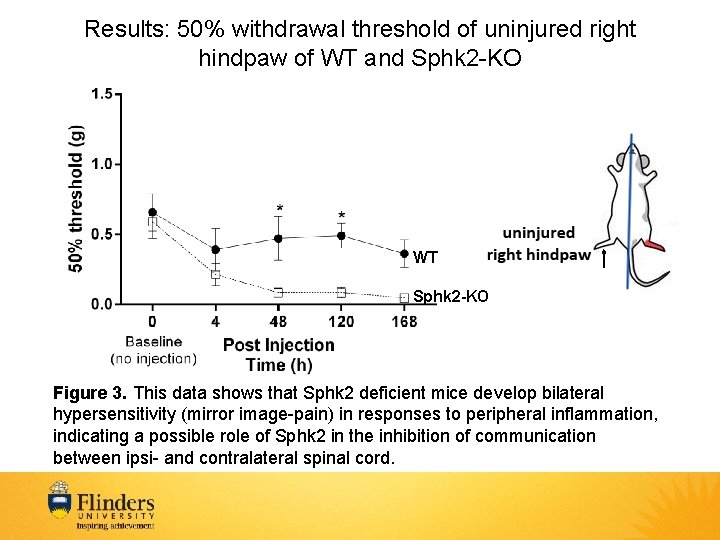
Results: 50% withdrawal threshold of uninjured right hindpaw of WT and Sphk 2 -KO WT Sphk 2 -KO Figure 3. This data shows that Sphk 2 deficient mice develop bilateral hypersensitivity (mirror image-pain) in responses to peripheral inflammation, indicating a possible role of Sphk 2 in the inhibition of communication between ipsi- and contralateral spinal cord.
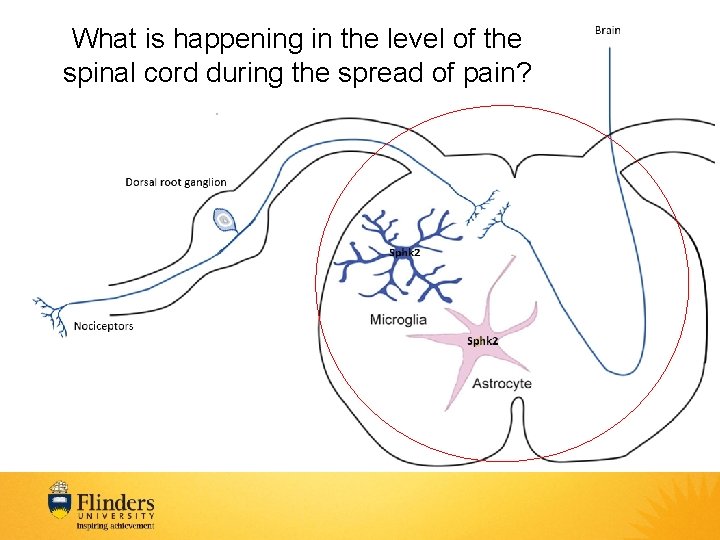
What is happening in the level of the spinal cord during the spread of pain?
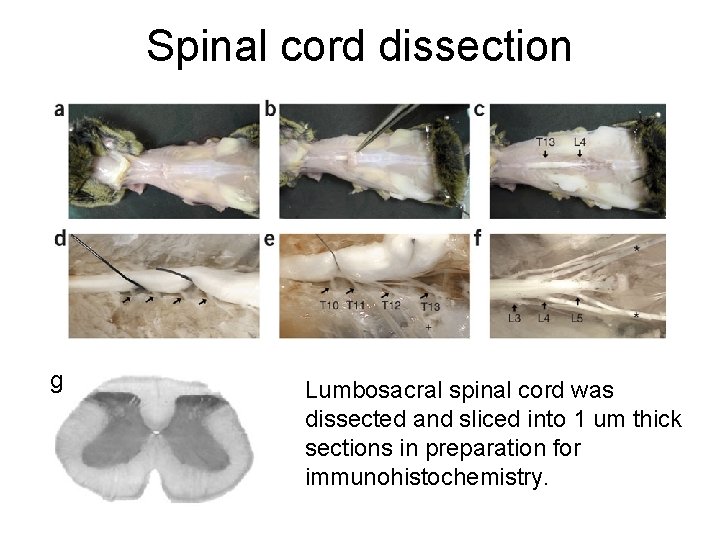
Spinal cord dissection g Lumbosacral spinal cord was dissected and sliced into 1 um thick sections in preparation for immunohistochemistry.
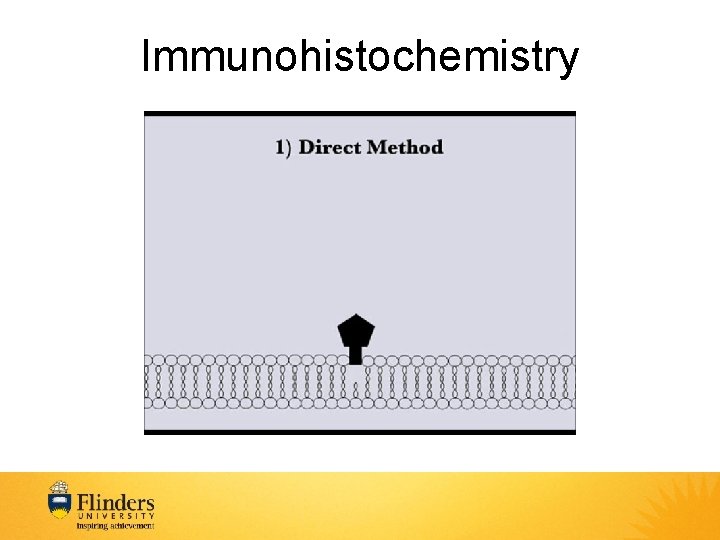
Immunohistochemistry
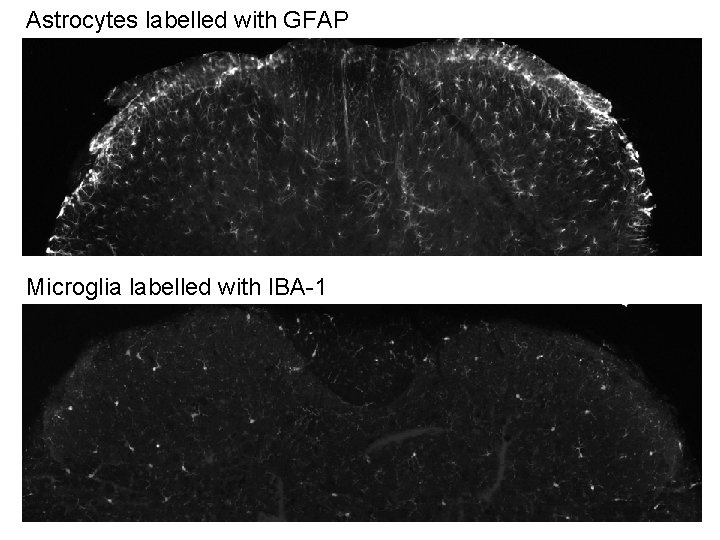
Astrocytes labelled with GFAP Microglia labelled with IBA-1
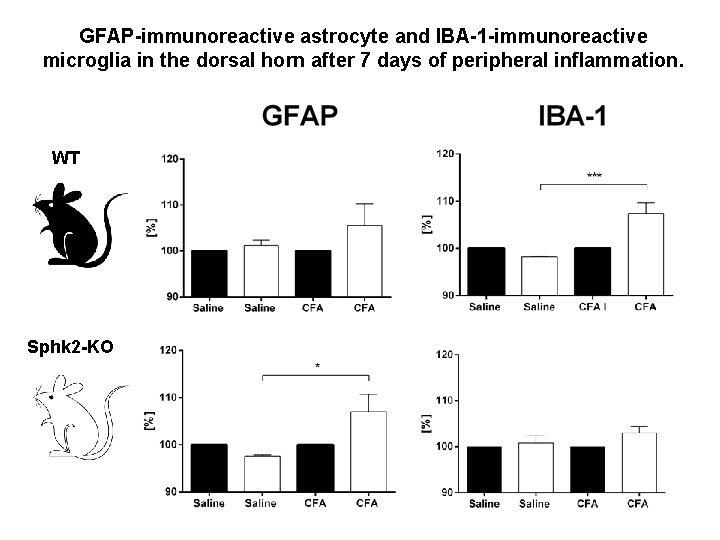
GFAP-immunoreactive astrocyte and IBA-1 -immunoreactive microglia in the dorsal horn after 7 days of peripheral inflammation. WT Sphk 2 -KO
Conclusion Bilateral pain hypersensitivity in Sphk 2 -KO mice was accompanied by the absence of the usual increase in microglia activation. This suggests that Sphk 2 is required for glia activation, which are responsible for the modulation of pain.
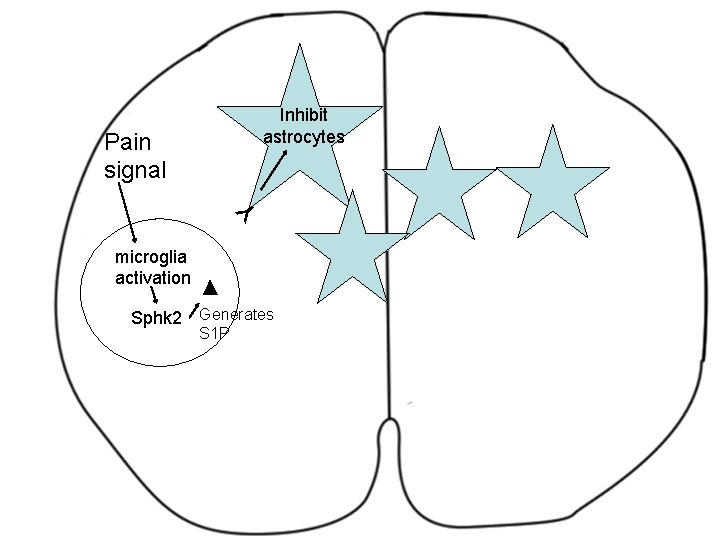
Inhibit astrocytes Y Pain signal microglia activation Sphk 2 Generates S 1 P
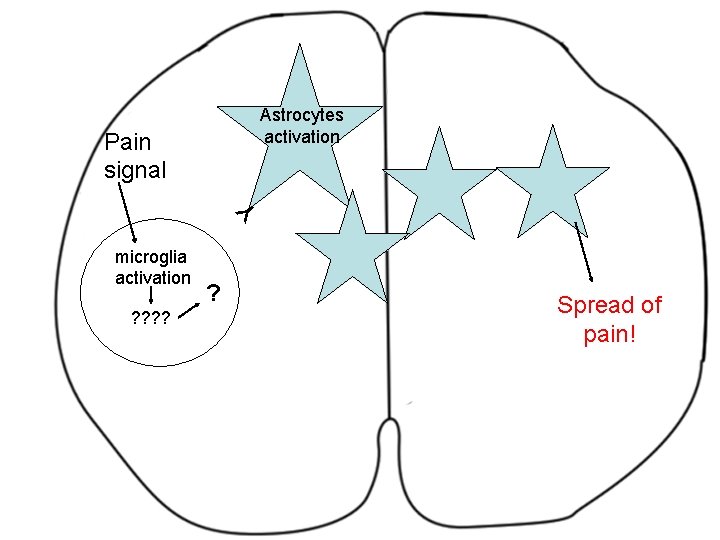
Astrocytes activation Y Pain signal microglia activation ? ? ? Spread of pain!
Summary • We wanted to know the role of Sphk 2 and S 1 P in pain. • We generated Sphk 2 -KO mice • And induced inflammation • We measured behavioural response to mechanical stimulation • and looked at glial cell reactivity at the level of the dorsal horn spinal cord. • We showed Sphk 2 -KO developed mirror image pain • and it was accompanied by the absence of spinal microglia activation. • We conclude that Sphk 2 is required for microglia activation and the activation of microglia is required for the supress of astrocytes, which is responsible for the spread of pain.

- Slides: 28