
Japan Team 2 Bob Bonner Alex Hill David
Japan Team 2 Bob, Bonner, Alex Hill, David Organiscak, & Yanfeng Wang
Demographics � Population ◦ “Japan's 2009 total population was 127. 51 million. This ranked tenth in the world and made up 1. 9 percent of the world's total. Japan's population density measured 343 persons per square kilometer in 2005, ranking fifth among countries with a population of 10 million or more. ” (Statistical Handbook, Japan: 2010)
Demographics (Cont. ) � Birth and Death Rates ◦ The birth rates for 2009 were 8. 5 per 1, 000 population, while the death rates were 9. 1 per 1, 000 population. (Statistical Handbook, Japan: 2010) � Gender Composition ◦ Total Population: 127, 510, 000 ◦ Males: 62, 130, 000 ◦ Females: 65, 300, 000 (Statistical Handbook, Japan: 2010)
Demographics (Cont. )
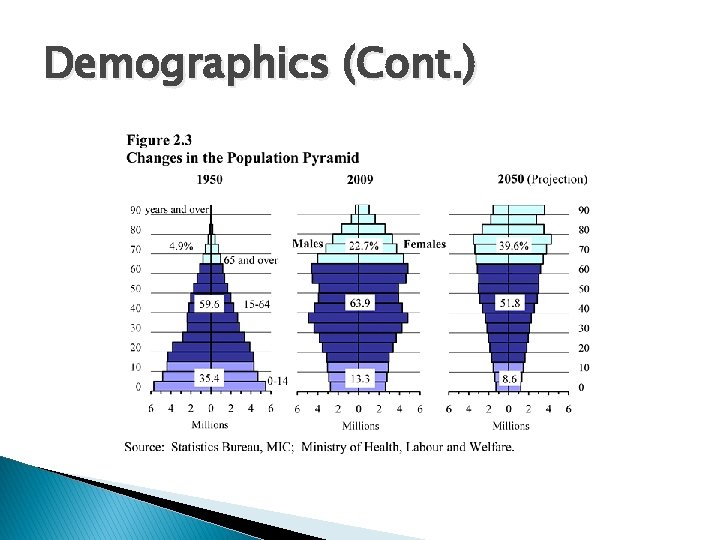
Demographics (Cont. ) � Impact of Demographics on business ◦ Based on the current and projected population pyramid of Japan, there will be a shortage of labor in the upcoming years. The younger and smaller Japanese population will have to support the larger elderly population. With decreasing birth rates, it will be taxing on the Japanese economy to provide social welfare programs for the elderly population. (Statistical handbook, Japan: 2010)
Natural Resources “Less than 15% of Japan's land is arable. The agricultural economy is highly subsidized and protected. With per hectare crop yields among the highest in the world, Japan maintains an overall agricultural self-sufficiency rate of about 40% on fewer than 4. 6 million cultivated hectares (14 million acres). ” (Department of State) � Deposits of gold, magnesium, and silver meet current industrial demands, but Japan is dependent on foreign sources for many of the minerals essential to modern industry. “ (Department of State) �
Economic Environment � GDP ◦ Japan remains the world's second largest economy, with a GDP of roughly $5 trillion in 2009, slightly larger than the Chinese economy. (Country Commercial Guide Japan 2010) � Inflation ◦ -1. 4% rate (CIA World Factbook) � Unemployment ◦ 5. 1% rate (CIA World Factbook) � Economic Indicators ◦ Japan's huge government debt, estimated to have reached 192% of GDP in 2009, and an aging and shrinking population are two major long-run problems. (CIA World Factbook)
Economic Environment- Growth rate � GDP growth rate ◦ 2008, -1. 2% ◦ 2009, -5. 3% Projections: ◦ 2010, 1. 7% ◦ 2011, 2. 2% (IMF, World Economic Outlook)
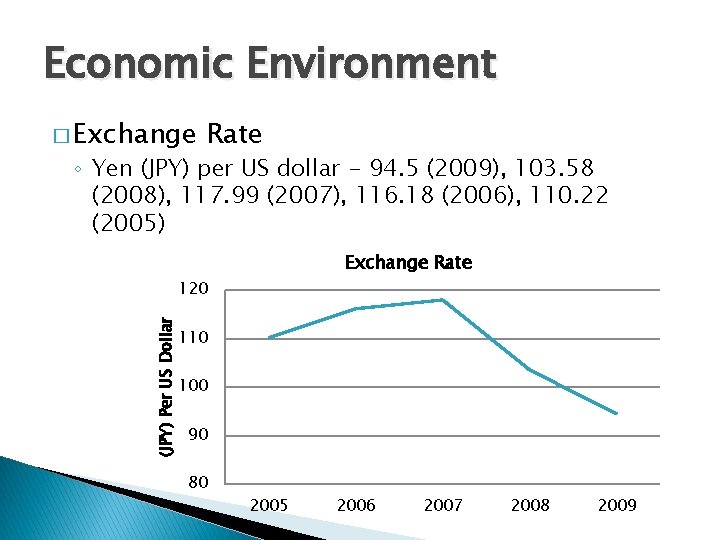
Economic Environment � Exchange Rate ◦ Yen (JPY) per US dollar - 94. 5 (2009), 103. 58 (2008), 117. 99 (2007), 116. 18 (2006), 110. 22 (2005) Exchange Rate (JPY) Per US Dollar 120 110 100 90 80 2005 2006 2007 2008 2009
Economic Environment- Economic Indicators � Budget ◦ revenues: $1. 756 trillion ◦ expenditures: $2. 135 trillion (2009 est. ) � Public Debt ◦ 189. 3% of GDP (2009 est. ) ◦ 172. 1% of GDP (2008 est. ) � “Japan's huge government debt, estimated to have reached 192% of GDP in 2009, and an aging and shrinking population are two major long-run problems. ” (CIA World Factbook)
Financial System � Japan’s financial system is comparable to that of most other industrialized nations, and includes the following: ◦ A commercial banking system ◦ Specialized government-owned financial institutions ◦ Securities companies ◦ Capital markets and money markets (Japan Commercial Guide)
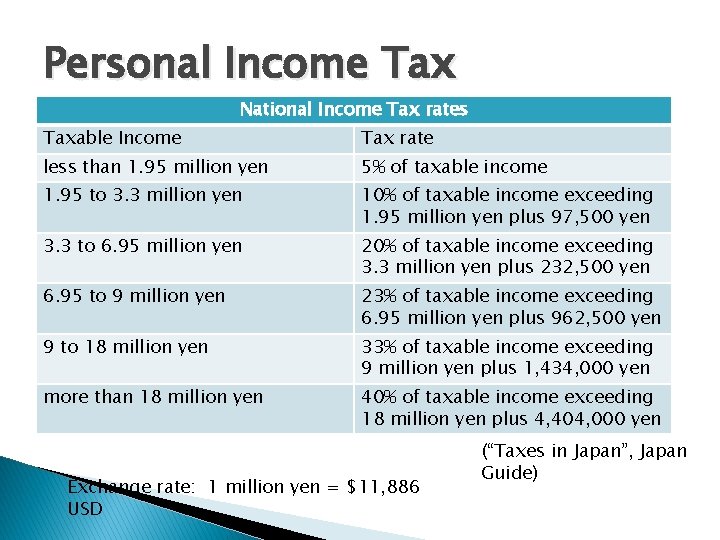
Personal Income Tax National Income Tax rates Taxable Income Tax rate less than 1. 95 million yen 5% of taxable income 1. 95 to 3. 3 million yen 10% of taxable income exceeding 1. 95 million yen plus 97, 500 yen 3. 3 to 6. 95 million yen 20% of taxable income exceeding 3. 3 million yen plus 232, 500 yen 6. 95 to 9 million yen 23% of taxable income exceeding 6. 95 million yen plus 962, 500 yen 9 to 18 million yen 33% of taxable income exceeding 9 million yen plus 1, 434, 000 yen more than 18 million yen 40% of taxable income exceeding 18 million yen plus 4, 404, 000 yen Exchange rate: 1 million yen = $11, 886 USD (“Taxes in Japan”, Japan Guide)
Capital gains and Corporate Taxation � Capital gains ◦ are taxed at a standard rate of 20%. (Japan Commercial Guide) � Corporate Tax ◦ “The country's effective corporate tax rate is about 40%, compared with an international average of 25% to 30%” (WSJ)
The Tokyo Stock Exchange It is the second largest stock exchange in the world behind the New York Stock Exchange. � The exchange was established on May 15, 1878 and issued government bonds to former samurai. � By the 1920 s, when Japan experienced rampant growth in their economy, trading stocks over bonds, gold, and silver currencies became the norm. � The exchange was shut down in 1945 and reopened in 1949 under the guidance of American authorities after World War II. � Today, the TSE currently lists 2, 375 domestic companies and 27 foreign companies. � The TSE accounts for 90. 6% of all securities transactions in Japan, dwarfing its rivals, The Osaka Stock Exchange (4. 2%) and The Nagoya Stock Exchange (0. 1%). �

Key Products or Business Segments � “among world's largest and technologically advanced producers of motor vehicles, electronic equipment, machine tools, steel and nonferrous metals, ships, chemicals, textiles, processed foods” (CIA Factbook)
Opportunities • Healthcare IT, Nanotechnology, Senior Market, Biotechnology , Aerospace, Computer Software, Cosmetics, Education and Corporate Training, Electronic Components, Medical Equipment, Pharmaceuticals, Renewable Energy, Safety and Security, Soil Remediation/ Engineering Services, Telecommunications Equipment, Travel and Tourism. (Japan Commercial Guide)
Imports � $499. 7 billion in total imports in 2009 (CIA Factbook) � Major import commodities: ◦ Machinery and equipment, fuels, foodstuffs, chemicals, textiles, raw materials (CIA Factbook) � Import partners (2009): ◦ China 22. 2%, US 10. 96%, Australia 6. 29%, Saudi Arabia 5. 29%, UAE 4. 12%, South Korea 3. 98%, Indonesia 3. 95% (CIA Factbook)
Imports from United States � Top ◦ ◦ ◦ imports from United States 2009: Automobiles… $24 Billion Automobile Parts and Accessories … $6. 2 Billion Computers … $5. 2 Billion Industrial Machinery … $5 Billion Electric Apparatus and Parts … $3 Billion (US Census)
Exports � $542. 3 Factbook) � Major billion in total exports in 2009 (CIA export commodities: ◦ Transport equipment, motor vehicles, semiconductors, electrical machinery, chemicals Factbook) � Export Partners (2009): ◦ China 18. 88%, US 16. 42%, South Korea 8. 13%, Taiwan 6. 27%, Hong Kong 5. 49% (CIA Factbook) (CIA
Exports into the United States � Top ◦ ◦ ◦ exports to United States 2009: Civilian Aircraft ~ $4. 2 Billion Corn ~ $2. 8 Billion Medical Equipment ~ $2. 8 Billion Pharmaceuticals ~ $2. 5 Billion Meat, Poultry, etc. ~ $2. 1 Billion (US Census)
Standard of Living � Using the Human Development Index (HDI), which provides a composite measure based on three basic dimensions of human development: health, education and income, Japan ranks 11 th out of 169 countries with comparable data. (“Japan: HDI”)
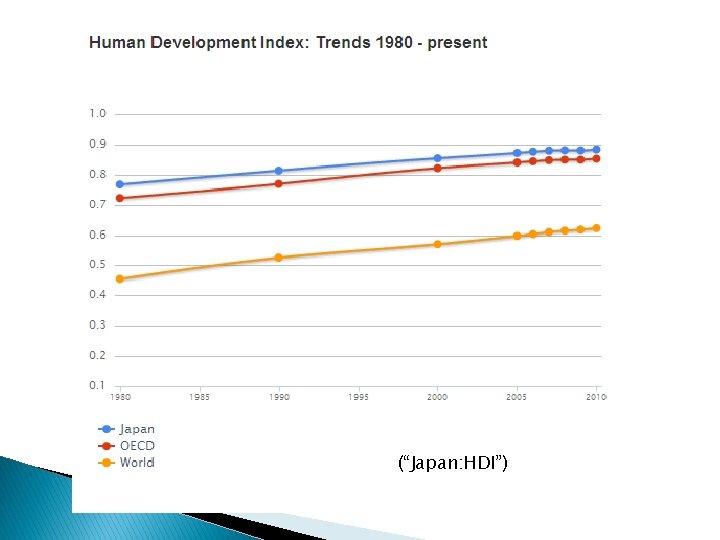
(“Japan: HDI”)
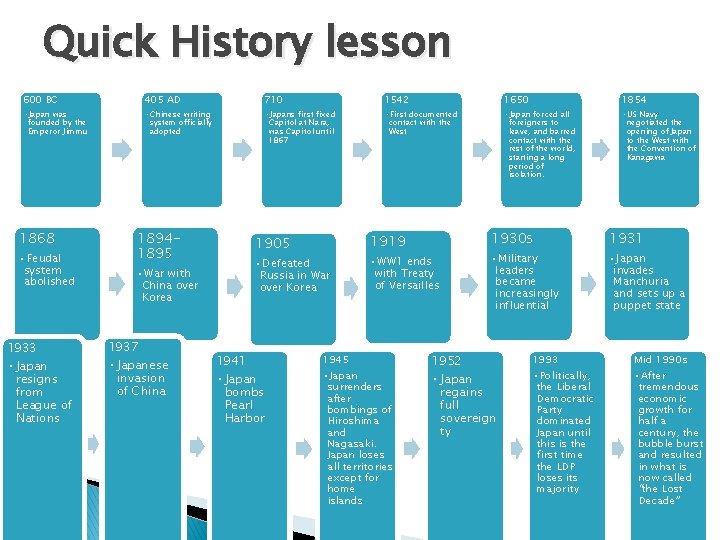
Quick History lesson 600 BC 405 AD • Japan was • Chinese writing founded by the Emperor Jimmu 1868 • Feudal system abolished 1933 • Japan resigns from League of Nations 710 • Japans first fixed system officially adopted Capitol at Nara, was Capitol until 1867 18941895 1905 1937 • Japanese invasion of China 1941 • Japan bombs Pearl Harbor 1650 • First documented • Japan forced all contact with the West • WW 1 ends with Treaty of Versailles 1945 • Japan surrenders after bombings of Hiroshima and Nagasaki. Japan loses all territories except for home islands foreigners to leave, and barred contact with the rest of the world, starting a long period of isolation. 1930 s 1919 • Defeated Russia in War over Korea • War with China over Korea 1542 1952 • Military leaders became increasingly influential • Japan regains full sovereign ty 1993 • Politically, the Liberal Democratic Party dominated Japan until this is the first time the LDP loses its majority 1854 • US Navy negotiated the opening of Japan to the West with the Convention of Kanagawa 1931 • Japan invades Manchuria and sets up a puppet state Mid 1990 s • After tremendous economic growth for half a century, the bubble burst and resulted in what is now called “the Lost Decade”
Current Events � After half a century of nearly uninterrupted control of government by the Liberal Democratic Party, the Democratic Party of Japan now has power in one of the houses. This splits the power between the LDP and DPJ parties, which many hope will lead to a more representative government. (Funabashi) � “Japan stepped up surveillance on North Korea on Sunday as South Korea and the United States kicked off a joint naval exercise in the Yellow Sea just days after a small South Korean border island was shelled by Pyongyang. ” (Japan times)
Type of Government � Classified as a Constitutional Monarchy. It is very similar to the United States political system with 3 branches: Executive, Judicial, and Legislative. Also similar to the US, the legislative branch is bicameral. (CIA Factbook)
Civil Liberties � According to the Constitution of Japan, Citizens have a wide range of civil rights and liberties hard to distinguish from those enjoyed by American citizens. (Constitution of Japan) � Ex: Article 13. All of the people shall be respected as individuals. Their right to life, liberty, and the pursuit of happiness shall, to the extent that it does not interfere with the public welfare, be the supreme consideration in legislation and in other governmental affairs. (Constitution of Japan)
Amnesty International on Japan � Primarily focused on the treatment of prisoners. The ongoing practice of executing convicted criminals is a major concern of AI, with 15 executions being carried out in 2008 and over 100 still on death row. � AI also has issues with the quality of healthcare afforded to prisoners of the state. � Other issues involve the pre-trial detention practices, whereby suspects may be held as long as 23 days with limited access to a lawyer, and the ill-treatment of refugee and asylum seekers. (“Japan | Amnesty International”)
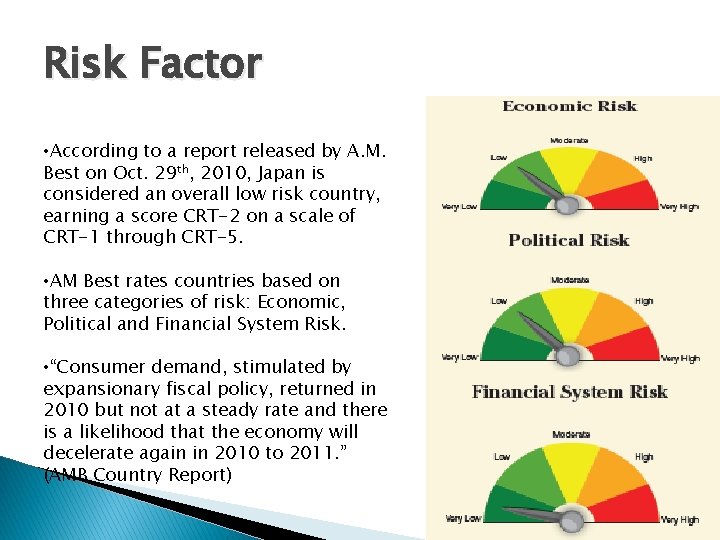
Risk Factor • According to a report released by A. M. Best on Oct. 29 th, 2010, Japan is considered an overall low risk country, earning a score CRT-2 on a scale of CRT-1 through CRT-5. • AM Best rates countries based on three categories of risk: Economic, Political and Financial System Risk. • “Consumer demand, stimulated by expansionary fiscal policy, returned in 2010 but not at a steady rate and there is a likelihood that the economy will decelerate again in 2010 to 2011. ” (AMB Country Report)
Legal System � “Modeled after European civil law systems with English-American influence; judicial review of legislative acts in the Supreme Court; accepts compulsory ICJ jurisdiction with reservations. ” (CIA Factbook) � “To ensure fair judgments, the Japanese judicial system allows a case to be heard and ruled on up to three times in principle, should either party involved in the case so desire. The first courts in the court hierarchy are the District Courts, the second being the High Courts and the highest court being the Supreme Court. ” (SHJ)
Innovations in the Legal System new saiban-in (lay judge) system began in May 2009. This is a system under which citizens participate in criminal trials as judges to determine, together with professional judges, whether the defendant is guilty or not and, if found guilty, what sentence should apply. ” (SHJ) � “A
Relation to Business � “Japan Corporation Tax Act ("CTA') classifies corporation in two types: domestic and foreign corporations. A domestic corporation is defined as a legal entity with its head office located in Japan. Any other corporation is classified as foreign corporation. ” (“Taxation of Corporations in Japan”)
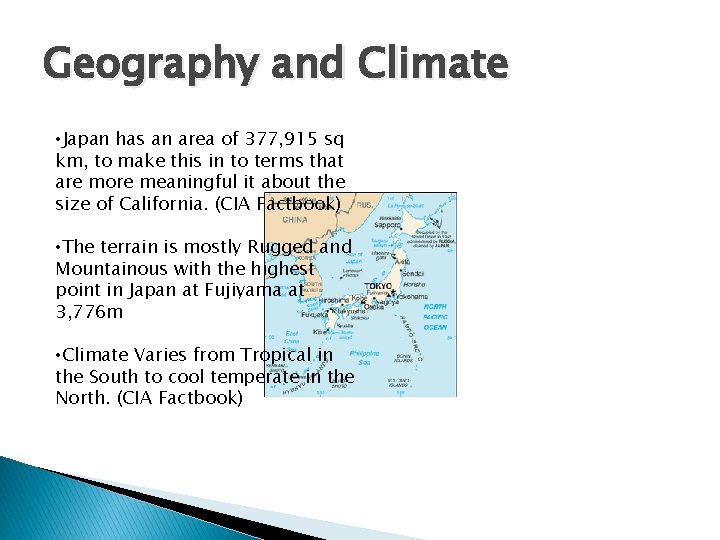
Geography and Climate • Japan has an area of 377, 915 sq km, to make this in to terms that are more meaningful it about the size of California. (CIA Factbook) • The terrain is mostly Rugged and Mountainous with the highest point in Japan at Fujiyama at 3, 776 m • Climate Varies from Tropical in the South to cool temperate in the North. (CIA Factbook)
Environmental Conditions � The 2010 Environmental Performance Index (EPI) ranks 163 countries on 25 performance indicators tracked across ten policy categories covering both environmental public health and ecosystem vitality. Japan scored a 72. 5 out of a 100 and ranked 20 th out of the 163 countries. The United States in comparison scored a 63. 5 coming in 61 st place. (“EPI: 2010”)
Key Environmental Challenges � “Air pollution from power plant emissions results in acid rain; acidification of lakes and reservoirs degrading water quality and threatening aquatic life; Japan is one of the largest consumers of fish and tropical timber, contributing to the depletion of these resources in Asia and elsewhere” (CIA Factbook)
Response to Environmental Problems � In an effort to combat global warming Japan adopted the Kyoto Protocol. This Protocol commits all nations involved to steadily reducing their greenhouse gas emissions. (“Kyoto Protocol”) � Japan is also a member of numerous international environmental agreements including: Antarctic. Environmental Protocol, Antarctic-Marine Living Resources, Antarctic Seals, Antarctic Treaty, Biodiversity, Climate Change. Kyoto Protocol, Desertification, Endangered Species, Environmental Modification, Hazardous Wastes, Law of the Sea, Marine Dumping, Ozone Layer Protection, and Ship Pollution. (CIA Factbook)
Key Advantages in the Eyes of Foreign Business � Japan has a market of 127 million people, and is the second leading nation in GDP. The population is aging rapidly, which presents problems for Japan, but opportunities foreign direct investment. With an aging population and relatively few adolescents, there is an increase in disposable income. The risks involved in doing business in Japan are nearly as low as one can find among the industrialized nations; they have a stable economic, political, and financial system. Overall Japan is a country which urges strong consideration for investment.
Sociology � The traditional gender roles—men as breadwinners and women as homemakers—are only supported by only 40 to 50 percent of people (NHK 1994; Ministry of Public Management 1995). Among younger couples, more flexible gender roles are becoming popular. Although attitudes are changing, actual behaviors are not: Japanese men do only twenty to thirty minutes' worth of domestic work per day, while women spend three and a half hours in household chores. Husbands and wives report very little communication and conversation, as little as ten to fifteen minutes per day. The writer Iku Hayashi first coined the term kateinai rikon (domestic divorce) in 1983 to describe this situation. It means that there is no conversation, communication, and sexual relations between a husband wife, but they do not divorce. Roles for mothers and fathers are segregated. Childcare is regarded as the mother's responsibility; the father's domestic role is limited to small household repairs and playing with children on weekends. Full-time working wives also have the burden of housekeeping without help. Domestic help is not popular in Japan. When women need help in housekeeping work and childcare, their mothers help them, and working mothers prefer living close to their mothers' house for this reason. Husbands and wives call each other father and mother, even when children are not around. Japanese couples regard parental roles as more important than couple roles when they have children Parents are typically More strict � http: //family. jrank. org/pages/984/Japan-Gender-Roles. html#ixzz 14 zs 63 w. Jm � � �
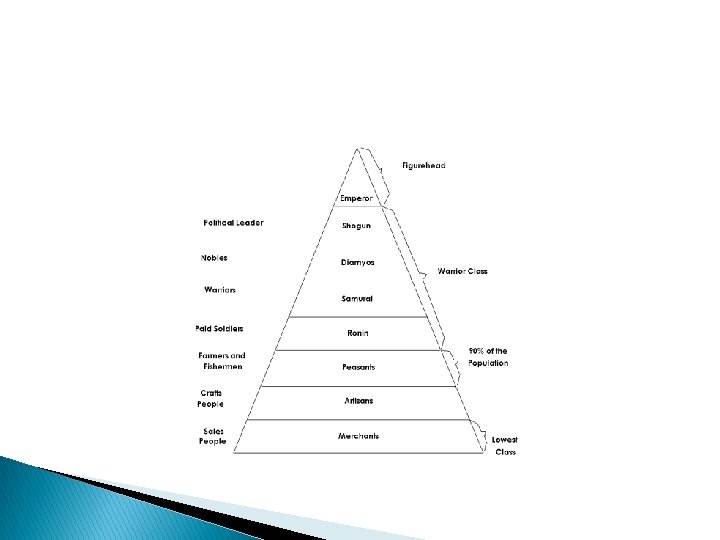
Class Structure � Between the 12 th and 19 th centuries Japan had a 4 tier class system including the Samurai Class, Peasants, Artisans, and Merchants.
Religion � What does religious and religion mean? � Shinto and Buddhism are the major religions in Japan. Many people practice both. However overall religion doesn’t play an important role in every day life. � A survey conducted by japan-guide. com found that 52% of participants felt that they belonged to no religion. 36% felt as though they were Buddhist, and both Shinto and Christianity represented 11%. � A survey conducted by Asahi Shimbun in 1995 found non-believers to be (63%), followed by Buddhists (26%), Shintoists (2%) and Christians (1%).
Education � � � Japanese schools up to Junior High School are almost exclusively public (less than 5% are privately owned and run). Until Junior High School, students study at the school in whose catchment area their home is located. However, senior high schools have overlapping catchment areas: this means that there is competition among schools for the best pupils in a particular area, and among pupils for places at the best schools. Over one-quarter of senior high schools are private, indicating the extent of the competition in the higher levels Japanese schooling: parents will pay substantial amounts for their children's educations. School attendance rate for the nine years of compulsory education is 99. 98%. More than 90% of all students graduate from high school and 40% from university or junior college. 100 % of all students complete elementary school and Japan is repeatedly said to have achieved 100% literacy and to have the highest literacy rate in the world since the Edo period. Some question overall effects of stress in education. 12 hour days are typical. http: //educationjapan. org/jguide/school_system. html
Leisure Activities
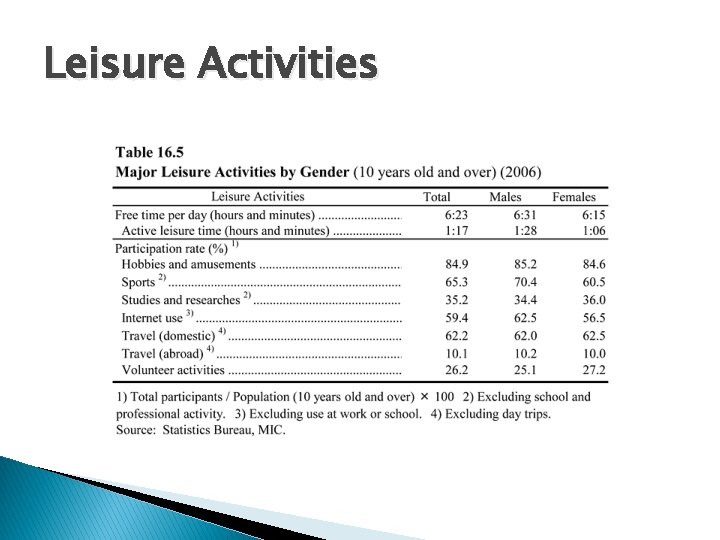
Interesting Leisure Trends � The number of people who participated in "Studies and researches" in the past year was 39, 980, 000; the participation rate was 35. 2%. � The majority of participants in "English language" studied for 1 day or more per week. � 74, 236, 000 people engaged in "Sports" in the past year, the participation rate was 65. 3%, decreasing by 6. 9 percentage points, compared to 5 years ago. � "Playing home use video games PC games" increased dramatically; "Karaoke", "Playing ‘Pachinko’" decreased over the past 2 decades.

Arts � Painting � Ceramics � Calligraphy � Sculpture � Ukiyo-e � Ikebana � http: //www. youtube. com/watch? v=08 c- t 0 eqg. U 0

Calligraphy
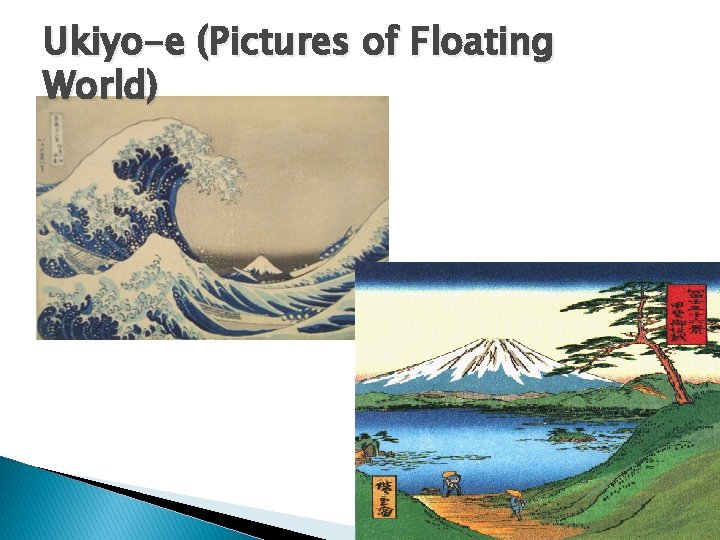
Ukiyo-e (Pictures of Floating World)
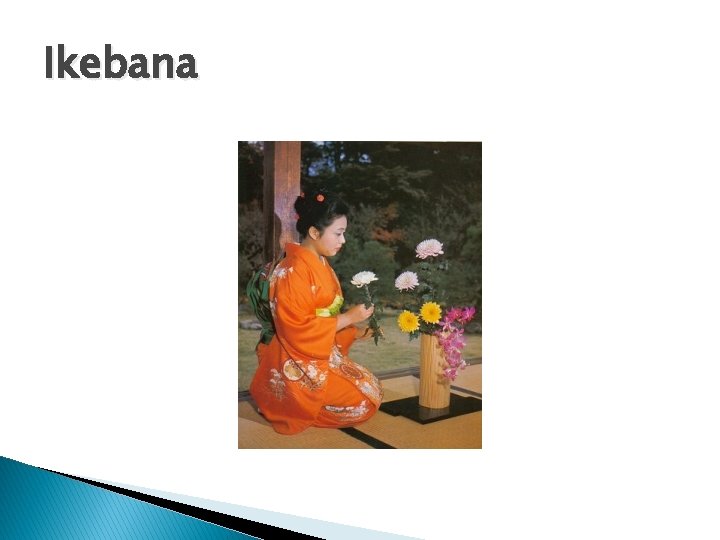
Ikebana
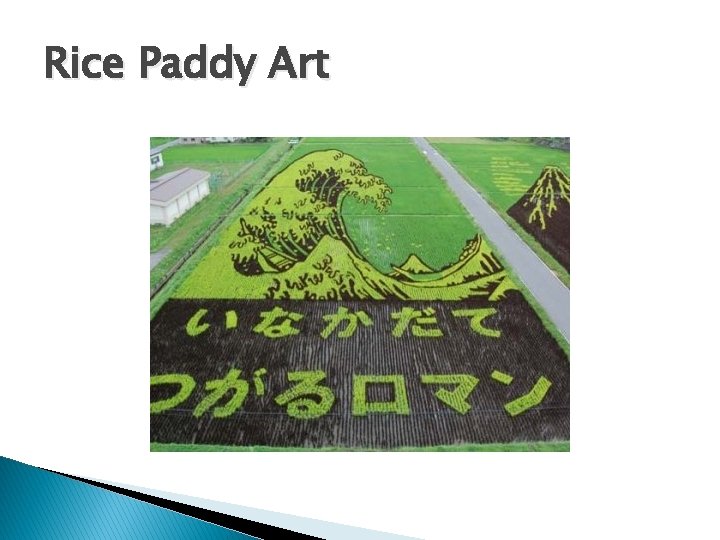
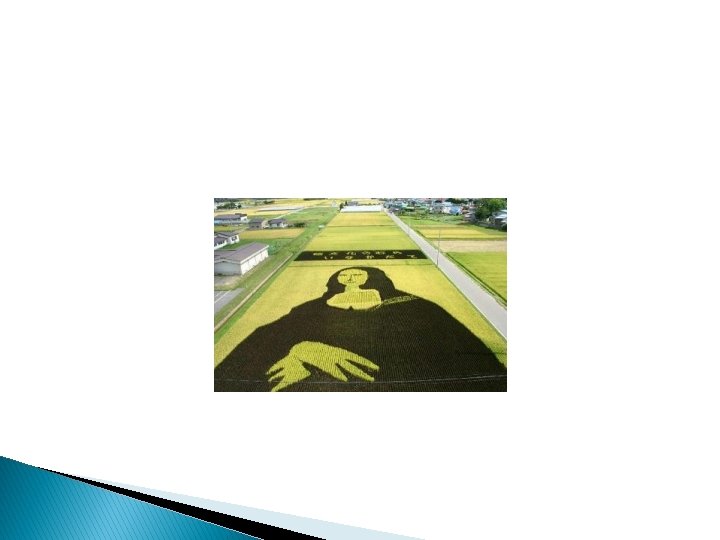
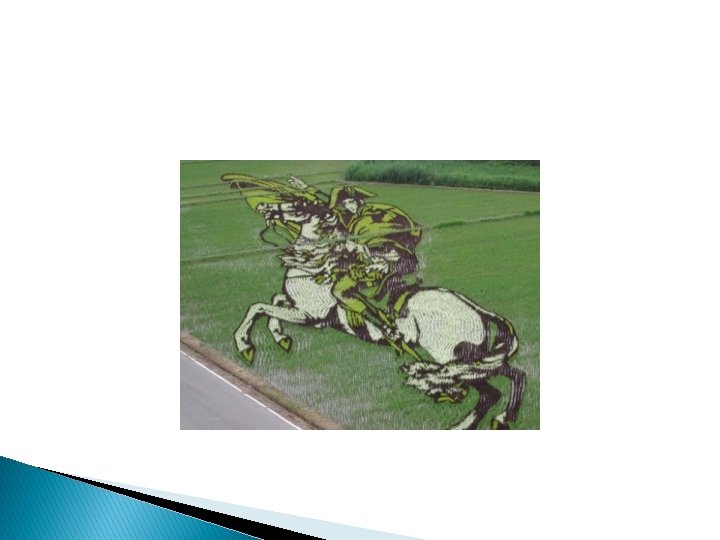
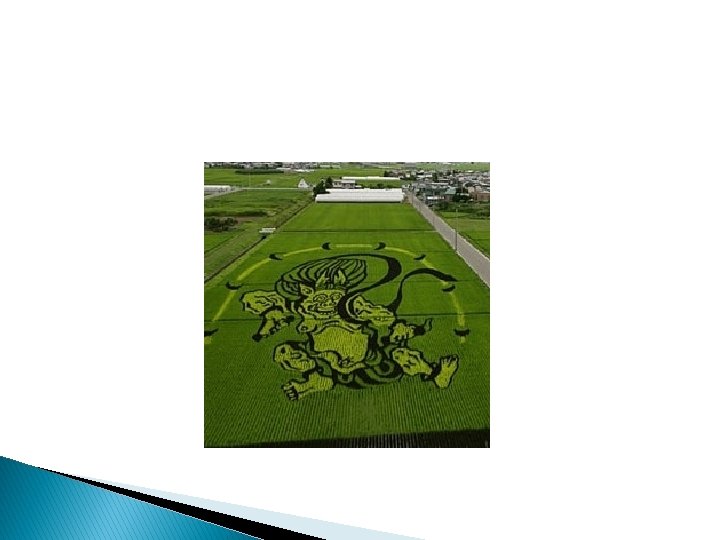
Rice Paddy Art
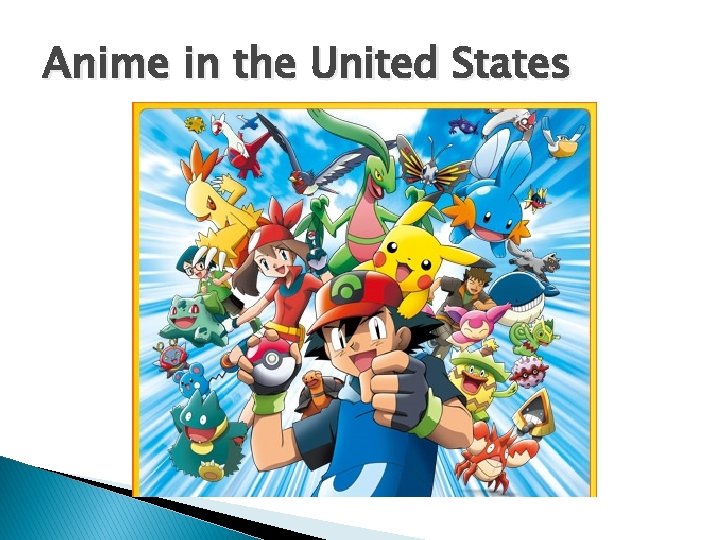
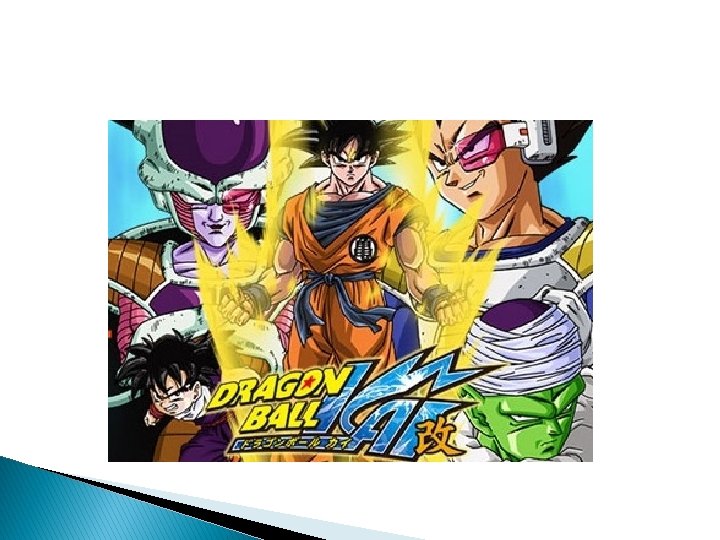
Anime in the United States
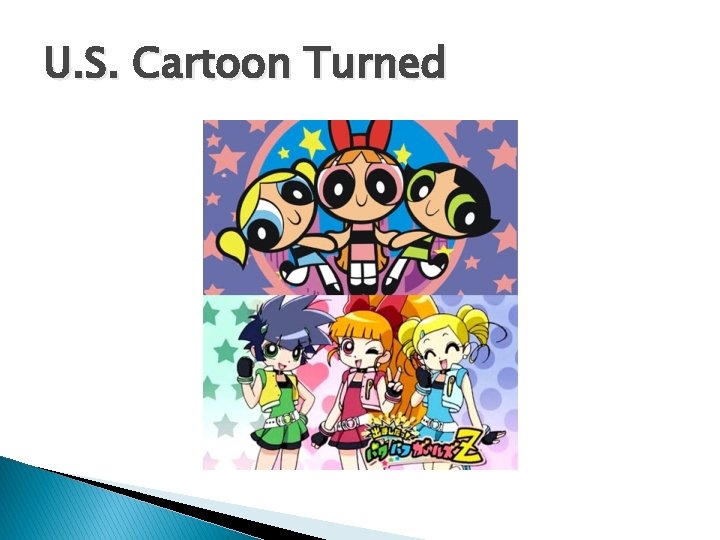
U. S. Cartoon Turned
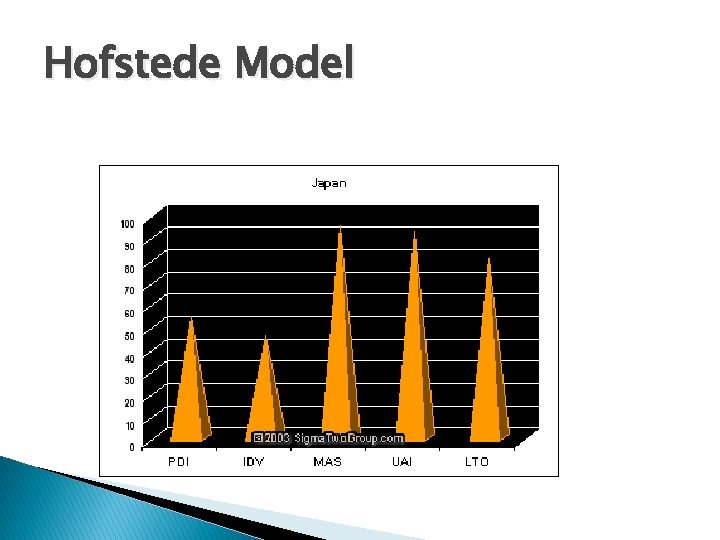
Hofstede Model
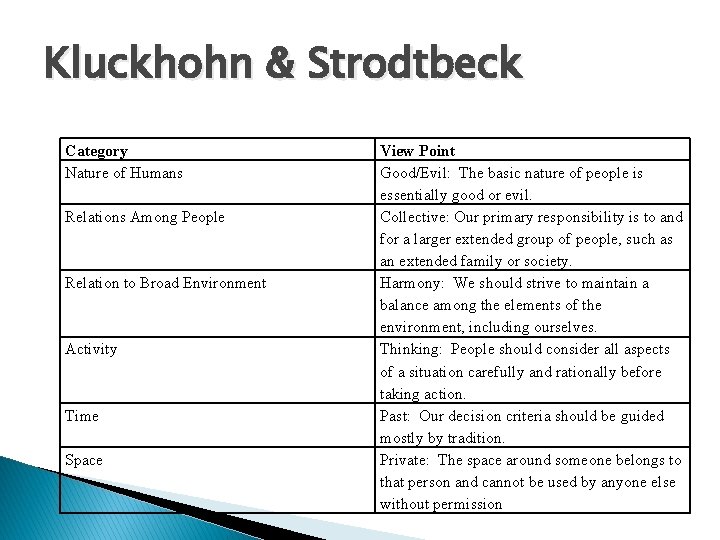
Kluckhohn & Strodtbeck Category Nature of Humans Relations Among People Relation to Broad Environment Activity Time Space View Point Good/Evil: The basic nature of people is essentially good or evil. Collective: Our primary responsibility is to and for a larger extended group of people, such as an extended family or society. Harmony: We should strive to maintain a balance among the elements of the environment, including ourselves. Thinking: People should consider all aspects of a situation carefully and rationally before taking action. Past: Our decision criteria should be guided mostly by tradition. Private: The space around someone belongs to that person and cannot be used by anyone else without permission
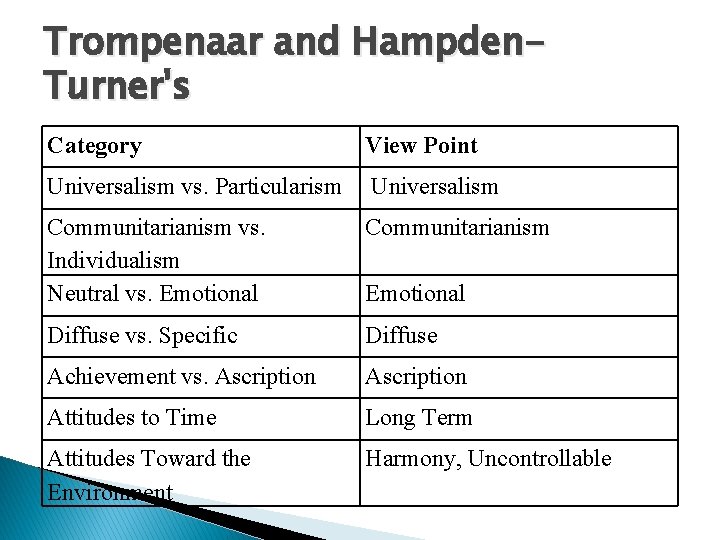
Trompenaar and Hampden. Turner's Category View Point Universalism vs. Particularism Universalism Communitarianism vs. Individualism Neutral vs. Emotional Communitarianism Diffuse vs. Specific Diffuse Achievement vs. Ascription Attitudes to Time Long Term Attitudes Toward the Environment Harmony, Uncontrollable Emotional
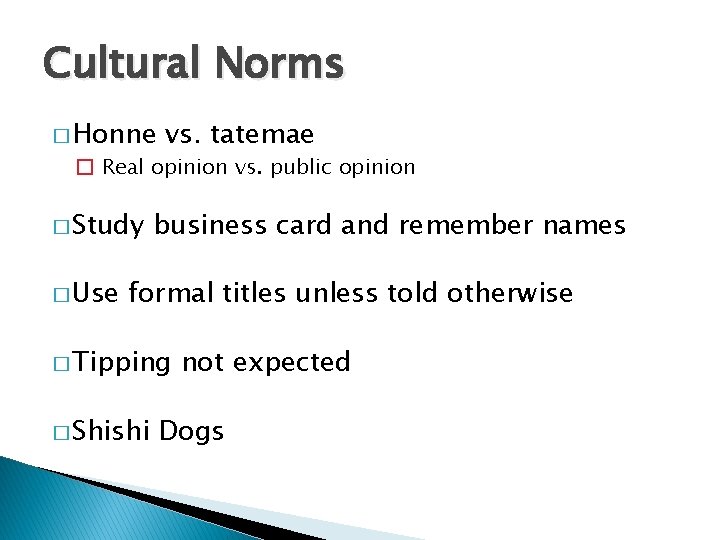
Cultural Norms � Honne vs. tatemae � Real opinion vs. public opinion � Study � Use business card and remember names formal titles unless told otherwise � Tipping � Shishi not expected Dogs
Gift Giving Related to Business � Gift giving is essential � One of the most important parts of the gift giving is the presentation of the gift. � It is important to tell them that you have a gift for them during the meeting, and not just surprise them with a gift. � The gift itself should not be too expensive.
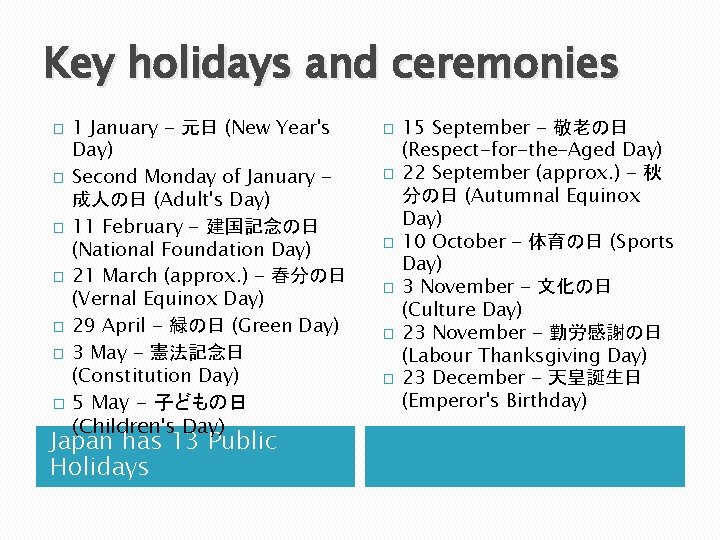
Key holidays and ceremonies � � � � 1 January - 元日 (New Year's Day) Second Monday of January 成人の日 (Adult's Day) 11 February - 建国記念の日 (National Foundation Day) 21 March (approx. ) - 春分の日 (Vernal Equinox Day) 29 April - 緑の日 (Green Day) 3 May - 憲法記念日 (Constitution Day) 5 May - 子どもの日 (Children's Day) Japan has 13 Public Holidays � � � 15 September - 敬老の日 (Respect-for-the-Aged Day) 22 September (approx. ) - 秋 分の日 (Autumnal Equinox Day) 10 October - 体育の日 (Sports Day) 3 November - 文化の日 (Culture Day) 23 November - 勤労感謝の日 (Labour Thanksgiving Day) 23 December - 天皇誕生日 (Emperor's Birthday)
Communication � Language spoken � Business language � Conflict Style � Verbal cues are essential to understanding true meaning of the conversation.

Meeting Time: 3: 00 p. m.
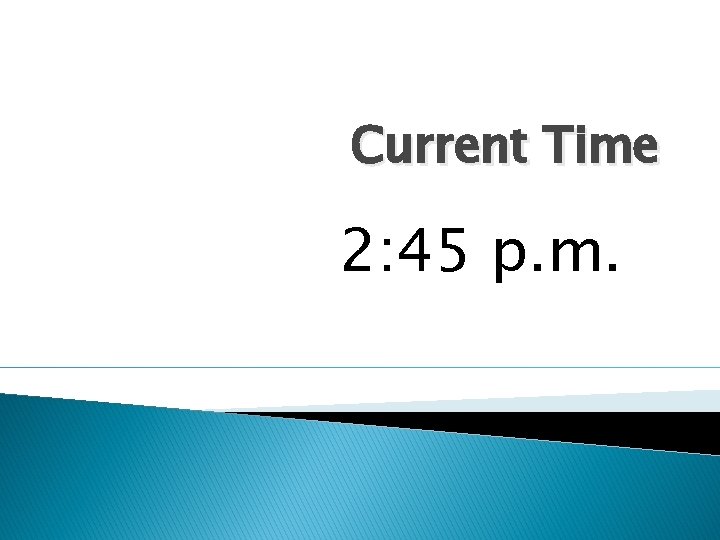
Current Time 2: 45 p. m.

3: 00 p. m.

What Went Wrong?
Meeting Times � Japanese businessmen arrive at meetings earlier than the time agreed upon. They also expect the same from the other participants. � Japanese meetings (especially negotiations) typically take longer than U. S. transactions.
Greetings � Meishi, the exchange of business cards is very important. � Take their card with both hands and bow at waist not head. � Examine card and remember the name and title of the individual. � U. S. members should have translation in Japanese on back of their card.
Starting � U. S. businessmen must remember not to get straight to the point. Japanese associates like to participate in small talk and build relationships.
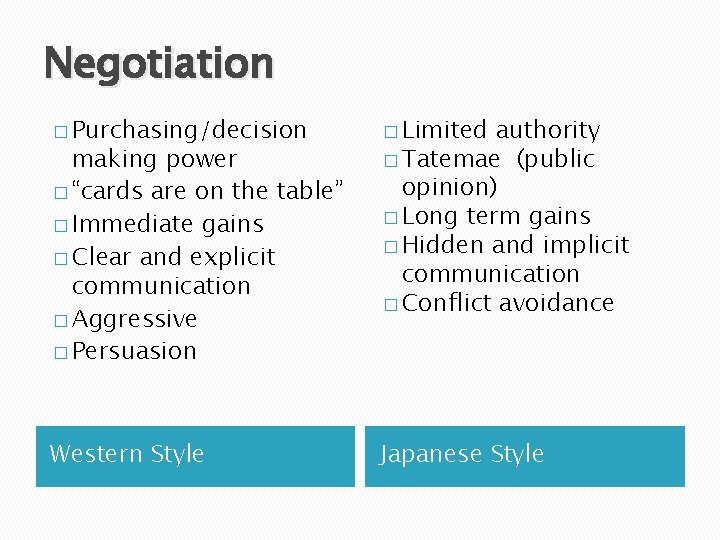
Negotiation � Purchasing/decision � Limited Western Style Japanese Style making power � “cards are on the table” � Immediate gains � Clear and explicit communication � Aggressive � Persuasion authority � Tatemae (public opinion) � Long term gains � Hidden and implicit communication � Conflict avoidance
Negotiations Continued � Japanese seldom concede position � Expect everyone to come to the table with their best offer. � Do not see contracts as final, so they can be renegotiated. � Prefer broad agreements and flexibility.
Closing � Silence is not a deal breaker, let Japanese associates think, and wait for a response. � As a result of avoidance of conflict and language barrier, they may seem to be agreeing while actually just acknowledging they understand what you are saying. � Some Japanese people close their eyes to listen intently.
Phrasing Questions � Japanese people tend to say “yes” even when they mean no. � If you sense this is occurring phrase questions in a way that allows them to say “yes. ” � Do you disagree with this?
Take Away � First meeting is typically about building a relationship. � Trading business cards is important a doing so correctly starts the meeting off on a good note. � Remember differences in styles. � Silence is not always bad.

Work Cited Chrystel, Dir. Negotiating With Japanese Companies. 2010, Film. <http: //www. youtube. com/watch? v=UHTZc. O x. Aje 8&feature=player_embedded>. � Marincich,
Business Environment • • • Technology Distribution Structure Ethics Business Relationships Impression of American
Technology Japan is one of the leading nations in the fields of scientific research, particularly technology, machinery and biomedical research. Japan has a large industrial capacity and is home to some of the largest, leading and most technologically advanced producers. Japanese consumer electronics industry is one of the most prominent industries
Distribution Structure � Consumers’ practice of purchasing goods in small lots and at frequent intervals. � The fact that the majority of small-sized retail stores are run as family businesses � Preferential stores tax treatments granted to these retail � the existence of legal restraints on large-scale retail stores. � the role performed by these stores as a meeting place for neighborhood residents.
Business Ethics � The Ethics of Diligence and Self-Actualization � The Ethics of the Group � The ethics of reciprocity
Other Business Ethic � Japanese are very loyal to their superiors and this determines a certain restraint towards those who do not belong to the company they work for. � The people who is good at maintaining harmony is likely to be promoted. � Two persons that have the same profession, cannot even be taken into consideration.
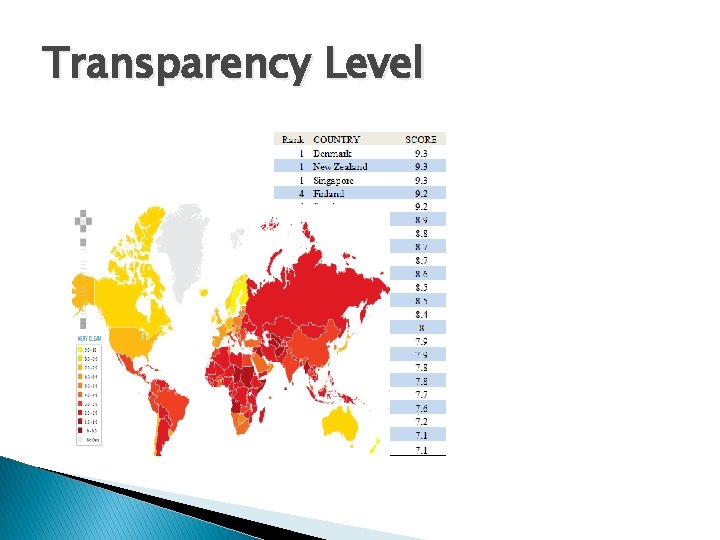
Transparency Level
Business Relationships � Business relationship is most important in Japan. Most of Japanese business based on personal, tight and previously established relations. � A mutually beneficial distributor-supplier relationship will entail an exchange of valuable commercial information. � Adaptations and improvements will be a necessary element for capturing or keeping market share and will strengthen the supplier-customer relationship. � Face-to-face contact is the best way to pursue business relationships
Impression of Americans � The majority of Japanese still believe that the Caucasian-American controls everything and the African American is a semi-slave. � Individualism � House, big cars, junk food lifestyle, � Activities don’t have as much rules as in Japan.
Management Aspect � Typically management style � Typical leadership style � Decision making process � Primary means of motivating employees � Common type of organization structure � Women in Business in Japan
Hiring practices and preferences � Some major Japanese companies use as lifetime employment and seniority to compete in an increasingly global business environment. � Most employees will not ask for salaries that are significantly higher than others with comparable responsibilities. � In some cases, Japanese companies may pay a higher salary to a foreigner depending on his or her expertise and the job.
Compensation structure (1)Bonous (2)Incentive system (3)Employee share ownership schemes
Wage The Big Mac Index shows that Japanese workers get the highest salary per hour in the world üReceiving salaries in 14 equal parts, 12 of which are paid monthly and the other two in June. üAdditional bonuses are paid to employees in the form of extra payments in early December. üForeign employees may be paid on the Western system of 12 months' pay plus a bonus. üCompanies encourages employees to save money for such things such as large consumer purchases, children's education, or buying a house. üthe minimum wage for a foreigner on a full time visa would be 250, 000 or roughly $2, 500 USD a month or roughly $30, 000 a year.
Advancement practices � The Japanese philosophy is that only the company in which the human relations are good will succeed in while the one with bad human relations will go bankrupt. � The seniority system still dominates the pay scale in Japan, even though some major companies are trying to reverse this trend slowly.
Key employment laws The Labor Standards Law was first enacted in 1947 and has since been amended several times. on 1 April 2010. The Labor Contract Law was enacted in 2007 and came into effect on 1 March 2008. It codifies important principles of employment contracts, most of which were historically based on court precedents. Special Labor Laws and Working Conditions Equal Employment Opportunities for Women
Benefits for employees � � Benefits generally fall into several categories: housing, transportation, special family allowances, vacation, sick leave, pension and health benefits. Single employees may be offered dormitory housing, and there may be travel allowances for commuting to and from the office. There may also be special family allowances, rental benefits, expenses for business trips, and allowances for relocation. The amount of each of these kinds of benefits is determined by the employee’s level in the company (seniority, title responsibilities) or, in some cases, by whether the employee has an ownership position in the company. Vacation Sick leave. Many companies require a doctor’s report if an employee is to use more than three days of sick leave.
Appropriate business dress � Japanese business attire must be formal. � Wear dark suits (navy or black) with white shirt and subdued tie from October - April and gray suit from May - September. � Wear half-sleeve shirts during the summer months. � Japanese men typically have well groomed short hairstyles. � Do not wear black suit, white shirt and black tie because that is funeral attire. � Business cards are as important as formal affaire.
Work schedule The typical Japanese workweek is Monday through Friday, 9: 00 a. m. to 5: 00 p. m. lunch break is between 12: 00 pm and 1: 00 p. m. sharp.
Business meeting behavior � Dressing � seating arrangement � Taking notes � Business Cards � Gifts are always appreciated
Dos and don’ts � Do not think quietness as an indication that an individual is not knowledgeable. The Japanese are apt to remain silent � Do not make inappropriate comments in English and think they could not understand. � Be patient with non-native English speakers, and do not interrupt. � Remember to carry your Japanese business cards! � Do not blow your nose in a public place (including meeting rooms). � Do not grab your host's hand when first meeting and give it a hearty shake � Never make derogatory remarks about anyone, including your competitors and own employees.
Interviews � Ken Murakami -Waseda University � Taught in English � Worked before attending MBA � Says MBA in Japan is not as popular (saught after) as it is in U. S. � Yohei Takagi -Tokyo University of Science � Worked for JASTEC, an IT company for six � Wants more growth potential, opportunities abroad
Interviews � Chieko Mitome- Meiji University � Mother of three � Worked for a while, quit to raise family � Now single mother, got MBA to support family (more marketable) � Naoki Matsuoka- Nagoya University � Company sponsored MBA � Worked prior to obtaining MBA (6 years) � Wants to improve his own knowledge and that of others
- Slides: 96