
Japan Political Culture 1 2 3 4 5
- Slides: 36
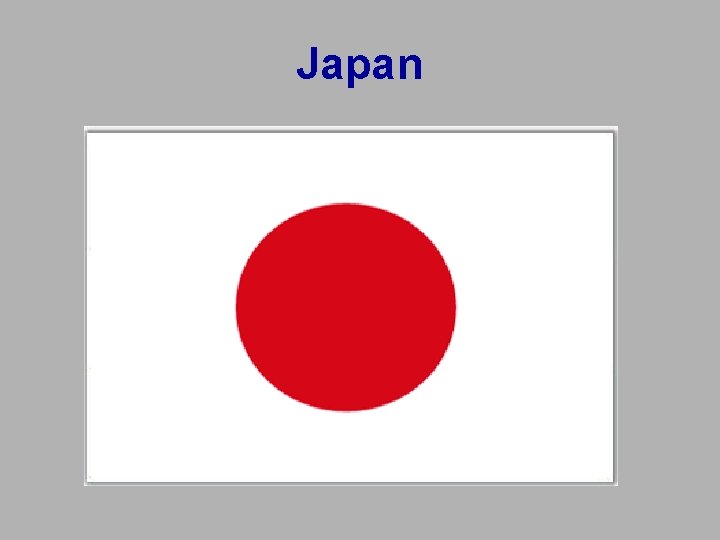
Japan
Political Culture 1. 2. 3. 4. 5. 6. 7. 8. 9. Homogeneity Uniqueness Isolation Borrowing Geography Communitarian Adaptability/Organizational skills Emperor Power is behind the scenes
1. Homogeneity • 98% Japanese • Korean and Chinese minority • Status of Burakumin
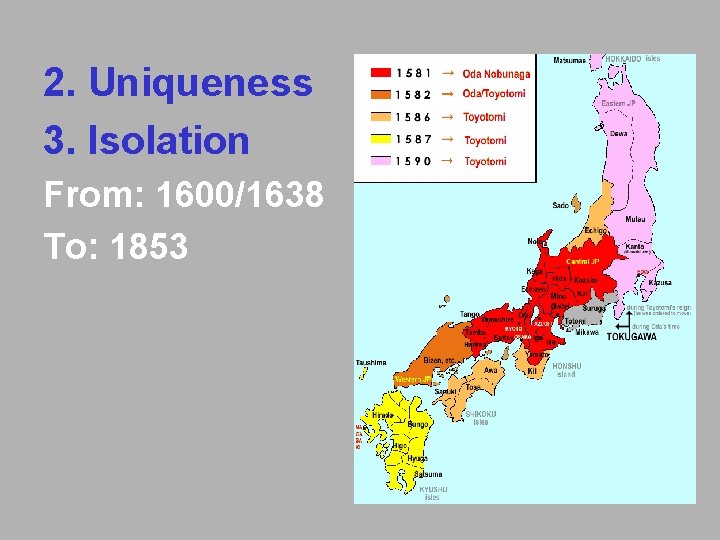
2. Uniqueness 3. Isolation From: 1600/1638 To: 1853
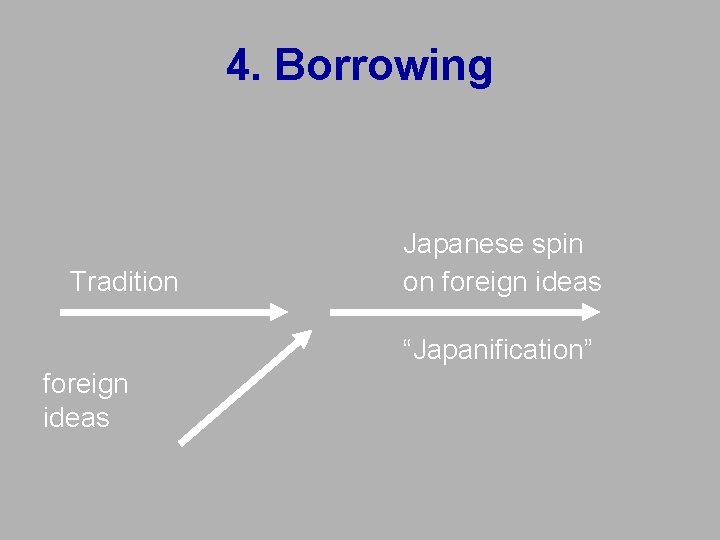
4. Borrowing Tradition Japanese spin on foreign ideas “Japanification” foreign ideas
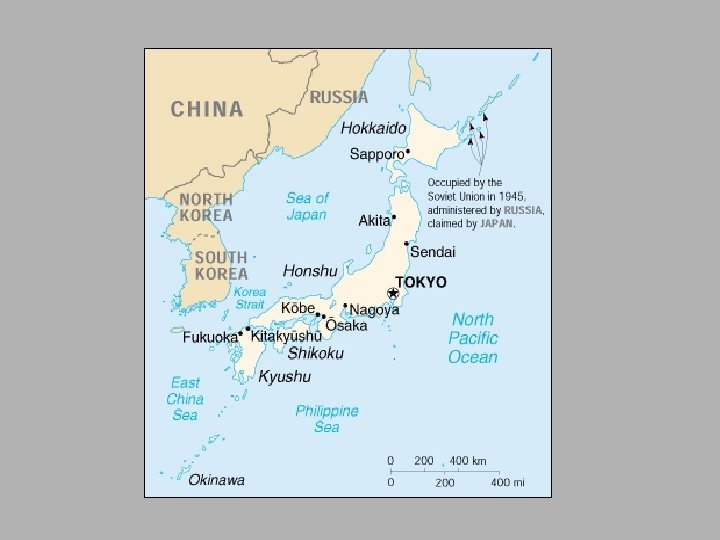
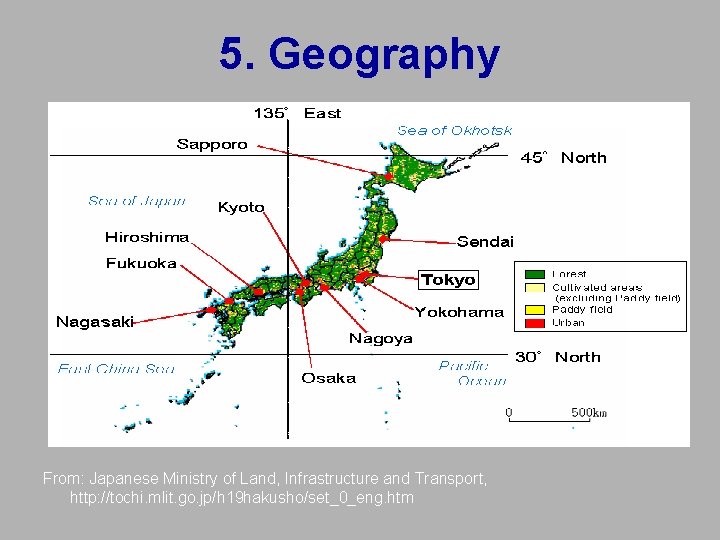
5. Geography From: Japanese Ministry of Land, Infrastructure and Transport, http: //tochi. mlit. go. jp/h 19 hakusho/set_0_eng. htm
6. Communitarian Individualistic? “The squeaky wheel gets the grease. ” Communitarian? “The nail that sticks up gets hammered down. ” The role of geography and economics
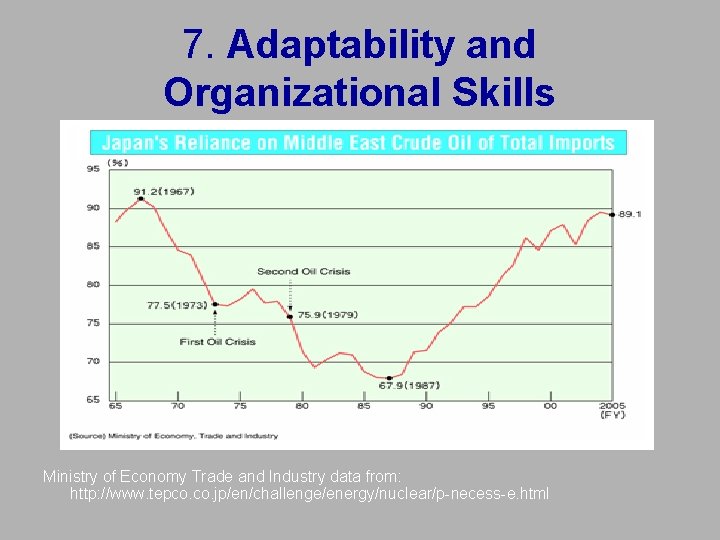
7. Adaptability and Organizational Skills Ministry of Economy Trade and Industry data from: http: //www. tepco. jp/en/challenge/energy/nuclear/p-necess-e. html
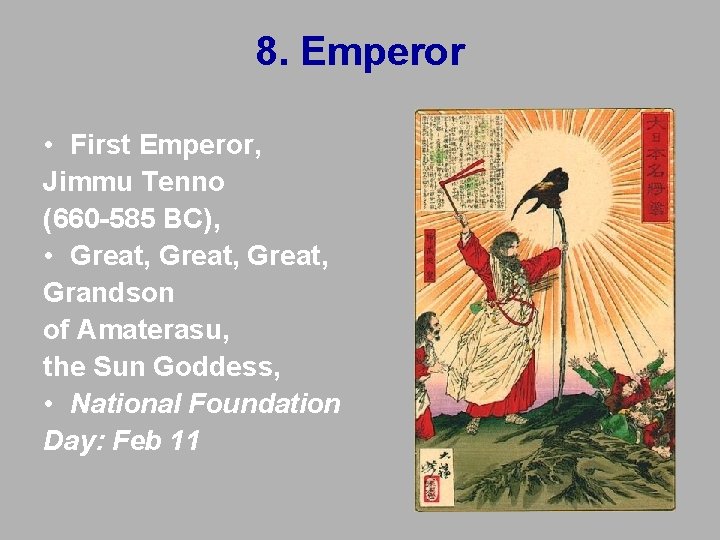
8. Emperor • First Emperor, Jimmu Tenno (660 -585 BC), • Great, Grandson of Amaterasu, the Sun Goddess, • National Foundation Day: Feb 11
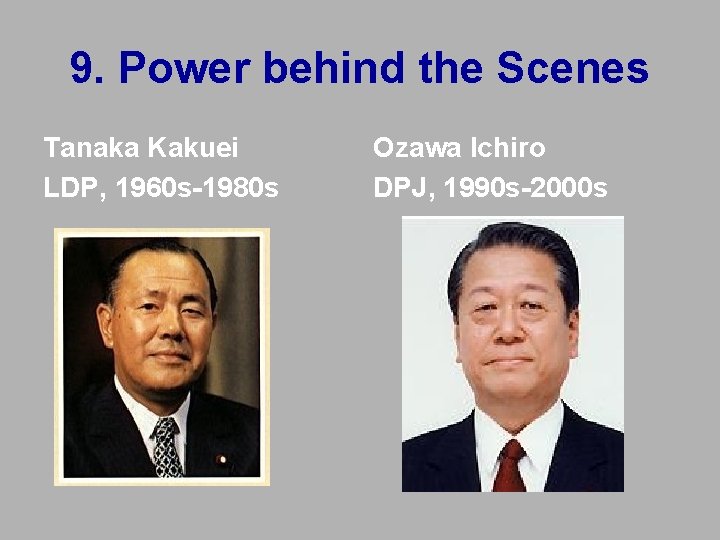
9. Power behind the Scenes Tanaka Kakuei LDP, 1960 s-1980 s Ozawa Ichiro DPJ, 1990 s-2000 s
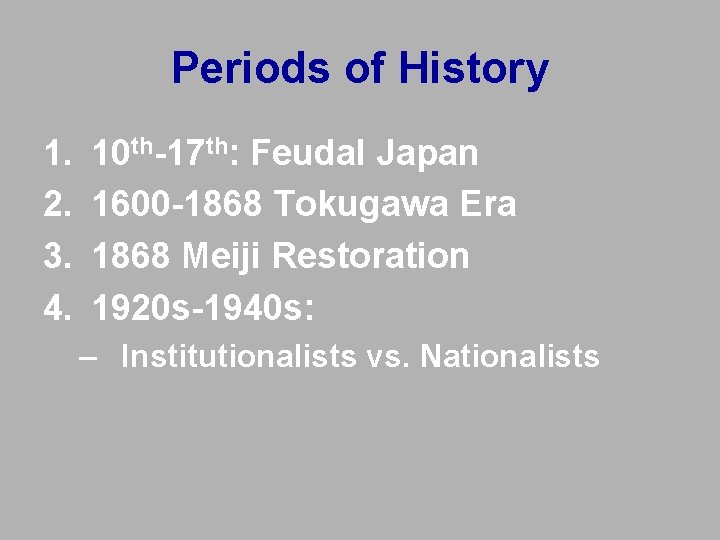
Periods of History 1. 2. 3. 4. 10 th-17 th: Feudal Japan 1600 -1868 Tokugawa Era 1868 Meiji Restoration 1920 s-1940 s: – Institutionalists vs. Nationalists
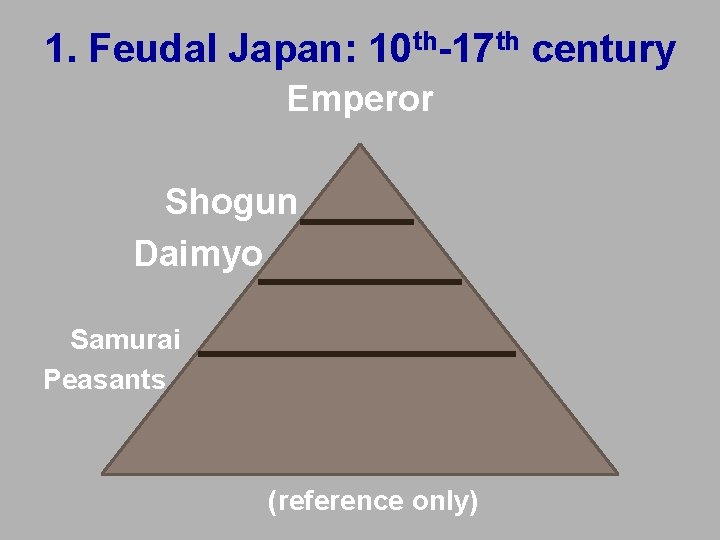
1. Feudal Japan: 10 th-17 th century Emperor Shogun Daimyo Samurai Peasants (reference only)
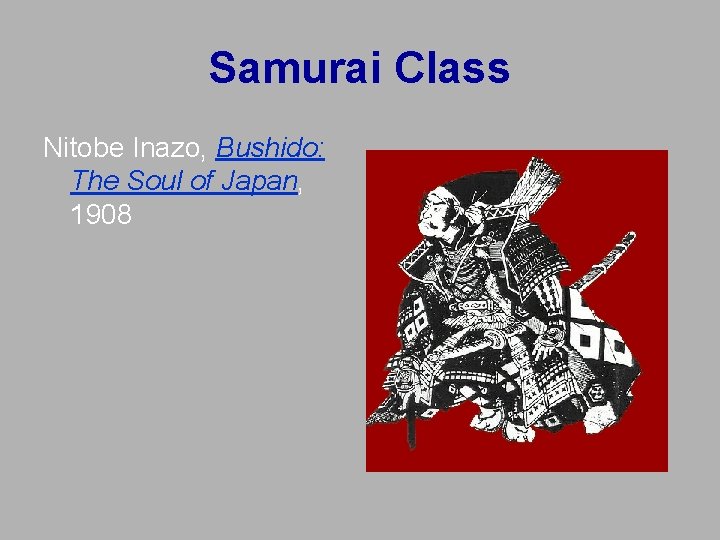
Samurai Class Nitobe Inazo, Bushido: The Soul of Japan, 1908
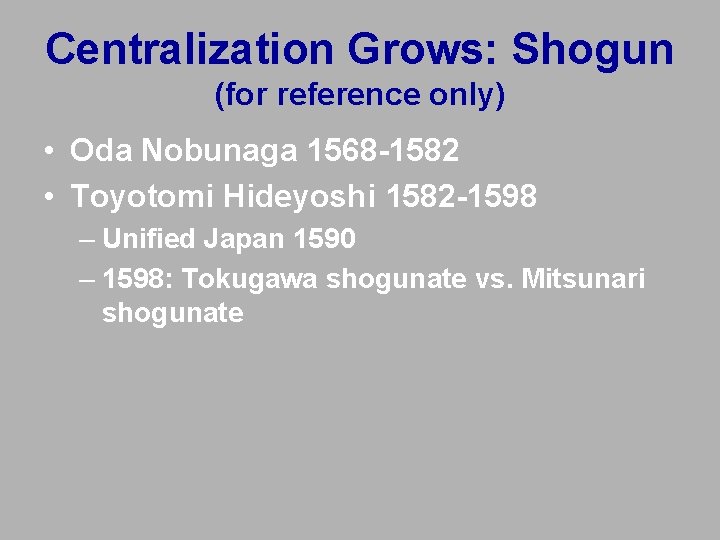
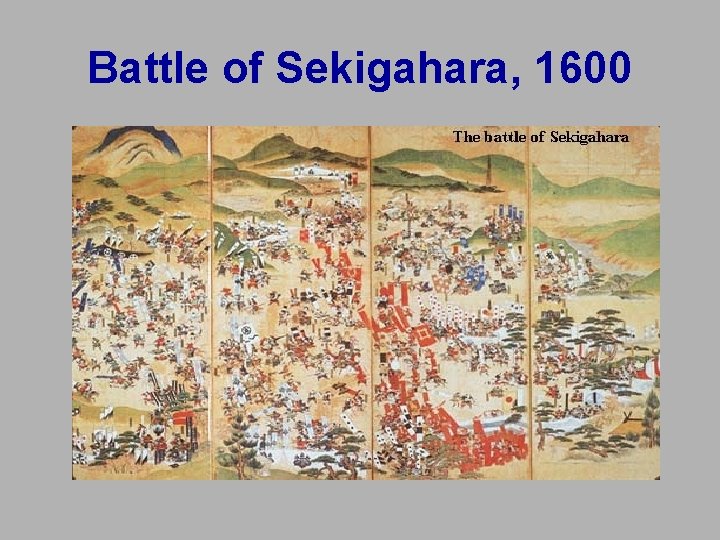
Centralization Grows: Shogun (for reference only) • Oda Nobunaga 1568 -1582 • Toyotomi Hideyoshi 1582 -1598 – Unified Japan 1590 – 1598: Tokugawa shogunate vs. Mitsunari shogunate
Battle of Sekigahara, 1600
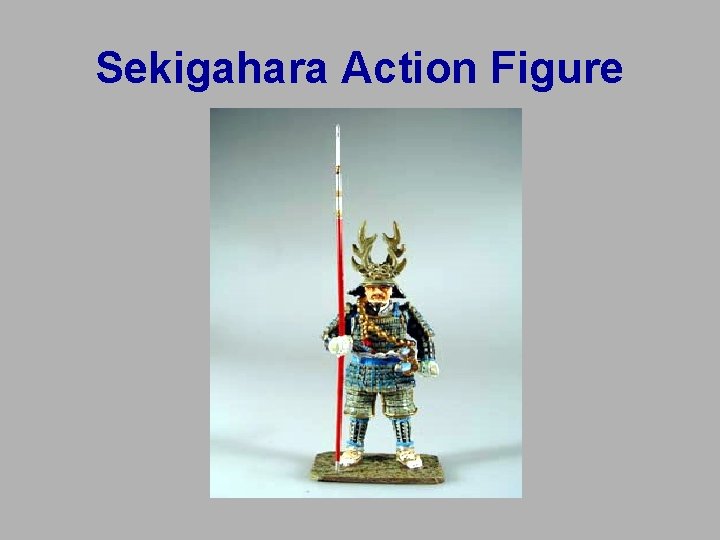
Sekigahara Action Figure
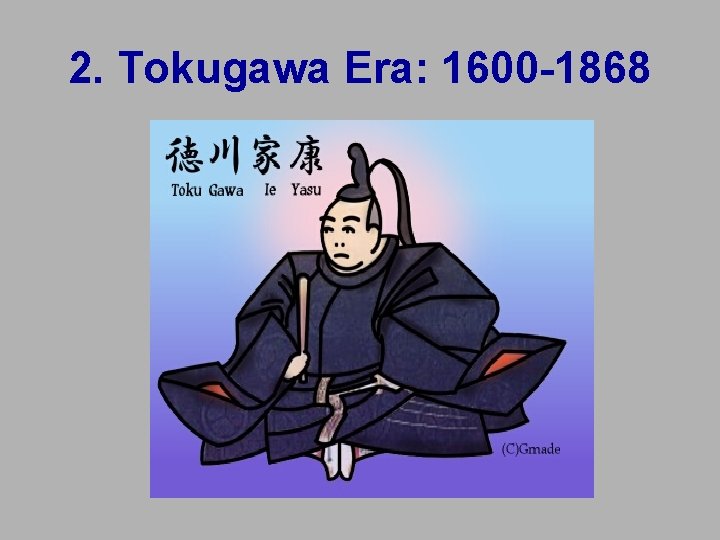
2. Tokugawa Era: 1600 -1868
Tokugawa Era • Isolation • Centralized Feudalism • Emperor?
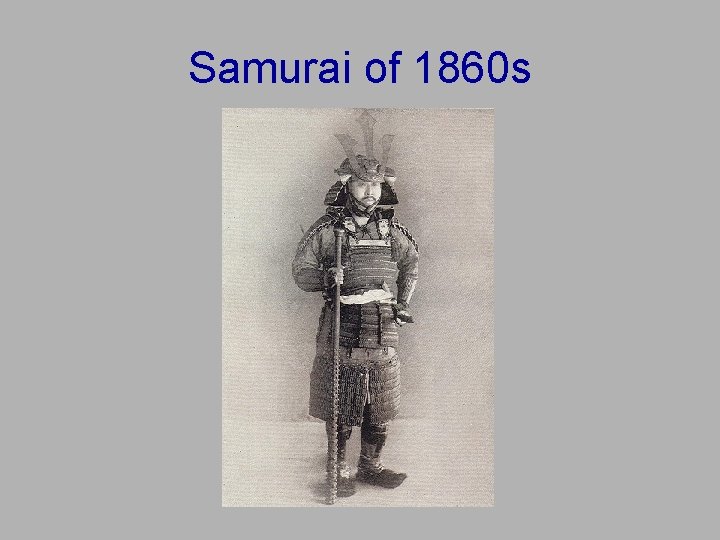
Samurai of 1860 s
3. Meiji Restoration • End of isolation • Restoration and revolution • Birth of Modern Japan
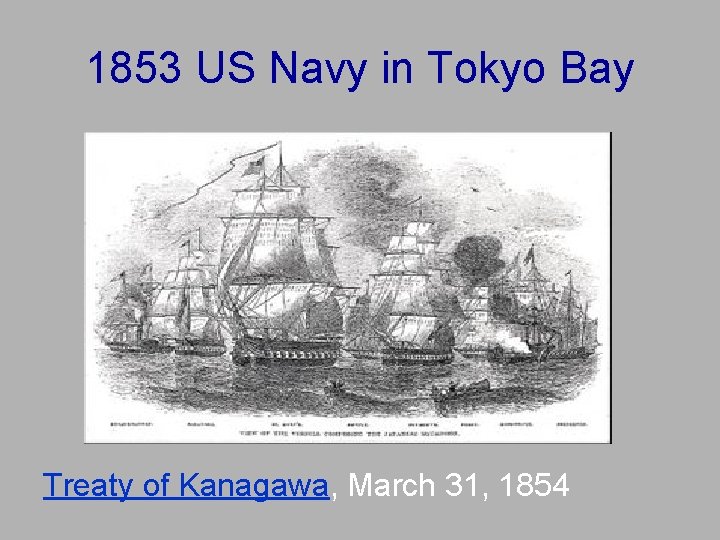
1853 US Navy in Tokyo Bay Treaty of Kanagawa, March 31, 1854
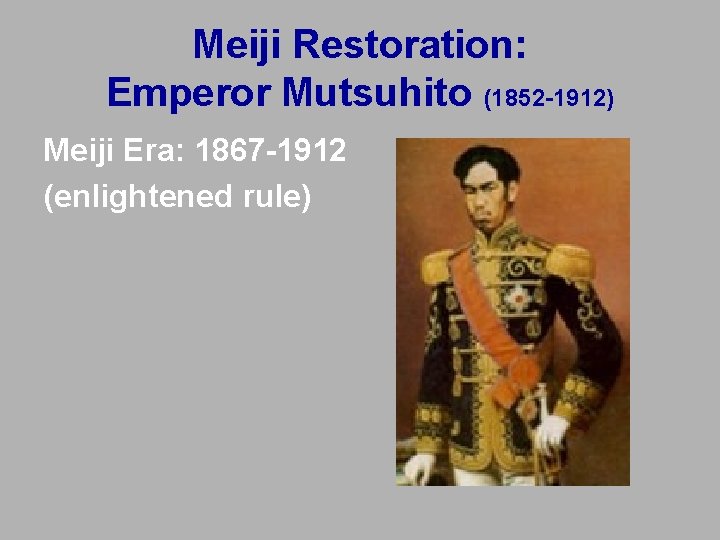
Meiji Restoration: Emperor Mutsuhito (1852 -1912) Meiji Era: 1867 -1912 (enlightened rule)
The Restoration • 1889 Constitution • Article 1. The Empire of Japan shall be reigned over and governed by a line of Emperors unbroken for ages eternal. • Article 3. The Emperor is sacred and inviolable. • Article 4. The Emperor is the head of the Empire, combining in Himself the rights of sovereignty. . . • Article 11. The Emperor has the supreme command of the Army and Navy.
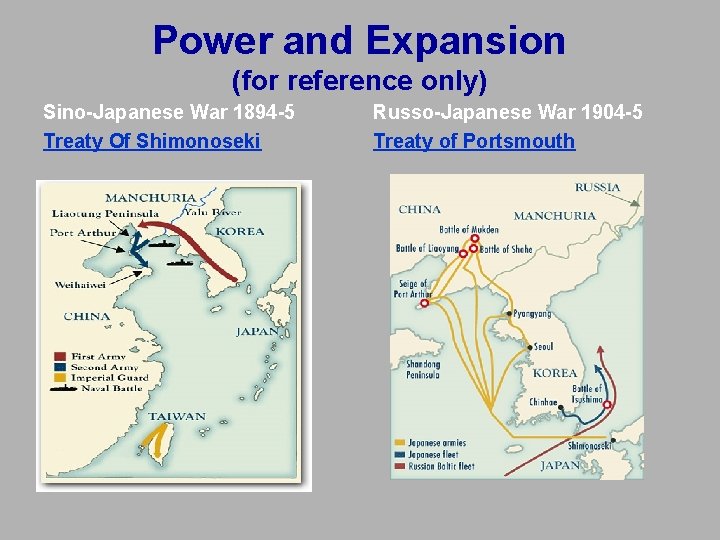
Power and Expansion (for reference only) Sino-Japanese War 1894 -5 Treaty Of Shimonoseki Russo-Japanese War 1904 -5 Treaty of Portsmouth
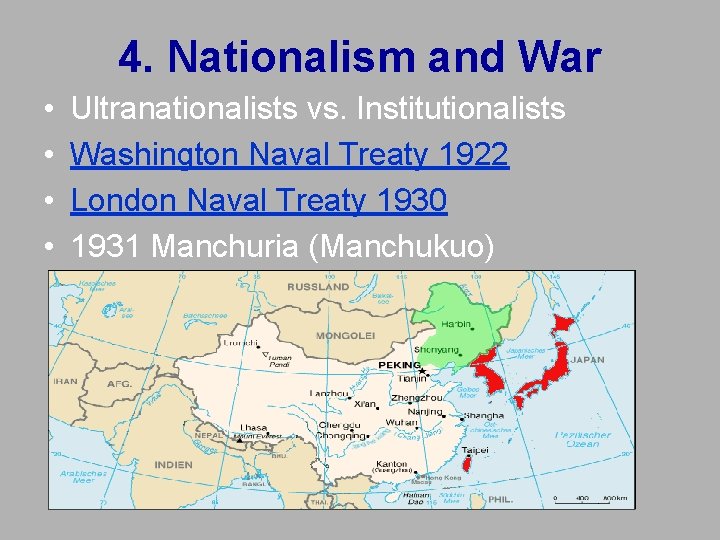
4. Nationalism and War • • Ultranationalists vs. Institutionalists Washington Naval Treaty 1922 London Naval Treaty 1930 1931 Manchuria (Manchukuo)
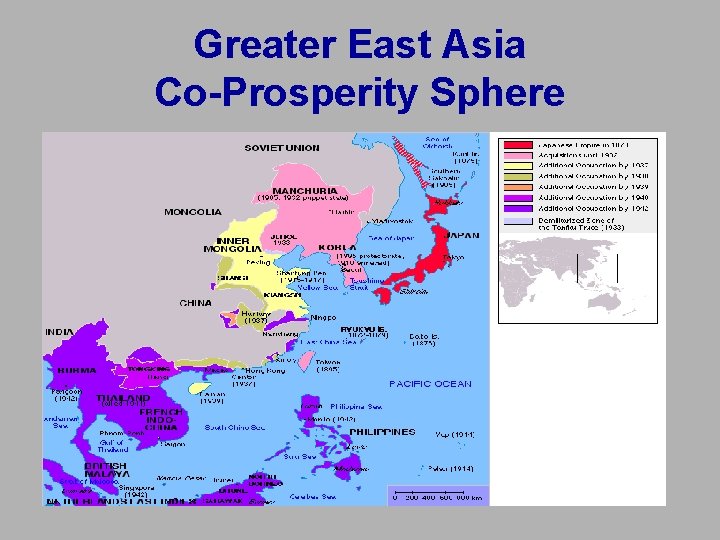
Greater East Asia Co-Prosperity Sphere
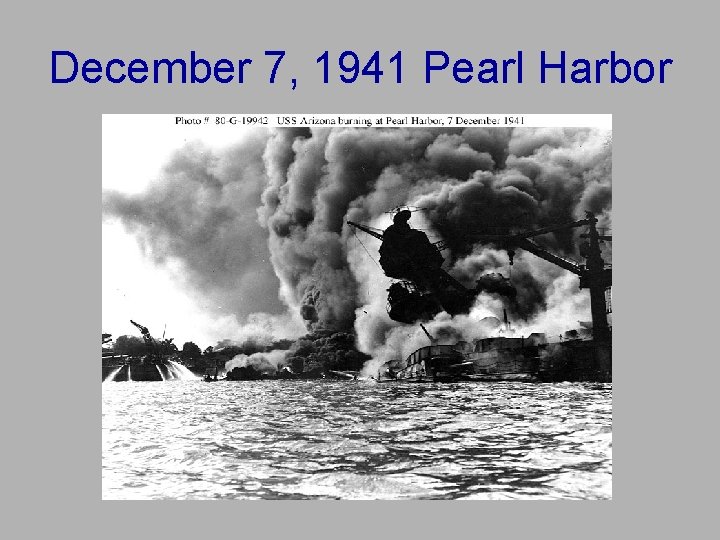
December 7, 1941 Pearl Harbor
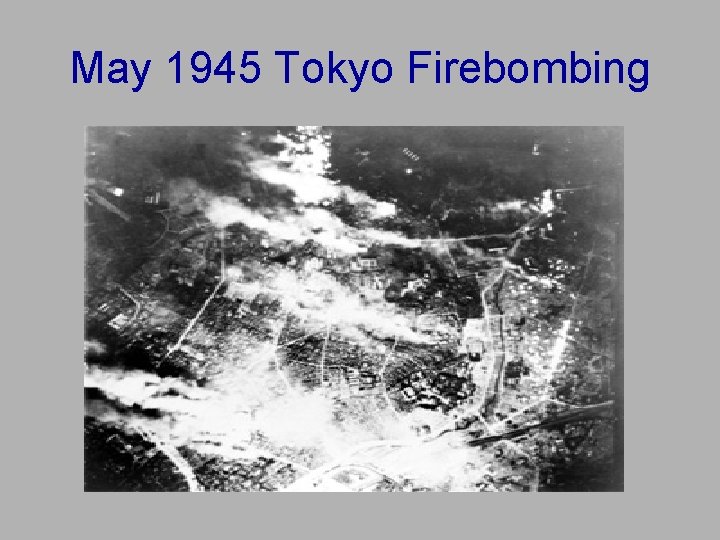
May 1945 Tokyo Firebombing
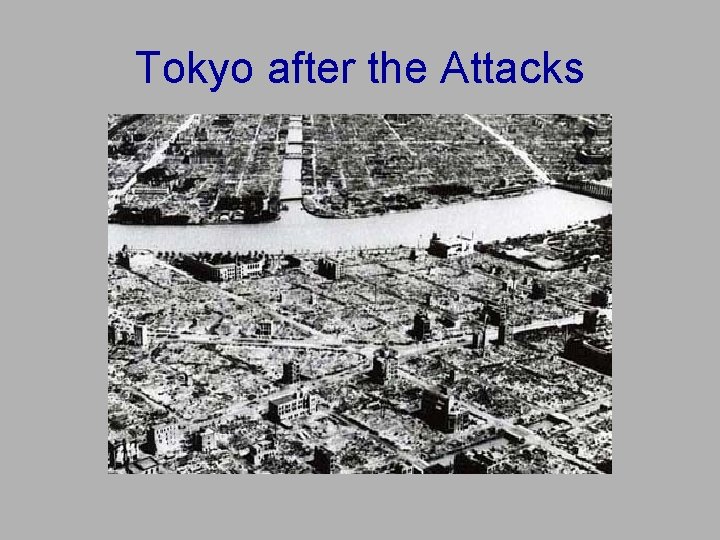
Tokyo after the Attacks
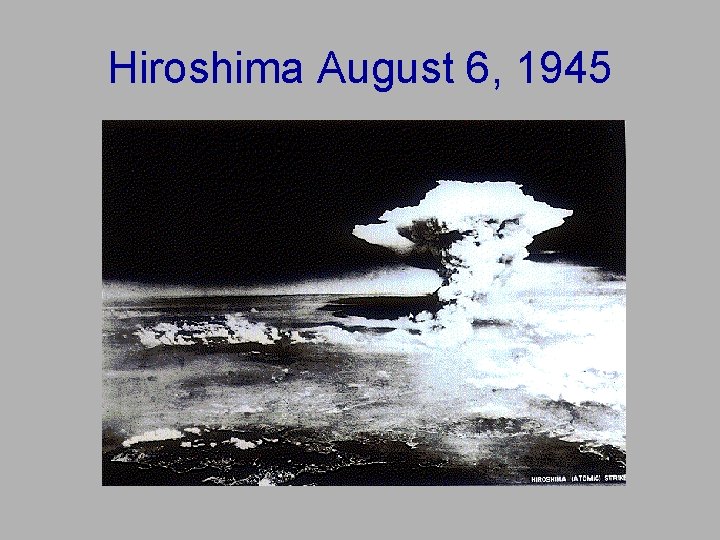
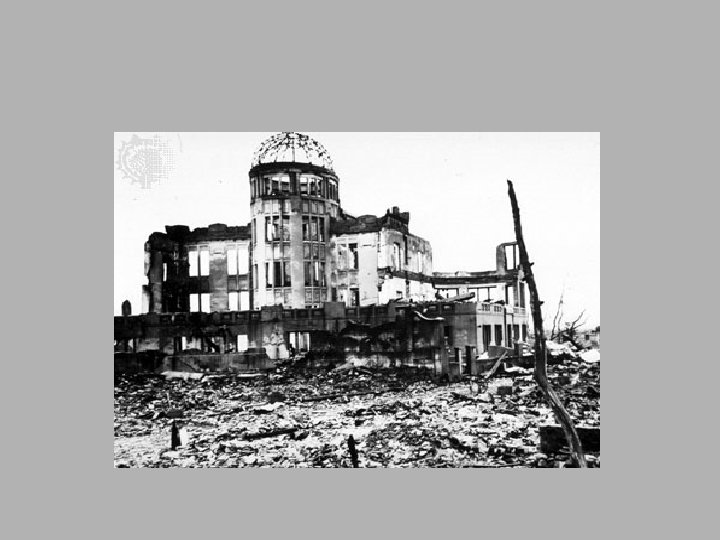
Hiroshima August 6, 1945
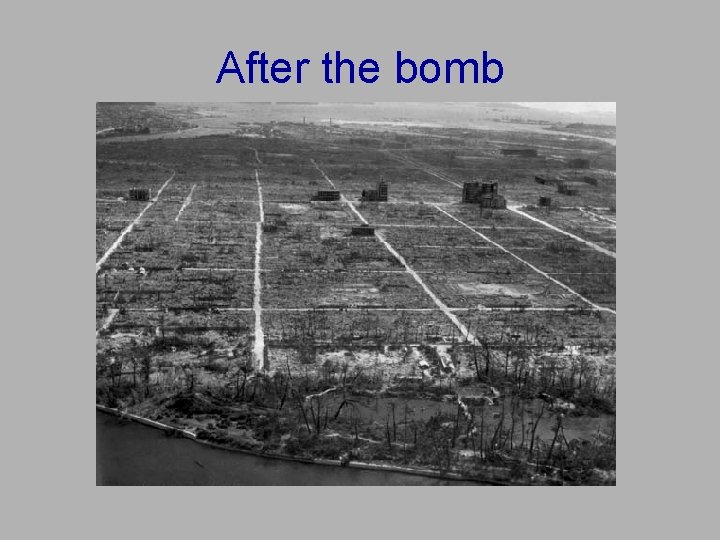
After the bomb
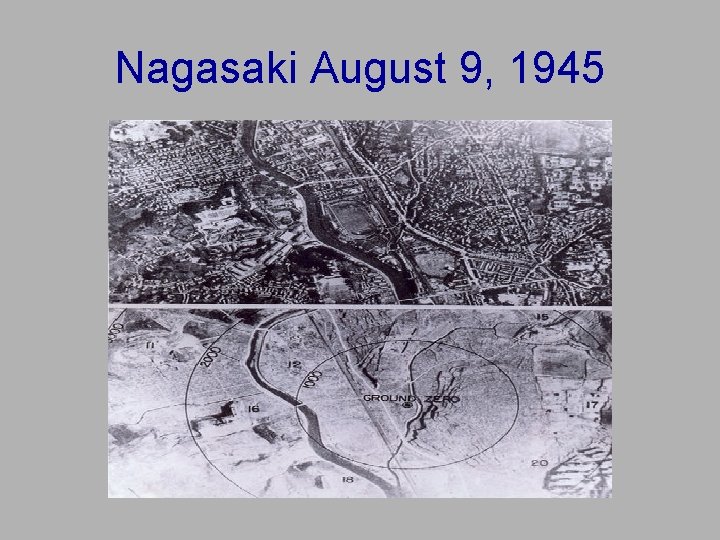
Nagasaki August 9, 1945
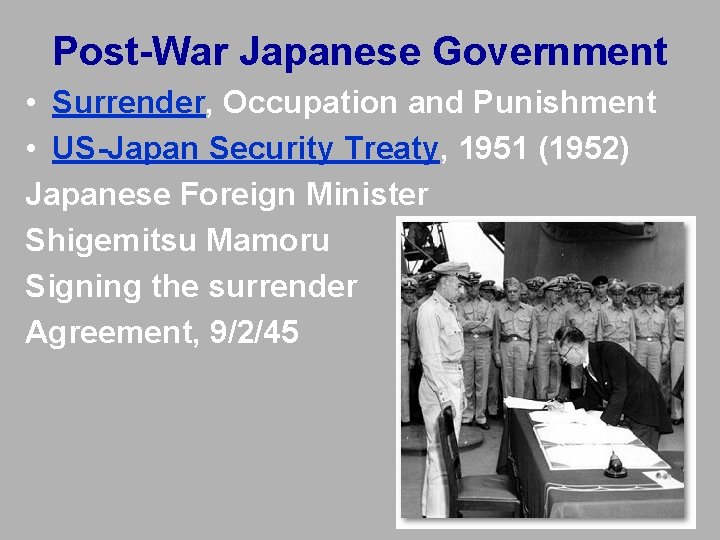
Post-War Japanese Government • Surrender, Occupation and Punishment • US-Japan Security Treaty, 1951 (1952) Japanese Foreign Minister Shigemitsu Mamoru Signing the surrender Agreement, 9/2/45