
James A Henretta Rebecca Edwards Robert O Self
James A. Henretta Rebecca Edwards Robert O. Self America’s History Seventh Edition CHAPTER 16 Conquering a Continent, 1861 -1877 Copyright © 2011 by Bedford/St. Martin’s
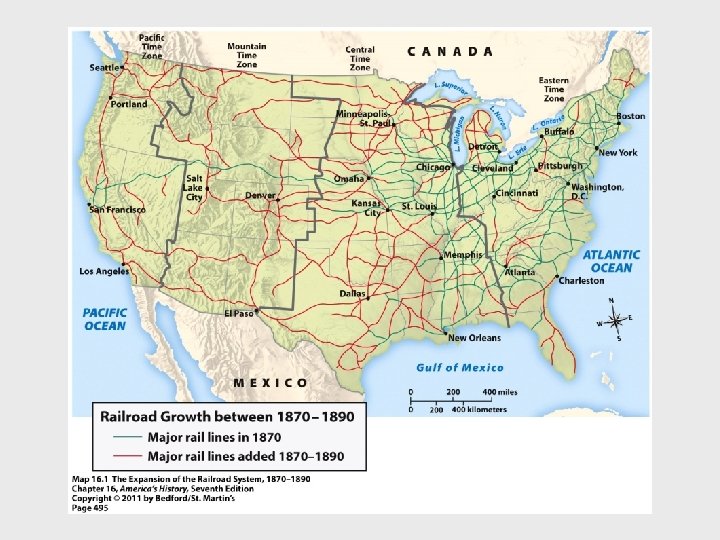
I. The Republican Vision A. Integrating the National Economy 1. Protective Tariffs and Economic Growth-The Civil War changed Republicans economic vision #protective tariffs #national banking system #subsidies for land railroads 2. The Role of Courts-interpreted 14 th amendment to protect corporations from govt regulation-will lead to rise of trusts(monopolies) 3. Silver and Gold-gold stand limited money supply- westerners called for bimettalism-to put more silver in circulation-creating inflation to help farmers
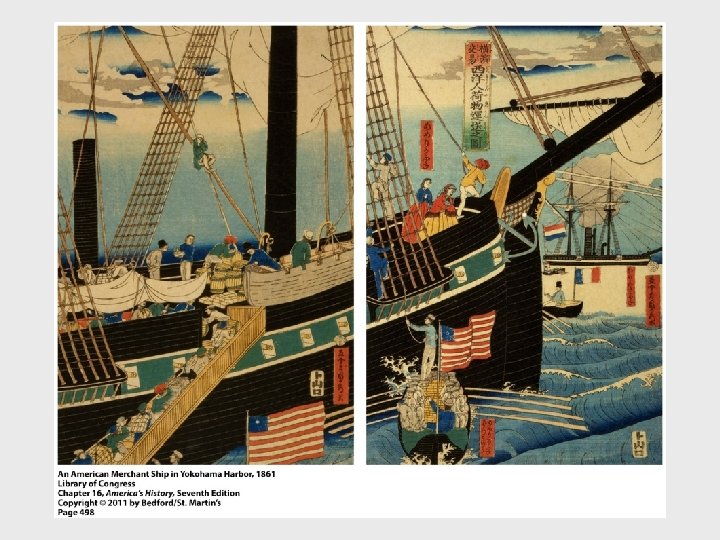
I. The Republican Vision B. The New Union and the World 1. Foreign Relations 2. William Seward-Lincolns secretary of stateknown for his desire to open Asian markets to American trade-wanted to annex Hawaii – purchased Alaska from Russia 1868 (Sewards icebox)
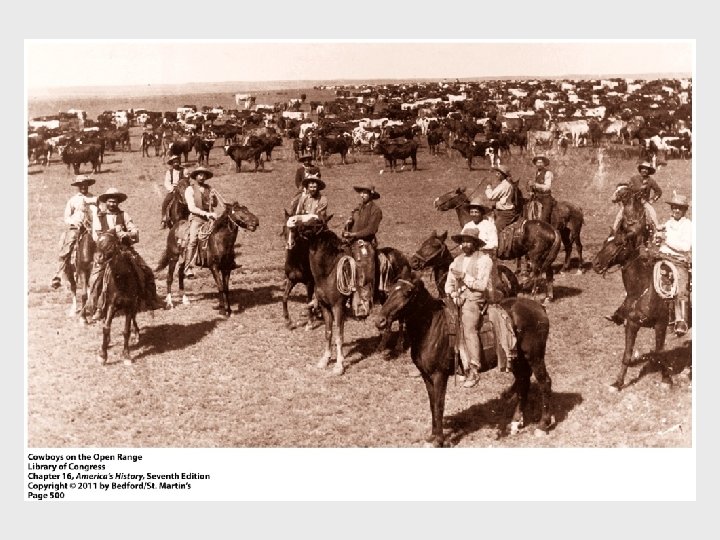
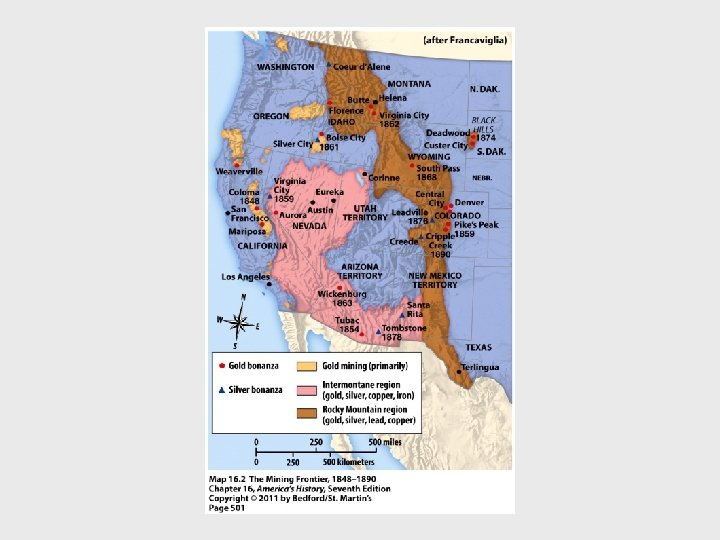
II. Incorporating the West A. Cattlemen and Miners 1. Cattle Ranchers 2. Mining-American west became a mining frontier-gold, silver, copper, iron ore, lead, zinc Early 1860 s-Republicans created the U. S. Department of Agriculture, The Morrill Act The Homestead Act-along with railroads became a main factor of western migration-aka domestic imperialism
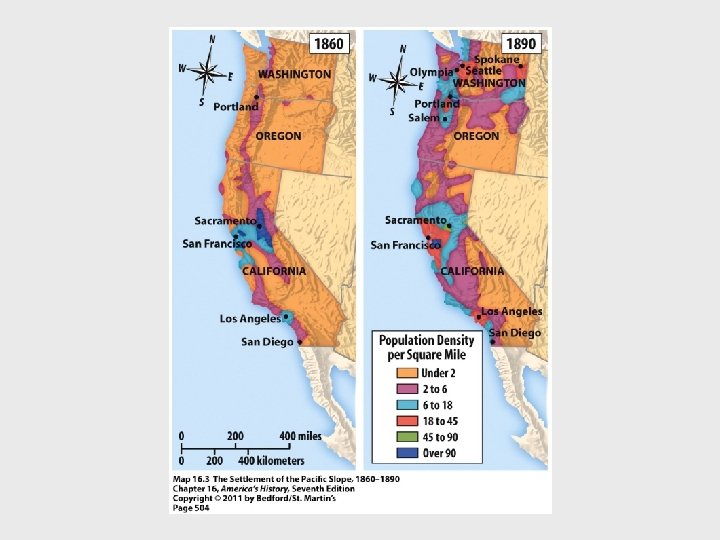
II. Incorporating the West B. Homesteaders 1. The Plains 2. Exodusters-blacks leaving Jim Crow south to become farmers in the West 3. Women in the West-Utah (Mormons) and Wyoming first places in US to give women voting rights
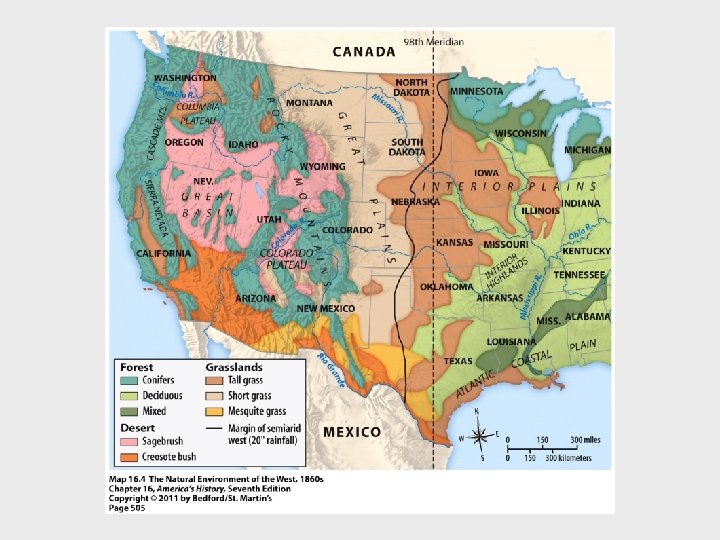
II. Incorporating the West C. Confronting Debt and Aridity 1. Farmers-at the mercy of drought, floods, insects, and large corporations like railroads 2. John Wesley Powell-environmentalist that foresaw the need for irrigation, dams, and canals in the west 3. Yellowstone-National Park-grew out of fear of overdevelopment-Yosemite and Yellowstone first example of federal government attempt to preserve natural beauty and wildlife led to forced removal of Indians by military
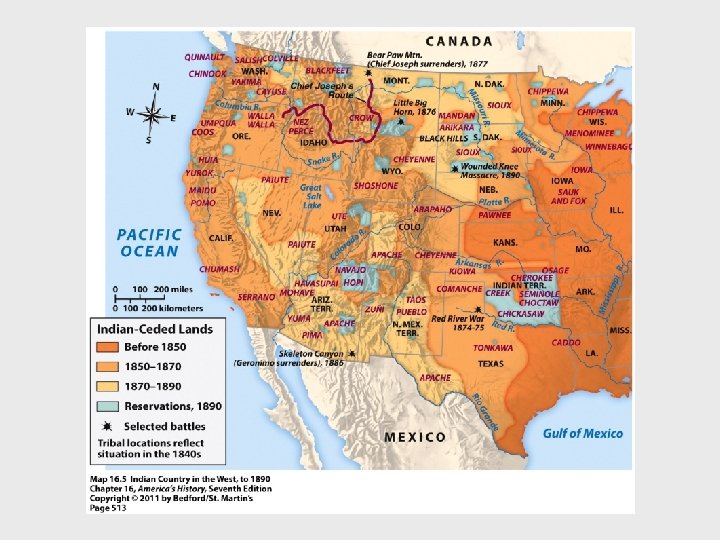
III. A Harvest of Blood: Native Peoples Dispossessed A. The Civil War and Indians on the Plains killing bison became a war strategy To clear Yellowstone, Nez Perce Indians led by Chief Joseph were forced off their land forced to surrender while fleeing to Canada 1. Dakota Sioux-protested treatment by corrupt officials by killing hundreds of settlers in Minnesotaleaders were executed 2. Cheyenne- women and children killed in Sand Creek massacre – by militia led by John Chivington Sioux Indians backlash-killed 80 soldiers at Bozeman Trail
III. A Harvest of Blood: Native Peoples Dispossessed B. Grant’s Peace Policy-Grants humanitarian Indian policy was assimilation 1. Indian Boarding Schools-Reformers removed Indian children from their homes and forced them into white culture-ex. Carlisle Indian School 2. Breaking Up Tribal Lands-The Dawes severalty Act 1887 -gave Indians homesteads and encouraged them to assimilate-it failed because of corruption in the BIA
III. A Harvest of Blood: Native Peoples Dispossessed C. The End of Armed Resistance “The only good Indian I ever saw was a dead one” General Philip Sheridan “ I have seen nothing a white man has that is good as the right to move in open country and live in your own way” Sitting Bull 1. Sitting Bull and Custer 2. Little Big Horn- river in Montana where Custers 7 th cavalry were surrounded and killed by Sioux-no American survivors-significant because it was Indians greatest and last victory – Custer’s last stand.
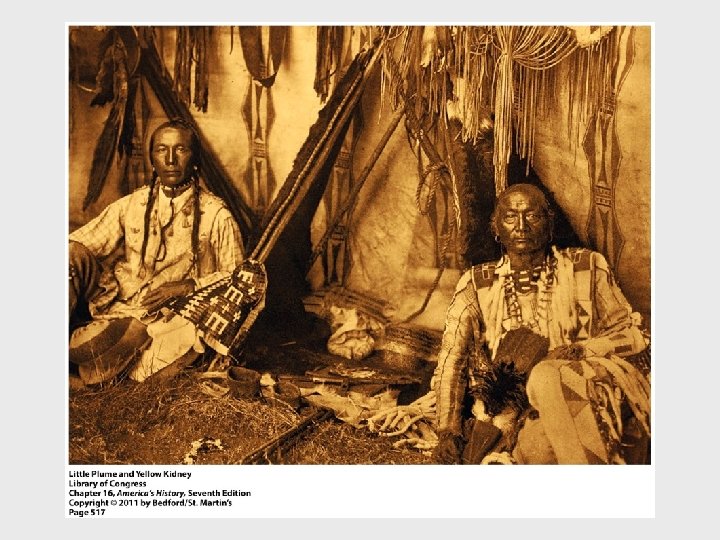
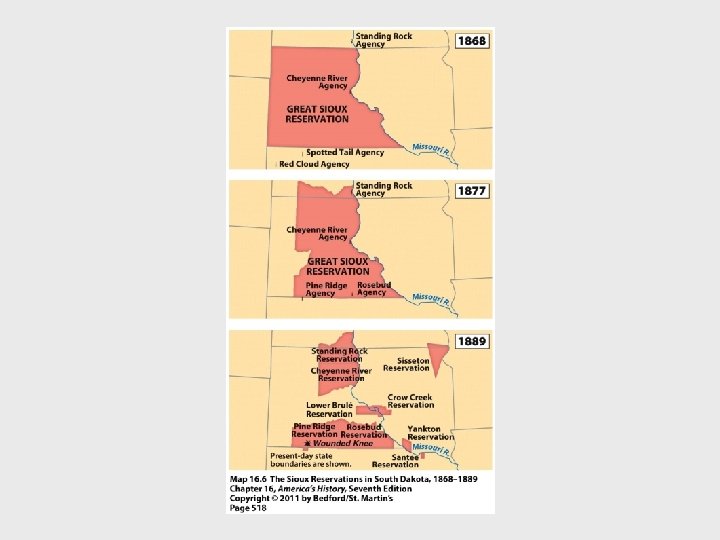
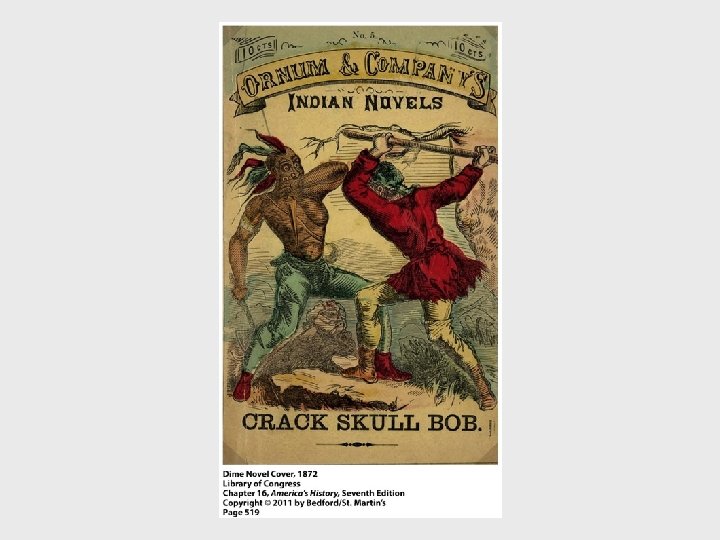
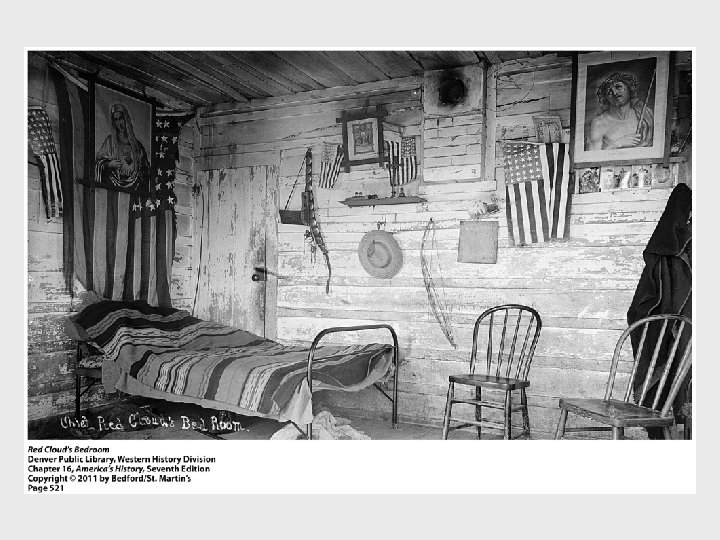
III. A Harvest of Blood: Native Peoples Dispossessed D. Strategies of Survival 1. Ghost Dance Movement-sacred dance meant to bring back the bison and drive out whites-feeling threatened, the 7 th cavalry killed 150 unarmed men, women and children at Wounded Knee Creek in South Dakota (Battle of Wounded Knee)-last battle in Indian conflict 1890 2. Sherman’s Death-paralleled the rise of the United States Important Indian warriors-Geronimo (Apache), Sitting Bull, Red Cloud
- Slides: 22