
its implications for the handwriting analyst Presenter Sheila

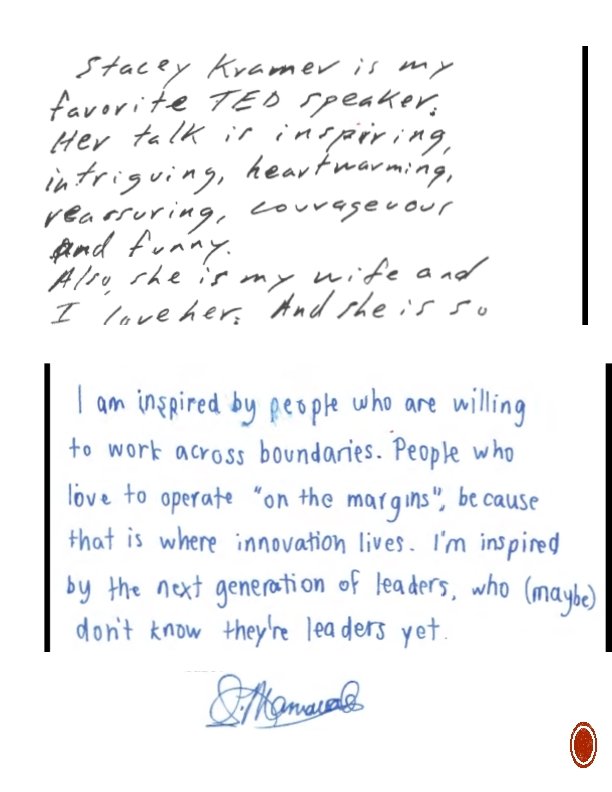
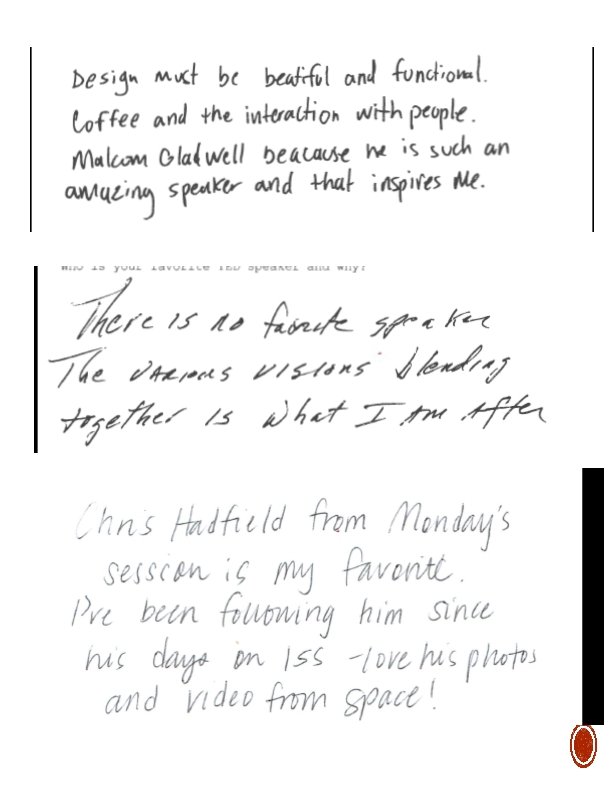
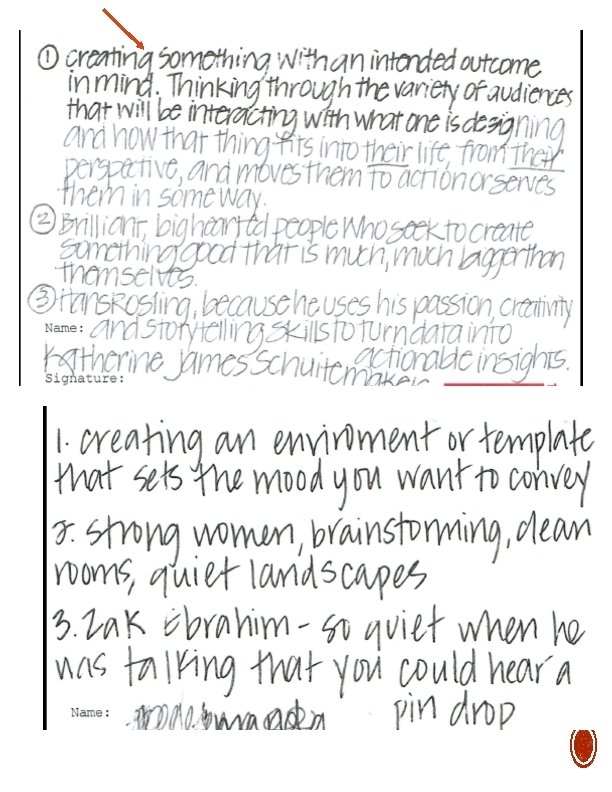
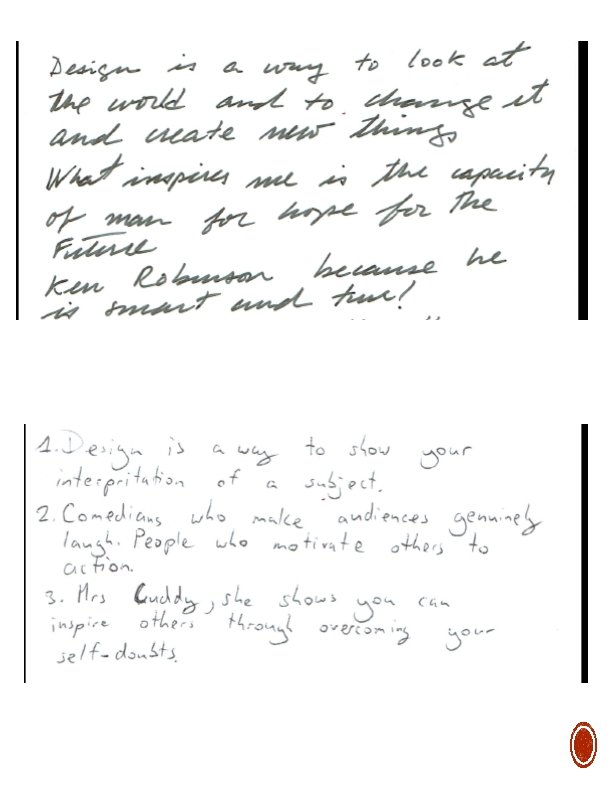




- Slides: 45
its implications for the handwriting analyst Presenter: Sheila R. Lowe, CG, MS, CFDE
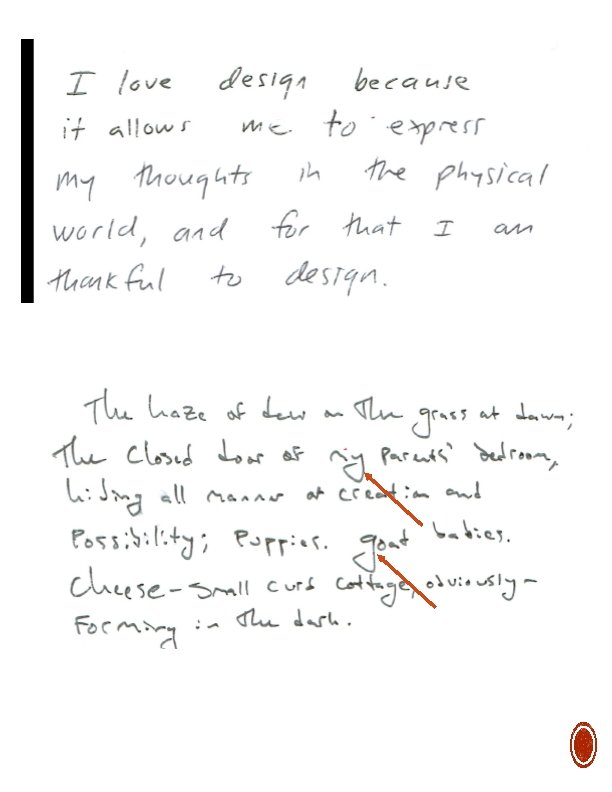
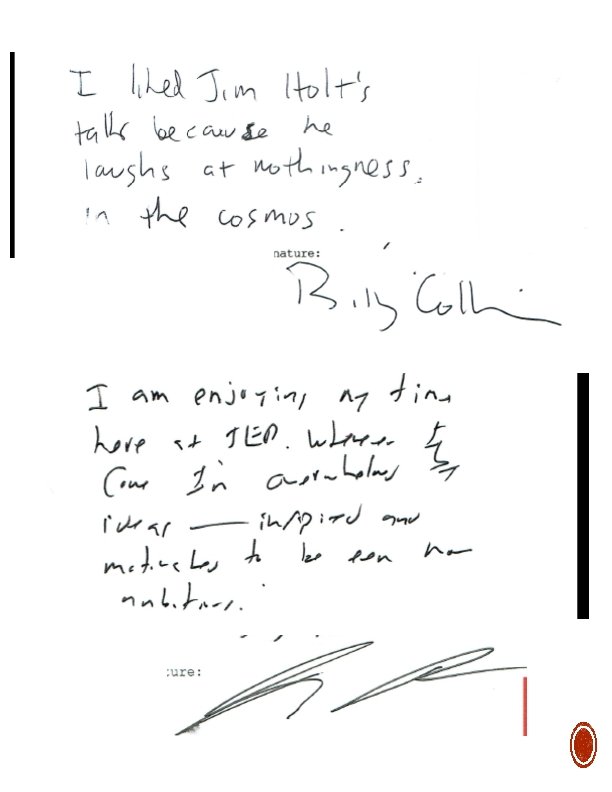
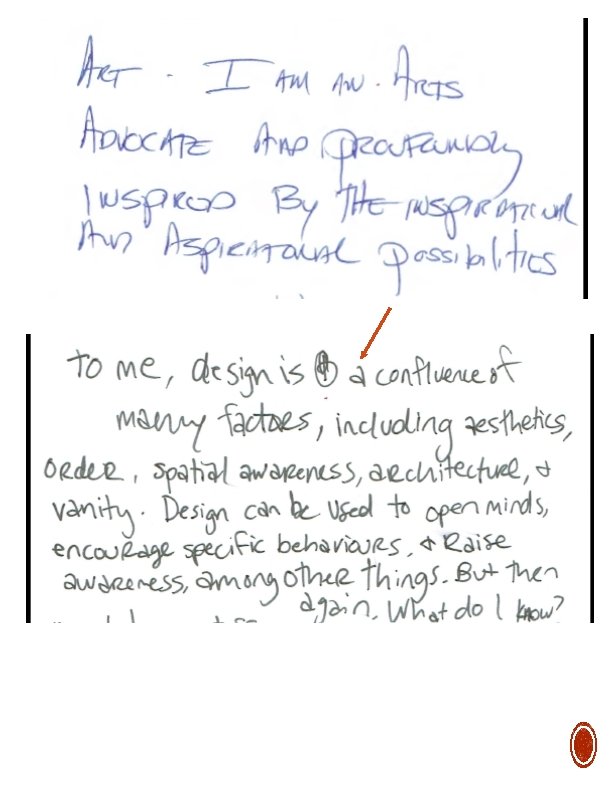
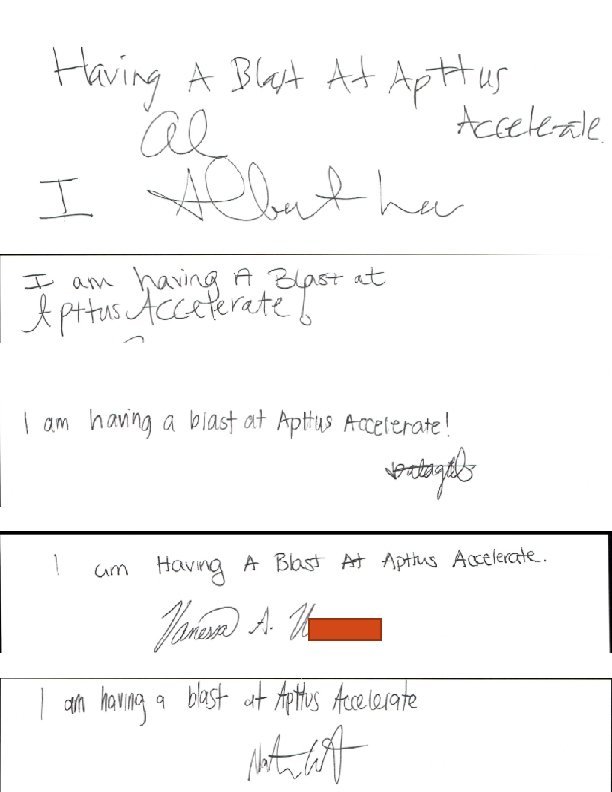
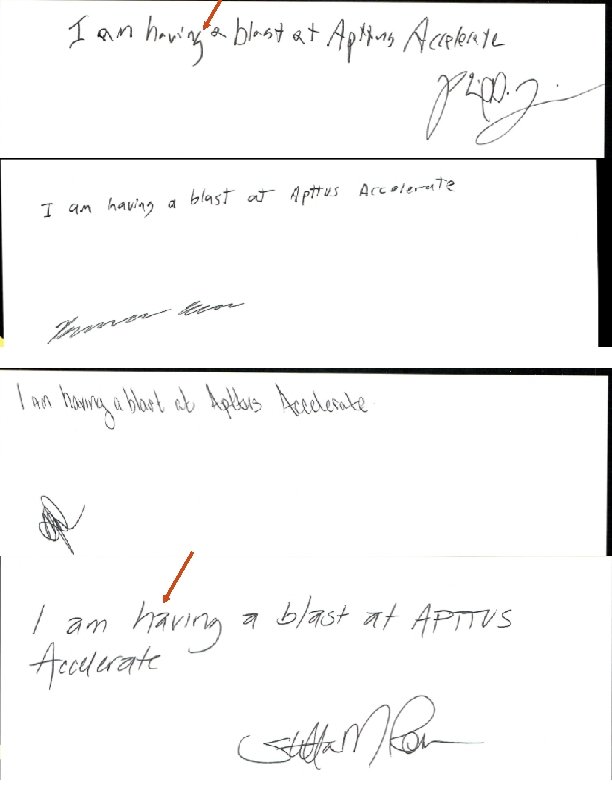
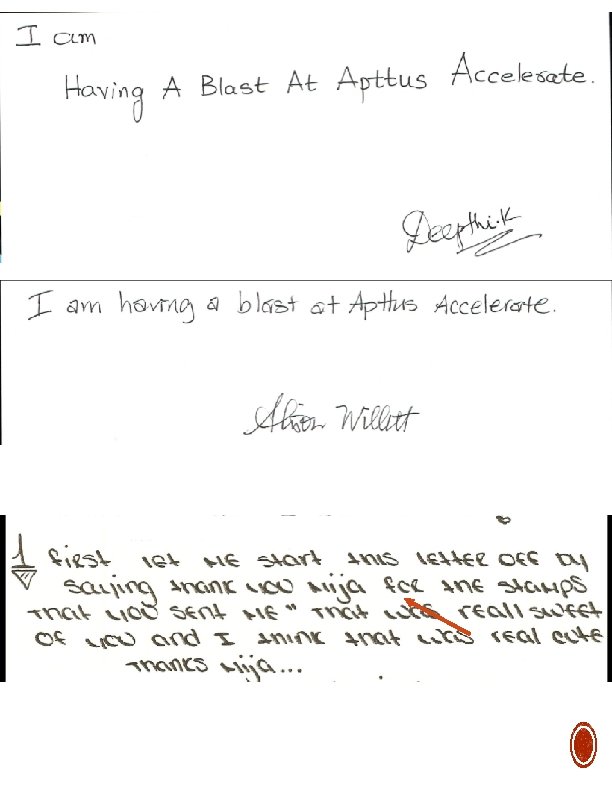
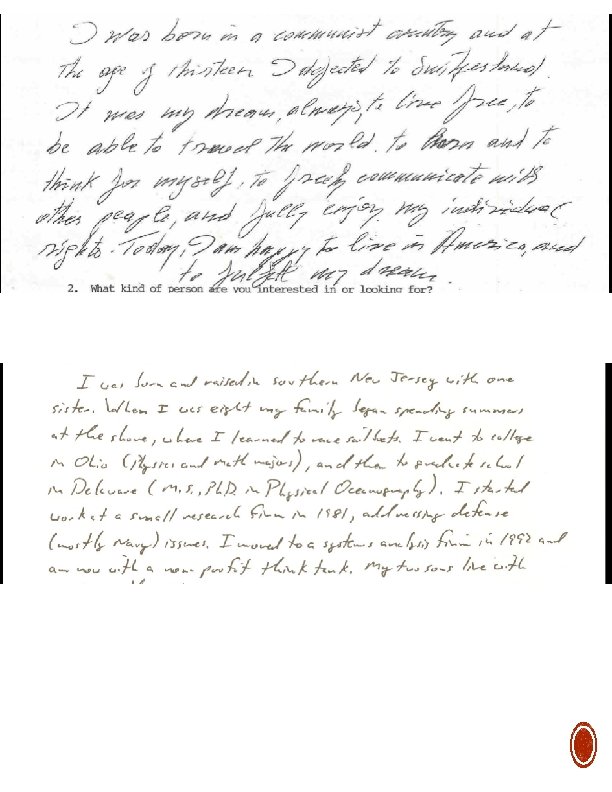
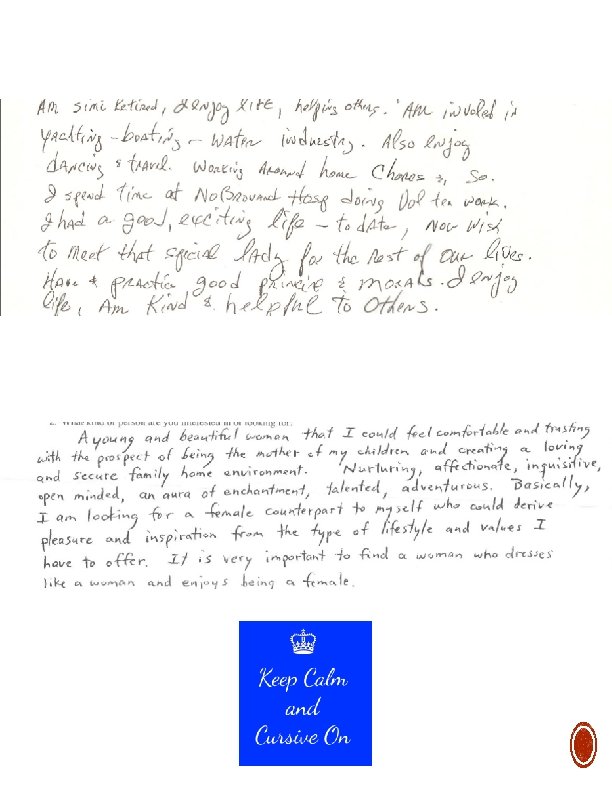
§ Handwriting influences the young brain § Printing starts and stops – less smooth § Today, only 34% of states require cursive § Younger people print because it’s what they learned § Or because it’s a defense mechanism § Or because of work § Culture changes – styles change § We have to know how to analyze all styles of writing.
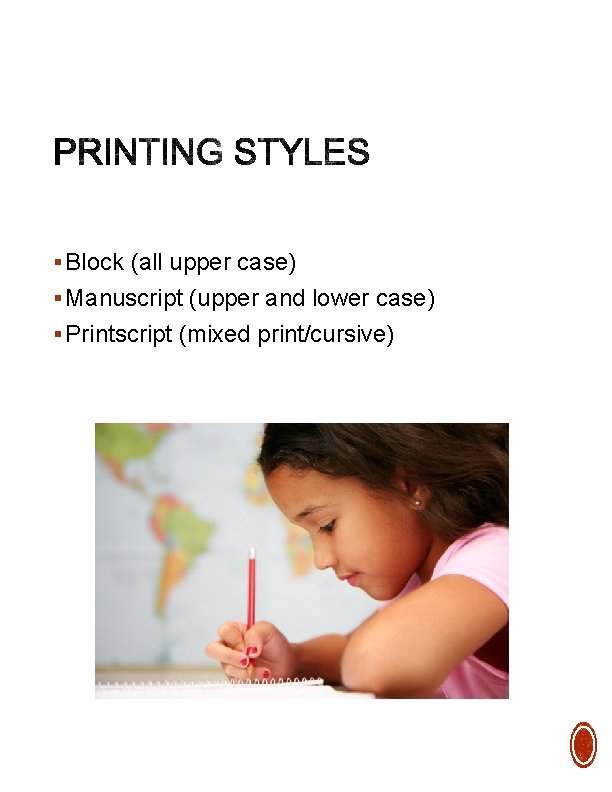
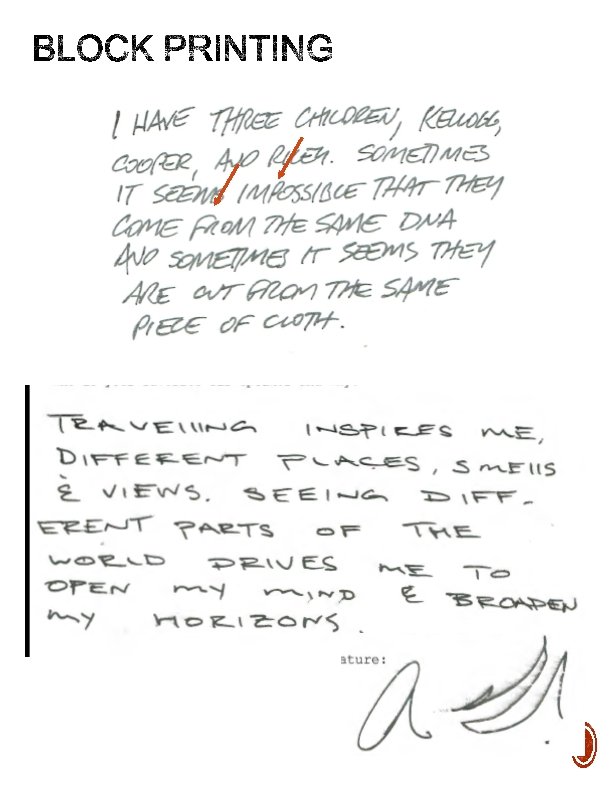
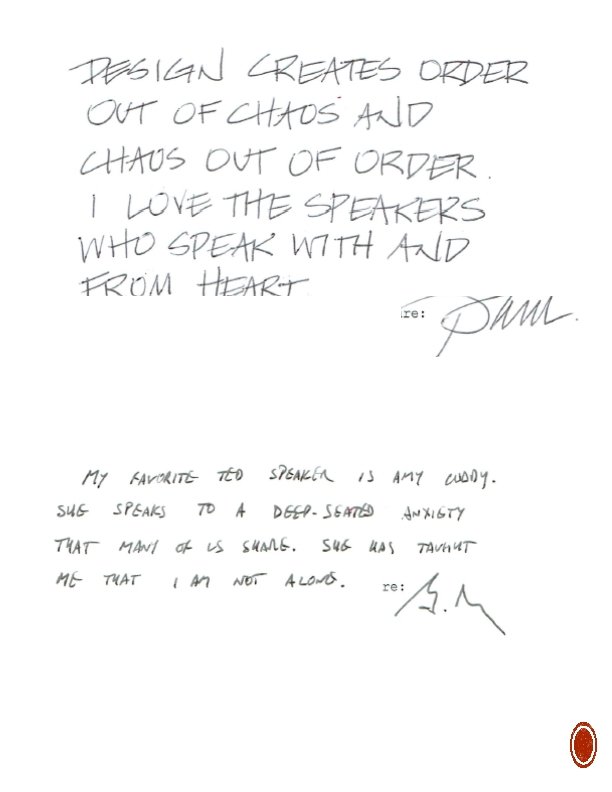
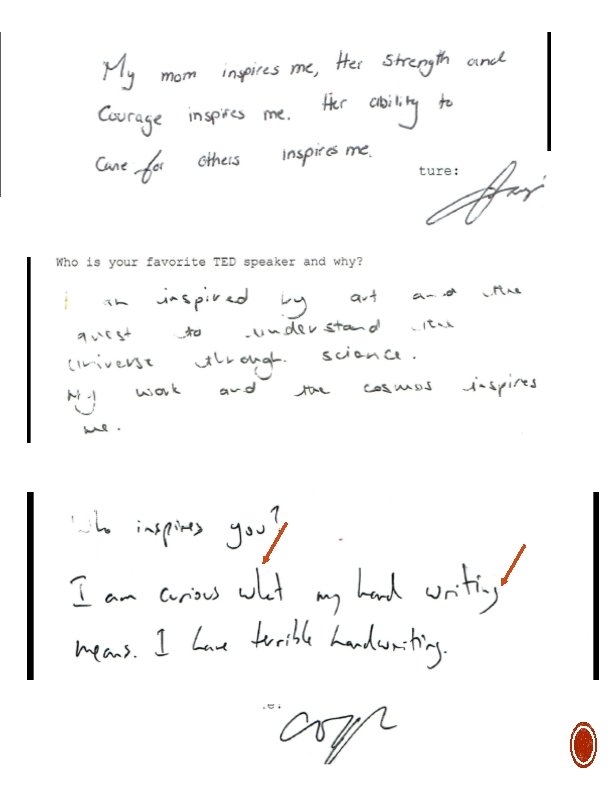
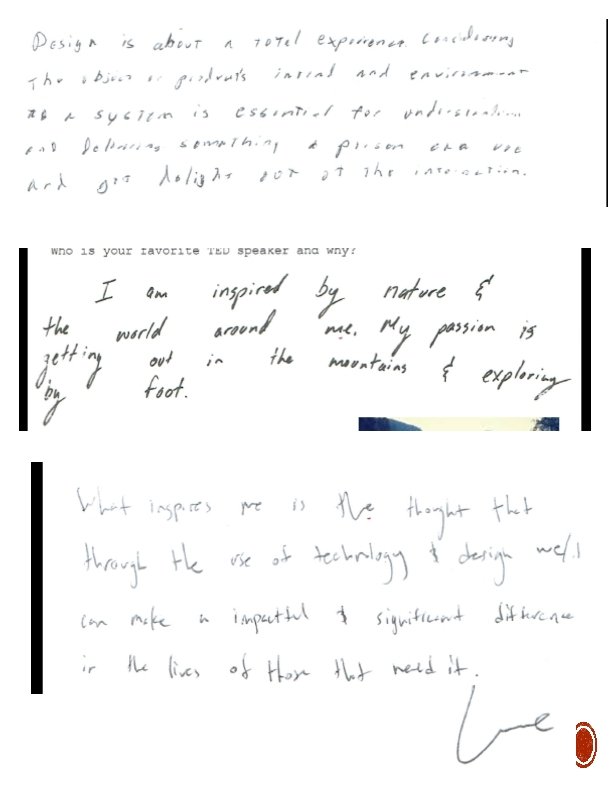
§ Block (all upper case) § Manuscript (upper and lower case) § Printscript (mixed print/cursive)
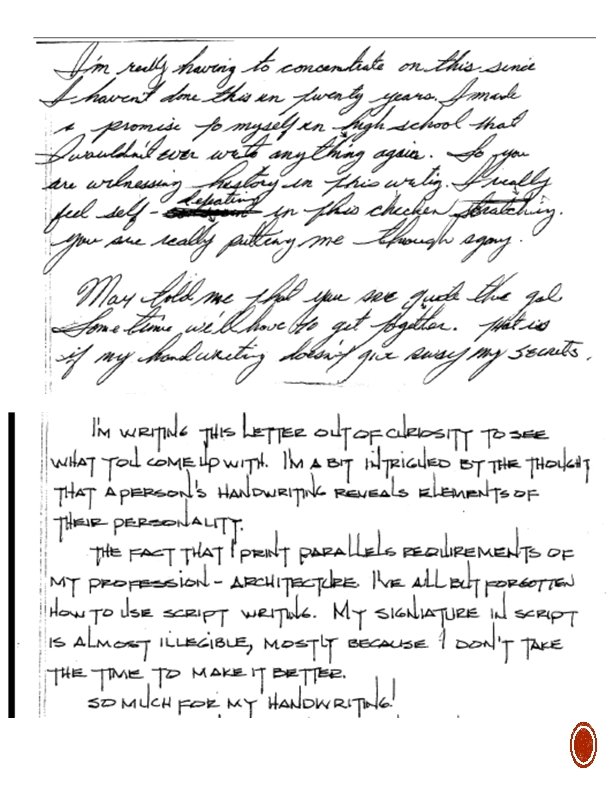
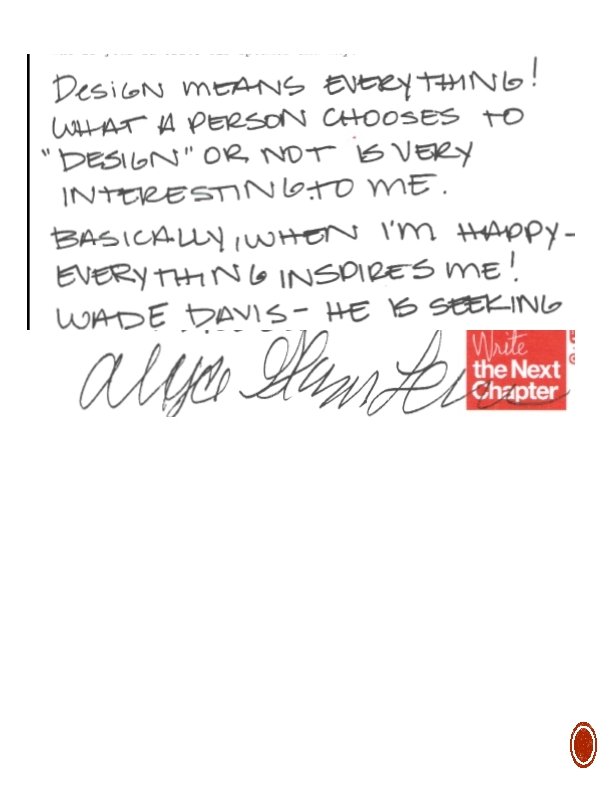
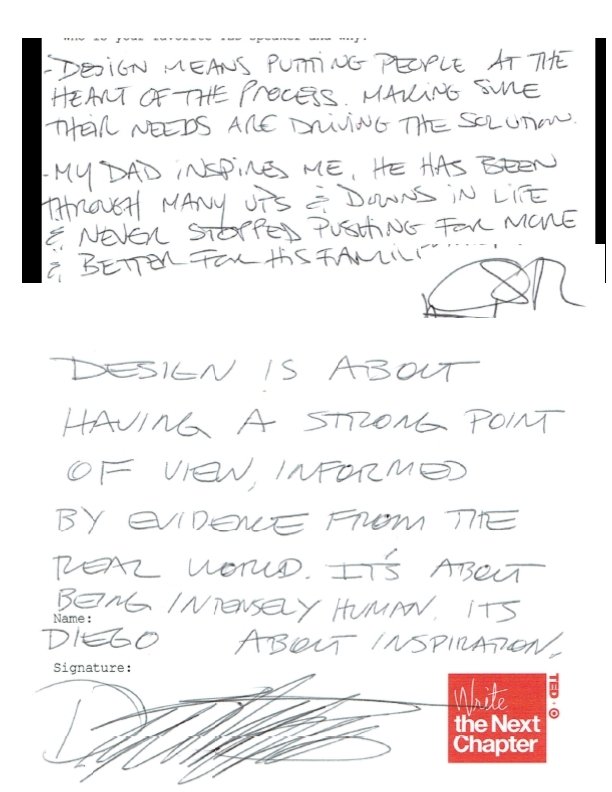
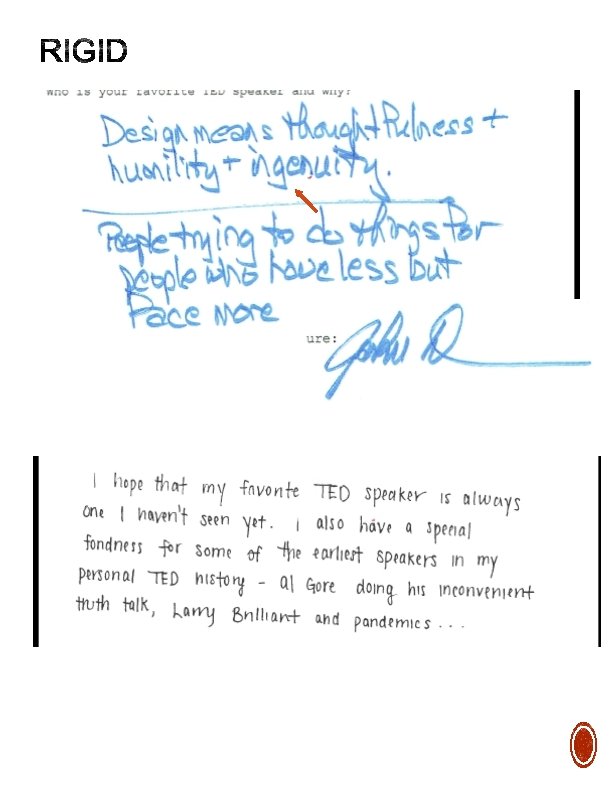
§ Headlines, used to make a point in advertising § Or to fill out forms for clarity § All capitals § Square shapes § Stop/start impedes the flow § Virtually all in the middle zone § Some block printers create zones § Middle zone not balanced by other zones § MZ interpretation
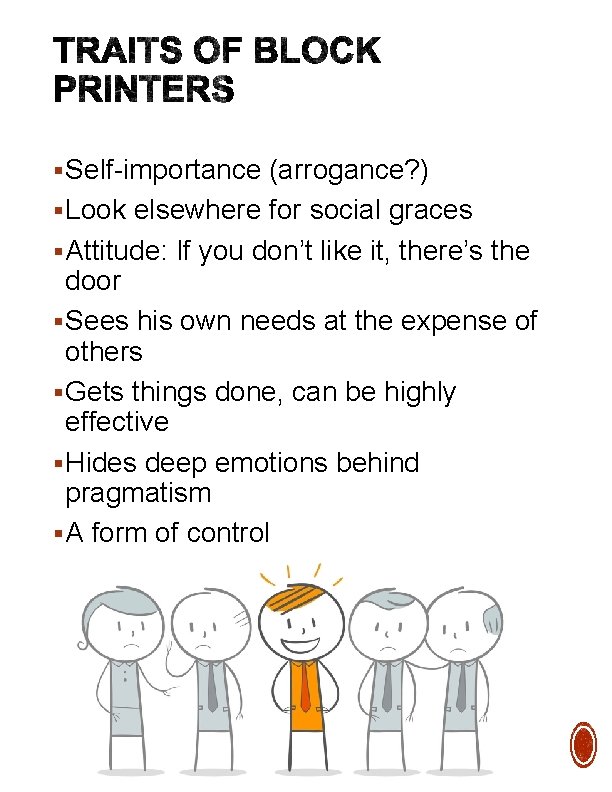
§ Self-importance (arrogance? ) § Look elsewhere for social graces § Attitude: If you don’t like it, there’s the door § Sees his own needs at the expense of others § Gets things done, can be highly effective § Hides deep emotions behind pragmatism § A form of control
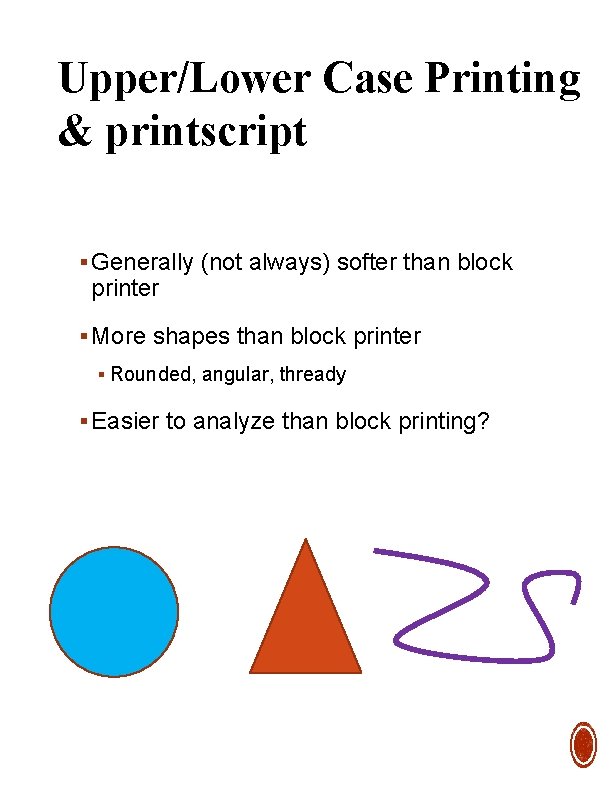
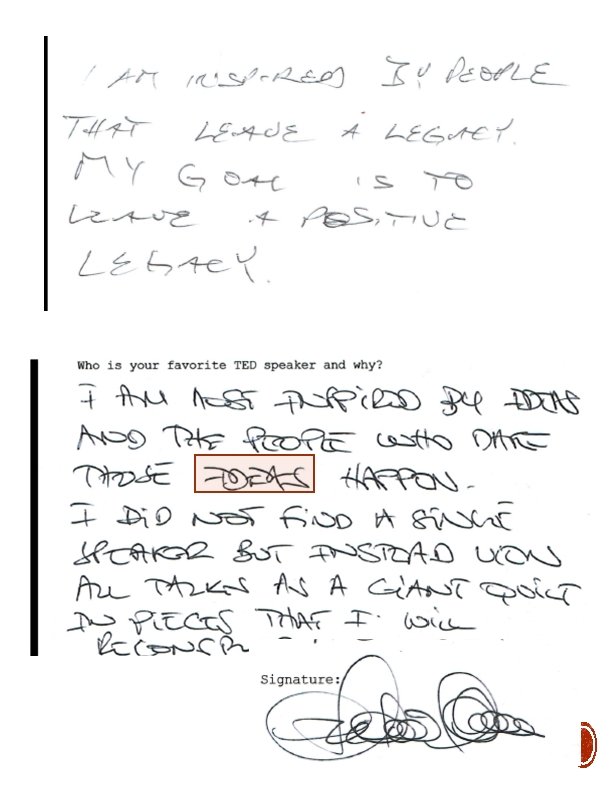
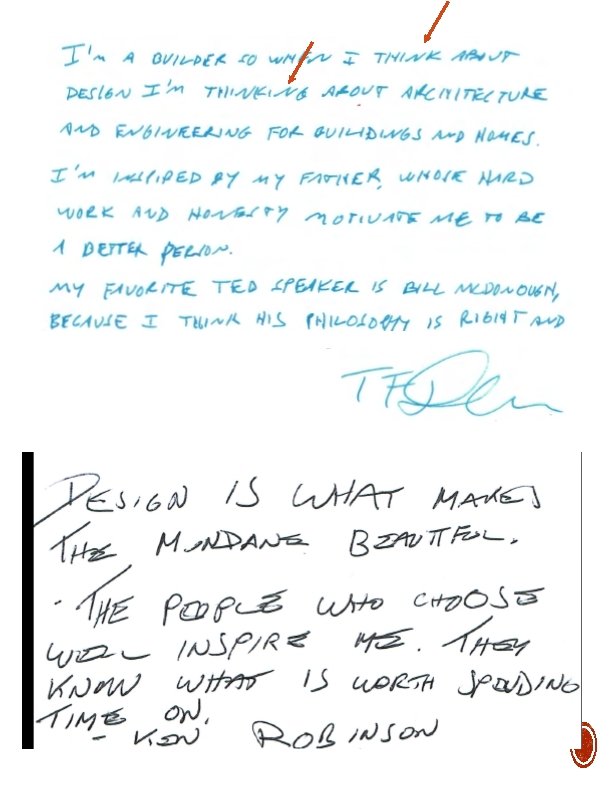
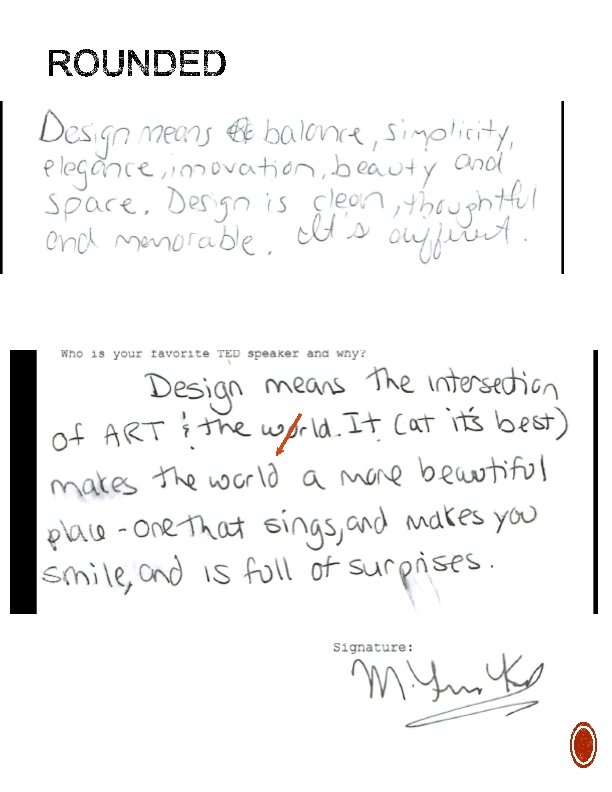
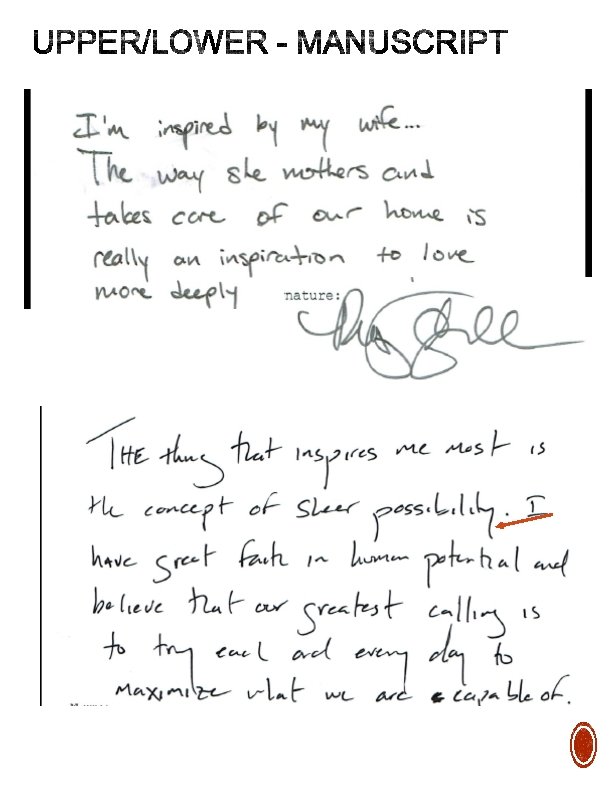
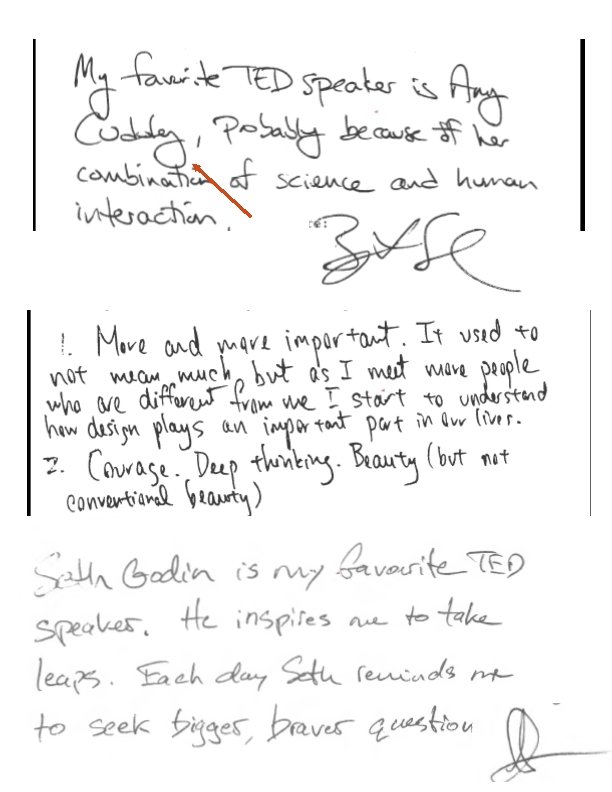
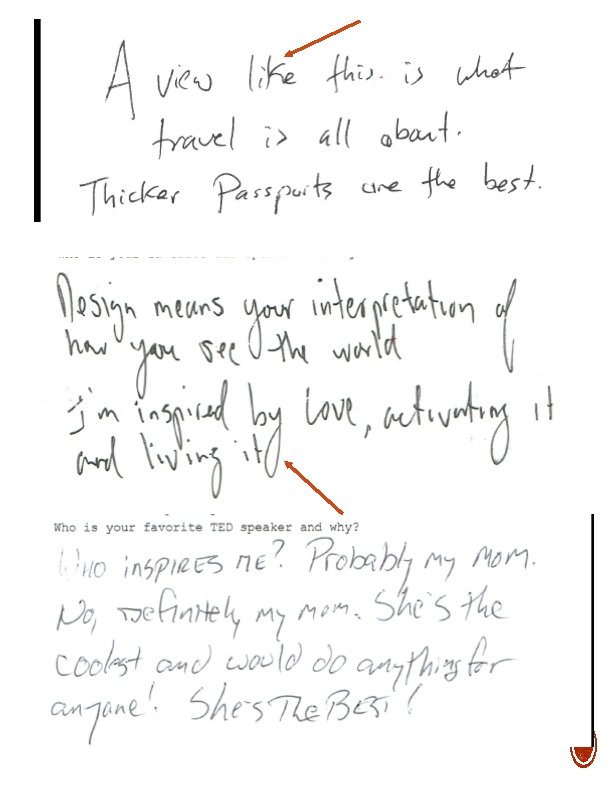
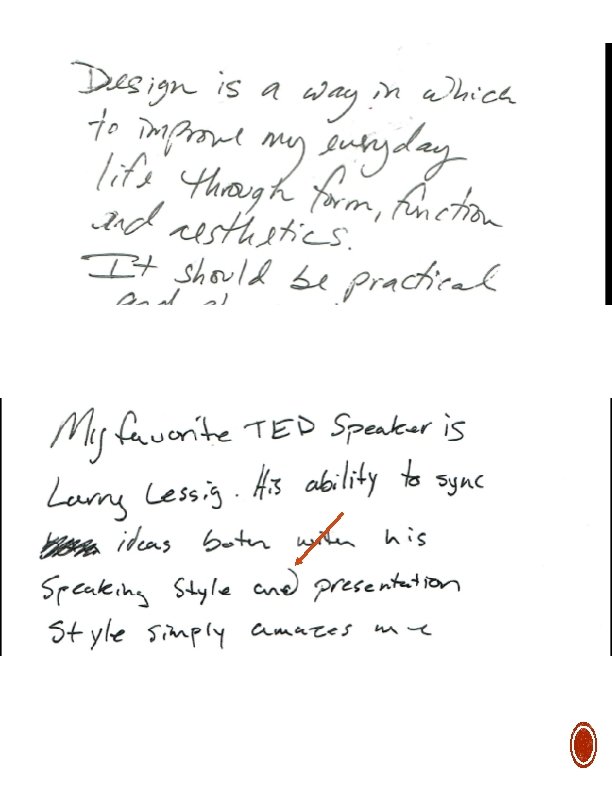
Upper/Lower Case Printing & printscript § Generally (not always) softer than block printer § More shapes than block printer § Rounded, angular, thready § Easier to analyze than block printing?
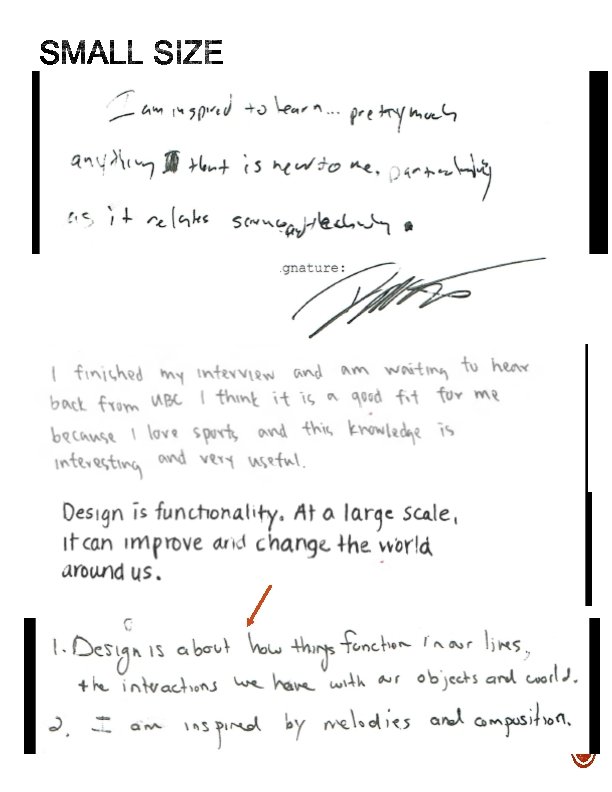
§ Balance v Imbalance § Patience v Restlessness § Impulsive v Inhibited § Mature v Undeveloped § Adaptable v Rigid § Well-structured v Disorganized § Spontaneous v Persona Etc. , etc.
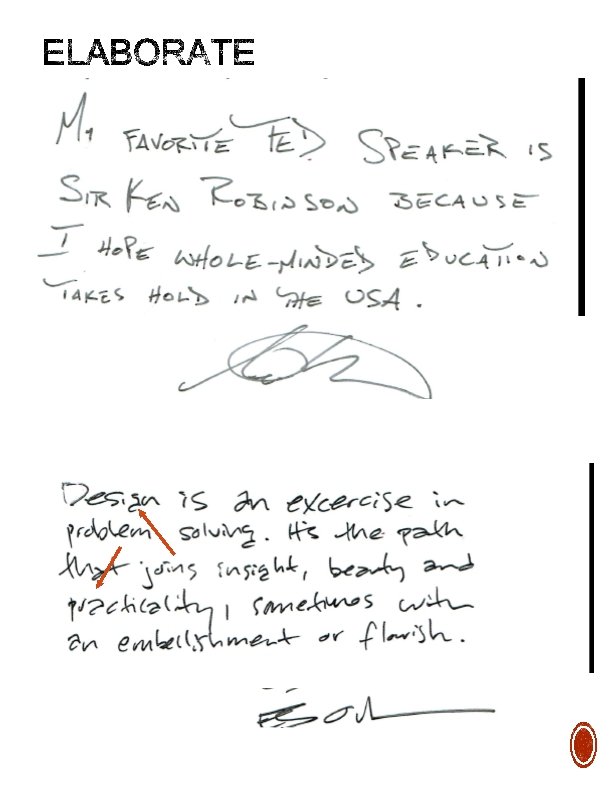
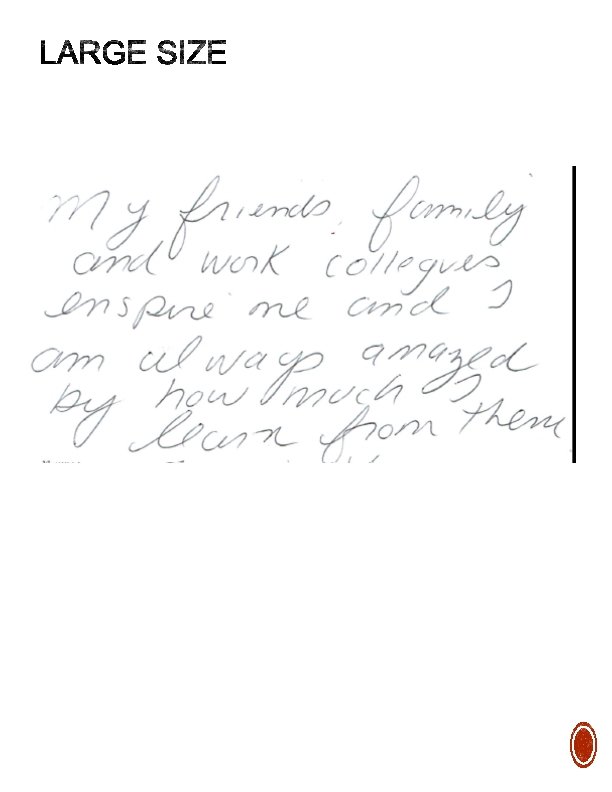
§ Spatial arrangement § Form (letter designs) § Originality § Simplification/Elaboration § Size § Movement (rhythm) § Speed § Pressure § Baseline Alignment § Any connectedness strengthens the interpretation § Compare the signature to the text
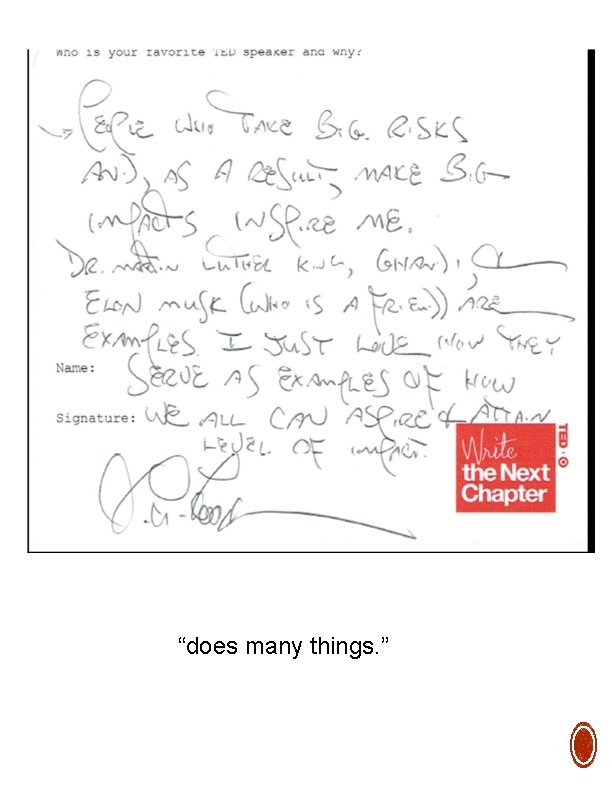
“does many things. ”