
Its Everyones Issue Opioid Substance Misuse Conference Rosie
It’s Everyone’s Issue Opioid Substance Misuse Conference Rosie Gianforte, LCSW Statewide Opioid Resource Director Illinois Department of Human Services Division of Substance Use Prevention and Recovery (SUPR) Rosie. m. Gianforte@illinois. gov Thursday, July 19 th, 2019
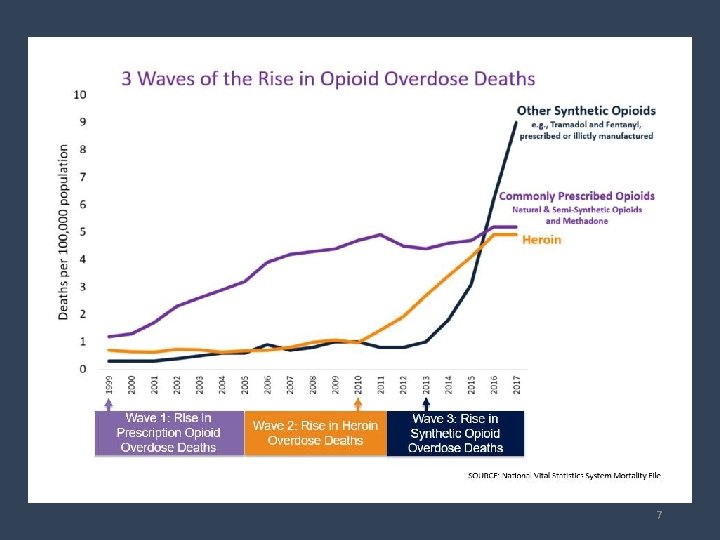
This workshop: The opioid/substance misuse crisis has been evolving for some time. From pain relief and prescribing patterns, to lack of public/patient awareness and high potency synthetics - understanding the framework helps people understand how and where they can use their leverage to address this crisis. 2
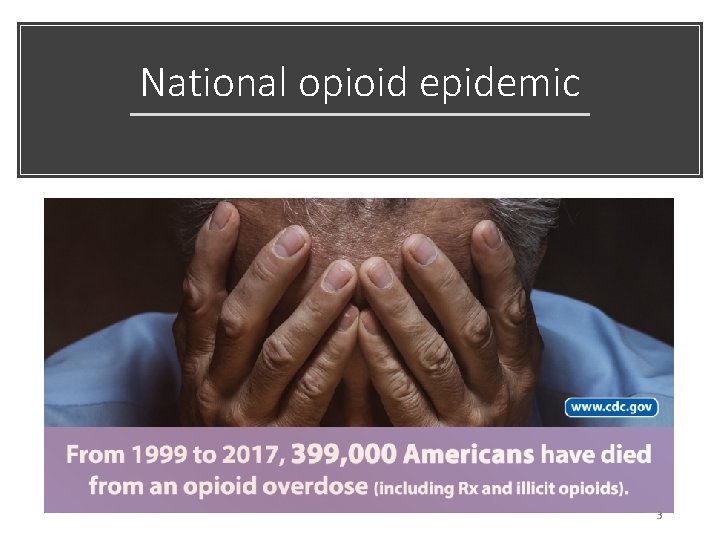
National opioid epidemic 3
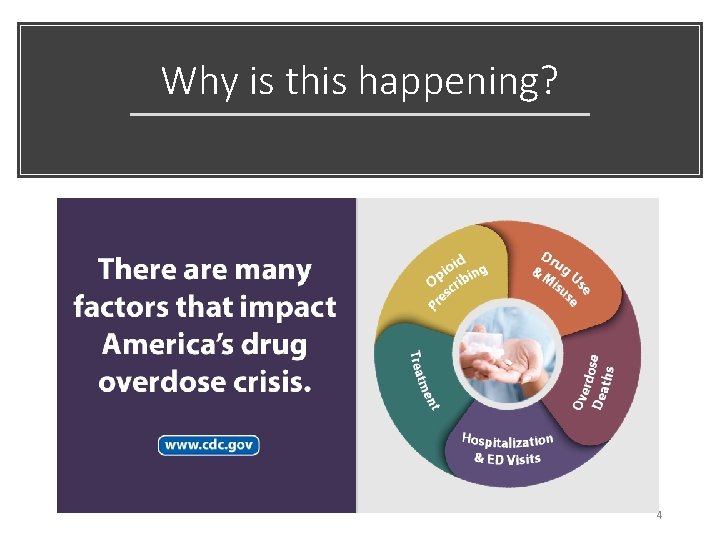
Why is this happening? 4
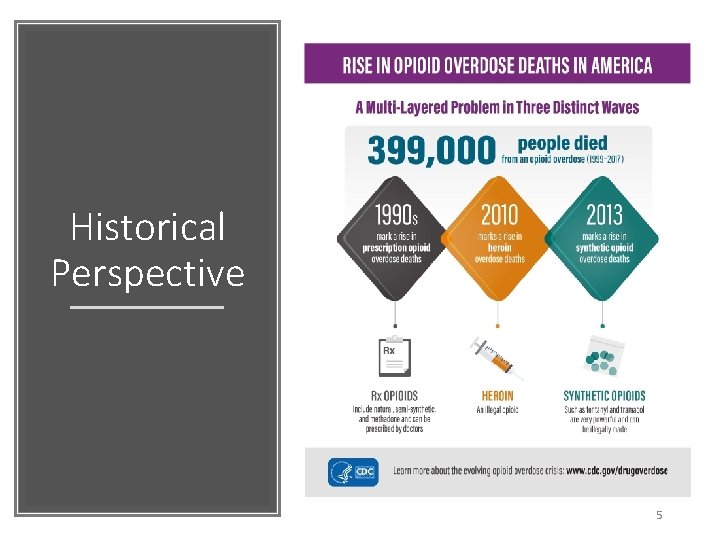
Historical Perspective 5
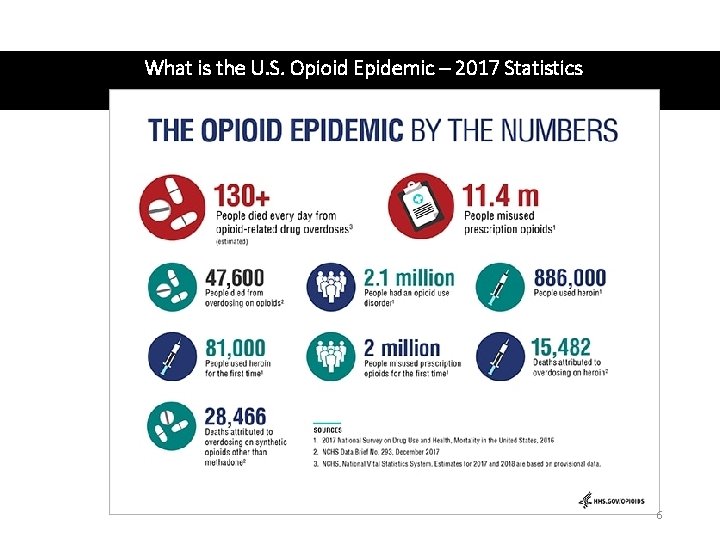
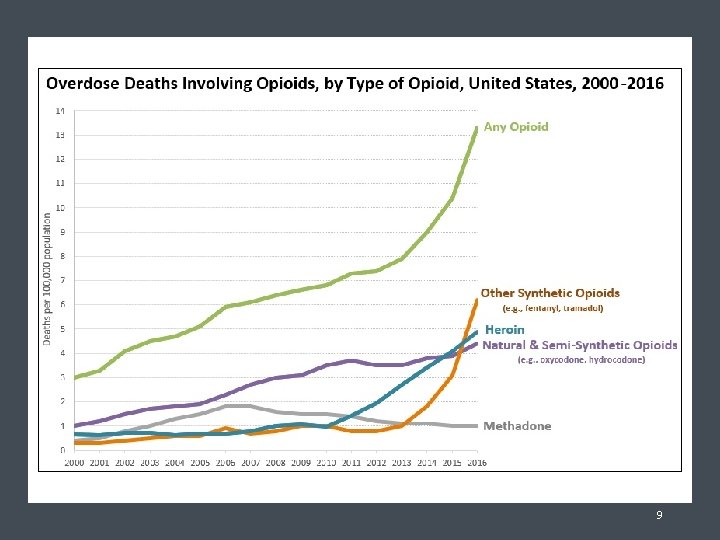
What is the U. S. Opioid Epidemic – 2017 Statistics 6
7
8
9
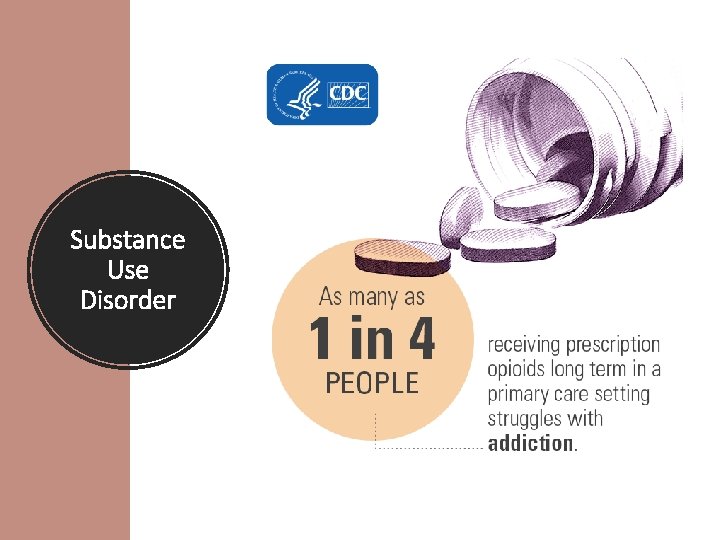
Substance Use Disorder
11
12
Travis’s Story
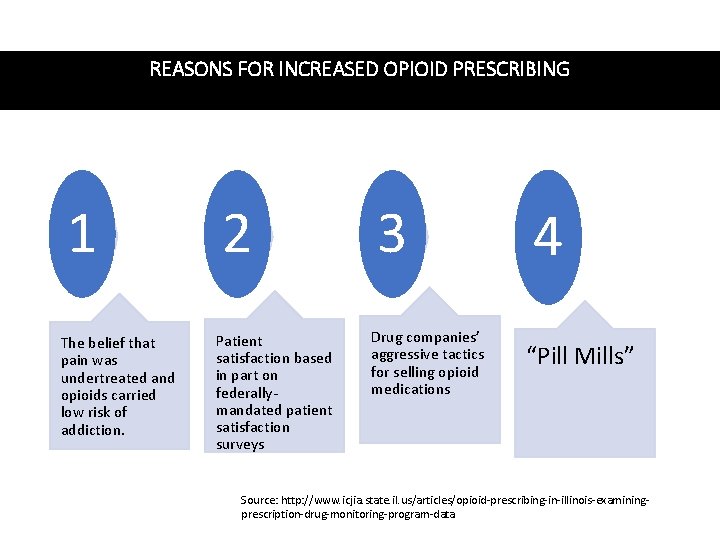
REASONS FOR INCREASED OPIOID PRESCRIBING 1 The belief that pain was undertreated and opioids carried low risk of addiction. 2 Patient satisfaction based in part on federallymandated patient satisfaction surveys 3 Drug companies’ aggressive tactics for selling opioid medications 4 “Pill Mills” Source: http: //www. icjia. state. il. us/articles/opioid-prescribing-in-illinois-examiningprescription-drug-monitoring-program-data
Prescription Drug Monitoring Programs • PDMPs collect, monitor, and analyze electronically transmitted prescribing and dispensing data submitted by pharmacies and dispensing practitioners. • The data are used to support states' efforts in education, research, enforcement and abuse prevention.
Illinois’ Opioid Crisis
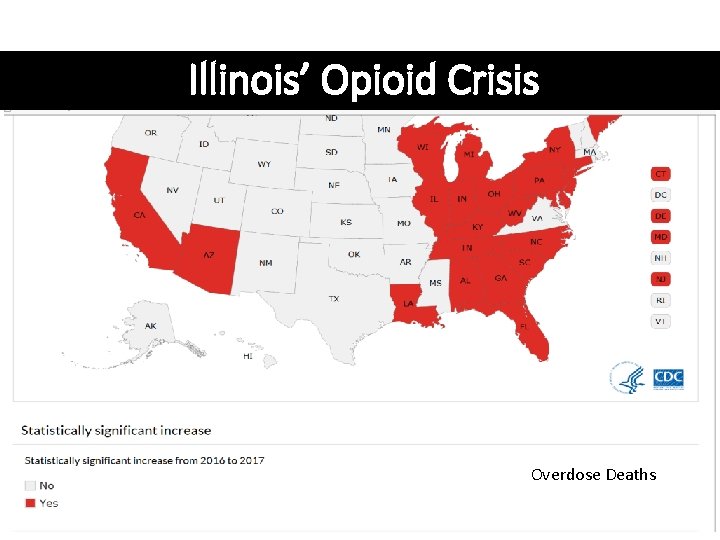
Illinois’ Opioid Crisis Overdose Deaths
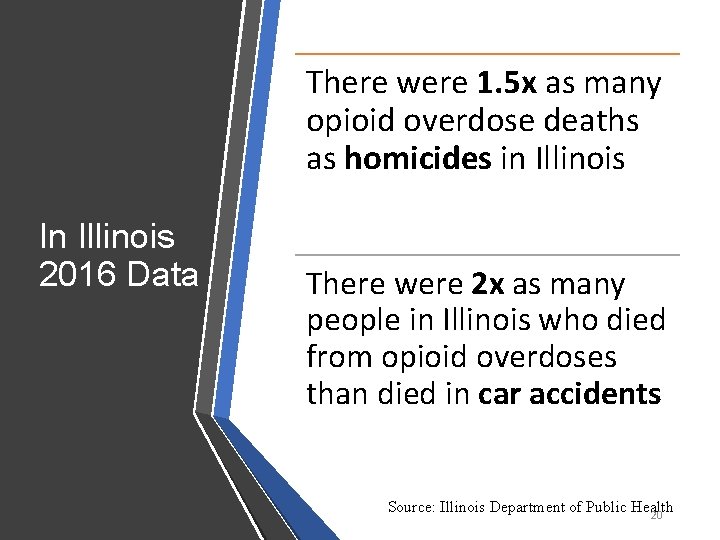
There were 1. 5 x as many opioid overdose deaths as homicides in Illinois In Illinois 2016 Data There were 2 x as many people in Illinois who died from opioid overdoses than died in car accidents Source: Illinois Department of Public Health 20
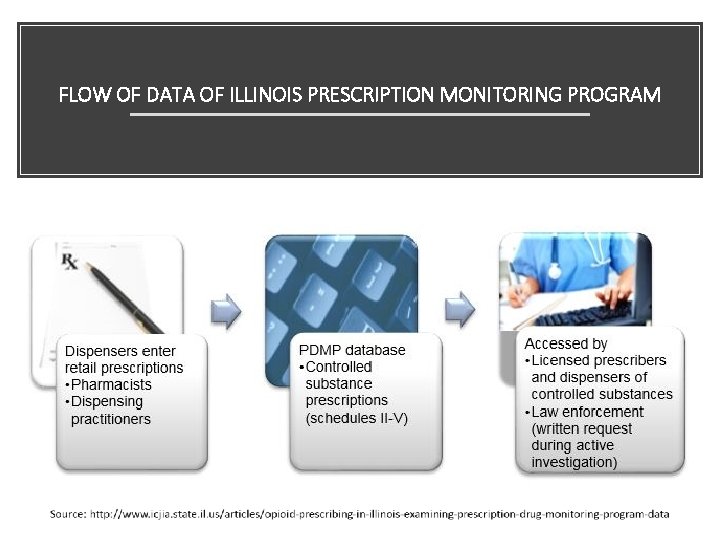
FLOW OF DATA OF ILLINOIS PRESCRIPTION MONITORING PROGRAM
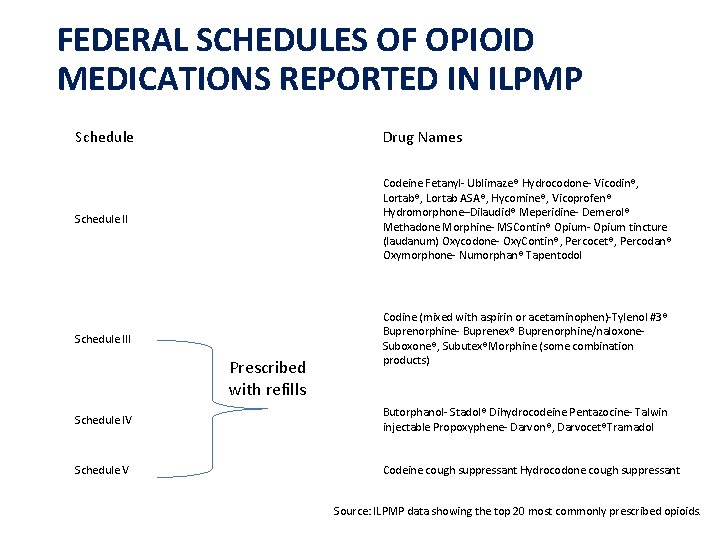
FEDERAL SCHEDULES OF OPIOID MEDICATIONS REPORTED IN ILPMP Schedule Drug Names Schedule II Codeine Fetanyl- Ublimaze® Hydrocodone- Vicodin®, Lortab®, Lortab ASA®, Hycomine®, Vicoprofen® Hydromorphone–Dilaudid® Meperidine- Demerol® Methadone Morphine- MSContin® Opium- Opium tincture (laudanum) Oxycodone- Oxy. Contin®, Percocet®, Percodan® Oxymorphone- Numorphan® Tapentodol Schedule III Codine (mixed with aspirin or acetaminophen)-Tylenol #3® Buprenorphine- Buprenex® Buprenorphine/naloxone- Suboxone®, Subutex®Morphine (some combination products) Prescribed with refills Schedule IV Butorphanol- Stadol® Dihydrocodeine Pentazocine- Talwin injectable Propoxyphene- Darvon®, Darvocet®Tramadol Schedule V Codeine cough suppressant Hydrocodone cough suppressant Source: ILPMP data showing the top 20 most commonly prescribed opioids.
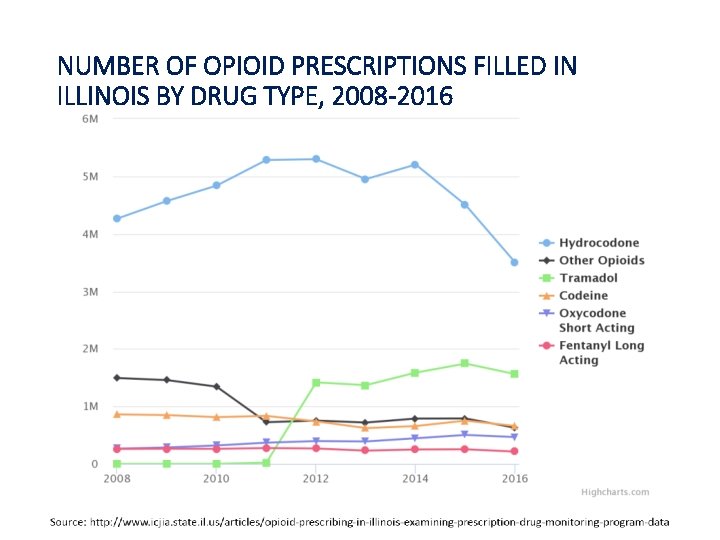
NUMBER OF OPIOID PRESCRIPTIONS FILLED IN ILLINOIS BY DRUG TYPE, 2008 -2016
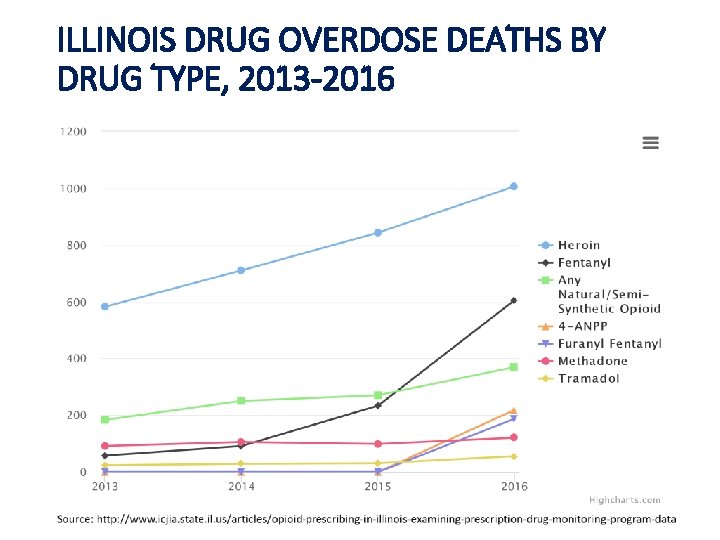
ILLINOIS DRUG OVERDOSE DEATHS BY DRUG TYPE, 2013 -2016
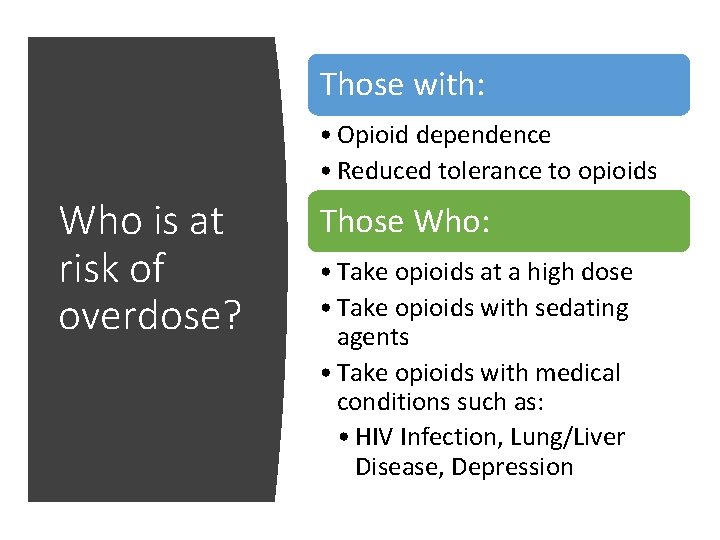
Those with: • Opioid dependence • Reduced tolerance to opioids Who is at risk of overdose? Those Who: • Take opioids at a high dose • Take opioids with sedating agents • Take opioids with medical conditions such as: • HIV Infection, Lung/Liver Disease, Depression
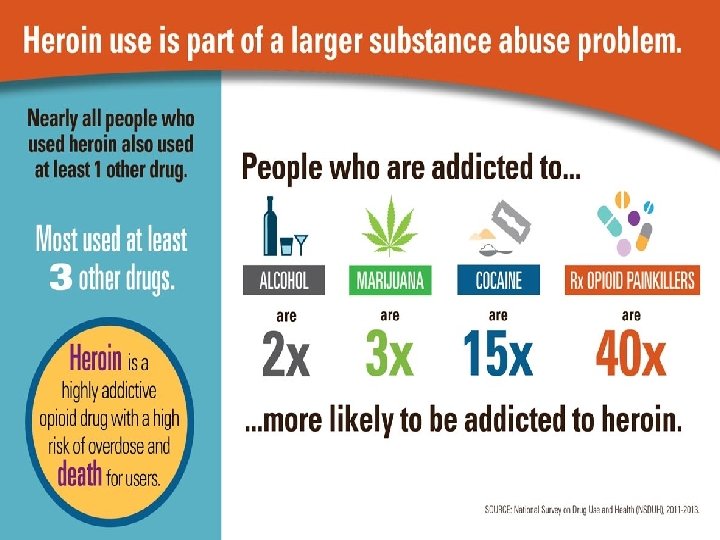
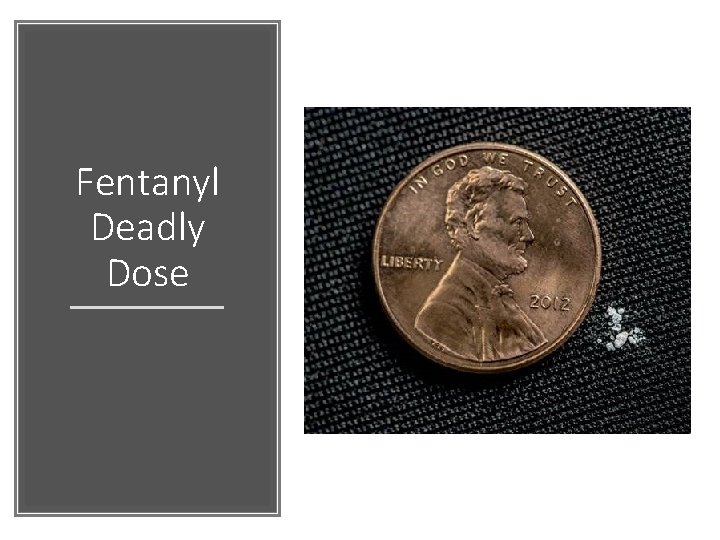
Fentanyl Deadly Dose
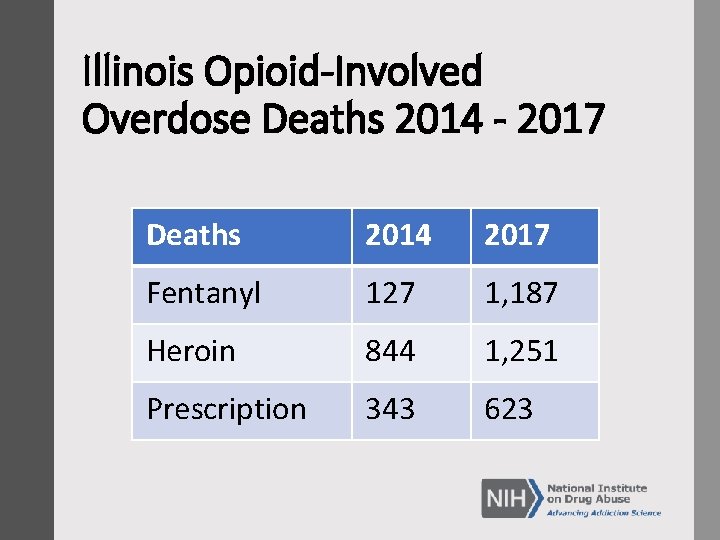
Illinois Opioid-Involved Overdose Deaths 2014 - 2017 Deaths 2014 2017 Fentanyl 127 1, 187 Heroin 844 1, 251 Prescription 343 623
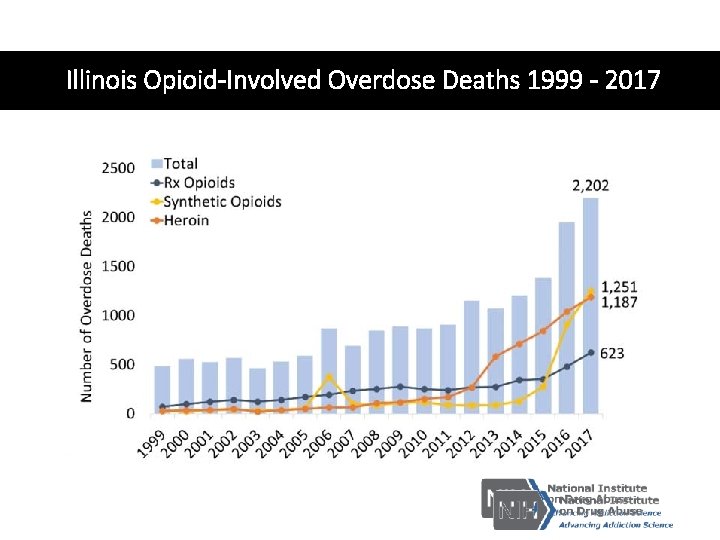
Illinois Opioid-Involved Overdose Deaths 1999 - 2017
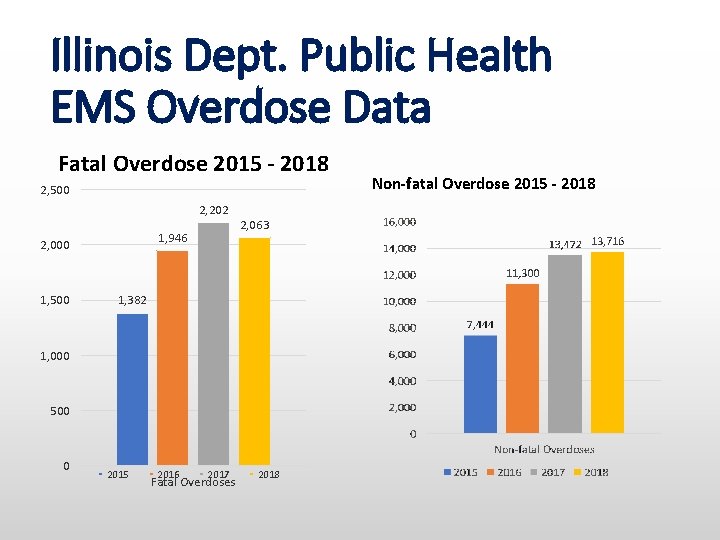
Illinois Dept. Public Health EMS Overdose Data Fatal Overdose 2015 - 2018 2, 500 2, 202 1, 946 2, 000 1, 500 2, 063 1, 382 1, 000 500 0 2015 2016 2017 Fatal Overdoses 2018 Non-fatal Overdose 2015 - 2018
31
Illinois Department of Public Health IDPH Data Dashboard • https: //idph. illinois. gov/Opioid. Data Dashboard/
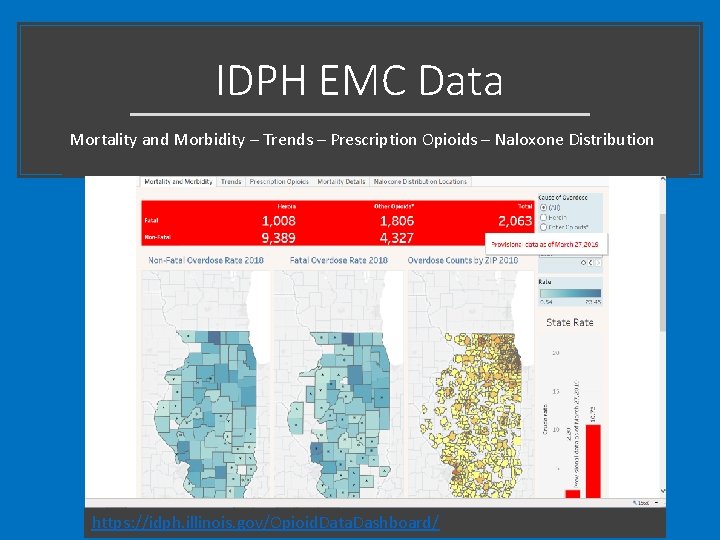
IDPH EMC Data Mortality and Morbidity – Trends – Prescription Opioids – Naloxone Distribution https: //idph. illinois. gov/Opioid. Data. Dashboard/
Division of Substance Use Prevention and Recovery (SUPR) • Single State Authority (SSA) charged with providing a system of care along the continuum of prevention, intervention, treatment and recovery support where individuals with SUD, those in recovery and those at risk are valued and treated with dignity and where stigma, accompanying attitudes, discrimination, and other barriers to recovery are eliminated • Prevention • Intervention • Treatment for Substance Use Disorders (SUD) and other related disorders (gambling disorder) • Recovery Support Services 35
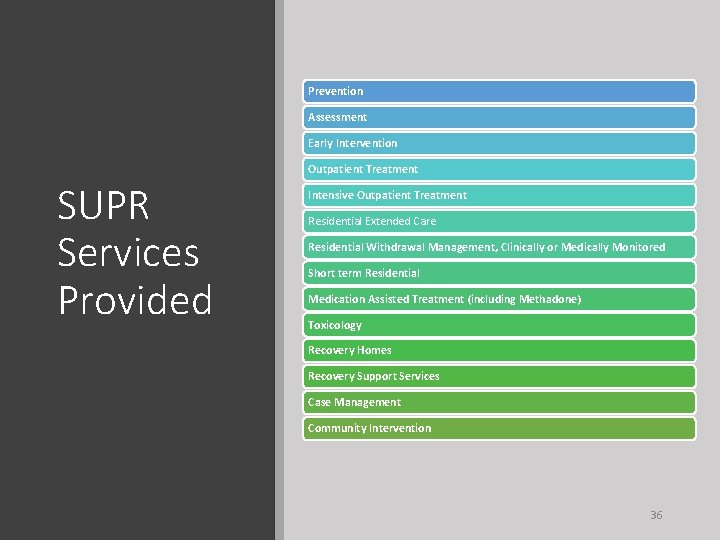
Prevention Assessment Early Intervention Outpatient Treatment SUPR Services Provided Intensive Outpatient Treatment Residential Extended Care Residential Withdrawal Management, Clinically or Medically Monitored Short term Residential Medication Assisted Treatment (including Methadone) Toxicology Recovery Homes Recovery Support Services Case Management Community Intervention 36
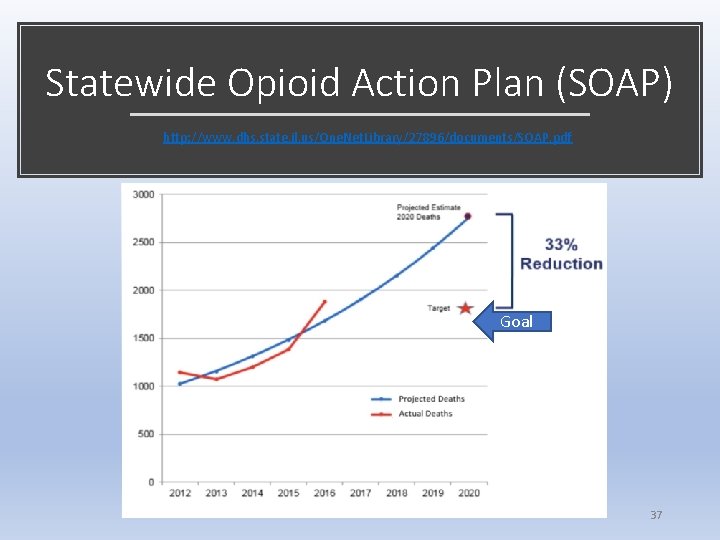
Statewide Opioid Action Plan (SOAP) http: //www. dhs. state. il. us/One. Net. Library/27896/documents/SOAP. pdf Goal 37
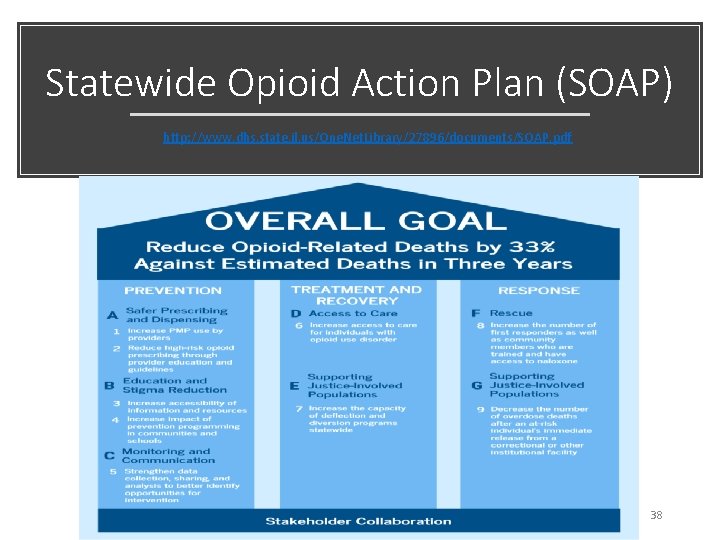
Statewide Opioid Action Plan (SOAP) http: //www. dhs. state. il. us/One. Net. Library/27896/documents/SOAP. pdf 38
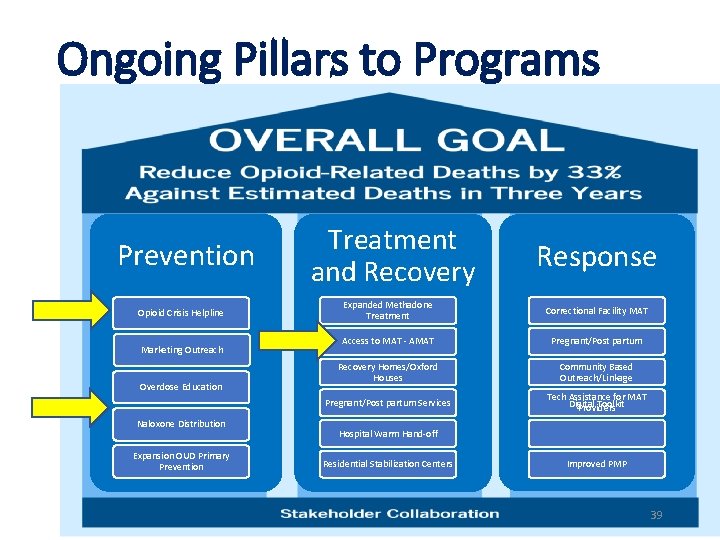
Ongoing Pillars to Programs Prevention Opioid Crisis Helpline Marketing Outreach Overdose Education Treatment and Recovery Expanded Methadone Treatment Correctional Facility MAT Access to MAT - AMAT Pregnant/Post partum Recovery Homes/Oxford Houses Pregnant/Post partum Services Naloxone Distribution Expansion OUD Primary Prevention Response Community Based Outreach/Linkage Tech Assistance for MAT Digital Toolkit Providers Hospital Warm Hand-off Residential Stabilization Centers Improved PMP 39
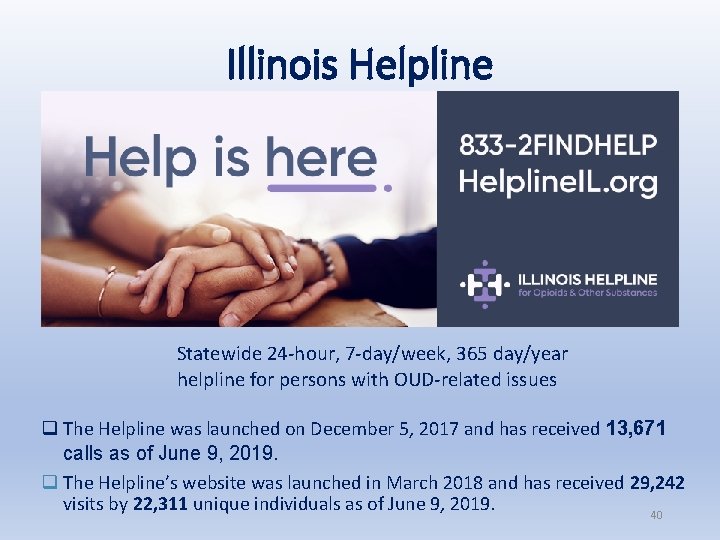
Illinois Helpline Statewide 24 -hour, 7 -day/week, 365 day/year helpline for persons with OUD-related issues q The Helpline was launched on December 5, 2017 and has received 13, 671 calls as of June 9, 2019. q The Helpline’s website was launched in March 2018 and has received 29, 242 visits by 22, 311 unique individuals as of June 9, 2019. 40
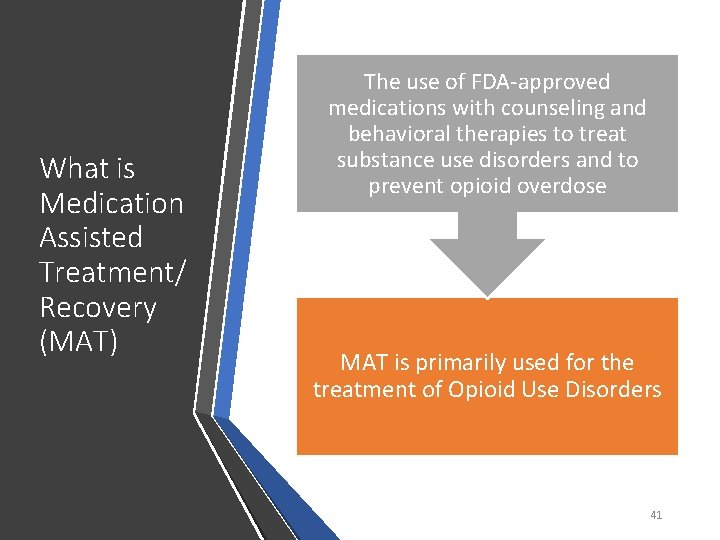
What is Medication Assisted Treatment/ Recovery (MAT) The use of FDA-approved medications with counseling and behavioral therapies to treat substance use disorders and to prevent opioid overdose MAT is primarily used for the treatment of Opioid Use Disorders 41
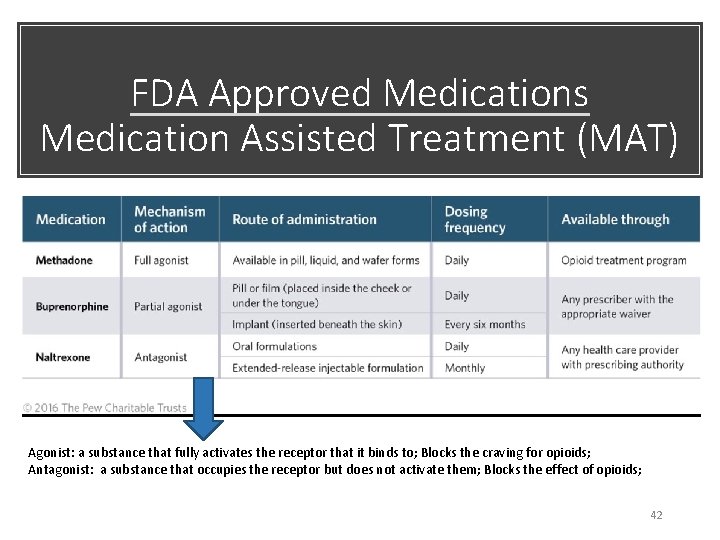
FDA Approved Medications Medication Assisted Treatment (MAT) Agonist: a substance that fully activates the receptor that it binds to; Blocks the craving for opioids; Antagonist: a substance that occupies the receptor but does not activate them; Blocks the effect of opioids; 42
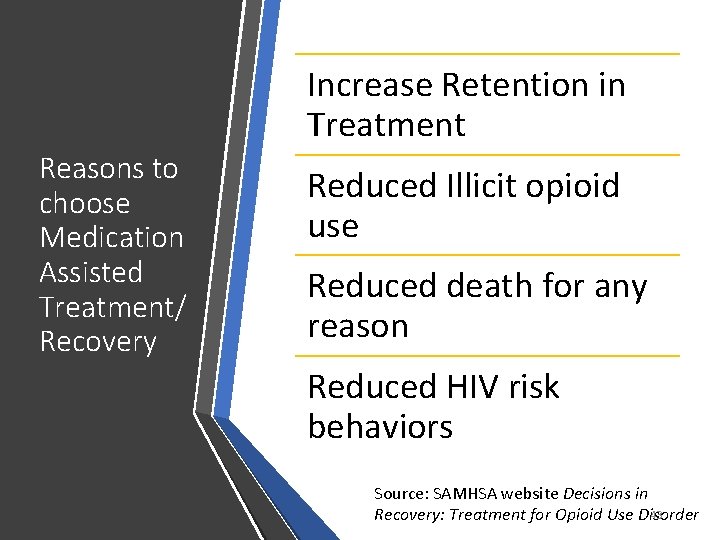
Increase Retention in Treatment Reasons to choose Medication Assisted Treatment/ Recovery Reduced Illicit opioid use Reduced death for any reason Reduced HIV risk behaviors Source: SAMHSA website Decisions in 43 Recovery: Treatment for Opioid Use Disorder
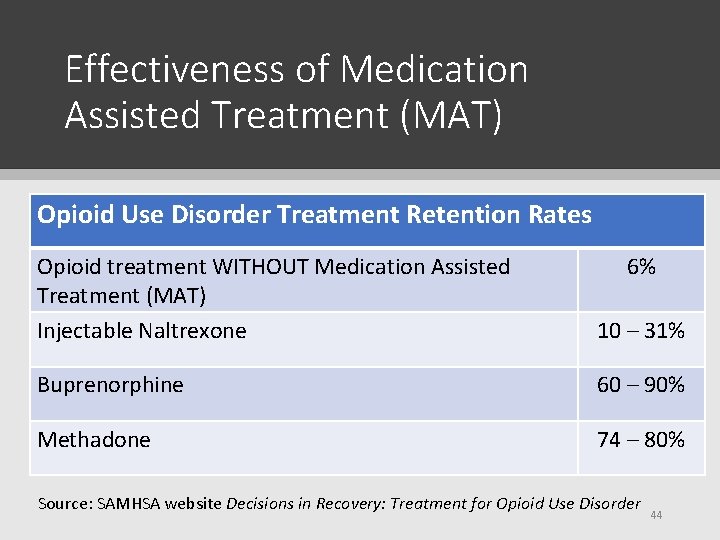
Effectiveness of Medication Assisted Treatment (MAT) Opioid Use Disorder Treatment Retention Rates Opioid treatment WITHOUT Medication Assisted Treatment (MAT) Injectable Naltrexone 6% 10 – 31% Buprenorphine 60 – 90% Methadone 74 – 80% Source: SAMHSA website Decisions in Recovery: Treatment for Opioid Use Disorder 44
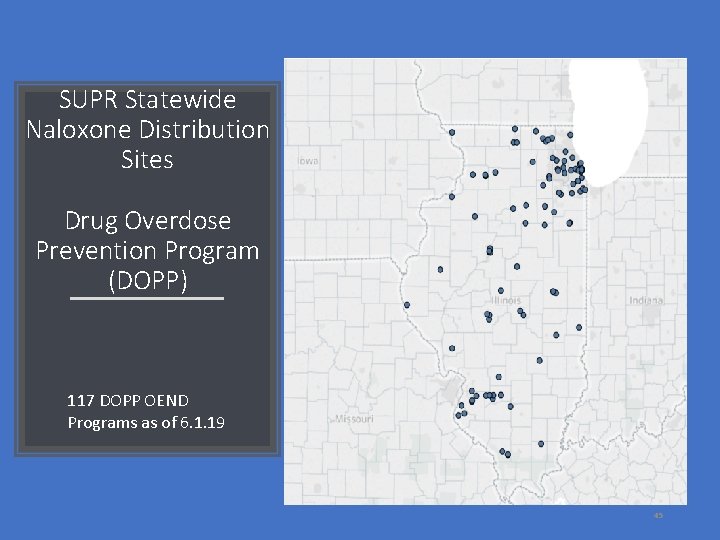
SUPR Statewide Naloxone Distribution Sites Drug Overdose Prevention Program (DOPP) 117 DOPP OEND Programs as of 6. 1. 19 45
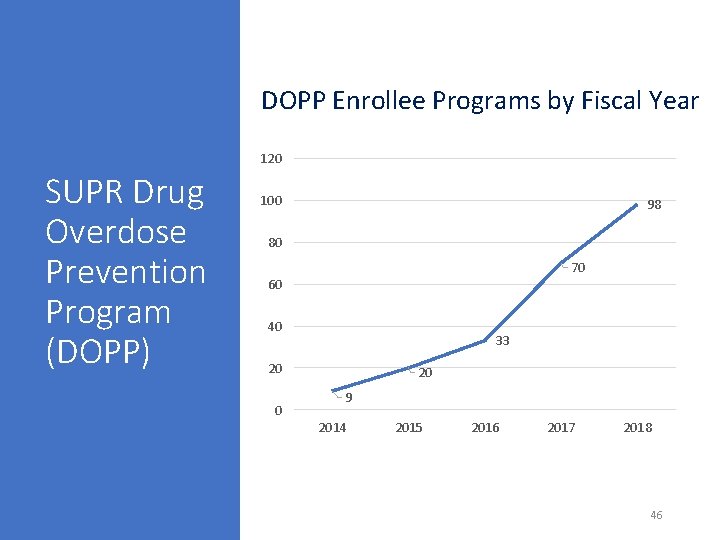
DOPP Enrollee Programs by Fiscal Year 120 SUPR Drug Overdose Prevention Program (DOPP) 100 98 80 70 60 40 33 20 0 20 9 2014 2015 2016 2017 2018 46
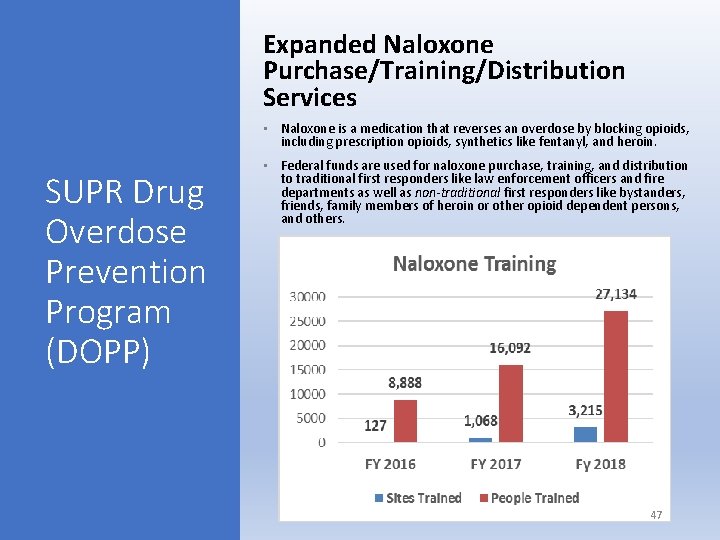
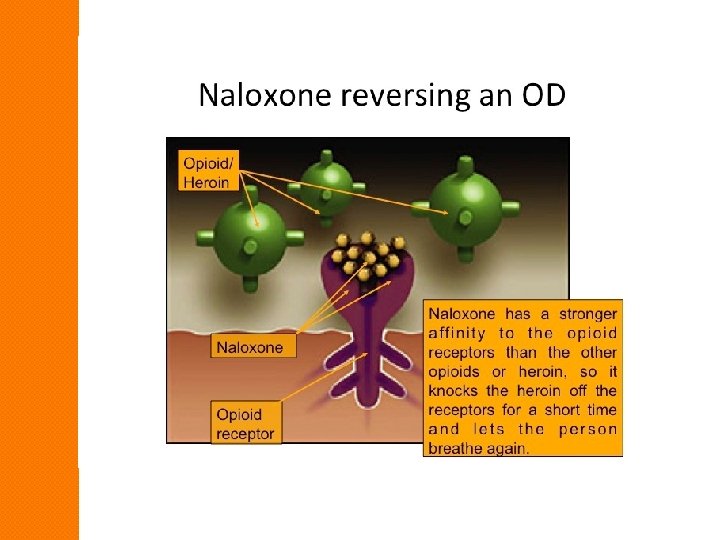
Expanded Naloxone Purchase/Training/Distribution Services • Naloxone is a medication that reverses an overdose by blocking opioids, including prescription opioids, synthetics like fentanyl, and heroin. SUPR Drug Overdose Prevention Program (DOPP) • Federal funds are used for naloxone purchase, training, and distribution to traditional first responders like law enforcement officers and fire departments as well as non-traditional first responders like bystanders, friends, family members of heroin or other opioid dependent persons, and others. 47
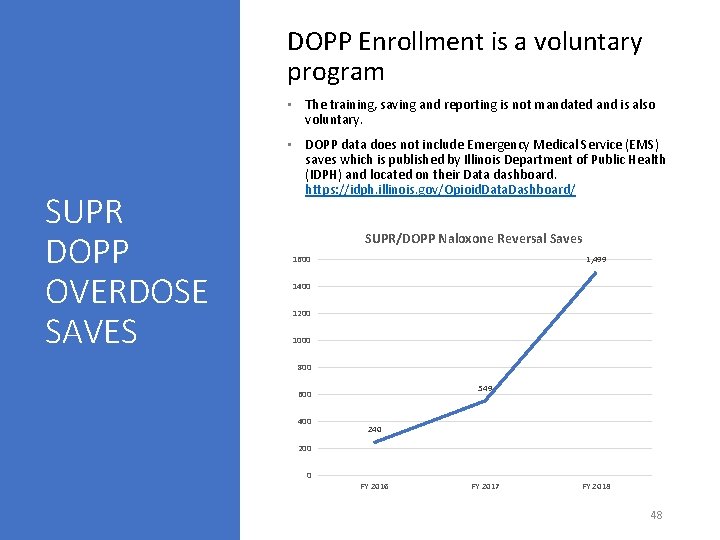
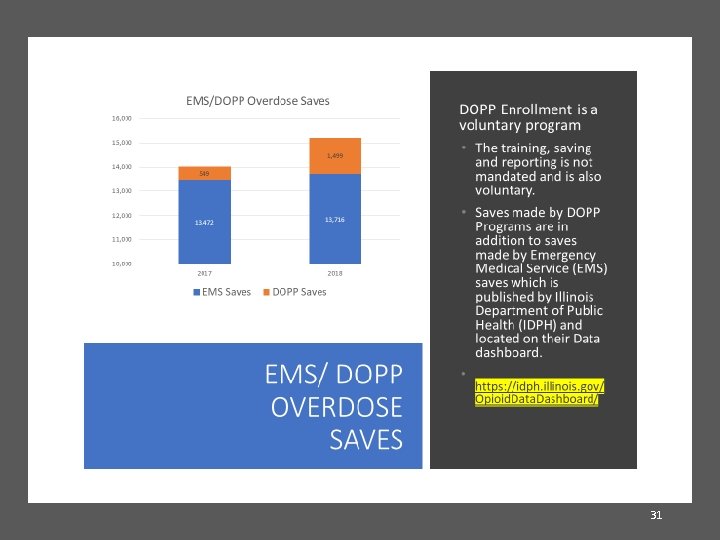
DOPP Enrollment is a voluntary program • The training, saving and reporting is not mandated and is also voluntary. SUPR DOPP OVERDOSE SAVES • DOPP data does not include Emergency Medical Service (EMS) saves which is published by Illinois Department of Public Health (IDPH) and located on their Data dashboard. https: //idph. illinois. gov/Opioid. Data. Dashboard/ SUPR/DOPP Naloxone Reversal Saves 1600 1, 499 1400 1200 1000 800 549 600 400 240 200 0 FY 2016 FY 2017 FY 2018 48
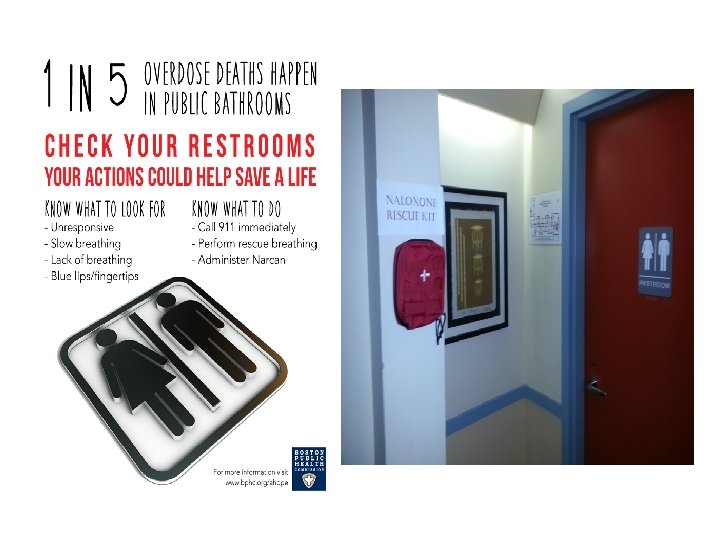
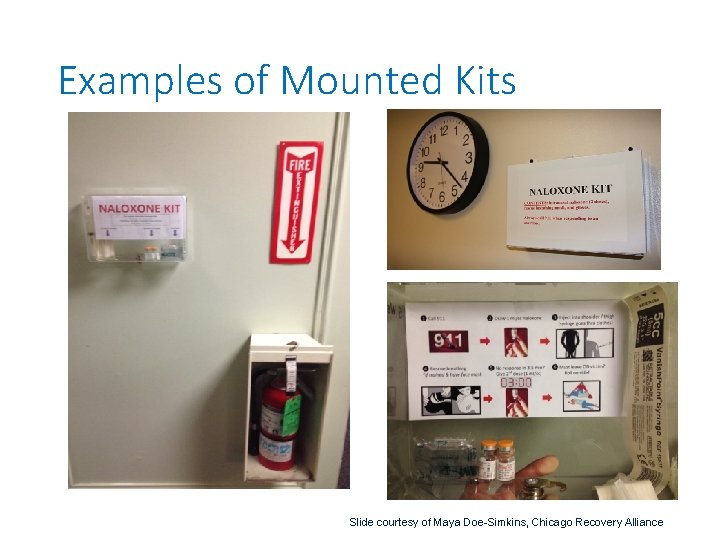
Examples of Mounted Kits Slide courtesy of Maya Doe-Simkins, Chicago Recovery Alliance
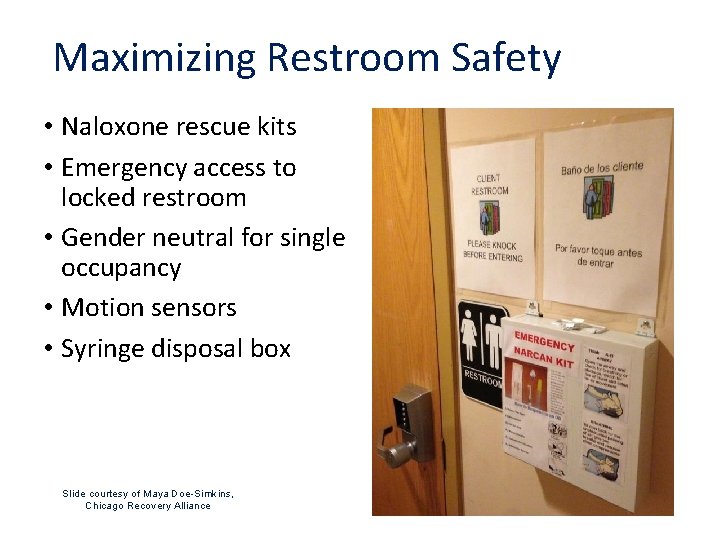
Maximizing Restroom Safety • Naloxone rescue kits • Emergency access to locked restroom • Gender neutral for single occupancy • Motion sensors • Syringe disposal box Slide courtesy of Maya Doe-Simkins, Chicago Recovery Alliance
Naloxone Training April Scales Egyptian Health Department 5 2
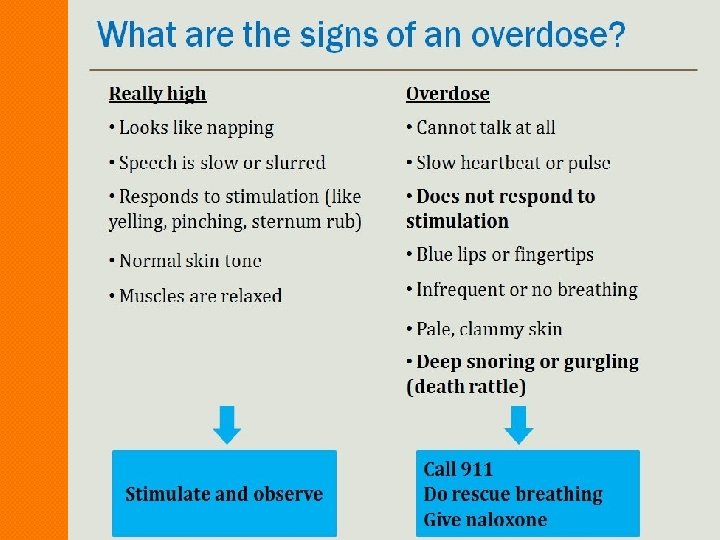
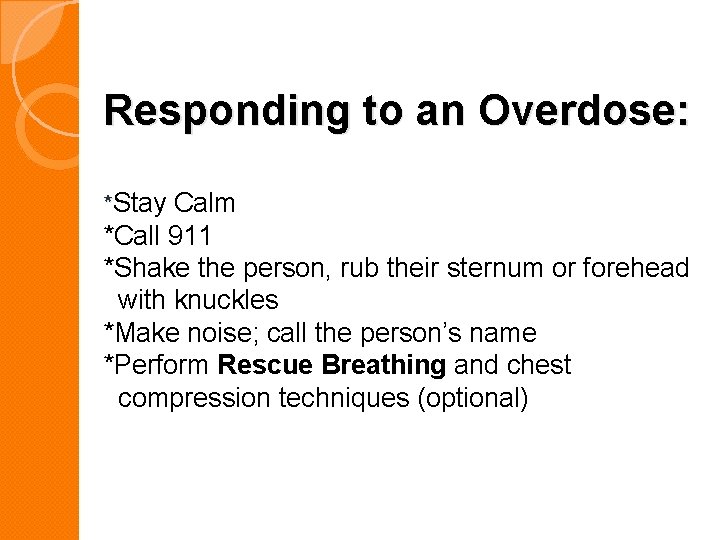
Responding to an Overdose: *Stay Calm *Call 911 *Shake the person, rub their sternum or forehead with knuckles *Make noise; call the person’s name *Perform Rescue Breathing and chest compression techniques (optional)
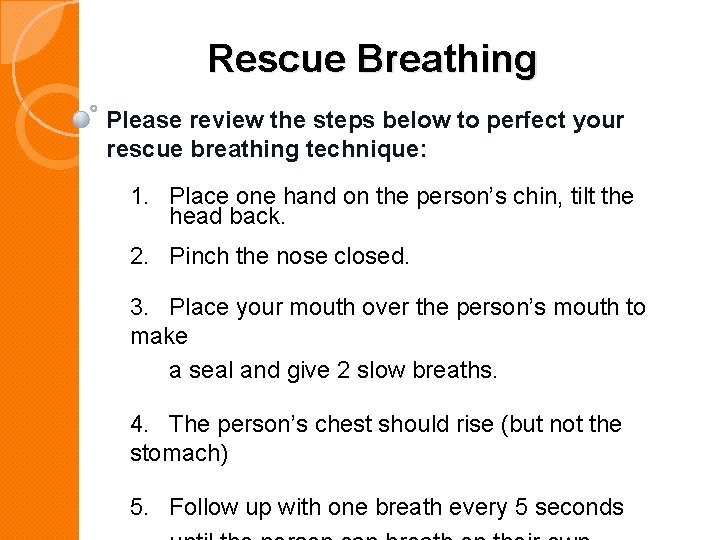
Rescue Breathing Please review the steps below to perfect your rescue breathing technique: 1. Place one hand on the person’s chin, tilt the head back. 2. Pinch the nose closed. 3. Place your mouth over the person’s mouth to make a seal and give 2 slow breaths. 4. The person’s chest should rise (but not the stomach) 5. Follow up with one breath every 5 seconds
Responding to an Overdose *ADMINISTER NALOXONE (NARCAN) *Continue rescue breathing for 3 -5 minutes *Place person in Rescue Position once they are breathing on their own
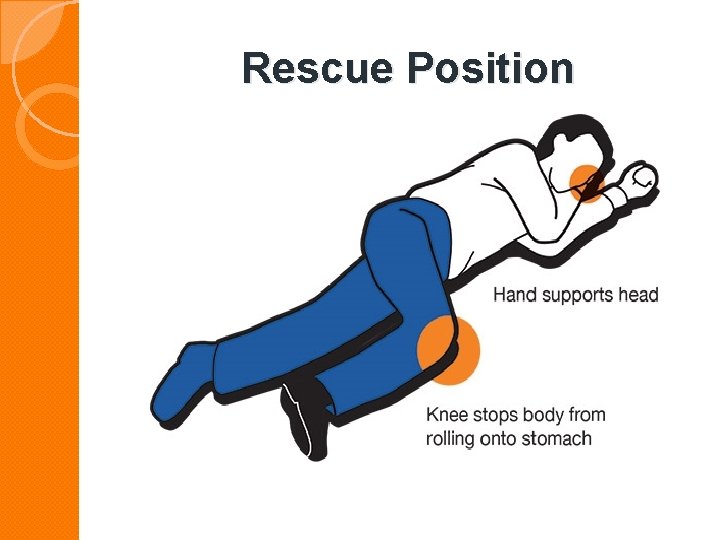
Rescue Position
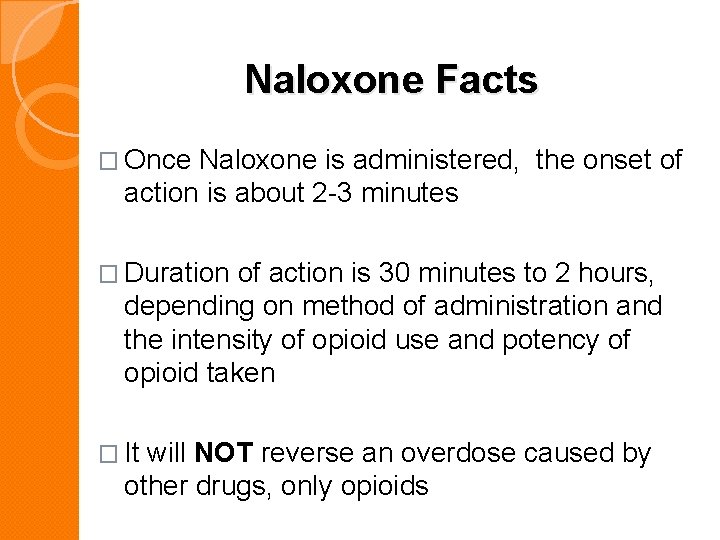
Naloxone Facts � Once Naloxone is administered, the onset of action is about 2 -3 minutes � Duration of action is 30 minutes to 2 hours, depending on method of administration and the intensity of opioid use and potency of opioid taken � It will NOT reverse an overdose caused by other drugs, only opioids
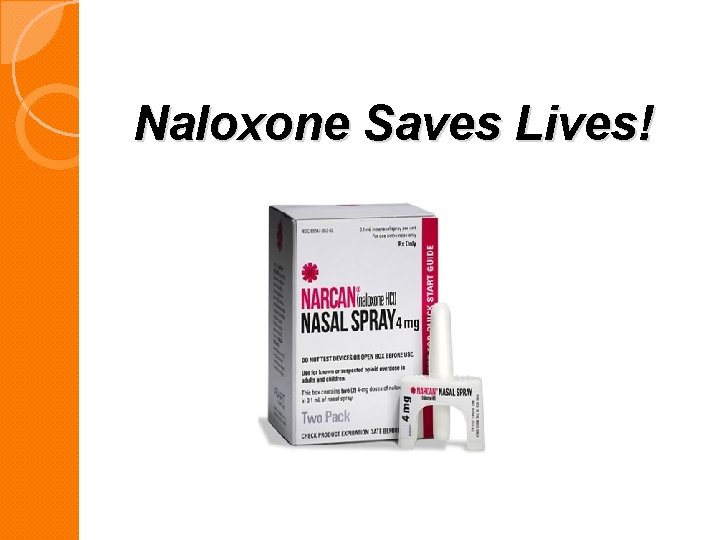
Naloxone Saves Lives!
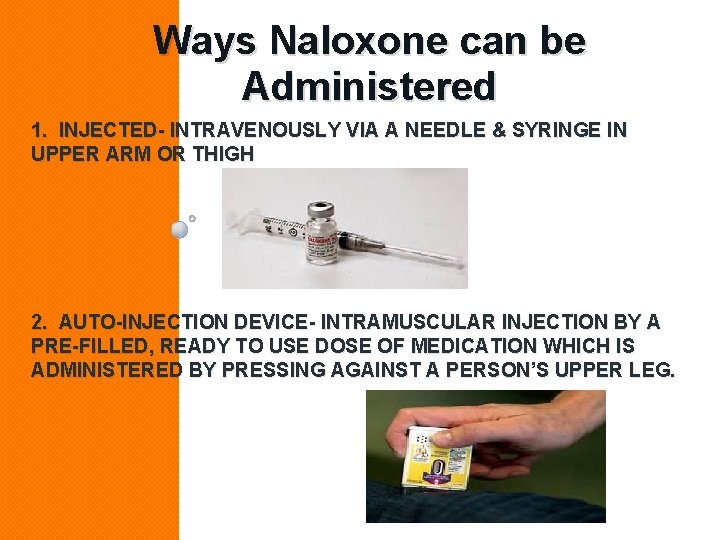
Ways Naloxone can be Administered 1. INJECTED- INTRAVENOUSLY VIA A NEEDLE & SYRINGE IN UPPER ARM OR THIGH 2. AUTO-INJECTION DEVICE- INTRAMUSCULAR INJECTION BY A PRE-FILLED, READY TO USE DOSE OF MEDICATION WHICH IS ADMINISTERED BY PRESSING AGAINST A PERSON’S UPPER LEG.
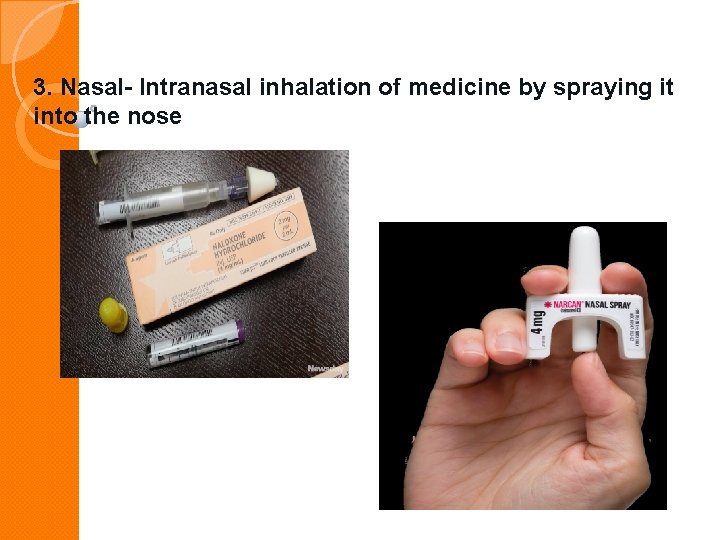
3. Nasal- Intranasal inhalation of medicine by spraying it into the nose
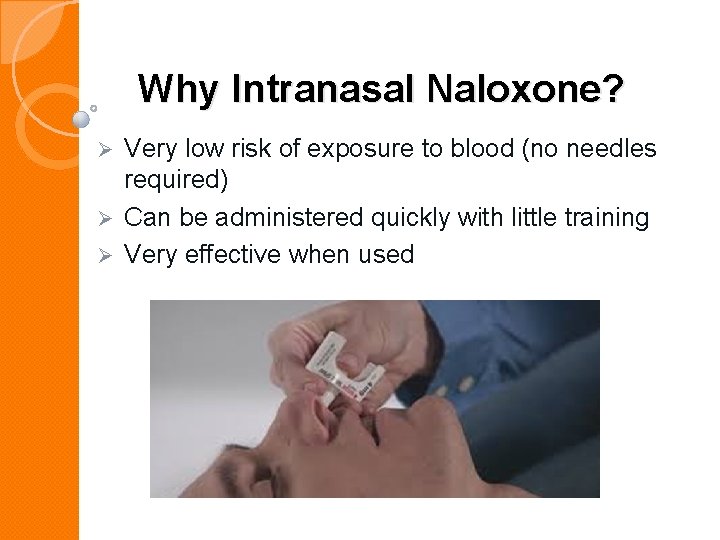
Why Intranasal Naloxone? Very low risk of exposure to blood (no needles required) Ø Can be administered quickly with little training Ø Very effective when used Ø
More Facts about Naloxone • Naloxone can be carried in your mode of transportation but should be stored in a temperature controlled environment. • Pay attention to the expiration date for any naloxone product. • Naloxone has a shelf life of 2 years. • Expired naloxone can still be administered if there is no other alternative available. However, it may not be as effective and a second dose may be required.
Naloxone is only effective on opioid overdoses
Naloxone/Narcan Video HTTPS: //WWW. YOUTUBE. COM/WATCH? V=TGDUFMRCR H 4
Naloxone Made Available In 2015, HB 099 -0480 was made a Public Act that opened access to and administration of naloxone by individuals other than first responders. These services are supported by IDHS, Division of Substance Use Prevention and Recovery, as part of the Illinois State-Opioid Response (SOR) grant from the U. S. Dept of Health and Human Services, Substance Abuse and Mental Health Services Administration.
GOOD SAMARITAN LAW In 2012 the Illinois Public Act, 097 -0687, The Good Samaritan Law, was passed and it protects people from drug possession charges if they witness or experience an overdose and call 911 for help. (specified limitations apply) The immunity applies to any “good faith effort” made to seek emergency medical help, whether that is calling 911, or taking the overdose victim to an emergency room. 9 -11% decrease in overdose deaths since the passing of the GSL.
NALOXONE in the hands of those who need it most! NUMBER ONE priority: Put Naloxone (Narcan) in the hands of those most likely to be on the scene and/or first to respond to those who are experiencing an overdose: Ø Ø Ø Ø Law Enforcement Other first responders School personnel Individuals who use opioids themselves Friends of family members People working around active users People being released from incarceration and/or treatment facilities
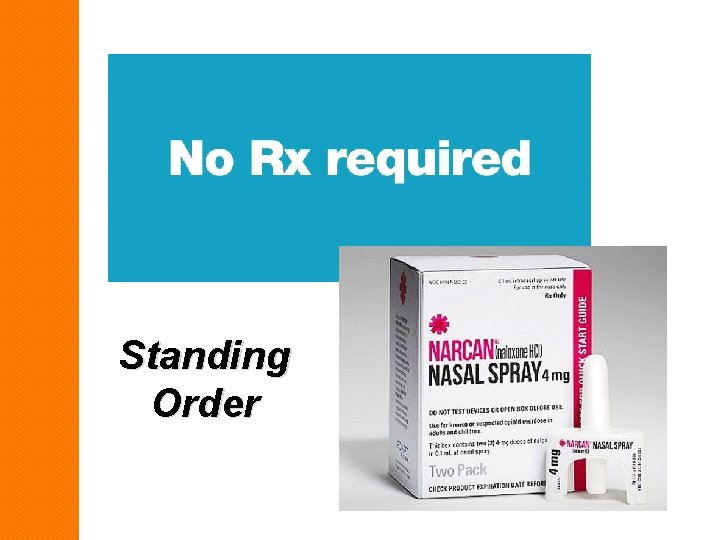
Standing Order
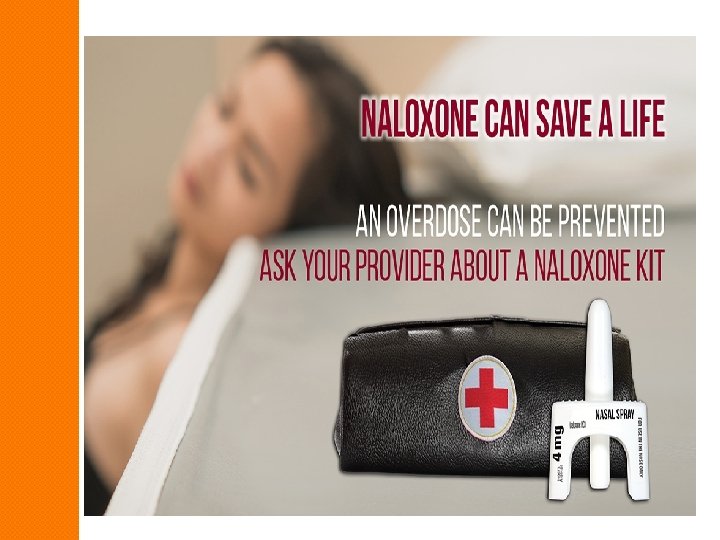
Be Prepared, Get Naloxone, Save a Life!
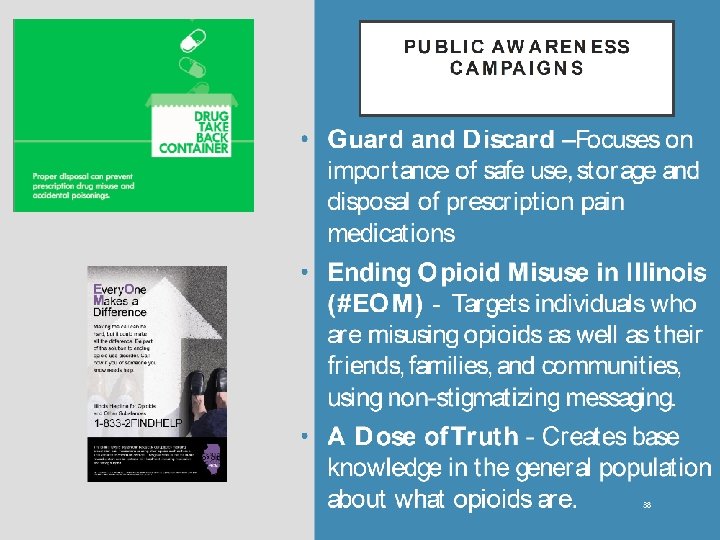
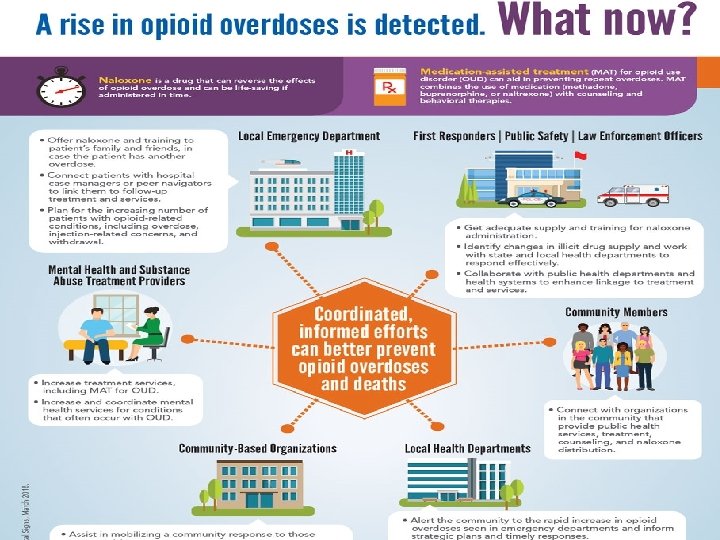
PUBLIC AWARENESS CAMPAIGNS • Guard and Discard –Focuses on importance of safe use, storage and disposal of prescription pain medications • Ending Opioid Misuse in Illinois (#EOM) - Targets individuals who are misusing opioids as well as their friends, families, and communities, using non-stigmatizing messaging. • A Dose of Truth - Creates base knowledge in the general population about what opioids 74
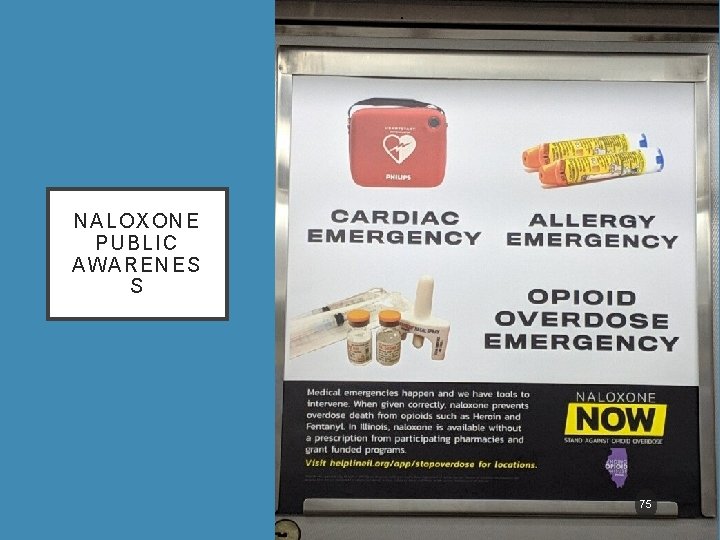
NALOXONE P UBLIC AWARENES S 75
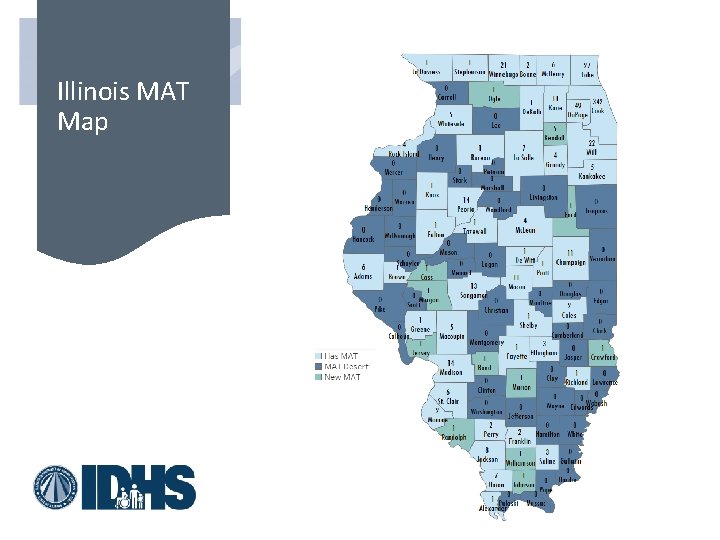
Illinois MAT Map 76
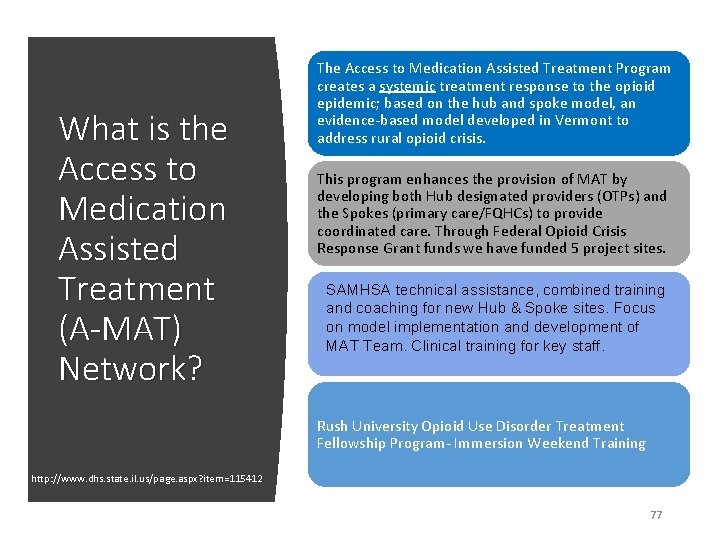
What is the Access to Medication Assisted Treatment (A-MAT) Network? The Access to Medication Assisted Treatment Program creates a systemic treatment response to the opioid epidemic; based on the hub and spoke model, an evidence-based model developed in Vermont to address rural opioid crisis. This program enhances the provision of MAT by developing both Hub designated providers (OTPs) and the Spokes (primary care/FQHCs) to provide coordinated care. Through Federal Opioid Crisis Response Grant funds we have funded 5 project sites. SAMHSA technical assistance, combined training and coaching for new Hub & Spoke sites. Focus on model implementation and development of MAT Team. Clinical training for key staff. Rush University Opioid Use Disorder Treatment Fellowship Program- Immersion Weekend Training http: //www. dhs. state. il. us/page. aspx? item=115412 77
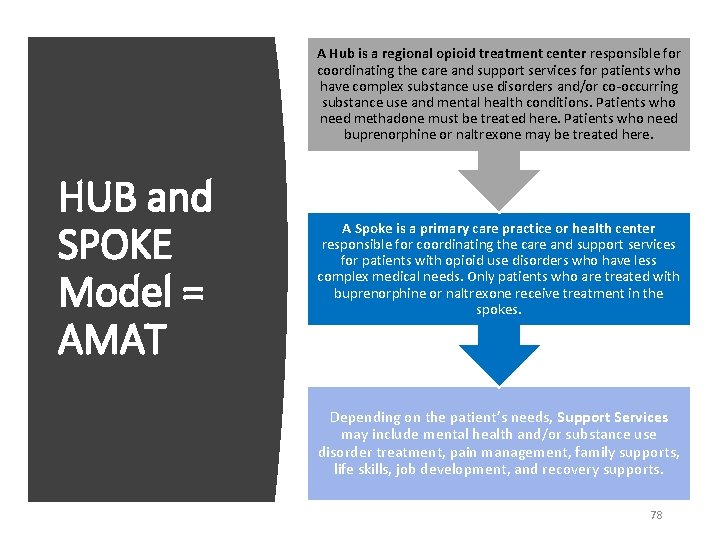
A Hub is a regional opioid treatment center responsible for coordinating the care and support services for patients who have complex substance use disorders and/or co-occurring substance use and mental health conditions. Patients who need methadone must be treated here. Patients who need buprenorphine or naltrexone may be treated here. HUB and SPOKE Model = AMAT A Spoke is a primary care practice or health center responsible for coordinating the care and support services for patients with opioid use disorders who have less complex medical needs. Only patients who are treated with buprenorphine or naltrexone receive treatment in the spokes. Depending on the patient’s needs, Support Services may include mental health and/or substance use disorder treatment, pain management, family supports, life skills, job development, and recovery supports. 78
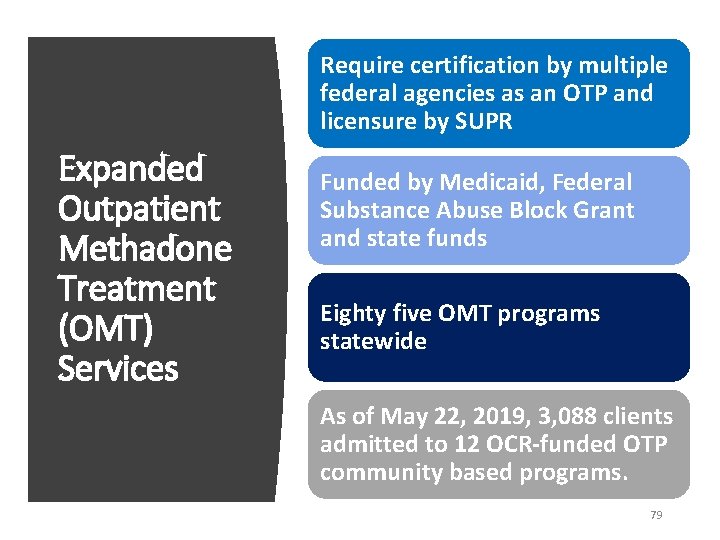
Require certification by multiple federal agencies as an OTP and licensure by SUPR Expanded Outpatient Methadone Treatment (OMT) Services Funded by Medicaid, Federal Substance Abuse Block Grant and state funds Eighty five OMT programs statewide As of May 22, 2019, 3, 088 clients admitted to 12 OCR-funded OTP community based programs. 79
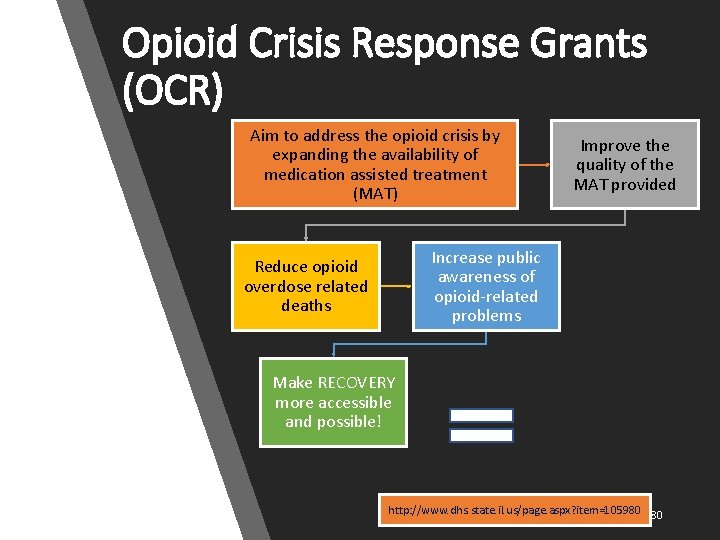
Opioid Crisis Response Grants (OCR) Aim to address the opioid crisis by expanding the availability of medication assisted treatment (MAT) Improve the quality of the MAT provided Increase public awareness of opioid-related problems Reduce opioid overdose related deaths Make RECOVERY more accessible and possible! http: //www. dhs. state. il. us/page. aspx? item=105980 80
Recovery Oriented Systems of Care • A ROSC is a coordinated network of community based services and supports that is person-centered and builds on the strength and resilience of individuals, families, and communities to achieve abstinence* and improved health, wellness and quality of life for those with or at risk of alcohol and drug problems. *Note that abstinence is in the SAMHSA ROSC definition, but others have replaced “abstinence” with “recovery”. https: //www. samhsa. gov/sites/default/files/rosc_resource _guide_book. pdf
Recovery Oriented System of Care (ROSC) Goals: • Building a culture that builds and nurtures recovery • Building capacity and infrastructure to support a recovery-oriented system of care • Developing commitment to implement and sustain a recovery -oriented system of care IDHS/SUPR ROSC Page: http: //www. dhs. state. il. us/page. aspx? item=99995
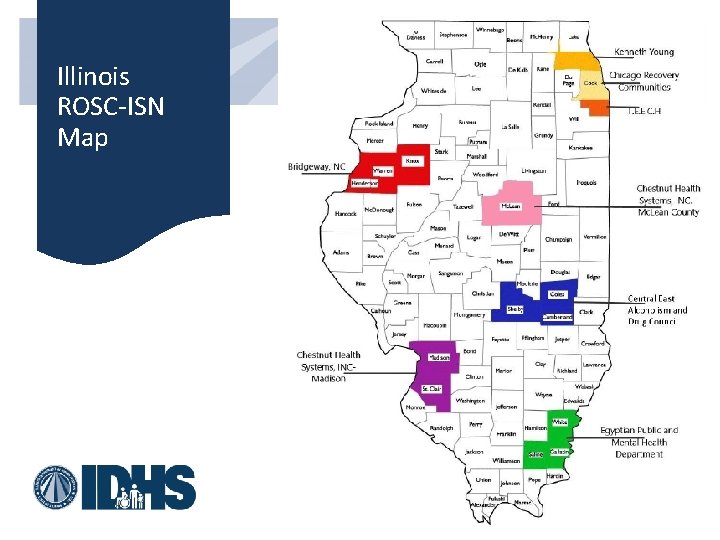
Illinois ROSC-ISN Map
IDHS/SUPR Opioid Resources http: //www. dhs. state. il. us/page. aspx? item=93882 DOPP http: //www. dhs. state. il. us/page. aspx? item=58142 Monthly OCR Update http: //www. dhs. state. il. us/page. aspx? item=105980 NOFOs http: //www. dhs. state. il. us/page. aspx? item=114615
- Slides: 84