
IT Project Management Selecting Projects Project Initiation Strategic
- Slides: 32
IT Project Management Selecting Projects
Project Initiation: Strategic Planning First step in initiating projects: look at the big picture, organization’s strategic plan Strategic planning involves determining long-term business objectives IT projects should (must) support strategic & financial business objectives
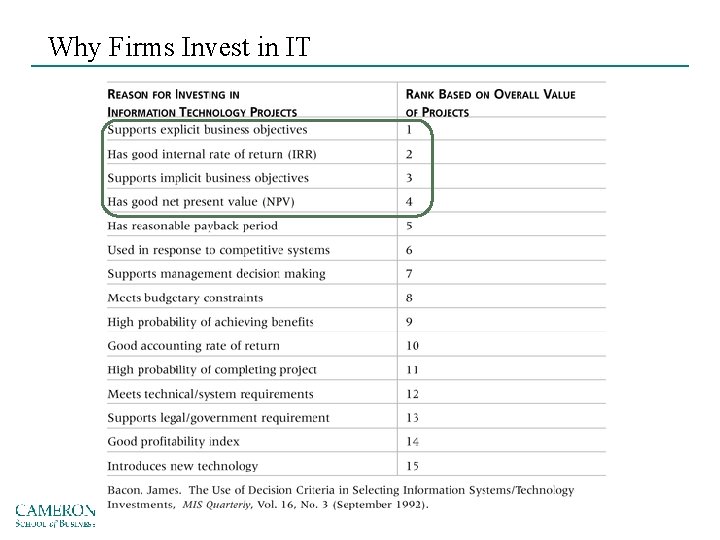
Why Firms Invest in IT
Project Identification and Initiation Projects are driven by business needs § Identified by business people § Identified by IT people § (better yet) identified jointly by business and IT The project sponsor believes in the system and wants to see it succeed § Normally this is a business person § Should have the authority to move it forward The approval committee reviews proposals from various groups and units in the organization and decides which to commit to developing
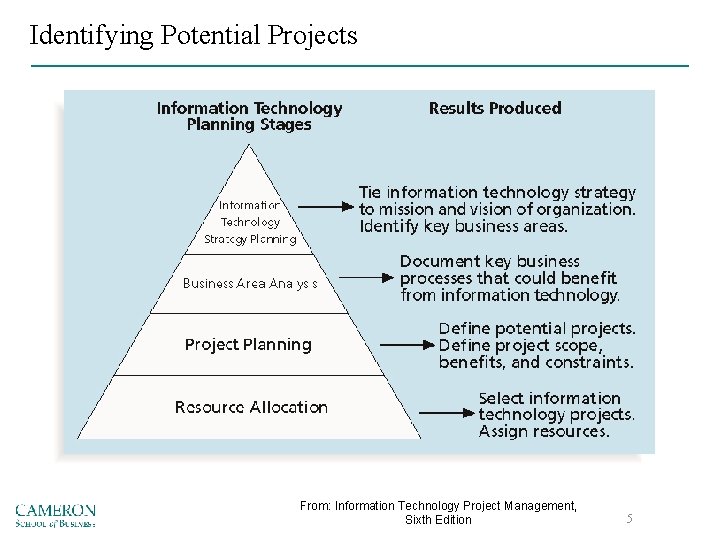
Identifying Potential Projects From: Information Technology Project Management, Sixth Edition 5
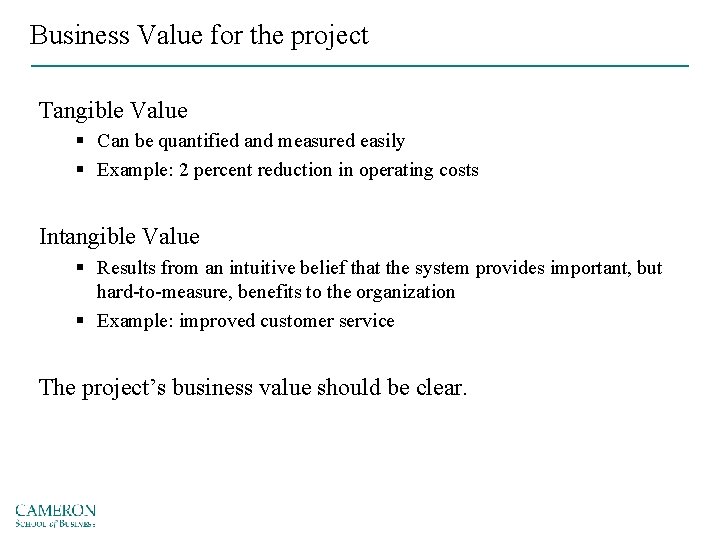
Business Value for the project Tangible Value § Can be quantified and measured easily § Example: 2 percent reduction in operating costs Intangible Value § Results from an intuitive belief that the system provides important, but hard-to-measure, benefits to the organization § Example: improved customer service The project’s business value should be clear.
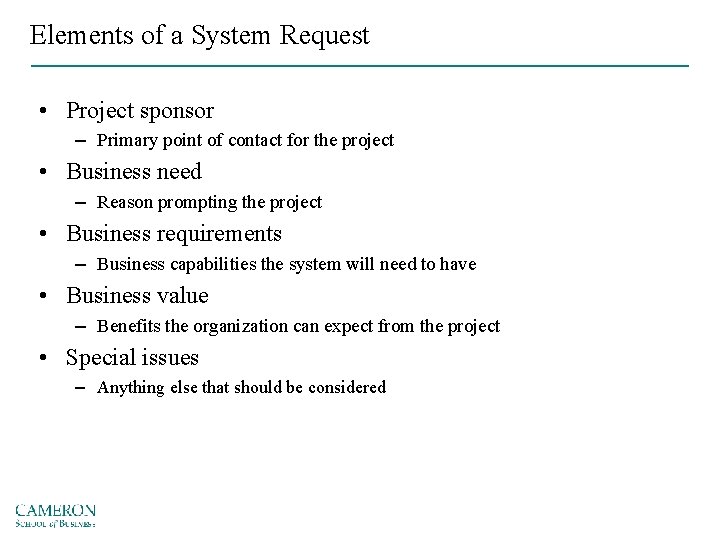
Elements of a System Request • Project sponsor – Primary point of contact for the project • Business need – Reason prompting the project • Business requirements – Business capabilities the system will need to have • Business value – Benefits the organization can expect from the project • Special issues – Anything else that should be considered
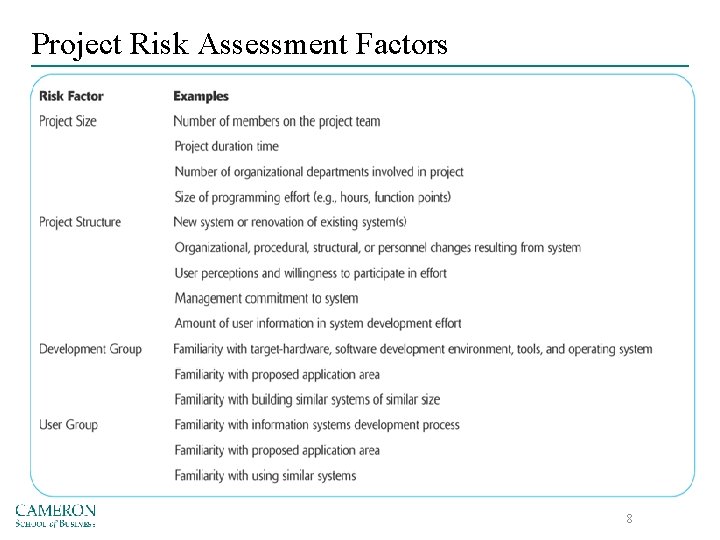
Project Risk Assessment Factors 8
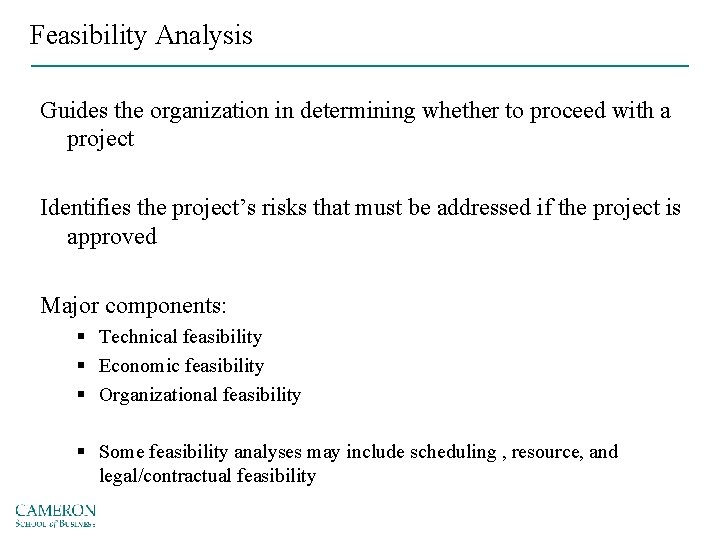
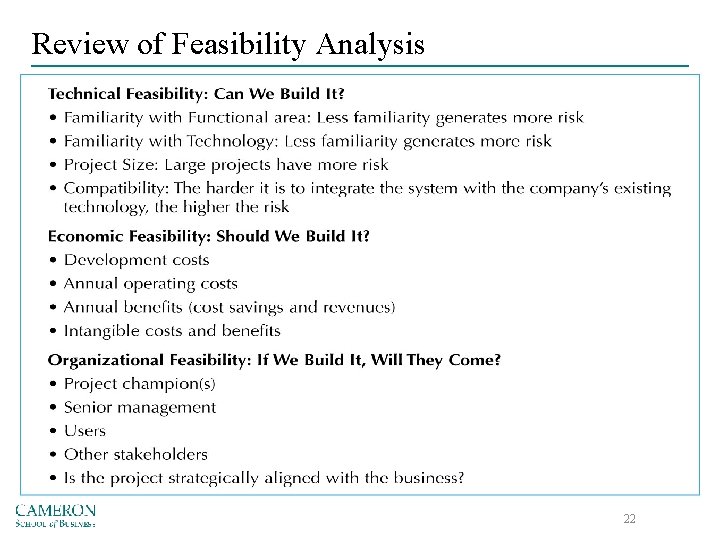
Feasibility Analysis Guides the organization in determining whether to proceed with a project Identifies the project’s risks that must be addressed if the project is approved Major components: § Technical feasibility § Economic feasibility § Organizational feasibility § Some feasibility analyses may include scheduling , resource, and legal/contractual feasibility
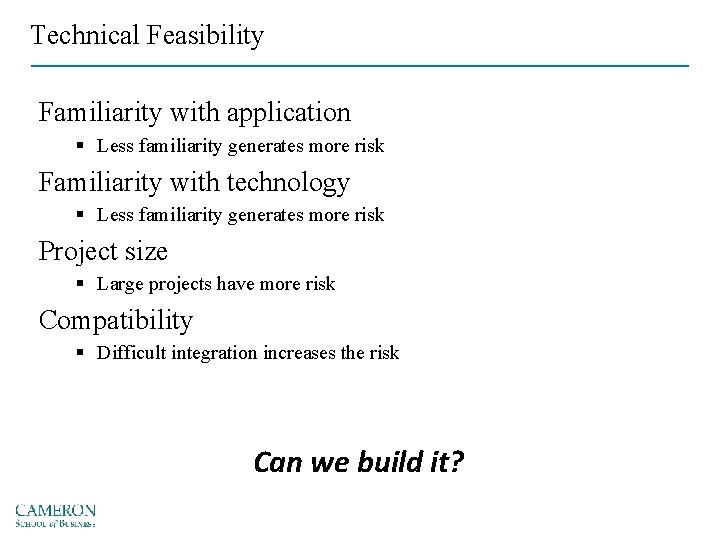
Technical Feasibility Familiarity with application § Less familiarity generates more risk Familiarity with technology § Less familiarity generates more risk Project size § Large projects have more risk Compatibility § Difficult integration increases the risk Can we build it?
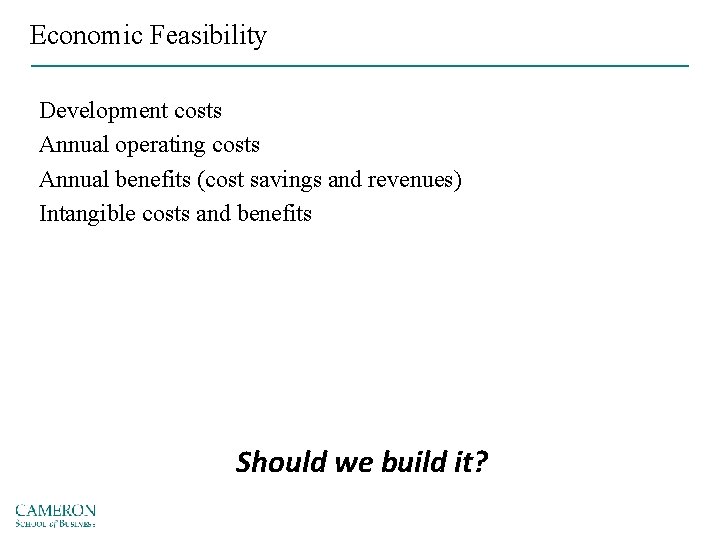
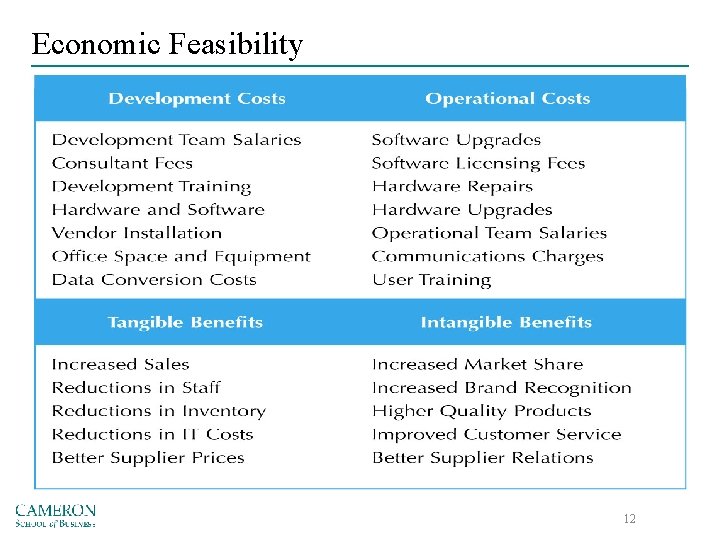
Economic Feasibility Development costs Annual operating costs Annual benefits (cost savings and revenues) Intangible costs and benefits Should we build it?
Economic Feasibility 12
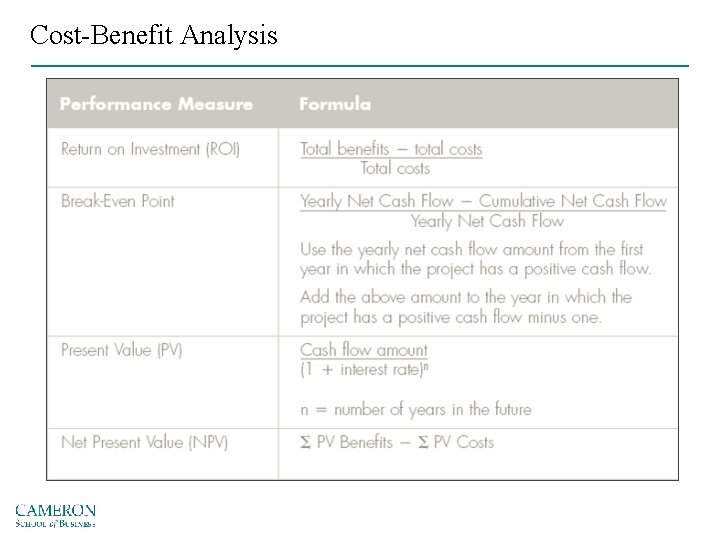
Cost-Benefit Analysis
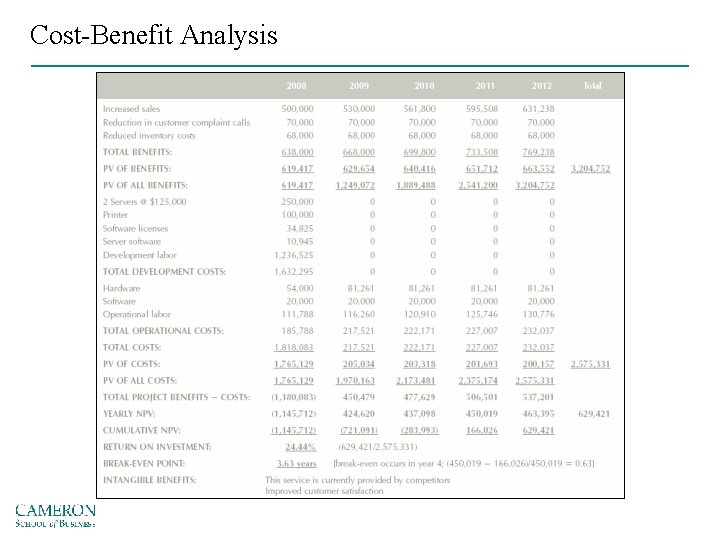
Cost-Benefit Analysis
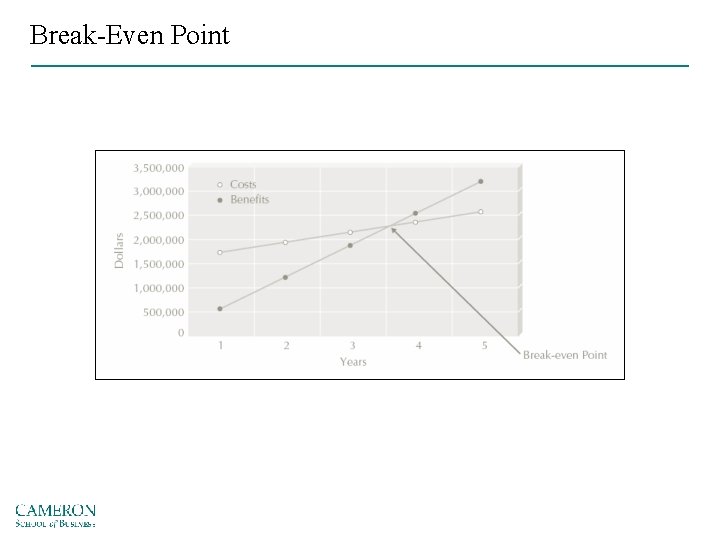
Break-Even Point
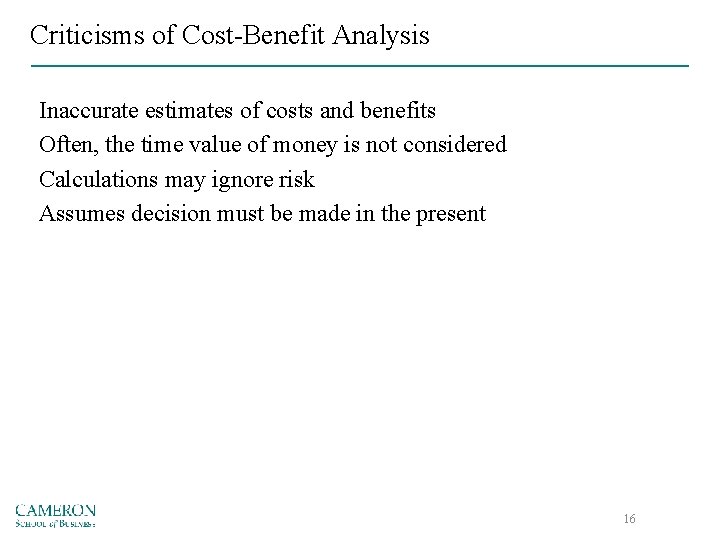
Criticisms of Cost-Benefit Analysis Inaccurate estimates of costs and benefits Often, the time value of money is not considered Calculations may ignore risk Assumes decision must be made in the present 16
Option Pricing Models Treat projects like financial options § Project ideas MAY be initiated in the future § Project ideas have some value even if they are not acted upon in the present 17
Organizational Feasibility Stakeholders § § Project champion(s) Senior management Users Others Is the project strategically aligned with the business? If we build it, will they come?
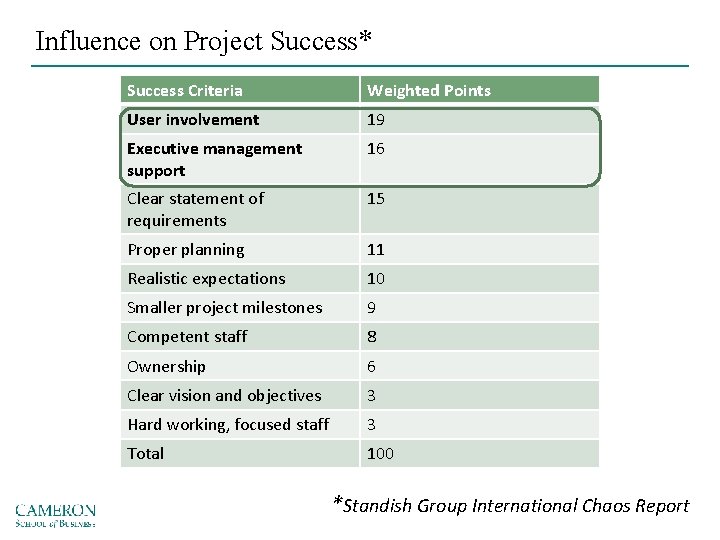
Influence on Project Success* Success Criteria Weighted Points User involvement 19 Executive management support 16 Clear statement of requirements 15 Proper planning 11 Realistic expectations 10 Smaller project milestones 9 Competent staff 8 Ownership 6 Clear vision and objectives 3 Hard working, focused staff 3 Total 100 *Standish Group International Chaos Report
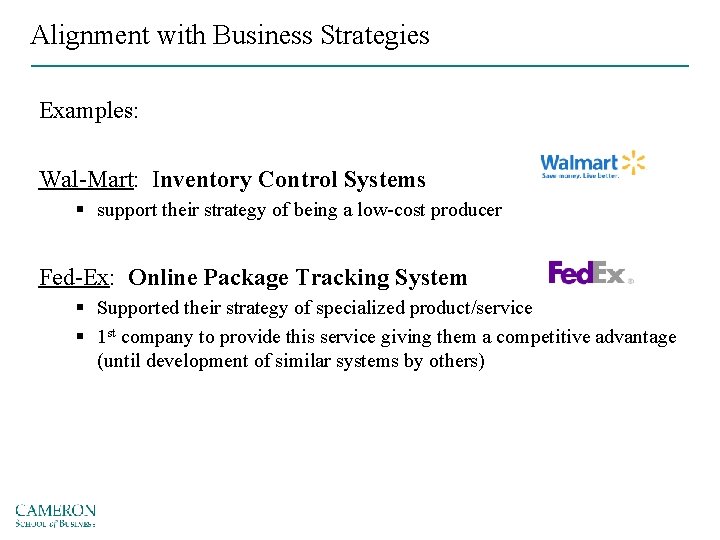
Alignment with Business Strategies Examples: Wal-Mart: Inventory Control Systems § support their strategy of being a low-cost producer Fed-Ex: Online Package Tracking System § Supported their strategy of specialized product/service § 1 st company to provide this service giving them a competitive advantage (until development of similar systems by others)
Scheduling Feasibility Deadlines Can we build it by …. ? E. g. Hershey’s $112 million ERP system
Review of Feasibility Analysis 22
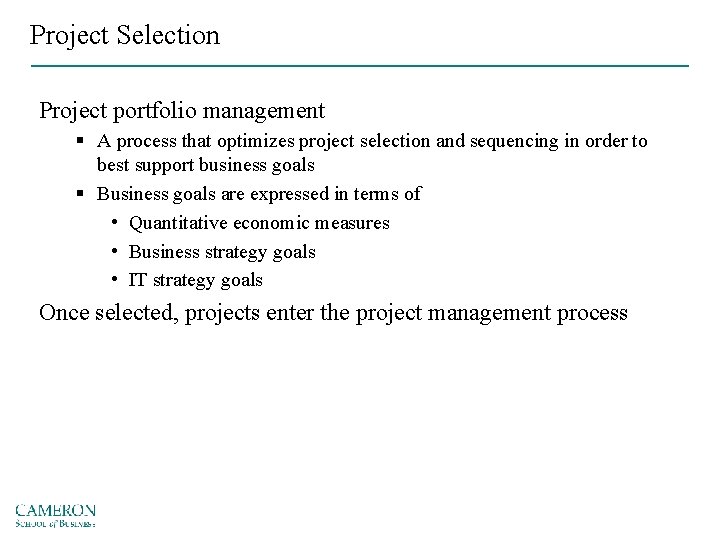
Project Selection Project portfolio management § A process that optimizes project selection and sequencing in order to best support business goals § Business goals are expressed in terms of • Quantitative economic measures • Business strategy goals • IT strategy goals Once selected, projects enter the project management process
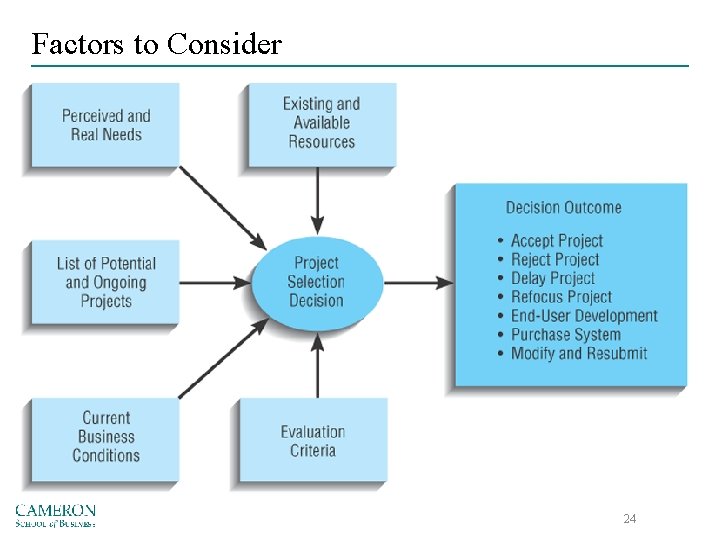
Factors to Consider 24
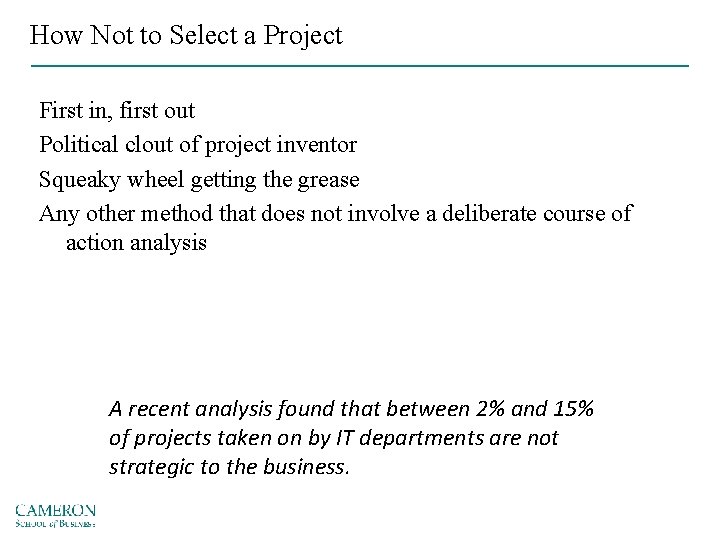
How Not to Select a Project First in, first out Political clout of project inventor Squeaky wheel getting the grease Any other method that does not involve a deliberate course of action analysis A recent analysis found that between 2% and 15% of projects taken on by IT departments are not strategic to the business.
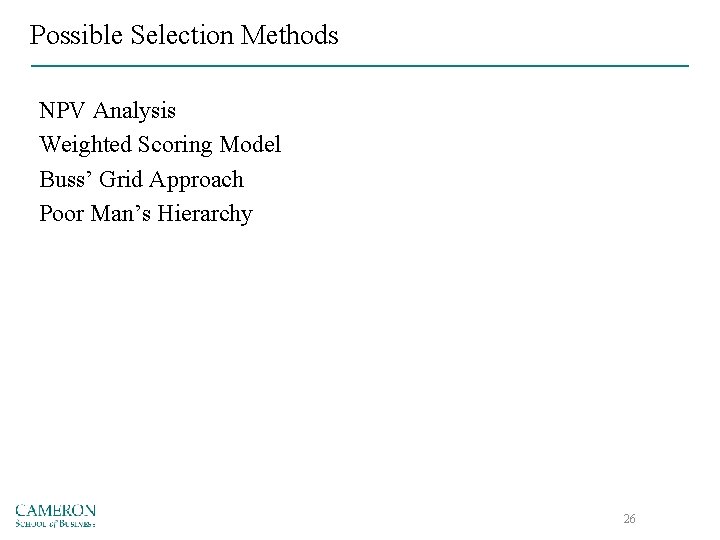
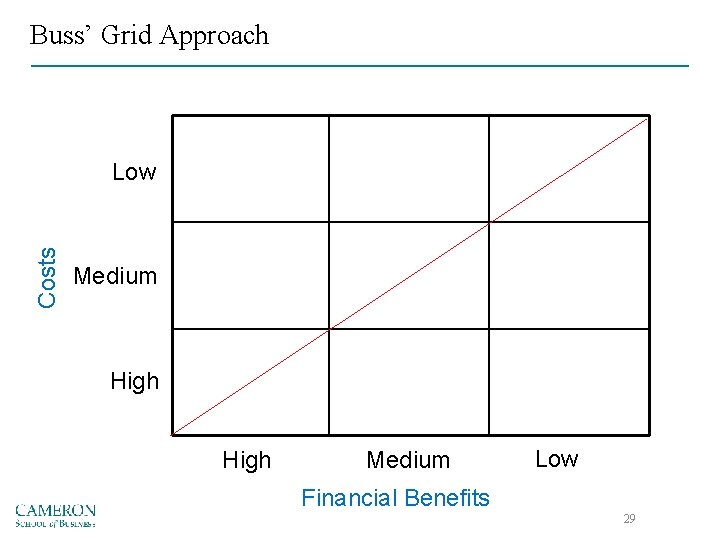
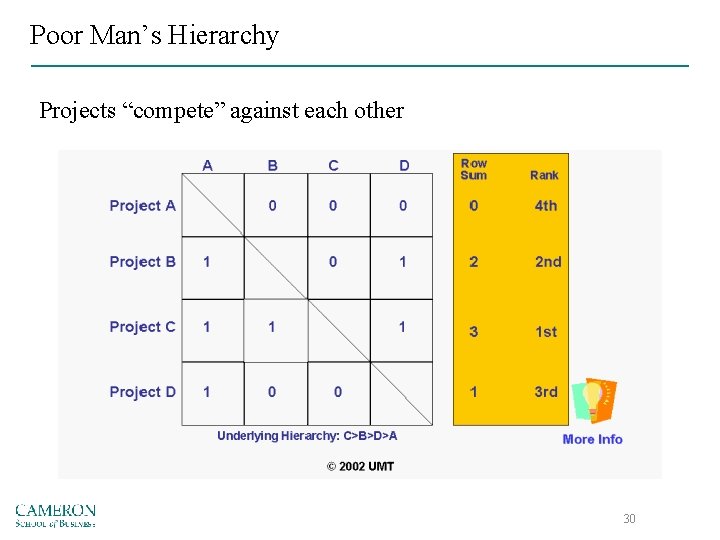
Possible Selection Methods NPV Analysis Weighted Scoring Model Buss’ Grid Approach Poor Man’s Hierarchy 26
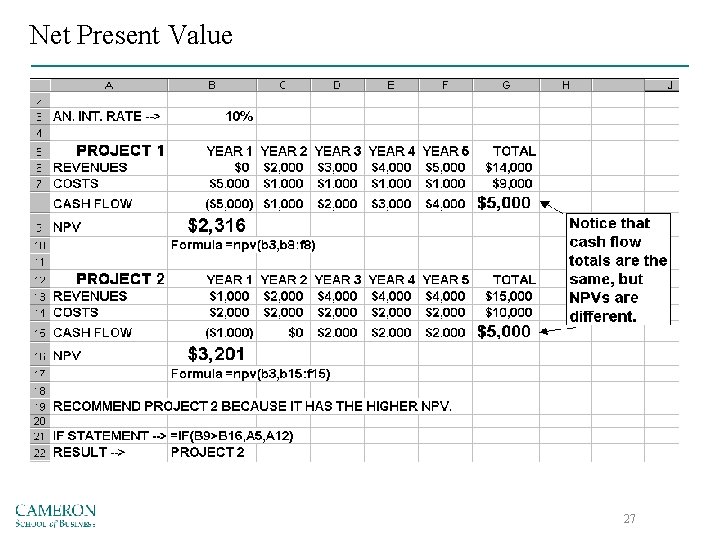
Net Present Value 27
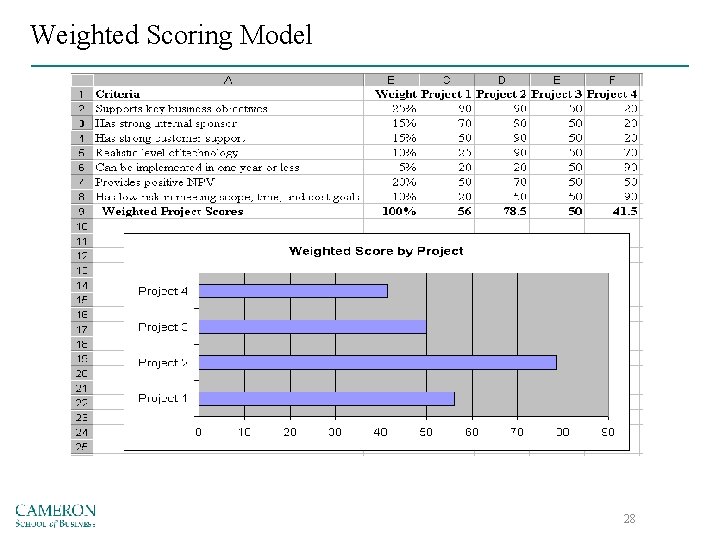
Weighted Scoring Model 28
Buss’ Grid Approach Costs Low Medium High Medium Low Financial Benefits 29
Poor Man’s Hierarchy Projects “compete” against each other 30
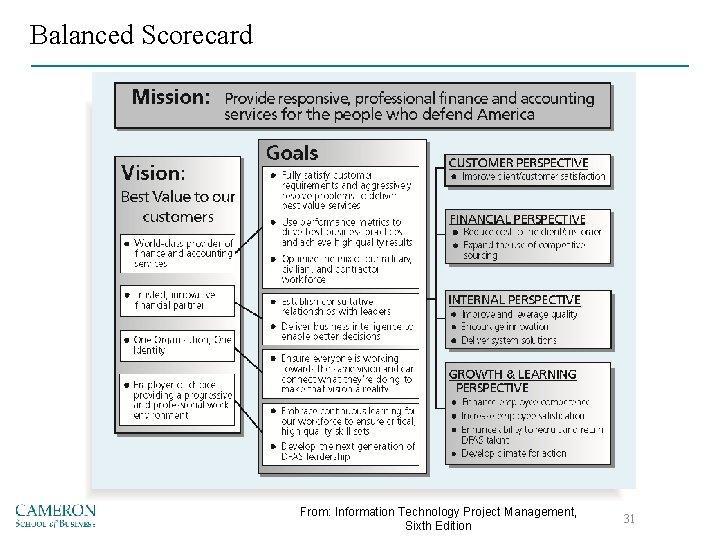
Balanced Scorecard From: Information Technology Project Management, Sixth Edition 31
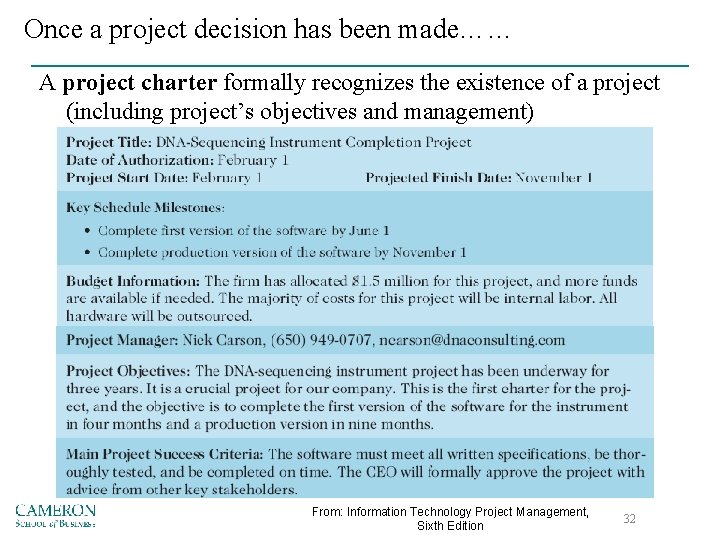
Once a project decision has been made…… A project charter formally recognizes the existence of a project (including project’s objectives and management) From: Information Technology Project Management, Sixth Edition 32