
Isometric exercise for Tendinopathy Should we put it






- Slides: 44
Isometric exercise for Tendinopathy Should we put it on hold? Chris Clifford @11 chrisclifford MSK Physiotherapy Conference 2019
Today…. . • Review of current research • Mechanisms • Clinic`al implications
The story so far…
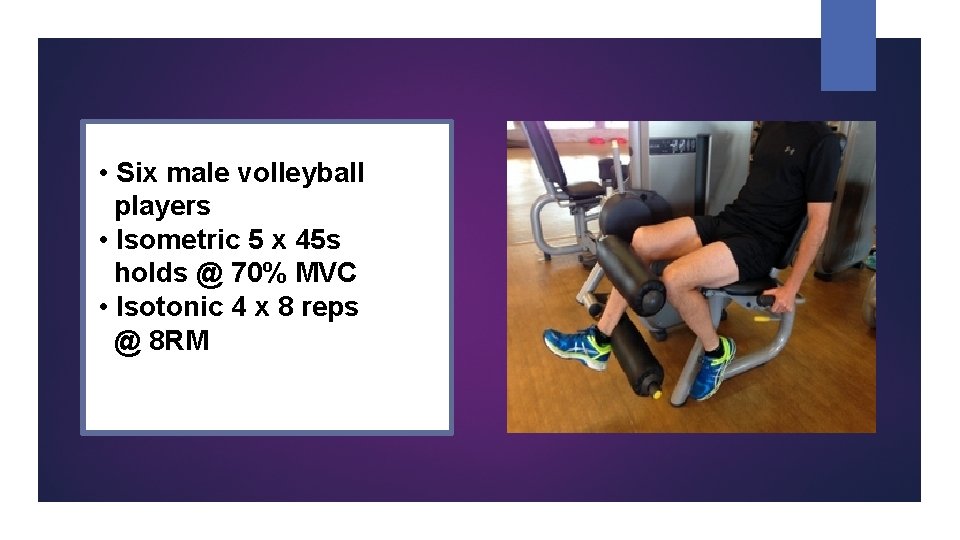
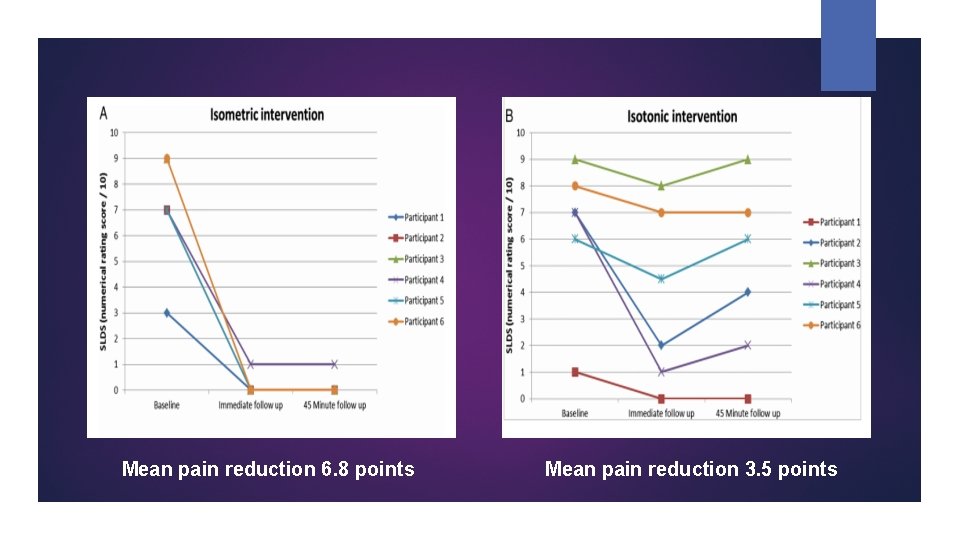
• Six male volleyball players • Six male volleyball • Isometric 5 x 45 s holds @ players 70% MVC • Isometric • Isotonic 45 xx 8 45 s reps @ 8 RM holds @ 70% MVC • Isotonic 4 x 8 reps @ 8 RM
Mean pain reduction 6. 8 points Mean pain reduction 3. 5 points
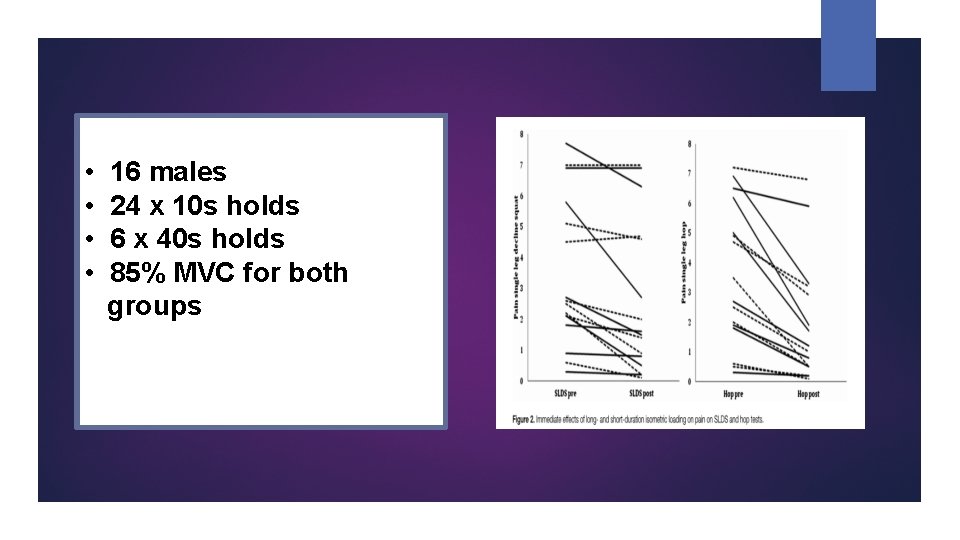
• • 16 males 24 x 10 s holds 6 x 40 s holds 85% MVC for both groups
Other tendons
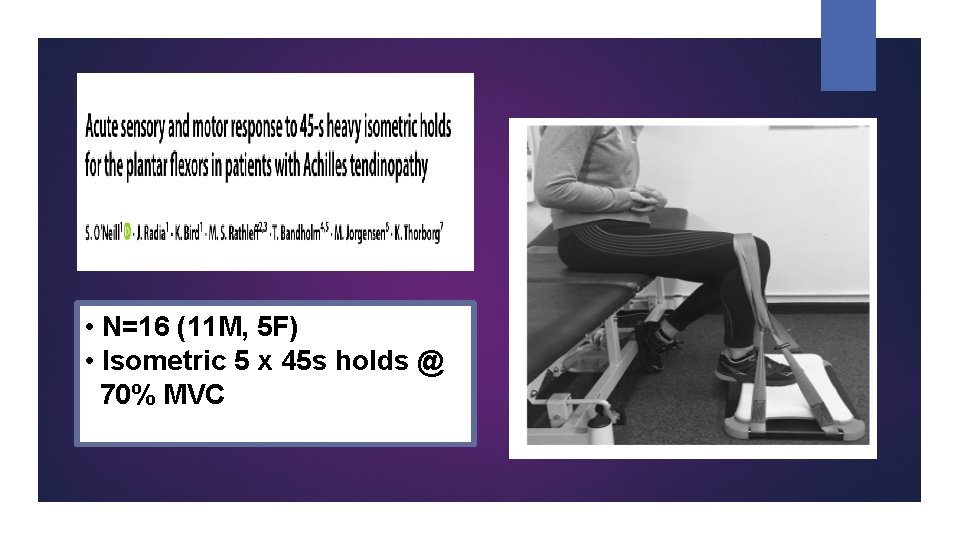
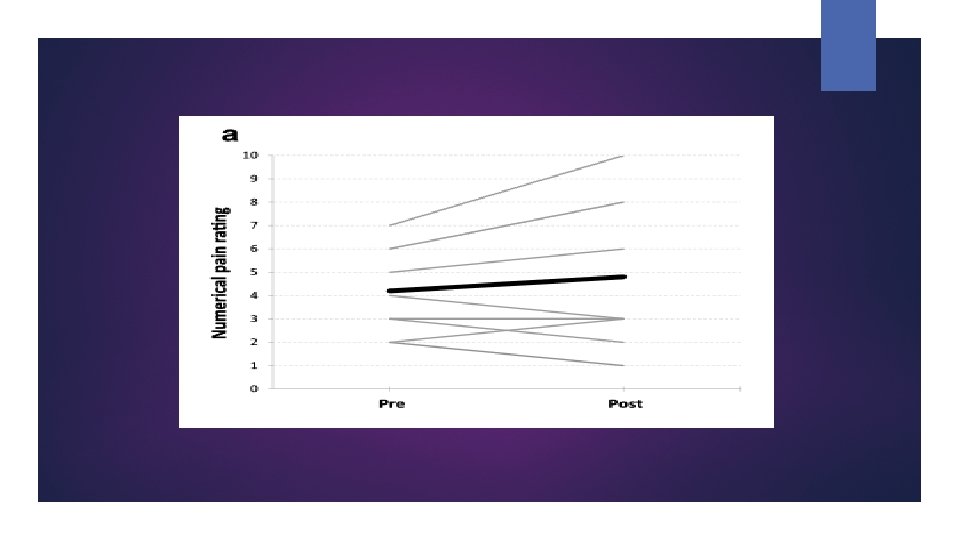
• N=16 (11 M, 5 F) • Isometric 5 x 45 s holds @ 70% MVC
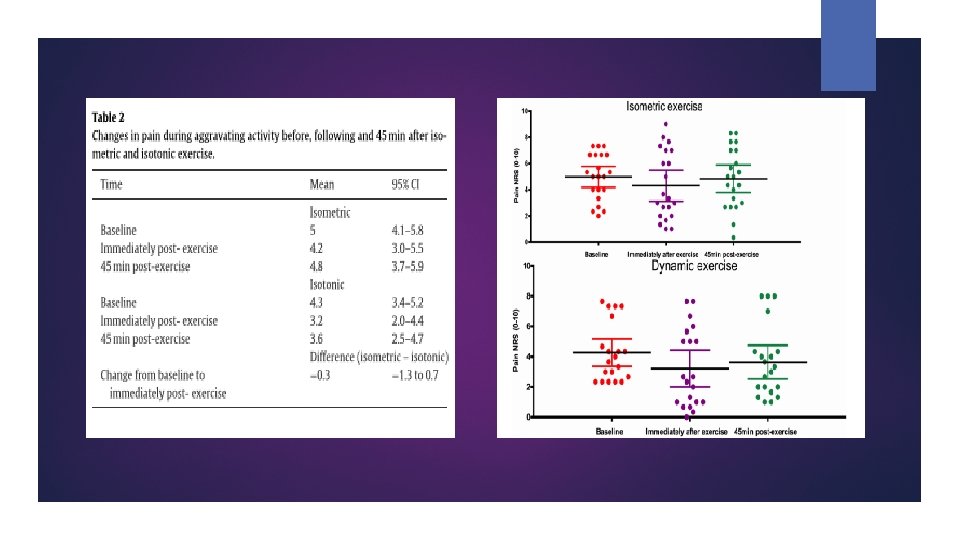
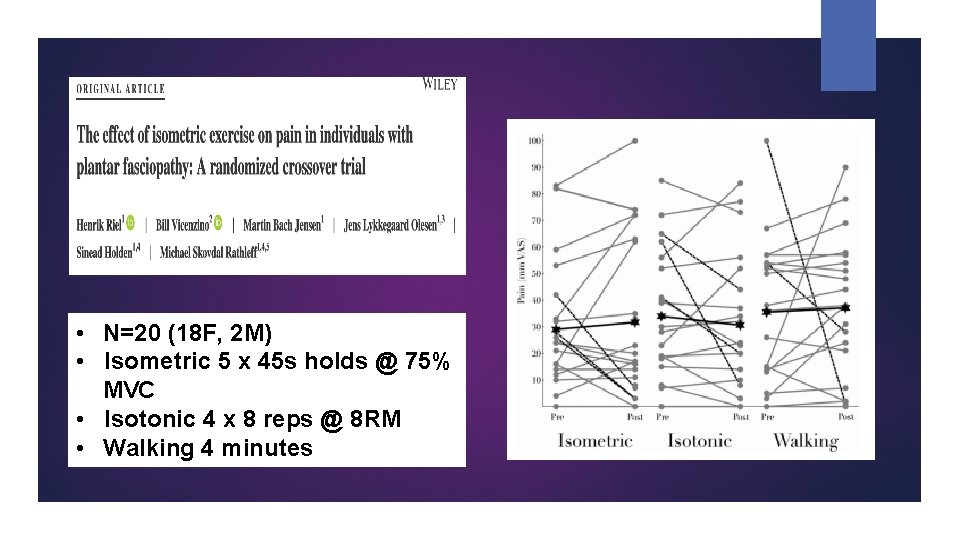
• N=20 (18 F, 2 M) • Isometric 5 x 45 s holds @ 75% MVC • Isotonic 4 x 8 reps @ 8 RM • Walking 4 minutes
• Three single-leg loading tests were used • Only 3/20 had clinically meaningful reduction in pain following isometric exercise • Isometric exercise no better than isotonic exercise or walking for acute pain relief
Why are the results different?
Short-term effects
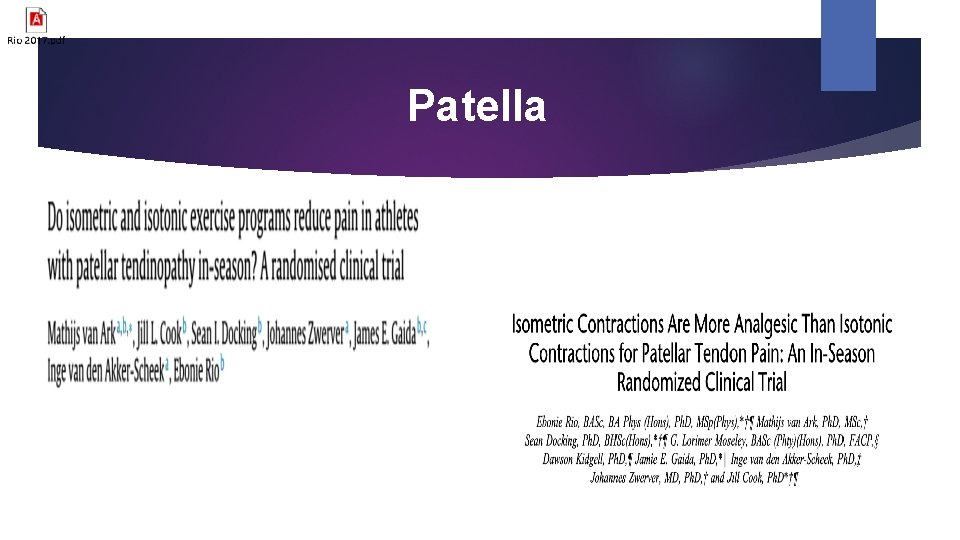
Patella
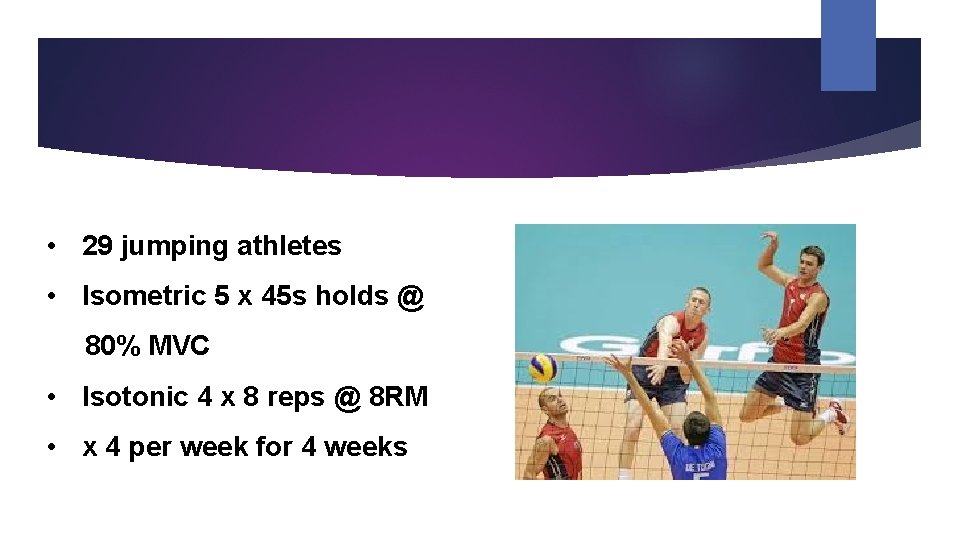
• 29 jumping athletes • Isometric 5 x 45 s holds @ 80% MVC • Isotonic 4 x 8 reps @ 8 RM • x 4 per week for 4 weeks
• No difference between groups • 2. 5 – 3 points pain reduction after 4 weeks
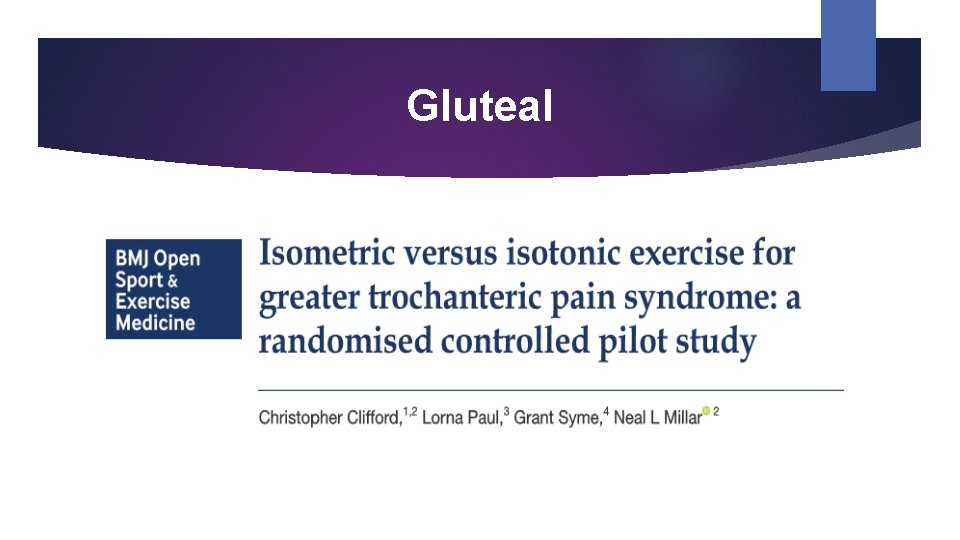
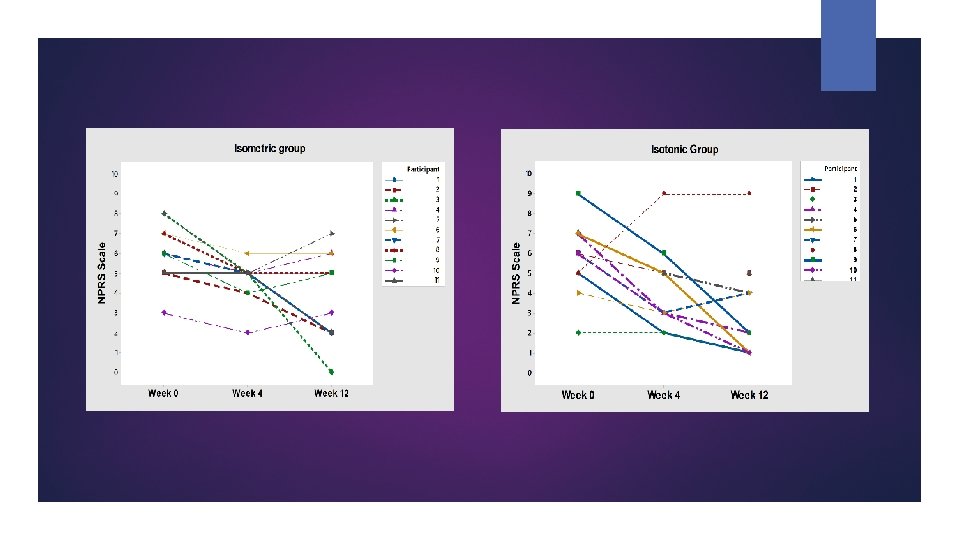
Gluteal
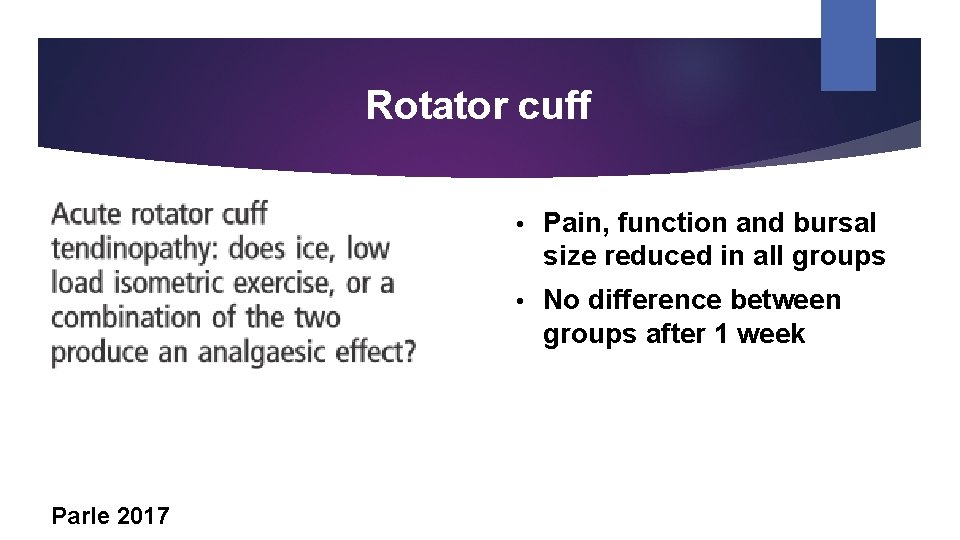
Rotator cuff Parle 2017 • Pain, function and bursal size reduced in all groups • No difference between groups after 1 week
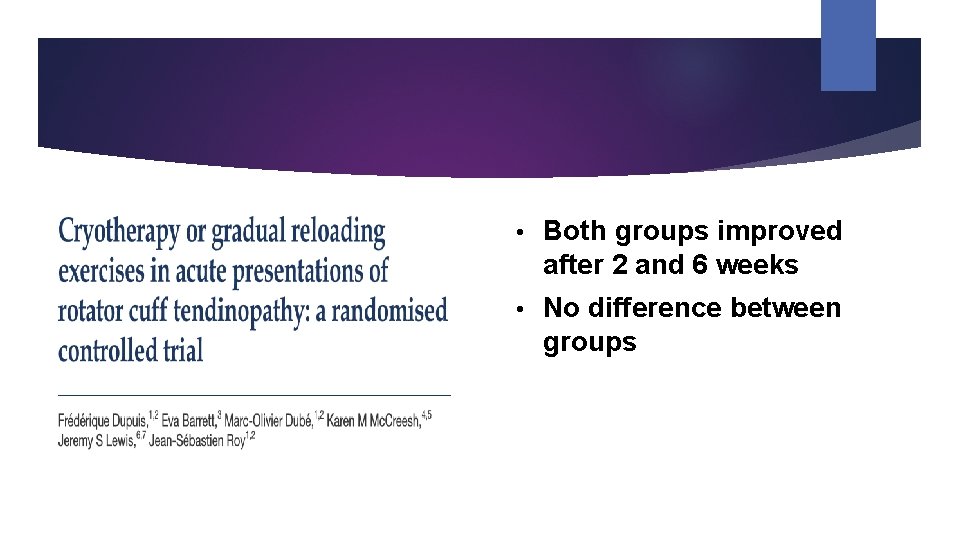
• Both groups improved after 2 and 6 weeks • No difference between groups
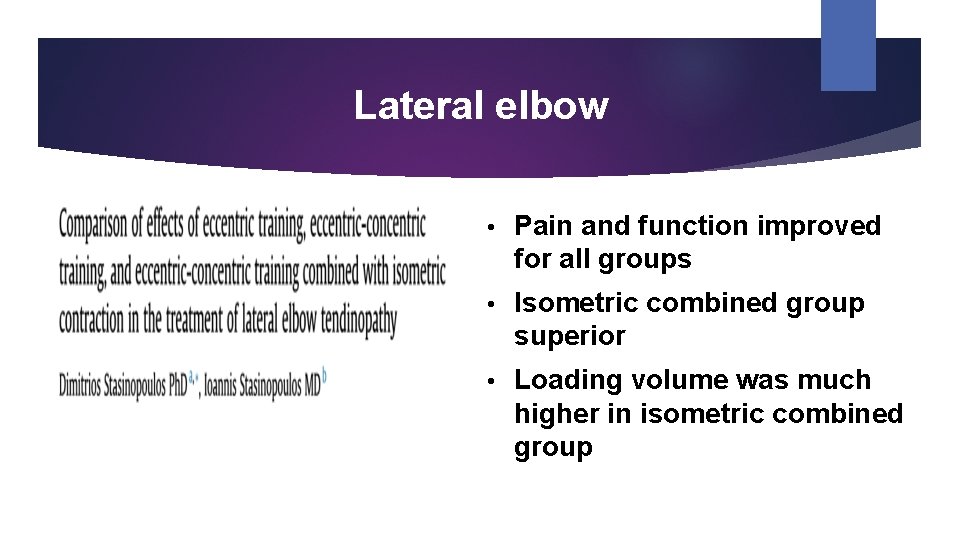
Lateral elbow • Pain and function improved for all groups • Isometric combined group superior • Loading volume was much higher in isometric combined group
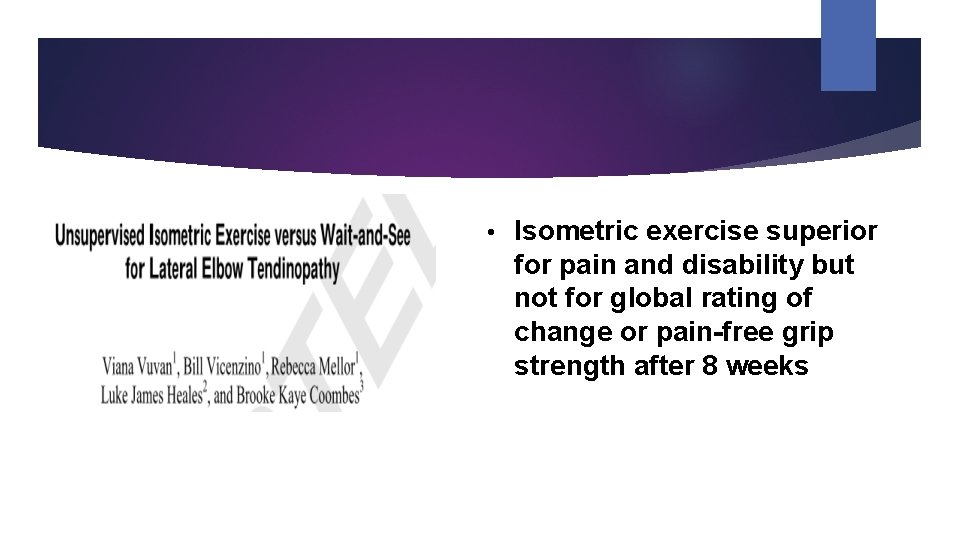
• Isometric exercise superior for pain and disability but not for global rating of change or pain-free grip strength after 8 weeks
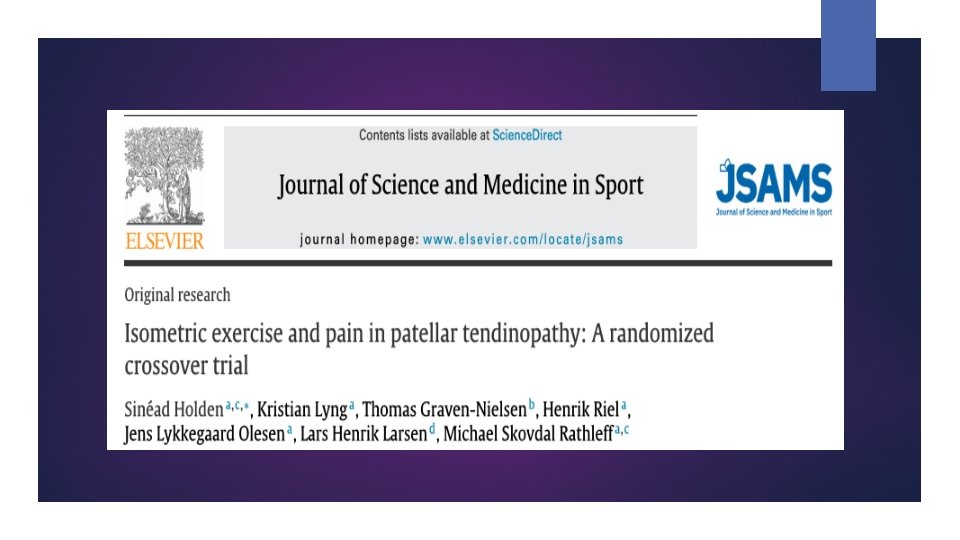
Effectiveness of Isometric Exercise in the Management of Tendinopathy – A Systematic Review of Randomised Trials Clifford C, Challoumas D, Paul L, Syme G, Millar N
Summary • o Isometric exercise is not superior to isotonic exercise or any other intervention in the management of tendinopathy • Immediate effect on pain is variable • Short-term effect of isometric and isotonic exercise appears similar
Why is isometric exercise effective?
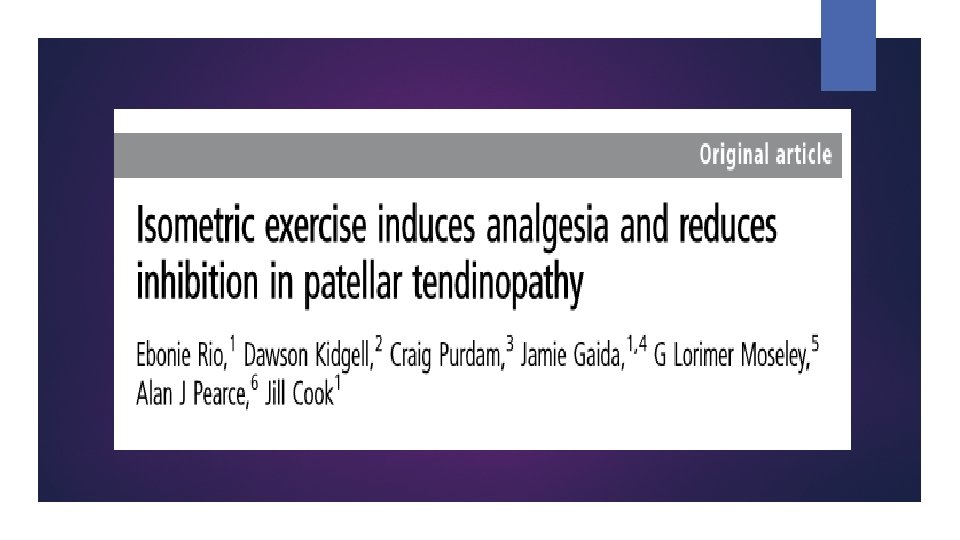
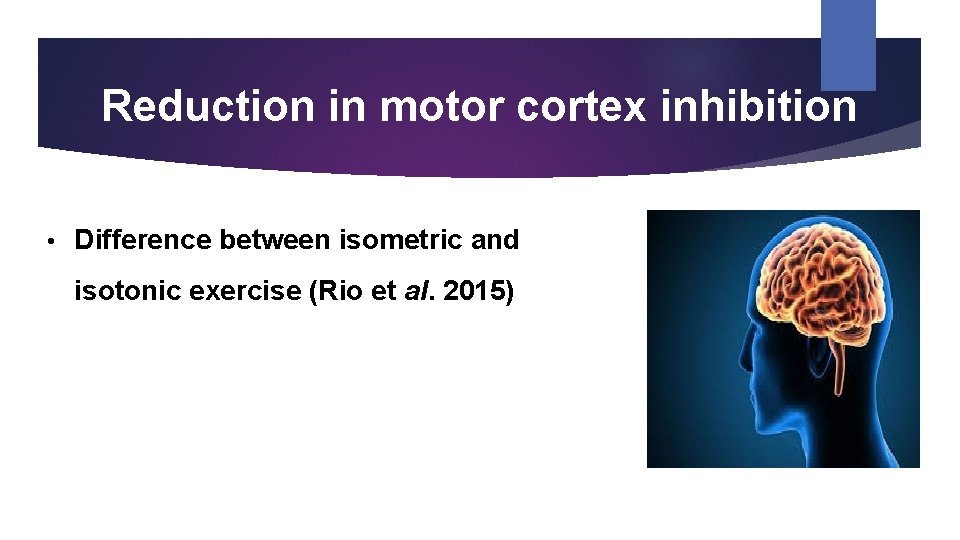
Reduction in motor cortex inhibition • Difference between isometric and isotonic exercise (Rio et al. 2015)
Exercise induced analgesia • Occurs via a number of pathways including descending pain inhibition • It is evoked by isometric exercise in healthy populations
Reduce fear • Graded exposure to painful movement or activity
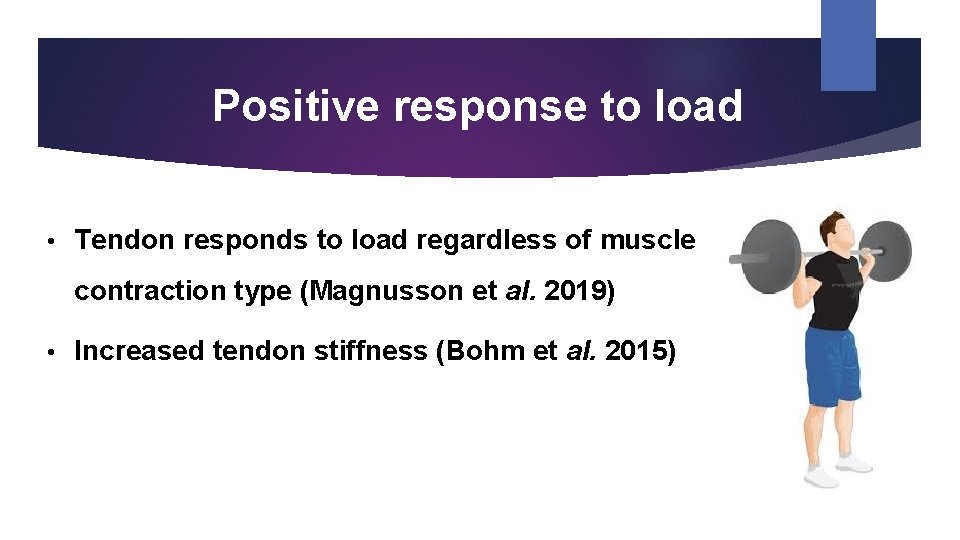
Positive response to load • Tendon responds to load regardless of muscle contraction type (Magnusson et al. 2019) • Increased tendon stiffness (Bohm et al. 2015)
‘Non-responders’
• 35% with GTPS (Clifford et al. 2019) • 45% with lower limb tendinopathy (Malliaris et al. 2013) • 40 -50% with rotator cuff tendinopathy (Kuijpers et al. 2006)
• Poor patient adherence • Inadequate loading programme • Kinesiophobia strongly predicted pain with isometric loading (Coombes et al. 2016) • Central sensitisation
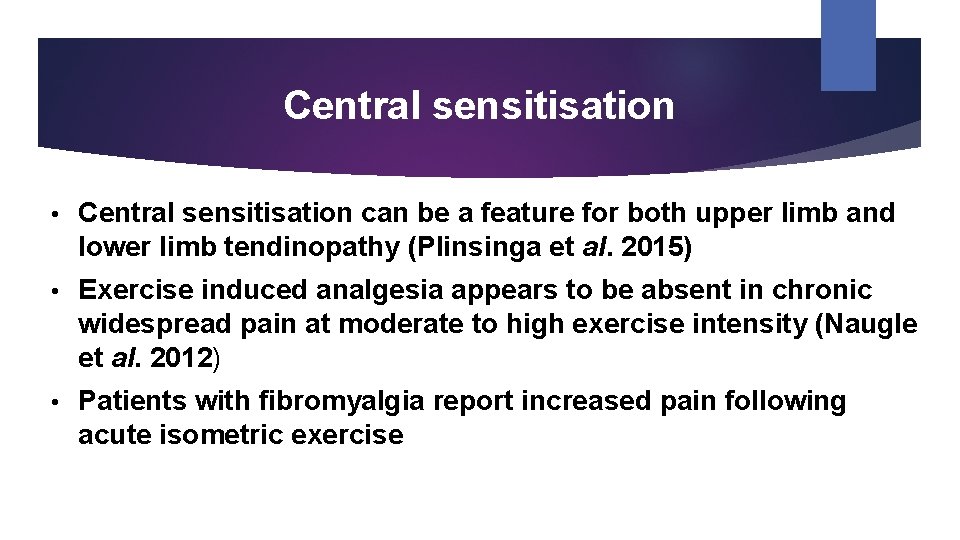
Central sensitisation • Central sensitisation can be a feature for both upper limb and lower limb tendinopathy (Plinsinga et al. 2015) • Exercise induced analgesia appears to be absent in chronic widespread pain at moderate to high exercise intensity (Naugle et al. 2012) • Patients with fibromyalgia report increased pain following acute isometric exercise
When is isometric exercise effective?
Not tolerating isotonic exercise due to significant pain • Immediate relief from isometric exercise • They can deliver high levels of strain which leads to tissue adaptation • Develop load tolerance and muscle strength at a specific joint angle •
Isometrics are NOT the Holy Grail
Take home messages…. . Individuals display varied response to isometrics both within and across tendinopathy populations • Isometric exercise for acute pain relief is not a consistent finding • Limited evidence they provide short-term pain relief when compared to other treatments • We need to better understand the mechanisms about how isometrics influence pain •
Is that 45 seconds yet?