
Isolated maternal hypothyroxinemia during pregnancy A H Ghanooni

- Slides: 81
Isolated maternal hypothyroxinemia during pregnancy A. H. Ghanooni M. D Research Institute for Endocrine sciences Shahid Beheshti University(M. C) November 2016
Agenda • • • Review of following in IMH: epidemiology causes adverse effects treatment the areas of remaining uncertainty regarding IMH.
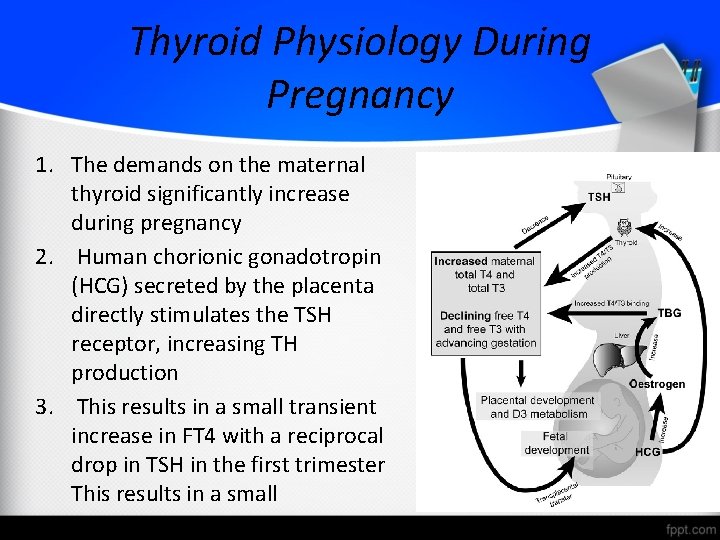
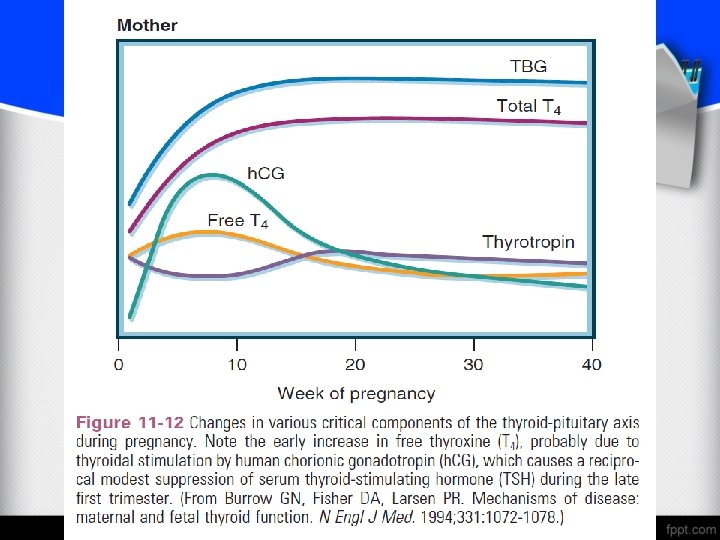
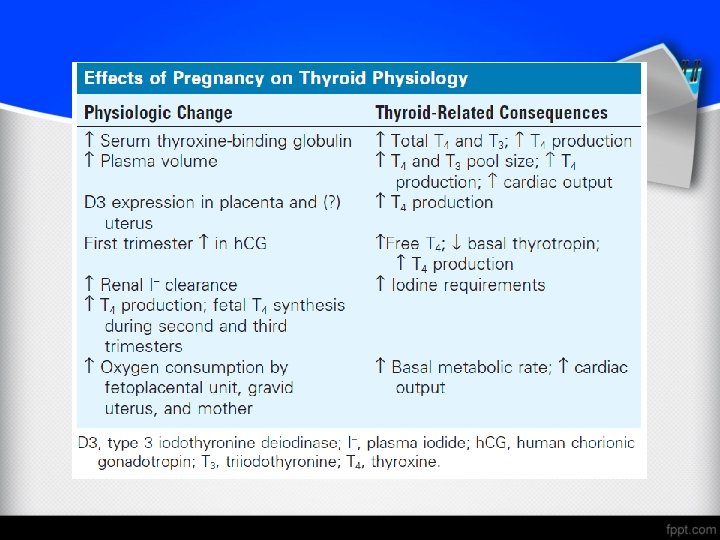
Thyroid Physiology During Pregnancy 1. The demands on the maternal thyroid significantly increase during pregnancy 2. Human chorionic gonadotropin (HCG) secreted by the placenta directly stimulates the TSH receptor, increasing TH production 3. This results in a small transient increase in FT 4 with a reciprocal drop in TSH in the first trimester This results in a small
4. thyroid binding globulin synthesis increases 2. 5 fold under the influence of estrogen 5. more TH production is needed to maintain adequate FT 4 levels. 6. Thyroxine metabolism also increases, due to placental deiodinase activity, contributing to the need for increased TH production 7. Finally, there is increased renal clearance of iodine, which is a key element of TH.
• In order to meet the need for increased TH levels during pregnancy, the • thyroid boosts its production by approximately 50%.
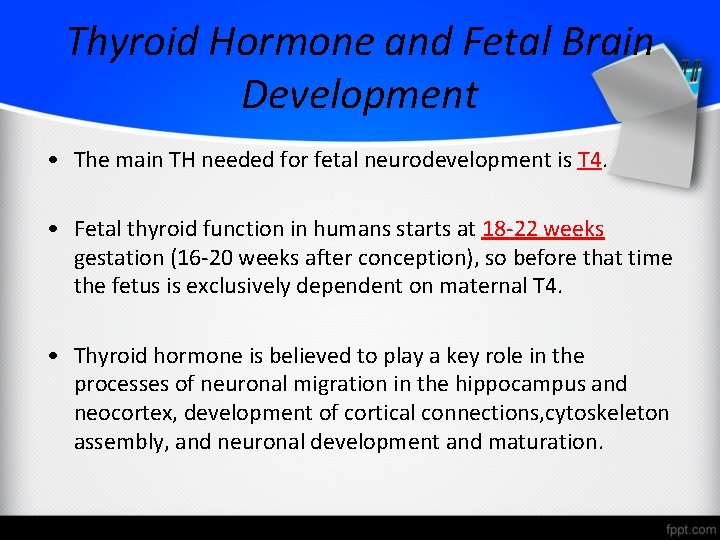
Thyroid Hormone and Fetal Brain Development • The main TH needed for fetal neurodevelopment is T 4. • Fetal thyroid function in humans starts at 18 -22 weeks gestation (16 -20 weeks after conception), so before that time the fetus is exclusively dependent on maternal T 4. • Thyroid hormone is believed to play a key role in the processes of neuronal migration in the hippocampus and neocortex, development of cortical connections, cytoskeleton assembly, and neuronal development and maturation.
Measurement of maternal T 4 • Measurement of maternal T 4 is complicated by a number of factors. • In pregnancy there a number of changes in the thyroxine binding proteins that affect results of FT 4 measurements. • TBG levels increase 2. 5 fold, albumin levels decrease, and non -esterified fatty acid levels increase. • These changes introduce inaccuracies in the FT 4 assessment, that can vary depending on the method.
Measurement of maternal T 4 • FT 4 can be measured either through: • indirect methods such as immunoassays • direct methods, such as equilibrium dialysis or ultrafiltration, that can be followed by liquid chromatography / tandem mass spectrometry. • The FT 4 immunoassays significantly underestimate FT 4, while results vary greatly among the different assays. • equilibrium dialysis and ultrafiltration followed by LC/MS/MS are designed to be free from interference from changes in binding proteins and free from cross-reactivity with heterophilic antibodies. These assays have shown show no correlation with albumin and TBG.
Agenda • • • Review of following in IMH: epidemiology causes adverse effects treatment the areas of remaining uncertainty regarding IMH.
Definition and prevalence of IMH • consensus regarding the definition of IMH is lacking. • 2011 ATA: – a normal maternal TSH in conjunction with FT 4 in the lower 5 th or 10 th percentile of the reference range.
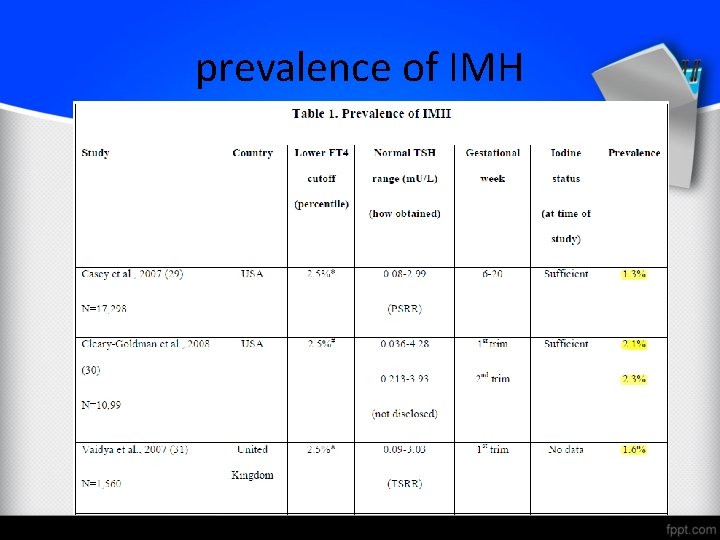
prevalence of IMH
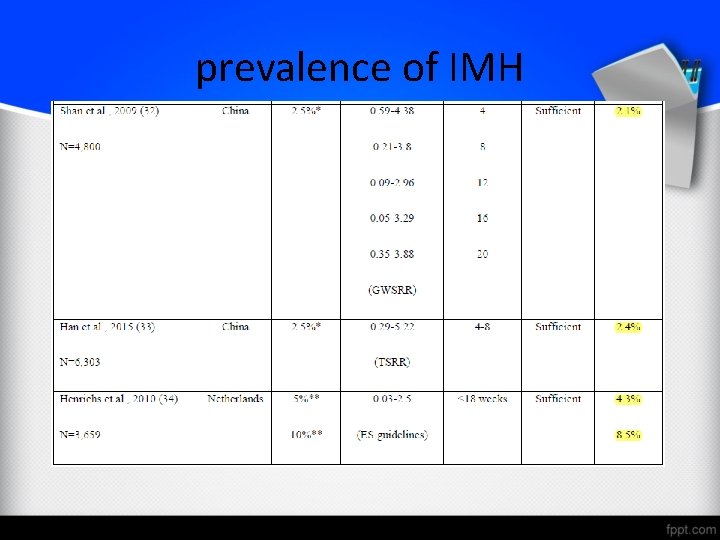
prevalence of IMH
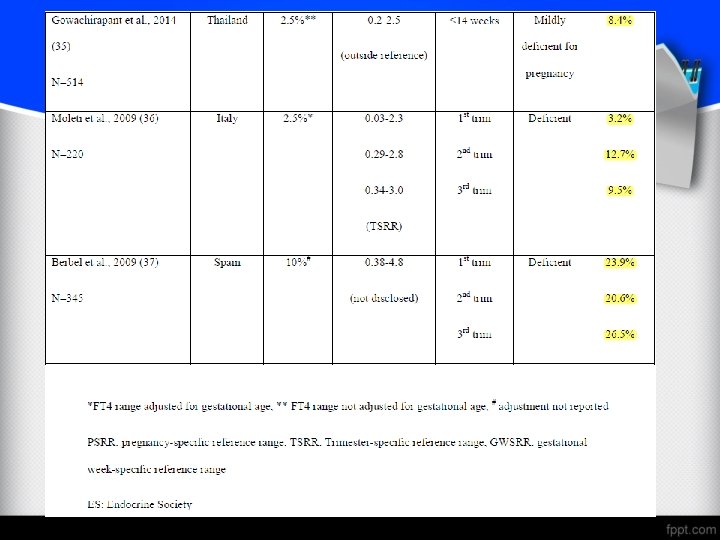
prevalence of IMH • prevalence of IMH in the literature has ranged from 1. 3 to 23. 9%. • using different FT 4 cut-offs for their definition • It is clear that the prevalence of IMH is higher, as expected, in countries with more severe iodine deficiency.
Agenda • • • Review of following in IMH: epidemiology causes adverse effects treatment the areas of remaining uncertainty regarding IMH.
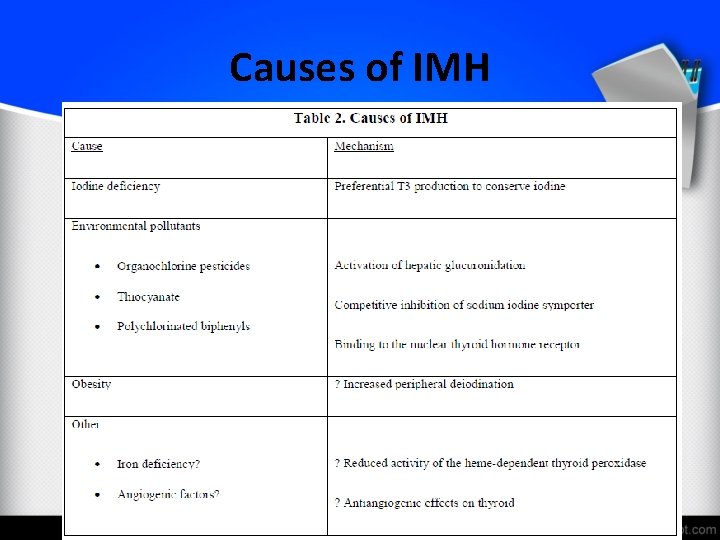
Causes of IMH
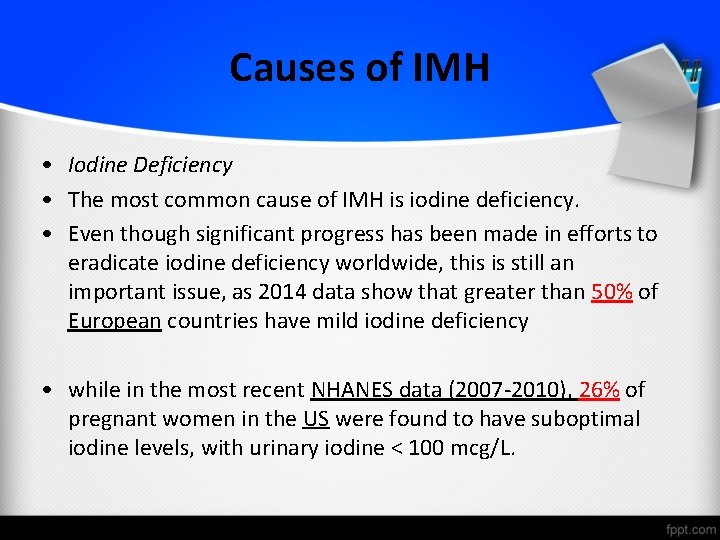
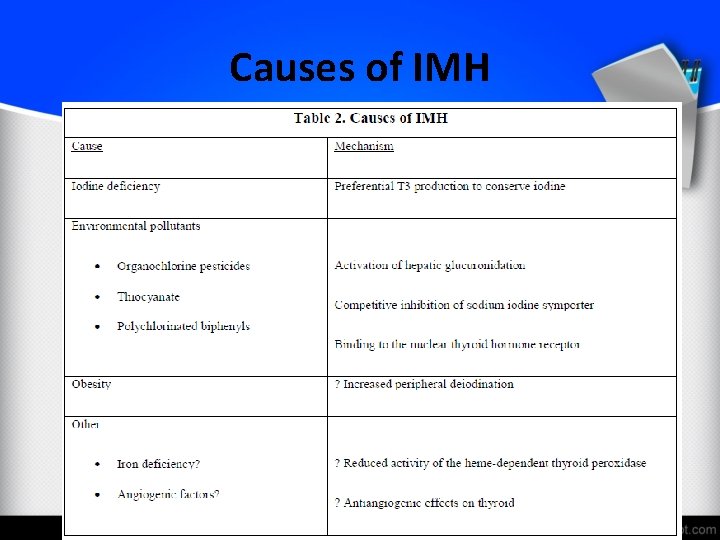
Causes of IMH • Iodine Deficiency • The most common cause of IMH is iodine deficiency. • Even though significant progress has been made in efforts to eradicate iodine deficiency worldwide, this is still an important issue, as 2014 data show that greater than 50% of European countries have mild iodine deficiency • while in the most recent NHANES data (2007 -2010), 26% of pregnant women in the US were found to have suboptimal iodine levels, with urinary iodine < 100 mcg/L.
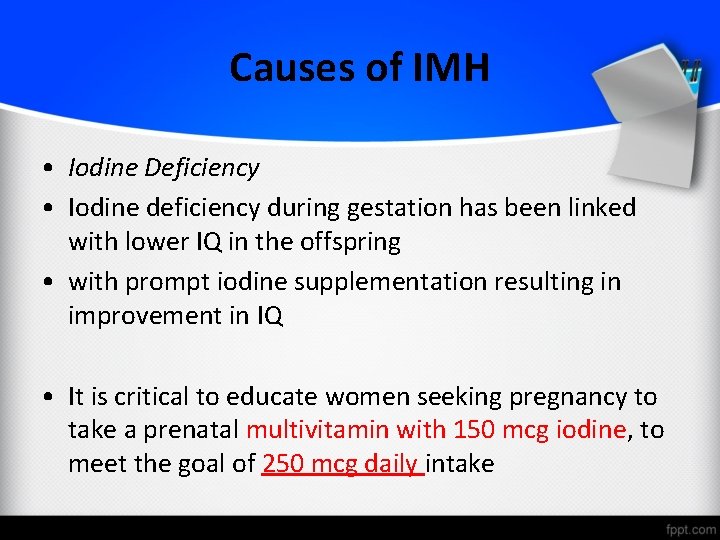
Causes of IMH • Iodine Deficiency • Iodine deficiency during gestation has been linked with lower IQ in the offspring • with prompt iodine supplementation resulting in improvement in IQ • It is critical to educate women seeking pregnancy to take a prenatal multivitamin with 150 mcg iodine, to meet the goal of 250 mcg daily intake
Causes of IMH • Thyroid autoimmunity, does not seem to be an important etiologic factor with respect to IMH. • In a longitudinal study of 220 pregnant women in Italy, only 7% of women with IMH were found to have anti-thyroid autoimmunity (anti-TPO Abs), similar to the rate in the general pregnant population (8%)
Causes of IMH • Environmental contaminants: • Organochlorine pesticides activate hepatic uridine diphosphate glucuronyltransferase, causing increased glucuronidation of T 4 and subsequent drop in T 4 levels. • Thiocyanate, a compound found in cigarette smoke, is a competitive sodium iodine symporter inhibitor and FT 4 index levels have been shown to be lower in smokers than nonsmokers. • polychlorinated biphenyls antagonize TH binding at the level of the thyroid receptor.
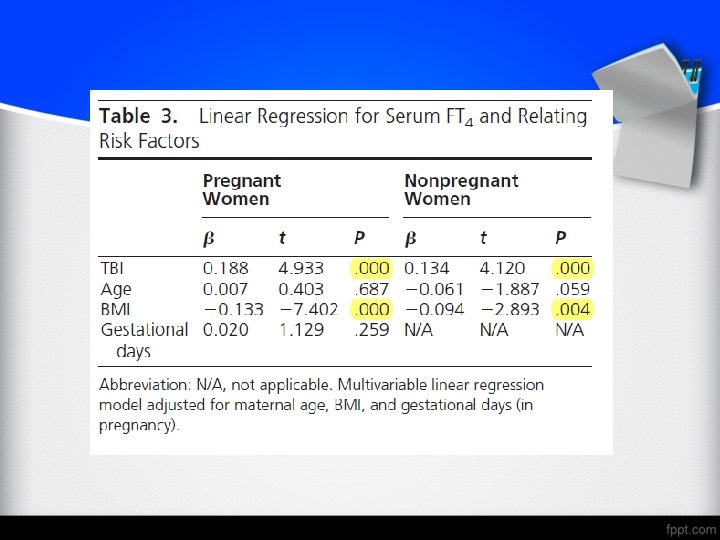
Causes of IMH • Obesity • unclear as of yet mechanisms • an inverse association of FT 4 and body mass index (BMI) in iodine sufficient, anti-thyroid antibody negative pregnant women, • while FT 3 was directly related to BMI • One hypothesis regarding these findings, based on the increase in T 3 seen in association with the low T 4, is that in obesity there is increased peripheral deiodination , as leptin, produced by adipose tissue, is known to stimulate T 4 to T 3 conversion.
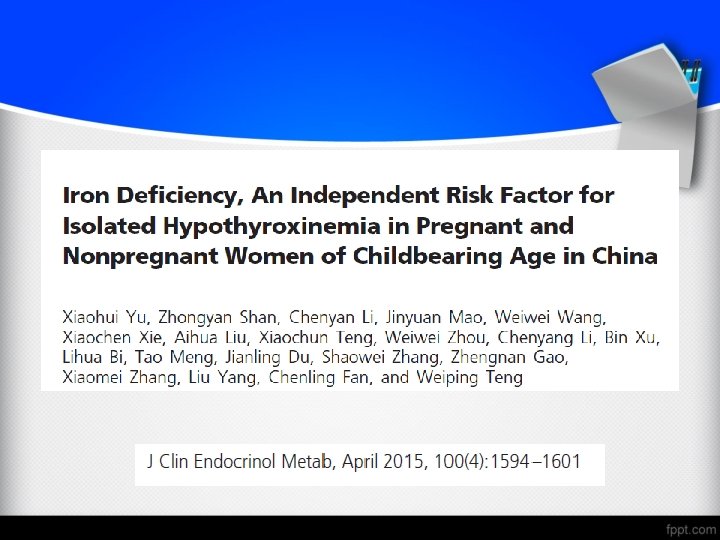
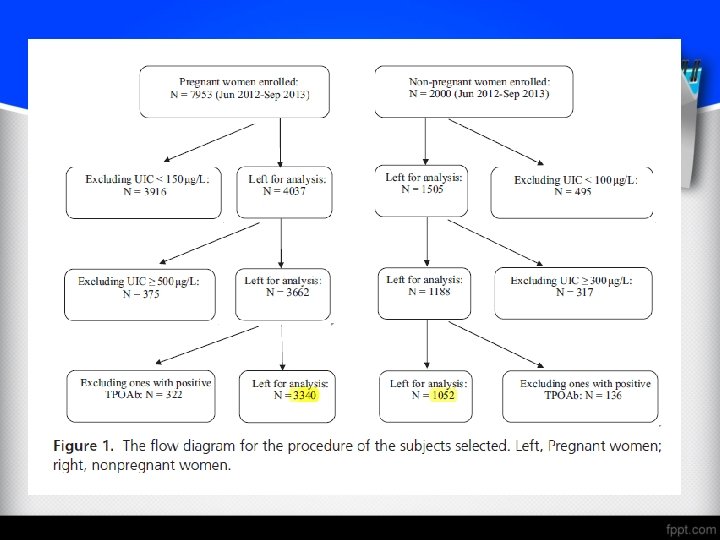
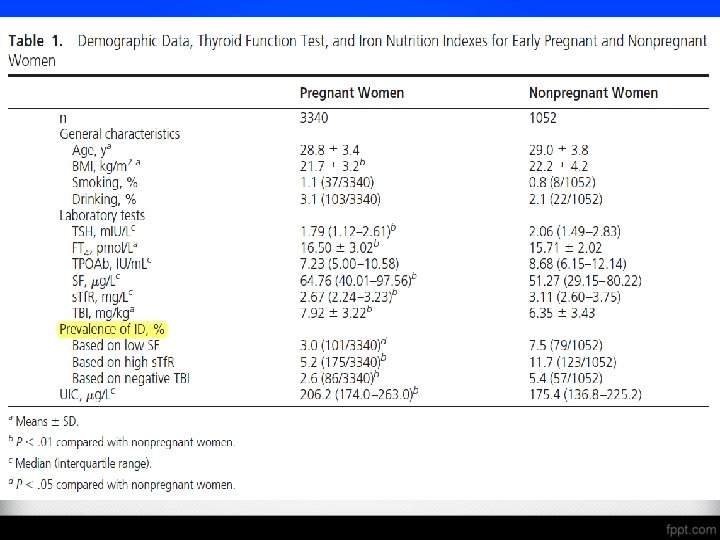
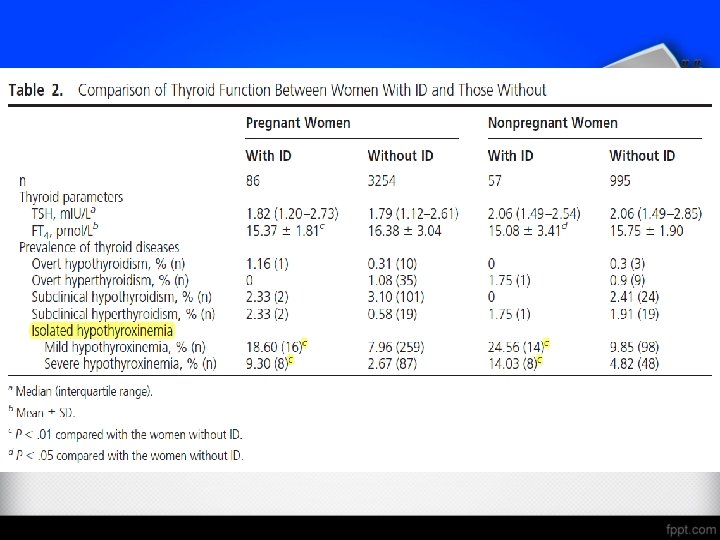
Causes of IMH • iron deficiency • by reducing activity of the heme-dependent thyroid peroxidase. • In the past, iron deficiency has been showed to be associated both with elevated TSH and with low FT 4 levels in pregnancy.
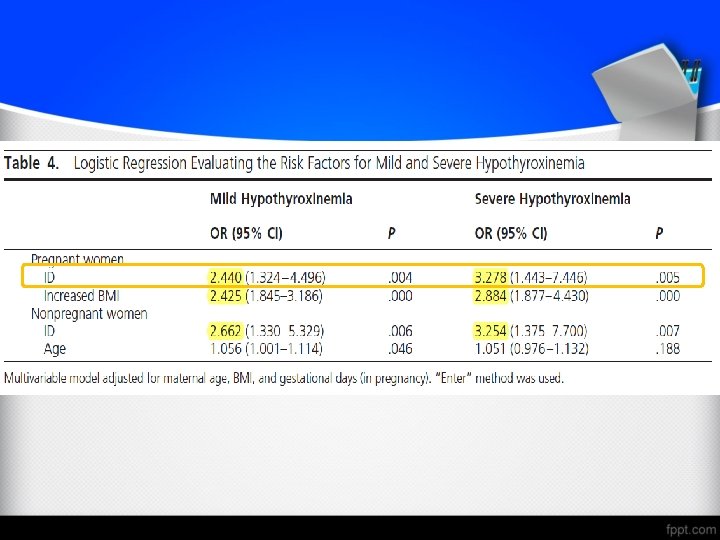
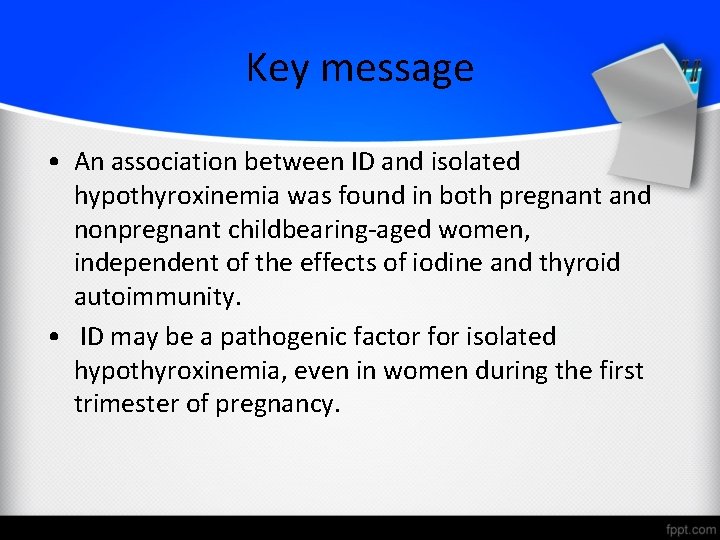
Key message • An association between ID and isolated hypothyroxinemia was found in both pregnant and nonpregnant childbearing-aged women, independent of the effects of iodine and thyroid autoimmunity. • ID may be a pathogenic factor for isolated hypothyroxinemia, even in women during the first trimester of pregnancy.
Causes of IMH
Causes of IMH • fetal angiogenic factors • a recent study from the Netherlands showed that increasing levels of either proangiogenic placental growth factor (Pl. GF) or antiangiogenic soluble FMS-like tyrosine kinase-1 (s. Flt 1; a vascular endothelial growth factor [VEGF] and Pl. GF antagonist), both important pregnancy-specific angiogenesis regulators, are associated with increased risk of IMH. • future studies are needed to clarify the exact biological mechanisms behind these observed associations.
Agenda • • • Review of following in IMH: epidemiology causes adverse effects treatment the areas of remaining uncertainty regarding IMH.
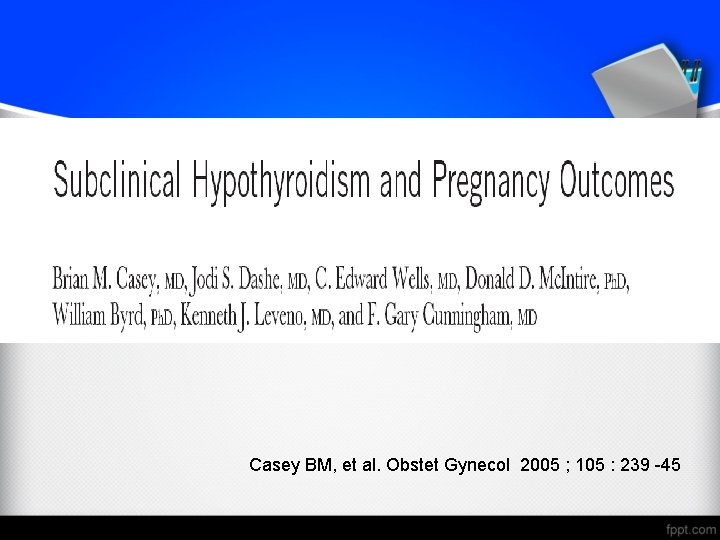
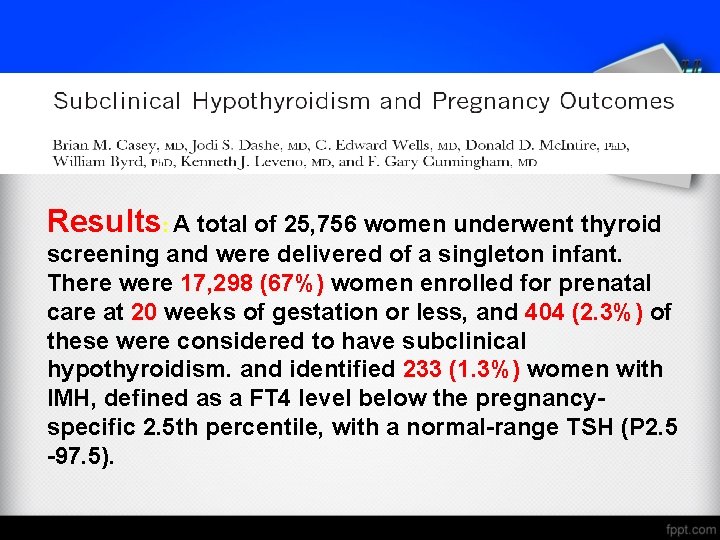
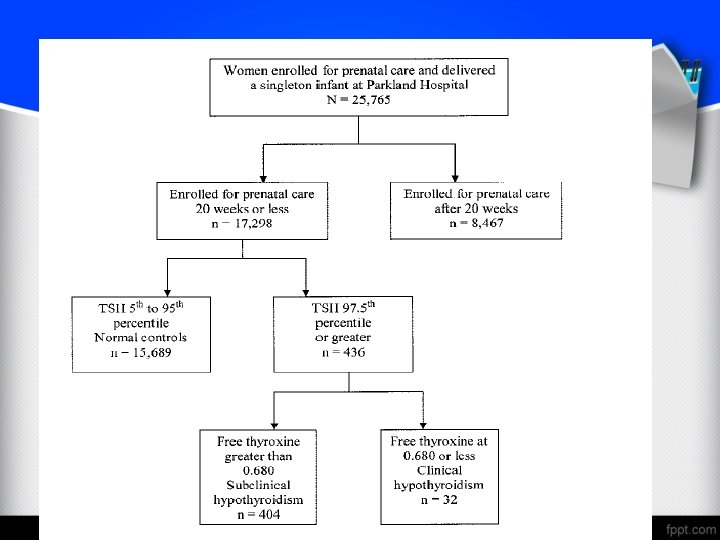
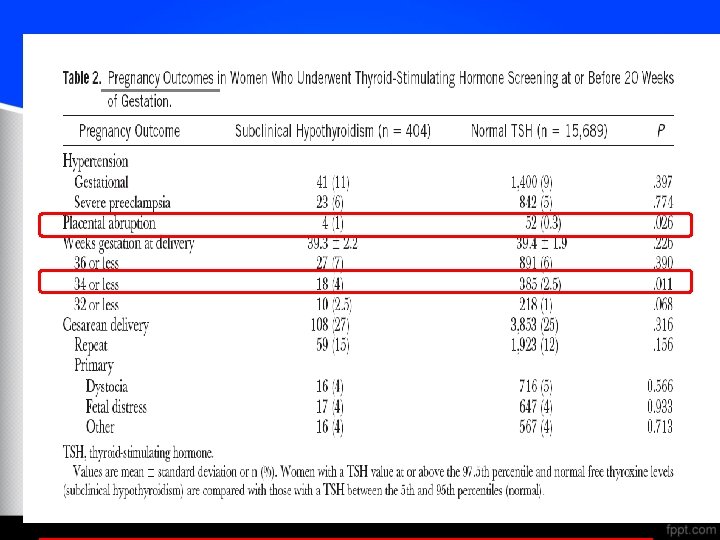
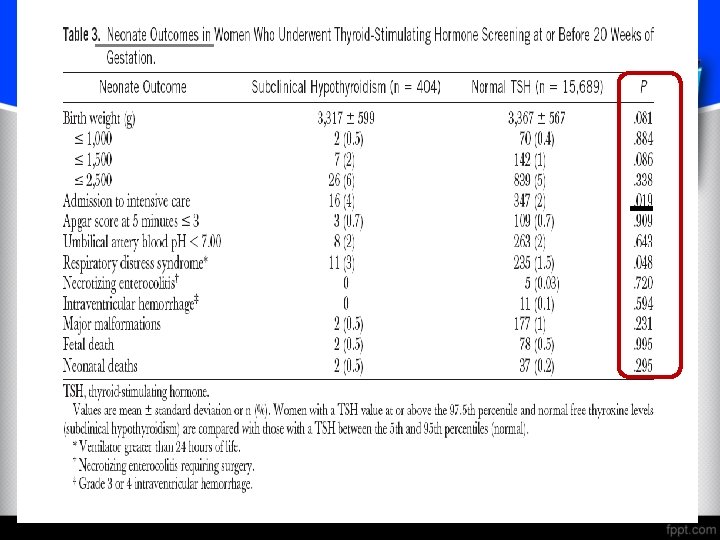
Effects on the risk of pregnancy complications • Casey et al. determined serum TSH and FT 4 levels in 17, 298 women presenting for prenatal care in the first 20 weeks of pregnancy,
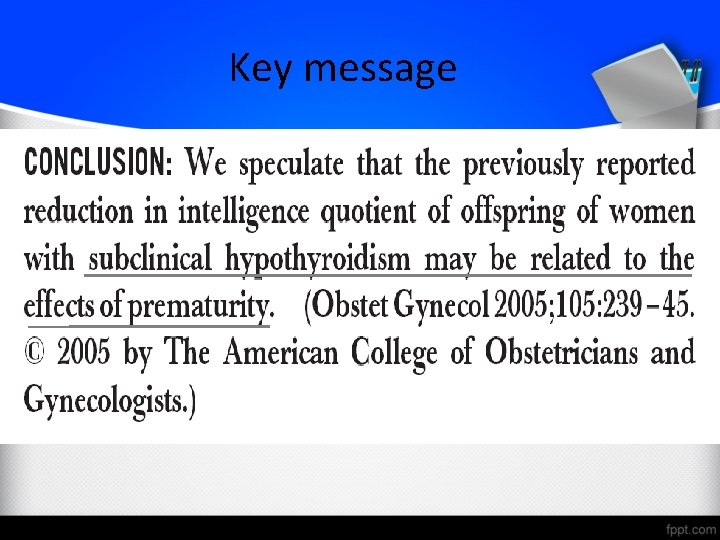
Casey BM, et al. Obstet Gynecol 2005 ; 105 : 239 -45
Results: A total of 25, 756 women underwent thyroid screening and were delivered of a singleton infant. There were 17, 298 (67%) women enrolled for prenatal care at 20 weeks of gestation or less, and 404 (2. 3%) of these were considered to have subclinical hypothyroidism. and identified 233 (1. 3%) women with IMH, defined as a FT 4 level below the pregnancyspecific 2. 5 th percentile, with a normal-range TSH (P 2. 5 -97. 5).
excluded
Key message
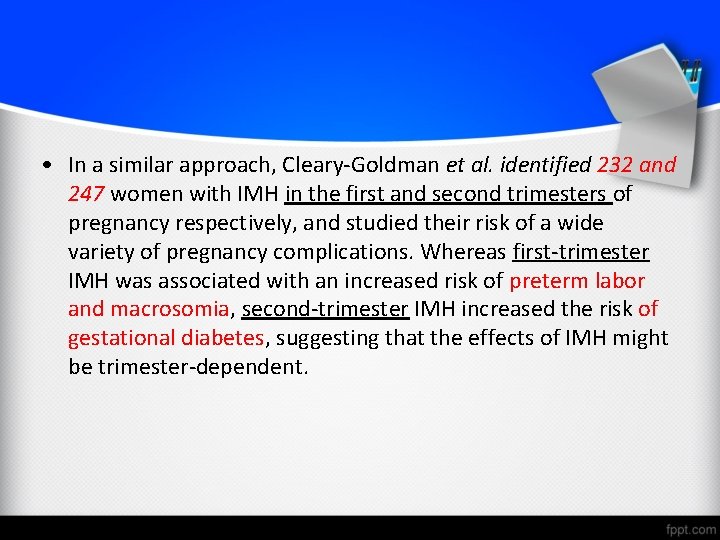
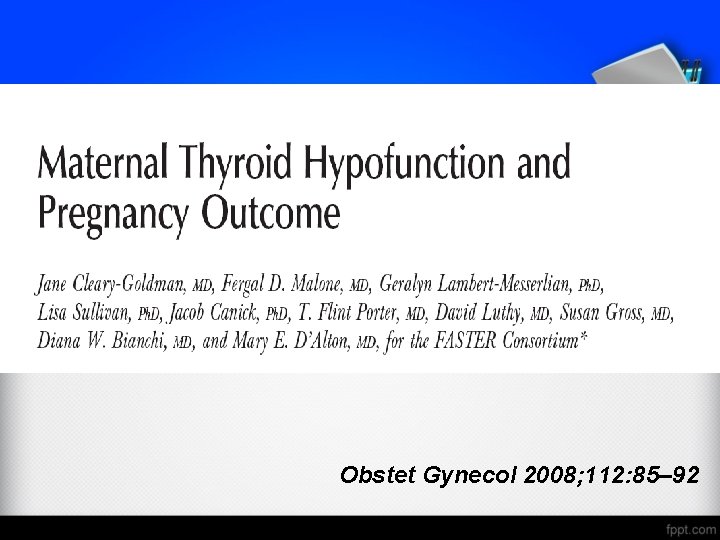
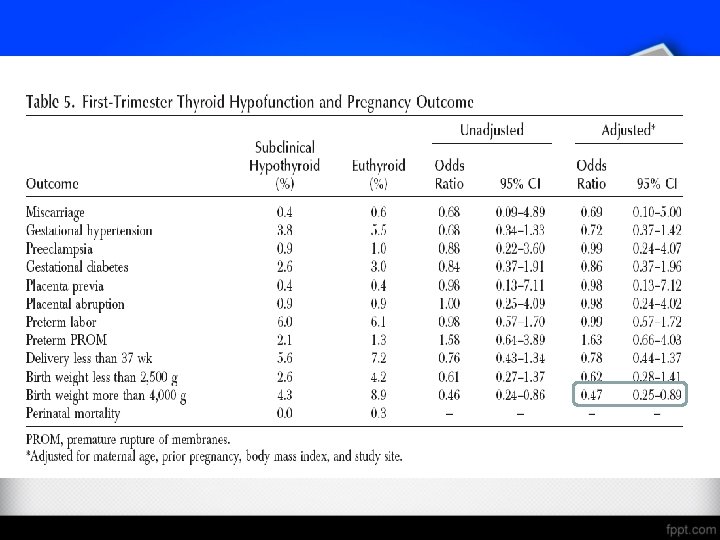
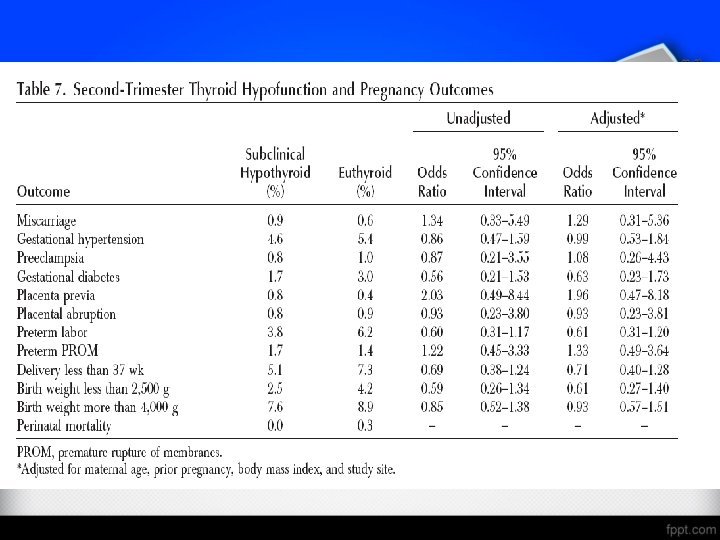
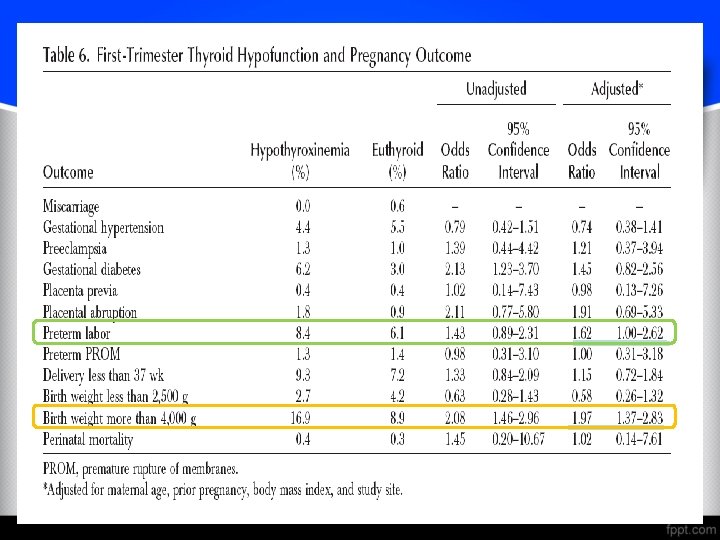
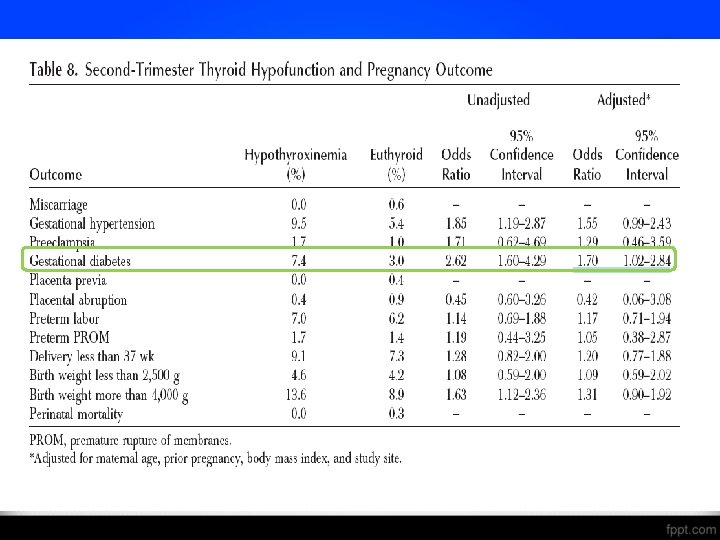
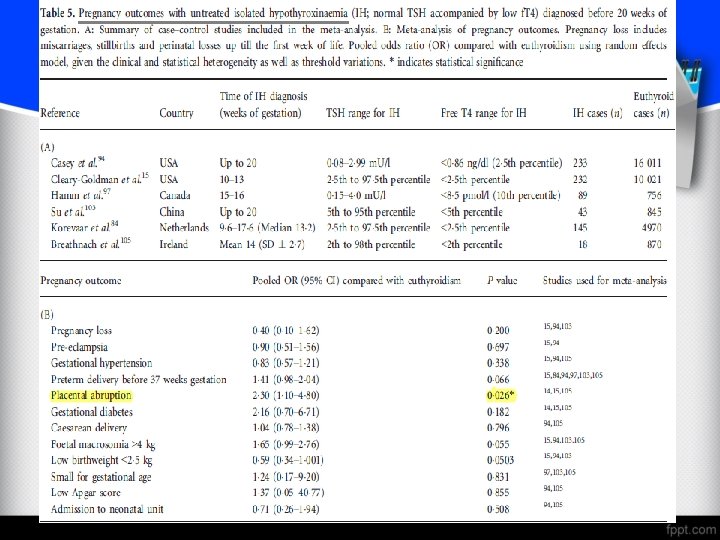
• In a similar approach, Cleary-Goldman et al. identified 232 and 247 women with IMH in the first and second trimesters of pregnancy respectively, and studied their risk of a wide variety of pregnancy complications. Whereas first-trimester IMH was associated with an increased risk of preterm labor and macrosomia, second-trimester IMH increased the risk of gestational diabetes, suggesting that the effects of IMH might be trimester-dependent.
Obstet Gynecol 2008; 112: 85– 92
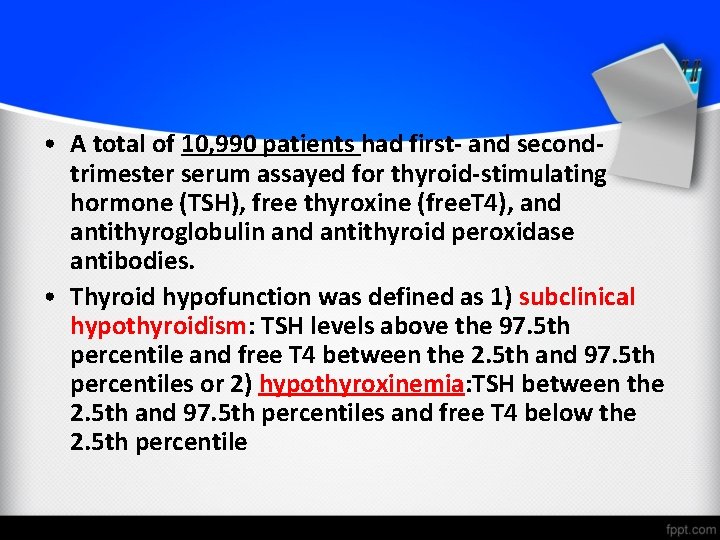
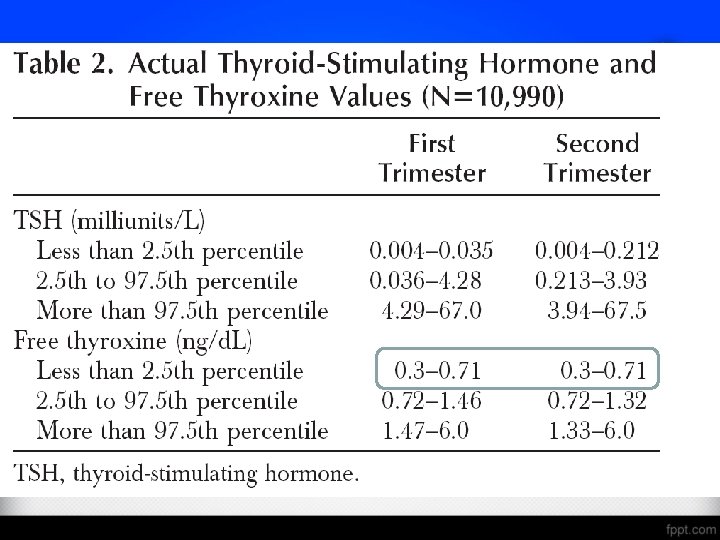
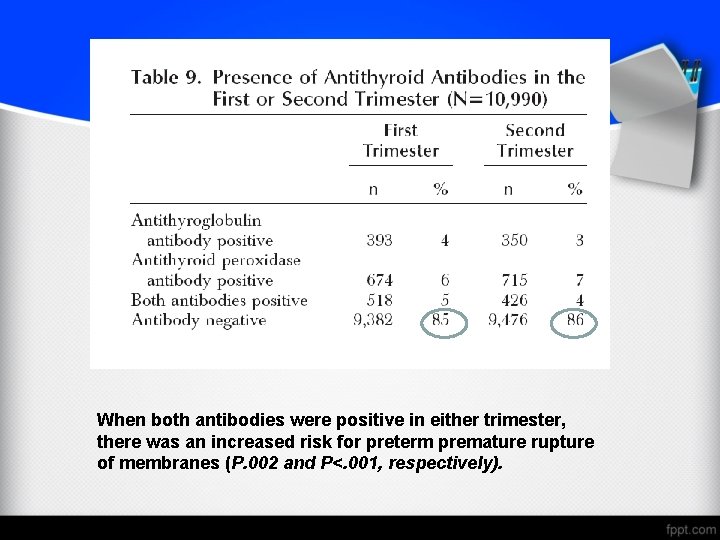
• A total of 10, 990 patients had first- and secondtrimester serum assayed for thyroid-stimulating hormone (TSH), free thyroxine (free. T 4), and antithyroglobulin and antithyroid peroxidase antibodies. • Thyroid hypofunction was defined as 1) subclinical hypothyroidism: TSH levels above the 97. 5 th percentile and free T 4 between the 2. 5 th and 97. 5 th percentiles or 2) hypothyroxinemia: TSH between the 2. 5 th and 97. 5 th percentiles and free T 4 below the 2. 5 th percentile
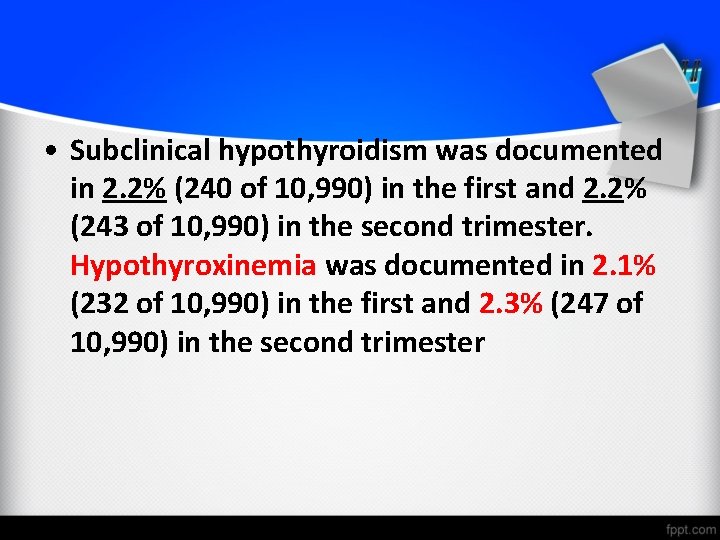
• Subclinical hypothyroidism was documented in 2. 2% (240 of 10, 990) in the first and 2. 2% (243 of 10, 990) in the second trimester. Hypothyroxinemia was documented in 2. 1% (232 of 10, 990) in the first and 2. 3% (247 of 10, 990) in the second trimester
When both antibodies were positive in either trimester, there was an increased risk for preterm premature rupture of membranes (P. 002 and P<. 001, respectively).
Key message
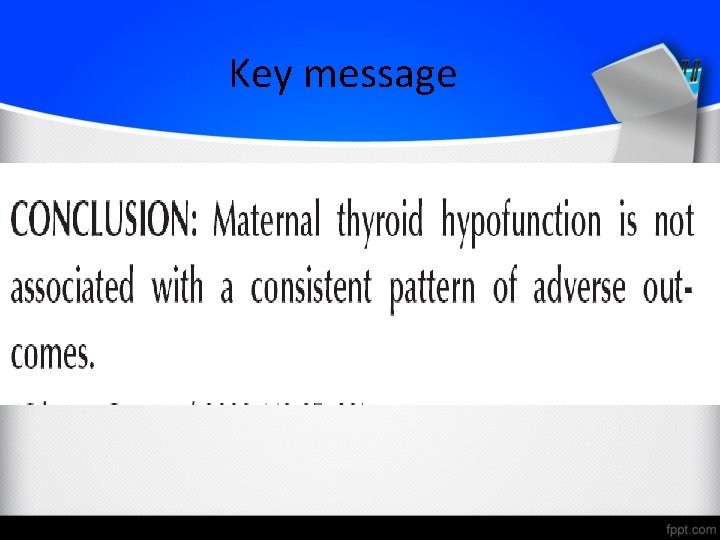
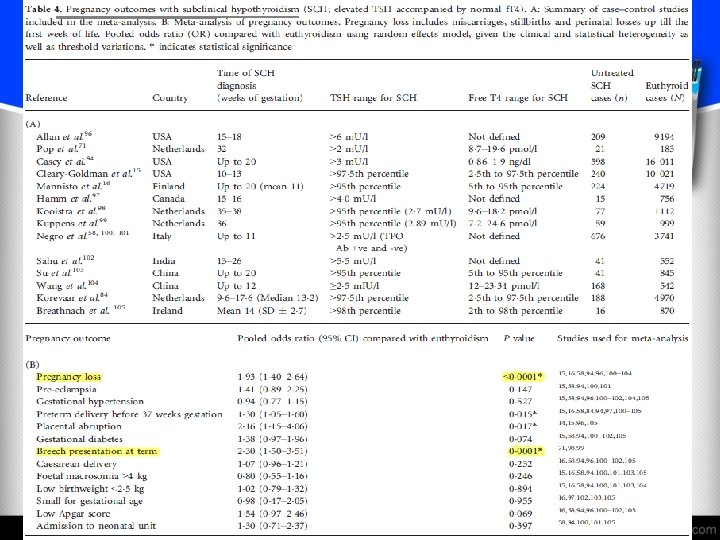
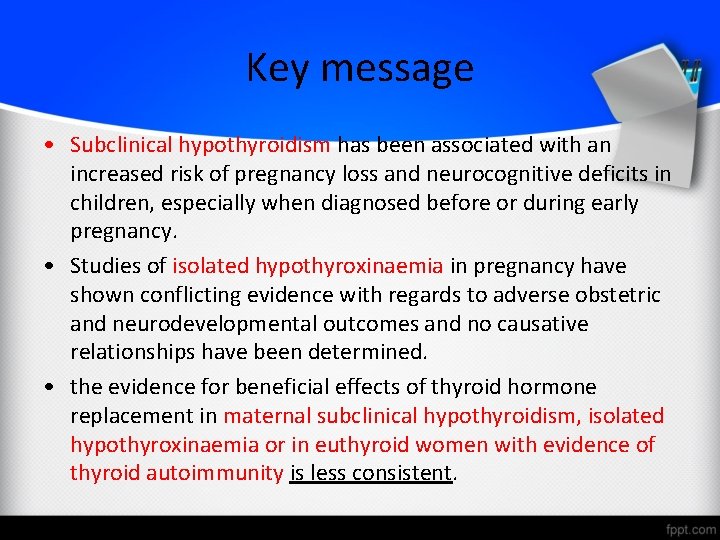
Key message • Subclinical hypothyroidism has been associated with an increased risk of pregnancy loss and neurocognitive deficits in children, especially when diagnosed before or during early pregnancy. • Studies of isolated hypothyroxinaemia in pregnancy have shown conflicting evidence with regards to adverse obstetric and neurodevelopmental outcomes and no causative relationships have been determined. • the evidence for beneficial effects of thyroid hormone replacement in maternal subclinical hypothyroidism, isolated hypothyroxinaemia or in euthyroid women with evidence of thyroid autoimmunity is less consistent.
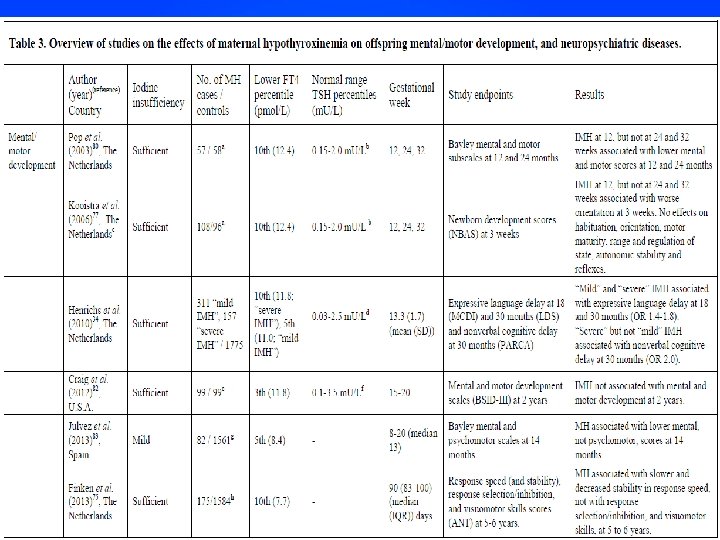
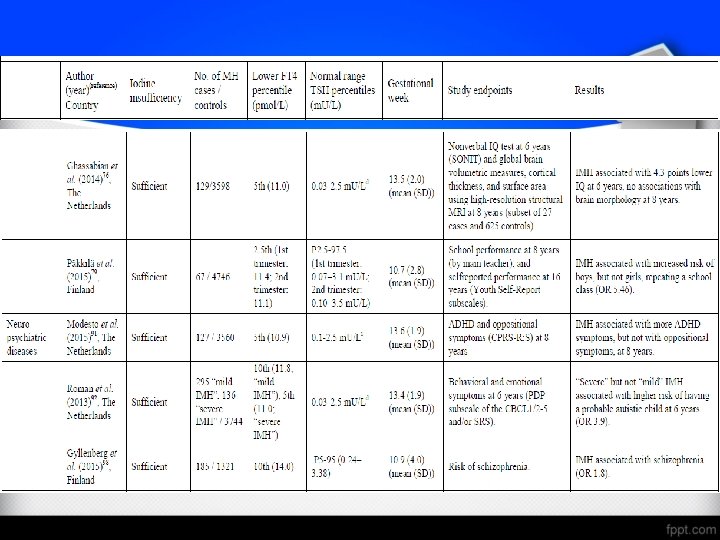
Effects on child neurodevelopment • far more studies have been performed on the effects on child neurodevelopment. This is driven by the many studies showing that overt hypothyroidism during pregnancy negatively affects child neurodevelopment • overview of the studies on IMH and child neurodevelopment, into three endpoints (mental/motor development, or psychiatric diseases).
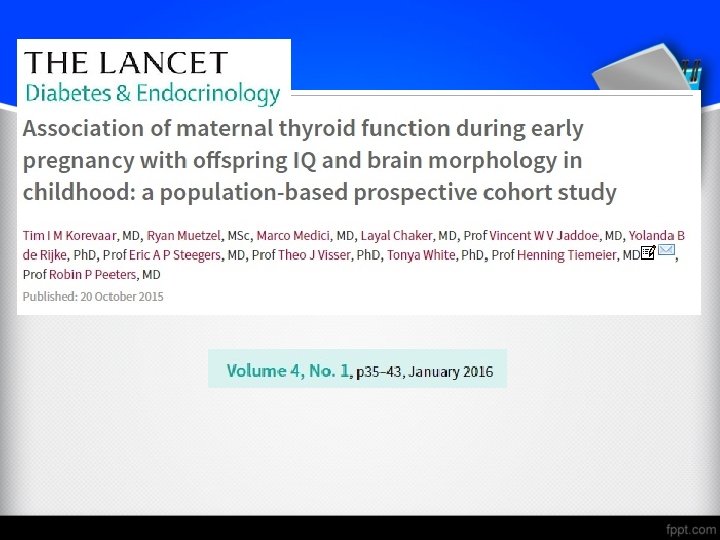
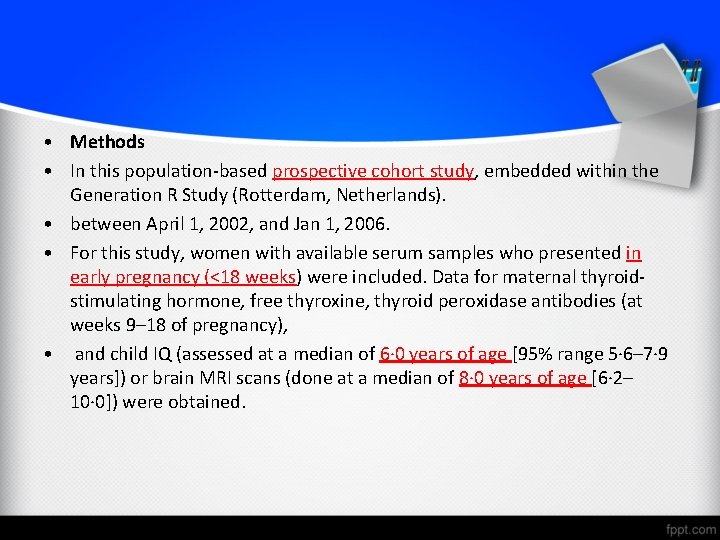
• Methods • In this population-based prospective cohort study, embedded within the Generation R Study (Rotterdam, Netherlands). • between April 1, 2002, and Jan 1, 2006. • For this study, women with available serum samples who presented in early pregnancy (<18 weeks) were included. Data for maternal thyroidstimulating hormone, free thyroxine, thyroid peroxidase antibodies (at weeks 9– 18 of pregnancy), • and child IQ (assessed at a median of 6· 0 years of age [95% range 5· 6– 7· 9 years]) or brain MRI scans (done at a median of 8· 0 years of age [6· 2– 10· 0]) were obtained.
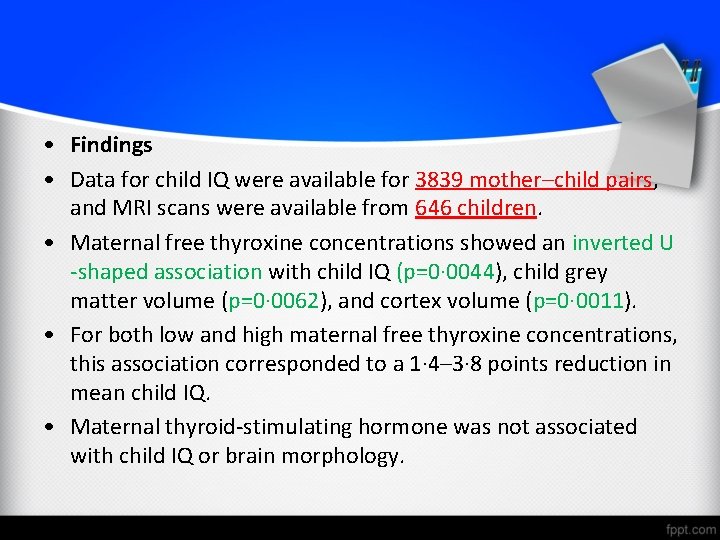
• Findings • Data for child IQ were available for 3839 mother–child pairs, and MRI scans were available from 646 children. • Maternal free thyroxine concentrations showed an inverted U -shaped association with child IQ (p=0· 0044), child grey matter volume (p=0· 0062), and cortex volume (p=0· 0011). • For both low and high maternal free thyroxine concentrations, this association corresponded to a 1· 4– 3· 8 points reduction in mean child IQ. • Maternal thyroid-stimulating hormone was not associated with child IQ or brain morphology.
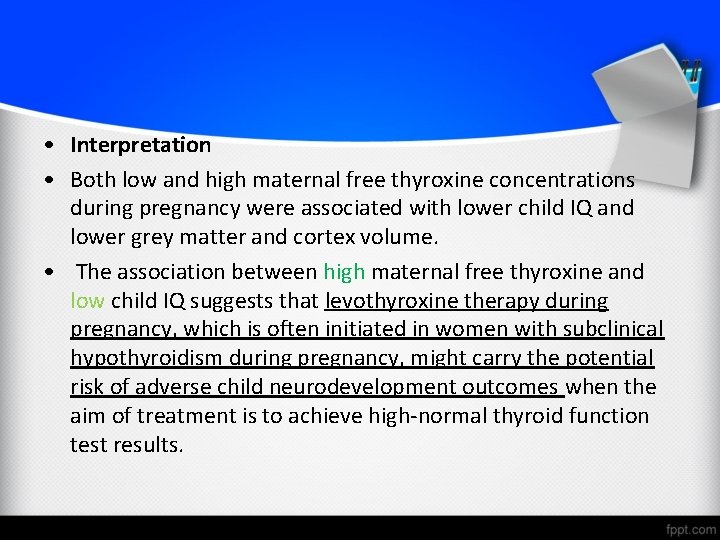
• Interpretation • Both low and high maternal free thyroxine concentrations during pregnancy were associated with lower child IQ and lower grey matter and cortex volume. • The association between high maternal free thyroxine and low child IQ suggests that levothyroxine therapy during pregnancy, which is often initiated in women with subclinical hypothyroidism during pregnancy, might carry the potential risk of adverse child neurodevelopment outcomes when the aim of treatment is to achieve high-normal thyroid function test results.
Agenda • • • Review of following in IMH: epidemiology causes adverse effects treatment the areas of remaining uncertainty regarding IMH.
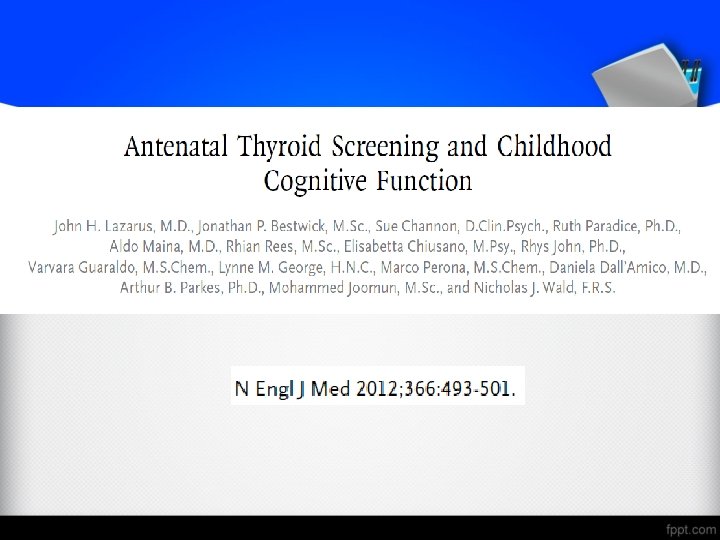
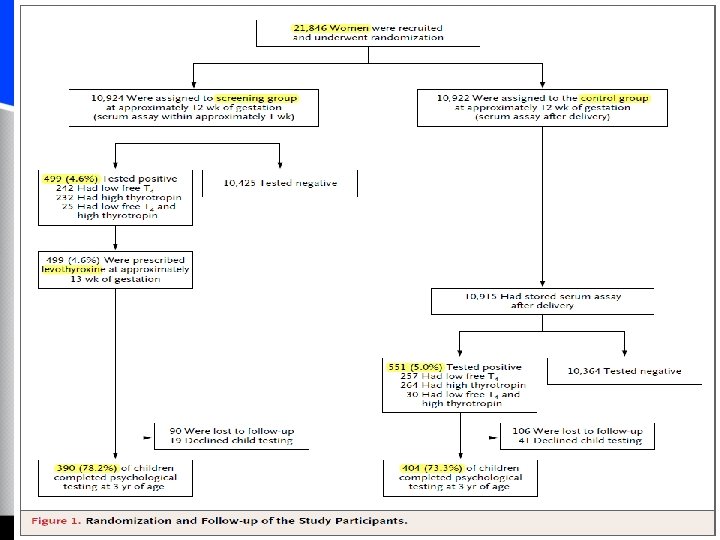
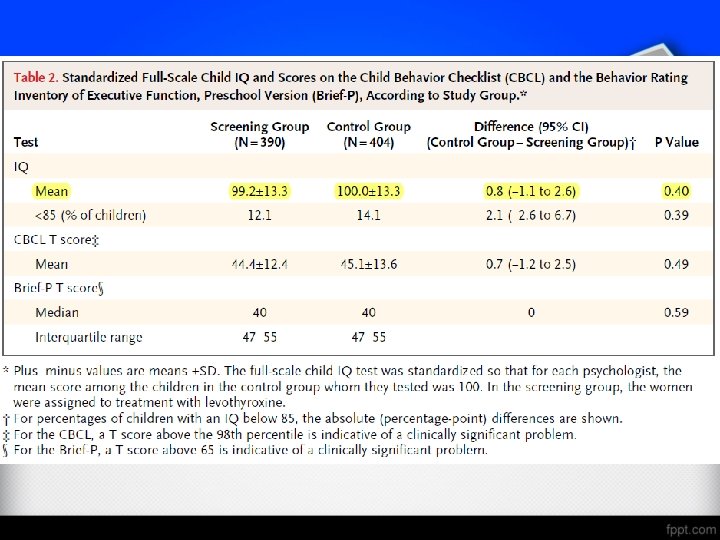
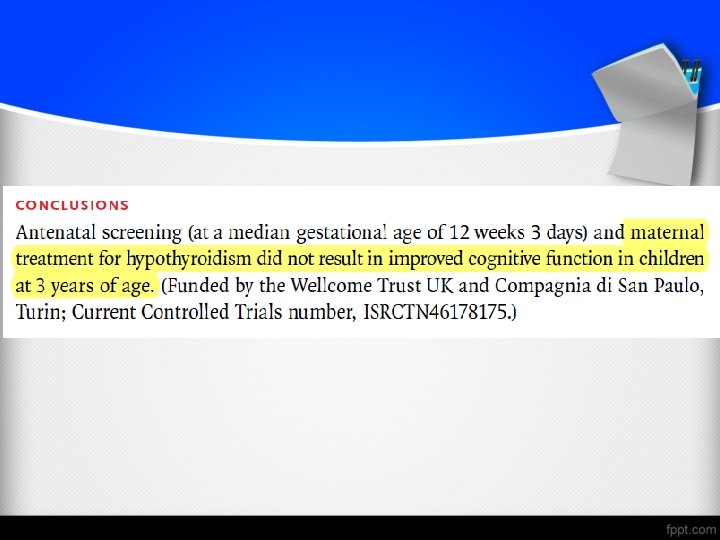
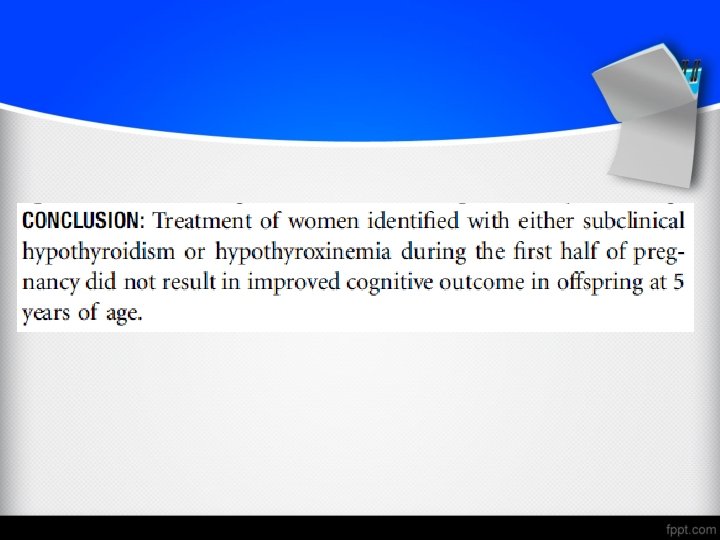
Prevention and treatment of maternal hypothyroxinemia • the key clinical question remaining is whether these complications can be prevented by timely correction of IMH. • Number of studies has shown correction of IMH in early pregnancy could potentially reverse the detrimental neurodevelopmental effects on the offspring. • Two randomized controlled trials (RCTs) have studied the effects of levothyroxine treatment of women with IMH and (subclinical) hypothyroidism on child IQ.
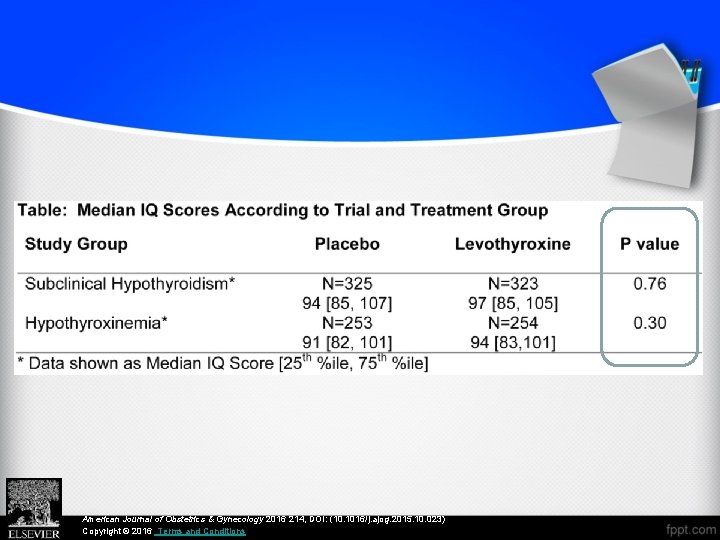
Effect of treatment of maternal subclinical hypothyroidism or hypothyroxinemia on IQ in offspring Brian Casey American Journal of Obstetrics & Gynecology Volume 214, Issue 1, (January 2016) DOI: 10. 1016/j. ajog. 2015. 10. 023 Copyright © 2016 Terms and Conditions
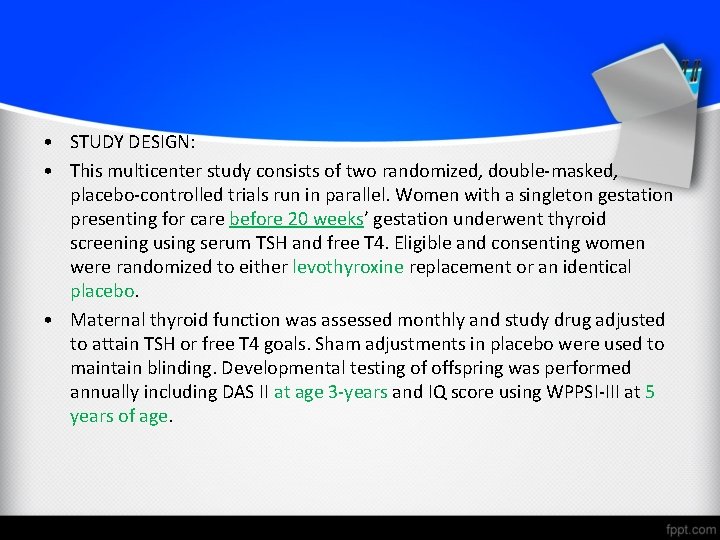
• STUDY DESIGN: • This multicenter study consists of two randomized, double-masked, placebo-controlled trials run in parallel. Women with a singleton gestation presenting for care before 20 weeks’ gestation underwent thyroid screening using serum TSH and free T 4. Eligible and consenting women were randomized to either levothyroxine replacement or an identical placebo. • Maternal thyroid function was assessed monthly and study drug adjusted to attain TSH or free T 4 goals. Sham adjustments in placebo were used to maintain blinding. Developmental testing of offspring was performed annually including DAS II at age 3 -years and IQ score using WPPSI-III at 5 years of age.
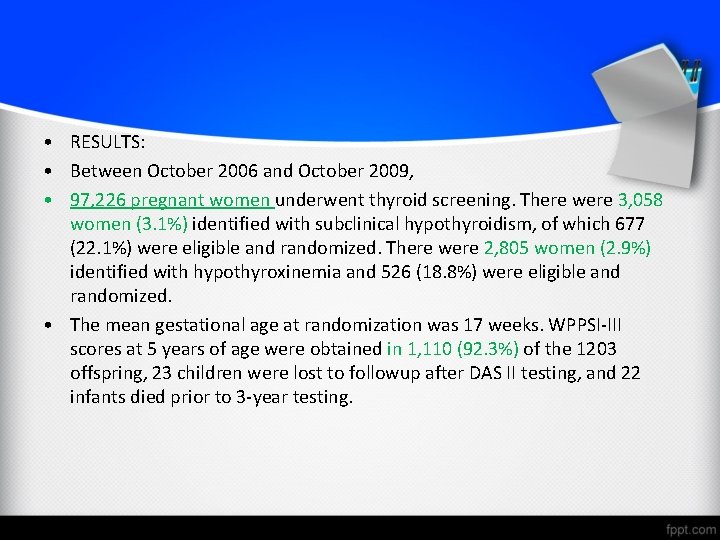
• RESULTS: • Between October 2006 and October 2009, • 97, 226 pregnant women underwent thyroid screening. There were 3, 058 women (3. 1%) identified with subclinical hypothyroidism, of which 677 (22. 1%) were eligible and randomized. There were 2, 805 women (2. 9%) identified with hypothyroxinemia and 526 (18. 8%) were eligible and randomized. • The mean gestational age at randomization was 17 weeks. WPPSI-III scores at 5 years of age were obtained in 1, 110 (92. 3%) of the 1203 offspring, 23 children were lost to followup after DAS II testing, and 22 infants died prior to 3 -year testing.
American Journal of Obstetrics & Gynecology 2016 214, DOI: (10. 1016/j. ajog. 2015. 10. 023) Copyright © 2016 Terms and Conditions
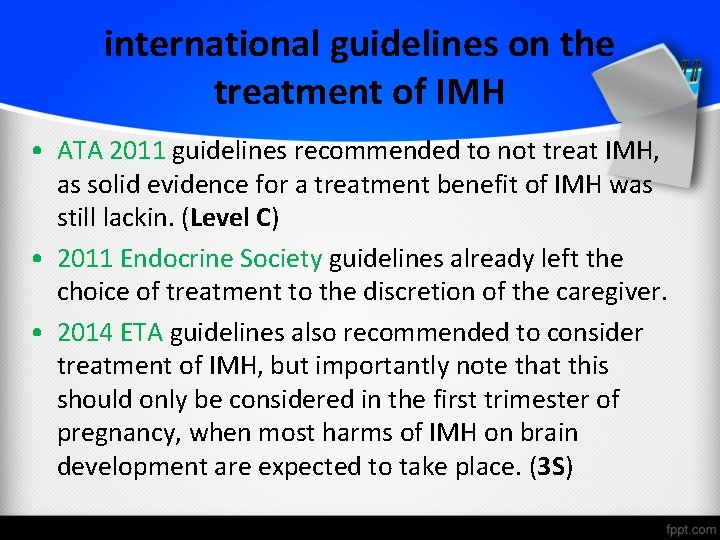
international guidelines on the treatment of IMH • ATA 2011 guidelines recommended to not treat IMH, as solid evidence for a treatment benefit of IMH was still lackin. (Level C) • 2011 Endocrine Society guidelines already left the choice of treatment to the discretion of the caregiver. • 2014 ETA guidelines also recommended to consider treatment of IMH, but importantly note that this should only be considered in the first trimester of pregnancy, when most harms of IMH on brain development are expected to take place. (3 S)
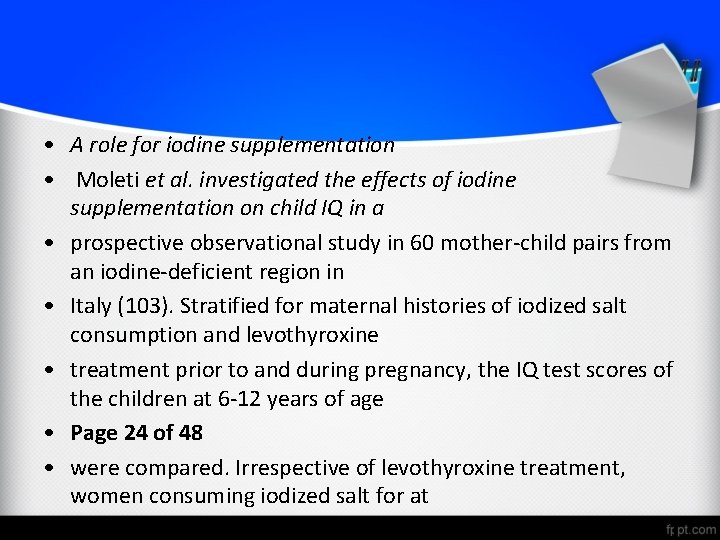
• A role for iodine supplementation • Moleti et al. investigated the effects of iodine supplementation on child IQ in a • prospective observational study in 60 mother-child pairs from an iodine-deficient region in • Italy (103). Stratified for maternal histories of iodized salt consumption and levothyroxine • treatment prior to and during pregnancy, the IQ test scores of the children at 6 -12 years of age • Page 24 of 48 • were compared. Irrespective of levothyroxine treatment, women consuming iodized salt for at • least two years prior to pregnancy, had children with better IQ
Agenda • • • Review of following in IMH: epidemiology causes adverse effects treatment the areas of remaining uncertainty regarding IMH.
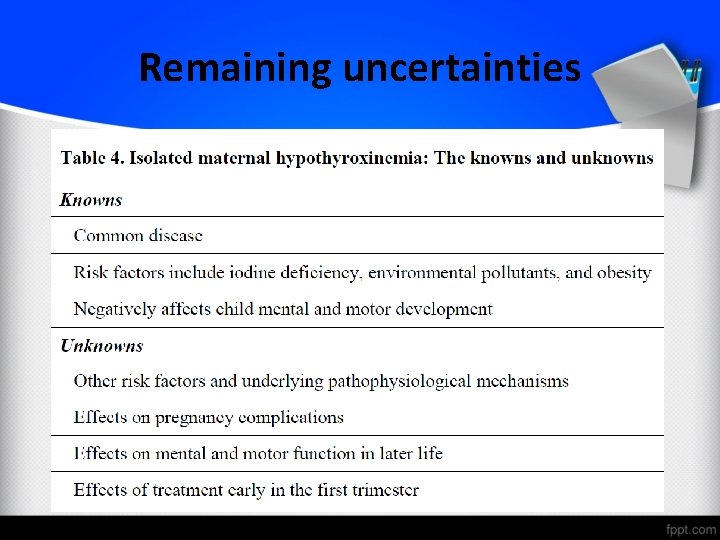
Remaining uncertainties
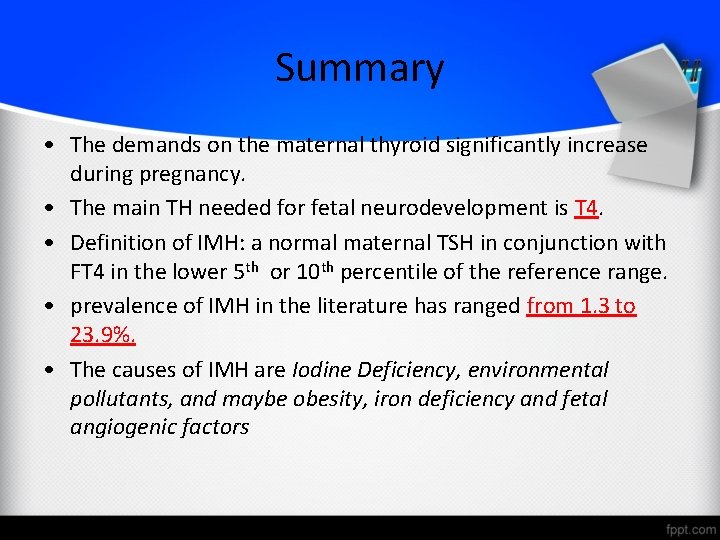
Summary • The demands on the maternal thyroid significantly increase during pregnancy. • The main TH needed for fetal neurodevelopment is T 4. • Definition of IMH: a normal maternal TSH in conjunction with FT 4 in the lower 5 th or 10 th percentile of the reference range. • prevalence of IMH in the literature has ranged from 1. 3 to 23. 9%. • The causes of IMH are Iodine Deficiency, environmental pollutants, and maybe obesity, iron deficiency and fetal angiogenic factors
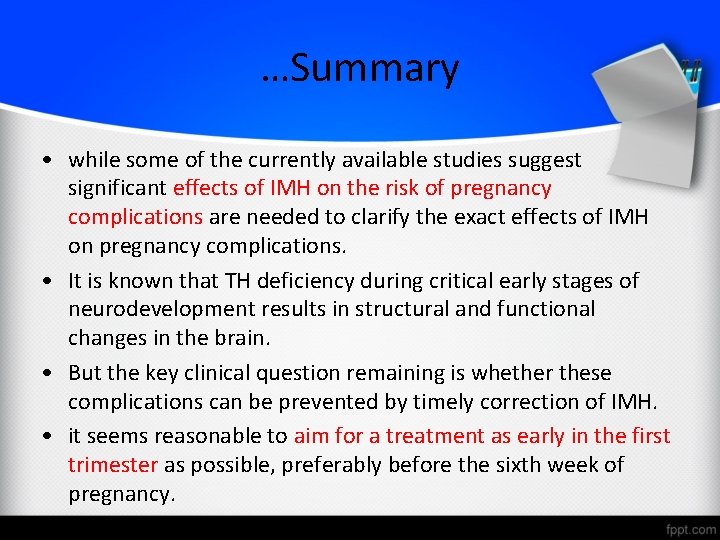
…Summary • while some of the currently available studies suggest significant effects of IMH on the risk of pregnancy complications are needed to clarify the exact effects of IMH on pregnancy complications. • It is known that TH deficiency during critical early stages of neurodevelopment results in structural and functional changes in the brain. • But the key clinical question remaining is whether these complications can be prevented by timely correction of IMH. • it seems reasonable to aim for a treatment as early in the first trimester as possible, preferably before the sixth week of pregnancy.