
ISO 24521 a management standard we can use

- Slides: 23
ISO 24521 a management standard we can use now Presenter name Organization Date Location 2
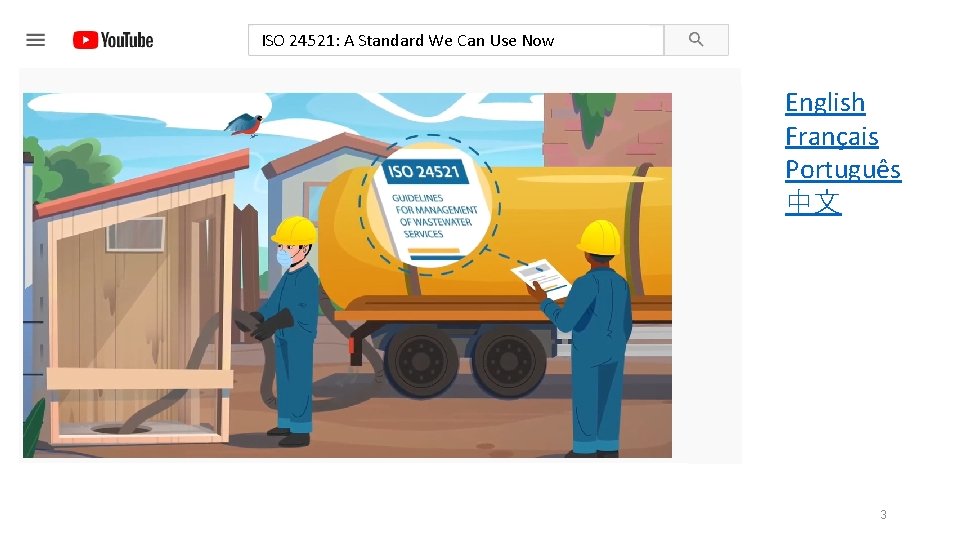
ISO 24521: A Standard We Can Use Now English Français Português 中文 3
agenda: a new management standard +the need +the technical guidelines +objectives & opportunities +your role & next steps 4
+countless the need communities around the world use non-sewered sanitation systems that require management of wastewater services… +and we need a consistent set of guidelines to safely manage those systems 5
a solution ISO 24521 is a technical document containing specifications to optimize and improve management of existing on-site domestic wastewater services and their component parts +access to toilet (user interface + collection) +emptying & transport +treatment +disposal & reuse 6
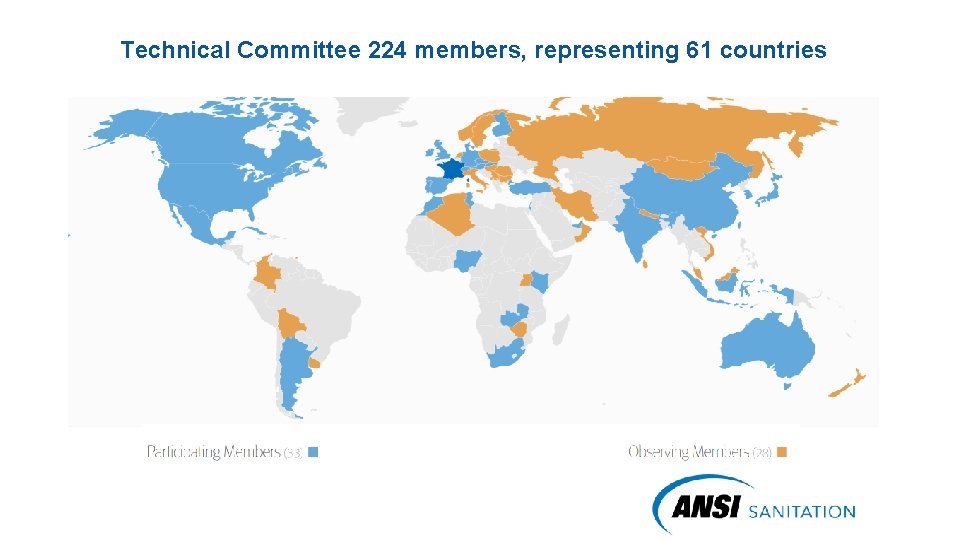
global consensus +ISO 25421 was developed by ISO Technical Committee (TC) 224, with the input of 61 countries from six continents 7
Technical Committee 224 members, representing 61 countries
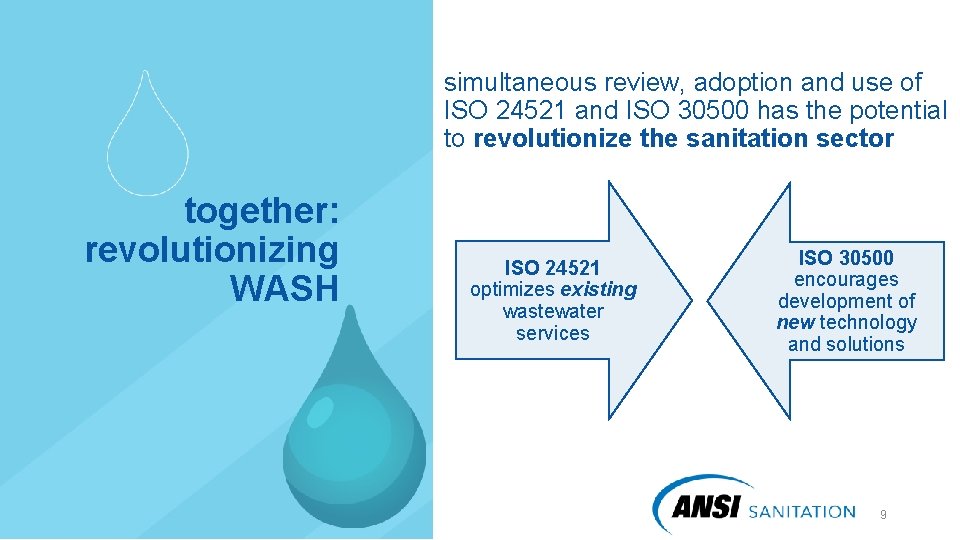
simultaneous review, adoption and use of ISO 24521 and ISO 30500 has the potential to revolutionize the sanitation sector together: revolutionizing WASH ISO 24521 optimizes existing wastewater services ISO 30500 encourages development of new technology and solutions 9
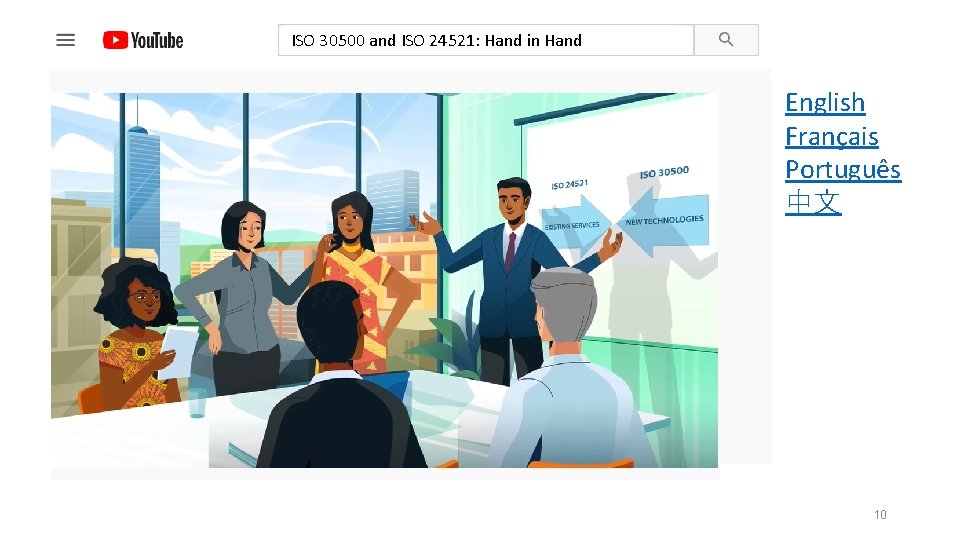
ISO 30500 and ISO 24521: Hand in Hand English Français Português 中文 10
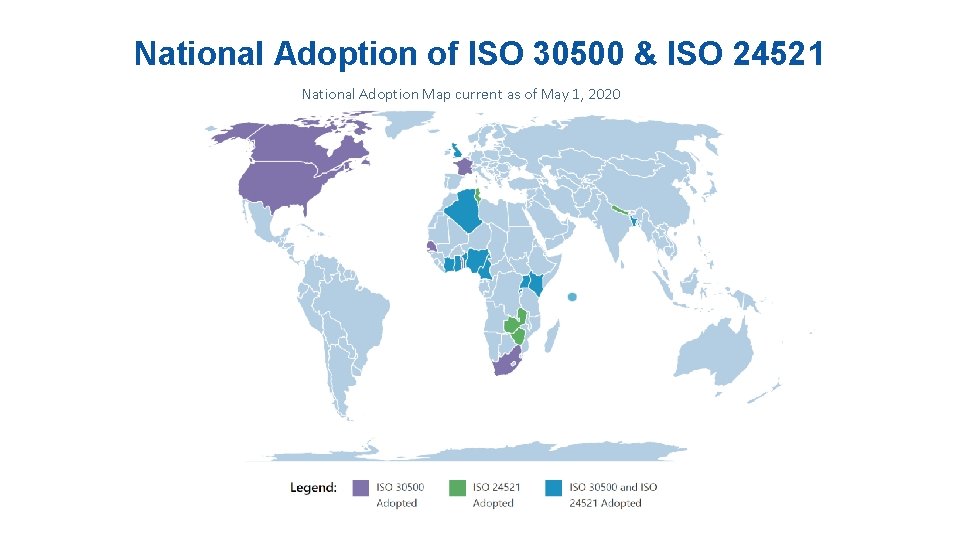
National Adoption of ISO 30500 & ISO 24521 National Adoption Map current as of May 1, 2020
+ISO together: revolutionizing WASH 24521 contains normative references to ISO 24510 and ISO 24511. +Please consider simultaneous review and adoption of ISO 24521, ISO 24510, and ISO 24511 12
Standards for Activities relating to drinking water and wastewater services: +ISO 24521, Guidelines for the management of basic on-site domestic wastewater services the standards +ISO 24510, Guidelines for the assessment and for the improvement of the service to users +ISO 24511, Guidelines for the management of wastewater utilities and for the assessment of wastewater services 13
why it matters a national standard enables our communities to streamline sanitation services to protect health and promote sustainable community development (and ultimately economic growth) 14
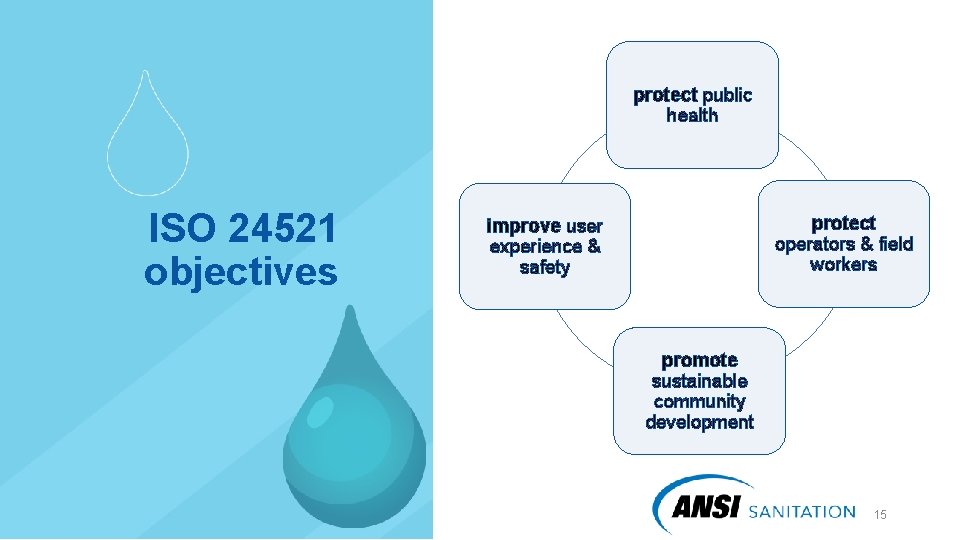
protect public health ISO 24521 objectives protect operators & field workers improve user experience & safety promote sustainable community development 15
+ensure protect public health clean drinking water +avoid human exposure to pathogens +prevent disease-carrying animals from accessing waste +eliminate odor and aesthetic nuisances 16
+techniques protect operators & field workers for design, planning, construction, management, operation & maintenance +best practices, education, & training for transporting & handling wastewater for plant operators, wastewater collectors, field workers, & the trucks that transport wastewater ﹣ protective clothing & equipment ﹣ regular check-ups & health monitoring ﹣ monitor & test sub-products 17
improve user experience best practices for households and community members when handling waste and building/using on-site domestic wastewater systems (e. g. pit latrines) +provide clear communication +promote cultural acceptance +prioritize the needs and expectations of users ﹣ safety, hygiene, security, comfort, convenience & privacy ﹣ accessibility & sustainability ﹣ in some cases, re-useable wastewater or byproducts ﹣ economic benefits 18
promote sustainable community development sustainable wastewater services are key to creating sustainable communities +scale capacity to meet current and future needs +recover nutrients & re-use waste for fertilizer +conserve & protect drinking water +prevent pollution +generate renewable energy 19
other benefits +ISO 24521 includes special protocols to ensure provision of service in an emergency 20
+governments, your role parliaments, & local public authorities play an essential role in protecting drinking water and improving access to basic sanitation +institutional involvement will make the water & sanitation sector more productive, and the management of water resources more sustainable 21
next steps how can you work toward review, adoption and use of the standards? +identify key sanitation standards, regulations, or laws already in place +understand the process for nationally adopting a new international standard +host a national workshop to educate stakeholders in your country or community +gather ideas from key stakeholders and earn their buy-in +conduct trainings for government sanitation employees 22
+funding +partnerships ANSI is here to help and networking +one-on-one technical assistance in working toward adoption +ongoing and follow-up assistance to support implementation and use +provide additional education and training materials 23
https: //sanitation. ansi. org/ sanitation@ansi. org 24