
Islamic Civilization in the Middle Ages Quick Review
- Slides: 19
Islamic Civilization in the Middle Ages
Quick Review �Islam was founded by the prophet Muhammad in the 600’s �It is an Abrahamic Religion. It follows the same God as Christianity and Judaism and its followers believe that Muhammad was the last prophet in a long line of prophets (including Abraham, Moses and Jesus) �It originated in Mecca, moved to Medina and using an army of devote followers and extremely useful trade routes very quickly spread across the Middle East.
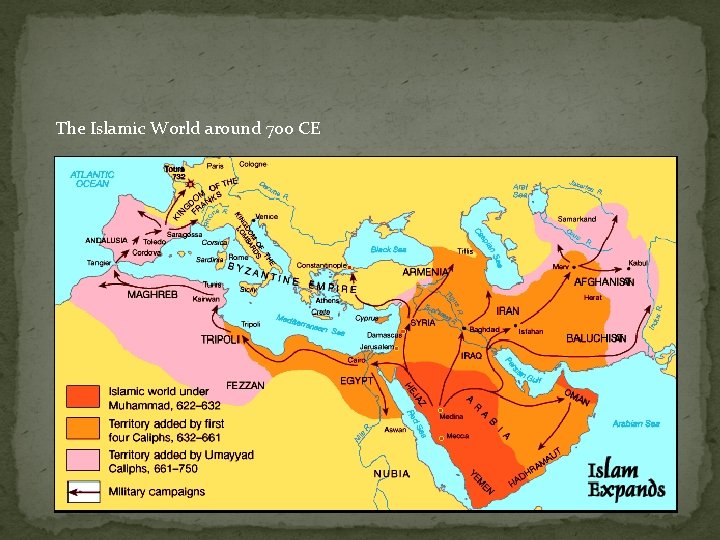
The Islamic World around 700 CE
Islamic Culture �Islamic controlled lands existed under a Caliphate, a theocracy that merged religion and politics �The various provinces of the Islamic Caliphates were controlled through a series of appointed governors and an established law system which used both political and religious law �It relied heavily on trade between Asia, the Middle East and Europe. Control of these trade routes made the Caliphates exceptionally wealthy �This wealth would be used to sponsor significant advances in medicine, science, and philosophy
Living in the Medieval Islamic World as a non-Muslim �Christians and Jews were considered to be “People of the Book” or followers of the same God but following older ideas. �Called Dhimmi they were not allowed to fight in the army and a few less rights compared to the average Muslim. But were still protected under Islamic law �They also paid the Jizya an income tax that allowed them to continue to practice their religion �Pilgrims were allowed to travel to these regions, so long as they paid a tax.
Fun facts! �In 630, when Jerusalem was conquered by Islamic armies, their leader (Umar) refused to convert the Church of the Holy Sepulchre (the site of Jesus’ burial in the bible) into a mosque, out of respect for the site �Later, when Hindu’s entered into the Islamic world, they were given the same rights as the other Dhimmi �Why do you think the Caliphates allowed these people to continue their own cultural practices?
Trade in the Islamic World �The massive size of the Islamic World created a unified, fairly safe to travel route between India, Asia and the Mediterranean �Allowed the trade of porcelain, spices, fabrics and other luxury goods across the ocean, over land, across the Mediterranean or through Spain and into Europe. �Broker, check, tariff, traffic, magazine, caravan and bazaar are all Arabic words we use as a result of this trade
Impact of Trade in the Islamic World �Major trade hubs included Baghdad and Cordoba, which used the wealth from them to advance medicine, science, architecture, mathematics, academics and fund the building of monuments and Mosques that are still standing �Trade routes included over sea routes from the Indian ocean and land routes over Asia and Africa.
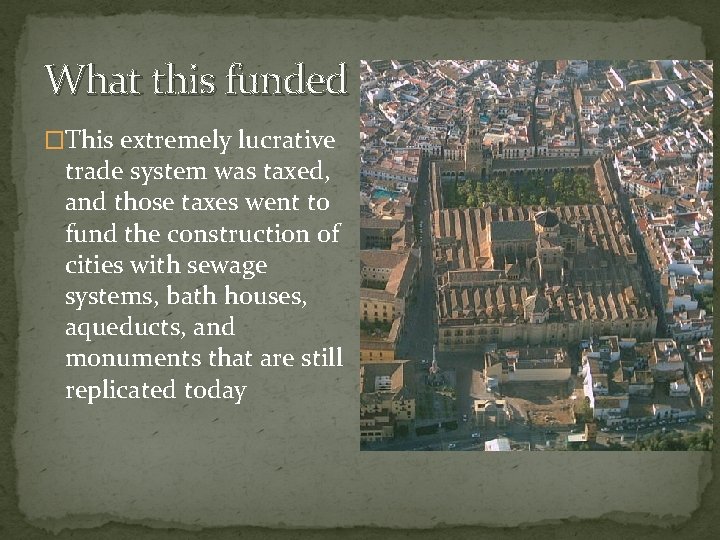
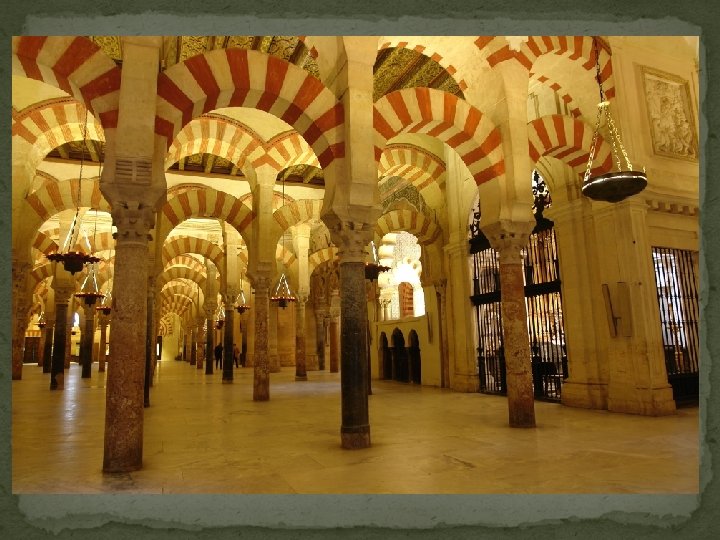
What this funded �This extremely lucrative trade system was taxed, and those taxes went to fund the construction of cities with sewage systems, bath houses, aqueducts, and monuments that are still replicated today
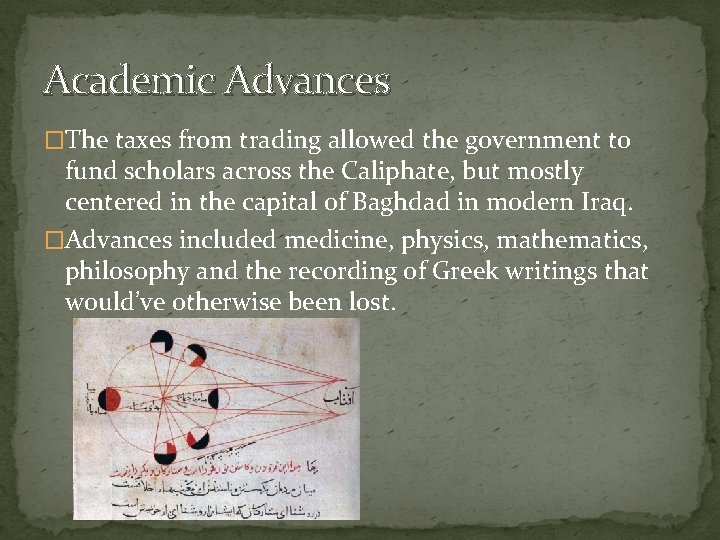
Academic Advances �The taxes from trading allowed the government to fund scholars across the Caliphate, but mostly centered in the capital of Baghdad in modern Iraq. �Advances included medicine, physics, mathematics, philosophy and the recording of Greek writings that would’ve otherwise been lost.
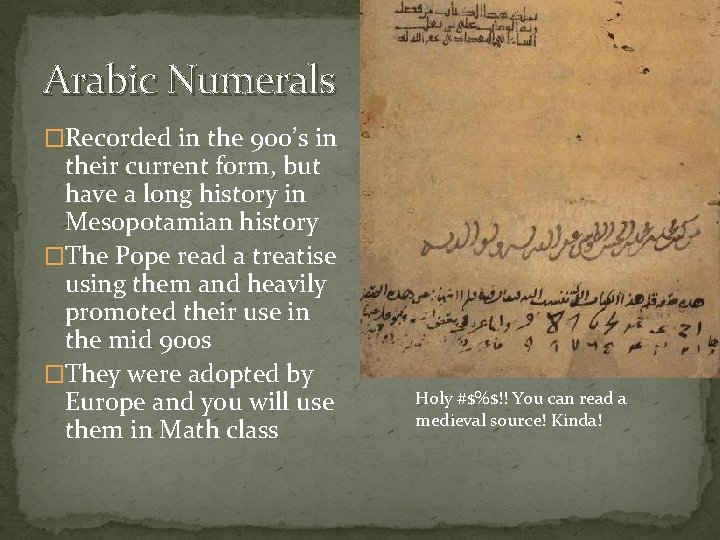
Arabic Numerals �Recorded in the 900’s in their current form, but have a long history in Mesopotamian history �The Pope read a treatise using them and heavily promoted their use in the mid 900 s �They were adopted by Europe and you will use them in Math class Holy #$%$!! You can read a medieval source! Kinda!
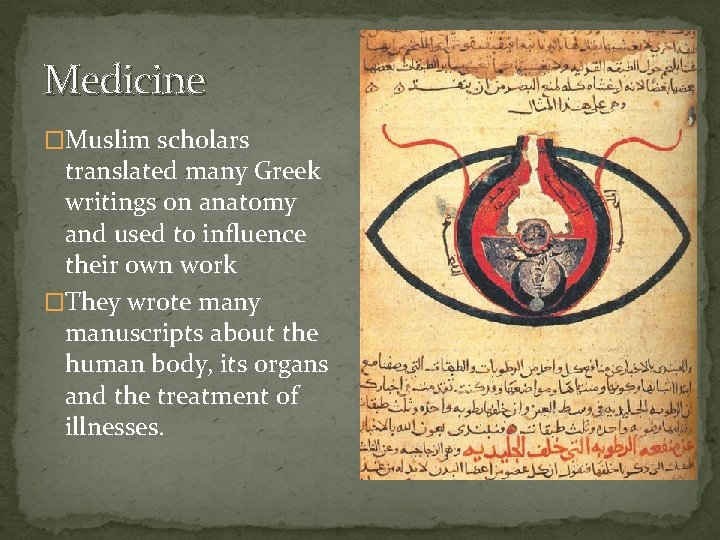
Medicine �Muslim scholars translated many Greek writings on anatomy and used to influence their own work �They wrote many manuscripts about the human body, its organs and the treatment of illnesses.
Other Contributions �Following the collapse of Greek civilization and the Roman Empire many writings from those eras would have been lost, but were translated into Arabic and kept in libraries across the Islamic world and were reintroduced �Also paper. It was invented in China but found its way into Europe and the rest of the world thanks to trade routes maintained through Islamic civilizations.
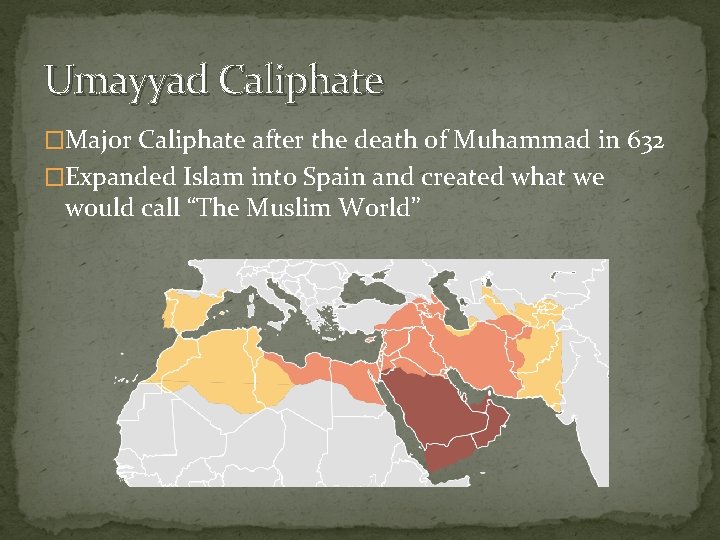
Umayyad Caliphate �Major Caliphate after the death of Muhammad in 632 �Expanded Islam into Spain and created what we would call “The Muslim World”
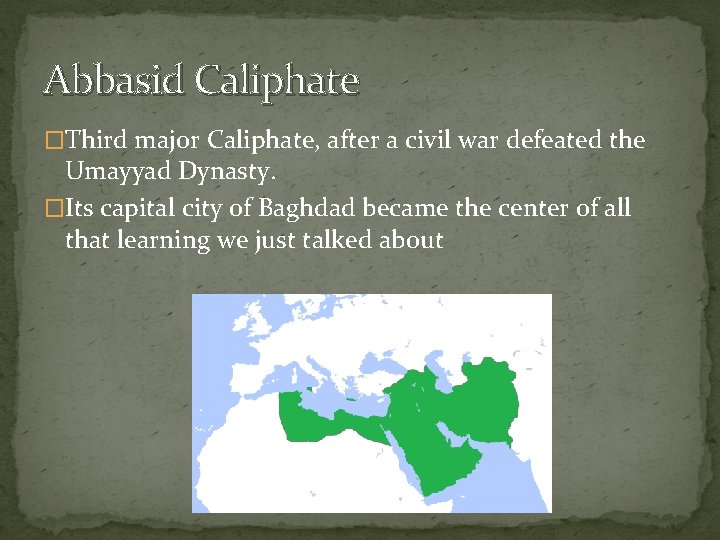
Abbasid Caliphate �Third major Caliphate, after a civil war defeated the Umayyad Dynasty. �Its capital city of Baghdad became the center of all that learning we just talked about
Other Caliphates �Fatimid, Umayyad Caliphate of Cordoba, Almohad �The point is that like other parts of the world, the Islamic world suffered from infighting which would eventually cause most of the leadership to fall to local sultans, who would be occasionally reunited by ambitious emperors
The Ottoman Empire �Formed in 1299 and ended in 1923. �Power moved between strong Caliph and Emperors to weak rulers with strong local leaders �Eventually ended the Roman Empire by sacking Constantinople in 1523. �The last time the Cubs won the World Series, there was an empire on earth (the Ottomans) who had fought the Romans (the Byzantines)
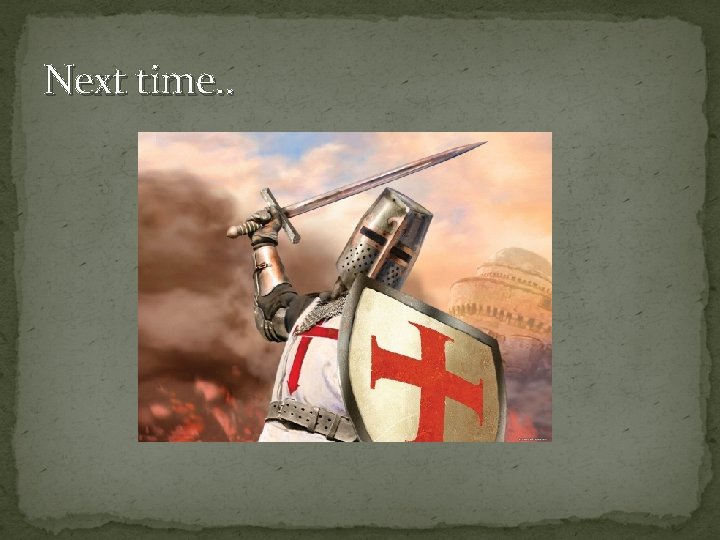
Next time. .