
ISLAM IN EUROPE Historical Tensions Muslim Conquest of
- Slides: 24
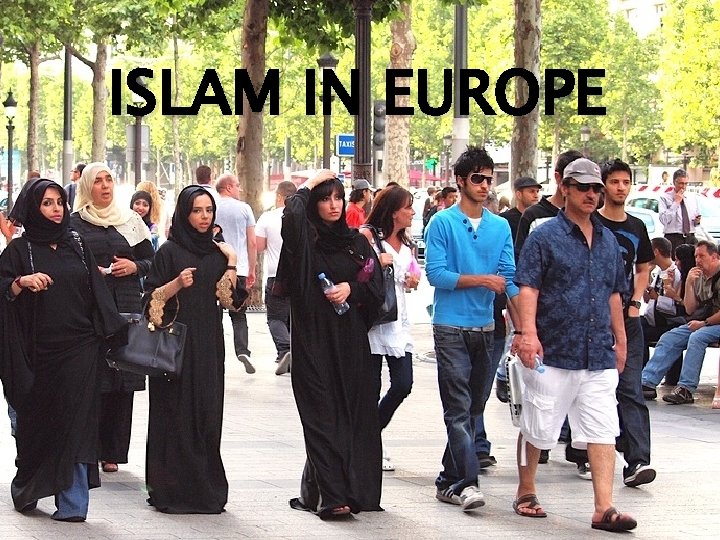
ISLAM IN EUROPE
Historical Tensions � � � � Muslim Conquest of Andalusia 711 Crusades 1095 - 1291 Reconquista 1482 - 1614 Ottoman Empire Colonialism Immigration 20 th Century Middle East Conflicts Return of Nationalism in Europe
The War for Europe � � Marginalization Economy Immigration Terrorism and War
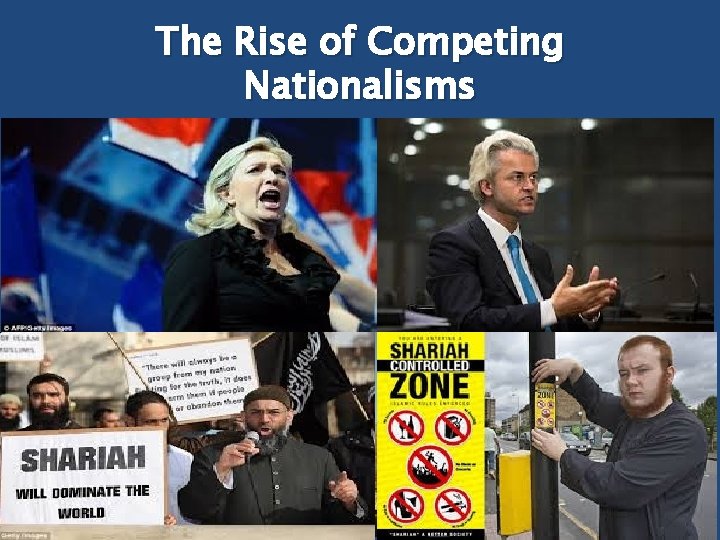
The Rise of Competing Nationalisms
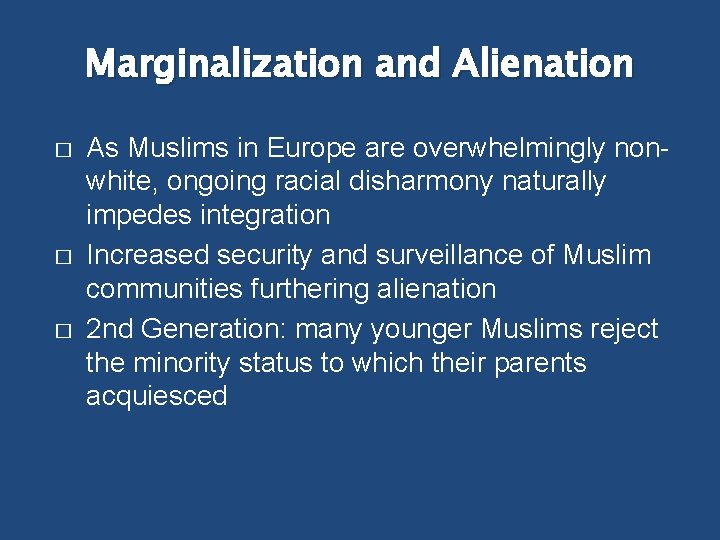
Marginalization and Alienation � � � As Muslims in Europe are overwhelmingly nonwhite, ongoing racial disharmony naturally impedes integration Increased security and surveillance of Muslim communities furthering alienation 2 nd Generation: many younger Muslims reject the minority status to which their parents acquiesced
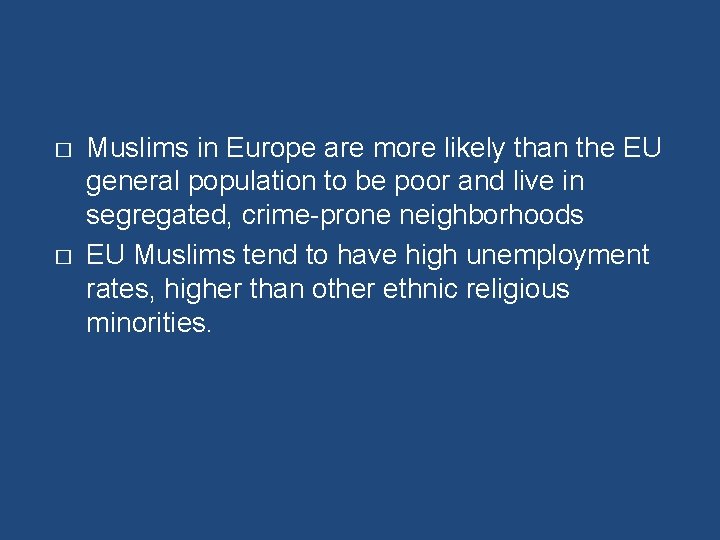
� � Muslims in Europe are more likely than the EU general population to be poor and live in segregated, crime-prone neighborhoods EU Muslims tend to have high unemployment rates, higher than other ethnic religious minorities.
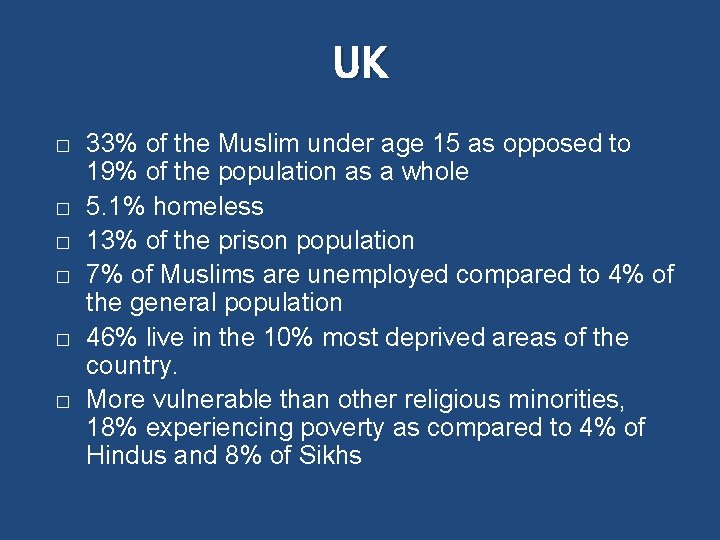
UK � � � 33% of the Muslim under age 15 as opposed to 19% of the population as a whole 5. 1% homeless 13% of the prison population 7% of Muslims are unemployed compared to 4% of the general population 46% live in the 10% most deprived areas of the country. More vulnerable than other religious minorities, 18% experiencing poverty as compared to 4% of Hindus and 8% of Sikhs
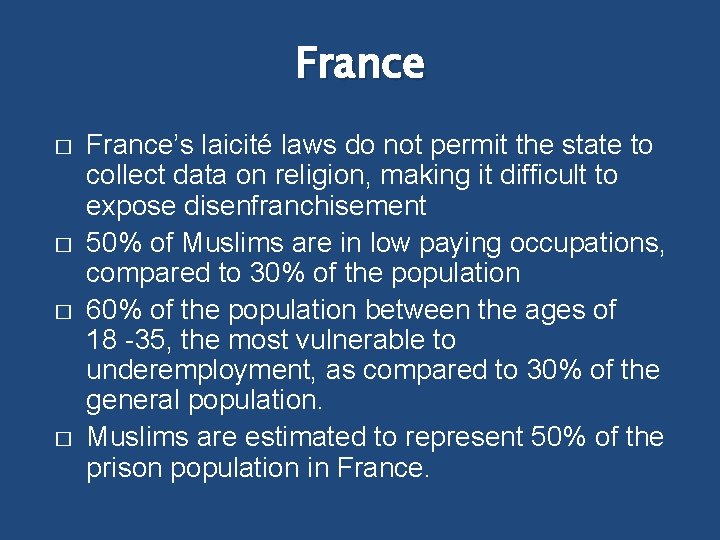
France � � France’s laicité laws do not permit the state to collect data on religion, making it difficult to expose disenfranchisement 50% of Muslims are in low paying occupations, compared to 30% of the population 60% of the population between the ages of 18 -35, the most vulnerable to underemployment, as compared to 30% of the general population. Muslims are estimated to represent 50% of the prison population in France.
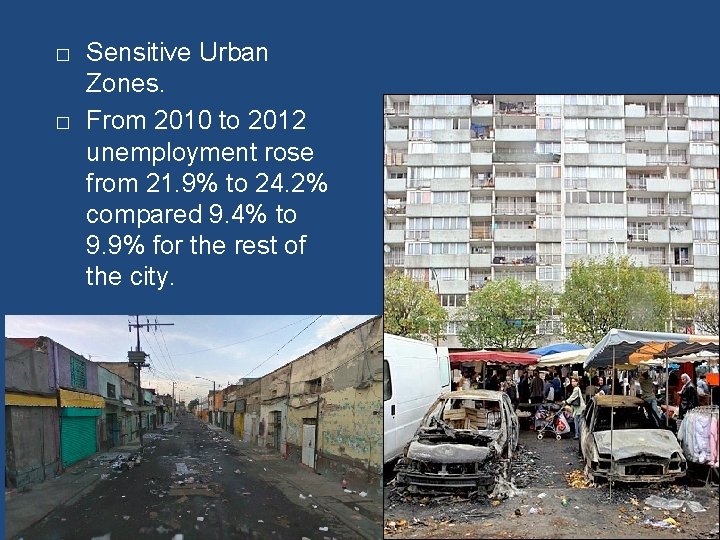
� � Sensitive Urban Zones. From 2010 to 2012 unemployment rose from 21. 9% to 24. 2% compared 9. 4% to 9. 9% for the rest of the city.
Economy � � Austerity post 2007 -08 Financial Crisis Further fosters inter-community distrust and resentment
Immigration to Europe � � � Muslims began arriving in the middle of 20 th century largely from former colonies for post war reconstruction North African in France South Asian in the United Kingdom. Germany, influx of ‘guest workers’ largely from Turkey. countries with existing populations tend to attract more of the same ethnic background
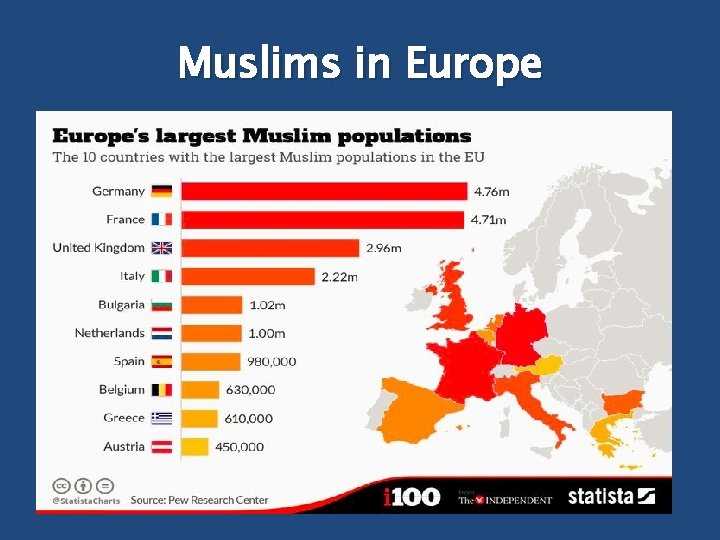
Muslims in Europe
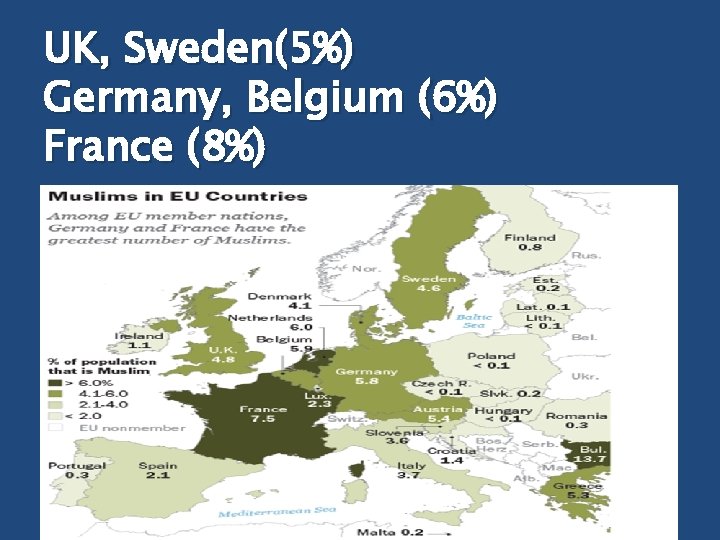
UK, Sweden(5%) Germany, Belgium (6%) France (8%)
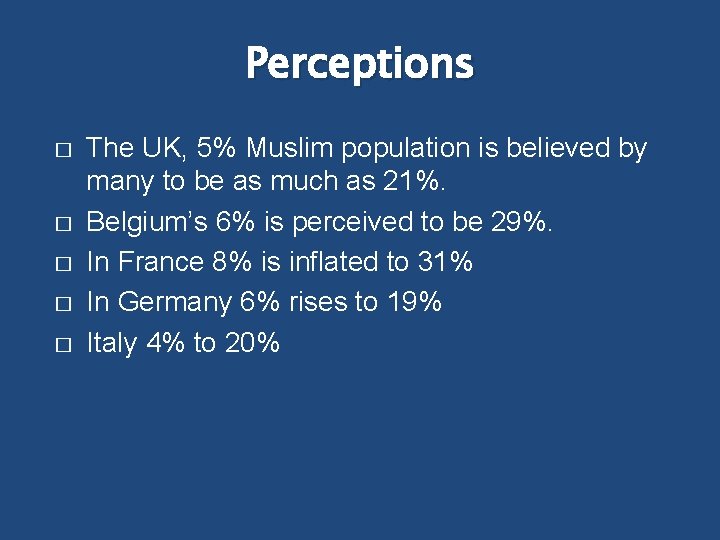
Perceptions � � � The UK, 5% Muslim population is believed by many to be as much as 21%. Belgium’s 6% is perceived to be 29%. In France 8% is inflated to 31% In Germany 6% rises to 19% Italy 4% to 20%
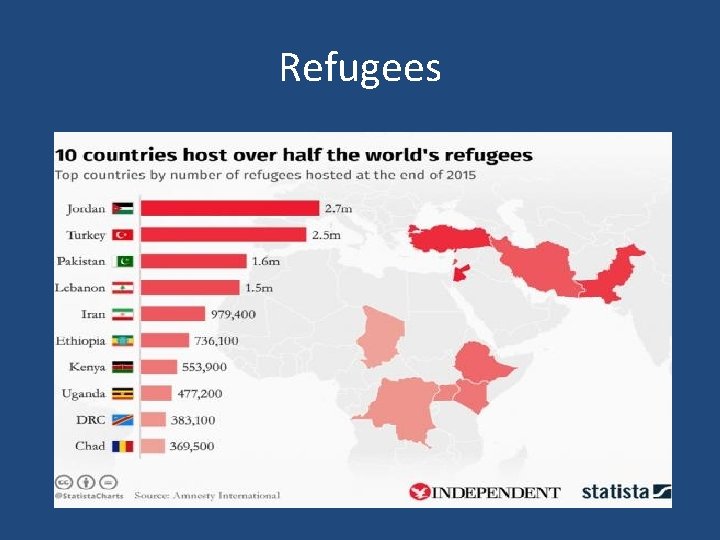
Refugees
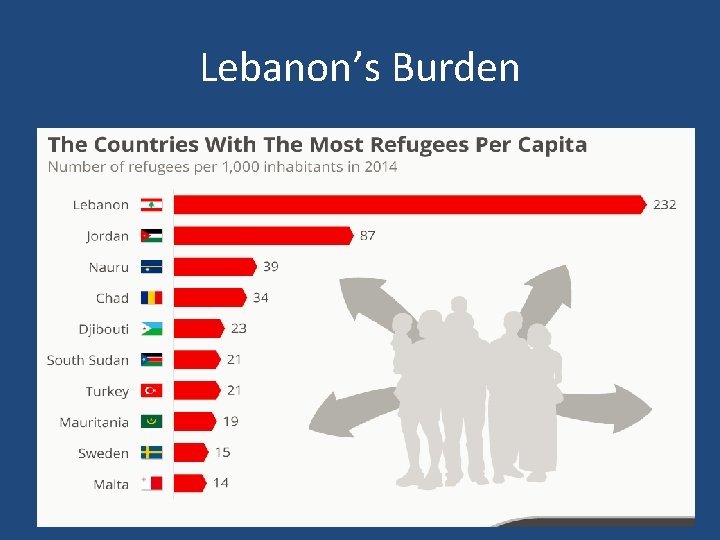
Lebanon’s Burden
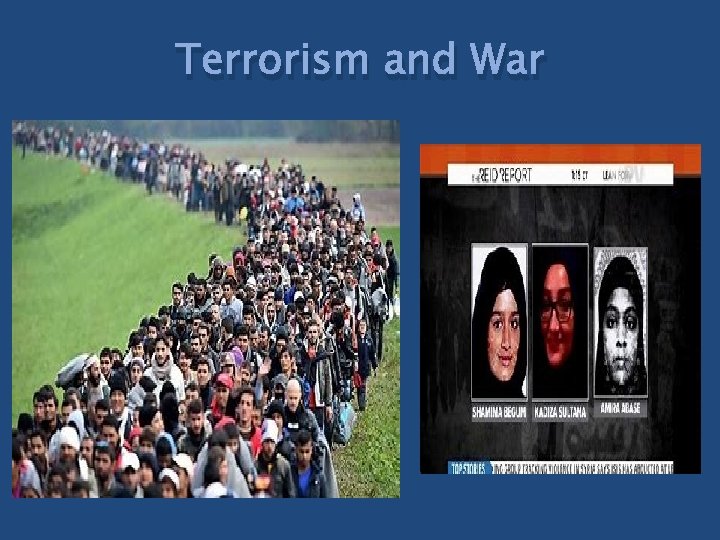
Terrorism and War
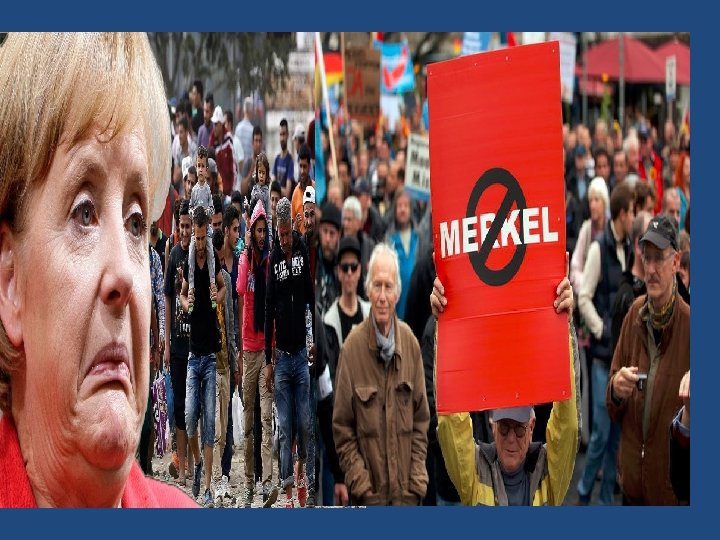
� � � ISIS seeks to perpetuate the narrative that refugees are a danger. Far Right parties express the same sentiments Muslims are scrutinized as a security threat and suffer from economic austerity. Which ISIS highlights as a War on Islam Terror attacks further reinforce the ISIS narrative and cause fear among the population Increased security measures further alienate immigrants Both actors benefit from the actions of the other
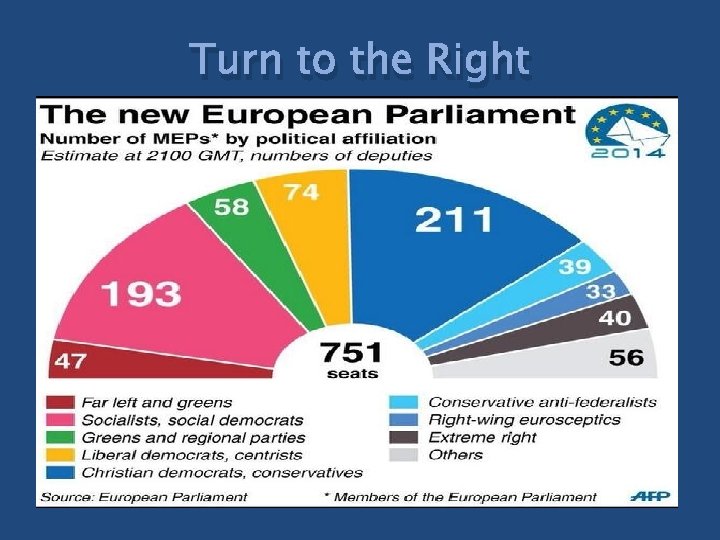
Turn to the Right
Far Right Parties European Parliament 2009 - 2014 � Danish Peoples Party 20 O 9 – 7%. 2014 – 26% � UK Independence Party 2009 – 6%. 2014 – 16% � National Front (France) 2009 – 6%. 2014 – 25% 8 8. European Parliament, “Results of the 2014 Election, ” 2014, http: //www. europarl. europa. eu/elections 2014 -results/en/country-results-be-2014. html (accessed December 11, 2015); European Parliament, “Results of the 2009 Elections, ” 2009, http: //www. europarl. europa. eu/elections 2014 -results/en/country-results-fr-2009. html (accessed December 11, 2015)
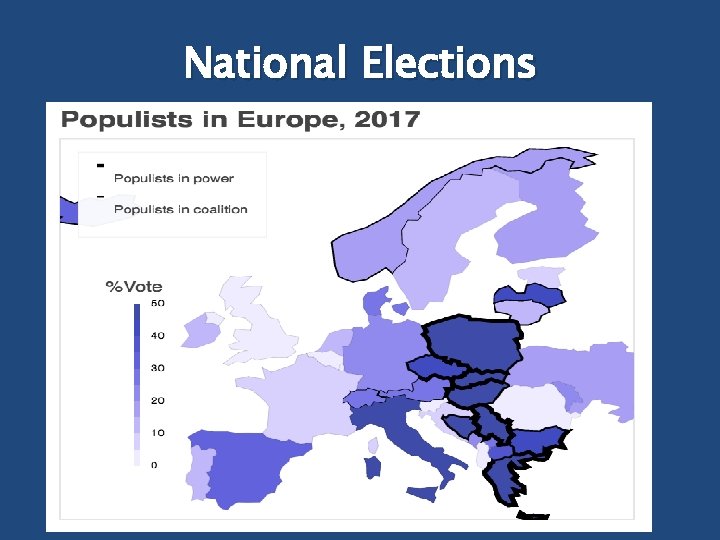
National Elections
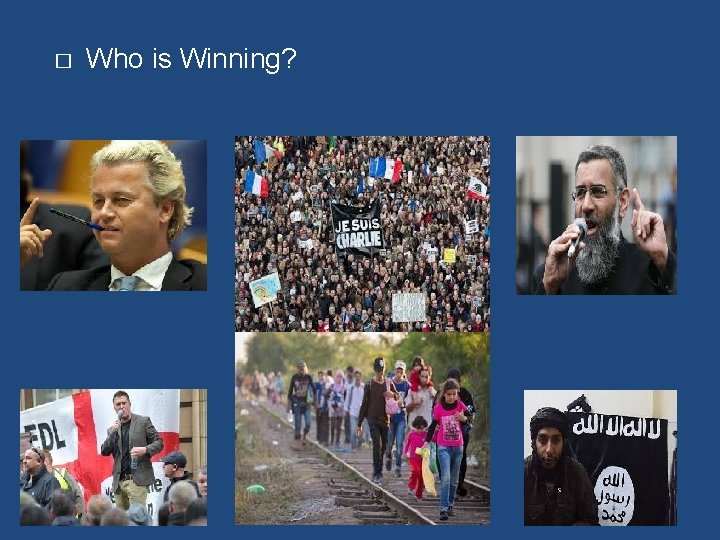
� Who is Winning?