
isid research ac ir Research sapiums ac ir








- Slides: 37
• isid. research. ac. ir • Research. sap@iums. ac. ir
Citation Databases • Scopus • Google Scholar • Wo. S (Web of Science)
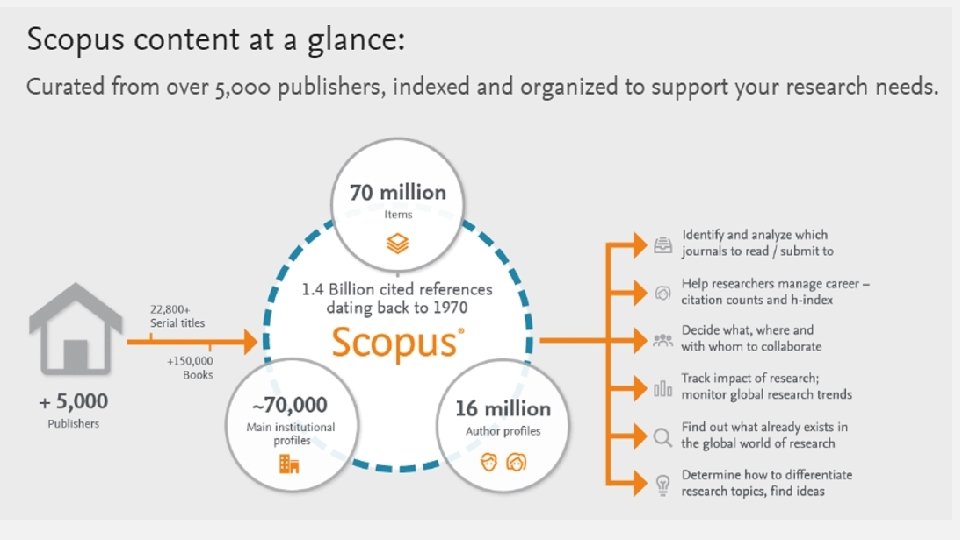
Scopus • Elsevier! • The largest abstract and citation database of peer-reviewed Literature • 5, 000 publishers • Over 71 M records and 23, 700 titles • Search, Find, Discover, Track, Analyze
Scientometric Indicators • Personal & Institutional Indicators * H-index * G-index • Journals Indicators * Citescore * SJR * SNIP * IF * Quartile
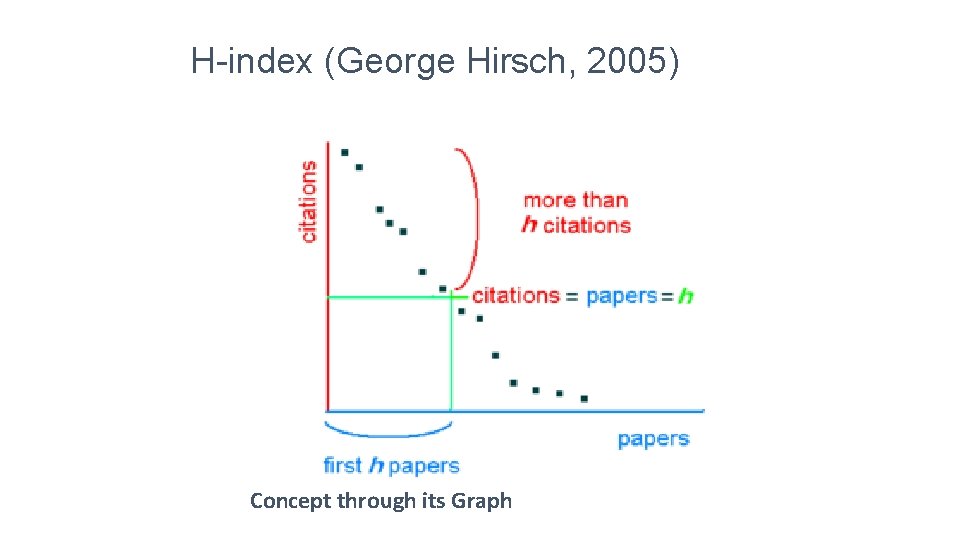
H-index (George Hirsch, 2005) Concept through its Graph
How to calculate the h-index? • You can calculate the h-index through the following citation databases: • Web of Science • Google Scholar • Scopus
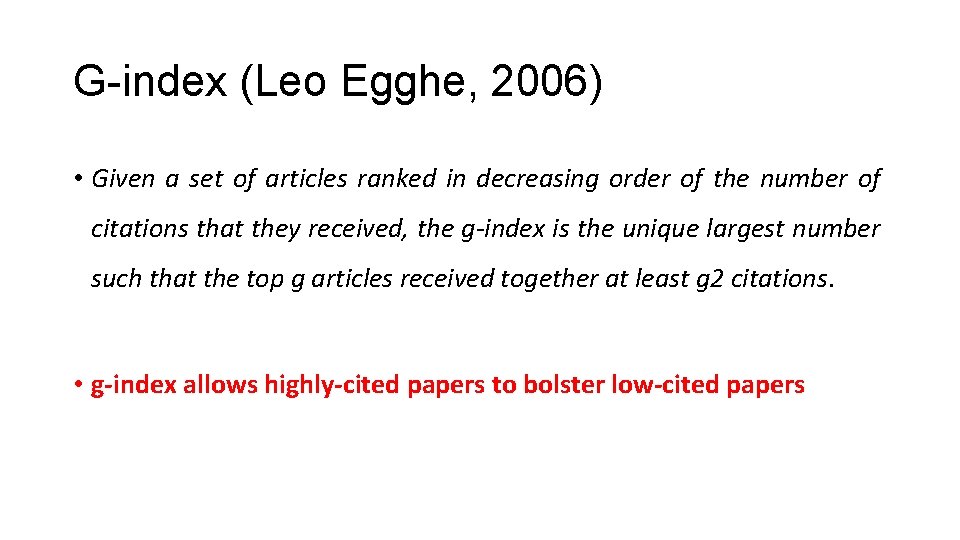
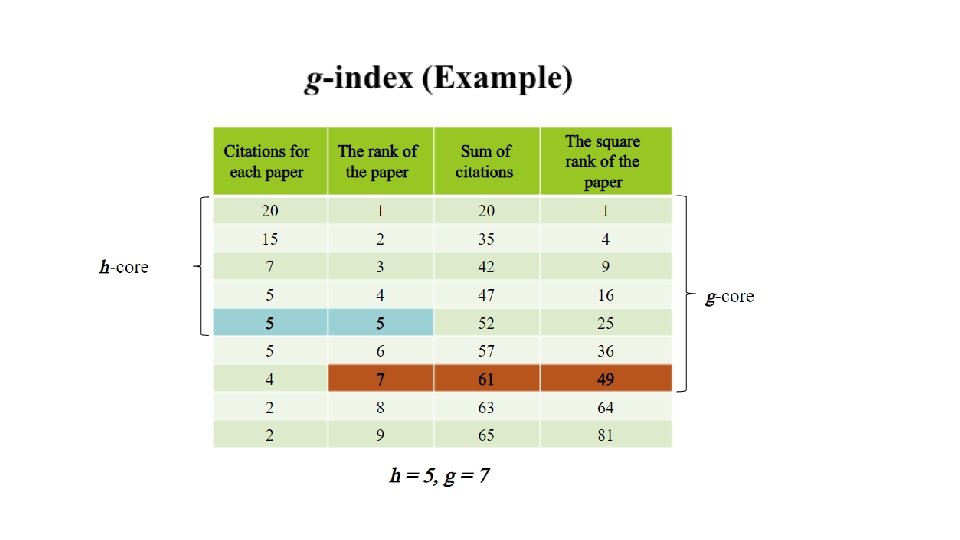
G-index (Leo Egghe, 2006) • Given a set of articles ranked in decreasing order of the number of citations that they received, the g-index is the unique largest number such that the top g articles received together at least g 2 citations. • g-index allows highly-cited papers to bolster low-cited papers
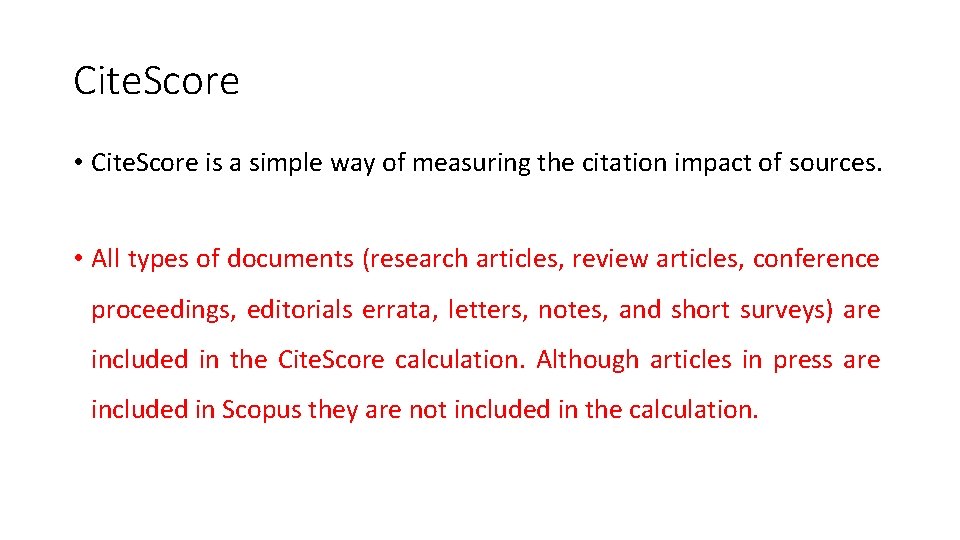
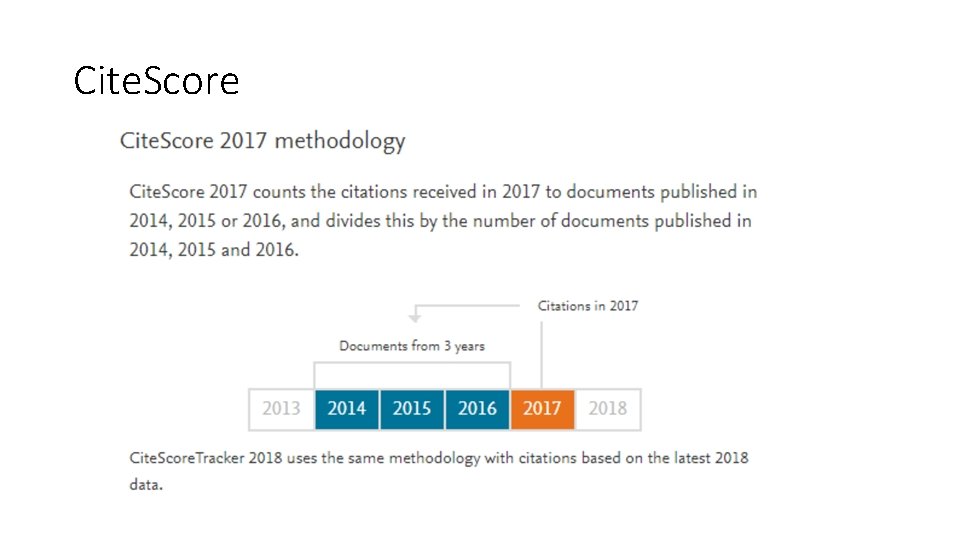
Cite. Score • Cite. Score is a simple way of measuring the citation impact of sources. • All types of documents (research articles, review articles, conference proceedings, editorials errata, letters, notes, and short surveys) are included in the Cite. Score calculation. Although articles in press are included in Scopus they are not included in the calculation.
Cite. Score
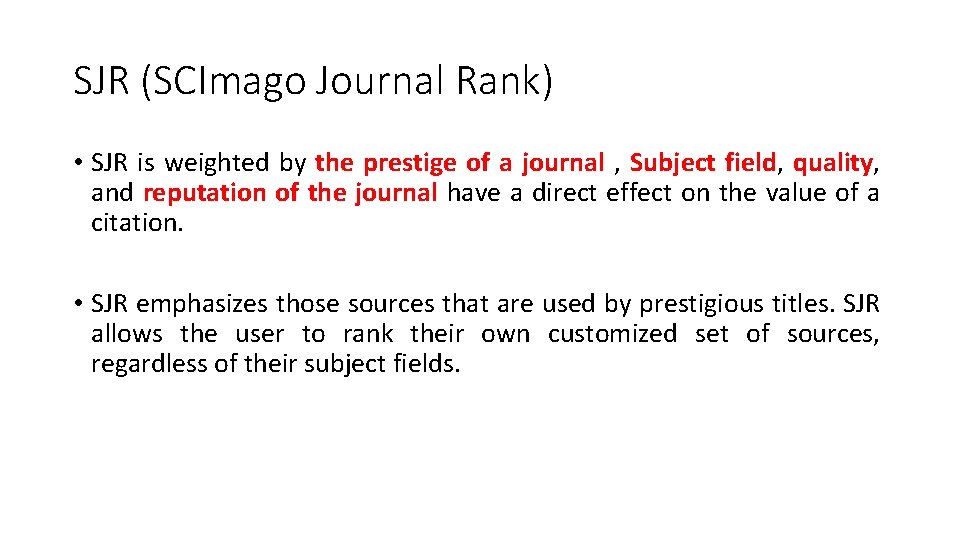
SJR (SCImago Journal Rank) • SJR is weighted by the prestige of a journal , Subject field, quality, and reputation of the journal have a direct effect on the value of a citation. • SJR emphasizes those sources that are used by prestigious titles. SJR allows the user to rank their own customized set of sources, regardless of their subject fields.
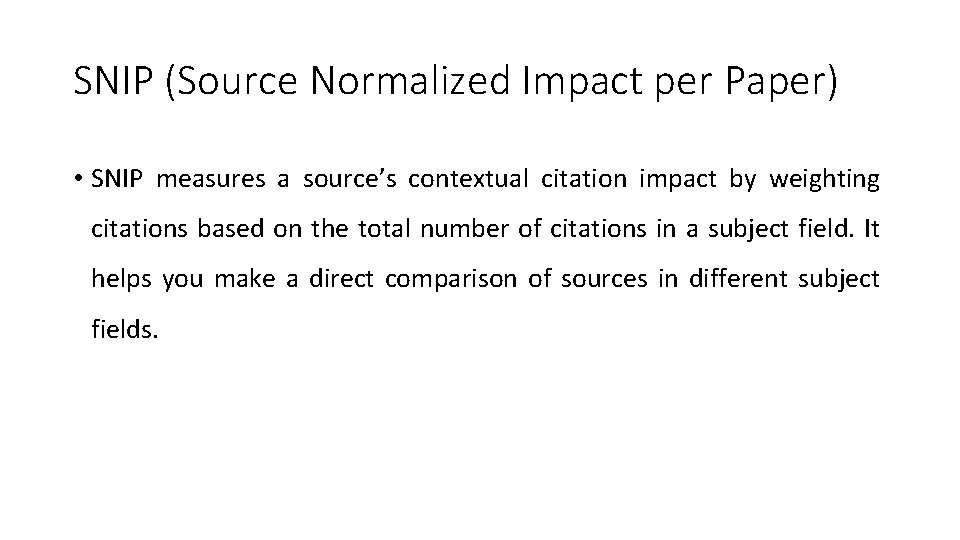
SNIP (Source Normalized Impact per Paper) • SNIP measures a source’s contextual citation impact by weighting citations based on the total number of citations in a subject field. It helps you make a direct comparison of sources in different subject fields.
Journal Impact Factor Quartile • The Journal Impact Factor quartile is the quotient of a journal’s rank in category (X) and the total number of journals in the category (Y), so that (X / Y) = Percentile Rank Z. • Q 1: 0. 0 < Z ≤ 0. 25 • Q 2: 0. 25 < Z ≤ 0. 5 • Q 3: 0. 5 < Z ≤ 0. 75 • Q 4: 0. 75 < Z • Note: In. Cites displays the best quartile for journals that appear in multiple Web of Science Research Areas. When a research area is specified, the quartile for that particular journal and research area is displayed.
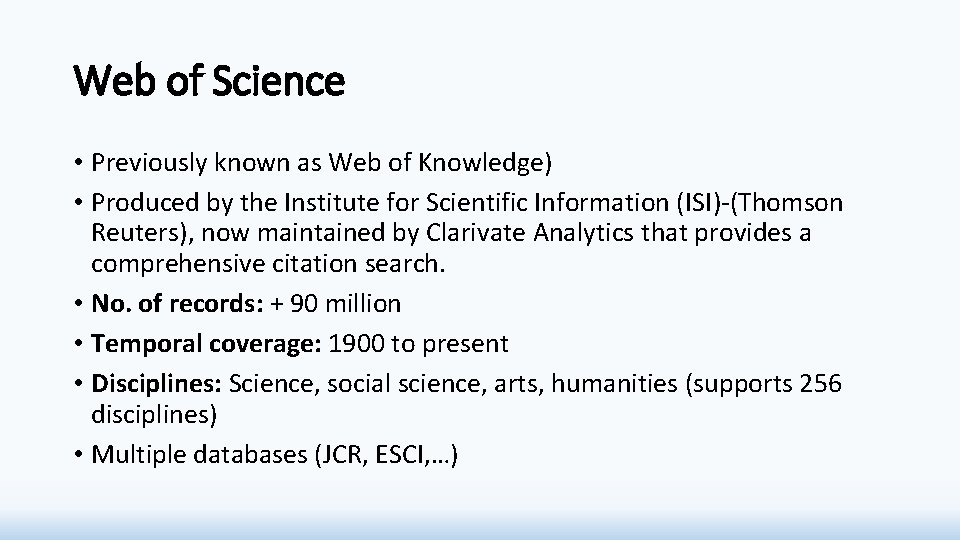
Web of Science • Previously known as Web of Knowledge) • Produced by the Institute for Scientific Information (ISI)-(Thomson Reuters), now maintained by Clarivate Analytics that provides a comprehensive citation search. • No. of records: + 90 million • Temporal coverage: 1900 to present • Disciplines: Science, social science, arts, humanities (supports 256 disciplines) • Multiple databases (JCR, ESCI, …)
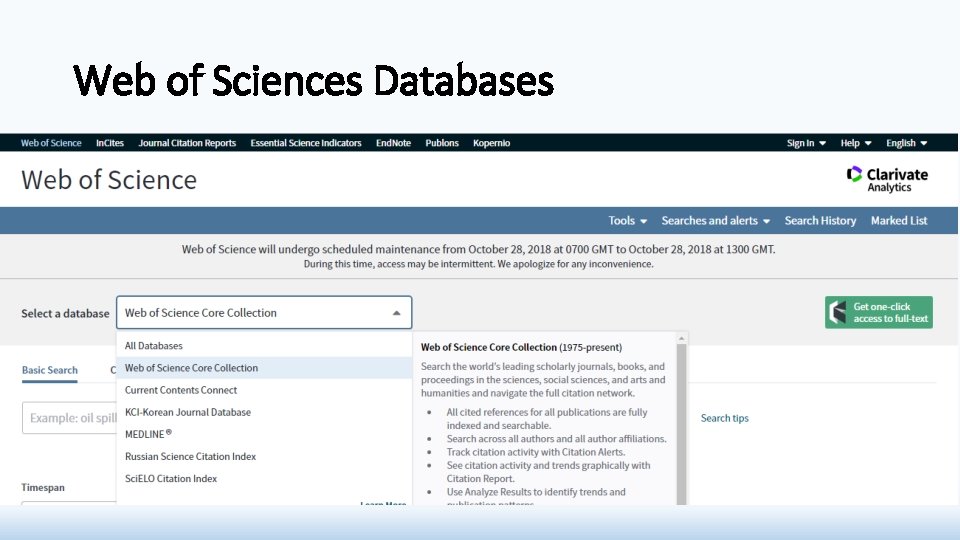
Web of Sciences Databases
How to find Impact Factor?
JCR • Journal Citation Reports is an annual publication by Clarivate Analytics. • It has been integrated with the Web of Science and is accessed from the Web of Science-Core Collections. • It provides information about academic journals in the natural sciences and social sciences, including impact factors.
• http: //jcr. incites. thomsonreuters. com • IUMS Online Library
ESCI • The Emerging Sources Citation Index is a citation index produced since 2015 by Thomson Reuters, and now by Clarivate Analytics. According to the publisher, the index includes "peer-reviewed publications of regional importance and in emerging scientific fields“ • http: //mjl. clarivate. com/cgi-bin/jrnlst/jlresults. cgi? PC=EX
Google Scholar • October 2004: Google launches Google Scholar • Track citations of articles (authors, journals, institutions, …) • Add all types of documents (thesis, patent, …) • H-index & i 10 -index • http: //scholar. google. com • How to create GS profile?
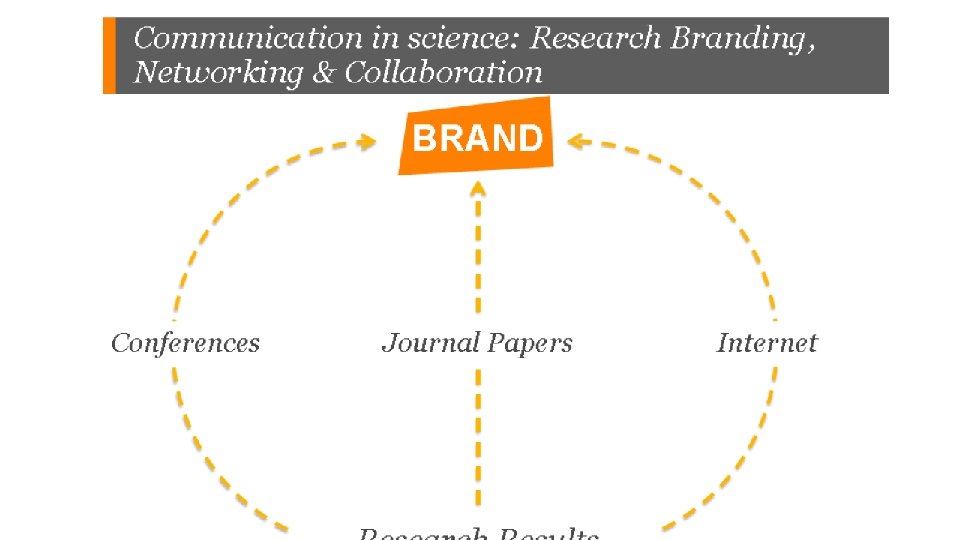
Visibility • Mendeley • ORCID • Researcher. ID • Linked. In • Researcher. Gate • Academia
Advantages • Your research is more visible • Saves time • Increases your research impact • Your research output will be archived in a stable, enduring location • Open access publications
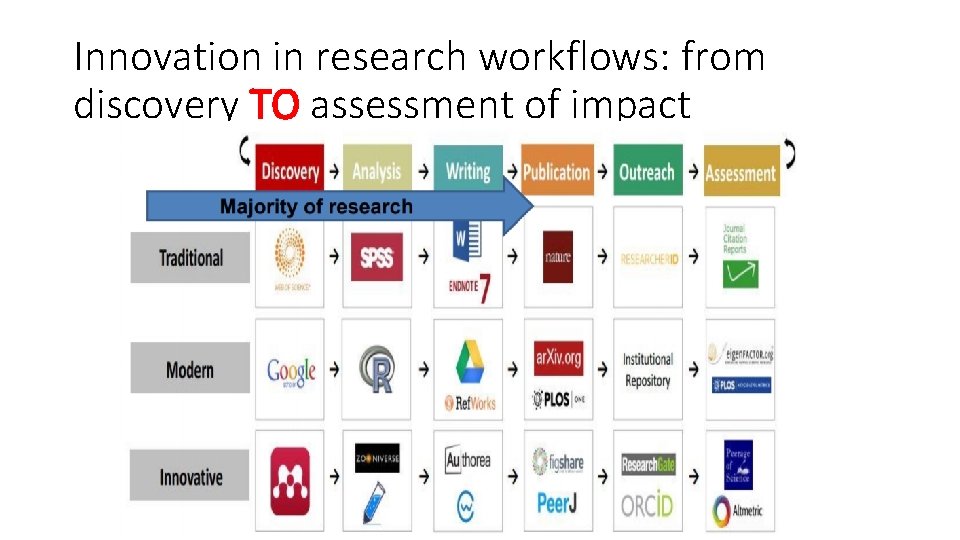
Innovation in research workflows: from discovery TO assessment of impact
Mendeley • Reference manager & academic social network • organize research, collaborate with others online, and discover the latest research.
Mendeley • Automatically generate bibliographies • Collaborate easily with other researchers online • Easily import papers from other research software • Find relevant papers based on what you're reading • Access your papers from anywhere online • Read papers on the go, with our i. OS and Android
• What is ORCID? ü Unique, persistent identifier for researchers & scholars ü Non-profit organization supporting linkages between systems ü Unique identifier launched in 2012 ü Not for profit organization ü Disambiguates researchers’ names ü 5, 455, 539 ORCID i. Ds and counting. .
Benefits to you? ü Improves discoverability ü Connects your work ü Eliminates name ambiguity ü Stays with you throughout your career
Researcher. ID is an identifying system for scientific authors. The system was introduced in January 2008 by Thomson Reuters. It allows you to create an online Profile for showcasing your publication history. Each member is assigned a unique identifier to enable researchers to manage their publication lists, track their times cited counts. It also provides a gateway for colleagues to quickly locate your published work and to identify you as a potential collaborator. In addition, your Researcher. ID information integrates with the Web of Science and is ORCID compliant, allowing you to claim and showcase your publications from a single one account. http: //www. researcherid. com/
Academia • Academia. edu is a social networking website for academics • Launched in September 2008 • Share papers, monitor their impact, and follow the research in a particular field • Open science or open access movements • Distribute their research • Let researchers keep tabs on how many people are reading the articles • https: //www. academia. edu/
Research. Gate • A free social networking site • Launched in May 2008 in Hannover, Germany • Present yourself and your research projects • Find people and papers relevant to you • Manage your library and contacts • Collaborate and discuss with other researchers • Share files and organize appointments • Work and communicate more effectively • https: //www. researchgate. net/
Linked. In • The world’s largest professional networking site • One of the most important tools employers use to find new employees • Provides an easy way to promote yourself and build your network • Allows you to easily collect information on companies you want to work for and prepare for your interviews • Allows you to find people, like you, and connect with them through the system without needing their email address • https: //www. linkedin. com/