
Is It Science Is It A Scientific Statement









- Slides: 51
Is It Science? Is It A Scientific Statement? The Nature of Science–“CONPTT” Is It Really Science?
CONPTT • CONPTT is an acronym. It stands for: – Constant – Observable – Natural – Predictable – Testable – Tentative
Science Based on: Facts
Non-science (Outside of science) Based on: Opinions Beliefs Faith
Consistent • Results same time after time. • No contradiction.
Reality Check • Green plants grow towards light source. • Walking under a ladder causes bad luck. • Using consistency-which statement is a scientific one?
Observability • The event-observed and explained. • Use human senses.
Reality Check • Some plants eat meat. • Extraterrestrial beings have visited Earth. • Using observability, which statement above is a scientific one?
Natural • A natural cause explains what happened.
Reality Check • Green plants convert sunlight into energy. • By picking up a penny (heads up), you will have good luck all day. • Using the idea of Natural, which of the statements is a scientific one?
Predictability • Make specific predictions. • Predictions can be tested.
Reality Check • Without light, green plants will die. • If you are a “Scorpio”, today’s horoscope says you will receive money. • Thinking of Predictability, which statement is a scientific one?
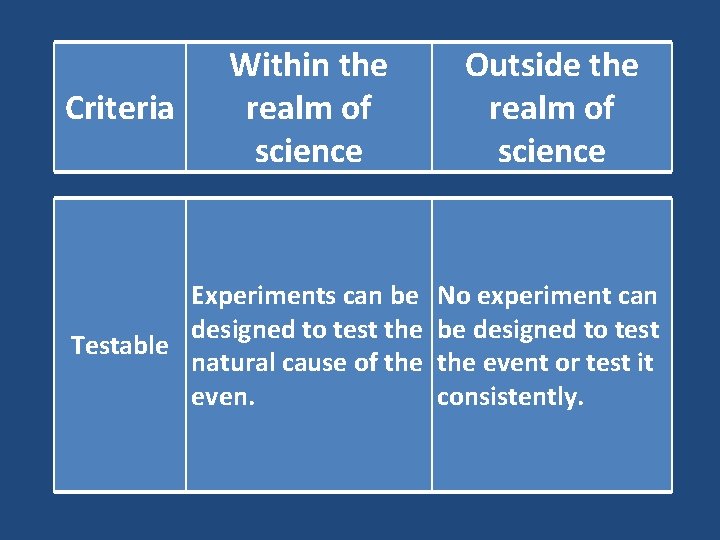
Testability • Must be testable through processes of science. • Controlled experimentation.
Reality Check • The “Bermuda Triangle” causes ships and planes to sink and disappear. • Life comes from life and cannot come from non-life. • Using the testability, which statement above is a scientific one?
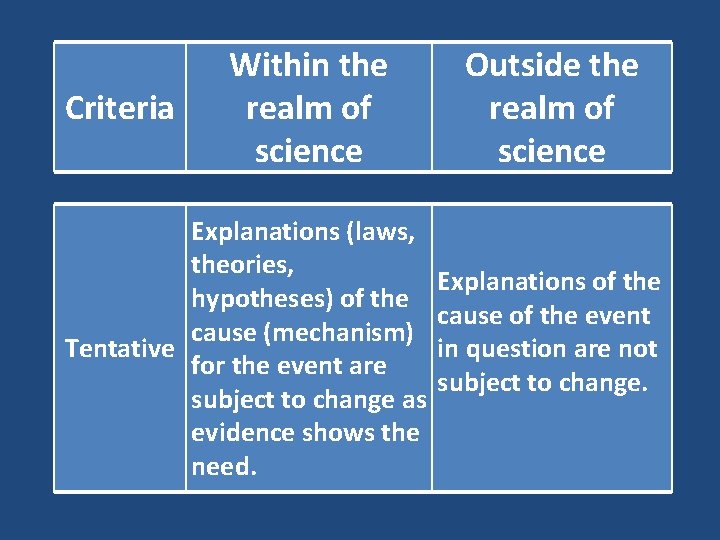
Tentativeness • Science does not have all the answers or solutions. • Theories can be modified.
Reality Check • The number of human chromosomes was once know to be 48 now it is 46. • Living things were once grouped into two categories. Now there are six categories since criteria has changed or two domains. • Based on tentativeness, which statement is a scientific one?
What is Science? • Limited to natural world- use scientific processes • Offers explanations for events-subject to revision(tentative) • Not able to answer all the questions in the universe, nor solve all the problems
Non-Science • Does not meet the criteria of CONPTT. • Topics may be very logical. • Example-philosophy, personal opinions, ethics.
False Science • Pseudoscience-non science, sometimes portrayed as a legitimate science. • Example-astrology.
Look at the following 25 questions and determine if they can be answered scientifically or not. Answer the questions on paper in a yes or no format.
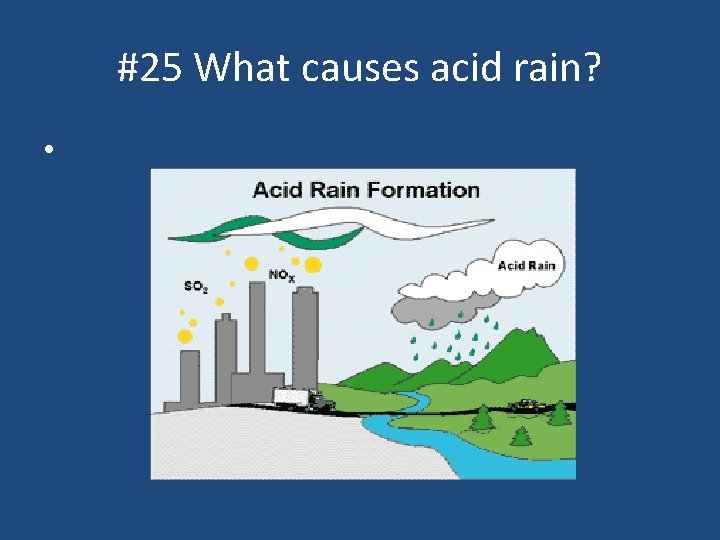
#25 What causes acid rain? •
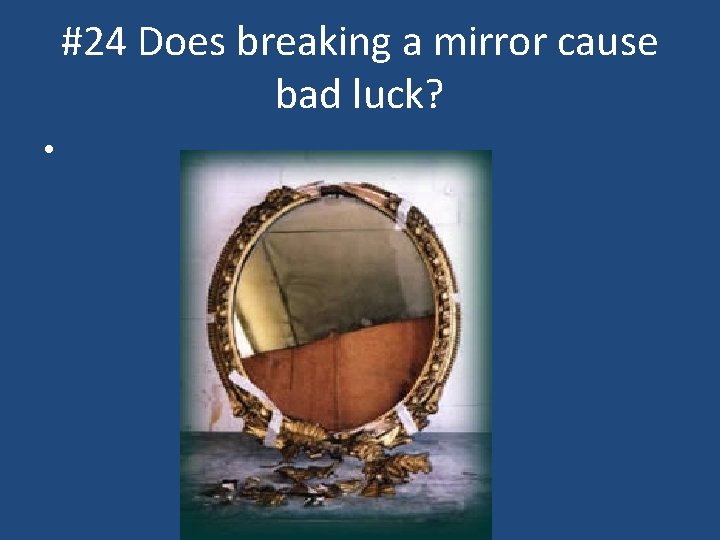
#24 Does breaking a mirror cause bad luck? •
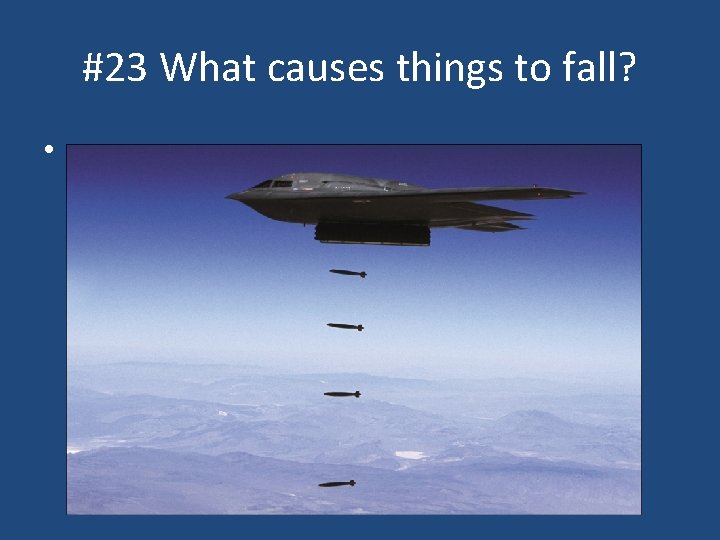
#23 What causes things to fall? •
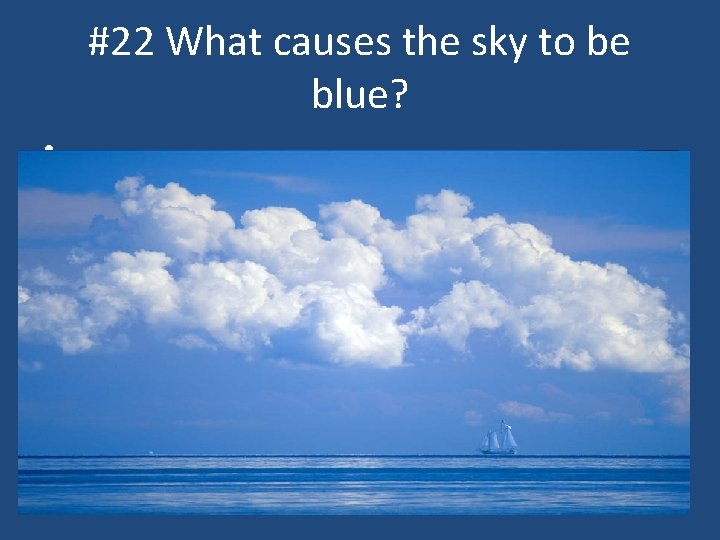
#22 What causes the sky to be blue? •
#21 Is music beautiful? •
#20 What is sex? (gender) •
#2 Can ghosts say “BOO”? •
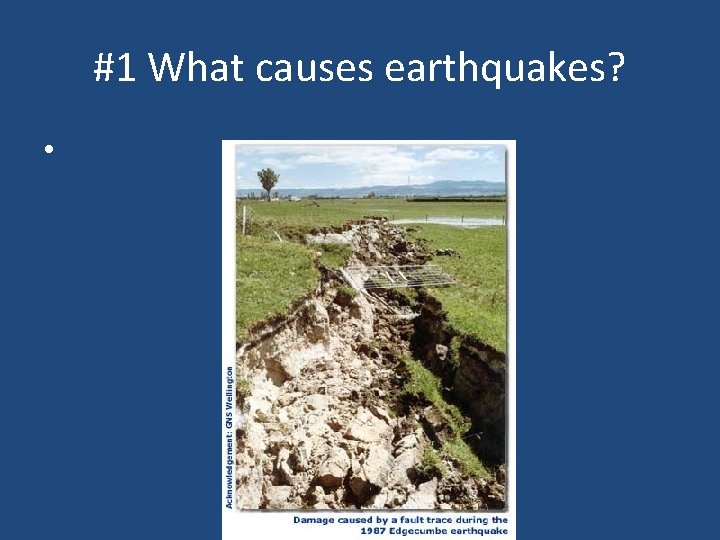
#1 What causes earthquakes? •
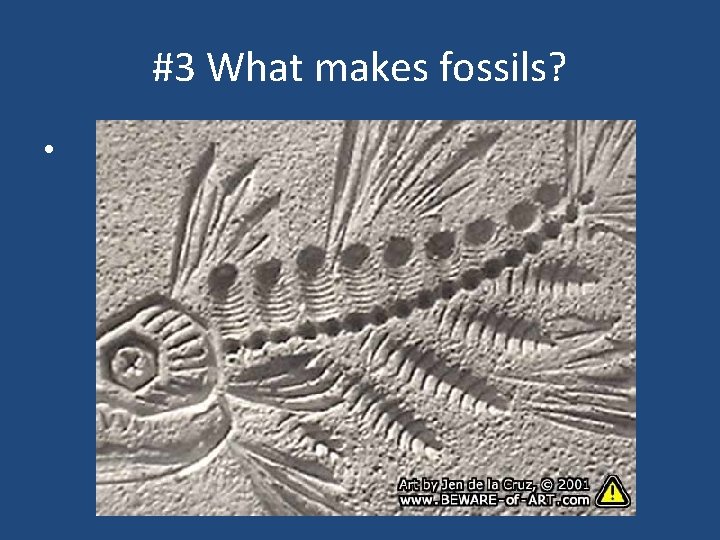
#3 What makes fossils? •
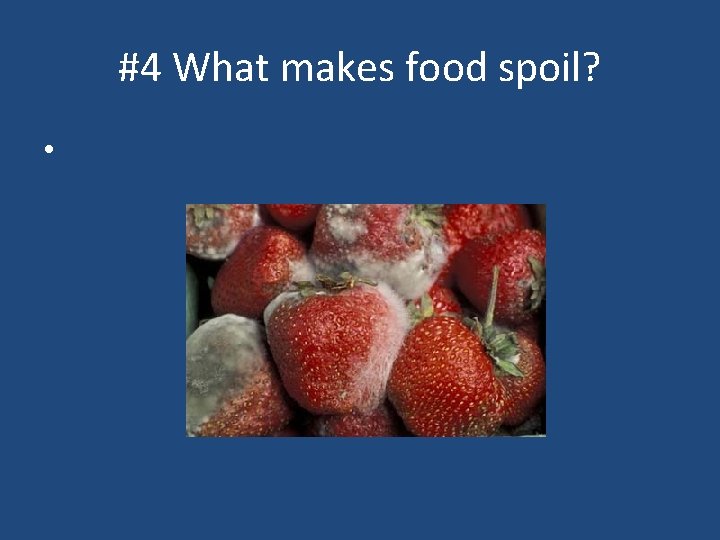
#4 What makes food spoil? •
#5 What is love? •
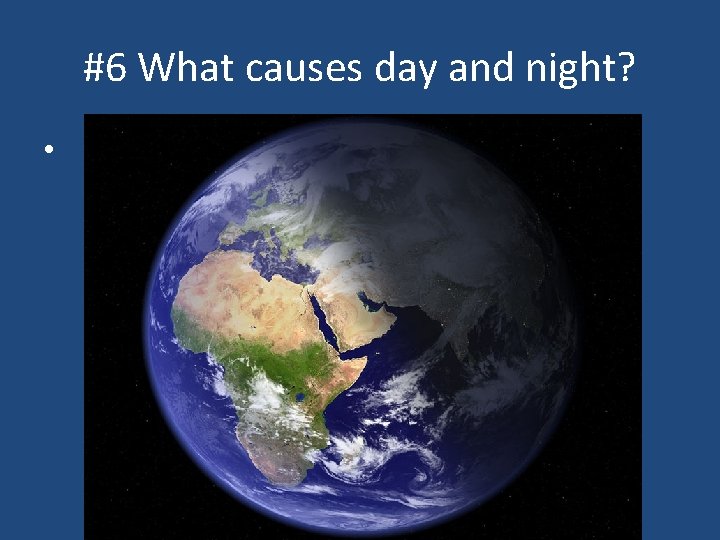
#6 What causes day and night? •
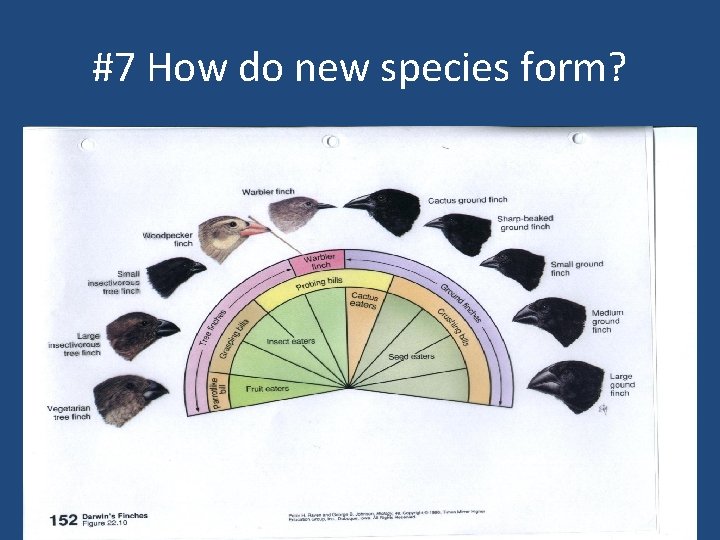
#7 How do new species form? •
#8 What causes the earth’s seasons? •
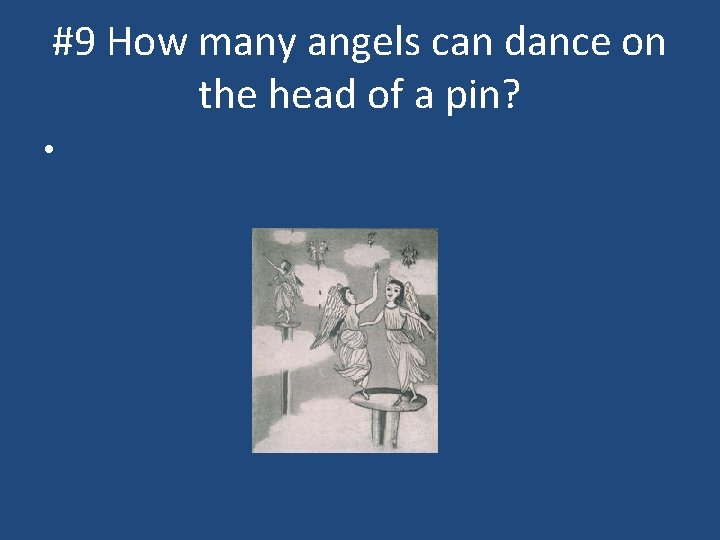
#9 How many angels can dance on the head of a pin? •
#10 What makes people sick? •
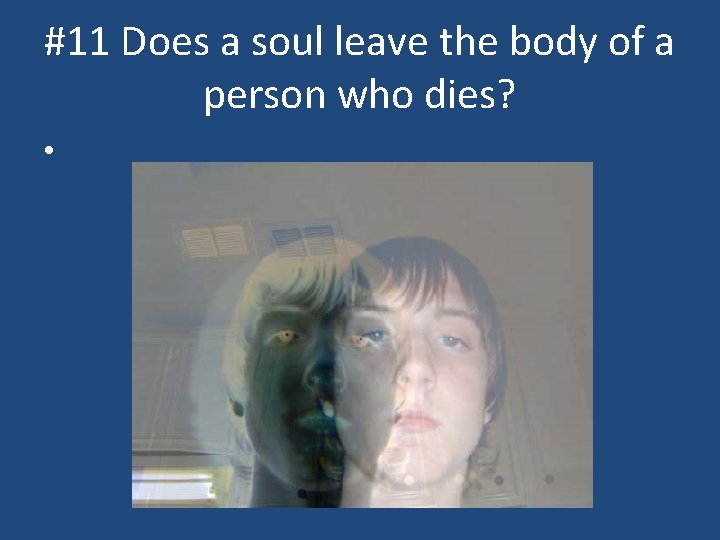
#11 Does a soul leave the body of a person who dies? •
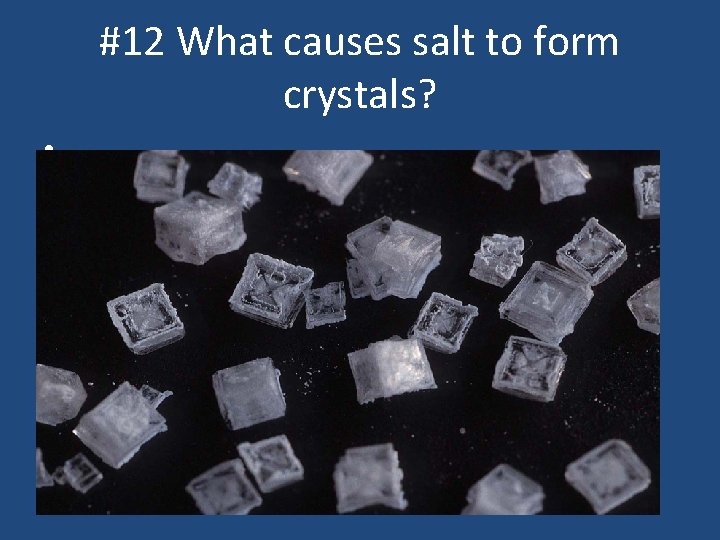
#12 What causes salt to form crystals? •
#13 Does crossing your fingers protect you from evil? •
# 14 What causes sunsets? •
#15 What causes eclipses? •
Criteria Within the realm of science Experimental results and Consistent observations are the same. Outside the realm of science Experimental come out different and are inconsistent.
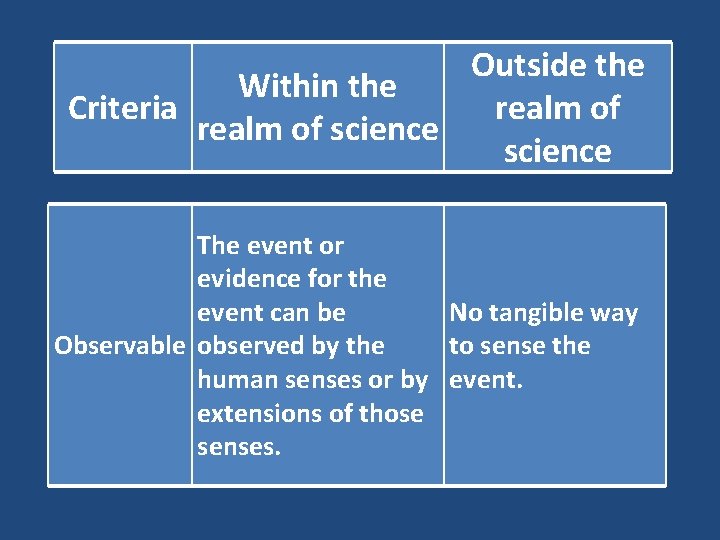
Outside the Within the Criteria realm of science The event or evidence for the event can be No tangible way Observable observed by the to sense the human senses or by event. extensions of those senses.
Criteria Within the realm of science Outside the realm of science Not natural. May be A natural cause or religious, naturally occurring metaphysical, Natural mechanism is used to philosophical, but explain how or why not tangible in the an event happens. real world.
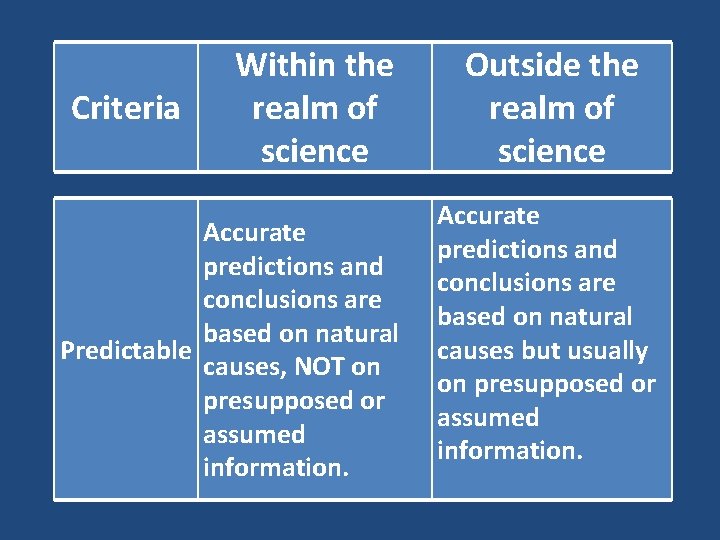
Criteria Within the realm of science Accurate predictions and conclusions are based on natural Predictable causes, NOT on presupposed or assumed information. Outside the realm of science Accurate predictions and conclusions are based on natural causes but usually on presupposed or assumed information.
Criteria Within the realm of science Experiments can be designed to test the Testable natural cause of the even. Outside the realm of science No experiment can be designed to test the event or test it consistently.
Criteria Within the realm of science Explanations (laws, theories, hypotheses) of the cause (mechanism) Tentative for the event are subject to change as evidence shows the need. Outside the realm of science Explanations of the cause of the event in question are not subject to change.
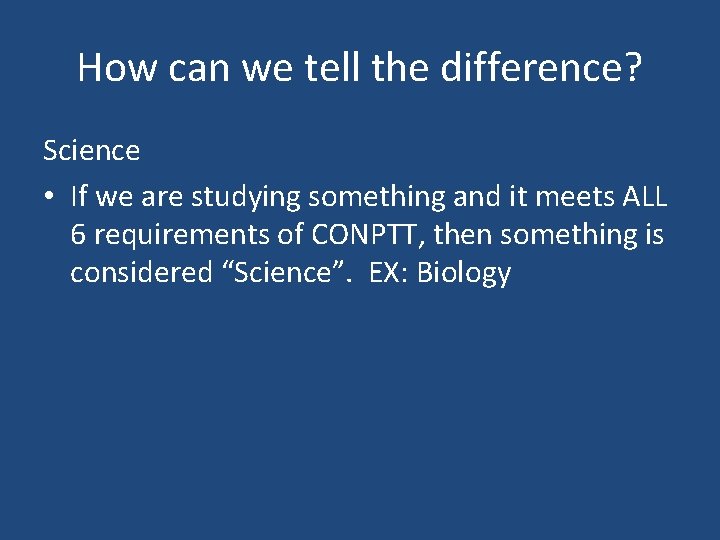
How can we tell the difference? Science • If we are studying something and it meets ALL 6 requirements of CONPTT, then something is considered “Science”. EX: Biology
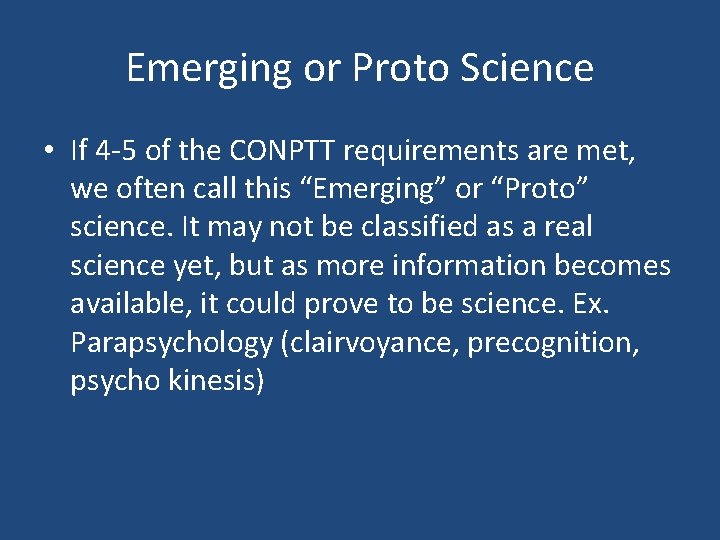
Emerging or Proto Science • If 4 -5 of the CONPTT requirements are met, we often call this “Emerging” or “Proto” science. It may not be classified as a real science yet, but as more information becomes available, it could prove to be science. Ex. Parapsychology (clairvoyance, precognition, psycho kinesis)
False or Pseudo Science • If 3 or less requirements are met, this is False or Pseudo science. Often times, this is being advertised as “real science” but it’s just a fake out. Ex. Astrology • If none of the CONPTT requirements apply, we know with complete CERTAINTY that it is not science. Ex. Paranormal psychology (ghosts and poltergeists). • This does not mean that the ideas and concepts are not VALID to the person who believes them, they are simply not based on the process and laws of natural science.
In Conclusion Something is science if it meets ALL 6 requirements of CONPTT. Otherwise, it is outside the realm of science.