
Iron Mechanisms of Prooxidant Behavior Cellular Uptake and
Iron: Mechanisms of Prooxidant Behavior, Cellular Uptake, and Organism Survival Skills Bradley E. Britigan, M. D. Department of Internal Medicine VA Medical Center- Iowa City and Roy G. and Lucille A Carver College of Medicine University of Iowa
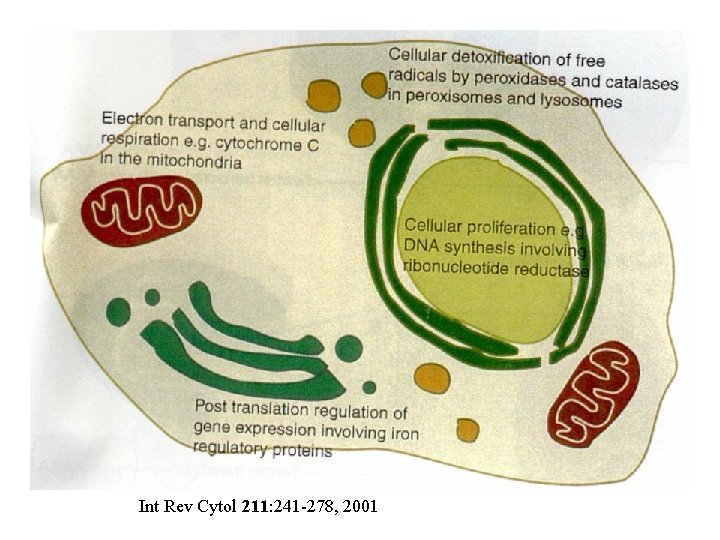
Int Rev Cytol 211: 241 -278, 2001
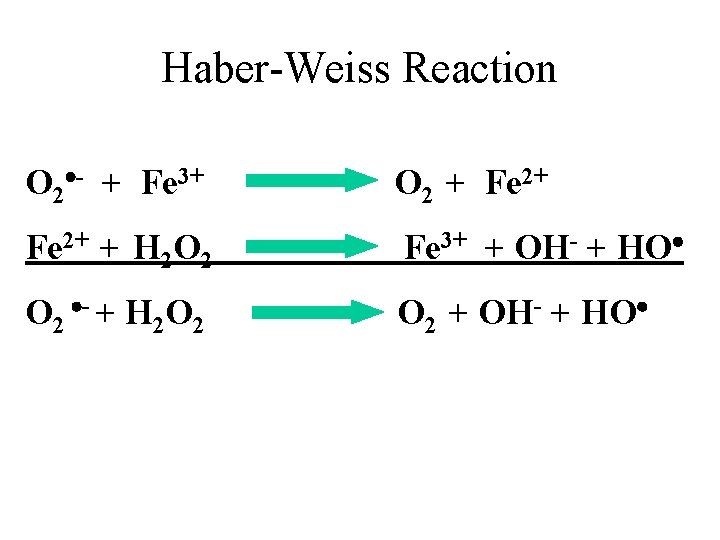
Haber-Weiss Reaction O 2 - + Fe 3+ O 2 + Fe 2+ + H 2 O 2 Fe 3+ + OH- + HO O 2 - + H 2 O 2 + OH- + HO
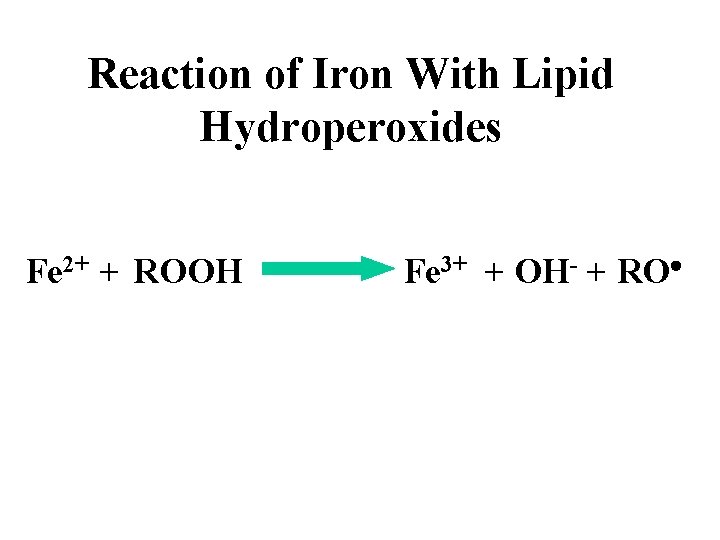
Reaction of Iron With Lipid Hydroperoxides Fe 2+ + ROOH Fe 3+ + OH- + RO
Iron Can Contribute Directly or Indirectly to the Oxidation of : • • • Proteins Lipids DNA Sugars Site-specific Oxidation ?
Human Iron Metabolism • Iron exists in 2+ (ferrous) or 3+ (ferric) state • Little Free Iron in vivo • Chelated to Proteins or Other Molecules • Maintains Solubility • Limits Participation in Oxygen Redox Chemistry • Limits Availability to Microbes • Iron-Binding Proteins Vary With Location
Extracellular Iron Chelates • Transferrin • Serum • Mucosa (e. g. lung) • Lactoferrin • Mucosa (e. g. lung) • Milk • Neutrophils
Transferrin and Lactoferrin • • 80 k. Da glycoproteins Bind Ferric Iron With High Affinity Two Iron-Binding Sites per Molecule Enhanced by the presence of anions – e. g. carbonate • Binding is p. H sensitive • Lactoferrin better iron retention at low p. H
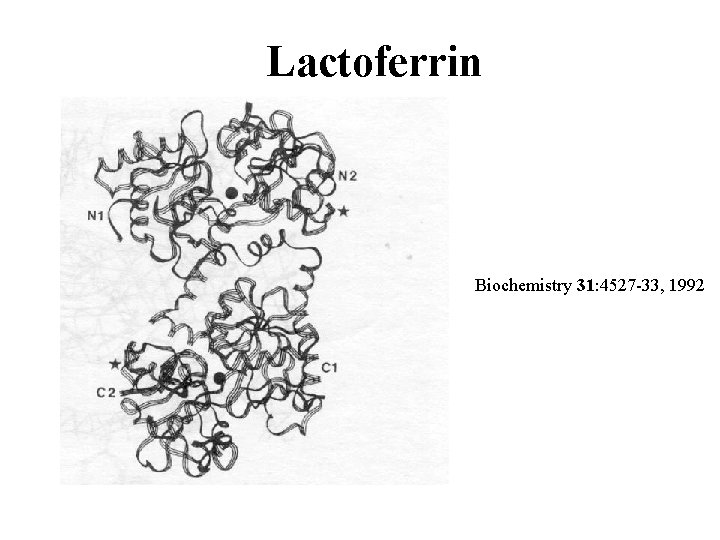
Lactoferrin Biochemistry 31: 4527 -33, 1992
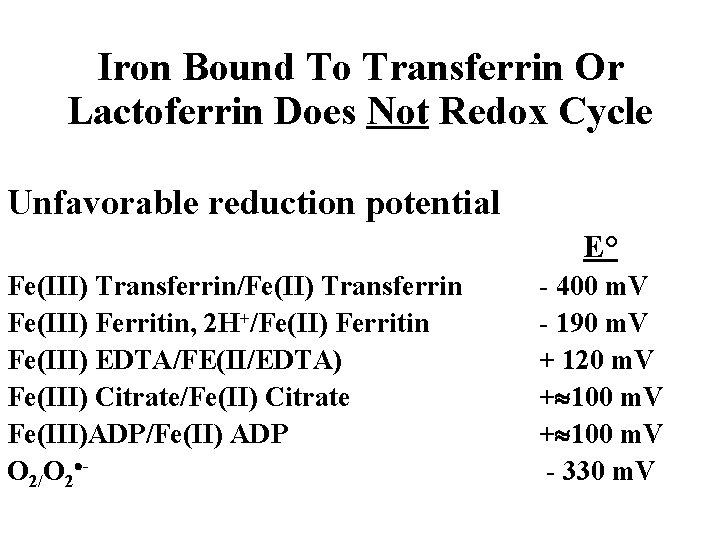
Iron Bound To Transferrin Or Lactoferrin Does Not Redox Cycle Unfavorable reduction potential E° Fe(III) Transferrin/Fe(II) Transferrin Fe(III) Ferritin, 2 H+/Fe(II) Ferritin Fe(III) EDTA/FE(II/EDTA) Fe(III) Citrate/Fe(II) Citrate Fe(III)ADP/Fe(II) ADP O 2/O 2 - - 400 m. V - 190 m. V + 120 m. V + 100 m. V - 330 m. V
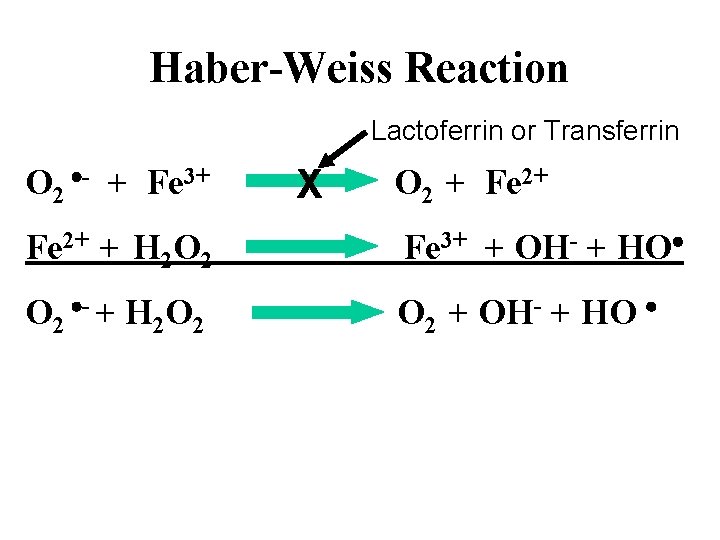
Haber-Weiss Reaction Lactoferrin or Transferrin O 2 - + Fe 3+ X O 2 + Fe 2+ + H 2 O 2 Fe 3+ + OH- + HO O 2 - + H 2 O 2 + OH- + HO
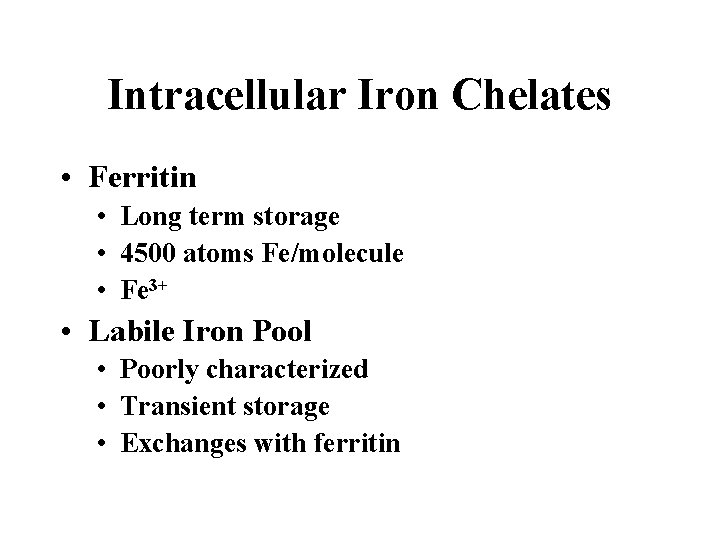
Intracellular Iron Chelates • Ferritin • Long term storage • 4500 atoms Fe/molecule • Fe 3+ • Labile Iron Pool • Poorly characterized • Transient storage • Exchanges with ferritin
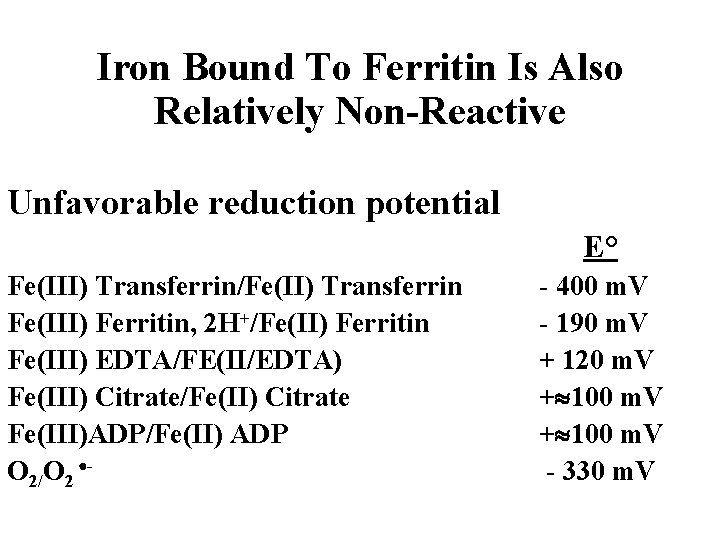
Iron Bound To Ferritin Is Also Relatively Non-Reactive Unfavorable reduction potential E° Fe(III) Transferrin/Fe(II) Transferrin Fe(III) Ferritin, 2 H+/Fe(II) Ferritin Fe(III) EDTA/FE(II/EDTA) Fe(III) Citrate/Fe(II) Citrate Fe(III)ADP/Fe(II) ADP O 2/O 2 - - 400 m. V - 190 m. V + 120 m. V + 100 m. V - 330 m. V
HOW IS IRON TRANSPORTED INTO CELLS?
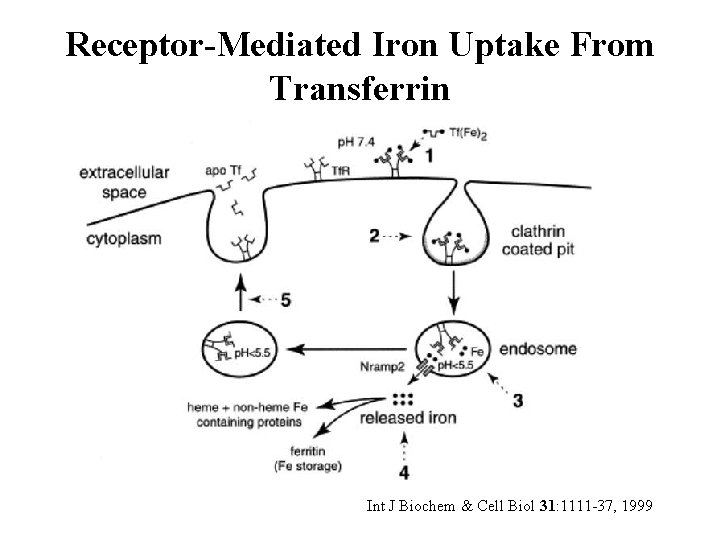
Receptor-Mediated Iron Uptake From Transferrin Int J Biochem & Cell Biol 31: 1111 -37, 1999
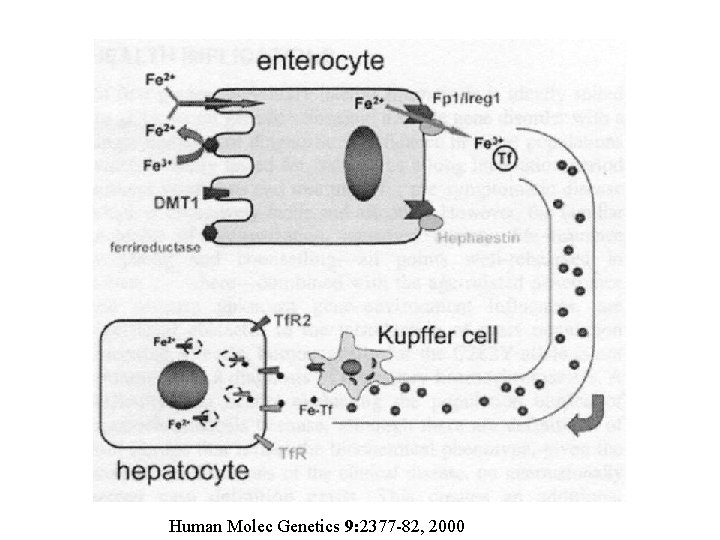
Human Molec Genetics 9: 2377 -82, 2000
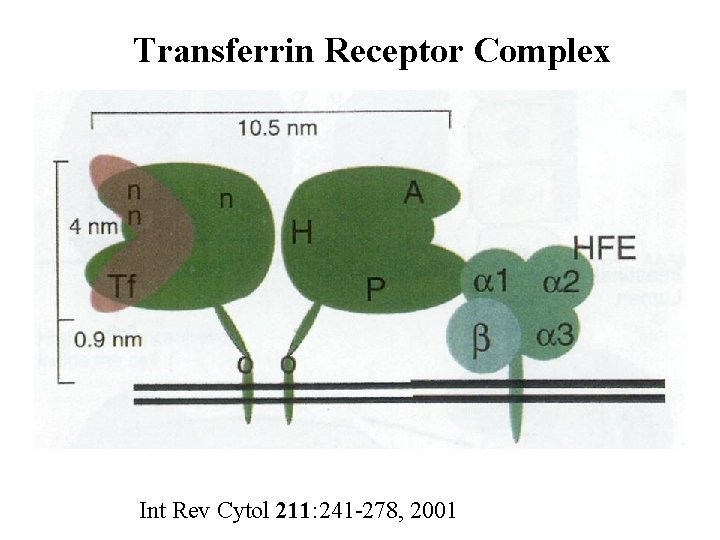
Transferrin Receptor Complex Int Rev Cytol 211: 241 -278, 2001
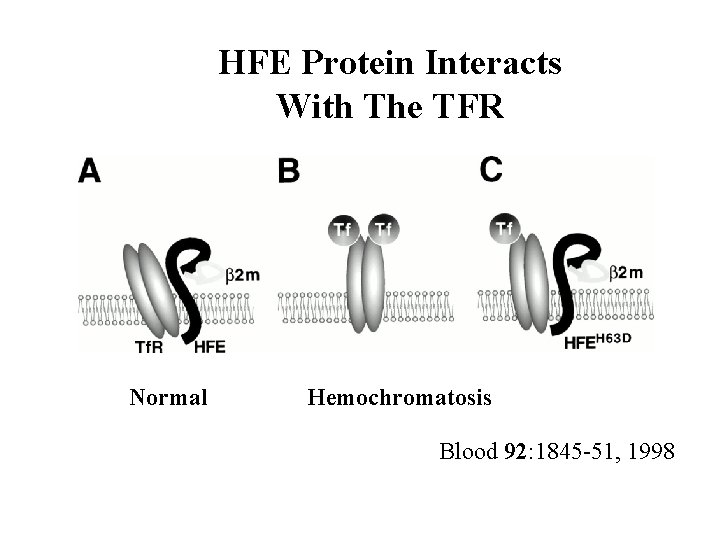
HFE Protein Interacts With The TFR Normal Hemochromatosis Blood 92: 1845 -51, 1998
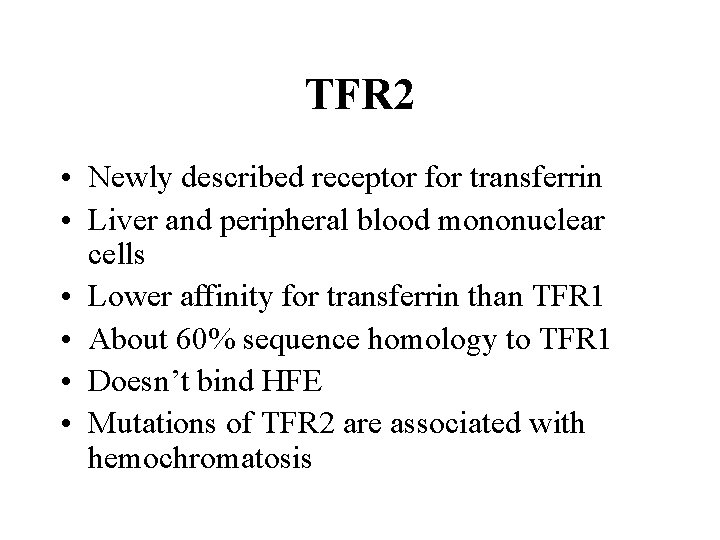
TFR 2 • Newly described receptor for transferrin • Liver and peripheral blood mononuclear cells • Lower affinity for transferrin than TFR 1 • About 60% sequence homology to TFR 1 • Doesn’t bind HFE • Mutations of TFR 2 are associated with hemochromatosis
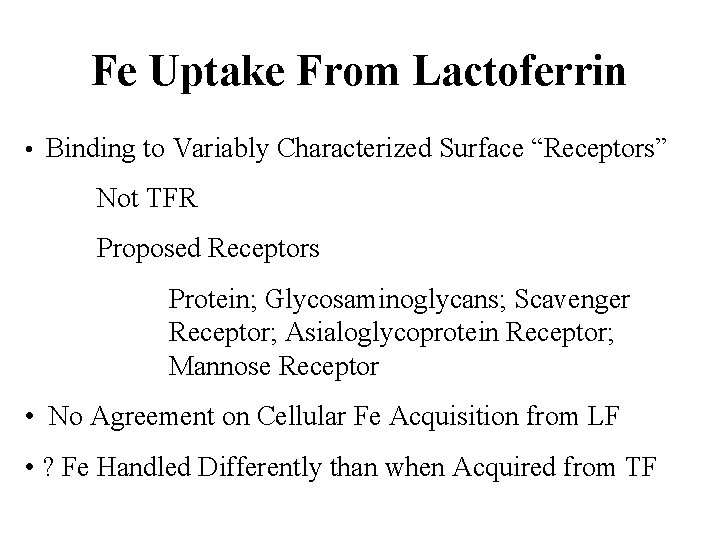
Fe Uptake From Lactoferrin • Binding to Variably Characterized Surface “Receptors” Not TFR Proposed Receptors Protein; Glycosaminoglycans; Scavenger Receptor; Asialoglycoprotein Receptor; Mannose Receptor • No Agreement on Cellular Fe Acquisition from LF • ? Fe Handled Differently than when Acquired from TF
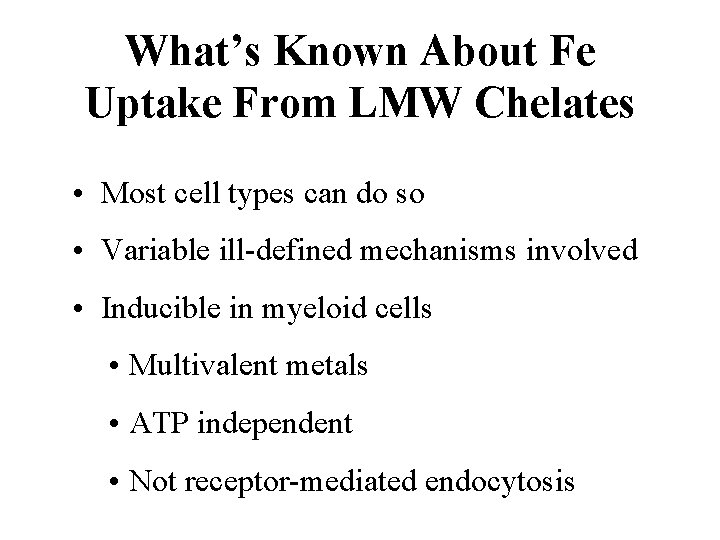
What’s Known About Fe Uptake From LMW Chelates • Most cell types can do so • Variable ill-defined mechanisms involved • Inducible in myeloid cells • Multivalent metals • ATP independent • Not receptor-mediated endocytosis
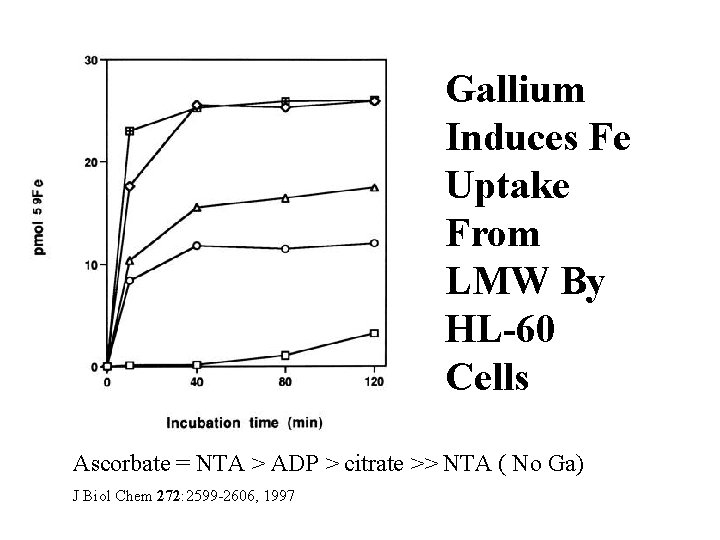
Gallium Induces Fe Uptake From LMW By HL-60 Cells Ascorbate = NTA > ADP > citrate >> NTA ( No Ga) J Biol Chem 272: 2599 -2606, 1997
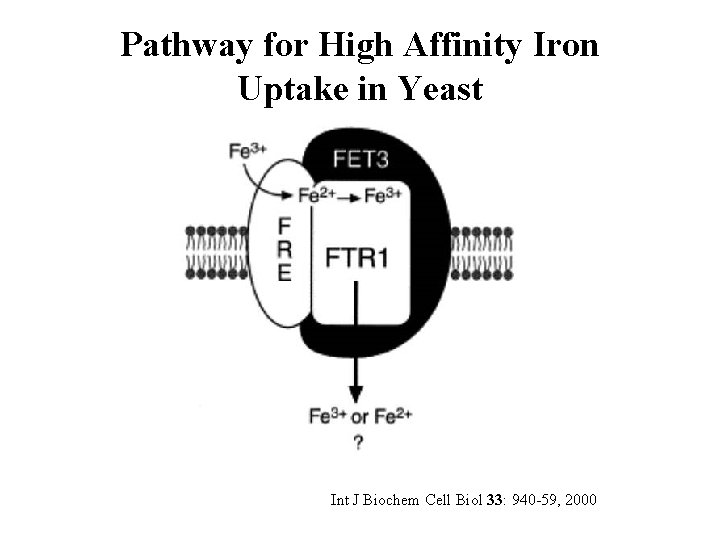
Pathway for High Affinity Iron Uptake in Yeast Int J Biochem Cell Biol 33: 940 -59, 2000
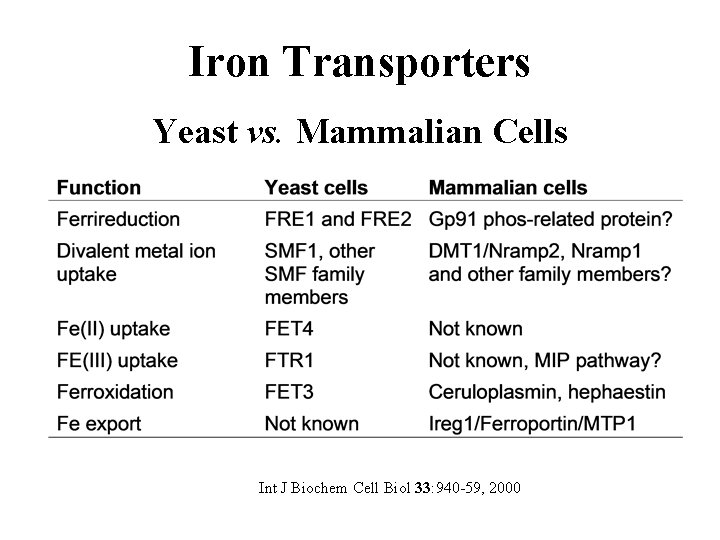
Iron Transporters Yeast vs. Mammalian Cells Int J Biochem Cell Biol 33: 940 -59, 2000
HOW IS INTRACELLULAR AND EXTRACELLULAR IRON CONTENT REGULATED?
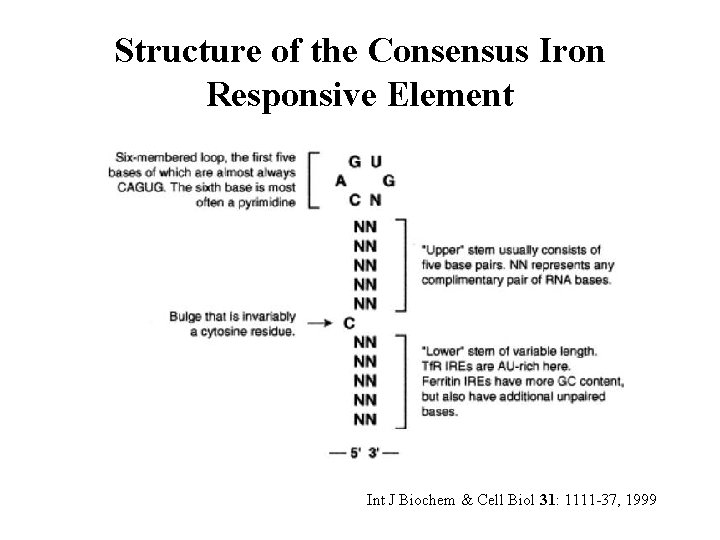
Structure of the Consensus Iron Responsive Element Int J Biochem & Cell Biol 31: 1111 -37, 1999
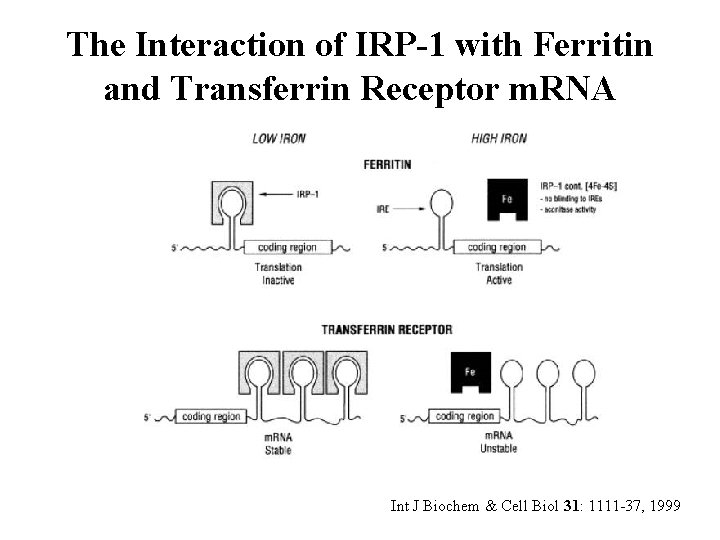
The Interaction of IRP-1 with Ferritin and Transferrin Receptor m. RNA Int J Biochem & Cell Biol 31: 1111 -37, 1999
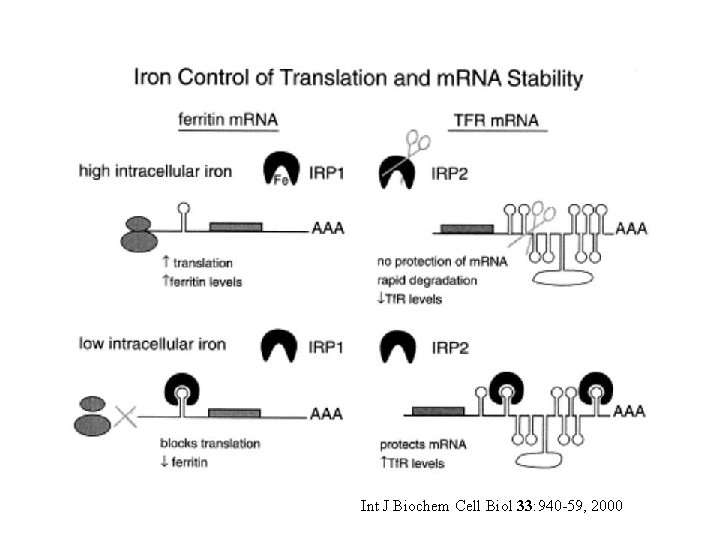
Int J Biochem Cell Biol 33: 940 -59, 2000
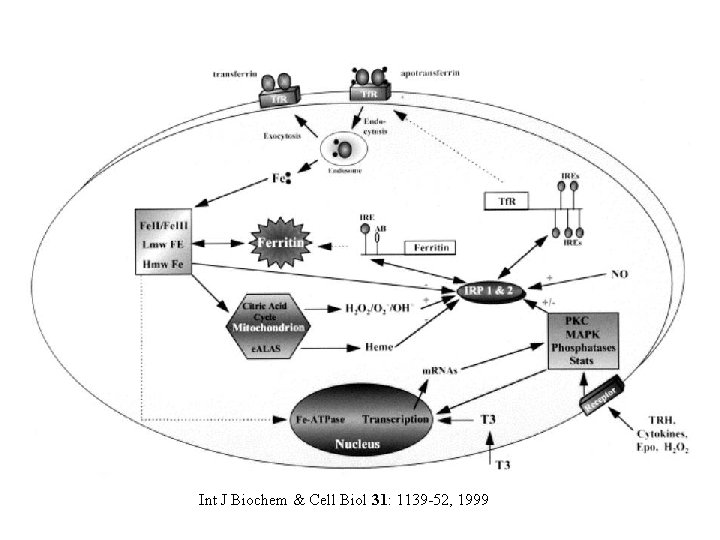
Int J Biochem & Cell Biol 31: 1139 -52, 1999
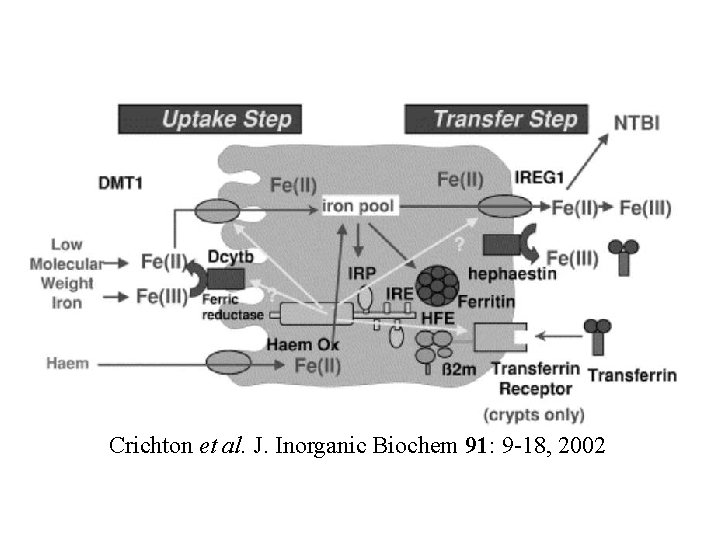
Crichton et al. J. Inorganic Biochem 91: 9 -18, 2002
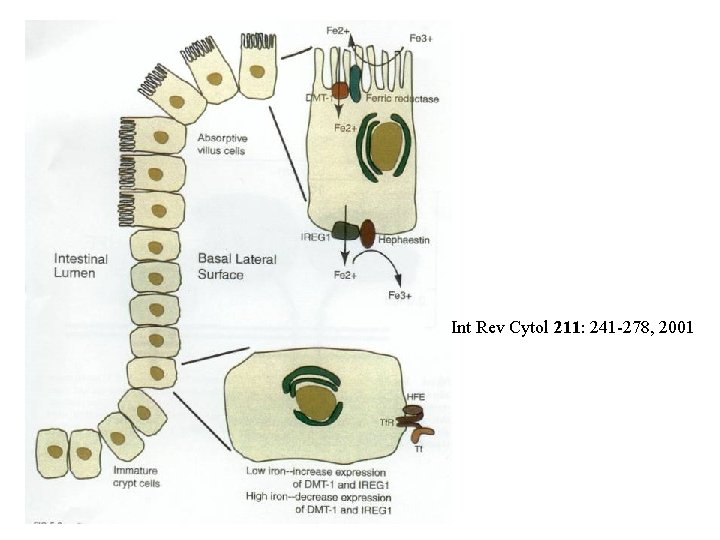
Int Rev Cytol 211: 241 -278, 2001
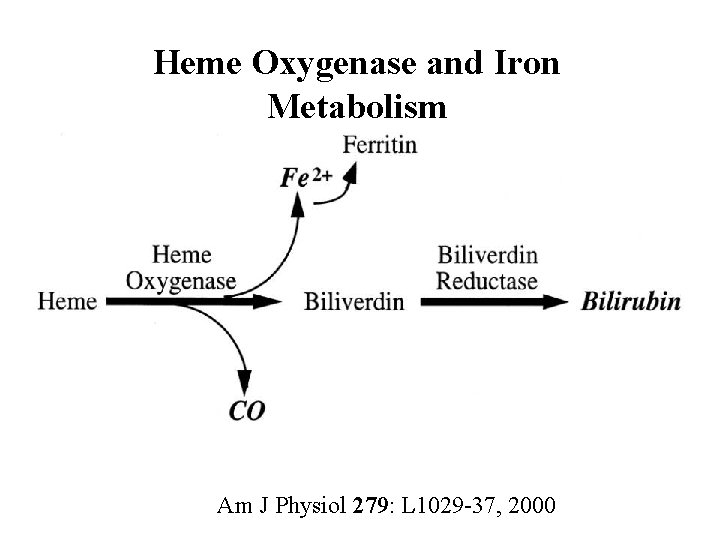
Heme Oxygenase and Iron Metabolism Am J Physiol 279: L 1029 -37, 2000
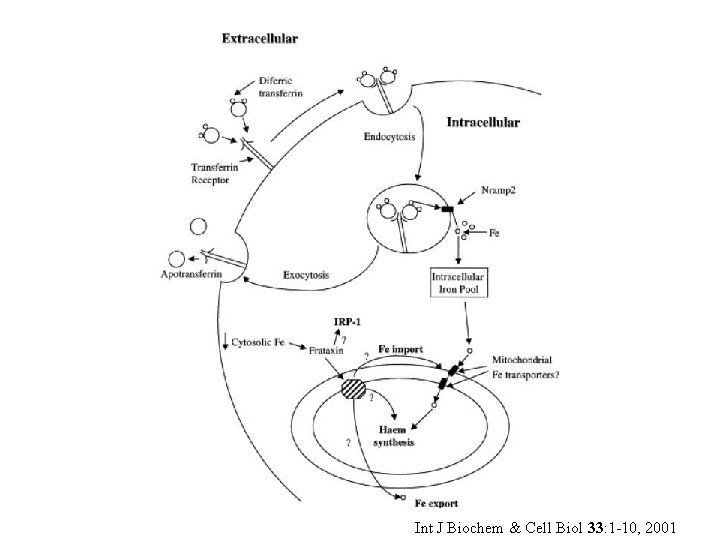
Int J Biochem & Cell Biol 33: 1 -10, 2001
Iron Metabolism and Host Defense • Nearly Every Microorganism Needs Iron for Growth and Metabolism • Enzymes • • DNA replication Respiratory chain Antioxidants Heme centers • Iron Bound to Lactoferrin and Transferrin is Much Less Accessible
Infection Shifts Iron • Host Response to Acute or Chronic Infection • Shift Iron Out of Serum • Shift Iron Into Reticuloendothelial System Macrophages • Good Against Extracellular Pathogens • Perhaps Not So For Intracellular Ones
How Do Pathogens Acquire Iron From the Host?
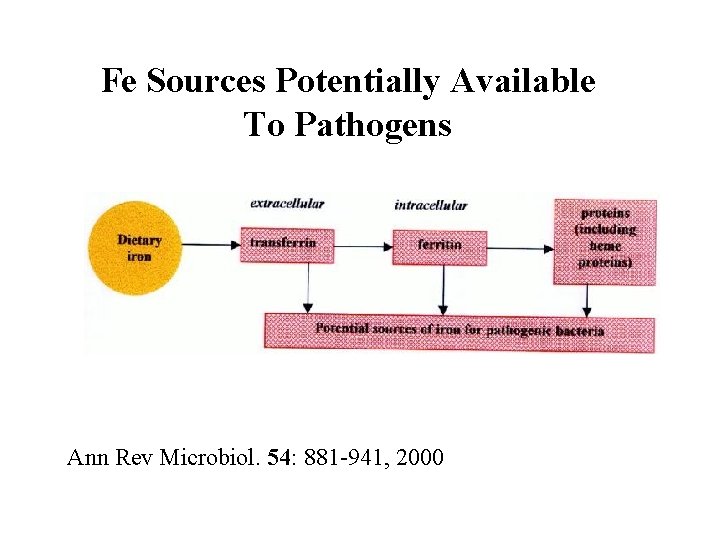
Fe Sources Potentially Available To Pathogens Ann Rev Microbiol. 54: 881 -941, 2000
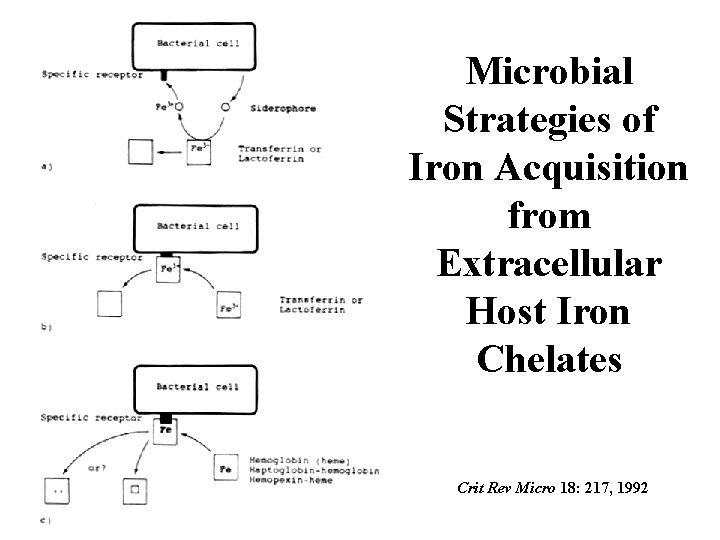
Microbial Strategies of Iron Acquisition from Extracellular Host Iron Chelates Crit Rev Micro 18: 217, 1992
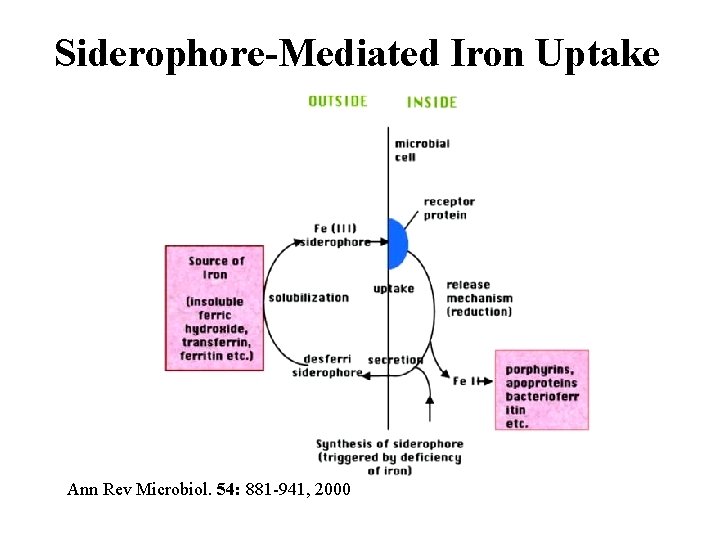
Siderophore-Mediated Iron Uptake Ann Rev Microbiol. 54: 881 -941, 2000
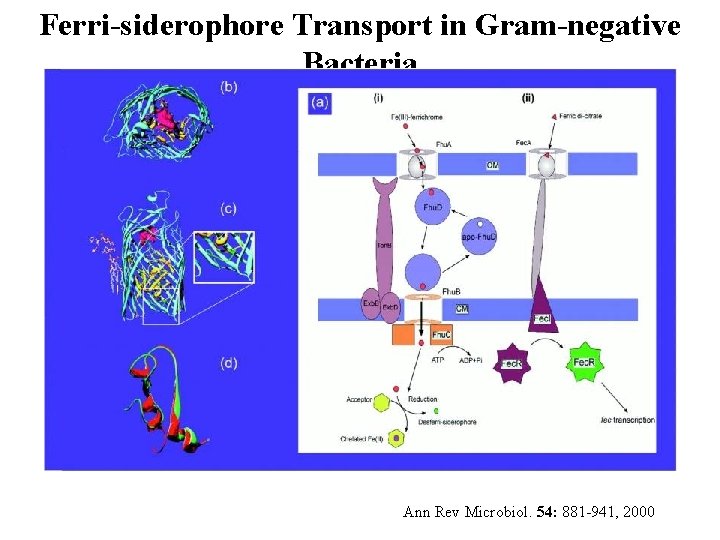
Ferri-siderophore Transport in Gram-negative Bacteria Ann Rev Microbiol. 54: 881 -941, 2000
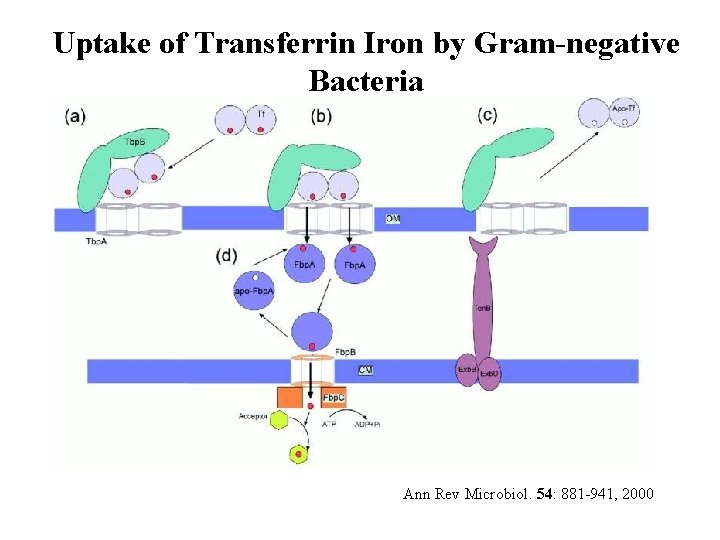
Uptake of Transferrin Iron by Gram-negative Bacteria Ann Rev Microbiol. 54: 881 -941, 2000
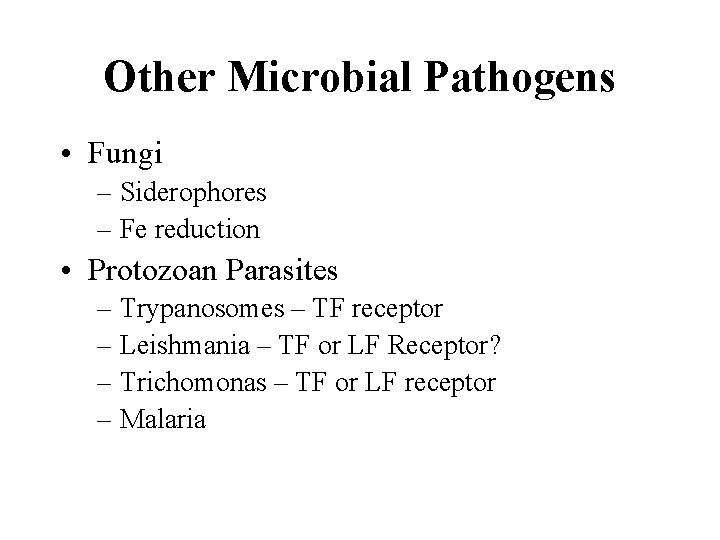
Other Microbial Pathogens • Fungi – Siderophores – Fe reduction • Protozoan Parasites – Trypanosomes – TF receptor – Leishmania – TF or LF Receptor? – Trichomonas – TF or LF receptor – Malaria
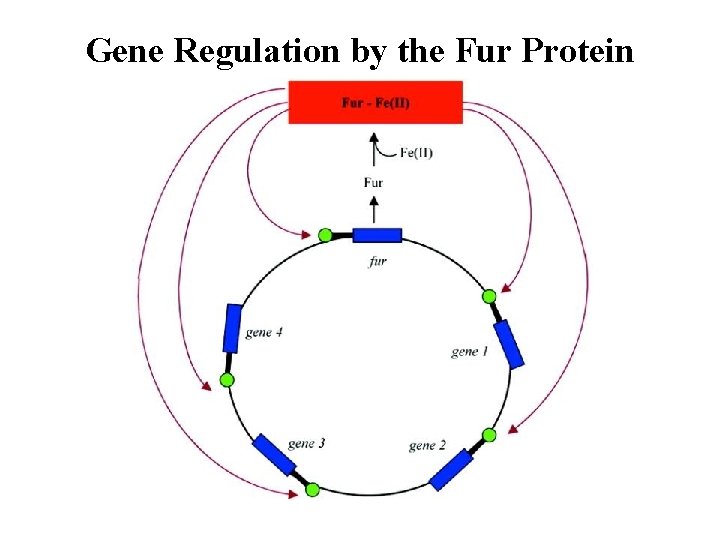
Gene Regulation by the Fur Protein
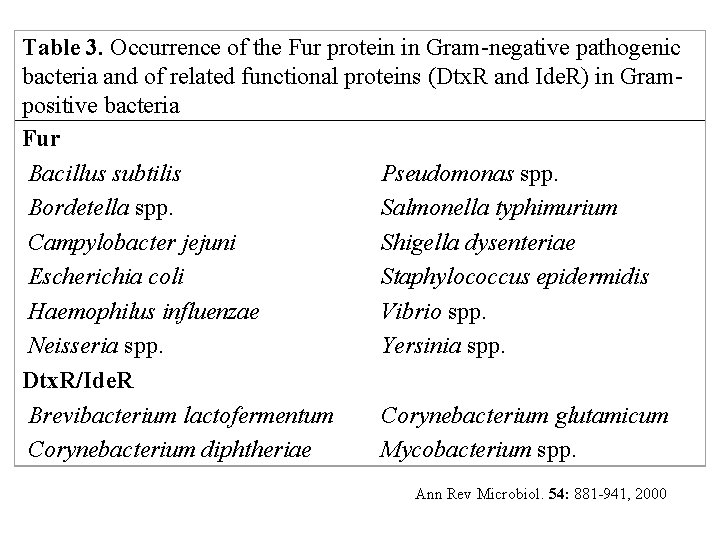
Table 3. Occurrence of the Fur protein in Gram-negative pathogenic bacteria and of related functional proteins (Dtx. R and Ide. R) in Grampositive bacteria Fur Bacillus subtilis Pseudomonas spp. Bordetella spp. Salmonella typhimurium Campylobacter jejuni Shigella dysenteriae Escherichia coli Staphylococcus epidermidis Haemophilus influenzae Vibrio spp. Neisseria spp. Yersinia spp. Dtx. R/Ide. R Brevibacterium lactofermentum Corynebacterium glutamicum Corynebacterium diphtheriae Mycobacterium spp. Ann Rev Microbiol. 54: 881 -941, 2000
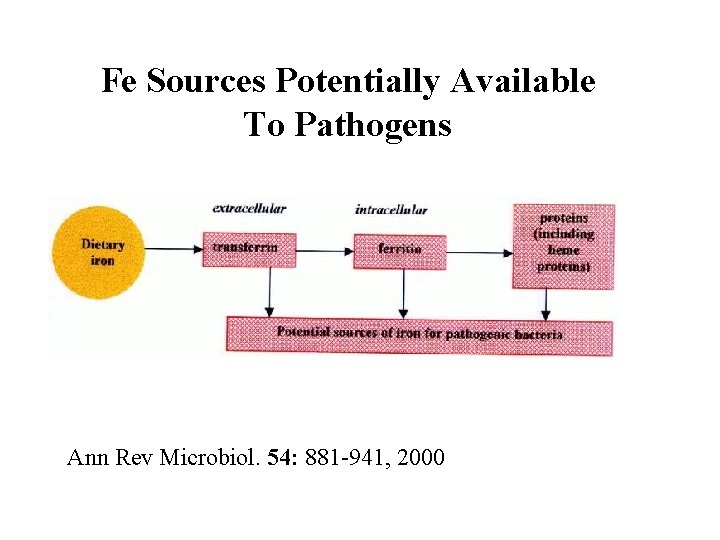
Fe Sources Potentially Available To Pathogens Ann Rev Microbiol. 54: 881 -941, 2000
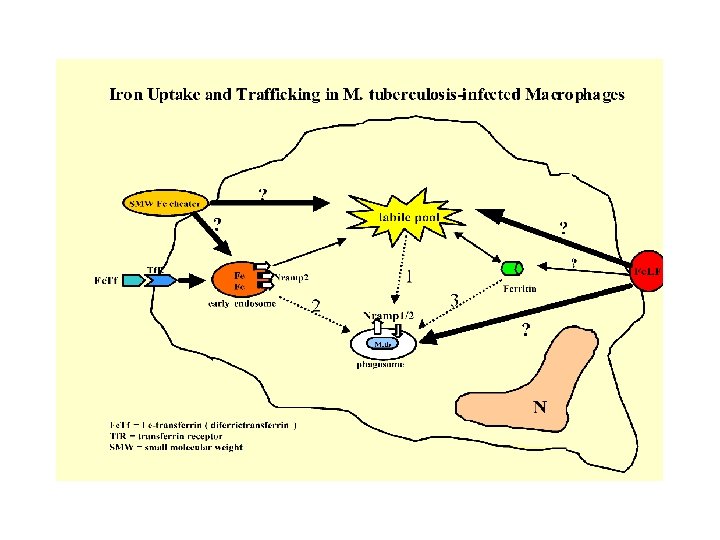
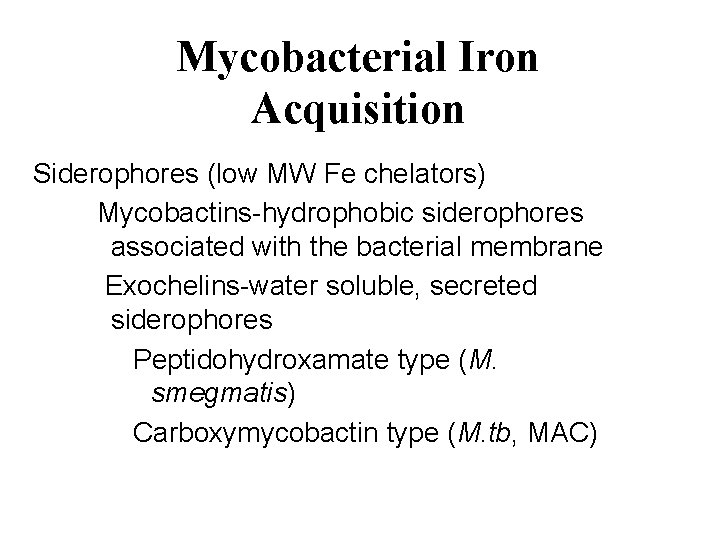
Mycobacterial Iron Acquisition • Siderophores (low MW Fe chelators) • Mycobactins-hydrophobic siderophores associated with the bacterial membrane • Exochelins-water soluble, secreted siderophores • Peptidohydroxamate type (M. smegmatis) • Carboxymycobactin type (M. tb, MAC)
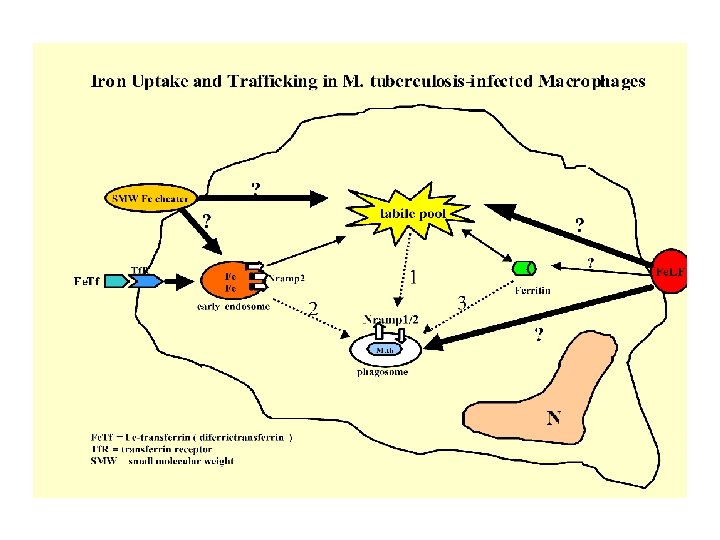
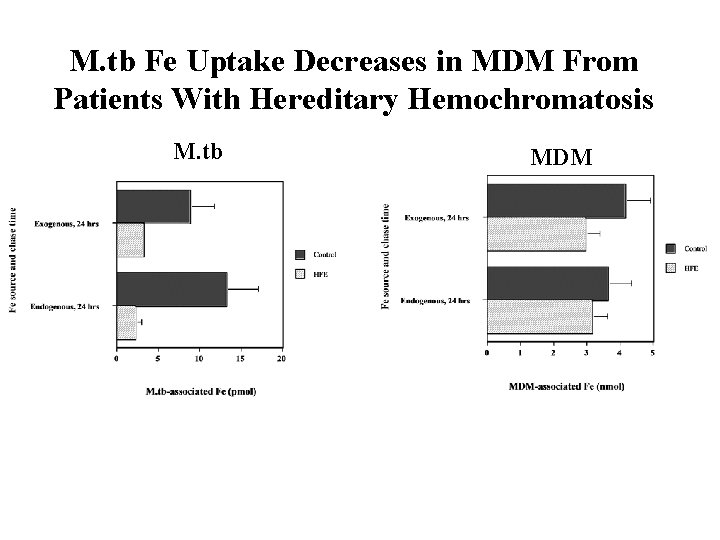
M. tb Fe Uptake Decreases in MDM From Patients With Hereditary Hemochromatosis M. tb MDM
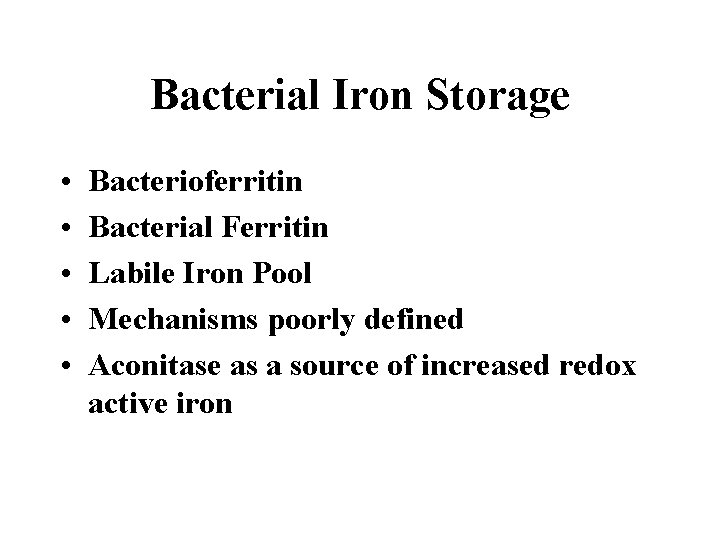
Bacterial Iron Storage • • • Bacterioferritin Bacterial Ferritin Labile Iron Pool Mechanisms poorly defined Aconitase as a source of increased redox active iron
THE END
Reviews and Selected Original Articles 1. Abraham, N. G. , G. S. Drummond, J. D. Lutton, and A. Kappas. 1996. The biological significance and physiological role of heme oxygenase. Cell. Physiol. Biochem. 6: 129 -168. 2. Aisen, P. , C. Enns, and M. Wessling-Resnick. 2001. Chemistry and biology of eukaryotic iron metabolism. Int. J. Biochem. Cell Biol. 33: 940 -959. 3. Anderson, B. F. , H. M. Baker, G. E. Norris, S. V. Rumball, and E. N. Baker. 1990. Apolactoferrin structure demonstrates ligand-induced conformational changes in transferrins. Nature 344: 784 -787. 4. Becker, E. and D. R. Richardson. 2001. Frataxin: its role in iron metabolism and the pathogenesis of Friedreich's ataxia. Int. J. Biochem. Cell Biol. 33: 1 -10. 5. Cairo, G. and A. Pietrangelo. 2000. Iron regulatory proteins in pathobiology. Biochem. J. 352: 241 -250. 6. Cavadini, P. , H. A. O'Neill, O. Benada, and G. Isaya. 2002. Assembly and iron-binding properties of human frataxin, the protein deficient in Friedreich ataxia. Hum. Mol. Genet. 11: 217 -227. 7. Eide, D. J. 1998. The molecular biology of metal ion transport in Saccharomyces cerevisiae. Annu. Rev. Nutr. 18: 441 -469. 8. Eisenstein, R. S. 2000. Iron regulatory proteins and the molecular control of mammalian iron metabolism. Annu. Rev. Nutr. 20: 627 -662. 9. Fleming, R. E. and W. S. Sly. 2002. Mechanisms of iron accumulation in hereditary hemochromatosis. Annu. Rev. Physiol. 64: 663 -680. 10. Frazer, D. M. , C. D. Vulpe, A. T. Mc. Kie, S. J. Wilkins, D. Trinder, G. J. Cleghorn, and G. J. Anderson. 2001. Cloning and gastrointestinal expression of rat hephaestin: relationship to other iron transport proteins. Am. J. Physiol. Gastrointest. Liver Physiol. 281: G 931 -G 939.
Reviews and Selected Original Articles 11. Goldenberg, H. A. 1997. Regulation of mammalian iron metabolism: current state and need for further knowledge. Crit. Rev. Clin. Lab. Sci. 34: 529 -572. 12. Griffiths, W. and T. Cox. 2000. Haemochromatosis: novel gene discovery and the molecular pathophysiology of iron metabolism. Hum. Mol. Genet. 9: 2377 -2382. 13. Hanson, E. S. and E. A. Leibold. 1999. Regulation of the iron regulatory proteins by reactive nitrogen and oxygen species. Gene Expr. 7: 367 -376. 14. Hantke, K. 2001. Iron and metal regulation in bacteria. Current Opinion in Microbiology 4: 172 -177. 15. Otto, B. R. , A. M. J. J. Verweij-van Vught, and D. M. Mac. Laren. 1992. Transferrins and heme-compounds as iron sources for pathogenic bacteria. Crit. Rev. Microbiol. 18: 217 -233. 16. Pietrangelo, A. 2002. Physiology of iron transport and the hemochromatosis gene. Am. J. Physiol. Gastrointest. Liver Physiol. 282: G 403 -G 414. 17. Ponka, P. 1999. Cellular iron metabolism. Kidney Int. 55: S 2 -S 11. 18. Ponka, P. , C. Beaumont, and D. R. Richardson. 1998. Function and regulation of transferrin and ferritin. Semin. Hematol. 35: 35 -54. 19. Ponka, P. and C. N. Lok. 1999. The transferrin receptor: role in health and disease. Int. J. Biochem. Cell Biol. 31: 1111 -1137. 20. Poss, K. D. and S. Tonegawa. 1997. Heme oxygenase 1 is required for mammalian iron reutilization. Proc. Natl. Acad. Sci. USA 94: 10919 -10924. 21. Radisky, D. and J. Kaplan. 1999. Regulation of transition metal transport across the yeast plasma membrane. J. Biol. Chem. 274: 4481 -4484. 22. Ratledge, C. and L. G. Dover. 2000. Iron metabolism in pathogenic bacteria. Annu. Rev. Microbiol. 54: 881941.
Reviews and Selected Original Articles 23. Rolfs, A. , H. L. Bonkovsky, J. G. Kohlroser, K. Mc. Neal, A. Sharma, U. V. Berger, and M. A. Hediger. 2002. Intestinal expression of genes involved in iron absorption in humans. Am J. Physiol Gastrointest Liver Physiol 282: G 598 -G 607. 24. Simovich, M. J. , M. E. Conrad, J. N. Umbreit, E. G. Moore, L. N. Hainsworth, and H. K. Smith. 2002. Cellular location of proteins related to iron absorption and transport. Am. J. Hematol. 69: 164 -170. 25. Snyder, A. H. , M. E. Mc. Pherson, J. F. Hunt, M. Johnson, J. S. Stamler, and B. Gaston. 2002. Acute effects of aerosolized S-nitrosoglutathione in cystic fibrosis. Am. J. Respir. Crit. Care Med. 165: 922 -926. Thomson, A. M. , J. T. Rogers, and P. J. Leedman. 1999. Iron-regulatory proteins, iron-responsive elements and ferritin m. RNA translation. The International Journal of Biochemistry & Cell Biology 31: 11391152. 27. Touati, D. 2000. Iron and oxidative stress in bacteria. Arch. Biochem. Biophys. 373: 1 -6. 28. Waheed, A. , J. H. Grubb, X. Y. Zhou, S. Tomatsu, R. E. Fleming, M. E. Costaldi, R. S. Britton, B. R. Bacon, and W. S. Sly. 2002. Regulation of transferrin-mediated iron uptake by HFE, the protein defective in hereditary hemochromatosis. PNAS 99 : 3117 -3122. 29. Walker, B. L. , J. W. C. Tiong, and W. A. Jefferies. 2001. Iron metabolism in mammalian cells. Int. Rev. Cytol. 211: 241 -278. 30. Wandersman, C. and I. Stojiljkovic. 2000. Bacterial heme sources: the role of heme, hemoprotein receptors and hemophores. Current Opinion in Microbiology 3: 215 -220. 31. Welch, K. D. , T. Z. Davis, M. E. Van Eden, and S. D. Aust. 2002. Deleterious iron-mediated oxidation of biomolecules. Free Rad. Biol. Med. 32: 577 -583.
- Slides: 54