
Invasive pain management techniques improve the quality of
- Slides: 47
Invasive pain management techniques improve the quality of life of patients Χαραλαμπίδου Αλεξάνδρα Επιμελήτρια Α’ΕΣΥ
The 100 Billion Dollar Problem The aim of the course is knowledge of invasive techniques in the treatment of pain as well as the indications, contraindications and complications from them.
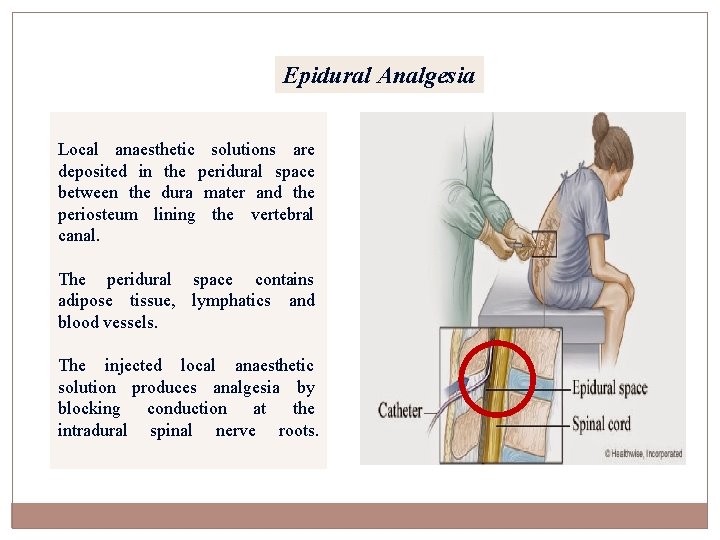
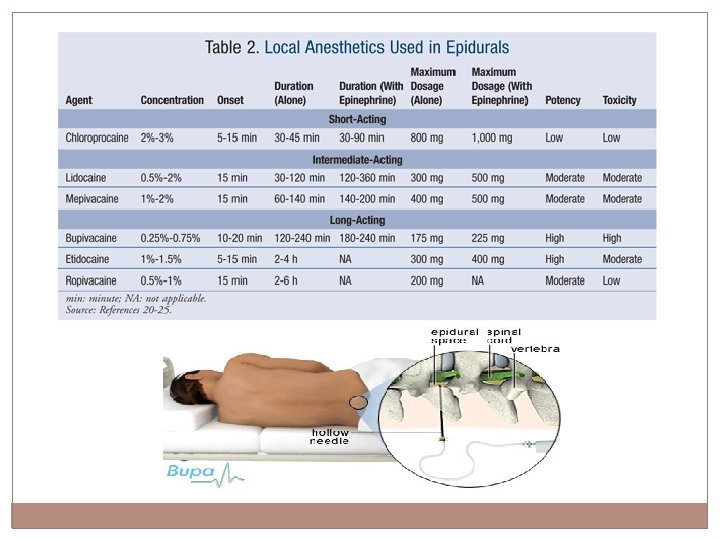
Epidural Analgesia Local anaesthetic solutions are deposited in the peridural space between the dura mater and the periosteum lining the vertebral canal. The peridural space contains adipose tissue, lymphatics and blood vessels. The injected local anaesthetic solution produces analgesia by blocking conduction at the intradural spinal nerve roots.
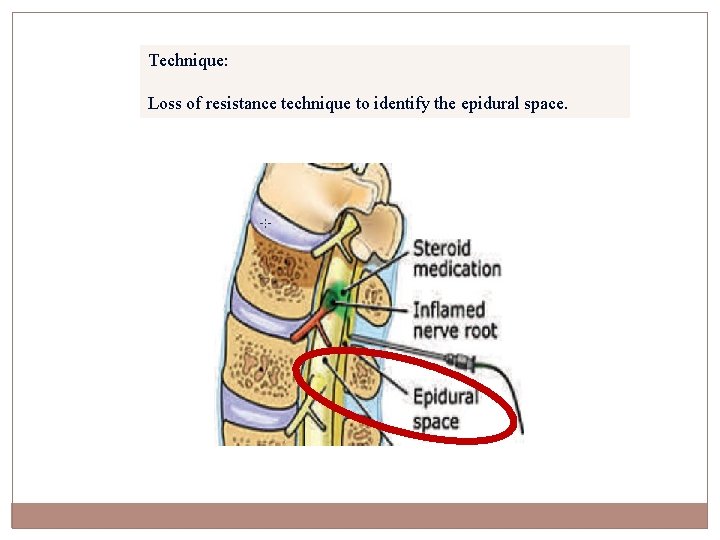
Technique: Loss of resistance technique to identify the epidural space.
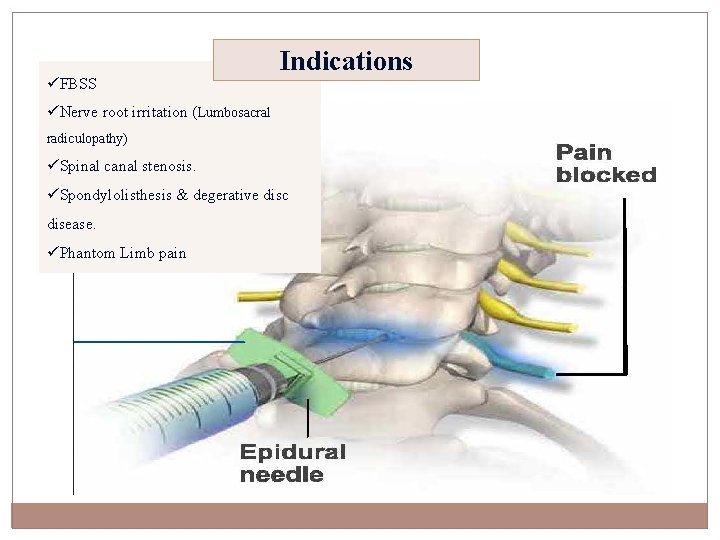
üFBSS Indications üNerve root irritation (Lumbosacral radiculopathy) üSpinal canal stenosis. üSpondylolisthesis & degerative disc disease. üPhantom Limb pain
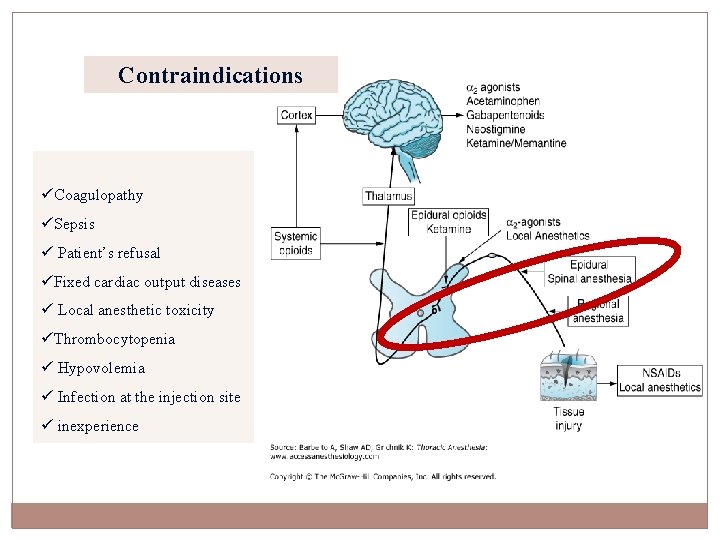
Contraindications üCoagulopathy üSepsis ü Patient’s refusal üFixed cardiac output diseases ü Local anesthetic toxicity üThrombocytopenia ü Hypovolemia ü Infection at the injection site ü inexperience
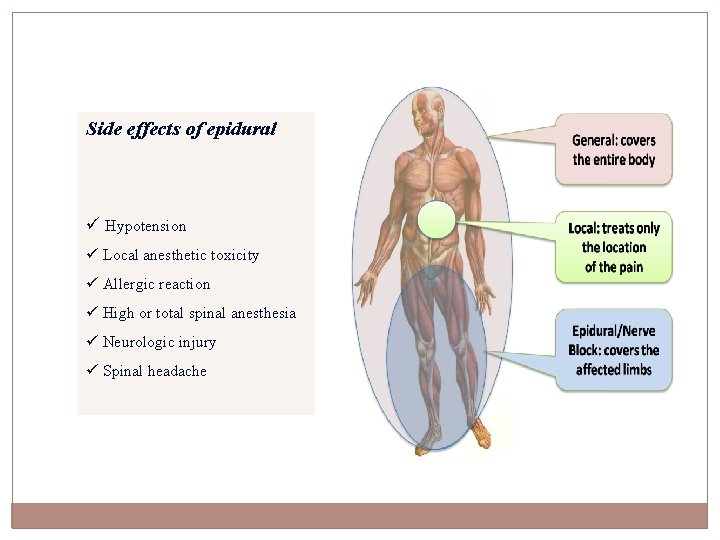
Side effects of epidural ü Hypotension ü Local anesthetic toxicity ü Allergic reaction ü High or total spinal anesthesia ü Neurologic injury ü Spinal headache
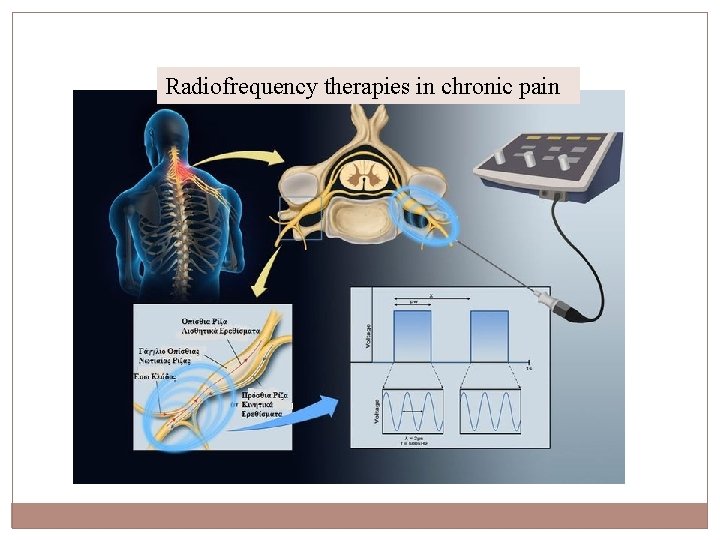
Radiofrequency therapies in chronic pain Radiofrequency (RF) procedures in chronic pain utilize alternating current in the AM RF band to produce effects on pain pathways. Continuous RF (CRF) procedures produce thermal coagulation of target nerves to interrupt pain pathways. There is evidence to support the use of CRF neurotomy as a therapy for trigeminal neuralgia, cervicogenic headache, cancer pain, and somatic spinal pain. Pulsed RF (PRF) procedures alter pain transmission but do not produce a clinically significant neuronal lesion. Clinical experience with PRF is limited but it may become a useful adjunct in the treatment of neuropathic pain.
Radiofrequency therapies in chronic pain
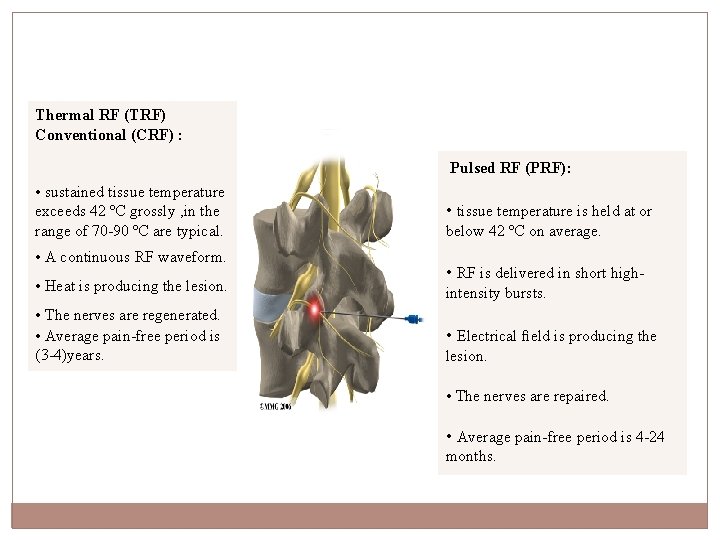
Thermal RF (TRF) Conventional (CRF) : Pulsed RF (PRF): • sustained tissue temperature exceeds 42 ºC grossly , in the range of 70 -90 ºC are typical. • A continuous RF waveform. • Heat is producing the lesion. • The nerves are regenerated. • Average pain-free period is (3 -4)years. • tissue temperature is held at or below 42 ºC on average. • RF is delivered in short highintensity bursts. • Electrical field is producing the lesion. • The nerves are repaired. • Average pain-free period is 4 -24 months.
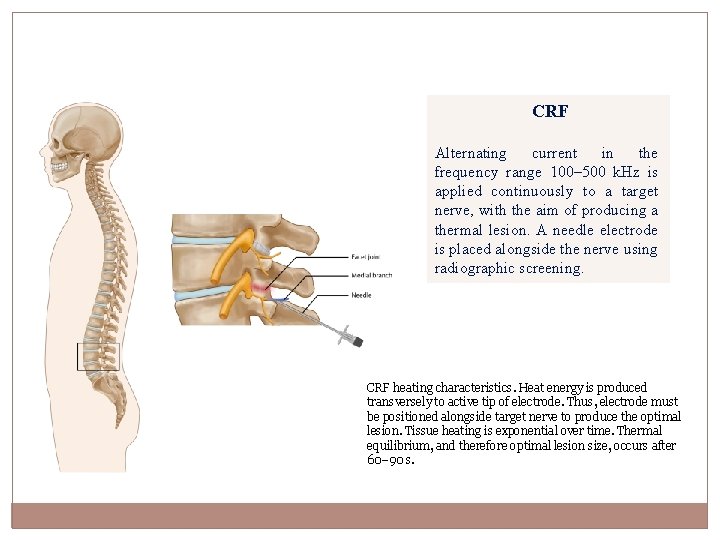
CRF Alternating current in the frequency range 100– 500 k. Hz is applied continuously to a target nerve, with the aim of producing a thermal lesion. A needle electrode is placed alongside the nerve using radiographic screening. CRF heating characteristics. Heat energy is produced transversely to active tip of electrode. Thus, electrode must be positioned alongside target nerve to produce the optimal lesion. Tissue heating is exponential over time. Thermal equilibrium, and therefore optimal lesion size, occurs after 60– 90 s.
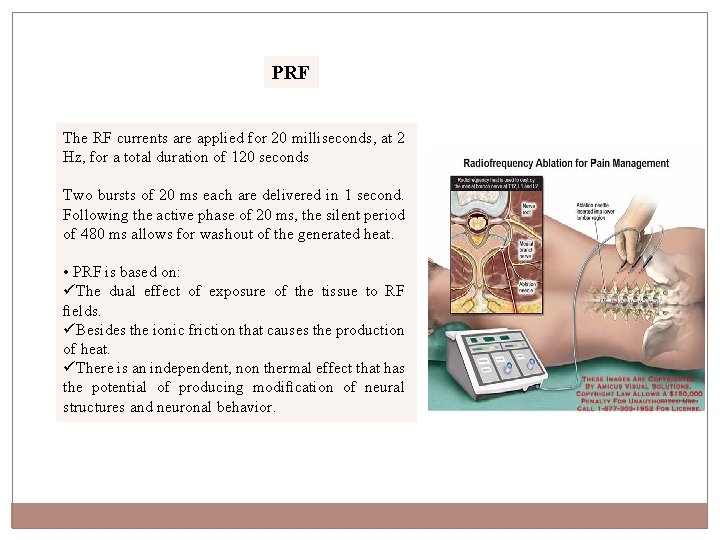
PRF The RF currents are applied for 20 milliseconds, at 2 Hz, for a total duration of 120 seconds Two bursts of 20 ms each are delivered in 1 second. Following the active phase of 20 ms, the silent period of 480 ms allows for washout of the generated heat. • PRF is based on: üThe dual effect of exposure of the tissue to RF fields. üBesides the ionic friction that causes the production of heat. üThere is an independent, non thermal effect that has the potential of producing modification of neural structures and neuronal behavior.
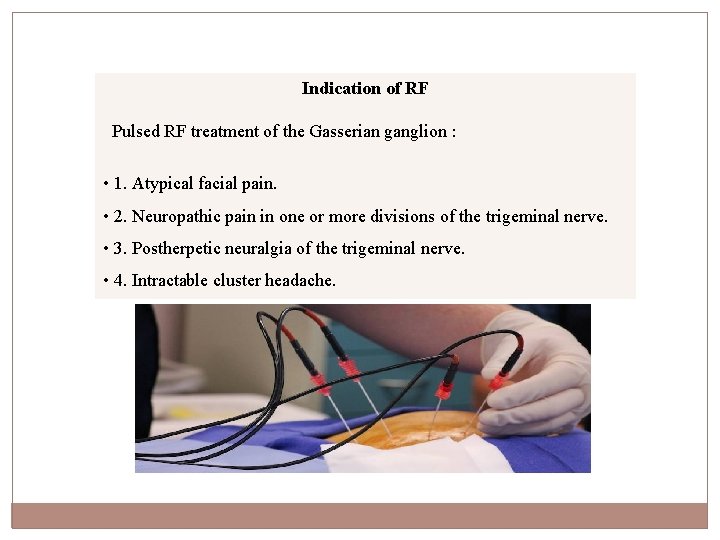
Indication of RF Pulsed RF treatment of the Gasserian ganglion : • 1. Atypical facial pain. • 2. Neuropathic pain in one or more divisions of the trigeminal nerve. • 3. Postherpetic neuralgia of the trigeminal nerve. • 4. Intractable cluster headache.
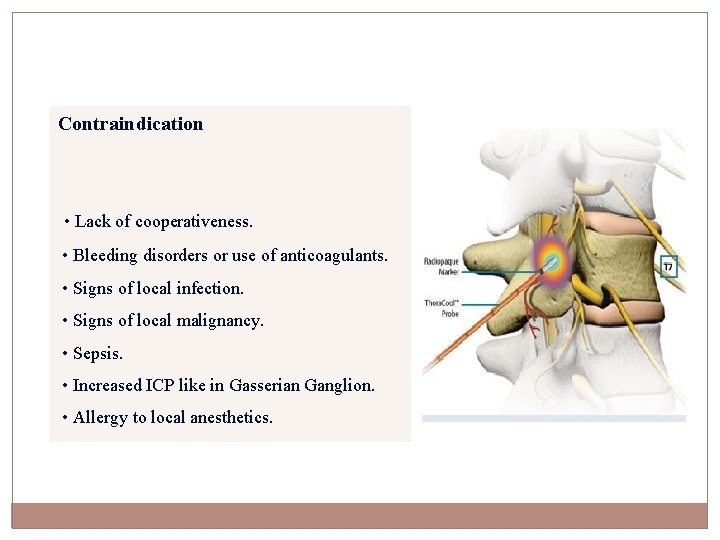
Contraindication • Lack of cooperativeness. • Bleeding disorders or use of anticoagulants. • Signs of local infection. • Signs of local malignancy. • Sepsis. • Increased ICP like in Gasserian Ganglion. • Allergy to local anesthetics.
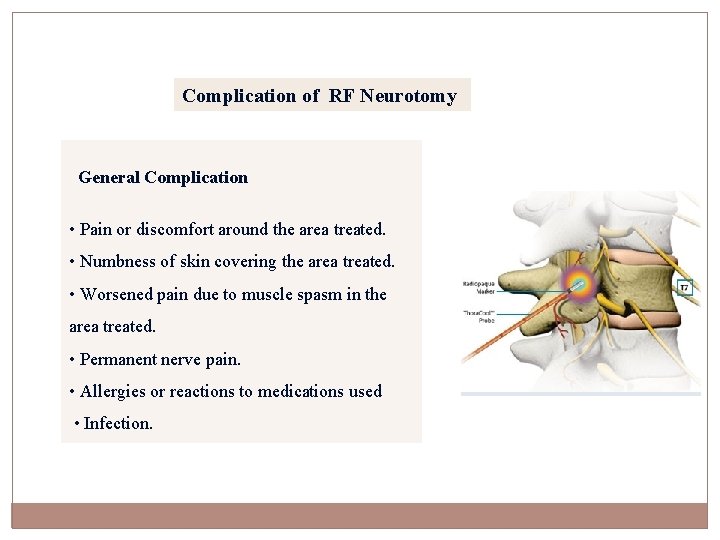
Complication of RF Neurotomy General Complication • Pain or discomfort around the area treated. • Numbness of skin covering the area treated. • Worsened pain due to muscle spasm in the area treated. • Permanent nerve pain. • Allergies or reactions to medications used • Infection.
Complication of RF Neurotomy Specific Complication “depend on the site of intervention like in Gasserian Ganglion” : • Neurolytic keratitis , loss of corneal • Visual loss • Hematoma • Significant motor root deficit Carotid puncture • Meningitis
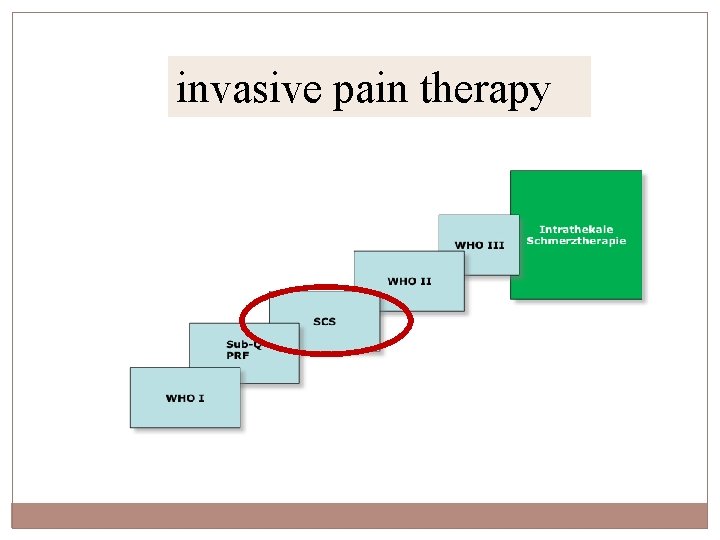
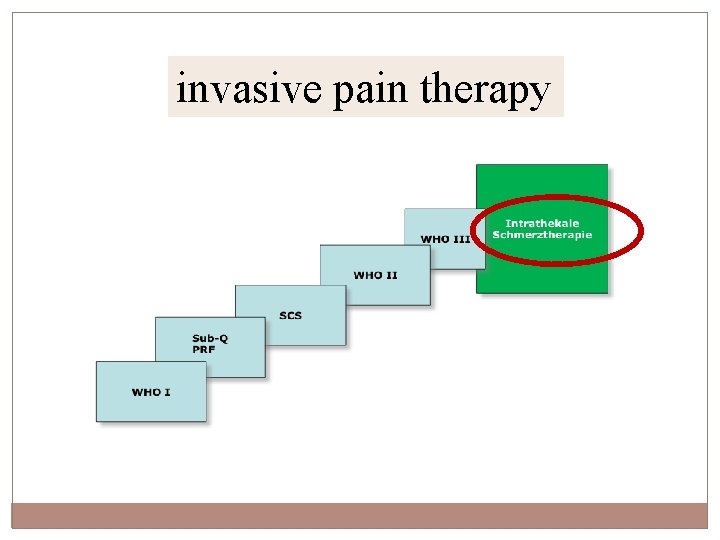
invasive pain therapy
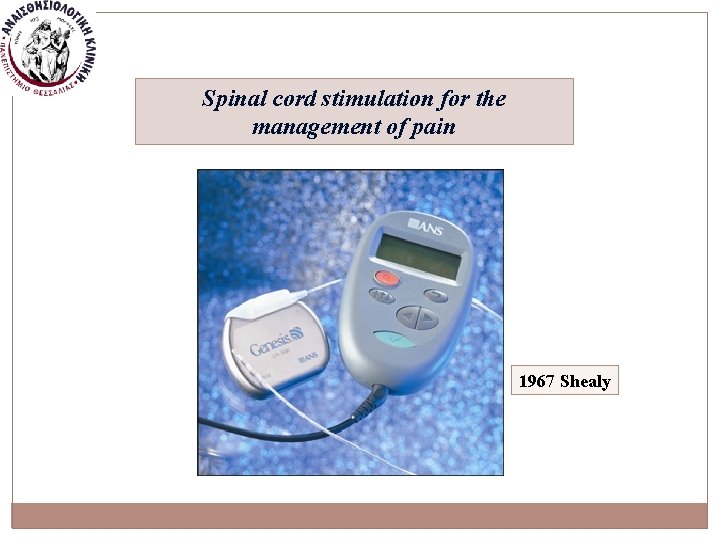
Spinal cord stimulation for the management of pain 1967 Shealy
SCS Mechanism. Many theories on the mechanisms of action of spinal cord stimulation have been suggested, including gate inhibition, activation or release of purported neuromodulators, conductance blockade of spinothalamic tracts, blockade of sympathetic mechanisms, and activation of supraspinal mechanisms. The mechanism of spinal cord stimulation cannot completely explained by one model. It is likely that multiple mechanisms and neurophysiologic pathways operate sequentially or simultaneously.
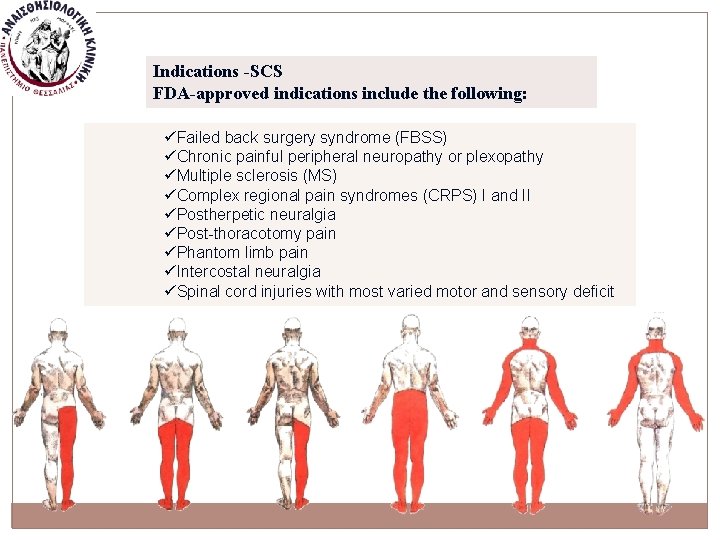
Indications -SCS FDA-approved indications include the following: üFailed back surgery syndrome (FBSS) üChronic painful peripheral neuropathy or plexopathy üMultiple sclerosis (MS) üComplex regional pain syndromes (CRPS) I and II üPostherpetic neuralgia üPost-thoracotomy pain üPhantom limb pain üIntercostal neuralgia üSpinal cord injuries with most varied motor and sensory deficit
Contraindications Absolute contraindications include the following: Occupational exposures • Theft detectors and metal detection devices • Operation of dangerous equipment or machinery Psychosocial considerations • Severe cognitive impairment that interferes with evaluation or operation of the device • Unacceptable living situation or social environment • Active substance abuse
Contraindications Absolute contraindications include the following: Anatomic conditions • Previous dorsal root entry zone surgery or disruption • Critical central canal stenosis • Serious neurological deficit with surgically correctable pathology • Anatomical spine instability or deformity at risk for progression Medical comorbidities • Demand-type cardiac pacemakers • Need for future MRI studies or possible cardioverter defibrillators • Pregnant or pediatric patients • Coagulopathy, immunosuppression, or any medical condition that compromises surgical benefit over risk • Ongoing requirement for therapeutic diathermy
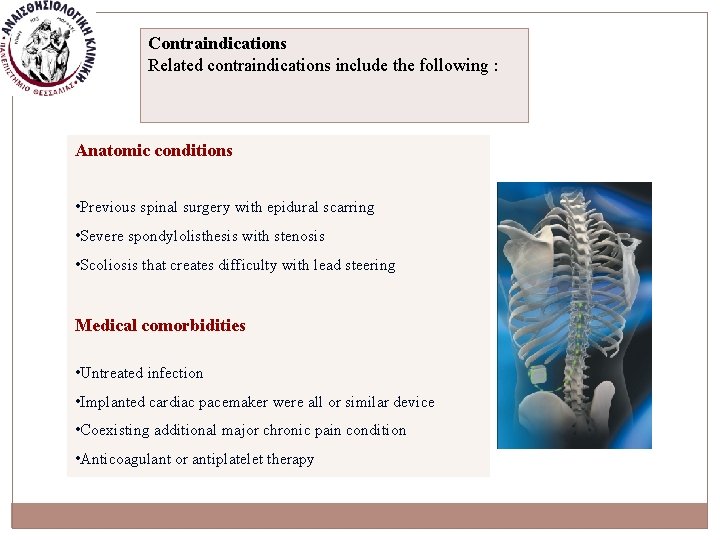
Contraindications Related contraindications include the following : Anatomic conditions • Previous spinal surgery with epidural scarring • Severe spondylolisthesis with stenosis • Scoliosis that creates difficulty with lead steering Medical comorbidities • Untreated infection • Implanted cardiac pacemaker were all or similar device • Coexisting additional major chronic pain condition • Anticoagulant or antiplatelet therapy
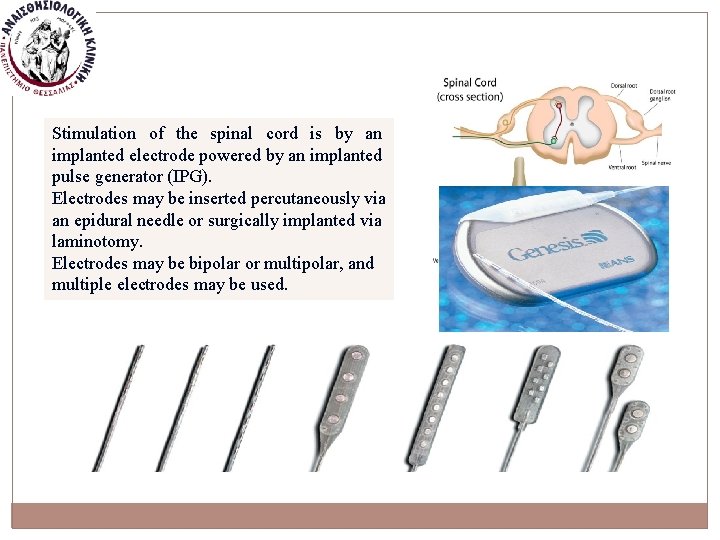
Stimulation of the spinal cord is by an implanted electrode powered by an implanted pulse generator (IPG). Electrodes may be inserted percutaneously via an epidural needle or surgically implanted via laminotomy. Electrodes may be bipolar or multipolar, and multiple electrodes may be used.
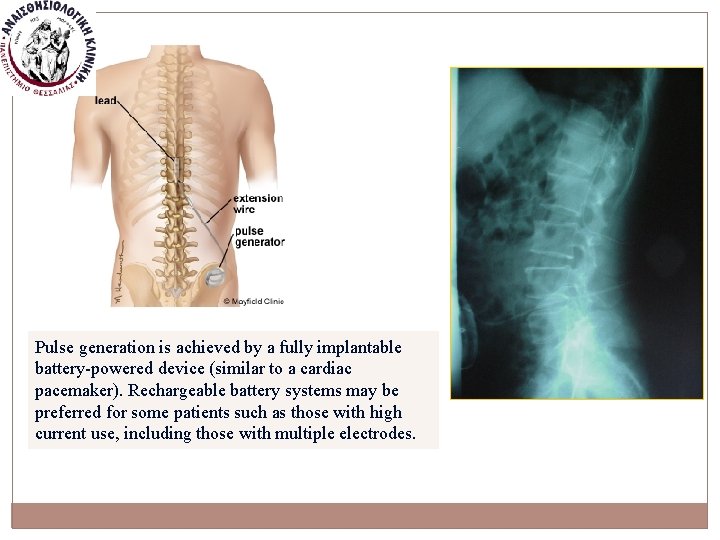
Pulse generation is achieved by a fully implantable battery-powered device (similar to a cardiac pacemaker). Rechargeable battery systems may be preferred for some patients such as those with high current use, including those with multiple electrodes.
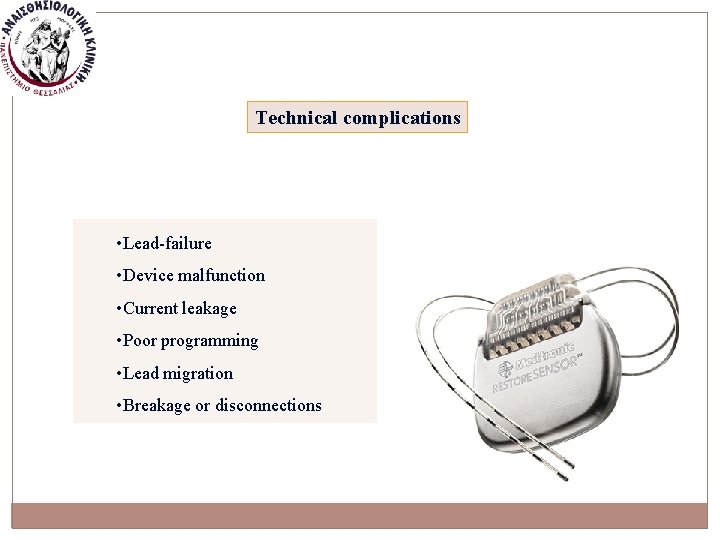
Technical complications • Lead-failure • Device malfunction • Current leakage • Poor programming • Lead migration • Breakage or disconnections
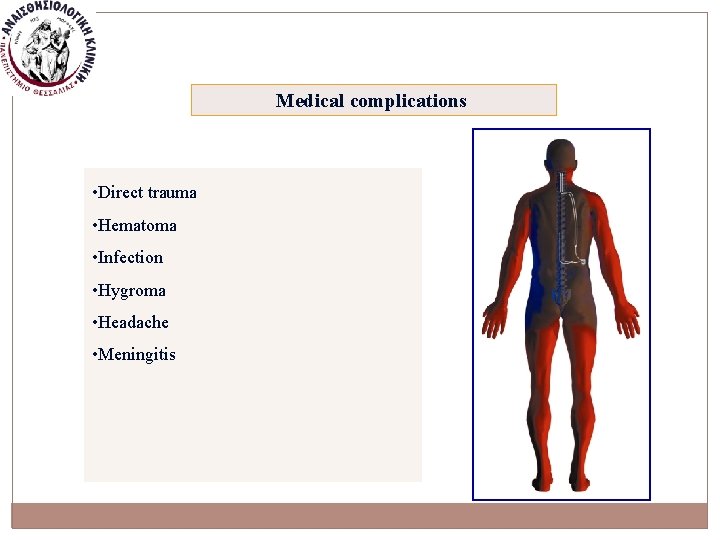
Medical complications • Direct trauma • Hematoma • Infection • Hygroma • Headache • Meningitis
invasive pain therapy
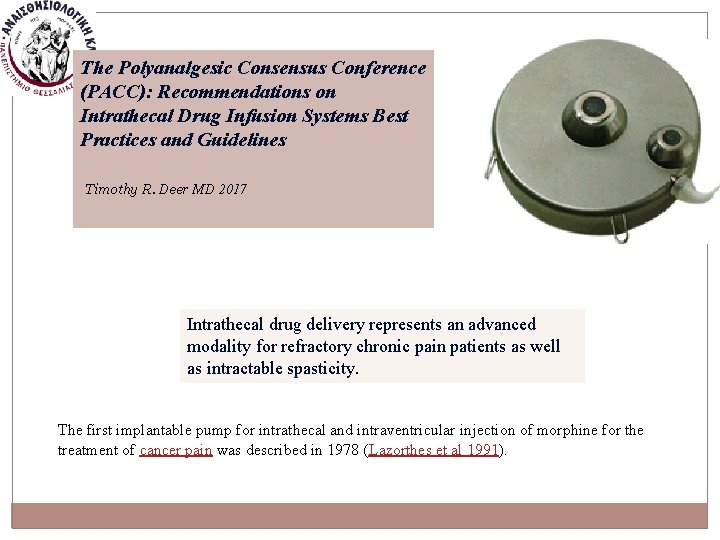
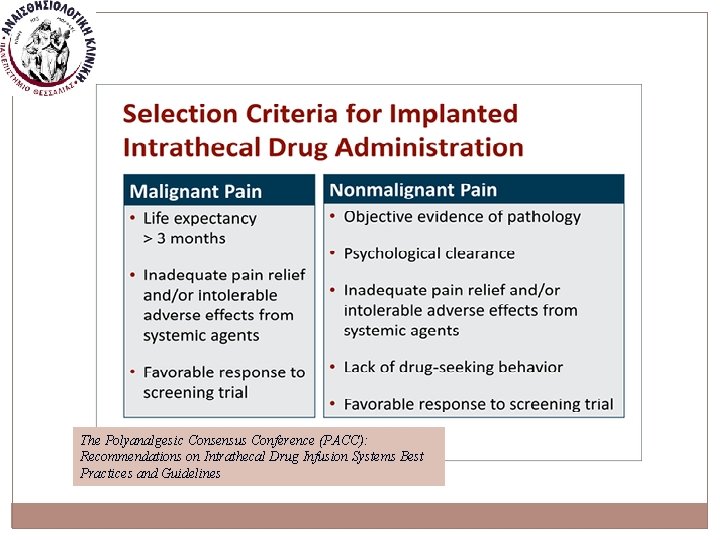
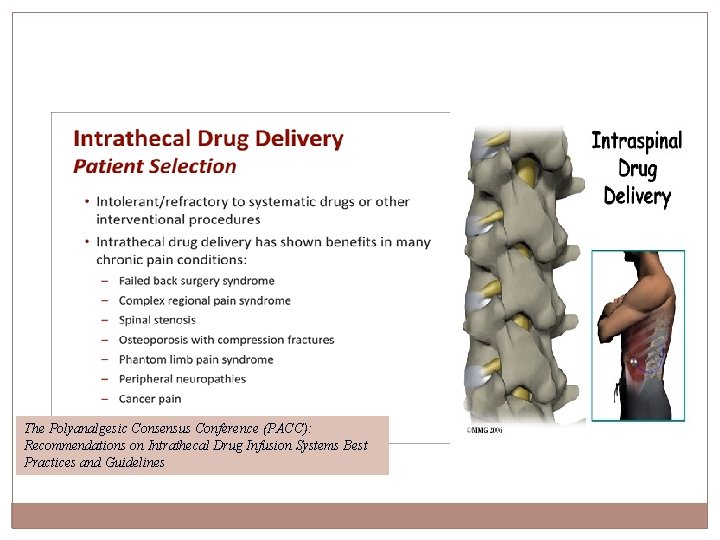
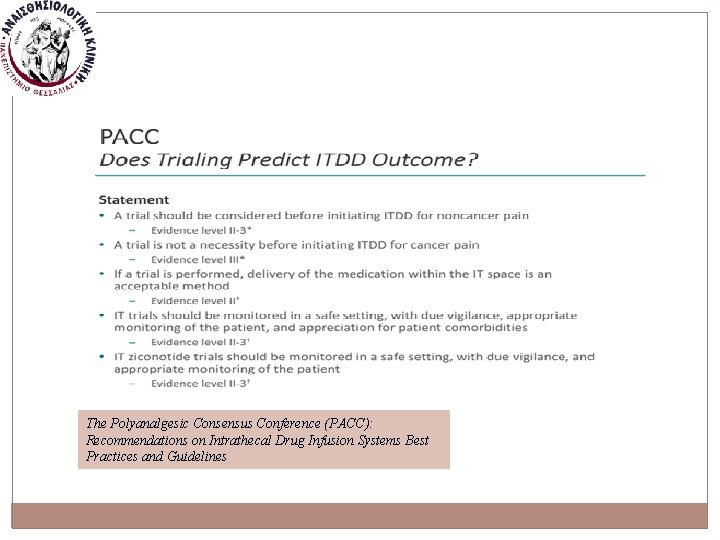
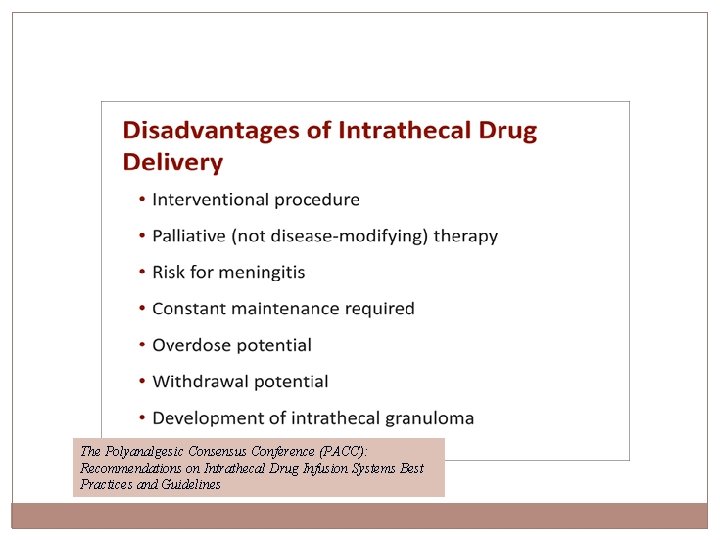
The Polyanalgesic Consensus Conference (PACC): Recommendations on Intrathecal Drug Infusion Systems Best Practices and Guidelines Timothy R. Deer MD 2017 Intrathecal drug delivery represents an advanced modality for refractory chronic pain patients as well as intractable spasticity. The first implantable pump for intrathecal and intraventricular injection of morphine for the treatment of cancer pain was described in 1978 (Lazorthes et al 1991).
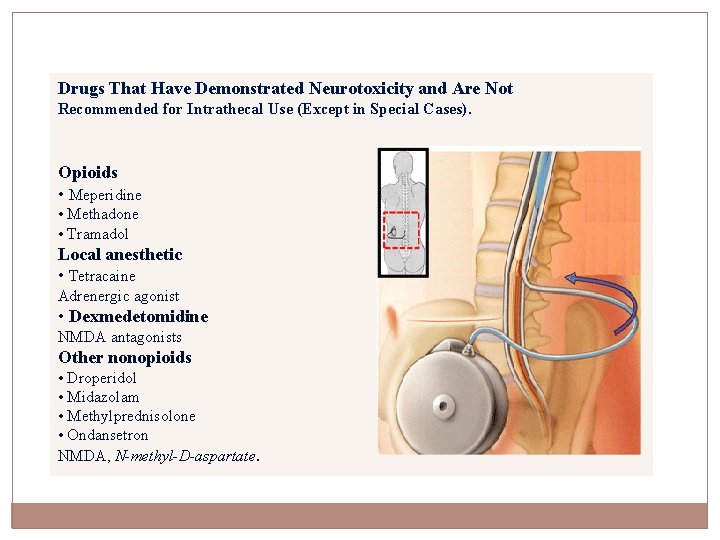
Drugs That Have Demonstrated Neurotoxicity and Are Not Recommended for Intrathecal Use (Except in Special Cases). Opioids • Meperidine • Methadone • Tramadol Local anesthetic • Tetracaine Adrenergic agonist • Dexmedetomidine NMDA antagonists Other nonopioids • Droperidol • Midazolam • Methylprednisolone • Ondansetron NMDA, N-methyl-D-aspartate.
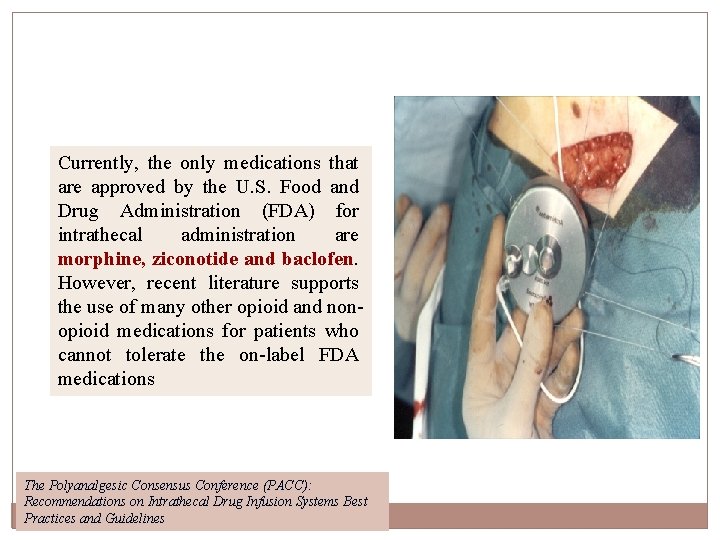
Currently, the only medications that are approved by the U. S. Food and Drug Administration (FDA) for intrathecal administration are morphine, ziconotide and baclofen. However, recent literature supports the use of many other opioid and nonopioid medications for patients who cannot tolerate the on-label FDA medications The Polyanalgesic Consensus Conference (PACC): Recommendations on Intrathecal Drug Infusion Systems Best Practices and Guidelines
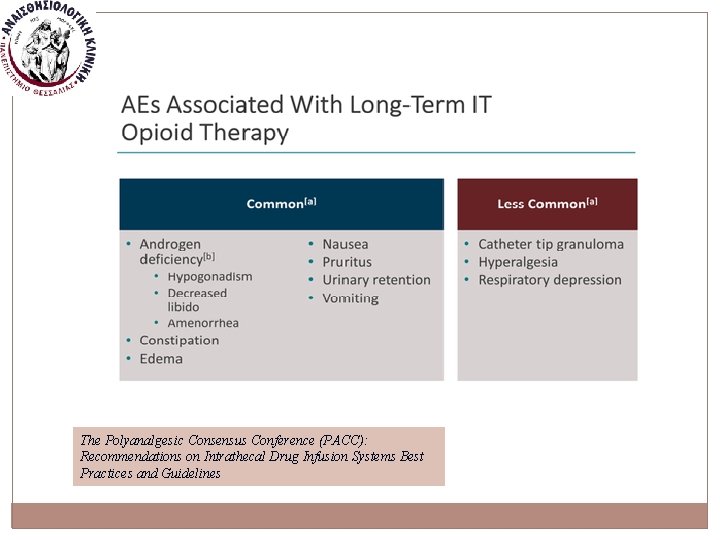
The Polyanalgesic Consensus Conference (PACC): Recommendations on Intrathecal Drug Infusion Systems Best Practices and Guidelines
The Polyanalgesic Consensus Conference (PACC): Recommendations on Intrathecal Drug Infusion Systems Best Practices and Guidelines
The Polyanalgesic Consensus Conference (PACC): Recommendations on Intrathecal Drug Infusion Systems Best Practices and Guidelines
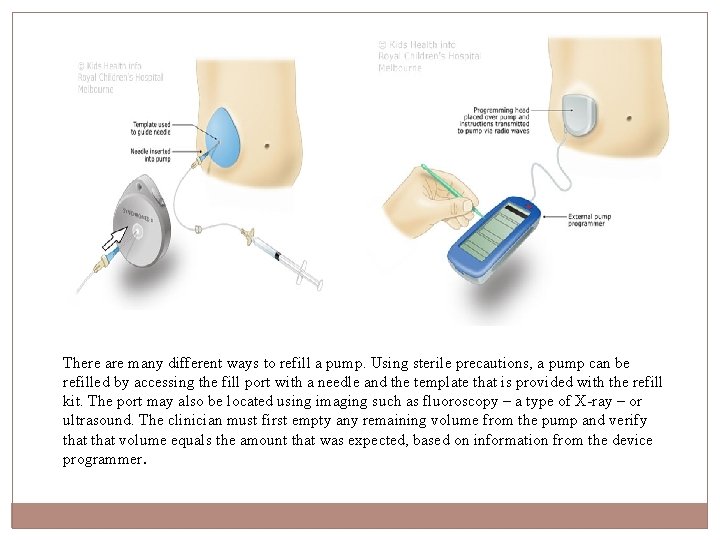
There are many different ways to refill a pump. Using sterile precautions, a pump can be refilled by accessing the fill port with a needle and the template that is provided with the refill kit. The port may also be located using imaging such as fluoroscopy – a type of X-ray – or ultrasound. The clinician must first empty any remaining volume from the pump and verify that volume equals the amount that was expected, based on information from the device programmer.
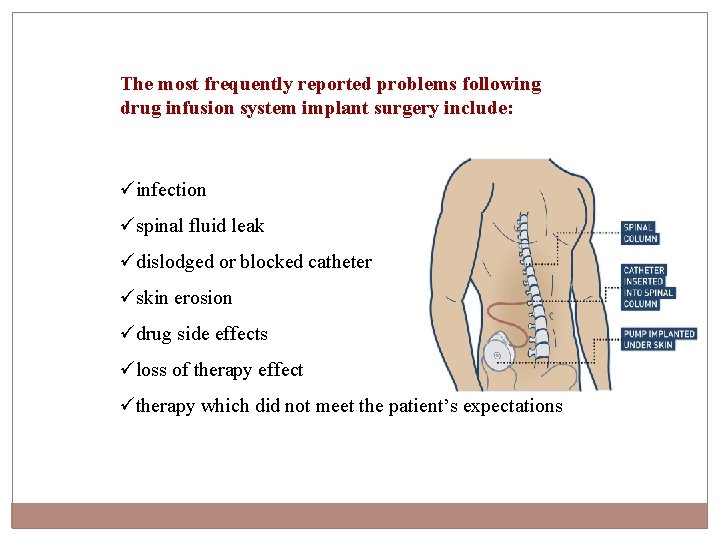
The most frequently reported problems following drug infusion system implant surgery include: üinfection üspinal fluid leak üdislodged or blocked catheter üskin erosion üdrug side effects üloss of therapy effect ütherapy which did not meet the patient’s expectations
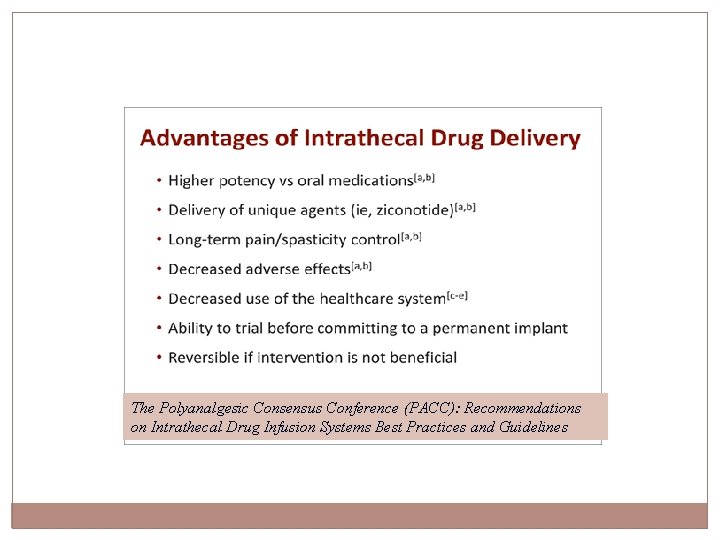
The Polyanalgesic Consensus Conference (PACC): Recommendations on Intrathecal Drug Infusion Systems Best Practices and Guidelines
The Polyanalgesic Consensus Conference (PACC): Recommendations on Intrathecal Drug Infusion Systems Best Practices and Guidelines
The Polyanalgesic Consensus Conference (PACC): Recommendations on Intrathecal Drug Infusion Systems Best Practices and Guidelines
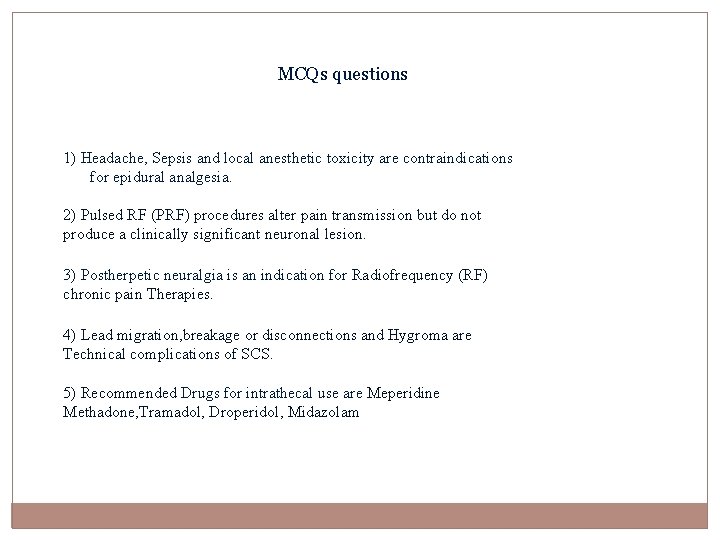
MCQs questions 1) Headache, Sepsis and local anesthetic toxicity are contraindications for epidural analgesia. 2) Pulsed RF (PRF) procedures alter pain transmission but do not produce a clinically significant neuronal lesion. 3) Postherpetic neuralgia is an indication for Radiofrequency (RF) chronic pain Therapies. 4) Lead migration, breakage or disconnections and Hygroma are Technical complications of SCS. 5) Recommended Drugs for intrathecal use are Meperidine Methadone, Tramadol, Droperidol, Midazolam
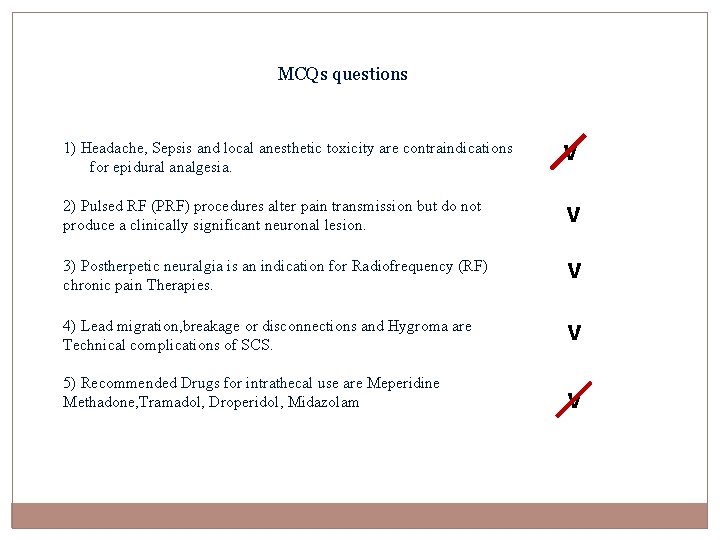
MCQs questions 1) Headache, Sepsis and local anesthetic toxicity are contraindications for epidural analgesia. ν 2) Pulsed RF (PRF) procedures alter pain transmission but do not ν produce a clinically significant neuronal lesion. ν 3) Postherpetic neuralgia is an indication for Radiofrequency (RF) chronic pain Therapies. ν 4) Lead migration, breakage or disconnections and Hygroma are Technical complications of SCS. ν 5) Recommended Drugs for intrathecal use are Meperidine Methadone, Tramadol, Droperidol, Midazolam ν