
INTRODUCTION UNIFYING THEMES OF BIOLOGY Chapter 1 Inquiring
INTRODUCTION: UNIFYING THEMES OF BIOLOGY Chapter 1
Inquiring About the Natural World • Biology is the scientific study of life • Evolution is the basic principle of biology • Scientific Inquiry is how we approach the study of life
Study of Life • Look at the natural world by studying what living things do. • Diversity and complexity • How things are connected
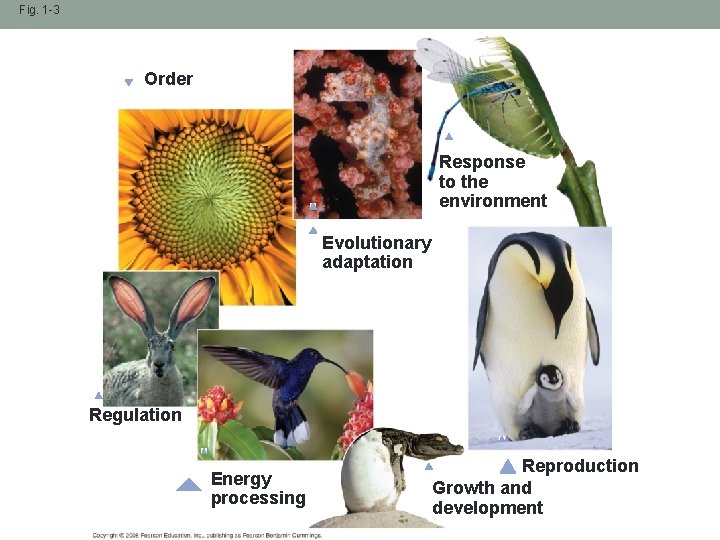
Fig. 1 -3 Order Response to the environment Evolutionary adaptation Regulation Energy processing Reproduction Growth and development
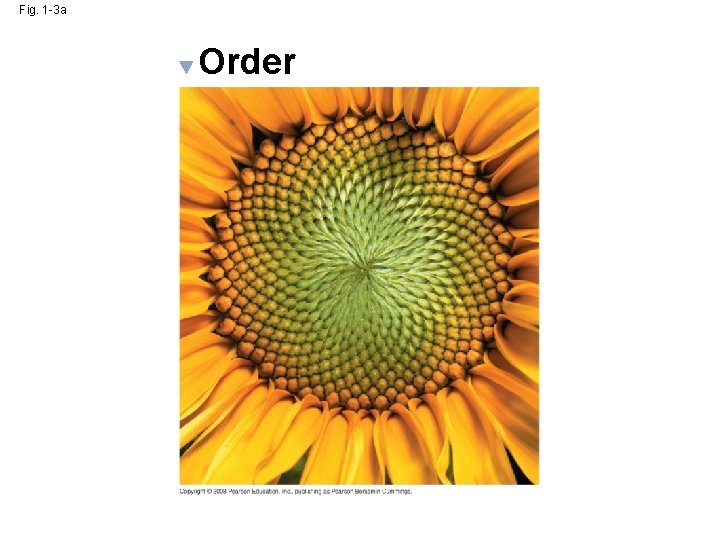
Fig. 1 -3 a Order
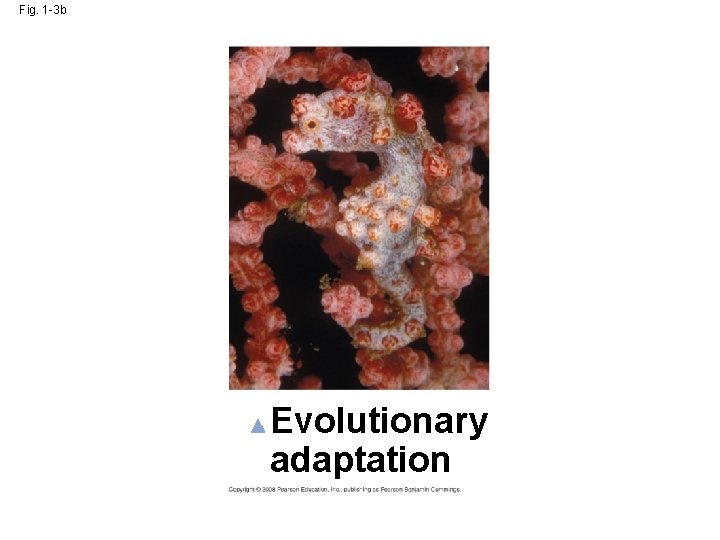
Fig. 1 -3 b Evolutionary adaptation
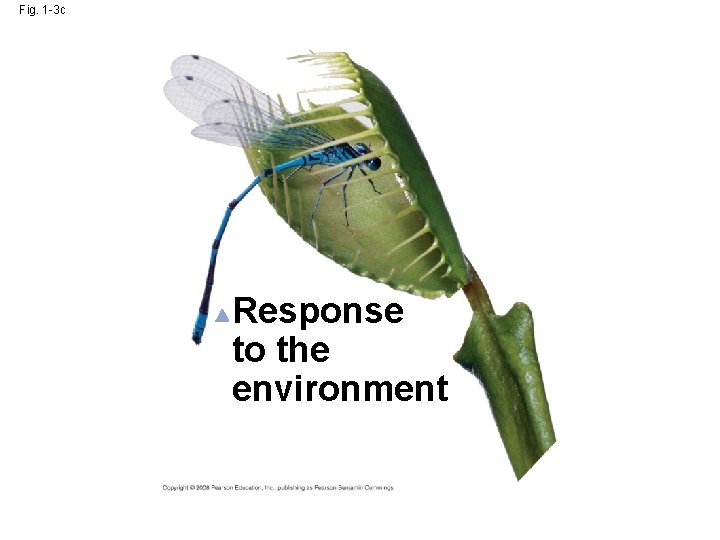
Fig. 1 -3 c Response to the environment
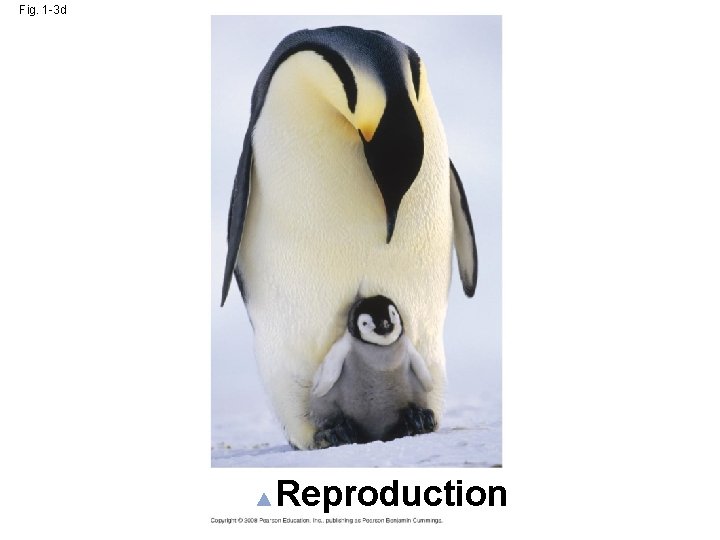
Fig. 1 -3 d Reproduction
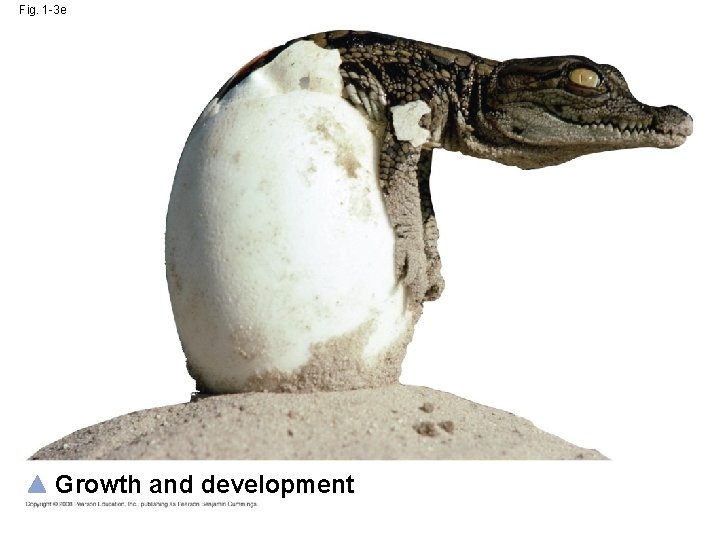
Fig. 1 -3 e Growth and development
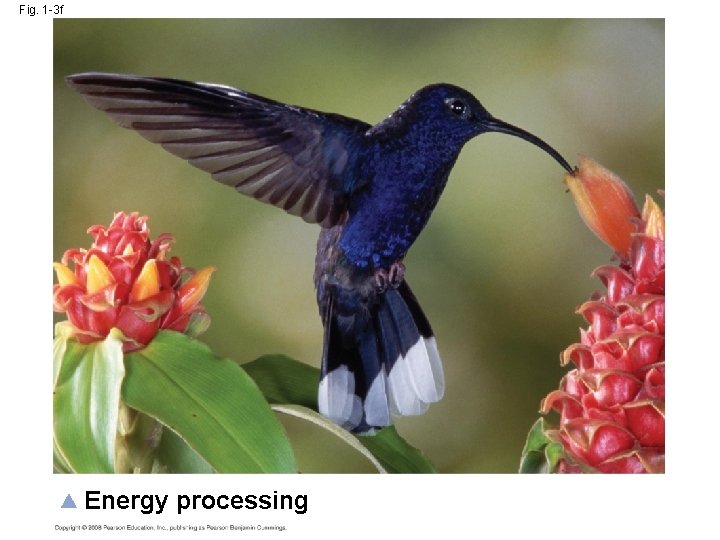
Fig. 1 -3 f Energy processing
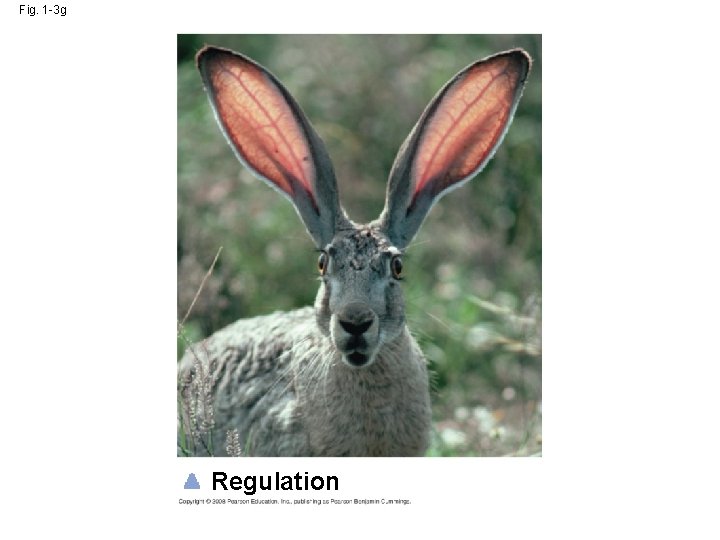
Fig. 1 -3 g Regulation
Connecting Themes: Big Ideas • More than just memorizing details • Themes or Big Ideas will help you organize the information.
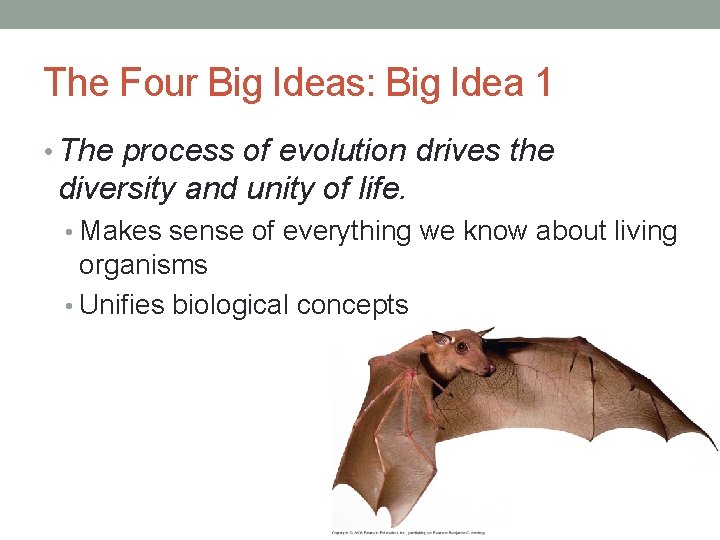
The Four Big Ideas: Big Idea 1 • The process of evolution drives the diversity and unity of life. • Makes sense of everything we know about living organisms • Unifies biological concepts
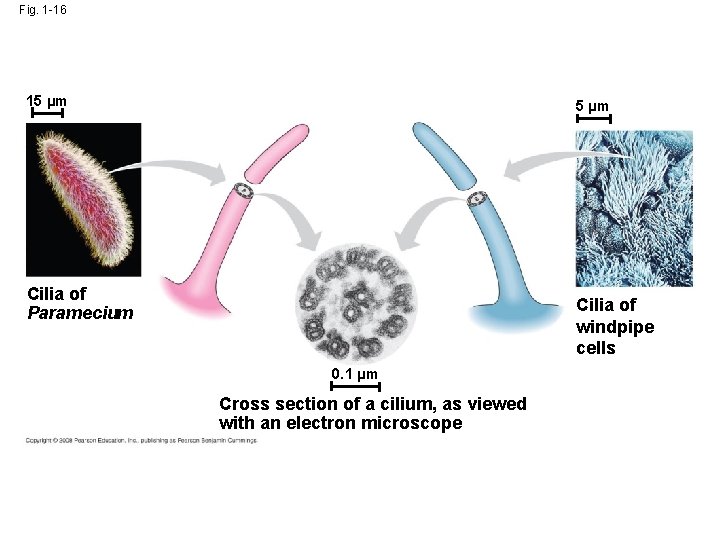
Fig. 1 -16 15 µm Cilia of Paramecium Cilia of windpipe cells 0. 1 µm Cross section of a cilium, as viewed with an electron microscope
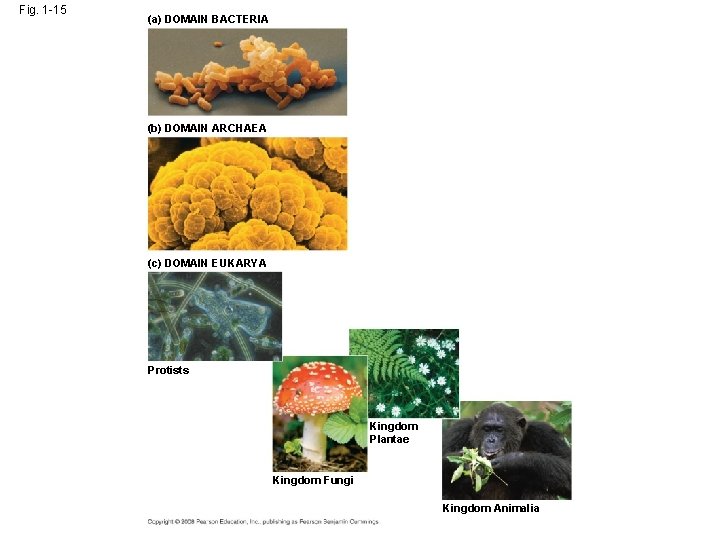
Fig. 1 -15 (a) DOMAIN BACTERIA (b) DOMAIN ARCHAEA (c) DOMAIN EUKARYA Protists Kingdom Plantae Kingdom Fungi Kingdom Animalia
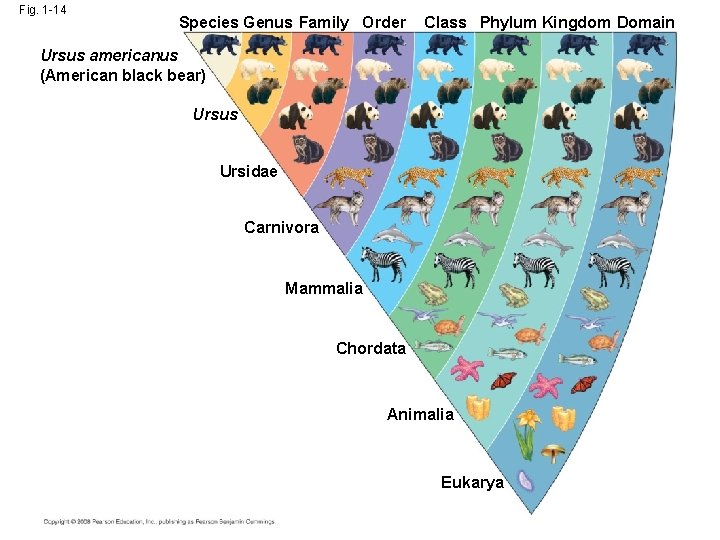
Fig. 1 -14 Species Genus Family Order Class Phylum Kingdom Domain Ursus americanus (American black bear) Ursus Ursidae Carnivora Mammalia Chordata Animalia Eukarya
The Four Big Ideas: Big Idea 2 • Biological Systems utilize free energy and molecular building blocks to grow, to reproduce, and to maintain homeostasis. • What are systems?
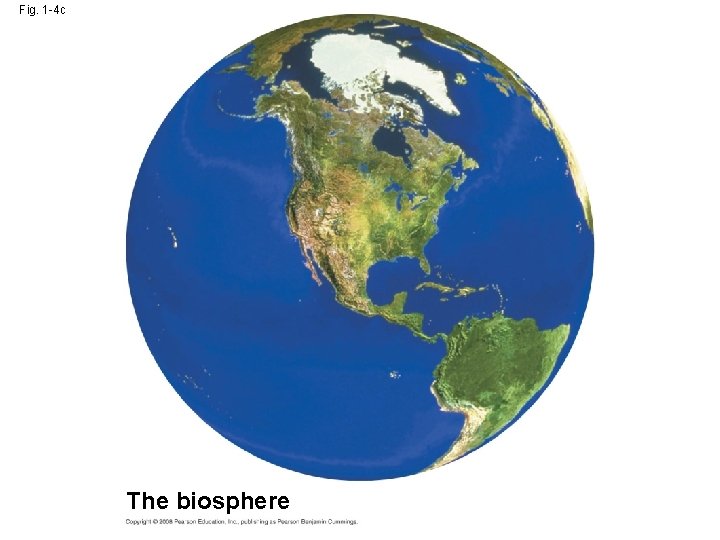
Fig. 1 -4 c The biosphere
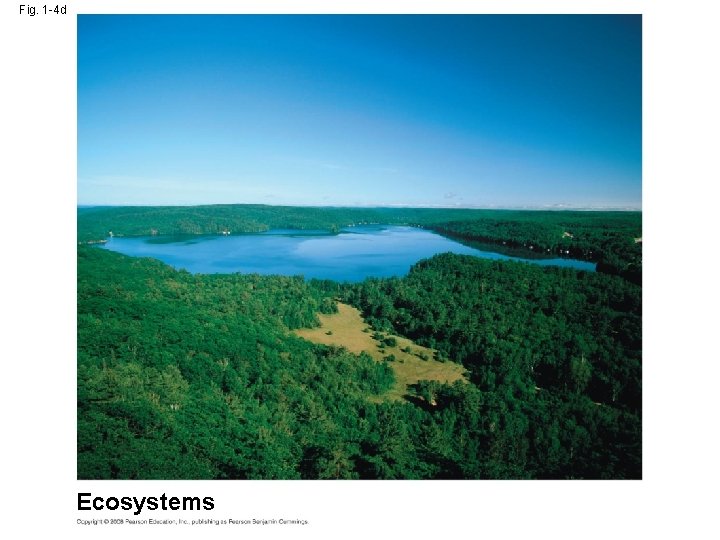
Fig. 1 -4 d Ecosystems
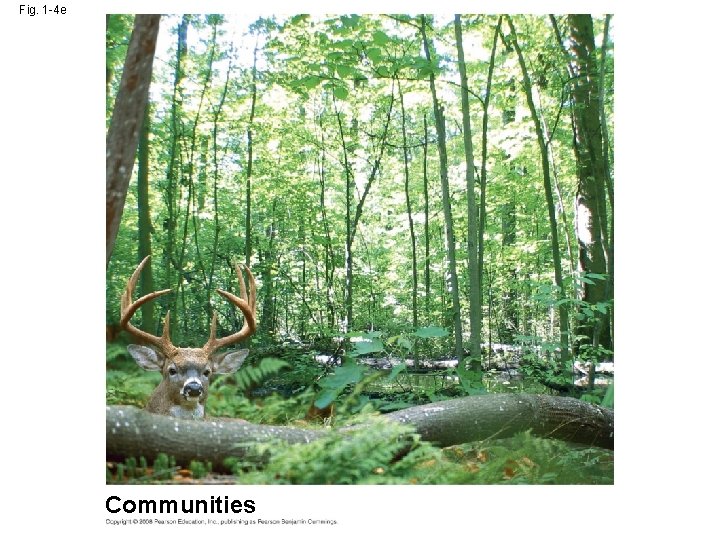
Fig. 1 -4 e Communities
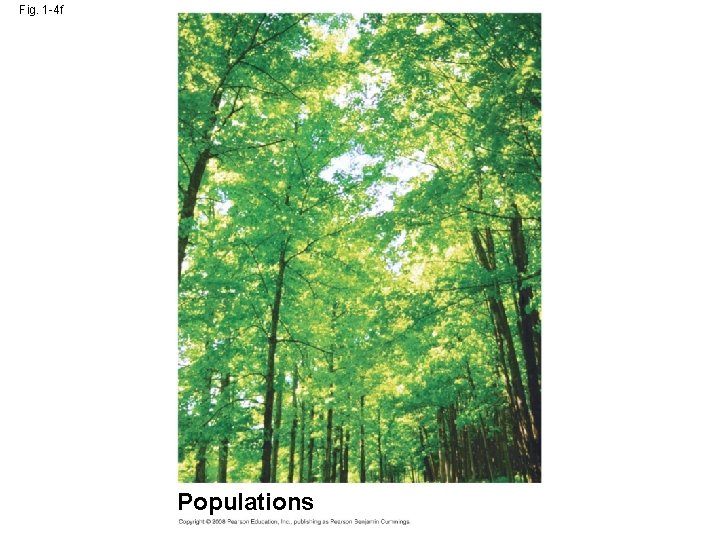
Fig. 1 -4 f Populations
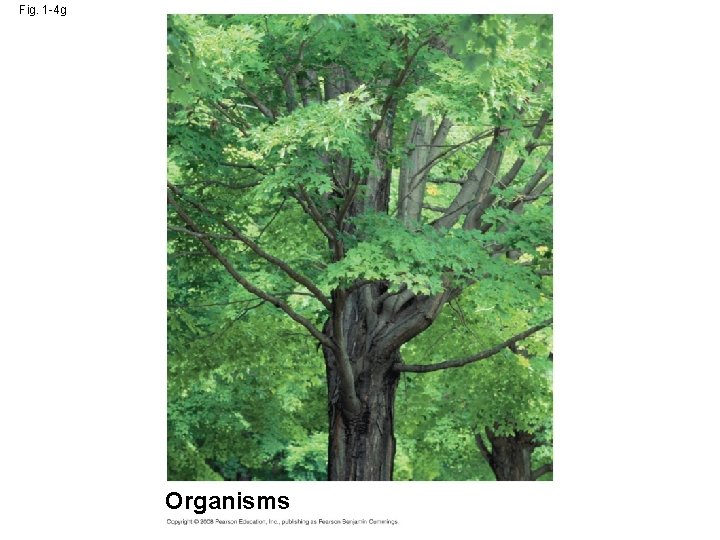
Fig. 1 -4 g Organisms
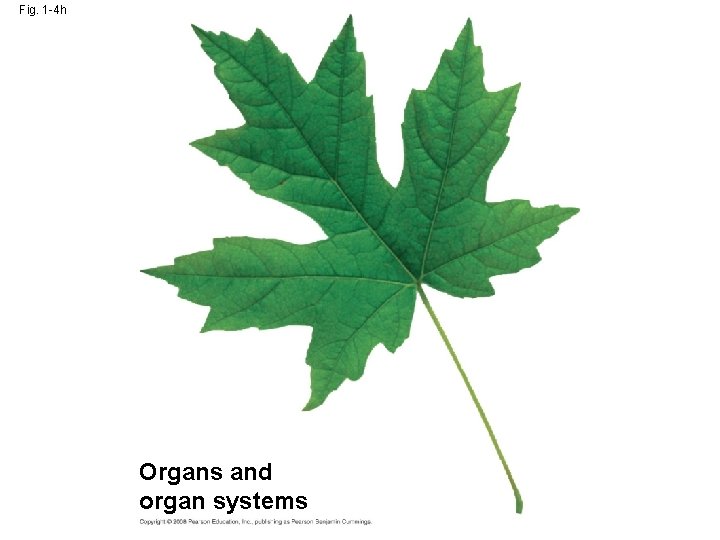
Fig. 1 -4 h Organs and organ systems
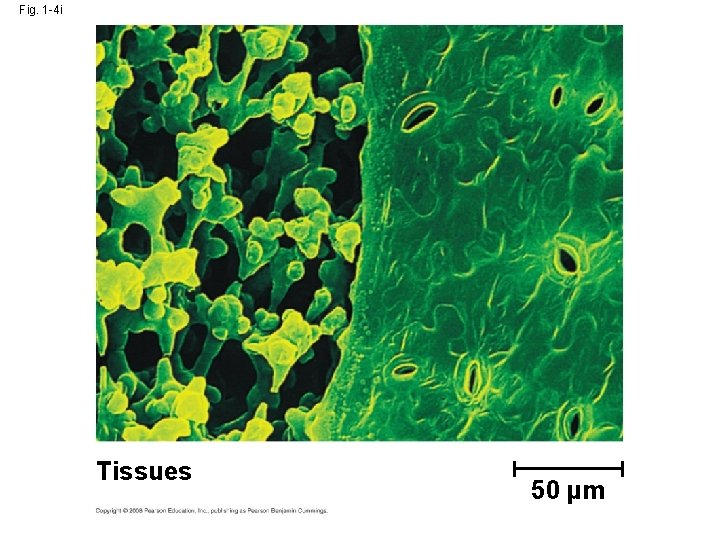
Fig. 1 -4 i Tissues 50 µm
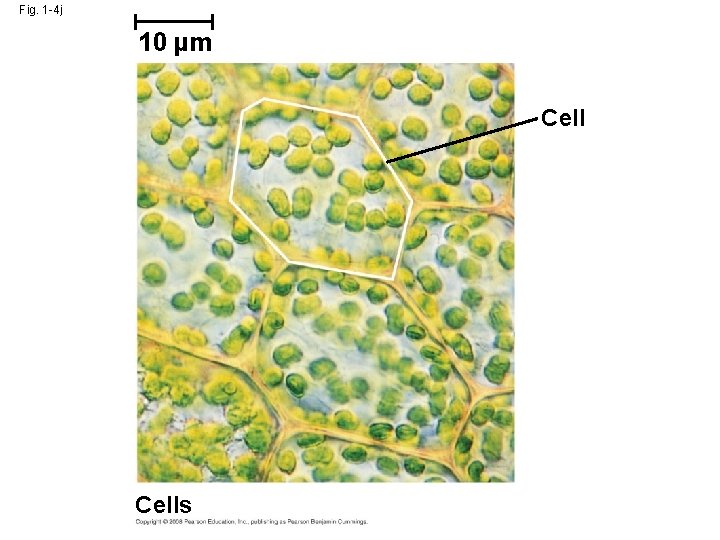
Fig. 1 -4 j 10 µm Cells
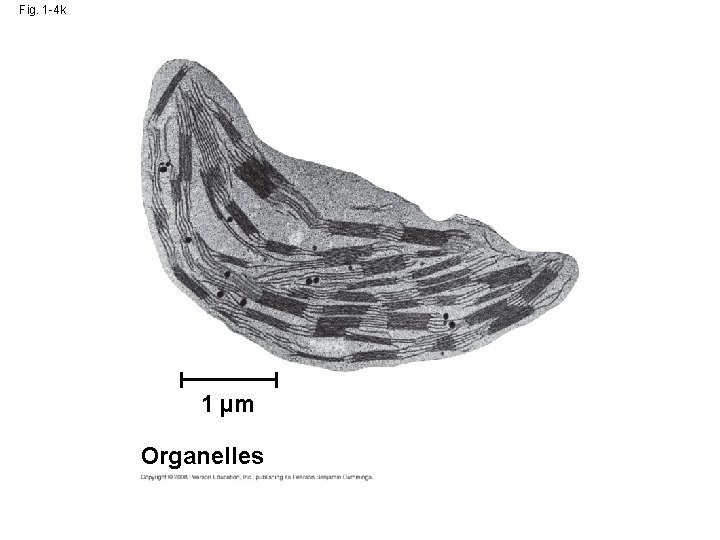
Fig. 1 -4 k 1 µm Organelles
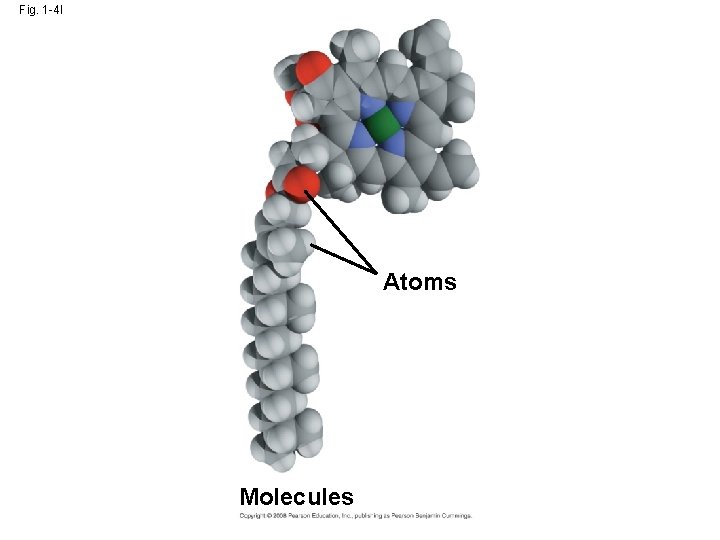
Fig. 1 -4 l Atoms Molecules
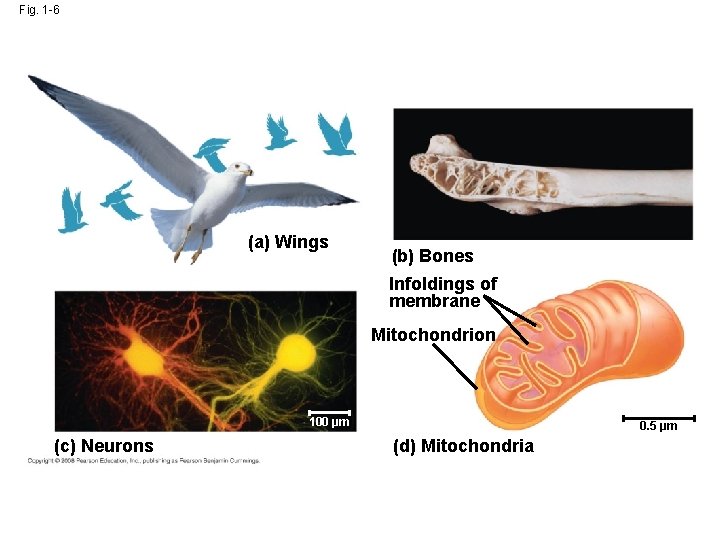
Fig. 1 -6 (a) Wings (b) Bones Infoldings of membrane Mitochondrion 100 µm (c) Neurons 0. 5 µm (d) Mitochondria
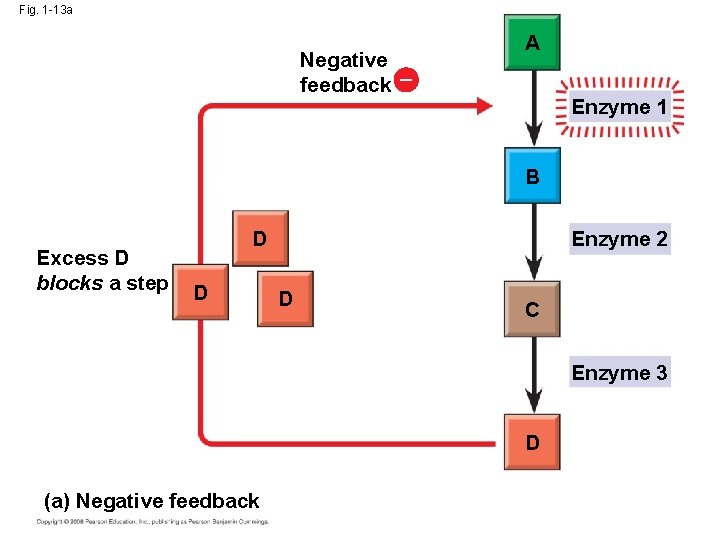
Fig. 1 -13 a Negative feedback – A Enzyme 1 B Excess D blocks a step D D Enzyme 2 D C Enzyme 3 D (a) Negative feedback
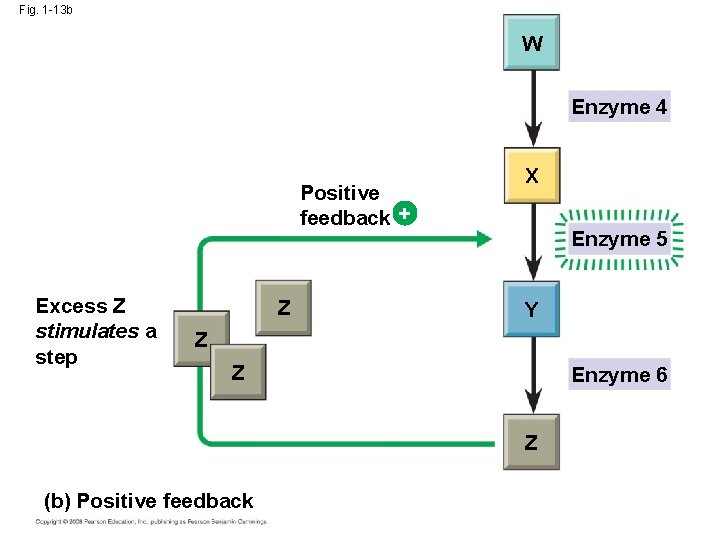
Fig. 1 -13 b W Enzyme 4 Positive feedback + Excess Z stimulates a step Z X Enzyme 5 Y Z Z Enzyme 6 Z (b) Positive feedback
The Four Big Ideas: Big Idea 3 • Living systems store, retrieve, transmit, and respond to life processes.
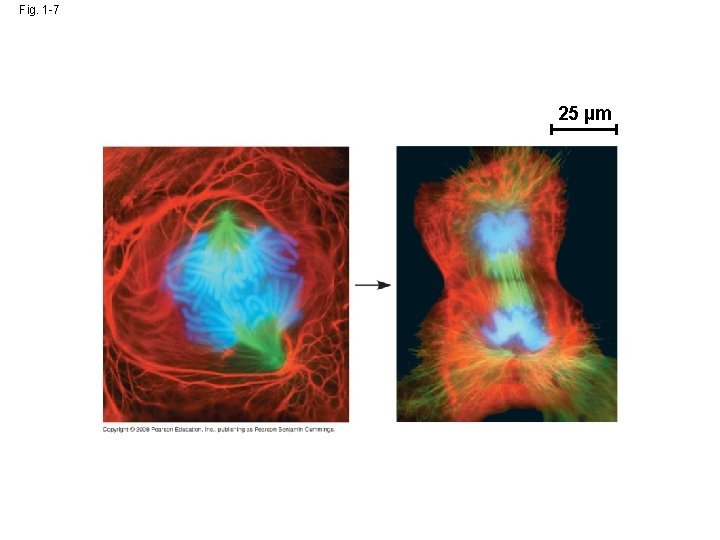
Fig. 1 -7 25 µm
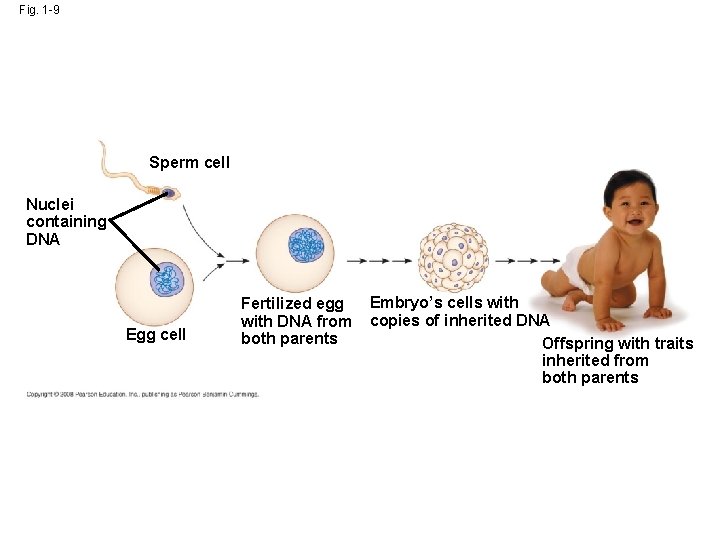
Fig. 1 -9 Sperm cell Nuclei containing DNA Egg cell Fertilized egg with DNA from both parents Embryo’s cells with copies of inherited DNA Offspring with traits inherited from both parents
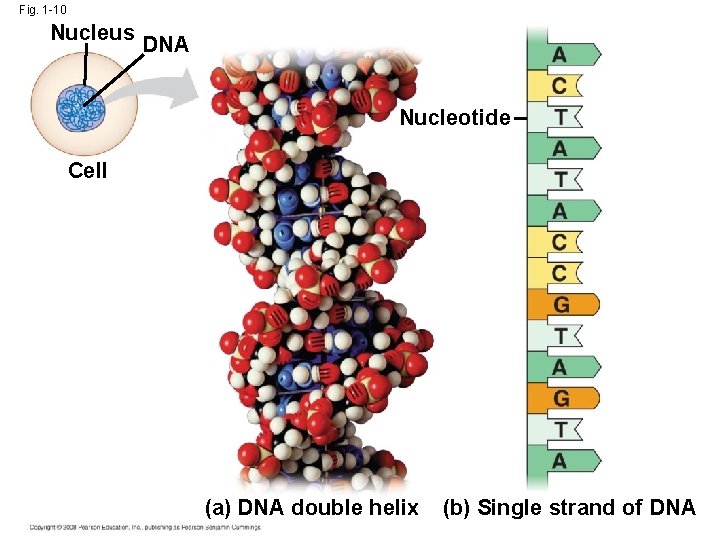
Fig. 1 -10 Nucleus DNA Nucleotide Cell (a) DNA double helix (b) Single strand of DNA
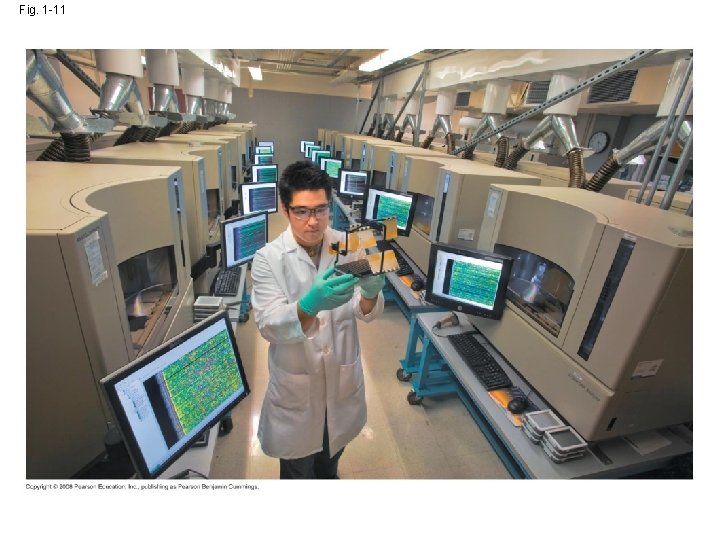
Fig. 1 -11
The Four Big Ideas: Big Idea 4 • Biological systems interact, and these systems and their interactions possess complex processes.
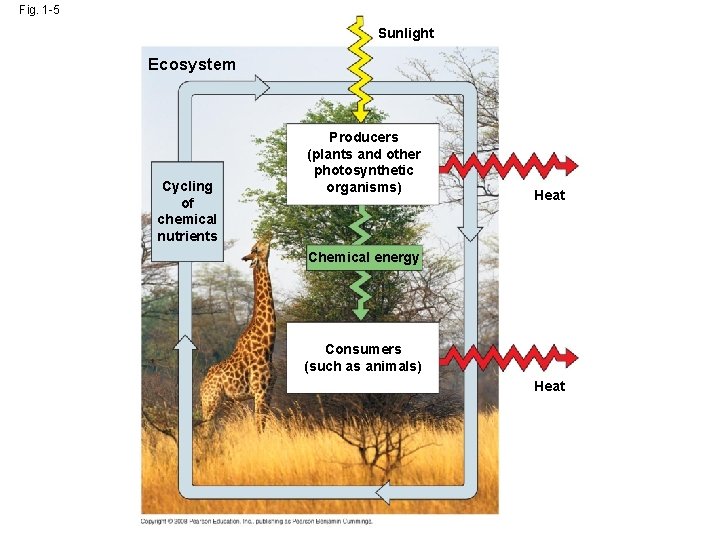
Fig. 1 -5 Sunlight Ecosystem Cycling of chemical nutrients Producers (plants and other photosynthetic organisms) Heat Chemical energy Consumers (such as animals) Heat
Scientific Inquiry • A search for information and explanation • What is the scientific method? • What are its components?
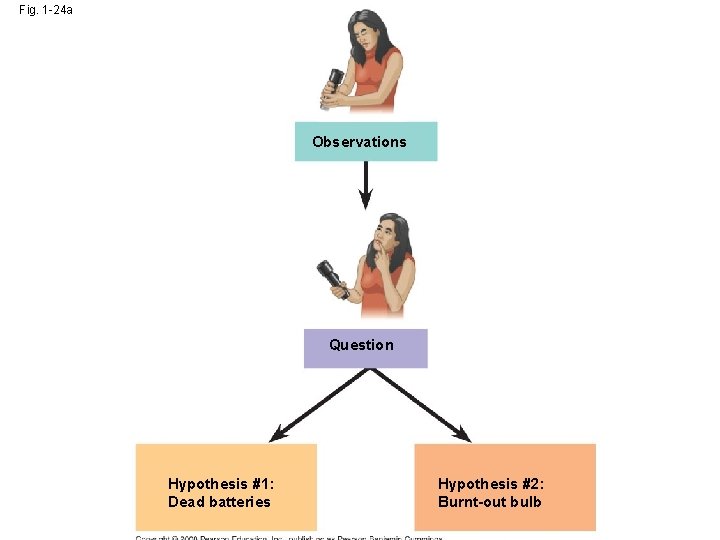
Fig. 1 -24 a Observations Question Hypothesis #1: Dead batteries Hypothesis #2: Burnt-out bulb
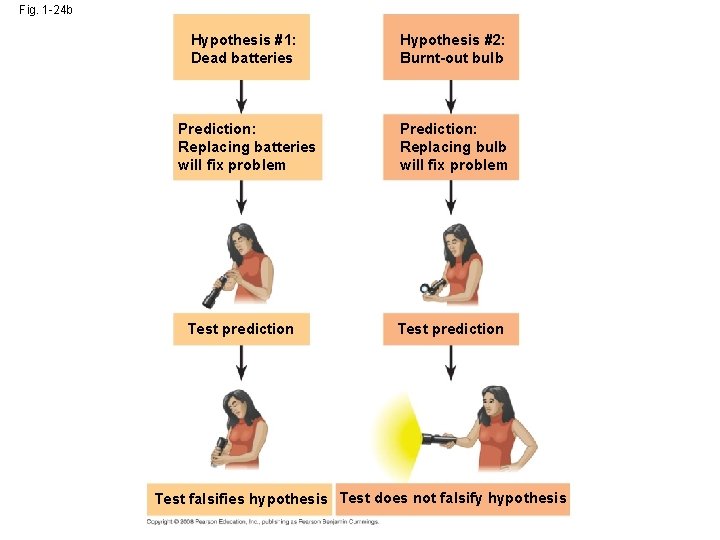
Fig. 1 -24 b Hypothesis #1: Dead batteries Hypothesis #2: Burnt-out bulb Prediction: Replacing batteries will fix problem Prediction: Replacing bulb will fix problem Test prediction Test falsifies hypothesis Test does not falsify hypothesis
- Slides: 40