
Introduction to Virus Structure and Diversity By Dr
Introduction to Virus Structure and Diversity By: Dr. Laxmi Kant Pandey
What is Virus…? • A virus is a biological agent of microscopic size that reproduce inside the cells of living host (humans, animals, plants, bacteria).
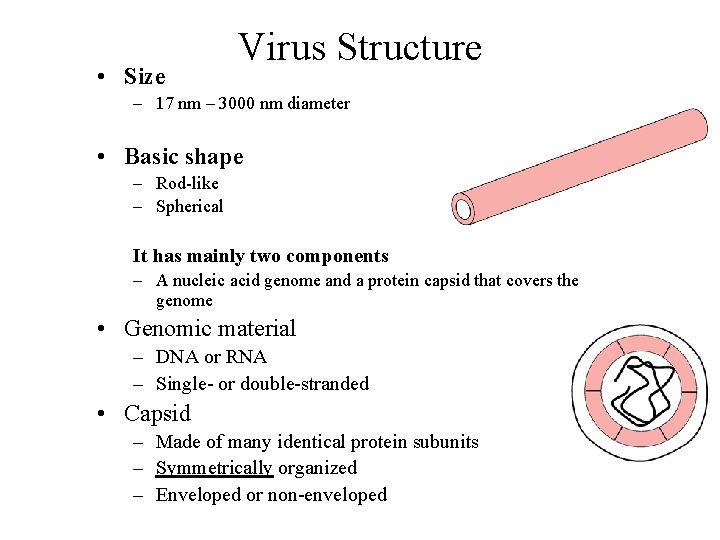
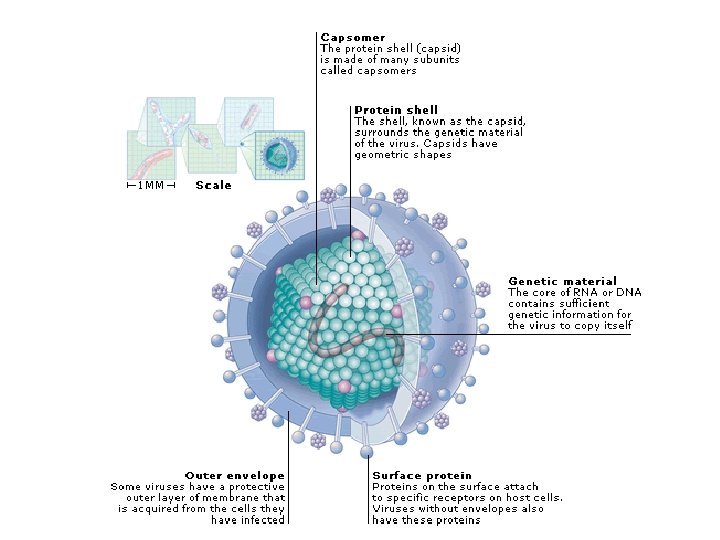
• Size Virus Structure – 17 nm – 3000 nm diameter • Basic shape – Rod-like – Spherical It has mainly two components – A nucleic acid genome and a protein capsid that covers the genome • Genomic material – DNA or RNA – Single- or double-stranded • Capsid – Made of many identical protein subunits – Symmetrically organized – Enveloped or non-enveloped
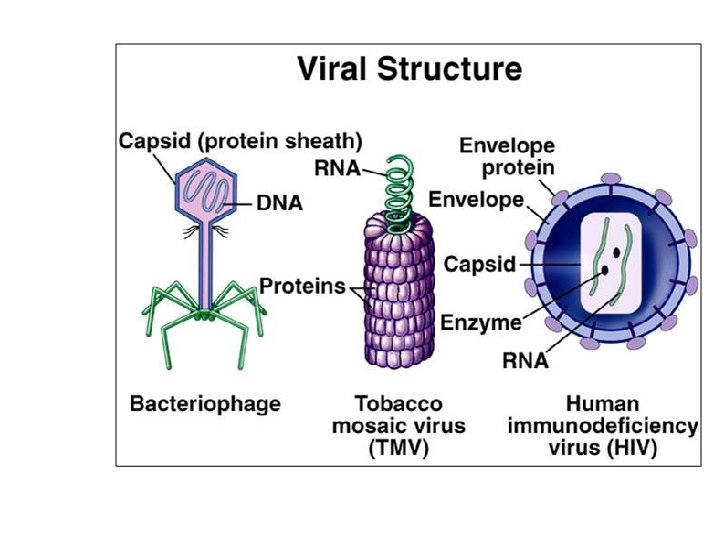
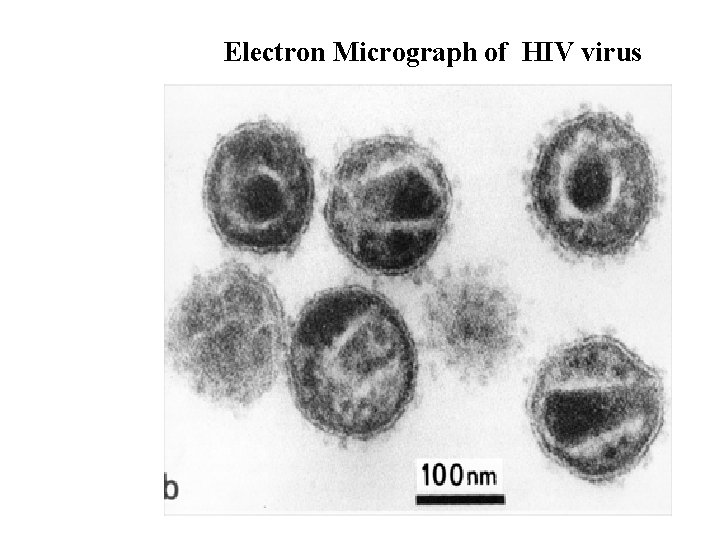
Electron Micrograph of HIV virus
Virus Structure • Virus capsids function in: – Packaging and protecting nucleic acid – Host cell recognition • Protein on coat or envelope “feels” or “recognizes” host cell receptors – Genomic material delivery • Enveloped: cell fusion event • Non-enveloped: more complex strategies & specialized structures
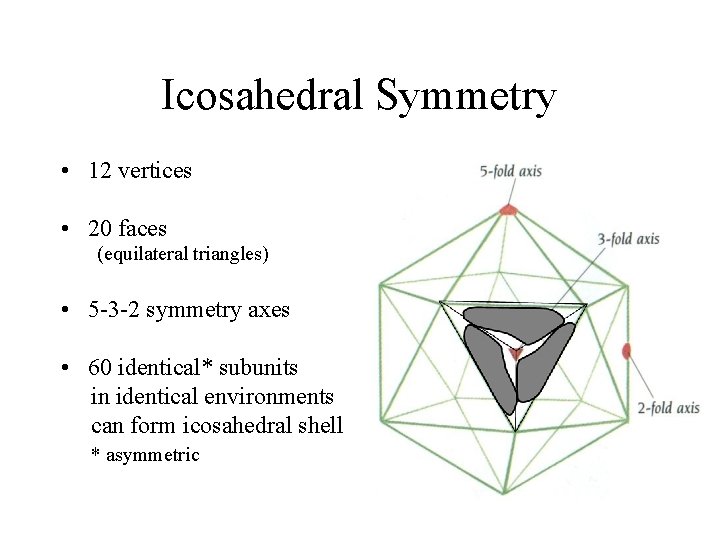
Icosahedral Symmetry • 12 vertices • 20 faces (equilateral triangles) • 5 -3 -2 symmetry axes • 60 identical* subunits in identical environments can form icosahedral shell * asymmetric

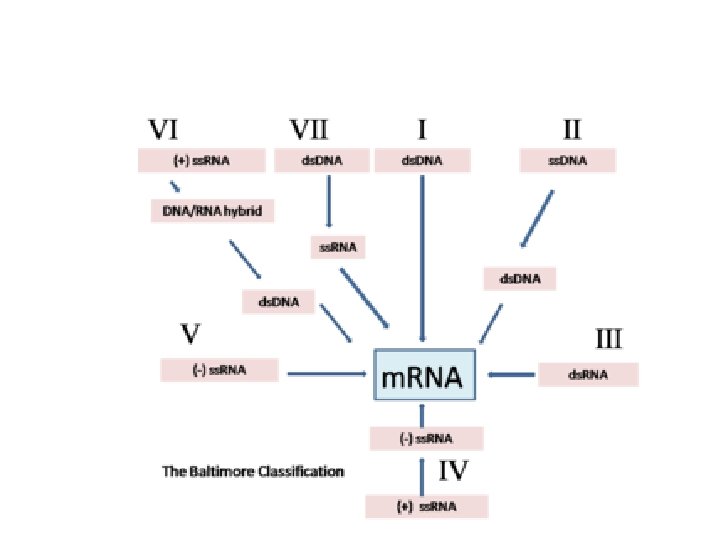
Baltimore classification of Virus • Baltimore classify viruses in to 7 groups • It is based on 1. Nucleic acid (DNA or RNA) 2. Strandedness (ss or ds) 3. Sense (positive or negative) 4. Method of replication
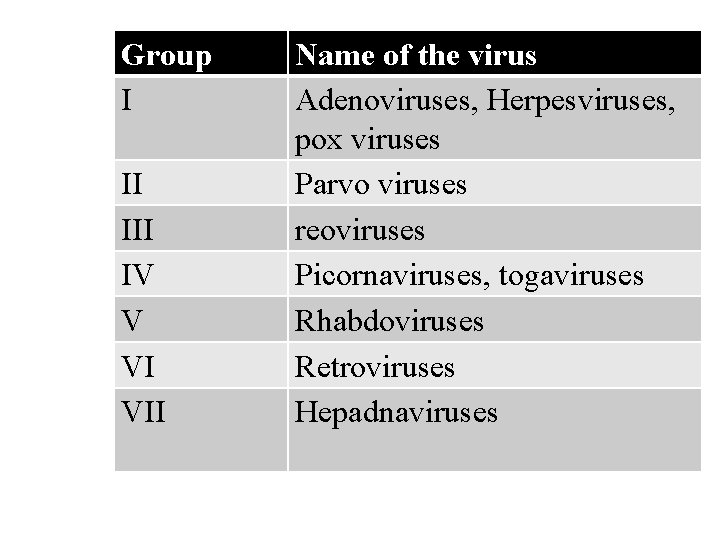
Group I II IV V VI VII Name of the virus Adenoviruses, Herpesviruses, pox viruses Parvo viruses reoviruses Picornaviruses, togaviruses Rhabdoviruses Retroviruses Hepadnaviruses
- Slides: 11