
Introduction to unit Welcome Expectation of Unit Assessment




- Slides: 34
Introduction to unit Welcome Expectation of Unit Assessment Requirements Todays Plan
Define Anatomy & Physiology Describe levels of body organisation Describe the 11 Body Systems & functions LEARNING OUTCOMES Describe sustainability of living organisms Identify principles of homeostasis Describe purpose of negative & positive feedback. State the Anatomical Position. Identify body cavities
Anatomy - Study of Body Structure Studies of the Human Body Physiology - Study of Body Function Pathophysiology - Study of Disease
Aetiology Framework for Understanding Diseases Pathogenesis Complications Prognosis
Aetiology Genetic abnormalities Introduction to the Study of Illness Infection Chemicals Ionising radiation Physical trauma Degeneration Essential, Idiopathic or Spontaneous
• Pathogenesis –Inflammation Introduction to the Study of Illness Tumours Abnormal Immune Mechanisms Thrombosis, Embolism, Infarct Degeneration Metabolic Abnormalities Genetic Abnormalities
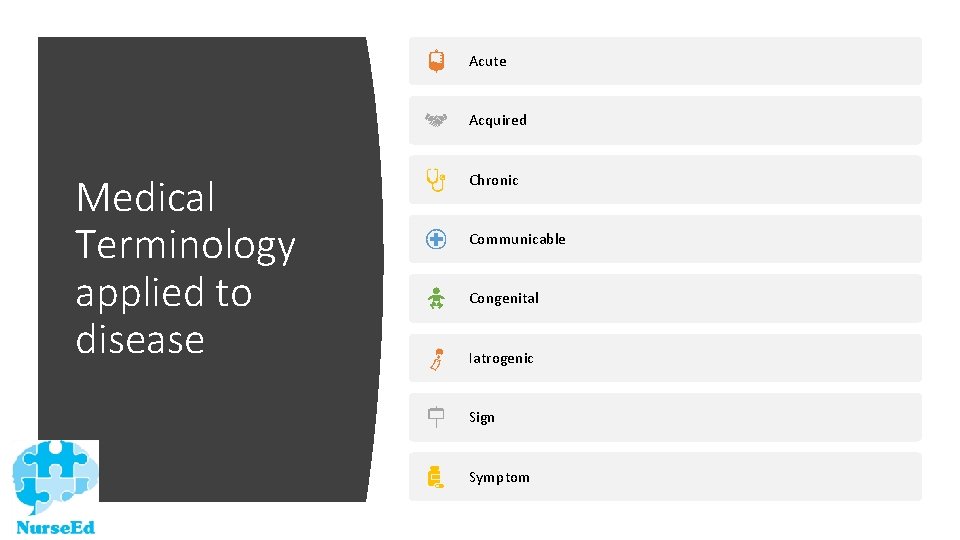
Acute Acquired Medical Terminology applied to disease Chronic Communicable Congenital Iatrogenic Sign Symptom
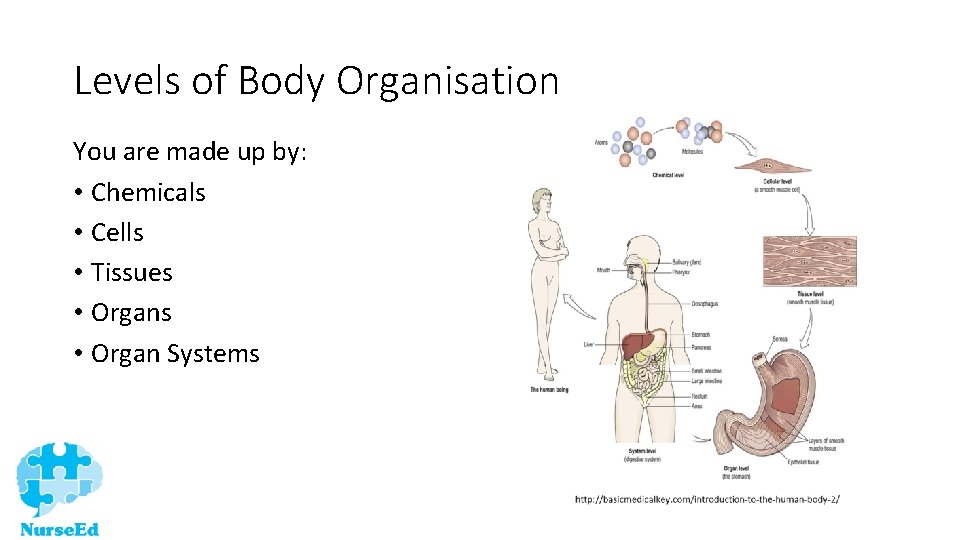
Levels of Body Organisation You are made up by: • Chemicals • Cells • Tissues • Organ Systems
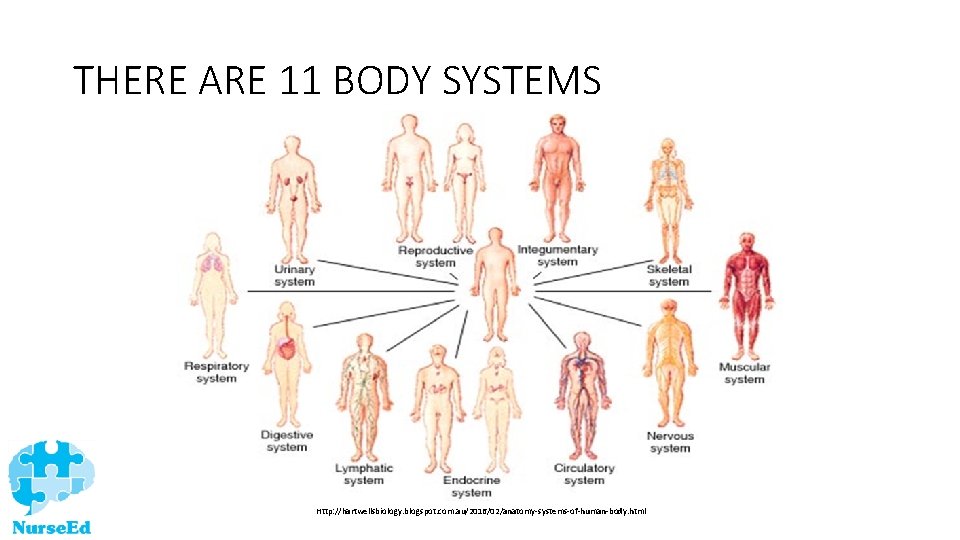
THERE ARE 11 BODY SYSTEMS Http: //hartwellsbiology. blogspot. com. au/2016/02/anatomy-systems-of-human-body. html
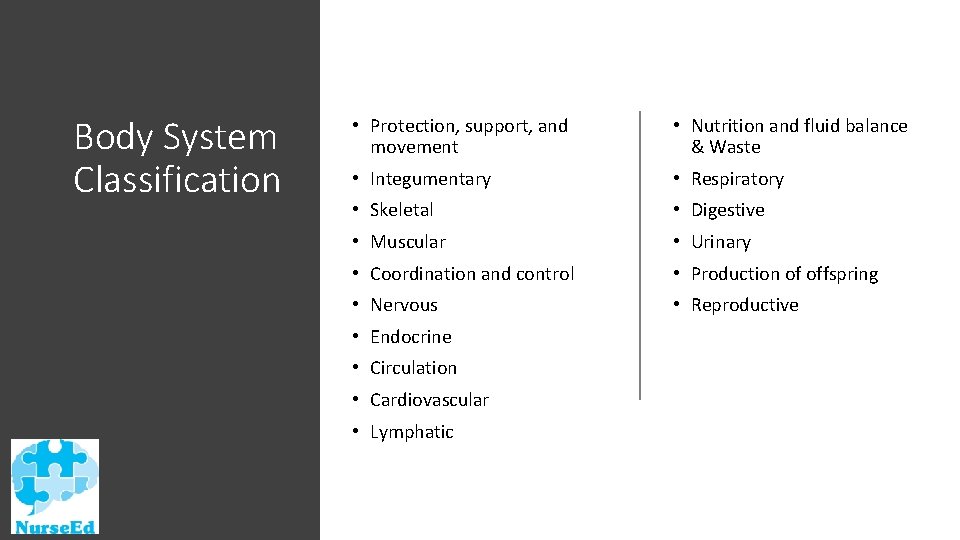
Body System Classification • Protection, support, and movement • Nutrition and fluid balance & Waste • Integumentary • Respiratory • Skeletal • Digestive • Muscular • Urinary • Coordination and control • Production of offspring • Nervous • Reproductive • Endocrine • Circulation • Cardiovascular • Lymphatic
Maintaining Life • Responsiveness (irritability) SURVIVAL NEEDS – • Movement • - Nutrients • Metabolism • - Oxygen • Digestion • - Water • Excretion • - Temperature • Growth • - Pressure • Reproduction
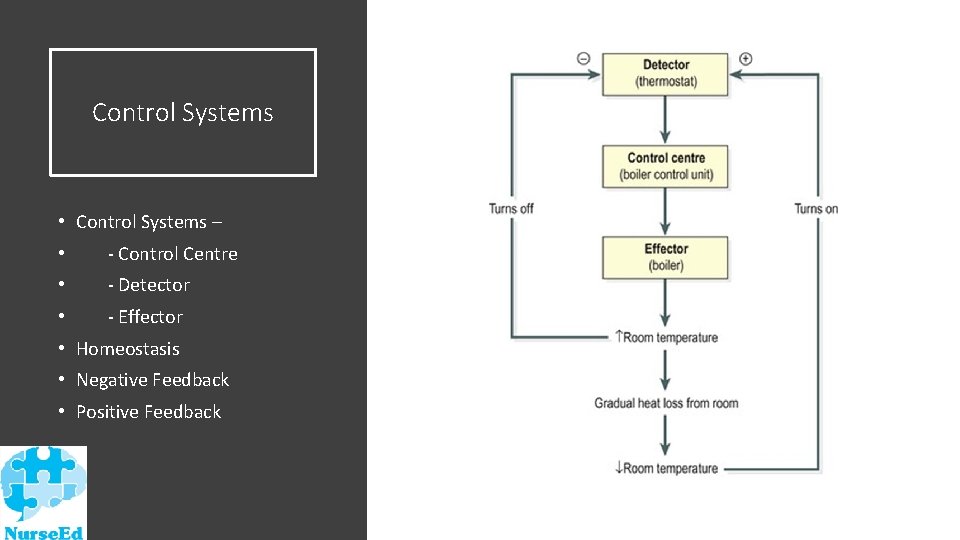
Control Systems • Control Systems – • - Control Centre • - Detector • - Effector • Homeostasis • Negative Feedback • Positive Feedback
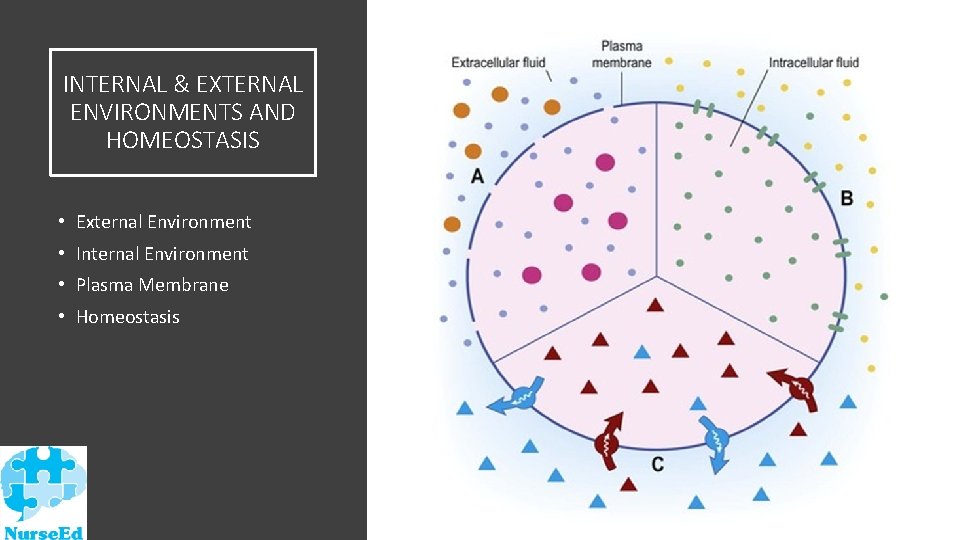
INTERNAL & EXTERNAL ENVIRONMENTS AND HOMEOSTASIS • External Environment • Internal Environment • Plasma Membrane • Homeostasis
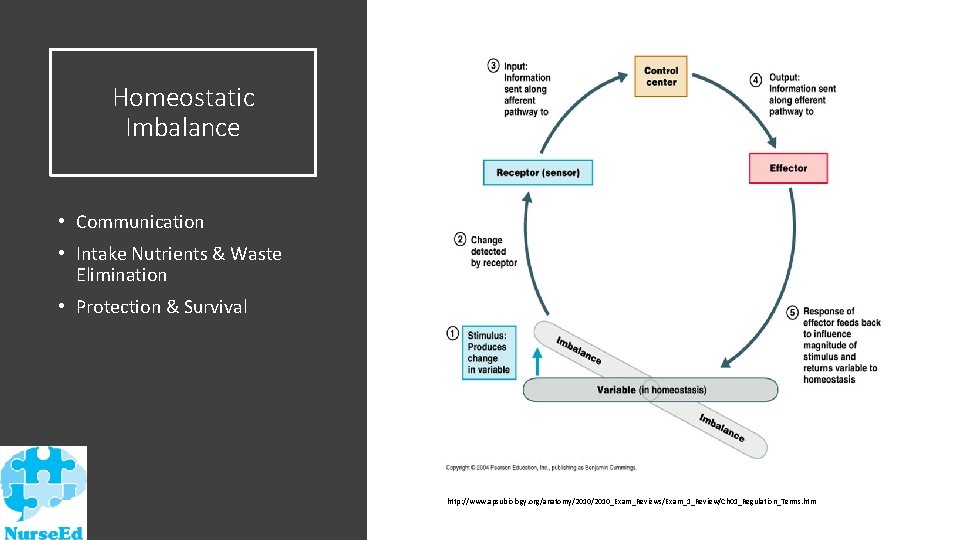
Homeostatic Imbalance • Communication • Intake Nutrients & Waste Elimination • Protection & Survival http: //www. apsubiology. org/anatomy/2010_Exam_Reviews/Exam_1_Review/Ch 01_Regulation_Terms. htm
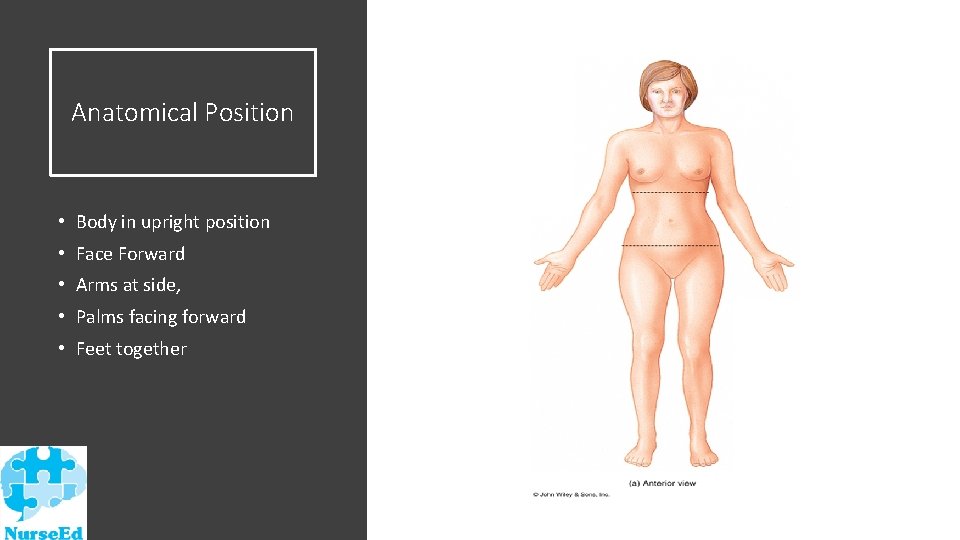
Anatomical Position • Body in upright position • Face Forward • Arms at side, • Palms facing forward • Feet together
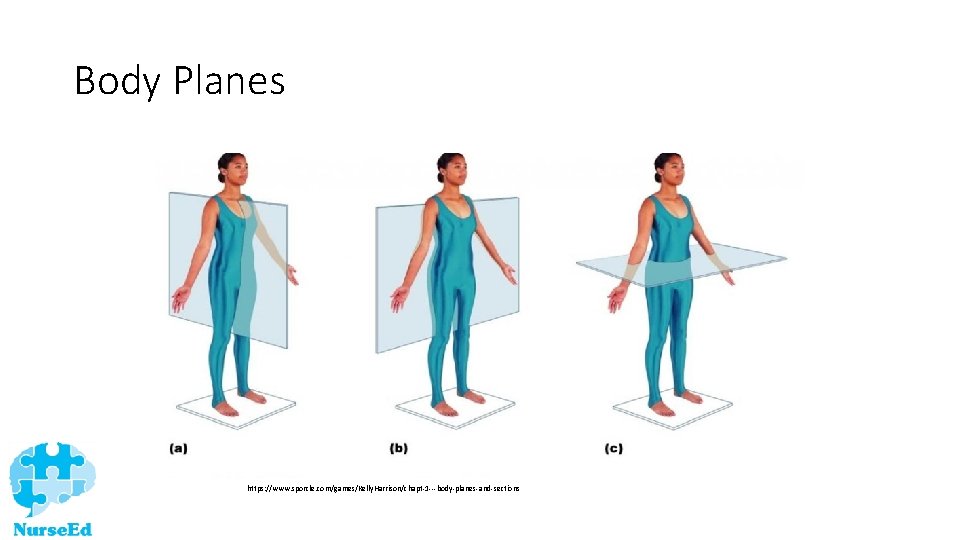
Body Planes https: //www. sporcle. com/games/Kelly. Harrison/chapt-1 ---body-planes-and-sections
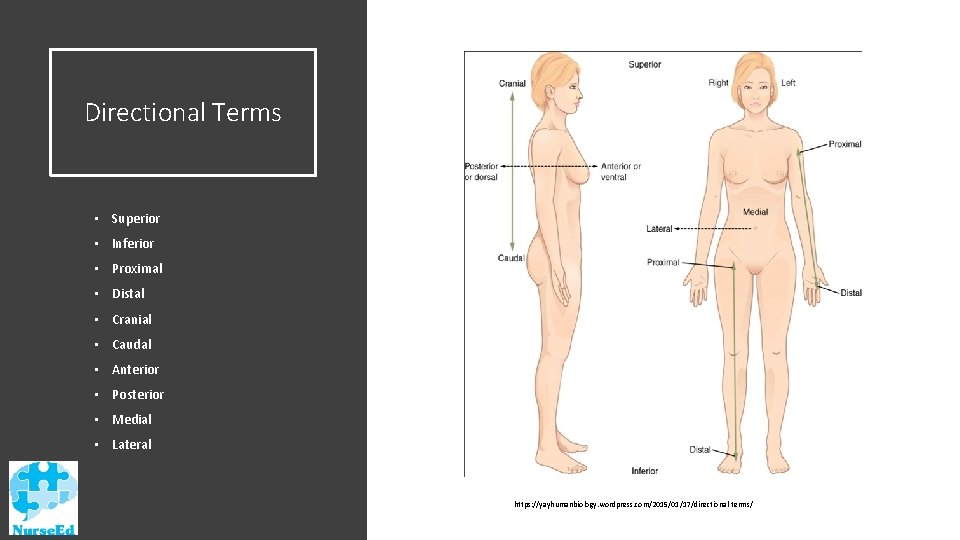
Directional Terms • Superior • Inferior • Proximal • Distal • Cranial • Caudal • Anterior • Posterior • Medial • Lateral https: //yayhumanbiology. wordpress. com/2015/01/17/directional-terms/
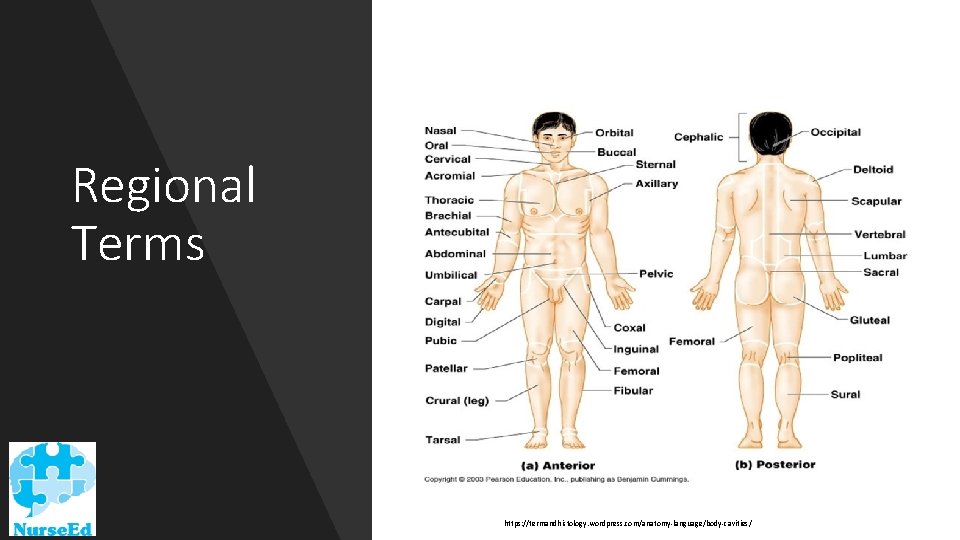
Regional Terms https: //termandhistology. wordpress. com/anatomy-language/body-cavities/
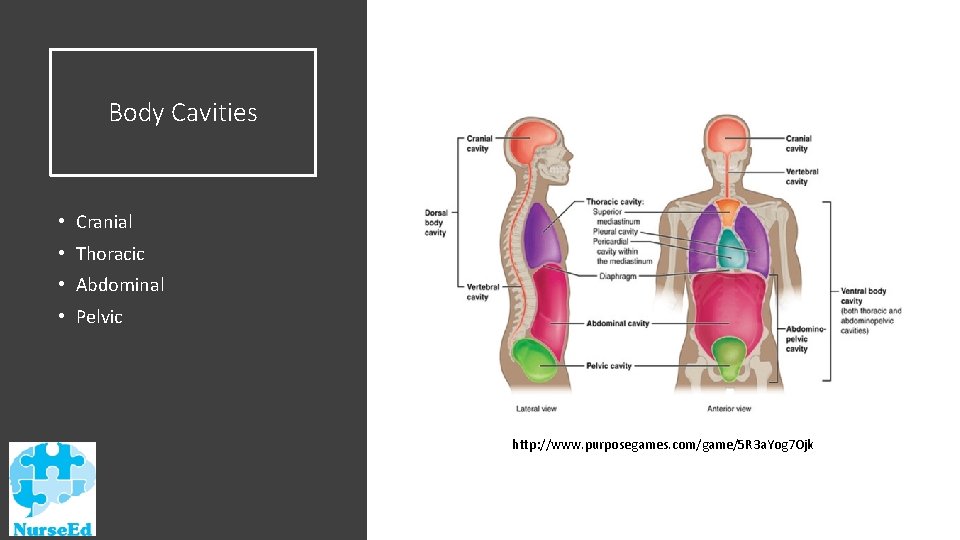
Body Cavities • Cranial • Thoracic • Abdominal • Pelvic http: //www. purposegames. com/game/5 R 3 a. Yog 7 Ojk
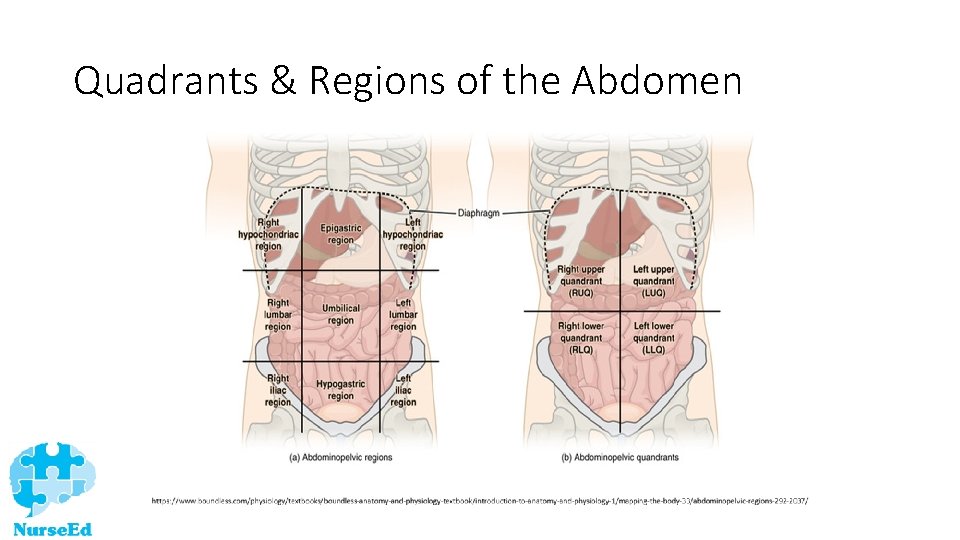
Quadrants & Regions of the Abdomen
• Physiological Changes • Common Consequences • Free radicals Introduction to Aging • Lysosomes – releasing enzymes • Mutation – may result in cancer • Slower Repair • Cells programmed – Age theory • Apoptosis • Phagocytes
Introduction to Aging http: //www. helpage. org/global-agewatch/population-ageing-data/population-ageing-map /
Describe four elements which form body matter Distinguish organic form inorganic compounds Chemistry of Life – Learning Outcomes Explain water balance and homeostasis Describe concept of p. H Scale, Acids & Bases Explain purpose of Carbohydrates, Lipids, Proteins in the body. Explain role of enzymes and ATP
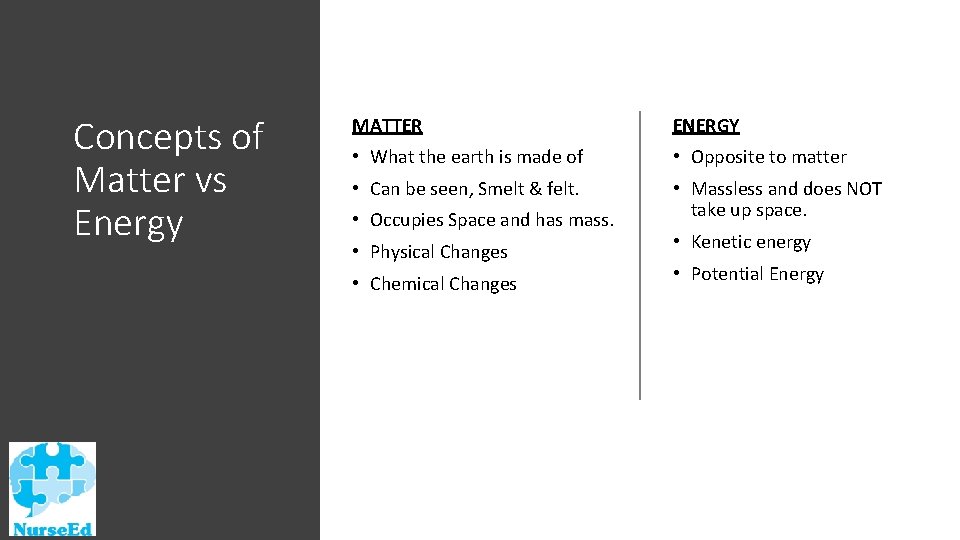
Concepts of Matter vs Energy MATTER ENERGY • What the earth is made of • Opposite to matter • Can be seen, Smelt & felt. • Massless and does NOT take up space. • Occupies Space and has mass. • Physical Changes • Chemical Changes • Kenetic energy • Potential Energy
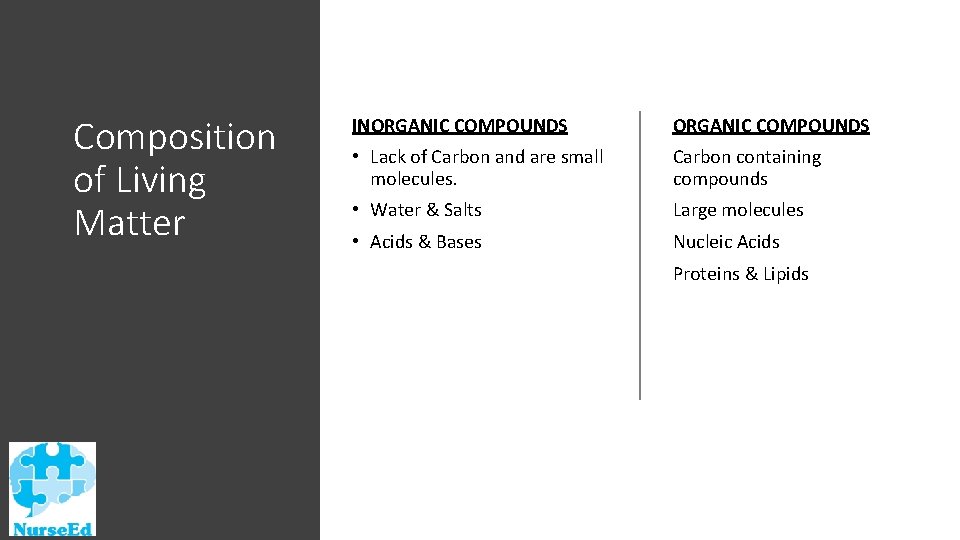
Composition of Living Matter INORGANIC COMPOUNDS • Lack of Carbon and are small molecules. Carbon containing compounds • Water & Salts Large molecules • Acids & Bases Nucleic Acids Proteins & Lipids
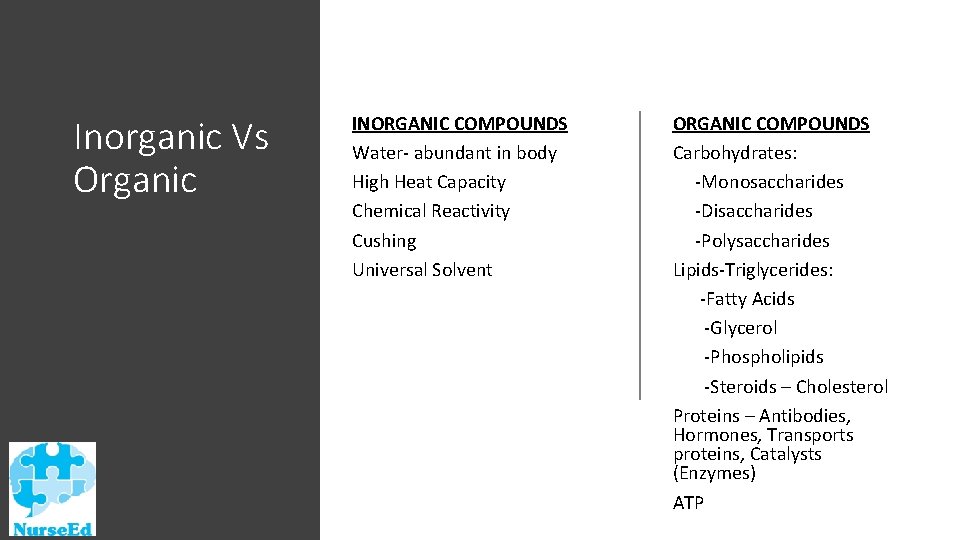
Inorganic Vs Organic INORGANIC COMPOUNDS Water- abundant in body High Heat Capacity Chemical Reactivity Cushing Universal Solvent ORGANIC COMPOUNDS Carbohydrates: -Monosaccharides -Disaccharides -Polysaccharides Lipids-Triglycerides: -Fatty Acids -Glycerol -Phospholipids -Steroids – Cholesterol Proteins – Antibodies, Hormones, Transports proteins, Catalysts (Enzymes) ATP
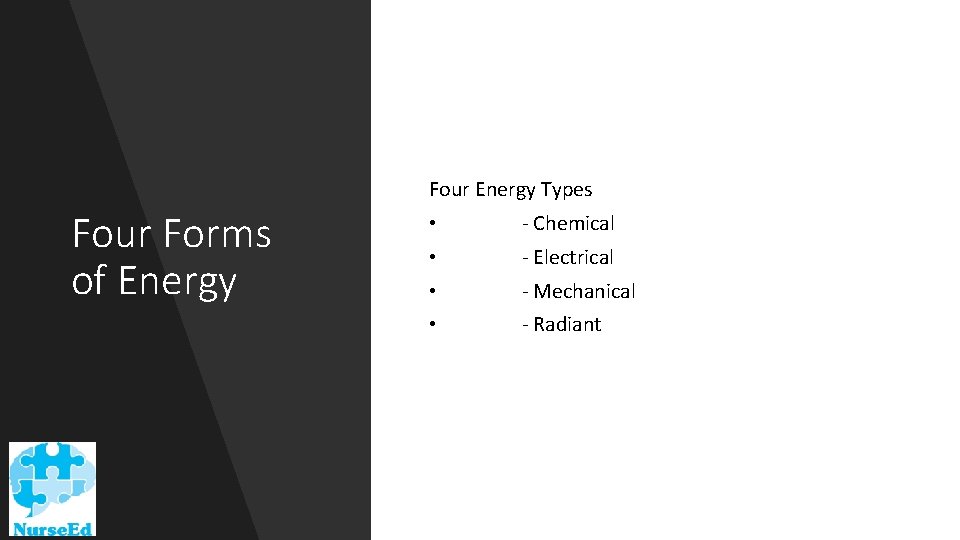
Four Energy Types Four Forms of Energy • - Chemical • - Electrical • - Mechanical • - Radiant
Atomic Structure Atomic Weight & Number Atoms, Molecules & Compounds Molecules and Compounds Electrolytes Measurement of Substances in Body Fluids
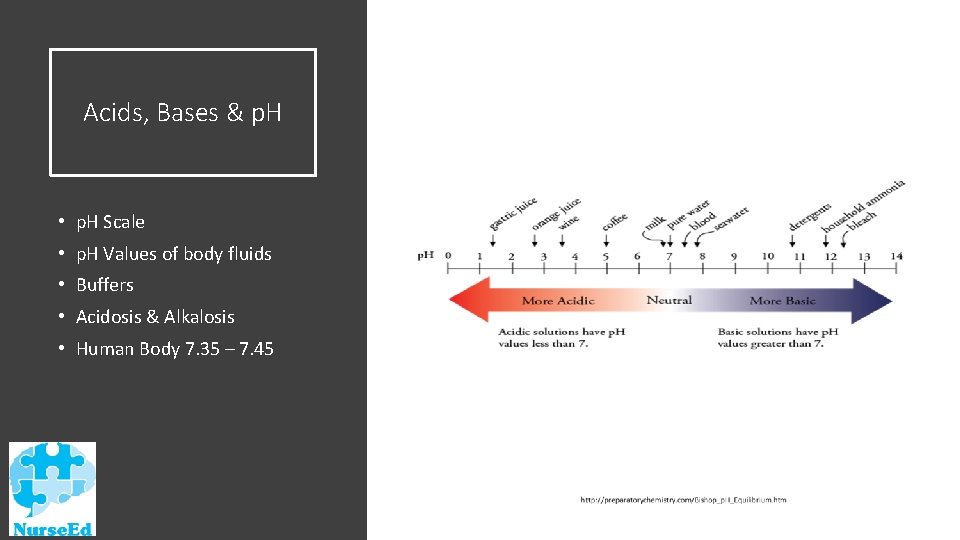
Acids, Bases & p. H • p. H Scale • p. H Values of body fluids • Buffers • Acidosis & Alkalosis • Human Body 7. 35 – 7. 45
Biological Molecules Carbohydrate s Amino Acids & Proteins Lipids Nucleotides – Nucleic Acids - ATP - Enzymes
Diffusion Movement of Substances Osmosis Extracellular Fluid Intracellular Fluid
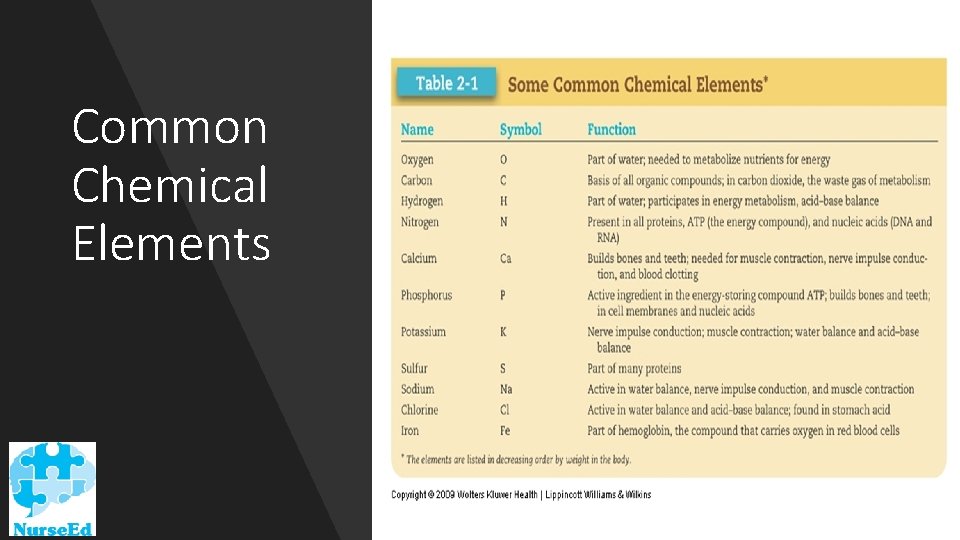
Common Chemical Elements
References • Ross & Wilson Anatomy & Physiology (2014) 12 th ed. A, & Grant A. , Churchill Livingstone Elsevier • Memmlers The Human Body In Health and Disease (2013) 12 th Lippincott Williams & Wilkins