
Introduction To Tree Identification How to Identify Trees
- Slides: 18
Introduction To Tree Identification How to Identify Trees in the Field
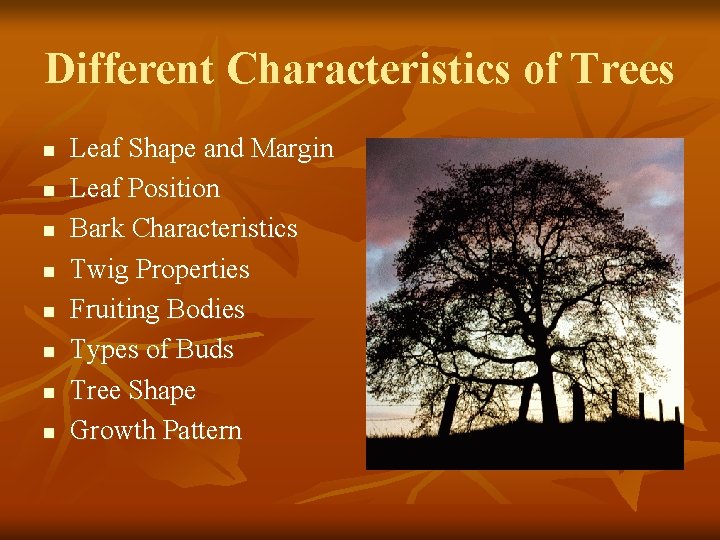
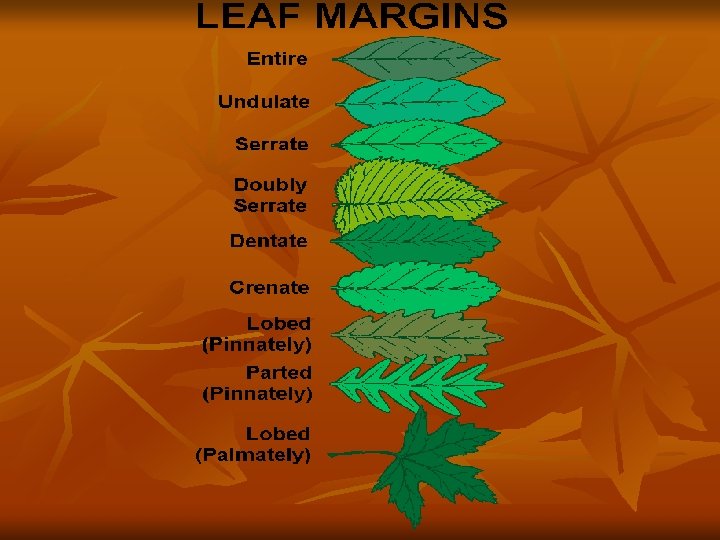
Different Characteristics of Trees n n n n Leaf Shape and Margin Leaf Position Bark Characteristics Twig Properties Fruiting Bodies Types of Buds Tree Shape Growth Pattern
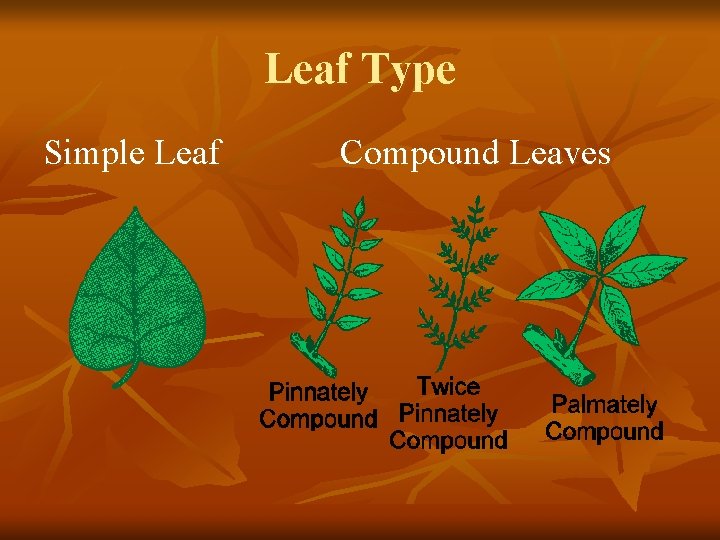
Leaf Type Simple Leaf Compound Leaves
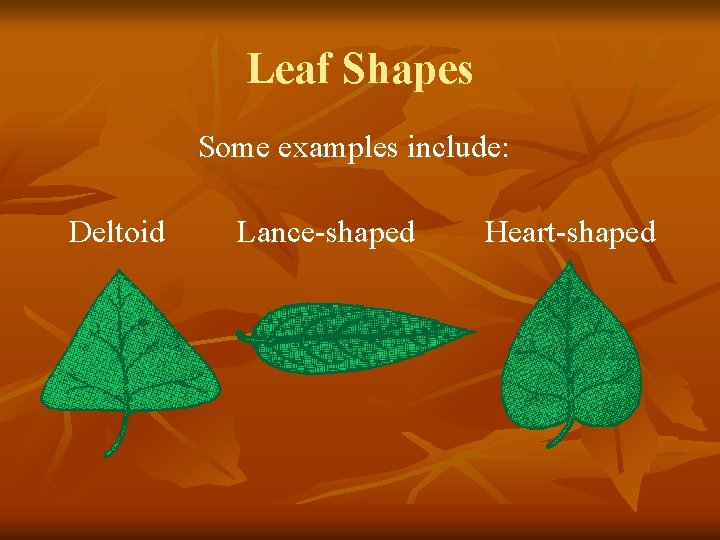
Leaf Shapes Some examples include: Deltoid Lance-shaped Heart-shaped
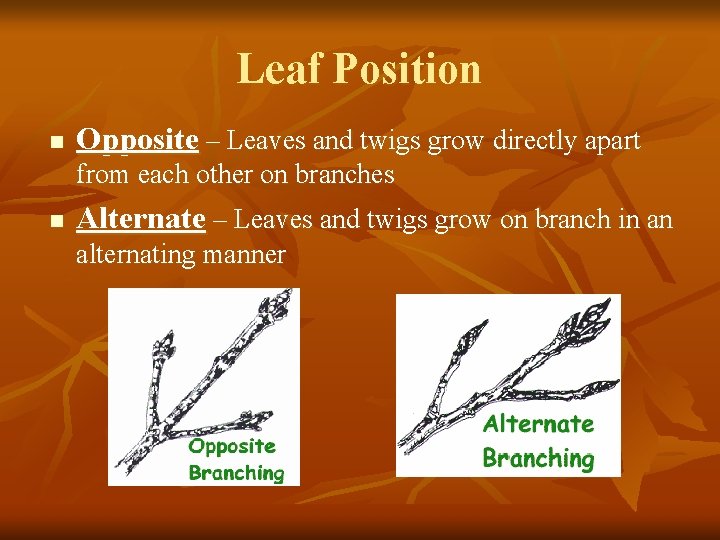
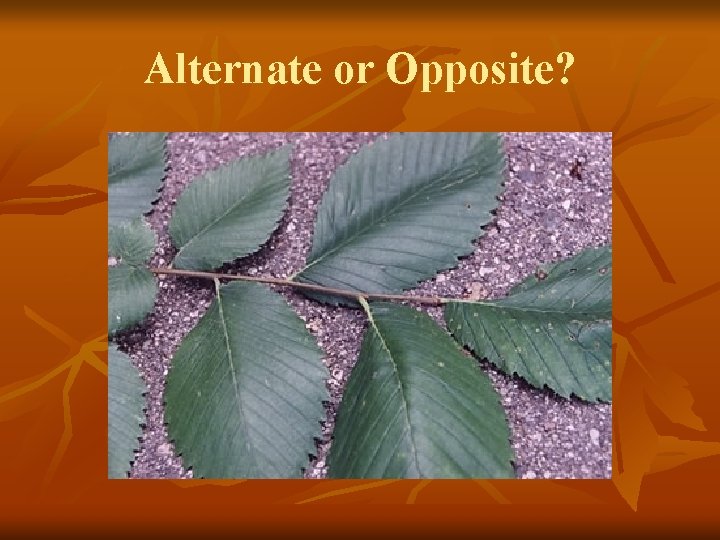
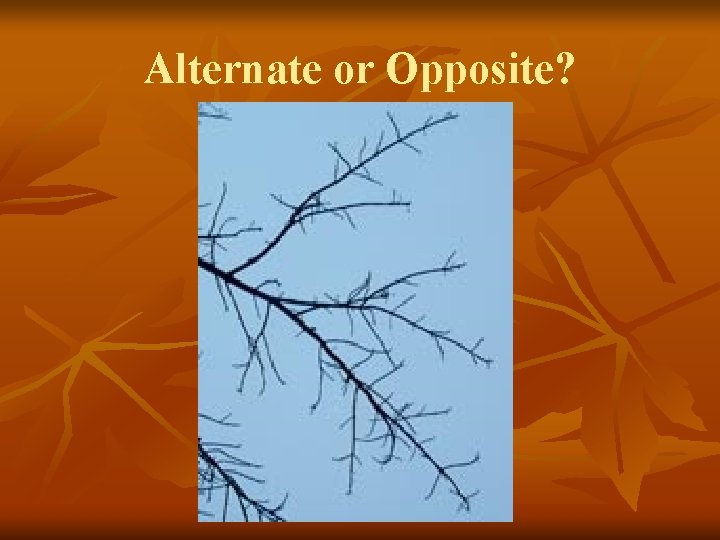
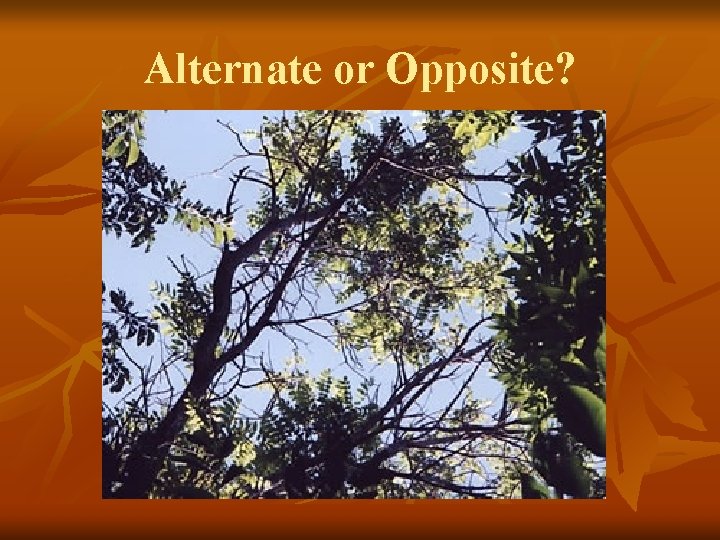
Leaf Position n Opposite – Leaves and twigs grow directly apart from each other on branches n Alternate – Leaves and twigs grow on branch in an alternating manner
Alternate or Opposite?
Alternate or Opposite?
Alternate or Opposite?
Opposite Trees of Michigan Only four major native trees in Southern Michigan that are opposite MAD Horse n n Maples Ashes Dogwoods Horse Chestnut
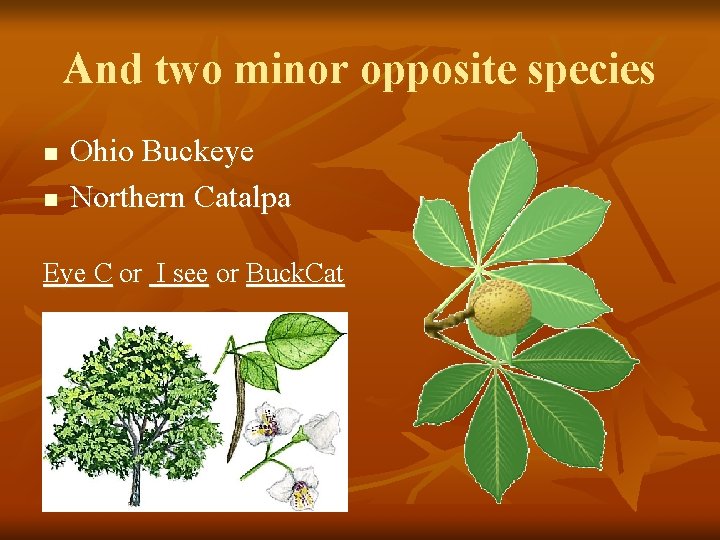
And two minor opposite species n n Ohio Buckeye Northern Catalpa Eye C or I see or Buck. Cat
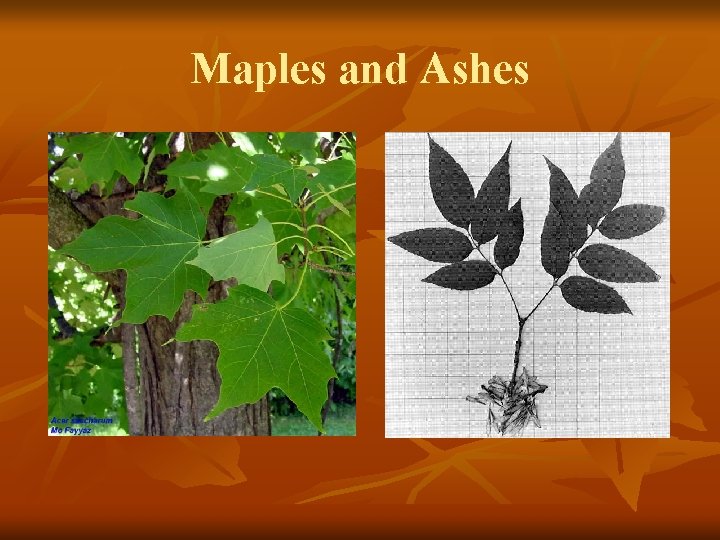
Maples and Ashes
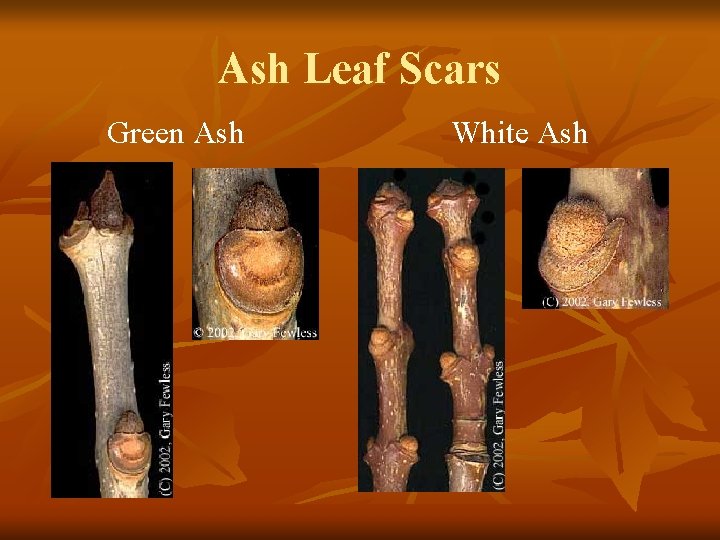
Ash Leaf Scars Green Ash White Ash
Alternate Broad-leafed Trees Native to Southern Michigan: Everything Left Aspen n Oak n Hickory n Elm n Willow n Etc. . . . n
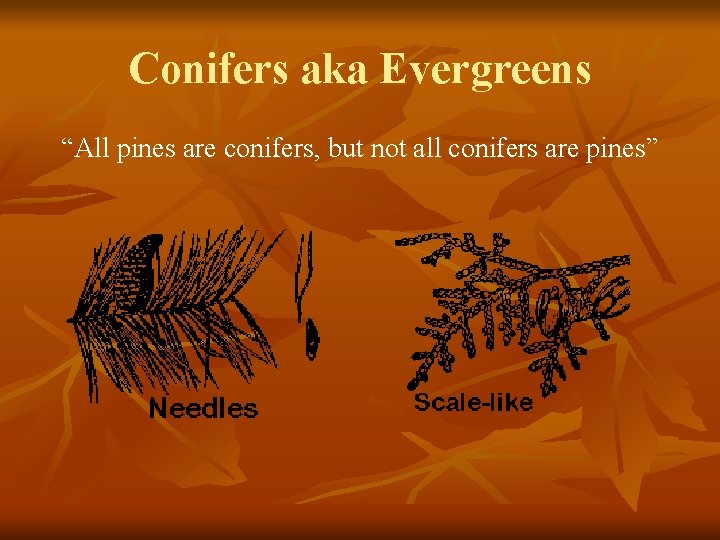
Conifers aka Evergreens “All pines are conifers, but not all conifers are pines”
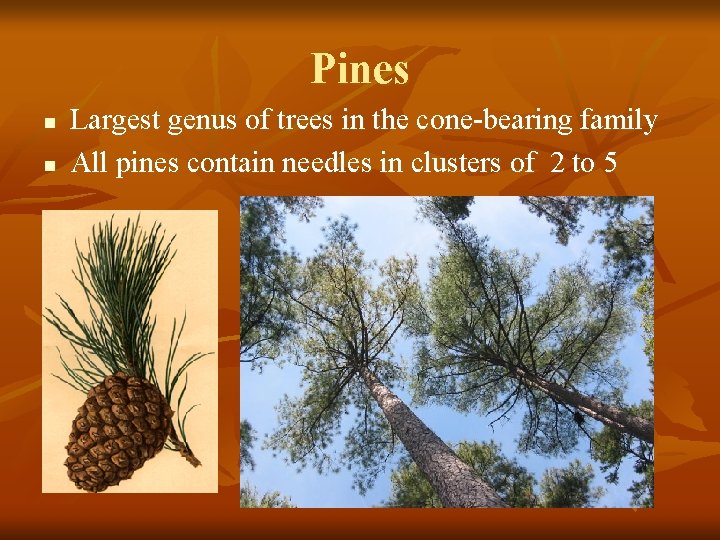
Pines n n Largest genus of trees in the cone-bearing family All pines contain needles in clusters of 2 to 5
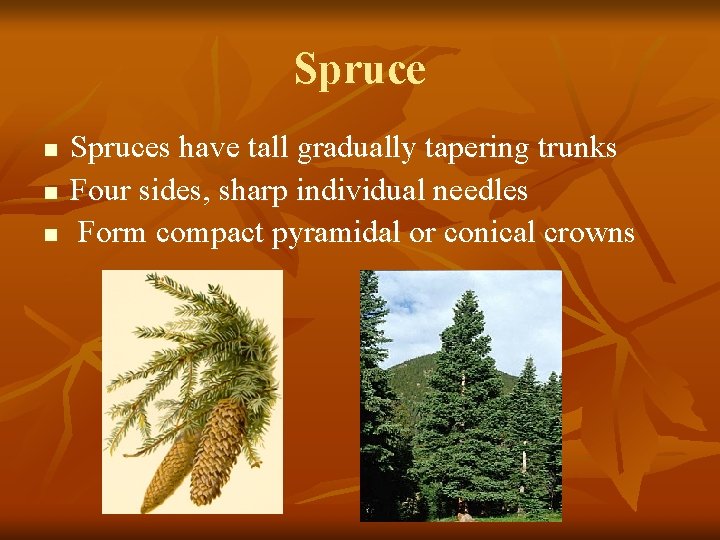
Spruce n n n Spruces have tall gradually tapering trunks Four sides, sharp individual needles Form compact pyramidal or conical crowns
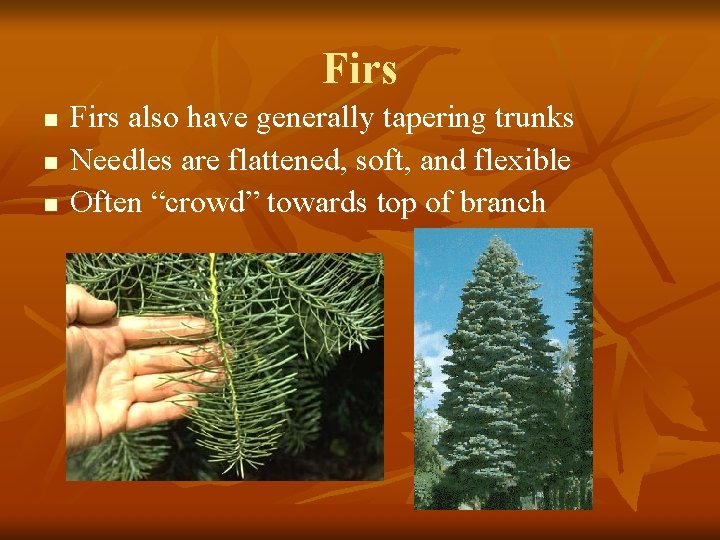
Firs n n n Firs also have generally tapering trunks Needles are flattened, soft, and flexible Often “crowd” towards top of branch